
COLUMBIA, SC
Vasculitis Clinical Trials
No vasculitis study is enrolling in Columbia SC, and none for polymyalgia rheumatica or giant cell arteritis anywhere nearby. However, one runs in Charlotte about 90 minutes north for ANCA vasculitis that keeps coming back. Compensation is provided for eligible participants once one opens here.
0
Open in the Midlands
1
About 90 Minutes North
+/- $100
Per Visit
New here? Read how this page works
First, one of these conditions can take your sight within hours, so that comes before anything else on this page. Here is the order to work through.
- If you have any visual symptom, stop reading and go to an emergency department. Because giant cell arteritis can take your sight within hours, and afterwards it does not come back.
- Ask which ANCA type you carry. Notably, PR3 and MPO are different, and the type now predicts relapse and response better than the older disease names do.
- Ask for both ESR and CRP. In fact, a real minority of people with proven giant cell arteritis have normal markers, so a normal result does not end the conversation.
- Finally, tap the button. Then we check you against every study we track and tell you when a new one opens.
Of course, checking never signs you up for anything. You are only seeing where you might fit.
The Nearest Study to Columbia
It runs inside Charlotte. However, it is only for ANCA vasculitis that keeps coming back despite treatment.
The nearest study, about 90 minutes north
Nothing is open in the Midlands. Also, this one is only for ANCA vasculitis that keeps coming back.

For Vasculitis That Keeps Coming Back
Nkarta / Cell therapy
Engineered natural killer cells that hunt B cells, given after chemotherapy that clears space for them. It is aimed at disease that returns despite repeated treatment.
Payment is not published.
Read the details →More details
Why researchers are excited: the aim is to reset the immune response rather than to hold it down with more steroids each year. So it is built for exactly the people for whom the current approach keeps failing.
Who this study is looking for
- You meet the 2022 criteria for GPA or MPA
- Also, your disease relapses or resists treatment, so newly diagnosed people are not eligible
- Besides that, you are ANCA positive now, on either the PR3 or the MPO test
- Finally, measurable active disease on the standard score, with an eGFR of 45 or above
Probably not a fit if: you have EGPA, once called Churg-Strauss. That form is ruled out here explicitly. Also, being ANCA negative rules you out, and so does being newly diagnosed and not yet treated.
- Placebo group: None, and no randomisation either. It is open label, so everyone treated gets the real cells.
- How long: One cycle of chemotherapy, then three doses of the cells, with follow up running up to 2 years.
- Clinic visits: Not published on the public record.
- Phone calls: Not published on the public record.
- Most invasive part: Chemotherapy first, then three cell infusions. That drops your blood counts and raises infection risk for a period. Also, close monitoring afterwards and heavy blood work across two years.
- Setting: Outpatient.
- Where it runs: Nkarta site, Charlotte NC 28202.
- Drive from Columbia: Charlotte is about 93 miles north, so roughly 90 minutes on I-77.
- Ask about the cohort, not just the study. This enrols several diseases in parallel arms, so confirm the vasculitis arm itself is open and has places left.
- Full study record: View on ClinicalTrials.gov →
Not sure which one fits you?
First, answer a few quick health questions. Then we keep them on file. Finally, we call you when a study opens near Columbia. No account, no paperwork.
See if I may fit one of these studies →What Is Actually Happening Across These Conditions
One of them can take your sight in hours. Start there.
Read This Part First
Giant cell arteritis, or GCA, can cause sudden and lasting blindness, and it can do so within hours. Swelling blocks the arteries feeding the optic nerve, and once that nerve is starved the sight does not come back. So steroids given after protect the other eye rather than bringing back the lost one. In fact, this is the one thing on this page worth reading twice.
The Signs That Mean Go Now
A curtain or shade coming down over your vision, even for seconds, is a warning shot and is often ignored. Aching or cramping in the jaw while chewing that eases when you stop is another. So are a new headache over the temple, a sore scalp when you brush your hair, and double vision. Meanwhile, any of these means an emergency department today rather than a booking next week.
And Treatment Should Not Wait for Tests
The right order is steroids started at once on suspicion, with the confirming tests done after. A biopsy still helps for up to about two weeks after steroids begin, so nothing is lost by treating first. So nobody should be left untreated over a weekend waiting for a slot. Notably, if you are told to wait, ask what the plan is to protect your sight in the meantime.
How PMR and GCA Differ
Polymyalgia rheumatica, or PMR, causes aching and hard morning stiffness in the shoulders, neck and hips. It does not cause vision loss. Giant cell arteritis, or GCA, inflames the arteries in the head and it can. However, they overlap heavily, so anybody with a PMR label who gets a headache, jaw pain or any visual symptom must be treated as possible GCA that same day.
The Blood Tests, and Their Limit
Ask for both ESR and CRP, which are markers of swelling in the blood. In GCA the ESR is often very high. However, and this matters, a real share of people with proven GCA have normal markers at the start. So a normal result does not end the talk if you have jaw pain on chewing or any visual symptom.
Biopsy or Ultrasound
A biopsy takes a short piece of the temple artery under local anaesthetic. When positive it settles the matter. However, the disease is patchy, so a clear biopsy does not rule it out. Ultrasound looks for a dark ring in the artery wall, needs no surgery and gives an answer at once, though it leans heavily on the skill of the person scanning. So the real question is which of the two your centre does well.
The ANCA Test, and Why the Type Matters
In a different group of these diseases the immune system attacks small vessels, mostly in the kidneys and lungs. The ANCA test finds it, and there are two types, called PR3 and MPO. So do not accept ANCA positive as an answer. Ask which one and ask for the number. Also, the field now finds the antibody type predicts relapse and response better than the older disease names do.
A Live Safety Story to Know About
A drug approved for ANCA vasculitis is now under formal challenge. The FDA’s drug centre proposed pulling it on 27 April 2026, and the journal that ran its main trial retracted that paper on 29 June 2026 after some results were checked again. The maker asked for a hearing on 23 July 2026 and the drug is still on the market while that is decided. However, nobody should stop a prescribed medicine on their own, so raise it with your own doctor instead.
Research Sites Near Columbia
Nothing runs in the Midlands, while the nearest study is inside Charlotte. But sites add new studies all the time, so it is worth knowing what is near you.
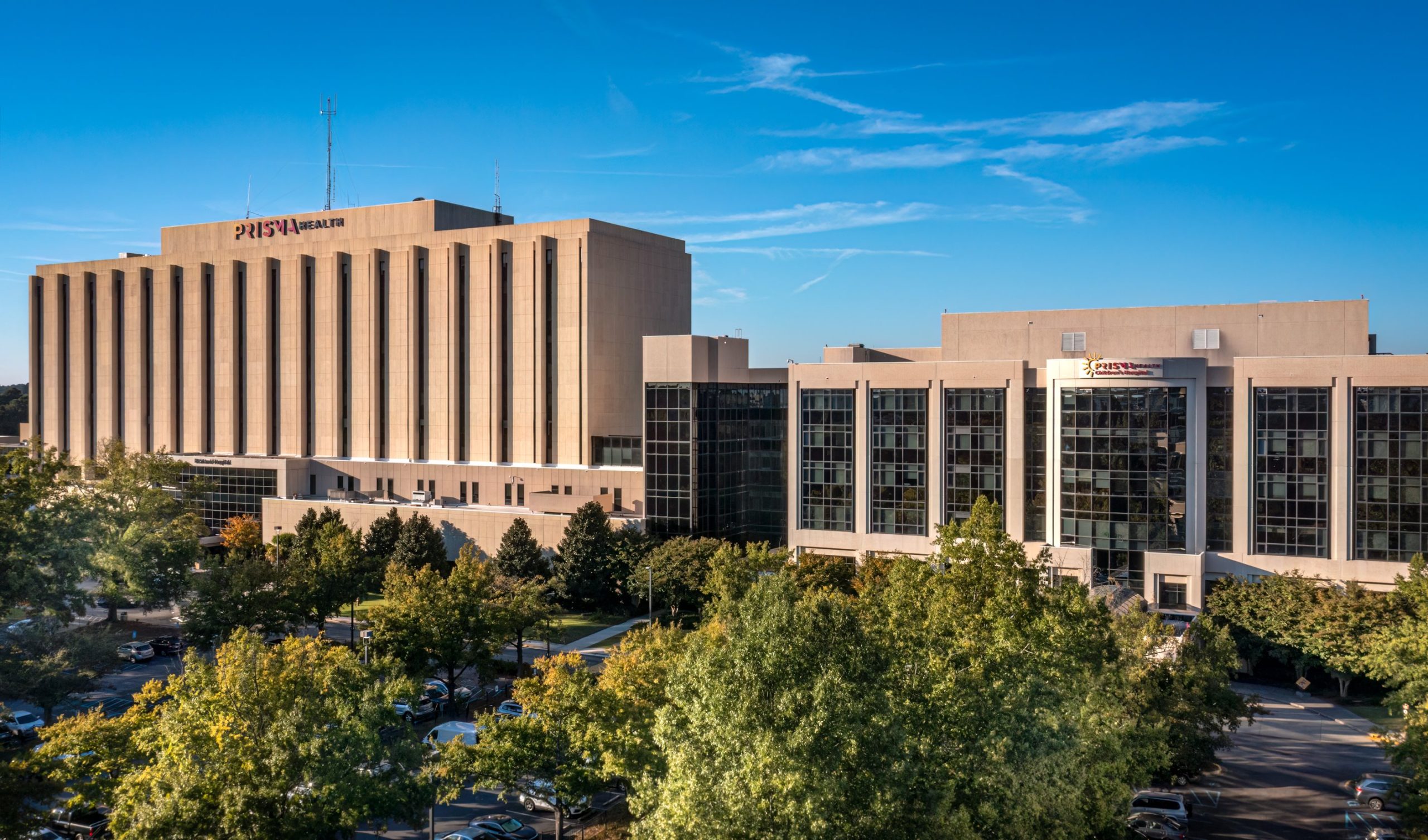
Prisma Health Richland Hospital
Downtown Columbia / 37+ active studies
Cancer, blood disorders, broad hospital research
The flagship Prisma Health hospital in the Midlands. Also, by far the biggest trial operation in the Columbia metro.
Visit Website →
University of South Carolina
Columbia / 27+ active studies
Stroke recovery, physical activity, community health
Notably, a research university that runs federally funded health studies across the Midlands. Specifically, topics range from stroke rehab to disease prevention.
Visit Website →
Bogan Sleep Consultants
Columbia / 7+ active studies
Narcolepsy, sleep disorders
One of the best known private sleep research sites in the Southeast. Also, it has run sleep trials for decades.
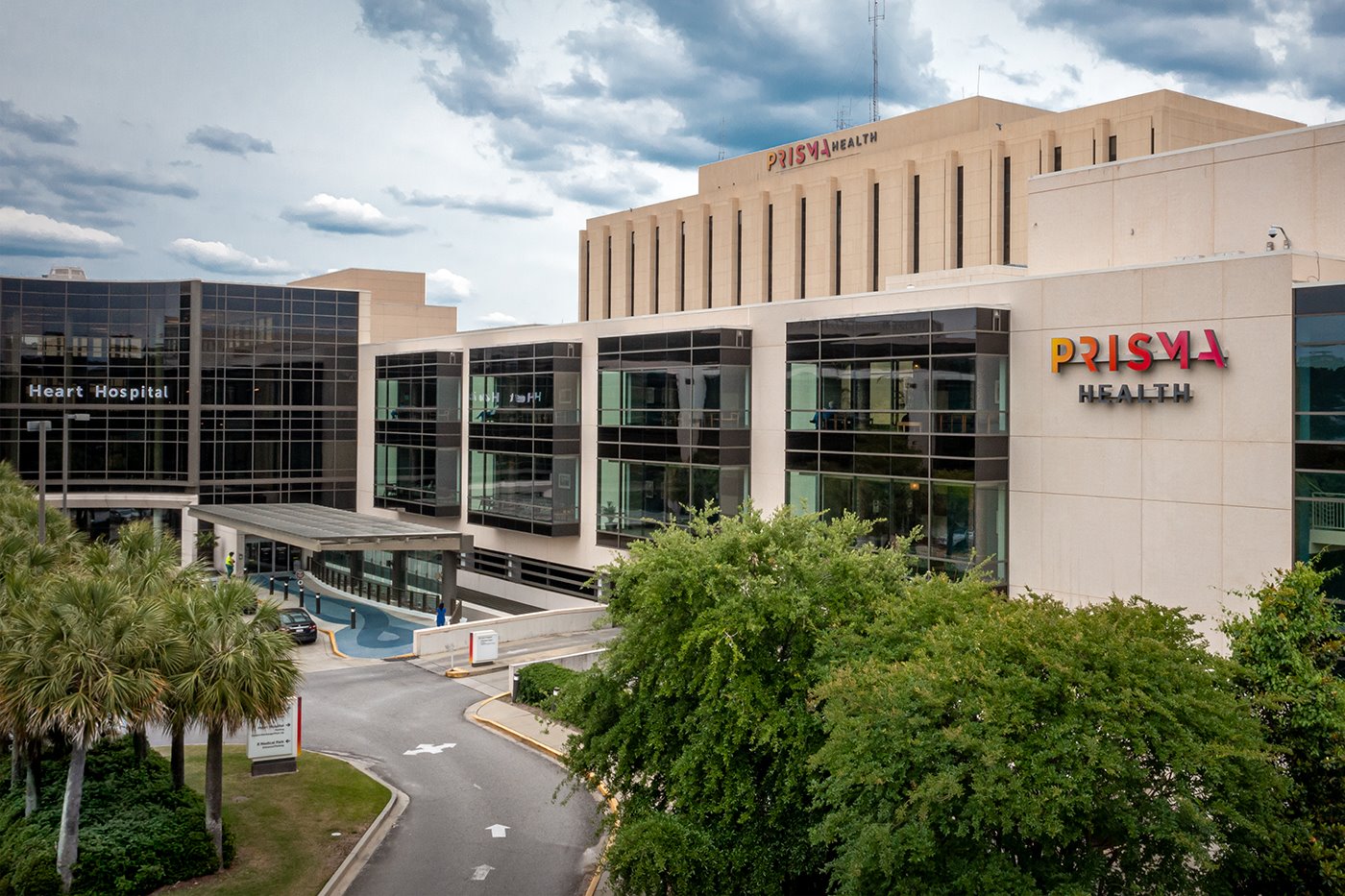
Prisma Health Midlands Cardiovascular
Columbia / 4+ active studies
Cardiovascular disease, heart failure
The heart and vessel research arm of Prisma Health in the Midlands. So it is the natural home for cholesterol trials in Columbia.
Visit Website →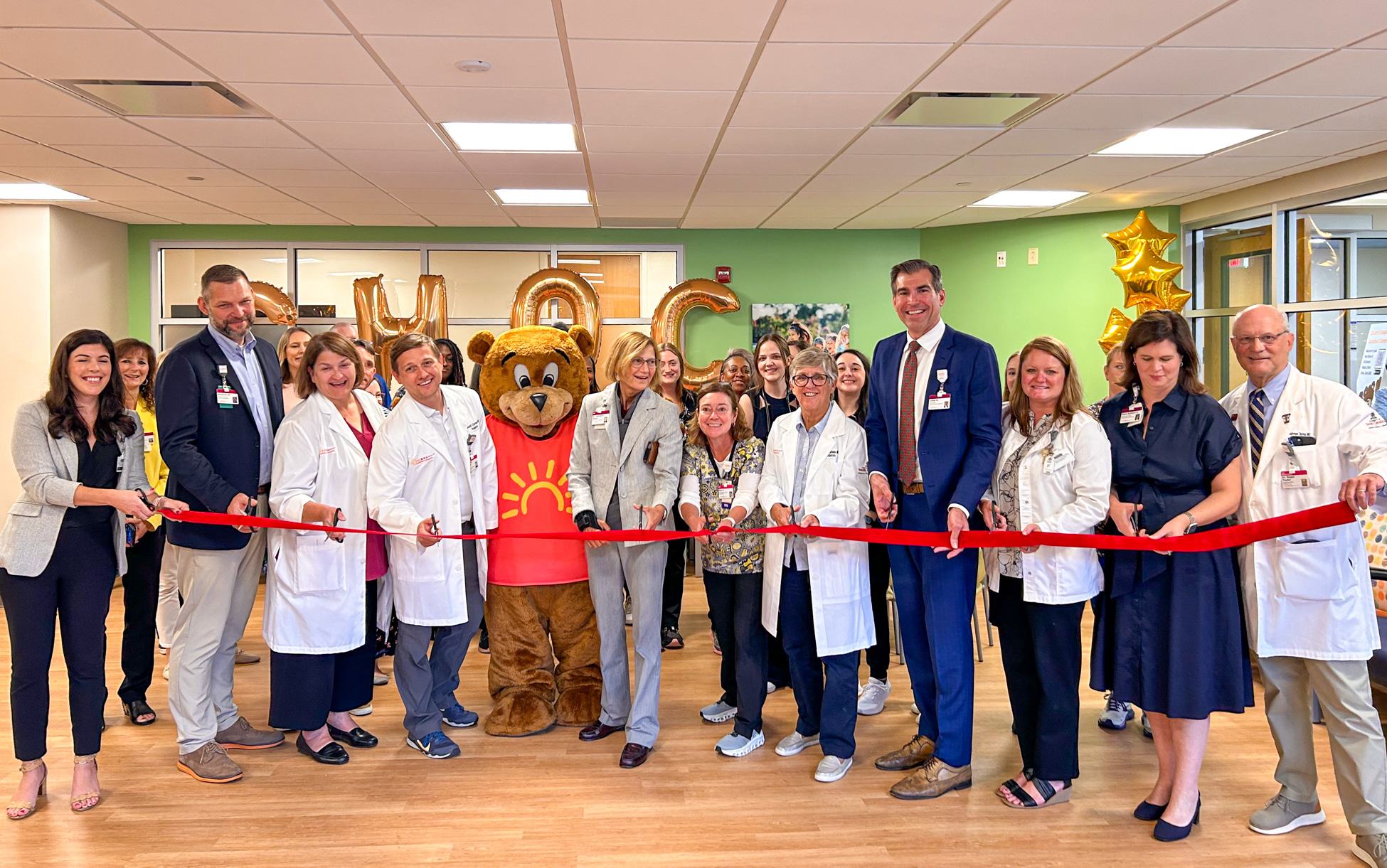
Prisma Health Children’s Hospital, Midlands
Columbia / 4+ active studies
Pediatric growth, cystic fibrosis
Basically, the Midlands hub for children’s research inside the Prisma Health system.
Visit Website →
Columbia Dermatology & Aesthetics
Columbia / 4+ active studies
Hidradenitis suppurativa, psoriasis, obesity
A skin care practice with its own research team. It runs both skin and weight studies.
Velocity Clinical Research, Columbia
Columbia / Multiple active studies
COPD, skin conditions, vaccines
Part of one of the biggest research site networks in the country. Besides, it is just the kind of site the huge outcome trials lean on.
Visit Website →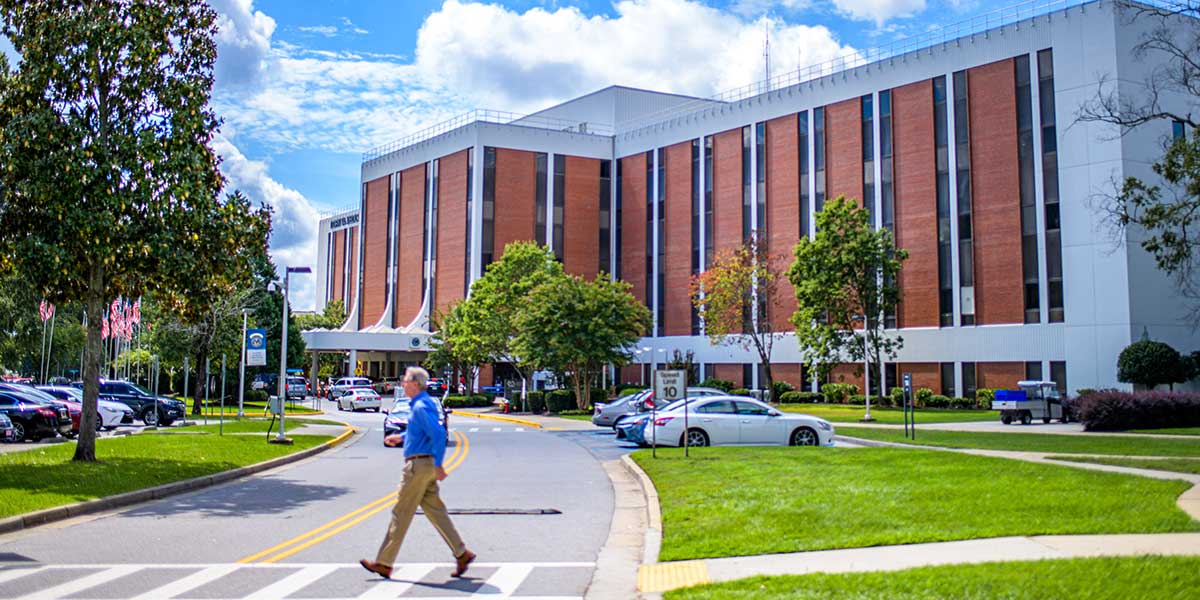
Wm. Jennings Bryan Dorn VA Medical Center
Garners Ferry Road, Columbia / 2+ active studies
Atherosclerosis, liver disease
Columbia’s VA medical center runs studies, including ones on clogged arteries. For veterans, it is often the first door.
Visit Website →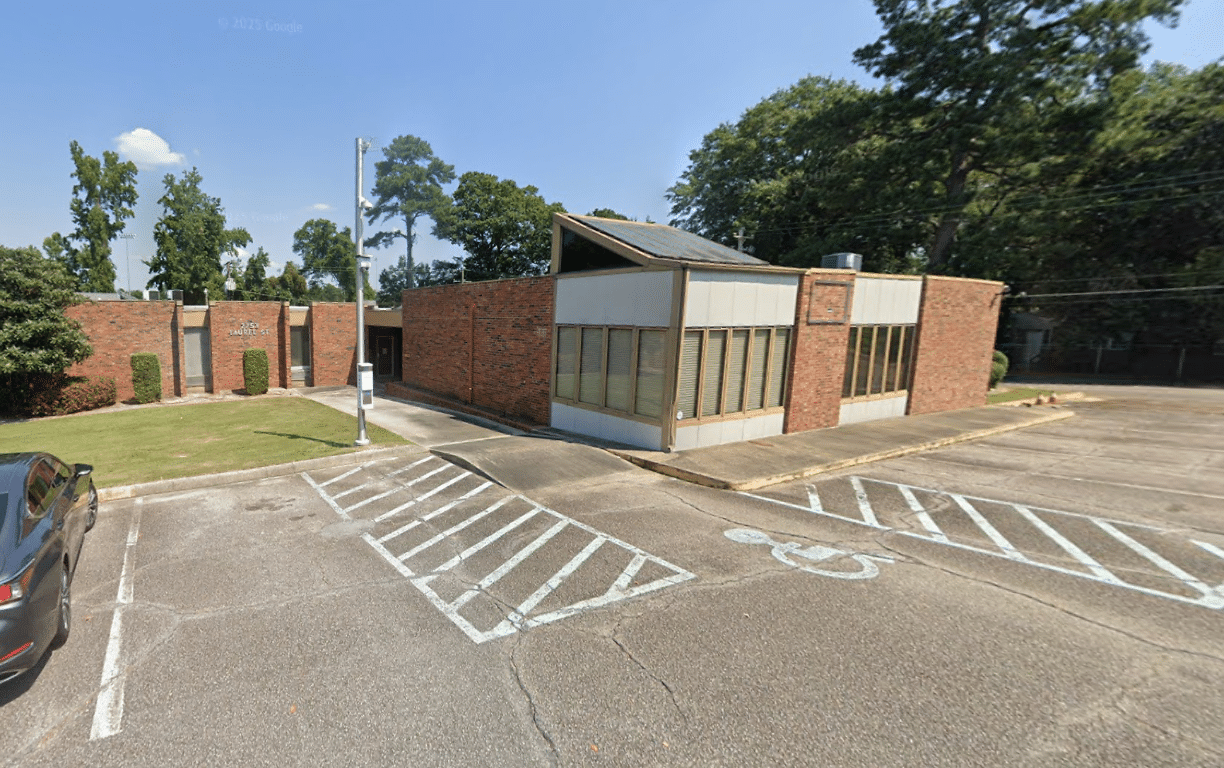
Objective Health, Columbia
Columbia / 2+ active studies
Celiac disease, fatty liver disease
Once called Columbia Digestive Health Research. Now it is part of the Objective Health network. Specifically, it runs gut and liver studies, including fatty liver trials.

Columbia Gastroenterology Associates
Columbia / Active studies
Digestive conditions
A long-running gut health practice. Also, it takes part in digestive trials around Columbia.
What to Expect in a Vasculitis Study
New to studies? Here is how one works, step by step.
01
Prescreening
First comes a short phone call or online form. Also, it takes about 10 to 15 minutes. The staff check whether you might fit. Then they tell you what is open.
02
Screening Visit
Next the clinic runs the tests that decide it, which usually means blood work. Also, they go through the consent form line by line, and you can bring somebody with you.
03
Treatment Period
Then the study begins. So you take the study drug or the placebo on the agreed schedule. Meanwhile, your own doctor keeps managing everything else.
04
Follow-Up
Finally, there is a check in period at the end. Also, your own doctor gets the results, and you can stop at any point without affecting your care.
Vasculitis Trial FAQs
Real answers about vasculitis, PMR and GCA studies near Columbia SC.
Is there a study for this near Columbia?
No, and we will not pretend otherwise. Nothing is recruiting in Columbia, West Columbia, Lexington, Irmo, Cayce, Sumter or Orangeburg, for any of these conditions. However, one study runs inside Charlotte, about 93 miles north, and it takes only ANCA vasculitis of the GPA or MPA type that keeps coming back despite treatment. Notably, nothing at all is recruiting for PMR or GCA within reach of either city.
What are the warning signs I must not ignore?
A temporary curtain or shade over your vision, even for a few seconds. Jaw ache that comes on while chewing and eases when you stop. A new headache over the temple, a scalp that hurts when you brush your hair, or double vision. So any of those means an emergency department that day rather than an appointment next week. Notably, once the optic nerve is starved the sight does not come back.
Should treatment wait for the tests?
No, and this is worth knowing before you are in the situation. The right order is high dose steroids started immediately on suspicion, with the confirming tests done afterwards. A biopsy stays informative for up to about two weeks after steroids begin, so nothing is lost by treating first. However, if you are told to wait, ask directly what the plan is to protect your sight in the meantime.
How do PMR and giant cell arteritis differ?
They are related but distinct, and readers confuse them constantly. PMR causes aching and hard morning stiffness in the shoulders, neck and hips, and it does not cause vision loss. GCA inflames the arteries in the head and it can. So anybody with a PMR label who gets a headache, jaw pain or any visual symptom must be treated as possible GCA that same day.
Can a normal blood test rule it out?
No, and that is a dangerous assumption. ESR and CRP are usually high in GCA, and they are the right tests to ask for. However, a real share of people with proven disease have normal markers at the start. So a normal result does not end the conversation if you have jaw pain on chewing or any visual symptom.
Is there anything for PMR or giant cell arteritis nearby?
No, and we would rather be straight about it than pad the page. Nothing is recruiting for either of those in the Midlands or near Charlotte, and nothing for Behcet’s or Takayasu. The one study within reach is only for ANCA vasculitis that keeps coming back. So if you have PMR or GCA, the useful thing here is the warning signs rather than a study.
What does the ANCA test tell me?
More than most people are told, so ask for the detail rather than a yes or no. There are two types, called PR3 and MPO, and you should ask which one and what the number was. The field now finds the antibody type predicts relapse risk and treatment response better than the older disease names do. Also, it governs study access directly, because some studies require one type specifically.
Is there a safety issue with a vasculitis drug right now?
Yes, and it is worth raising with your own specialist rather than acting on alone. One drug approved for ANCA vasculitis is under formal challenge. The FDA’s drug centre proposed withdrawing it on 27 April 2026, and the journal that published its main trial retracted that paper on 29 June 2026 after some results were reassessed. However, the maker requested a hearing and the drug remains available while that is decided, so do not stop anything on your own.
Does it cost anything to be on the list?
No. There is no cost, and no insurance is needed. Tether is a nonprofit list, so we do not run studies and we are not paid to send you anywhere. Also, being on the list never enrolls anyone in anything. You would always call the clinic yourself.
Where can I get care near Columbia SC?
Prisma Health and Lexington Medical Center both run joint and eye services across the Midlands. Also, ask whether your centre does temporal artery ultrasound well, because a confident scan beats a poorly sampled biopsy. Generally, your own doctor can refer you. Meanwhile, if you have any visual symptom at all, go to an emergency department rather than waiting for a referral.
Ready to Explore a Study?
Check your eligibility, or just reach out to our Columbia team. No pressure. Also, no sales pitch.
← Back to All Clinical TrialsSources
- Ntrust-2 study of NKX019 cells, with a vasculitis group, ClinicalTrials.gov NCT06733935
- FDA drug centre: proposed withdrawal of avacopan, 27 April 2026, and the hearing request
- Vasculitis Foundation: ANCA testing, PR3 and MPO, and GCA warning signs
- American College of Rheumatology: 2022 criteria for GPA and MPA
Study details and per-site recruiting status verified against ClinicalTrials.gov on August 16, 2026. Counts are given separately for PMR, GCA and other vasculitis, because they are related but not the same. A state level search missed the one study in scope; it was found only by reading every site row. Study availability and criteria change; the research clinic confirms everything before you enroll.