
COLUMBIA, SC
Ankylosing Spondylitis Clinical Trials
No study is enrolling in Columbia SC, and we would rather say so plainly. However, one runs at Rock Hill about an hour north, and it has no dummy in it and needs no MRI. Compensation is provided for eligible participants once one opens here.
0
Open in the Midlands
1
About an Hour North
+/- $100
Per Visit
New here? Read how this page works
First, one pattern tells a doctor more than anything else, and most people have never been asked about it. So here is the order to work through.
- Describe the pattern, not just the pain. Because back pain that is worse after rest and better with movement is the single most useful thing you can say.
- Ask whether you have had an MRI or only an X-ray. Notably, an X-ray shows old damage while an MRI shows swelling now, and that difference decided who got treated at all.
- Ask whether HLA-B27 has ever been run. In fact, it does not diagnose you on its own, but it is part of the picture and many people have never been tested.
- Finally, tap the button. Then we check you against every study we track and tell you when a new one opens.
Of course, checking never signs you up for anything. You are only seeing where you might fit.
The Nearest Study to Columbia
It runs at Rock Hill, about an hour north. However, joining means about 3 months off your current biologic.
The nearest study, about an hour north
Nothing is open in the Midlands. However, this one has no dummy in it and needs no MRI.

An Approved Drug, Testing Drip Against Injection
UCB / Drug
This does not test whether the drug works, because that is already settled and the drug is approved. It tests whether giving it by drip matches giving it by injection.
Payment is not published.
Check eligibility →More details
Why researchers are excited: everyone in it receives the real approved drug, and the draw decides only how you get it. So there is no dummy anywhere, which is rare and it changes the risk of joining completely.
Who this study is looking for
- Age 18 or over
- Also, active axial spondyloarthritis, or active psoriatic arthritis
- Besides that, both radiographic and non radiographic disease count
- Finally, weight between 45 and 100 kilograms
Probably not a fit if: you are on a biologic that is working. You must either have never taken one, or have stopped at least 3 months before joining. For most people that means a flare, so weigh it seriously.
- Placebo group: None at all. Everyone gets the real approved drug, and the draw decides only how it is given. The split is not published.
- How long: The main measure is at week 16, with safety to about week 29.
- Clinic visits: Not published in full. Named points are the start, week 16 and safety by about week 29.
- Phone calls: Not published on the public record.
- Most invasive part: Two of the three groups get a drip and the third gets an injection. Also, blood draws are heavy and often timed, because measuring drug levels is the point. Notably, no MRI is required, which is unusual here.
- Setting: Outpatient.
- Where it runs: Research site, Rock Hill SC 29732.
- Drive from Columbia: Rock Hill is about 70 miles north on I-77.
- The trade in one line: no dummy and no MRI, against about three months off your current biologic first. So it depends on whether what you take now is working.
- Full study record: View on ClinicalTrials.gov →
Not sure which one fits you?
First, answer a few quick health questions. Then we keep them on file. Finally, we call you when a study opens near Columbia. No account, no paperwork.
See if I may fit one of these studies →What Is Actually Changing in Axial Spondyloarthritis
The name changed, and that change let a whole group of people finally be treated.
Back Pain That Behaves Backwards
Ordinary back pain gets worse with activity and better with rest. This does the opposite. It is worse after rest, worst in the early hours, and it eases once you get up and move. So people wake at three or four in the morning and walk around the house to loosen up. Notably, that single pattern is the most useful thing you can tell a doctor, and it is rarely asked about.
Where It Starts
It begins at the joints where the base of your spine meets your pelvis. Swelling there causes the pain, and over years the body can lay down new bone that stiffens the spine. It usually starts in the late teens or twenties, and it often takes years to be named. Meanwhile, it can also inflame the eyes, the gut and the points where tendons anchor into bone.
The Split That Decides Everything
There are two forms of the same disease, and the difference is only what shows on an X-ray. Radiographic disease means damage is visible there, and that is what the older name described. Non radiographic disease means the swelling is real and the symptoms are the same, but the X-ray is still clean. So people in that second group were told for years that nothing was wrong with them.
Why an MRI Changed That
An X-ray shows damage that has already happened, and that damage can take years to appear. An MRI shows swelling happening now. So when scanning became routine, a whole group of people who had been dismissed could finally be seen and treated. In fact, that is why the umbrella name exists, and why it matters that a study says which form it takes.
The Tests to Ask For by Name
First, ask whether anyone has run HLA-B27, a gene marker carried by a large share of people with this. It does not make the diagnosis on its own, because plenty of healthy people carry it. Second, ask whether you have had an MRI of those pelvic joints rather than only an X-ray. Also ask for your BASDAI or ASDAS score, which is how activity is measured and how studies gate entry.
The Delay Is Not Your Fault
People with this wait years to be diagnosed, and the reasons are structural rather than personal. It starts young, when back pain is assumed to be an injury. It affects women in ways that were long under recognised, because the older name and the older X-ray criteria described a narrower group. So being told for a decade that it was posture or sport is a common story rather than a rare one.
What Treatment Looks Like Now
Anti-inflammatories and daily movement remain the base, and the movement part is not filler. Beyond that, drugs that block TNF or the IL-17 pathway changed what is possible, and several now cover both forms of the disease rather than only the one visible on X-ray. Meanwhile, one drug blocking two arms of IL-17 was extended across the whole psoriatic and spinal spectrum in 2024.
Why So Little Is Being Studied Nearby
This is a smaller field than the joint and skin conditions beside it, and the studies cluster tightly. One study reaches this region at all, and it sits at Rock Hill rather than in either city centre. Also, it turned up only because we opened a study with over a hundred sites and read every row, since a state wide search on this condition returned nothing at all in either state.
Research Sites Near Columbia
Nothing runs in the Midlands, while the nearest site is at Rock Hill about an hour north. But sites add new studies all the time, so it is worth knowing what is near you.

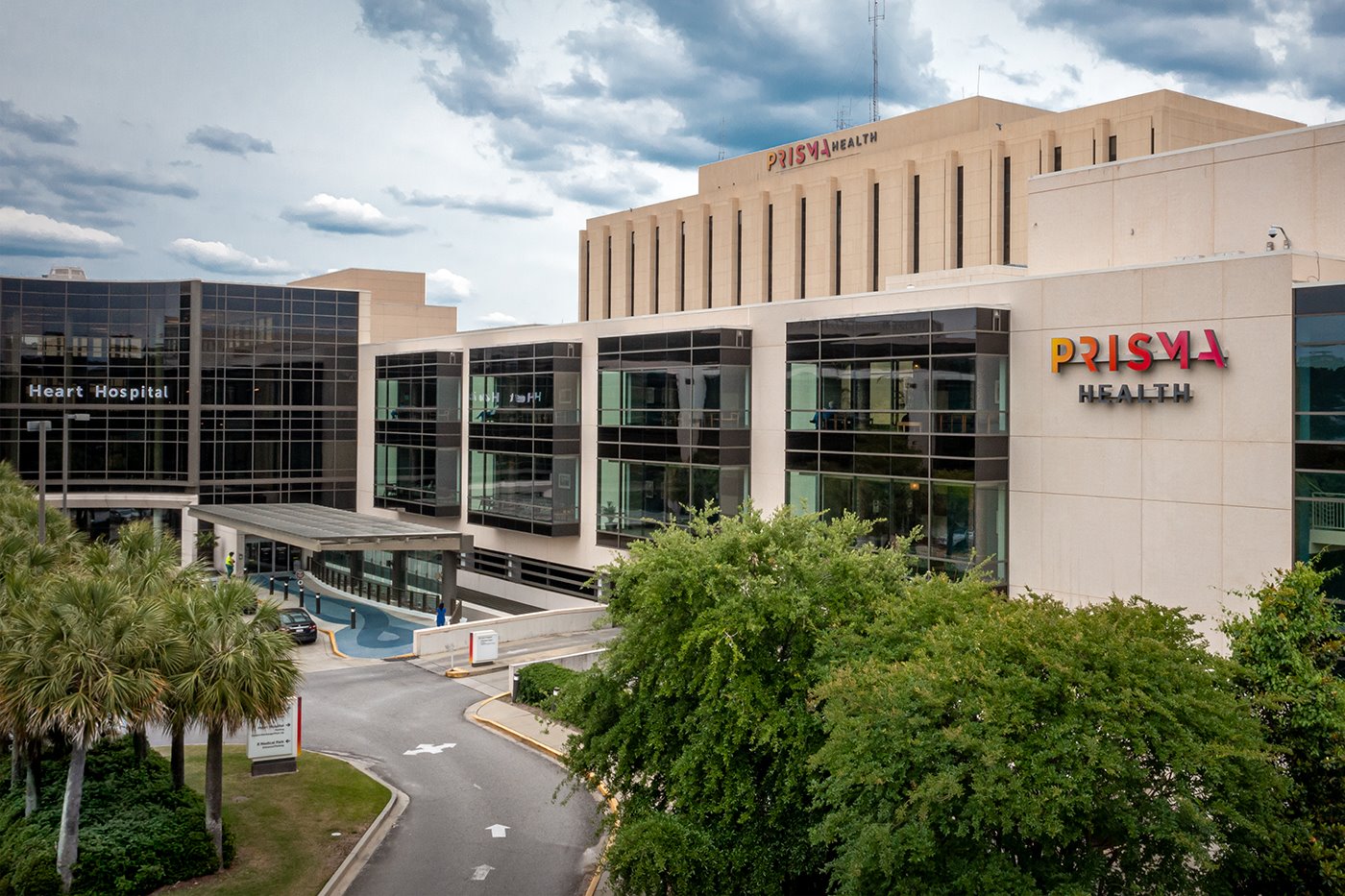
Prisma Health Richland Hospital
Downtown Columbia / 37+ active studies
Cancer, blood disorders, broad hospital research
The flagship Prisma Health hospital in the Midlands. Also, by far the biggest trial operation in the Columbia metro.
Visit Website →
University of South Carolina
Columbia / 27+ active studies
Stroke recovery, physical activity, community health
Notably, a research university that runs federally funded health studies across the Midlands. Specifically, topics range from stroke rehab to disease prevention.
Visit Website →
Bogan Sleep Consultants
Columbia / 7+ active studies
Narcolepsy, sleep disorders
One of the best known private sleep research sites in the Southeast. Also, it has run sleep trials for decades.
Prisma Health Midlands Cardiovascular
Columbia / 4+ active studies
Cardiovascular disease, heart failure
The heart and vessel research arm of Prisma Health in the Midlands. So it is the natural home for cholesterol trials in Columbia.
Visit Website →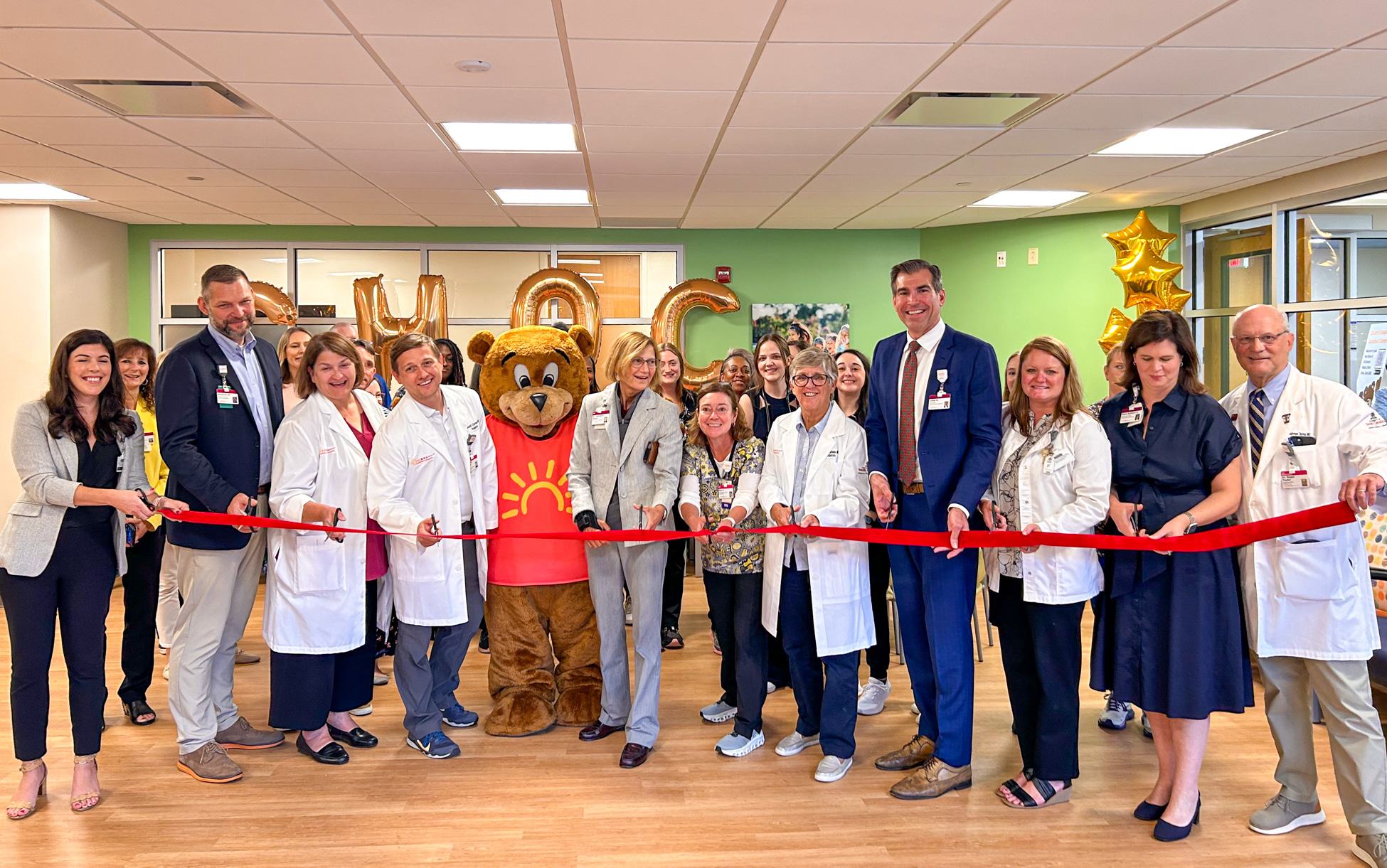
Prisma Health Children’s Hospital, Midlands
Columbia / 4+ active studies
Pediatric growth, cystic fibrosis
Basically, the Midlands hub for children’s research inside the Prisma Health system.
Visit Website →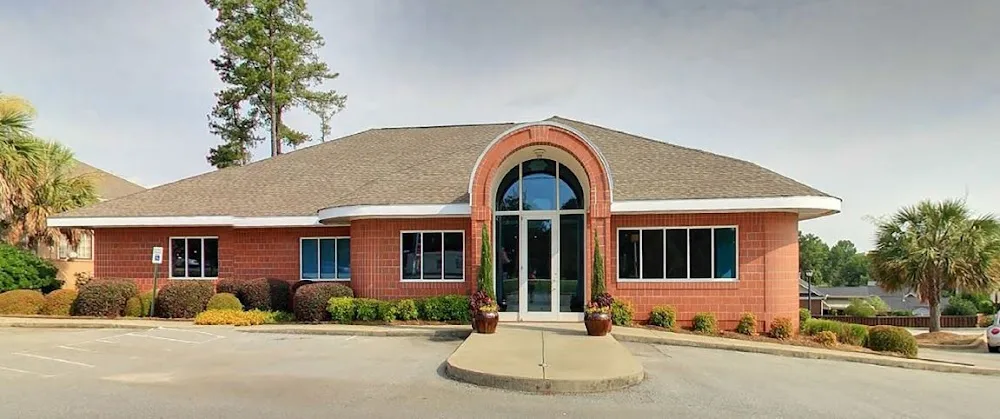
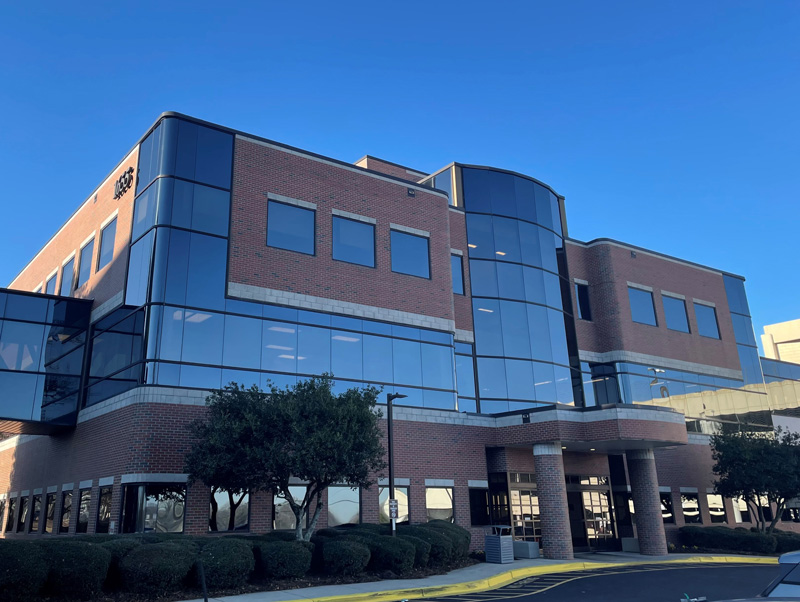
Columbia Dermatology & Aesthetics
Columbia / 4+ active studies
Hidradenitis suppurativa, psoriasis, obesity
A skin care practice with its own research team. It runs both skin and weight studies.
Velocity Clinical Research, Columbia
Columbia / Multiple active studies
COPD, skin conditions, vaccines
Part of one of the biggest research site networks in the country. Besides, it is just the kind of site the huge outcome trials lean on.
Visit Website →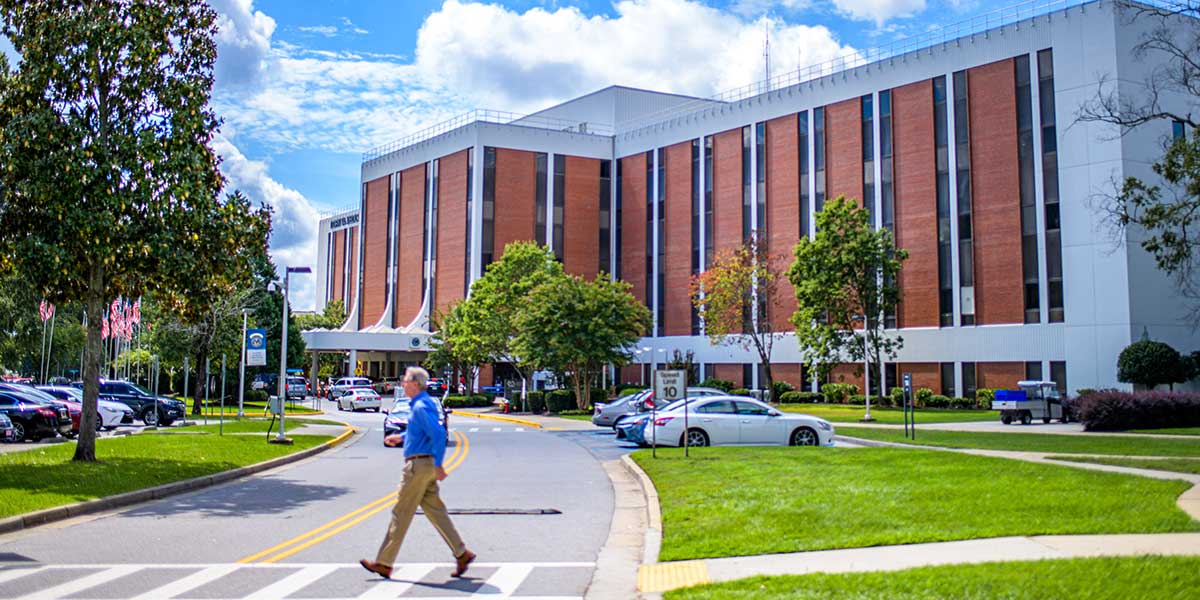
Wm. Jennings Bryan Dorn VA Medical Center
Garners Ferry Road, Columbia / 2+ active studies
Atherosclerosis, liver disease
Columbia’s VA medical center runs studies, including ones on clogged arteries. For veterans, it is often the first door.
Visit Website →
Objective Health, Columbia
Columbia / 2+ active studies
Celiac disease, fatty liver disease
Once called Columbia Digestive Health Research. Now it is part of the Objective Health network. Specifically, it runs gut and liver studies, including fatty liver trials.

Columbia Gastroenterology Associates
Columbia / Active studies
Digestive conditions
A long-running gut health practice. Also, it takes part in digestive trials around Columbia.
What to Expect in a Spondyloarthritis Study
New to studies? Here is how one works, step by step.
01
Prescreening
First comes a short phone call or online form. Also, it takes about 10 to 15 minutes. The staff check whether you might fit. Then they tell you what is open.
02
Screening Visit
Next the clinic runs the tests that decide it, which usually means blood work. Also, they go through the consent form line by line, and you can bring somebody with you.
03
Treatment Period
Then the study begins. So you take the study drug or the placebo on the agreed schedule. Meanwhile, your own doctor keeps managing everything else.
04
Follow-Up
Finally, there is a check in period at the end. Also, your own doctor gets the results, and you can stop at any point without affecting your care.
Ankylosing Spondylitis Trial FAQs
Real answers about axial spondyloarthritis studies near Columbia SC.
Is there a study for this near Columbia?
No, and we will not pretend otherwise. Nothing is recruiting in Columbia, West Columbia, Lexington, Irmo, Cayce, Sumter or Orangeburg. However, one study runs at Rock Hill about 70 miles north, and it has no dummy in it anywhere, because everyone receives the real approved drug. Also, it needs no MRI, which is unusual in this field.
What is the difference between the two forms?
Only what shows on an X-ray, and that is the whole of it. Radiographic disease means damage is already visible there, which is what the older name described. Non radiographic disease means the swelling and the symptoms are the same but the X-ray is still clean. So people in that second group were told for years that nothing was wrong, and an MRI is what changed that.
Why does an MRI matter so much?
Because an X-ray only shows damage that has already happened, and that can take years to appear. An MRI shows swelling that is happening right now. So when scanning became routine, a whole group of people who had been dismissed could finally be seen and treated. Notably, the study here does not require an MRI, which is unusual and helps anyone who cannot face a scanner.
Should I get tested for HLA-B27?
It is worth asking about, though it settles nothing on its own. It is a gene marker carried by a large share of people with this condition. However, plenty of healthy people carry it too, so a positive result is part of a picture rather than an answer. Also, the study here does not require it either way.
Why did it take so long to diagnose me?
Because the reasons are structural rather than anything you did. It starts young, when back pain is assumed to be an injury. The older name and the older X-ray based criteria described a narrower group, which left many people outside them, women especially. So being told for a decade that it was posture is a common story rather than a rare one.
Why is nothing open in the Midlands?
Because this is a smaller research field than the conditions beside it, and the studies cluster tightly. One study reaches this whole region, and it sits at Rock Hill about an hour north. So a state wide search on this condition returns nothing at all in either Carolina. Notably, that one site turned up only because we opened a study with over a hundred sites and read every row.
Will I have to come off my biologic?
Yes, and this is the hard part of the one study within reach. You must either have never taken a biologic, or have stopped at least 3 months before joining. For most people with active disease, three months off treatment means a flare. So if what you take now is working, weigh this seriously rather than quickly.
Is there really no dummy in it?
Correct, and that is genuinely unusual. The study is not testing whether the drug works, because that is settled and the drug is approved. It is testing whether giving it by drip matches giving it by injection. So everyone receives the real approved drug, and the draw decides only how you get it.
Does it cost anything to be on the list?
No. There is no cost, and no insurance is needed. Tether is a nonprofit list, so we do not run studies and we are not paid to send you anywhere. Also, being on the list never enrolls anyone in anything. You would always call the clinic yourself.
Where can I get spine and joint care near Columbia SC?
Prisma Health and Lexington Medical Center both run joint services across the Midlands. Also, ask for a joint specialist rather than a back clinic, because this is a swelling problem rather than a mechanical one. Generally, your own doctor can refer you. Meanwhile, if you have only ever had an X-ray of your lower back, ask whether an MRI is warranted.
Ready to Explore a Study?
Check your eligibility, or just reach out to our Columbia team. No pressure. Also, no sales pitch.
← Back to All Clinical TrialsSources
- UCB bimekizumab study comparing intravenous and subcutaneous dosing in axial spondyloarthritis and psoriatic arthritis, ClinicalTrials.gov NCT07290036
- Spondylitis Association of America: axial spondyloarthritis, the radiographic and non radiographic split, and disease activity measures
- American College of Rheumatology: axial spondyloarthritis classification and treatment recommendations
Study details and per-site recruiting status verified against ClinicalTrials.gov on August 16, 2026. A state level search on this condition returned nothing in either North or South Carolina; the site listed here was found only by opening a study with over a hundred sites and reading every row. Study availability and criteria change; the research clinic confirms everything before you enroll.