
COLUMBIA, SC
Fibromyalgia Clinical Trials
One fibromyalgia study is enrolling at Columbia SC, and it names the condition directly. It is a six month walking programme with no dummy group, so nobody is assigned to nothing. Payment is provided for eligible participants.
1
Open in the Midlands
0
With a Dummy Group
+/- $100
Per Visit
New here? Read how this page works
First, here is the honest picture. One study is open here and it is a walking programme rather than a medicine. So here is how to use this page.
- Ask for your widespread pain index and symptom score. Because those two numbers are the current criteria and studies gate on them.
- Do not rule yourself out on activity. Notably, a monitor decides that, not your own estimate, and people who feel busy often measure well under the limit.
- Get your blood pressure checked. In fact, over 160 or over 100 excludes you from the study here, and that is fixable.
- Finally, tap the button. Then we check you against the open study and tell you whether it fits.
Of course, checking never signs you up for anything. You are only seeing where you might fit.
Studies Open Near Columbia Right Now
One, at the university, and it lists fibromyalgia by name. Notably, there is no dummy group and no blood test to pass.
Open here, and it names fibromyalgia directly
Everyone gets a real six month programme, and only the weekly goal is decided at random. So there is no dummy group and no inactive group anywhere in it.

A Walking Study That Names Fibromyalgia
A university team with the CDC / Non drug study
Fibromyalgia is listed by name here, alongside arthritis, lupus and gout. Everyone gets a real six month walking programme, with a Fitbit and a coaching call every month. Only your weekly goal is decided at random, at 45, 90 or 150 minutes. So there is no dummy group and no inactive group anywhere in it. Notably, the lowest goal works out at about six minutes a day.
Payment is not published.
Check eligibility →More details
Why researchers are excited: movement is one of the few things with steady evidence in fibromyalgia, and nobody has settled the dose. Meanwhile, being told to exercise without a number is exactly the advice people find useless.
Who this study is looking for
- Fibromyalgia diagnosed by a doctor
- Also, doing under 45 minutes a week of moderate activity now
- Besides that, able to read and write in English
- Finally, aged 18 or over, with no upper limit
Probably not a fit if: being fairly active already rules you out. That is measured with a monitor rather than taken on your word, and people often guess wrong. Also, blood pressure over 160 or over 100, and no phone that pairs with a Fitbit.
- Placebo group: None at all. All three groups walk, and only the weekly goal differs.
- How long: Six months of the programme, then checks at six and twelve months.
- Clinic visits: About 3 or 4 in person, at the start, at six months and at twelve months.
- Phone calls: One coaching call a month for six months, plus extra contact if you fall behind.
- Most invasive part: Nothing invasive at all. So the hardest part is doing a timed walk test and repeated chair stands while sore.
- Setting: Outpatient.
- Where it runs: The university at Columbia SC 29208.
- Drive from Columbia: The site is at the university, inside Columbia.
- Do not rule yourself out on activity. A monitor decides it, not your own estimate, and people who feel busy often measure well under the limit.
- Full study record: View on ClinicalTrials.gov →
And a short one visit study, if you want to understand the mechanism
This one measures rather than treats. It is a single session, and healthy volunteers are accepted too, so a relative could come as a comparison.

A One Visit Study About Light and Pain
UNC with a national institute / Mechanism study
This one is unusual and short. It asks whether coloured light shown to the eye changes how the brain processes pain. You lie in a scanner, look at light, and a cuff on the calf is inflated to create pain. There is no drug and no dummy, because each person is compared against themselves. However, be clear that this is about understanding pain rather than treating it.
Payment is not published.
Get on the list →More details
Why researchers are excited: this condition has almost no objective measures, and this is aimed squarely at that gap. Meanwhile, it is a single session rather than months of commitment.
Who this study is looking for
- Widespread pain scores meeting the current fibromyalgia criteria
- Also, pain for three months or more, in four of five body regions
- Besides that, average pain of 4 or more out of 10 over the last month
- Finally, safe to have a scan, and not claustrophobic
- Also, aged 18 or over
Probably not a fit if: any planned change to your pain treatment in the next three months rules you out. So no surgery, no injections and no medication changes. Also, light sensitivity, cataracts, colour blindness and a seizure history all exclude.
- Placebo group: None. Each person acts as their own comparison, using different light conditions.
- How long: Essentially one session.
- Clinic visits: One visit of about three hours, possibly two if screening is separate.
- Phone calls: None published.
- Most invasive part: A pressure cuff on the calf, a pinprick test, a cold water bath and a scan. So it is uncomfortable by design, because pain is what is being measured.
- Setting: Outpatient.
- Where it runs: UNC at Chapel Hill NC 27599.
- Drive from Columbia: Chapel Hill is about 200 miles north east, so roughly three hours and ten minutes.
- Healthy volunteers are accepted too. So a partner or relative can come as a comparison participant, which some people find makes the trip worthwhile.
- Full study record: View on ClinicalTrials.gov →
Not sure which one fits you?
First, answer a few quick health questions. Then we keep them on file. Finally, we call you when a study opens near Columbia. No account, no paperwork.
See if I may fit one of these studies →What Is Actually Understood About Fibromyalgia Now
The science moved on from tender points years ago, and a lot of the advice people are still given did not move with it.
The Tender Point Exam Is Obsolete
Pressing eighteen spots to decide whether you have this was retired years ago. So if a clinic still does that to judge you, they are using criteria from 1990. Meanwhile, the current approach counts where you hurt and how badly other symptoms affect you. Notably, that change matters, because the old exam failed a lot of people who clearly had this.
Ask for Your Two Numbers
The current criteria use a widespread pain index and a symptom score. So they are two numbers you can be given, and studies gate on them. In fact, the study at Chapel Hill needs a pain index of seven or more with a severity of five or more. Also, either number can be worked out in a few minutes with a questionnaire.
It Is Called Nociplastic Pain Now
There is a formal name for pain that comes from the volume control rather than from damage. So normal scans and normal blood tests are exactly what you would expect here. Meanwhile, that is not the same as saying nothing is wrong. Generally, having the right word makes conversations with clinicians go better.
Two Measures Nobody Mentions
One is wind up, where repeated equal pokes hurt more each time. The other is pain blocking, which is your own built in brake. So in this condition the first is usually turned up and the second is usually weak. In fact, those are among the few objective handles anyone has on this condition.
Three Drugs Are Already Approved
Pregabalin, duloxetine and milnacipran are all licensed for this in this country. So if you have not tried all three, there are options that need no study at all. Meanwhile, milnacipran is approved here for fibromyalgia while not being sold as an antidepressant. Notably, plenty of people have only ever been offered one of the three.
Exercise Advice Without a Dose Is Useless
Being told to exercise is the advice people most resent, and usually for good reason. The question nobody answers is how much. So the study at Columbia is testing 45, 90 and 150 minutes a week directly. However, the lowest of those is about six minutes a day, which is a different conversation entirely.
Know What Counts as Working
In a drug study, a thirty or fifty percent drop in pain is what counts as a response. So ask for the responder rate on the drug and on the dummy, not just the drug number. Meanwhile, this condition has an oddly strong dummy response, which is precisely why those groups exist. Also, that fact is worth knowing before you read any headline about a new treatment.
Sleep and Mood Are Measured Separately
Most studies now track sleep, mood and physical function alongside the pain score. So progress often shows up in one of those before the pain number shifts. In fact, the walking study at Columbia measures depression and physical function directly. Notably, that ordering is normal rather than a sign nothing is working.
Charlotte Used to Be Full of These Studies
Search this metro without a status filter and you find twenty fibromyalgia studies. Every one has finished or been stopped, most of them between 2008 and 2017. So the sites and the staff are still there, and the pipeline is not. Meanwhile, that is a national pattern rather than something about this city.
Fibromyalgia Help Near You
Ask for your widespread pain index and your symptom score, because studies gate on both. Also, ask which of the three approved drugs you have actually tried at a full dose. Finally, ask for a walking target with a number attached rather than general advice. Meanwhile, join the list and we will call you when a study opens here.
Research Sites Near Columbia
The open study runs at the university here. But sites add new studies all the time, so it is worth knowing what else is near you.
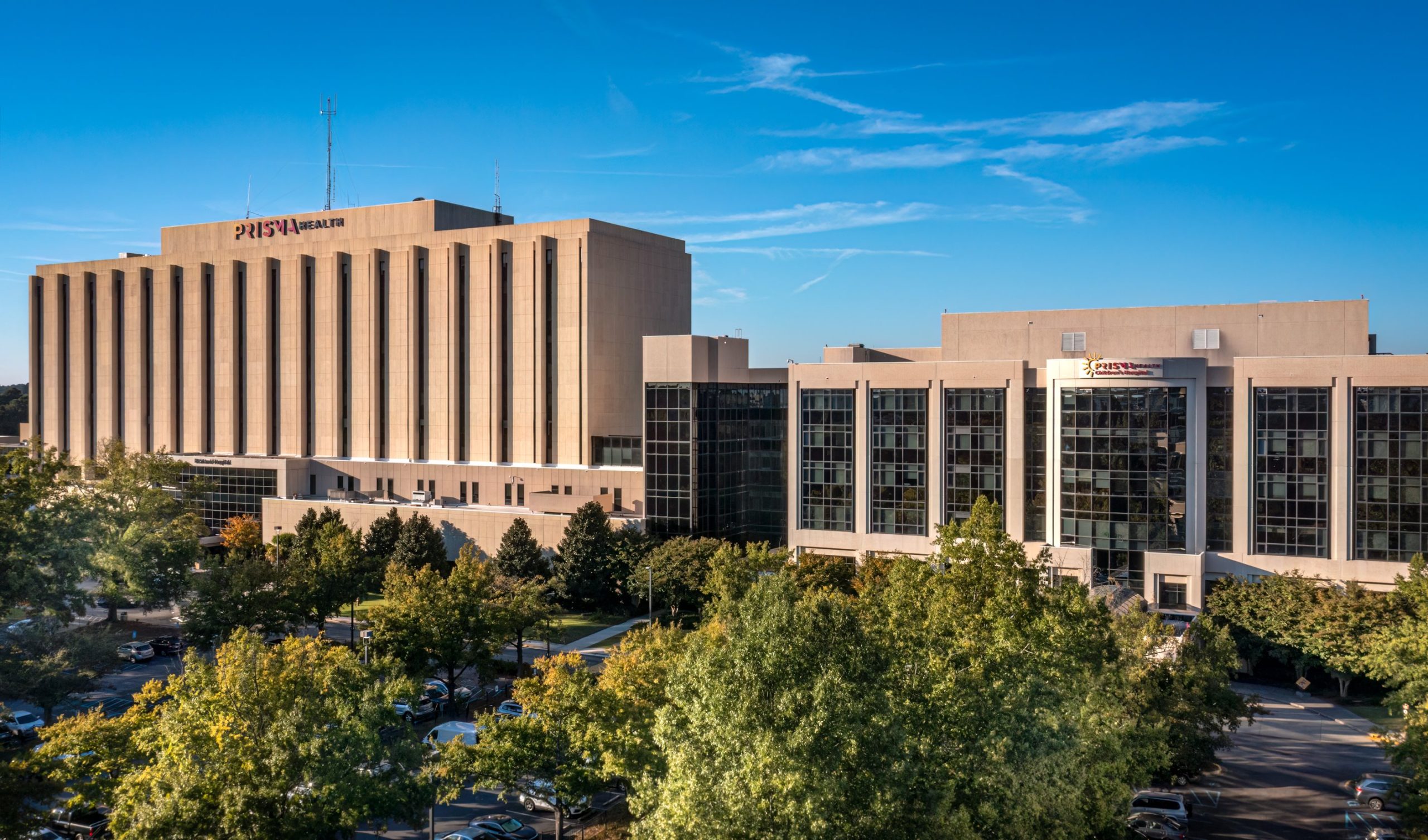
Prisma Health Richland Hospital
Downtown Columbia / 37+ active studies
Cancer, blood disorders, broad hospital research
The flagship Prisma Health hospital in the Midlands. Also, by far the biggest trial operation in the Columbia metro.
Visit Website →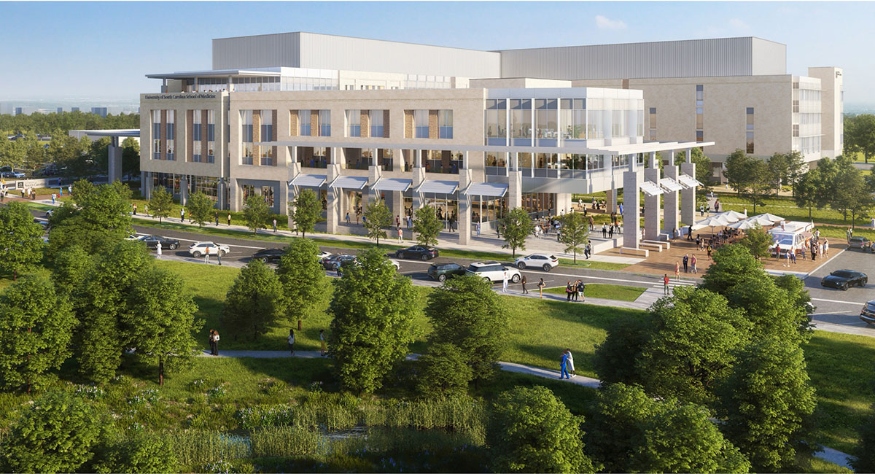
University of South Carolina
Columbia / 27+ active studies
Stroke recovery, physical activity, community health
Notably, a research university that runs federally funded health studies across the Midlands. Specifically, topics range from stroke rehab to disease prevention.
Visit Website →
Bogan Sleep Consultants
Columbia / 7+ active studies
Narcolepsy, sleep disorders
One of the best known private sleep research sites in the Southeast. Also, it has run sleep trials for decades.
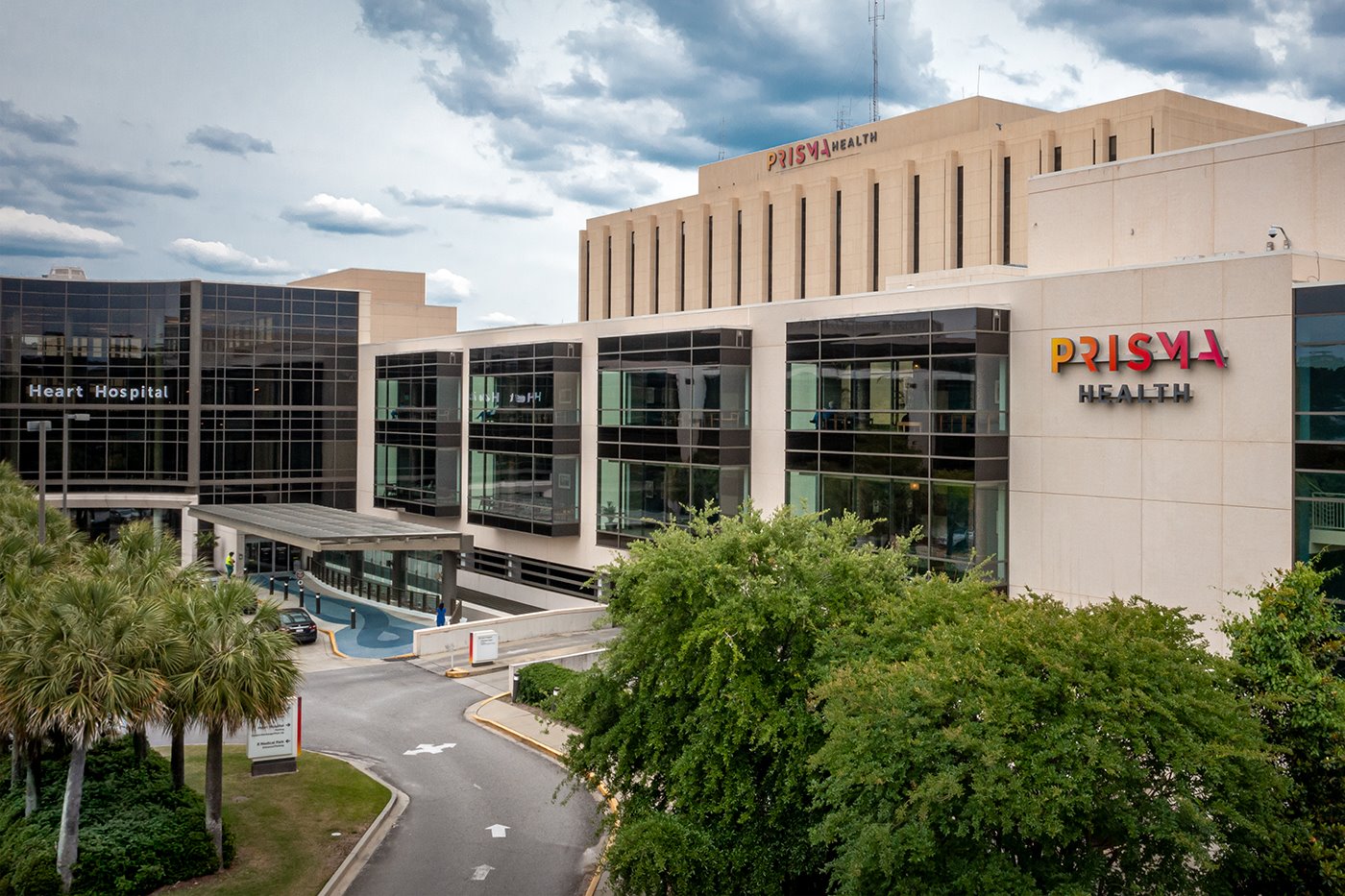
Prisma Health Midlands Cardiovascular
Columbia / 4+ active studies
Cardiovascular disease, heart failure
The heart and vessel research arm of Prisma Health in the Midlands. So it is the natural home for cholesterol trials in Columbia.
Visit Website →
Prisma Health Children’s Hospital, Midlands
Columbia / 4+ active studies
Pediatric growth, cystic fibrosis
Basically, the Midlands hub for children’s research inside the Prisma Health system.
Visit Website →
Columbia Dermatology & Aesthetics
Columbia / 4+ active studies
Hidradenitis suppurativa, psoriasis, obesity
A skin care practice with its own research team. It runs both skin and weight studies.
Velocity Clinical Research, Columbia
Columbia / Multiple active studies
COPD, skin conditions, vaccines
Part of one of the biggest research site networks in the country. Besides, it is just the kind of site the huge outcome trials lean on.
Visit Website →
Wm. Jennings Bryan Dorn VA Medical Center
Garners Ferry Road, Columbia / 2+ active studies
Atherosclerosis, liver disease
Columbia’s VA medical center runs studies, including ones on clogged arteries. For veterans, it is often the first door.
Visit Website →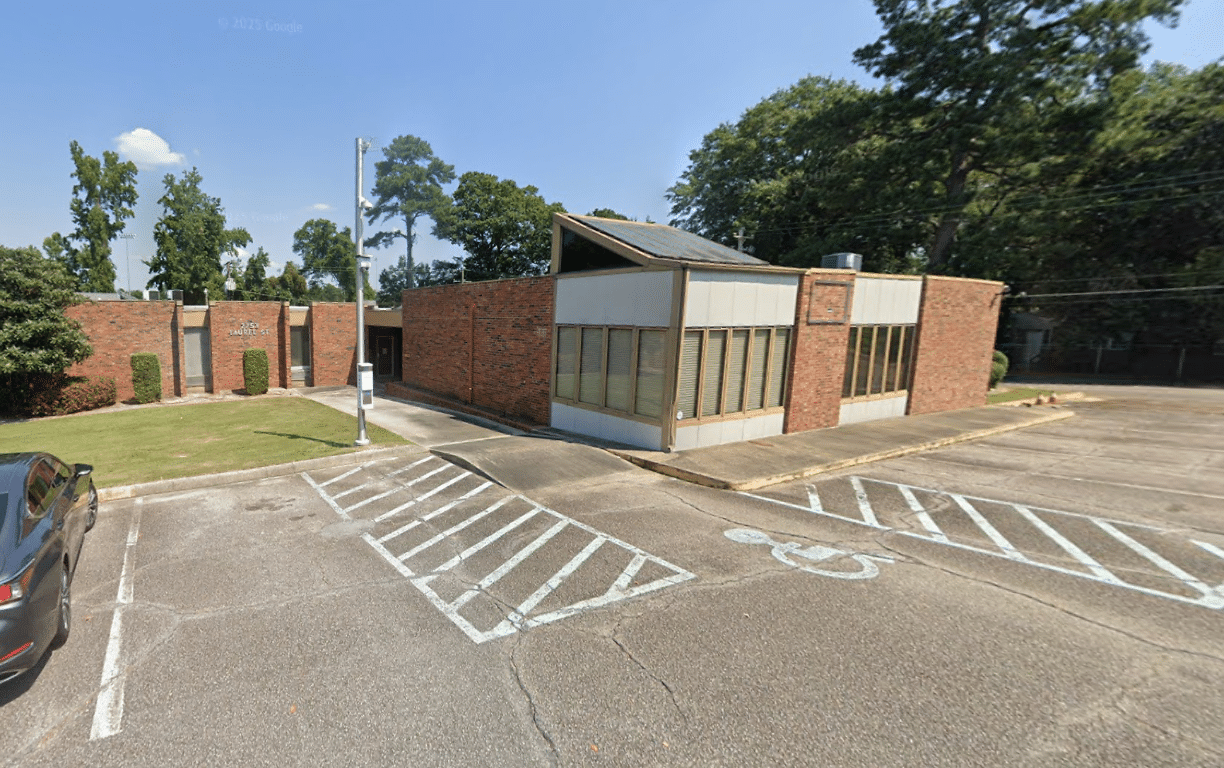
Objective Health, Columbia
Columbia / 2+ active studies
Celiac disease, fatty liver disease
Once called Columbia Digestive Health Research. Now it is part of the Objective Health network. Specifically, it runs gut and liver studies, including fatty liver trials.
Columbia Gastroenterology Associates
Columbia / Active studies
Digestive conditions
A long-running gut health practice. Also, it takes part in digestive trials around Columbia.
What to Expect in a Fibromyalgia Study
New to studies? Here is how one works, step by step.
01
Prescreening
First comes a short phone call or online form. Also, it takes about 10 to 15 minutes. The staff check whether you might fit. Then they tell you what is open.
02
Screening Visit
Next the clinic runs the tests that decide it, which usually means blood work. Also, they go through the consent form line by line, and you can bring somebody with you.
03
Treatment Period
Then the programme begins. So you take the study drug or the placebo on the agreed schedule. Meanwhile, your own doctor keeps managing everything else.
04
Follow-Up
Finally, there is a check in period at the end. Also, your own doctor gets the results, and you can stop at any point without affecting your care.
Fibromyalgia Trial FAQs
Real answers about fibromyalgia studies near Columbia SC.
Is there a study for this near Columbia?
Yes, one, and it names fibromyalgia directly. It runs at the university as a six month walking programme, with a Fitbit and a coaching call every month. There is no dummy group, no medicine and no blood test to pass. However, no fibromyalgia drug study is open in this metro at present.
Is the tender point exam still used?
It should not be. Pressing eighteen spots to decide whether you have this was retired years ago. So a clinic still doing that is using criteria from 1990. Meanwhile, the current approach counts where you hurt and how badly other symptoms affect you. Notably, the old exam failed a lot of people who clearly had this.
What numbers should I ask for?
Two. A widespread pain index and a symptom score. So they are the current criteria, and studies gate on them. In fact, the study near Charlotte needs a pain index of seven or more with a symptom score of five or more. Also, both can be worked out in a few minutes with a questionnaire.
Why are all my tests normal?
Because this is now classified as pain that comes from the volume control rather than from damage. There is a formal name for it, which is nociplastic pain. So normal scans and normal blood tests are exactly what you would expect. Meanwhile, that is not remotely the same as saying nothing is wrong.
Are there approved drugs for this?
Yes, three of them, and many people have only ever been offered one. Pregabalin, duloxetine and milnacipran are all licensed for fibromyalgia in this country. So if you have not tried all three at a proper dose, there are options that need no study at all. Notably, milnacipran is approved here for fibromyalgia while not being sold as an antidepressant.
Does exercise actually help?
It has the steadiest evidence in the field, and it is usually delivered as advice rather than a plan. The question nobody answers is how much. So the study at Columbia is testing 45, 90 and 150 minutes a week directly. In fact, the lowest of those works out at about six minutes a day.
What counts as a treatment working?
In a drug study, a thirty or fifty percent drop in pain is the usual standard. So ask for the responder rate on the drug and on the dummy, not just the drug number. Meanwhile, fibromyalgia has an oddly strong dummy response, which is why those groups exist. Also, that fact is worth knowing before you read any headline about a new treatment.
Why do studies measure sleep and mood as well?
Because progress usually shows up there before the pain number moves. So most studies now track sleep, mood and physical function alongside pain. Notably, the walking study at Columbia measures depression and physical function directly. Generally, that ordering is normal rather than a sign that nothing is working.
Does it cost anything to check?
No. There is no cost, and no insurance is needed. Tether is a nonprofit list, so we do not run studies and we are not paid to send you anywhere. Also, checking never enrolls anyone in anything. You would always call the clinic yourself.
Where can I get help near Columbia?
Prisma Health and Lexington Medical Center both run rheumatology and pain services across the Midlands. Also, ask for your widespread pain index and symptom score by name. Generally, your own doctor can prescribe any of the three approved drugs. Meanwhile, ask for a walking plan with an actual number of minutes attached to it.
Ready to Explore a Study?
Check your eligibility, or just reach out to our Columbia team. No pressure. Also, no sales pitch.
← Back to All Clinical TrialsSources
- DREAM, a walking dose study at Columbia that names this condition, ClinicalTrials.gov NCT06880653
- A single session study of light and pain, at Chapel Hill, ClinicalTrials.gov NCT07245303
Study details and per-site recruiting status verified against ClinicalTrials.gov on August 17, 2026. A search of the Charlotte metro without a status filter returns twenty fibromyalgia studies with local sites, and every one is completed or terminated, most of them closing between 2008 and 2017. That history is described on this page rather than left out. Adjacent term and drug sweeps, including low dose naltrexone, pregabalin, duloxetine and milnacipran, returned nothing open in either metro, and observational sweeps returned zero in both states. Study availability and criteria change; the research clinic confirms everything before you enroll.