
COLUMBIA, SC
Substance Use Clinical Trials
No substance use study is enrolling in the Columbia SC metro, and we would rather say so plainly. The nearest is about a hundred miles away at Greenville, and it keeps you on your treatment. Payment is provided for eligible participants once one opens here.
0
Open in the Midlands
100
Miles to the Nearest
+/- $100
Per Visit
New here? Read how this page works
First, here is the honest picture. Nothing is open in the Midlands, though one study here is due to start later. So here is how to use this page.
- Ask about the three approved medicines first. Because those need no study at all and they are on offer in this city today.
- Ask whether abstinence is required, and for how long. Also, most studies here need recent use rather than none.
- Ask whether the study touches your current treatment. In fact, coming off buprenorphine or methadone raises overdose risk, so that answer matters most.
- Last, tap the button. Then we keep your details on file and call you when a study opens near you.
Of course, checking never signs you up for anything. You are only seeing where you might fit.
The Nearest Studies to Columbia
Nothing in the Midlands. Three run within about one to two hours, and none asks you to stop your treatment.
The nearest three, and none takes your treatment away
All three keep you on medicine rather than stopping it. One pairs you with a peer support worker, one posts medicine to your home, and one is for cannabis withdrawal.

Peer Support Alongside Real Medication
Prisma Health with Clemson / Non drug study
This pairs a peer support specialist, meaning someone in recovery themselves, with a mobile health clinic. Both groups receive the real thing, which is medicine for opioid use disorder, naloxone and fentanyl test strips. The only difference is whether a peer specialist is added, and the split is even. So no one is denied treatment and nothing is taken away. The nearest site is at Greenville.
Payment is not published.
Get on the list →More details
Why researchers are excited: the medicine works and most people fall out of care within months, which is the problem this targets. Meanwhile, both groups receive full care rather than one being left short.
Who this study is looking for
- Starting medicine for opioid use disorder at a mobile health clinic
- Also, not already working with a peer support specialist
- Besides that, able to read and understand the consent materials
- Finally, aged 18 or over
Probably not a fit if: already having a peer support specialist rules you out. Likewise, a severe medical or mental health condition that would prevent taking part. Also, there is no criminal justice requirement and no abstinence requirement.
- Placebo group: None. Both groups get medicine, naloxone and test strips.
- How long: Six months.
- Clinic visits: About 25 assessment contacts, weekly for 24 weeks plus the start. Most look suited to phone or remote collection.
- Phone calls: Weekly contact is built into the design.
- Most invasive part: Nothing beyond the treatment you were starting anyway. So no urine drug screens are published as a requirement.
- Setting: Outpatient.
- Where it runs: Prisma Health Upstate, Greenville SC 29605.
- Drive from Columbia: Greenville is about 100 miles north west, so roughly an hour and forty minutes on I-26.
- This does not ask you to stop anything. It is built around people just starting medicine, and staying on it is the point rather than the obstacle.
- Full study record: View on ClinicalTrials.gov →

Medication Posted to Your Door
MUSC with the National Institute on Drug Abuse / Small pilot
If you are started on buprenorphine during a hospital admission, the hard part is what happens next. Transport, pharmacies and appointments are where people fall out of care. This simply posts the medicine to your home each month and checks in remotely. There is no dummy, no randomising and only one group. It is small, at twenty people.
Payment is not published.
Get on the list →More details
Why researchers are excited: the medicine is not the barrier for most people, and getting to it is. Meanwhile, this removes the part that really fails.
Who this study is looking for
- Started on buprenorphine during a hospital admission
- Also, discharging to a South Carolina address with a reliable mailbox
- Besides that, access to a phone or computer
- Finally, aged 18 or over
Probably not a fit if: no stable mailing address rules you out. So does a pending prison sentence. Also, abstinence is not required and nothing is taken away.
- Placebo group: None. One group, everybody gets the medicine.
- How long: Six months.
- Clinic visits: Very few. Check ins are done by phone, text or video, with assessment points at one, three and six months.
- Phone calls: Confirmations are by phone, text or video rather than clinic visits.
- Most invasive part: Nothing at all. So this is among the lightest studies on our whole site.
- Setting: Outpatient.
- Where it runs: Medical University of South Carolina, Charleston SC 29425.
- Drive from Columbia: Charleston is about 113 miles south east, so roughly two hours on I-26.
- Ask which team you would be under. One of the two rows at that hospital has not opened yet, so confirm you are being enrolled under the open one.
- Full study record: View on ClinicalTrials.gov →

For Cannabis Withdrawal, and It Needs Six Nights In
PleoPharma / Late stage tablet
This is the only late stage cannabis withdrawal study open anywhere in the Carolinas. There are three groups, which are the new tablet, an approved comparison drug, and a dummy. So there is a real chance of an active drug even if you are not on the new one. But be clear about the commitment. It needs six consecutive nights as an inpatient. The site is at North Charleston.
Payment is not published.
Get on the list →More details
Why researchers are excited: cannabis withdrawal is real, poorly recognised and almost never treated. Meanwhile, one of the three arms is a real approved drug.
Who this study is looking for
- Using cannabis heavily, most days, for at least six months
- Also, still using the day before starting
- Besides that, A positive test at screening and again at randomising
- Finally, willing to stop cannabis entirely at randomisation
- Also, aged 18 to 55
Probably not a fit if: any other drug use disorder in the last two years rules you out, except nicotine. Likewise, schizophrenia, schizoaffective disorder or bipolar disorder at any point in life. Also, no alcohol at all during the study, and sleep or anxiety medicine in the last two months excludes.
- Placebo group: Yes, but with three groups, so one of the other two is a real approved drug.
- How long: About 78 days.
- Clinic visits: Six inpatient nights, then six clinic visits and two video visits, plus a video call every evening. All of that is published.
- Phone calls: A short video call every evening, plus daily symptom diaries.
- Most invasive part: Six nights in a bed, plus drug and alcohol testing. So the week in a bed is the real cost.
- Setting: Outpatient.
- Where it runs: Coastal Carolina Research Center, North Charleston SC 29405.
- Drive from Columbia: North Charleston is about 110 miles south east, so roughly an hour and fifty minutes.
- The week away is the decision. Six nights in a row is hard to fit around a job, so raise it with your employer first.
- Full study record: View on ClinicalTrials.gov →
Not sure which one fits you?
First, answer a few quick health questions. Then we keep them on file. Finally, we call you when a study opens near Columbia. No account, no paperwork.
See if I may fit one of these studies →What Is Actually Available for Substance Use Here
Three medicines for opioid use disorder are approved and available in both cities today, with no study needed.
Three Medications Already Exist
Buprenorphine, methadone and long acting naltrexone are all approved and available now. So you do not need a study to get treatment, and a study is never a substitute for it. Meanwhile, these medicines cut the risk of dying, which few things in medicine do as clearly. Also, they are underprescribed rather than unavailable.
You Usually Do Not Have to Stop First
This is the belief that stops most people from ever picking up the phone. The study open in Charlotte needs recent use to qualify, not abstinence. So does the peer support study at Greenville, which is built for people just starting medicine. In fact, being told to get clean first and then come back is exactly what these studies are challenging.
But Always Read the Abstinence Line
Some studies flip it entirely. One sleep study for people with opioid use disorder needs no opioid use for at least four weeks. So the same condition can carry opposite rules in two different studies. Meanwhile, asking do I have to be abstinent, and for how long, takes ten seconds.
Ask Whether You Keep Your Medication
Coming off buprenorphine or methadone is the most dangerous thing a study could ask of you, because tolerance falls and overdose risk rises. So ask it before anything else. But none of the studies open near either city asks that, and most require the opposite.
Urine Testing Drives Visit Frequency
The study open in Charlotte uses no urine drug screens at all, and records use by asking you. Others test at every visit, which sets how often you must attend. So that single question tells you how much of your life a study will take. In general, it is worth asking early rather than discovering it later.
Some Studies Need You in a Bed
The cannabis withdrawal study at North Charleston needs six consecutive nights as an inpatient. So ask is there any inpatient stay as a standing question. Meanwhile, it is not always in the study summary. Also, that one also has an approved comparison drug, so a dummy is not the only alternative.
Naloxone and Test Strips Need No Study
Naloxone is available over the counter in both North and South Carolina without a prescription. Fentanyl test strips are legal and are given out free by many harm reduction programmes. So you do not need research access to either. In fact, one nearby study hands both to everybody, including the comparison group.
Geography Is a Written Rule, Not a Formality
The Charlotte study needs you to live in Mecklenburg County or nearby. The medicine by post study needs a South Carolina mailing address. So check the map before you check the medicine. Meanwhile, one study near Greenville needs you to live within fifty miles of it, which rules out most of the Midlands.
Why Nothing Local Is a Drug Study
Neither metro has a single medicine trial for opioid use disorder open right now. The nearest are at Greenville, Charleston and North Charleston. So anyone telling you there is a local drug trial for this is mistaken. But the approved medicines are available in both cities today, which matters far more.
Substance Use Help Near You
Ask about the three approved medicines, because those need no study at all. Also, ask whether a study needs abstinence, and whether it touches your current medicine. Last, get naloxone, because it is free or cheap and needs no prescription. Meanwhile, join the list and we will call you when a study opens near you.
Research Sites Near Columbia
Nothing runs in the Midlands today, while the nearest sites sit at Greenville and Charleston. The university here has a study due to begin later, so it is worth being on the list.
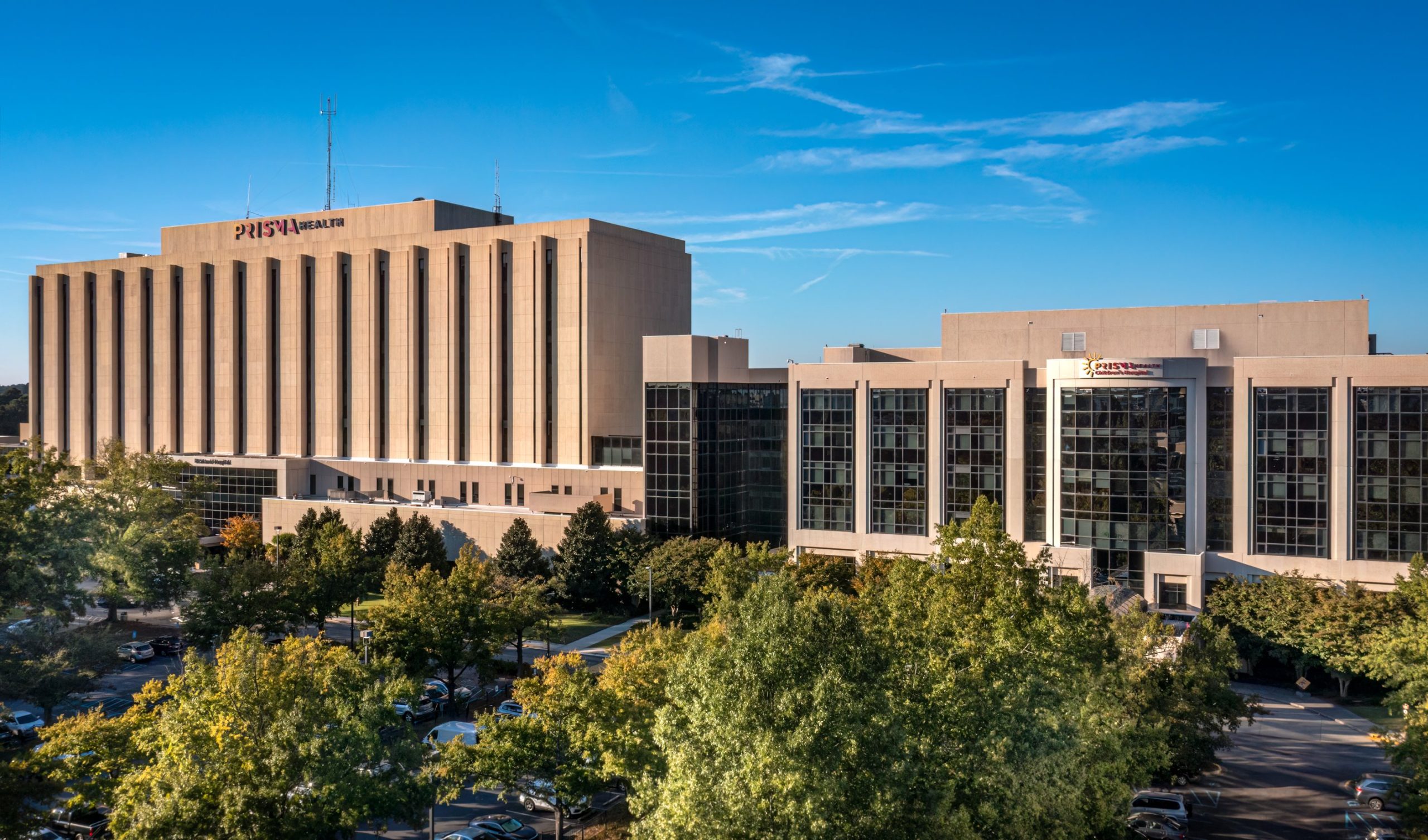
Prisma Health Richland Hospital
Downtown Columbia / 37+ active studies
Cancer, blood disorders, broad hospital research
The flagship Prisma Health hospital in the Midlands. Also, by far the biggest trial operation in the Columbia metro.
Visit Website →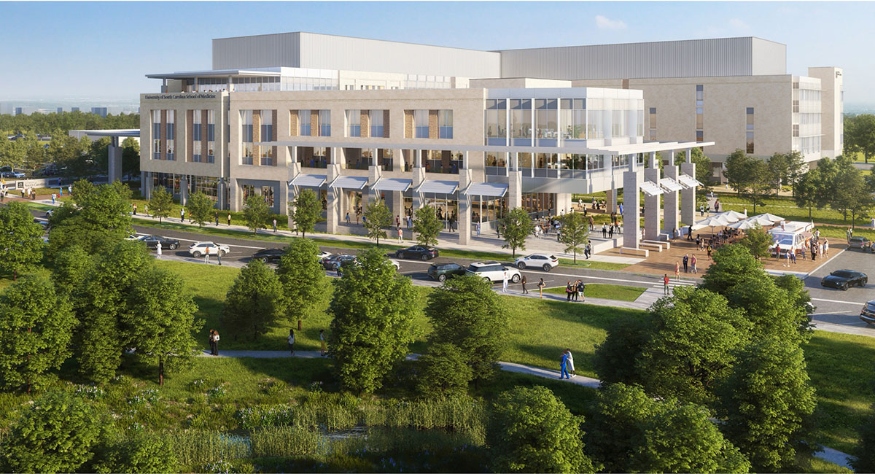
University of South Carolina
Columbia / 27+ active studies
Stroke recovery, physical activity, community health
Notably, a research university that runs federally funded health studies across the Midlands. Specifically, topics range from stroke rehab to disease prevention.
Visit Website →
Bogan Sleep Consultants
Columbia / 7+ active studies
Narcolepsy, sleep disorders
One of the best known private sleep research sites in the Southeast. Also, it has run sleep trials for decades.
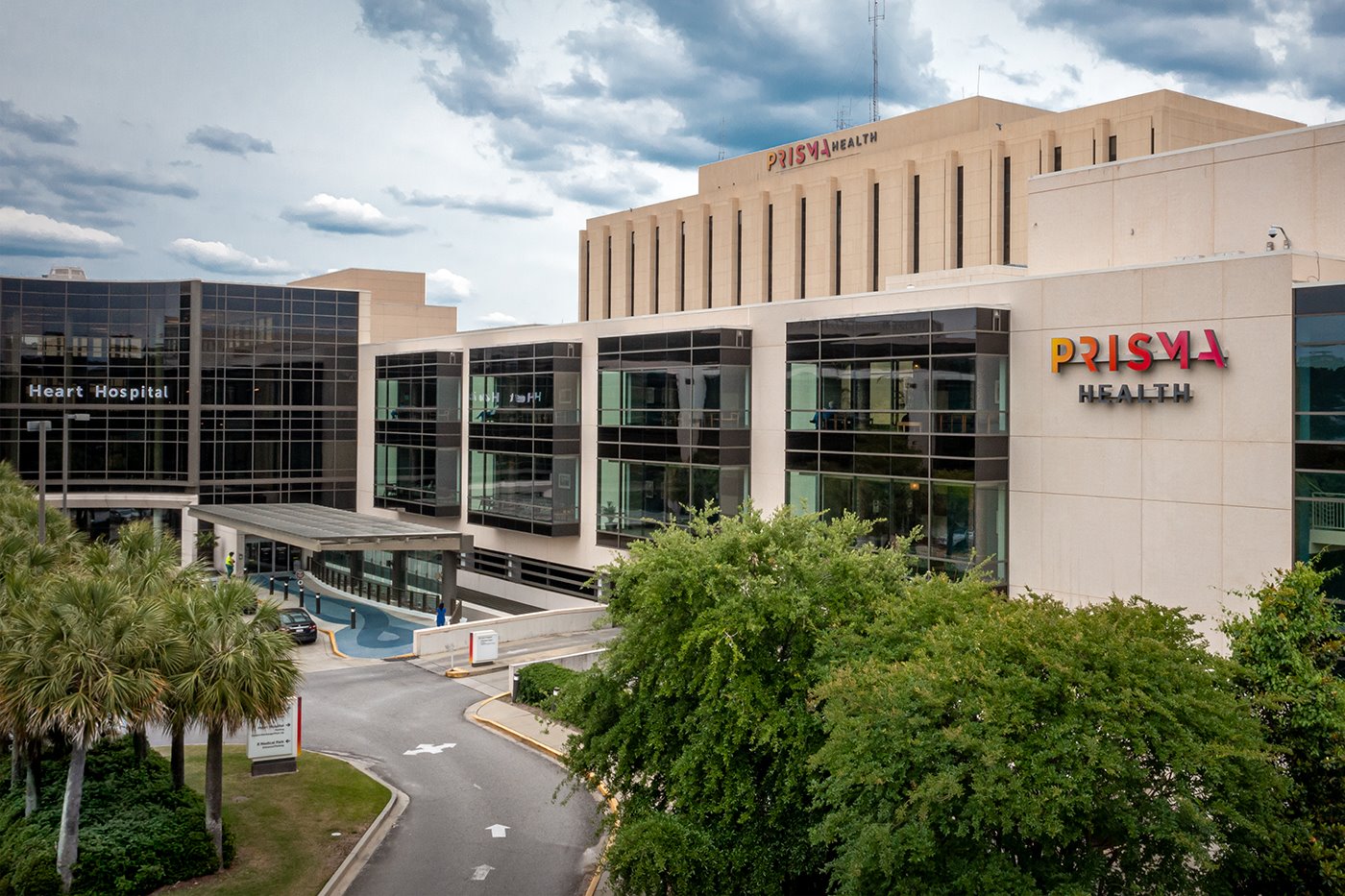
Prisma Health Midlands Cardiovascular
Columbia / 4+ active studies
Cardiovascular disease, heart failure
The heart and vessel research arm of Prisma Health in the Midlands. So it is the natural home for cholesterol trials in Columbia.
Visit Website →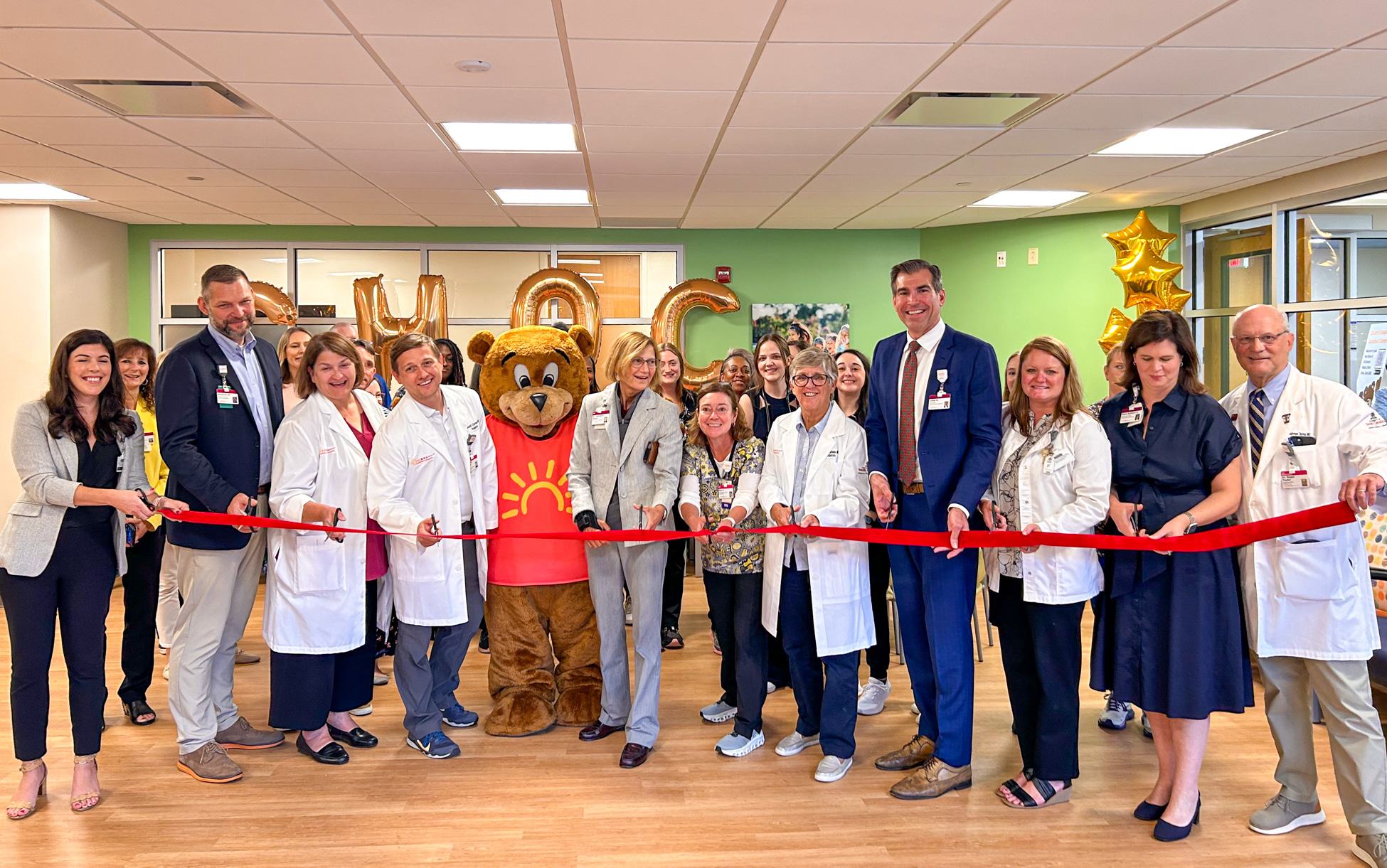
Prisma Health Children’s Hospital, Midlands
Columbia / 4+ active studies
Pediatric growth, cystic fibrosis
Basically, the Midlands hub for children’s research inside the Prisma Health system.
Visit Website →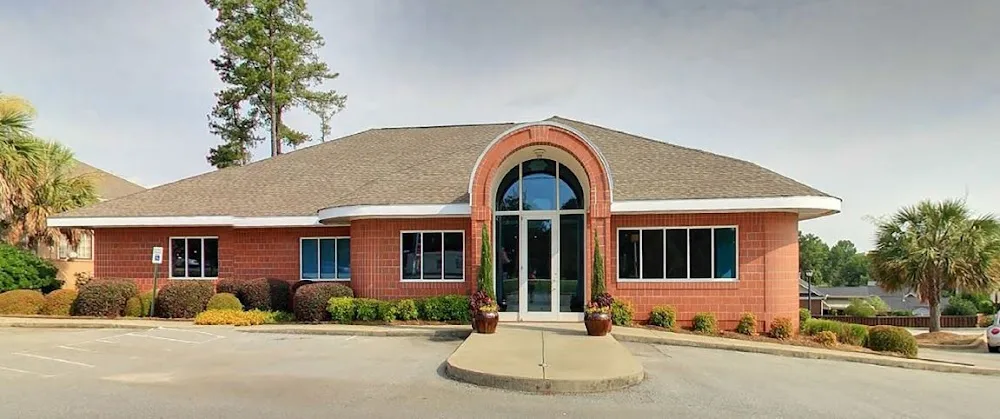
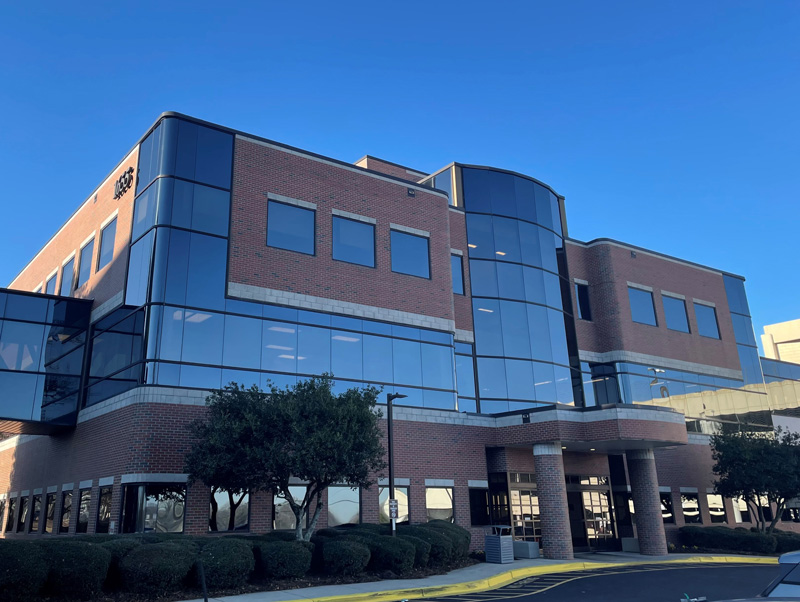
Columbia Dermatology & Aesthetics
Columbia / 4+ active studies
Hidradenitis suppurativa, psoriasis, obesity
A skin care practice with its own research team. It runs both skin and weight studies.
Velocity Clinical Research, Columbia
Columbia / Multiple active studies
COPD, skin conditions, vaccines
Part of one of the biggest research site networks in the country. Besides, it is just the kind of site the huge outcome trials lean on.
Visit Website →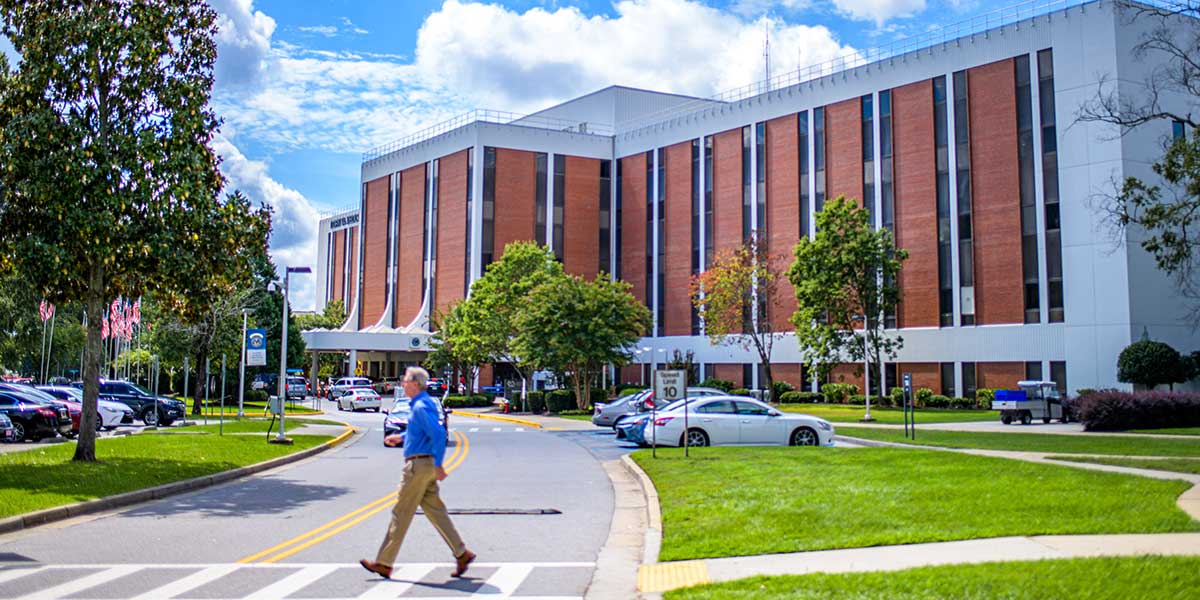
Wm. Jennings Bryan Dorn VA Medical Center
Garners Ferry Road, Columbia / 2+ active studies
Atherosclerosis, liver disease
Columbia’s VA medical center runs studies, including ones on clogged arteries. For veterans, it is often the first door.
Visit Website →
Objective Health, Columbia
Columbia / 2+ active studies
Celiac disease, fatty liver disease
Once called Columbia Digestive Health Research. Now it is part of the Objective Health network. Specifically, it runs gut and liver studies, including fatty liver trials.
Columbia Gastroenterology Associates
Columbia / Active studies
Digestive conditions
A long-running gut health practice. Also, it takes part in digestive trials around Columbia.
What to Expect in a Substance Use Study
New to studies? Here is how one works, step by step.
01
Prescreening
First comes a short phone call or online form. Also, it takes about 10 to 15 minutes. The staff check whether you might fit. Then they tell you what is open.
02
Screening Visit
Next the clinic runs the tests that decide it, which usually means blood work. Also, they go through the consent form line by line, and you can bring somebody with you.
03
Treatment Period
Then the programme begins. So you take the study drug or the placebo on the agreed schedule. Meanwhile, your own doctor keeps managing everything else.
04
Follow-Up
Finally, there is a check in period at the end. Also, your own doctor gets the results, and you can stop at any point without affecting your care.
Substance Use Trial FAQs
Real answers about substance use studies near Columbia SC.
Is there a study for this near Columbia?
No, and we will not pretend otherwise. Of sixteen results on the word Columbia, only one was really in this state. But three run within about one to two hours, at Greenville, Charleston and North Charleston. None of them asks you to come off your treatment, and most require you to stay on it. Also, the university here has a study due to begin later, so this page will change.
What treatments exist?
Three are approved for opioid use disorder and available in both cities today. They are buprenorphine, methadone and long acting naltrexone. So you do not need a study to get treatment, and a study is never a substitute for it. Meanwhile, these cut the risk of dying, which few things in medicine do as clearly.
Do I have to stop using first?
Usually not, and this belief is what stops most people from ever calling. The study open in Charlotte needs recent use to qualify, not abstinence. So does the peer support study at Greenville, which is built for people just starting treatment. In fact, being told to get clean first and come back is what these studies exist to challenge.
Are there exceptions to that?
Yes, so always read the line. One sleep study for people with opioid use disorder needs no opioid use for at least four weeks. So the same condition can carry opposite rules in two different studies. Meanwhile, asking do I have to be abstinent, and for how long, takes ten seconds.
Would a study take me off my medicine?
None of the ones open near either city does, and most require the opposite. Coming off buprenorphine or methadone is dangerous, because tolerance falls and overdose risk rises. So ask it before anything else. Also, a study that asked you to stop would be a very different proposition.
How often would I have to attend?
Urine testing is often what drives that, so ask about it early. The study open in Charlotte uses none at all and records use by asking you. So that single question tells you how much of your life a study will take. Also, others test at every visit, which sets the rhythm.
Do any require staying in?
One does. The cannabis withdrawal study at North Charleston needs six nights in a row as an inpatient. So ask is there any inpatient stay as a standing question, because it is not always in the summary. Meanwhile, that study also has an approved comparison drug, so a dummy is not the only alternative. In general, none of the closer options needs an admission.
Where do I get naloxone?
Over the counter in both North and South Carolina, with no prescription needed. Fentanyl test strips are legal too and are handed out free by many harm reduction programmes. So you do not need research access to either. In fact, one nearby study gives both to everyone including the comparison group.
Does it cost anything to check?
No. There is no cost, and no insurance is needed. Tether is a nonprofit list, so we do not run studies and we are not paid to send you anywhere. Also, checking never enrolls anyone in anything. You would always call the clinic yourself.
Where can I get help near Columbia?
Prisma Health and Lexington Medical Center both run addiction services across the Midlands, and the three approved medicines are on offer here today. Also, get naloxone, which needs no prescription in this state. In general, medicine plus support does better than either alone. Meanwhile, if things ever feel unsafe, call or text 988 at any hour.
Ready to Explore a Study?
Check your eligibility, or just reach out to our Columbia team. No pressure. Also, no sales pitch.
← Back to All Clinical TrialsSources
- EASE, a support programme in Charlotte with no urine testing, ClinicalTrials.gov NCT05700474
- BRIDGE-SC, peer support alongside real medicine, at Greenville, ClinicalTrials.gov NCT07541417
- Buprenorphine posted to your home, at Charleston, ClinicalTrials.gov NCT07421102
- A cannabis withdrawal study with an active comparison drug, at North Charleston, ClinicalTrials.gov NCT07644052
- A University of South Carolina study that has not opened yet, ClinicalTrials.gov NCT06469749
Study details and per-site recruiting status verified against ClinicalTrials.gov on August 17, 2026. Neither metro has a single medicine trial for opioid use disorder open on the public record, and that was confirmed seven separate ways. Of sixteen results on the word Columbia for this topic, fifteen were not Columbia SC. Seven were Columbia University in New York and five the University of Missouri. Nearly every Lexington result was the University of Kentucky, which is a major addiction research centre. The highest value candidate of the sweep was a false positive: a study matched Charlotte and turned out to be Port Charlotte Florida and Charlottesville Virginia, with no Charlotte NC site at all. One study with a real Charlotte address reads as open while that site row has not opened yet. Study openings and criteria change. The research clinic confirms it all before you enroll.