
COLUMBIA, SC
Sjogren’s Syndrome Clinical Trials
No Sjogren’s study is enrolling in Columbia SC, and we would rather say so plainly. However, three run in Charlotte about 90 minutes north, and one of them takes women only. Compensation is provided for eligible participants once one opens here.
0
Open in the Midlands
3
About 90 Minutes North
+/- $100
Per Visit
New here? Read how this page works
First, two numbers decide whether this is open to you, and neither is about how dry or how tired you are. So here is the order to work through.
- Ask for your anti-Ro result by name. Because it is worth three of the four points needed for the diagnosis, and a negative anti-La tells you almost nothing.
- Ask for your clinESSDAI score. Notably, it counts organ involvement and does not count dryness or fatigue, which is why very unwell people get turned away.
- Ask which saliva test you had. In fact, the stimulated and unstimulated tests are different, and studies and diagnostic criteria use different ones.
- Finally, tap the button. Then we check you against every study we track and tell you when a new one opens.
Of course, checking never signs you up for anything. You are only seeing where you might fit.
The 3 Nearest Studies to Columbia
All three run inside Charlotte. Notably, one takes women only, and one of the three has no dummy in it at all.
The two drug studies, about 90 minutes north
Nothing is open in the Midlands. Also, both of these test a real drug against a dummy.

The Drug That Worked, Now Aimed at Symptoms
Novartis / Late stage antibody
Ianalumab strips out the B cells that drive this disease. Two late stage trials of it hit their targets in October 2025. However, this one enrols on how heavy your symptoms are rather than on organ damage. So it opens a door for people the other studies screen out. You would take a monthly injection under the skin for a year.
Payment is not published.
Check eligibility →More details
Why researchers are excited: most studies here score organ damage and ignore how you feel. Meanwhile, this one makes dryness and symptom burden the way in, so it reaches a group that is usually turned away.
Who this study is looking for
- Age 18 or over, meeting the 2016 Sjogren’s criteria
- Also, A positive anti-Ro, sometimes written SSA, at screening
- Besides that, an oral dryness score of 5 or higher, kept in a daily diary for 14 days
- Finally, A blood or blood cell finding on the ESSDAI, so not dryness alone
- Also, stimulated saliva flow above 0.3, so glands that still work
Probably not a fit if: a fibromyalgia diagnosis rules you out outright. Also, another active autoimmune disease that is the main illness. Notably, rituximab or any other B cell drug within 36 weeks excludes you too.
- Placebo group: Yes. It runs two arms against a dummy injection, and the split is not published.
- How long: The blinded part runs 52 weeks. Meanwhile, the record follows people to 2033.
- Clinic visits: Not published on the public record.
- Phone calls: Not published on the public record.
- Most invasive part: A monthly injection under the skin for a year. Also, a 14 day symptom diary before you can even be randomised.
- Setting: Outpatient.
- Where it runs: On Site Clinical Solutions, Charlotte NC 28202.
- Drive from Columbia: Charlotte is about 93 miles north, so roughly 90 minutes on I-77.
- Worth knowing: hydroxychloroquine is allowed if your dose has been steady for four weeks. However, low dose steroids are only allowed for the first 16 weeks.
- Full study record: View on ClinicalTrials.gov →

Women Only, and Built Around the Fatigue
Resolve Therapeutics / Mid stage drip
This study takes women only. It aims at the exhaustion, dryness and pain rather than at organ damage. In fact, it is the rare study here that treats fatigue as the main point. RSLV-132 is a drip given 13 times across 22 weeks. Three sites run it inside the Charlotte metro.
Payment is not published.
Check eligibility →More details
Why researchers are excited: the score most studies use ignores fatigue completely. However, this one makes fatigue and dryness the main measure, so people who feel terrible and score low can finally qualify.
Who this study is looking for
- Women 18 to 75, meeting the 2016 Sjogren’s criteria
- Also, A positive anti-Ro, sometimes written SSA
- Besides that, A score of 5 or higher on the patient reported index, and on its fatigue scale
- Finally, weight of at least 45 kg, which is about 99 pounds
- Also, diagnosed within the last 30 years
Probably not a fit if: men are not eligible for this one at all. Also, severe fibromyalgia or uncontrolled thyroid trouble rules you out. Notably, any change to your Sjogren’s medicines in the last four weeks does too.
- Placebo group: Yes. Some people get a dummy drip instead, and the split is not published.
- How long: Dosing runs 22 weeks. Then a final check comes at day 211.
- Clinic visits: Weekly for the first two weeks. Then every two weeks until dosing ends.
- Phone calls: Not published on the public record.
- Most invasive part: Thirteen drips across 22 weeks. Also, a daily symptom diary on a handheld device throughout.
- Setting: Outpatient.
- Where it runs: Joint and Muscle Research Institute, Charlotte NC 28204; Arthritis and Osteoporosis Consultants of the Carolinas, Charlotte NC 28208; Onsite Clinical Solutions, listed as Salisbury NC with a Charlotte zip.
- Drive from Columbia: Charlotte is about 93 miles north, so roughly 90 minutes on I-77.
- Confirm the third address. The record lists one site as Salisbury while giving it a Charlotte zip code. So ask the clinic which one it actually is before you travel.
- Full study record: View on ClinicalTrials.gov →
The cell therapy, with no dummy in it
It runs in Charlotte too. However, it is heavier than the two above, because it is given by drip.

Fixing Why an Old Drug Kept Failing Here
Artiva Biotherapeutics / Cell therapy
Rituximab tags B cells for destruction, but your own natural killer cells have to do the killing. This adds fresh donor killer cells alongside it, on the theory that yours are worn out.
Payment is not published.
Read the details →More details
Why researchers are excited: rituximab has under performed in this condition again and again, and nobody was sure why. So this tests one specific explanation rather than simply trying another drug.
Who this study is looking for
- Age 18 or over, with primary Sjogren’s meeting the 2016 criteria
- Also, that diagnosis re-checked within 24 weeks before screening
- Besides that, A clinESSDAI above 6, so organ damage rather than dryness alone
- Finally, stimulated saliva flow above 0.1, so glands that can recover
Probably not a fit if: dryness and fatigue alone will not get you in. The score used here counts neither, so people who feel very unwell are often turned away. Also, an old diagnosis letter is not enough on its own.
- Placebo group: None. It is open label, so everyone treated gets the real cells and knows it.
- How long: Treatment and safety run to week 104, so two years. The activity read comes at week 52.
- Clinic visits: Not published on the public record.
- Phone calls: Not published on the public record.
- Most invasive part: Cell therapy by drip, alongside rituximab drips. Also, frequent blood draws across two years. Notably, whether chemotherapy is given first is not published, so ask that directly.
- Setting: Outpatient.
- Where it runs: Artiva site, Charlotte NC 28207.
- Drive from Columbia: Charlotte is about 93 miles north, so roughly 90 minutes on I-77.
- Two things to ask: this takes several diseases in side by side arms, so check the Sjogren’s arm is open. Also, confirm the address, because the record lists mismatched city and zip pairs.
- Full study record: View on ClinicalTrials.gov →
Not sure which one fits you?
First, answer a few quick health questions. Then we keep them on file. Finally, we call you when a study opens near Columbia. No account, no paperwork.
See if I may fit one of these studies →What Is Actually Changing in Sjogren’s
In October 2025 a drug improved this disease in a late stage trial for the first time ever.
It Is Not Just Dry Eyes
The immune system attacks the glands that make tears and saliva, so dryness is the familiar part. However, this is a whole body autoimmune disease, and the rest of it goes badly under recognised. It causes crushing fatigue, joint pain, burning or tingling in the hands and feet, lung scarring and kidney problems. So if you have been told it is just dry eyes and to use drops, that is an incomplete account.
One Blood Test Carries Most of the Weight
Ask for anti-Ro, sometimes written SSA. It is positive in roughly two thirds of people with this, and in the scoring system it is worth three of the four points needed. So a positive result plus one dryness test nearly makes the diagnosis on its own. Notably, that makes it the single most useful test to ask for by name.
A Correction Worth Knowing
Many people are told their anti-La was negative, so they do not have this. That is the wrong way round. In the current criteria, anti-La on its own no longer counts at all, because it turned out not to be specific enough. So a negative anti-La tells you very little. Meanwhile, anti-Ro is the one that matters, and it is the one to insist on.
The Tests That Measure Dryness
The Schirmer test hooks a paper strip over your lower eyelid for five minutes and measures how far it wets. The eye staining score uses dye to grade damage on the surface of the eye, and it tells you more. The saliva test has you drool into a tube for a timed period. Also, note whether a test is stimulated or unstimulated, because studies and criteria use different ones.
The Biopsy, and Who Needs It
A few tiny glands are taken through a small cut inside your lower lip under local anaesthetic. It is the most definitive test, and it is worth three points on its own. So if your anti-Ro is negative, it is the realistic route to a formal diagnosis. However, it carries a small risk of lasting numbness in the lip, and ultrasound of the glands is increasingly used instead.
Why You Can Be Very Ill and Score Low
The activity score used in studies counts organ involvement across twelve areas. It does not score dryness and it does not score fatigue. So somebody whose life has been taken apart by exhaustion can score low and be turned away from studies. In fact, that is why a separate patient scored index exists, covering dryness, fatigue and pain, and it is the number to point at.
Two Studies Here Now Use That Second Number
This matters more than it sounds, because it changes who can get in. One study enrols on a daily symptom diary and a dryness score rather than on organ damage. Meanwhile, another takes women only and makes fatigue its main measure. So the people usually screened out for scoring low now have two doors that the older studies never offered.
Decades With Nothing That Changed the Disease
Every approved treatment is for symptoms. Tablets that squeeze more saliva from remaining glands, anti-inflammatory eye drops, a nasal spray that triggers tears, and drops that slow evaporation. A newer eye drop was approved in May 2025 for dry eye generally. However, none of these touches the disease underneath, and that was the position for decades.
Then October 2025 Broke the Pattern
On 29 October 2025 two late stage trials of the same antibody both hit their target, improving disease activity at 48 weeks against a dummy. They were the first late stage trials in this condition ever to do so. The FDA granted it a fast track designation in January 2026. Meanwhile, as of today it is not approved, and it would be the first targeted treatment for the disease if it is.
Research Sites Near Columbia
Nothing runs in the Midlands, while the three nearest studies are inside Charlotte. But sites add new studies all the time, so it is worth knowing what is near you.
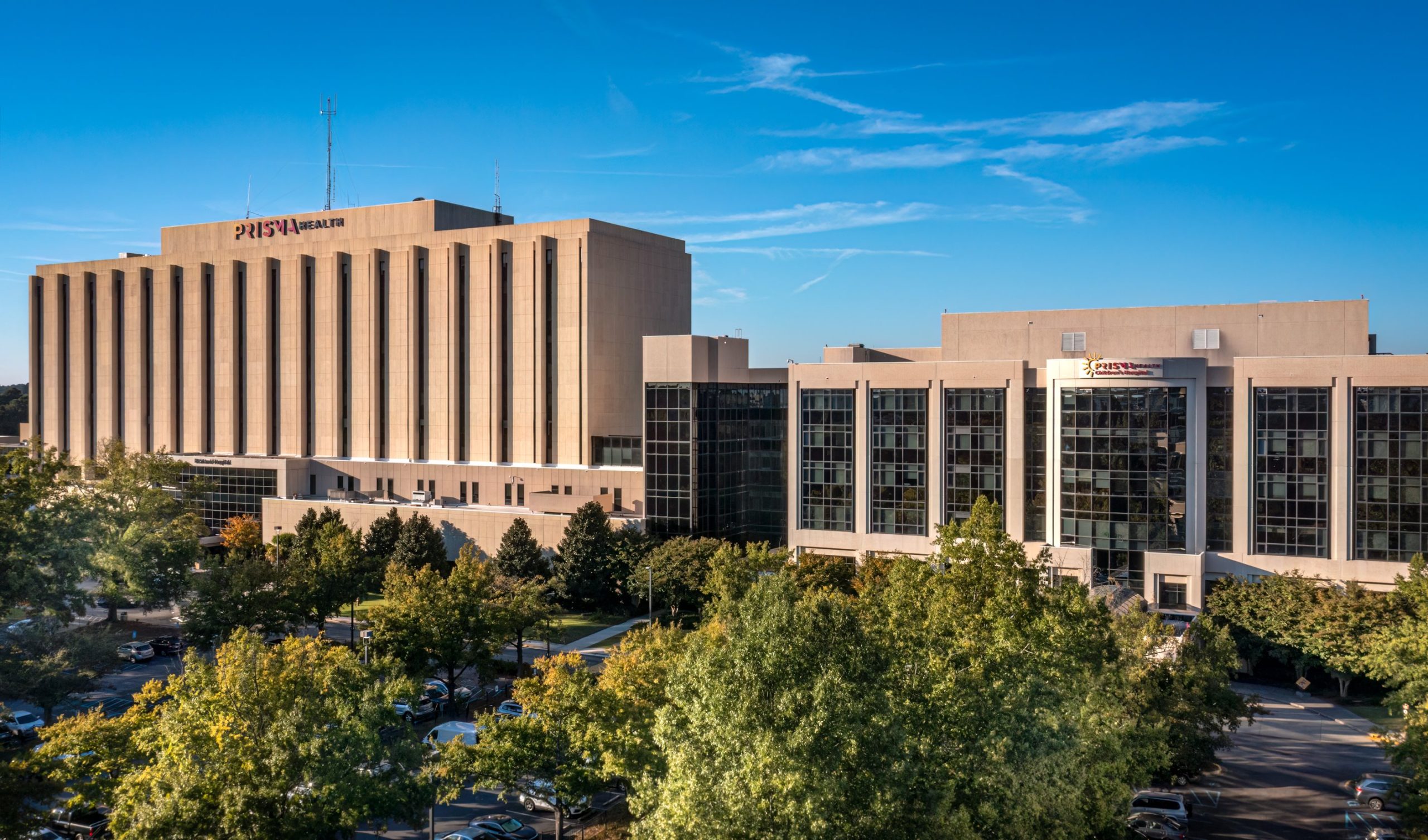
Prisma Health Richland Hospital
Downtown Columbia / 37+ active studies
Cancer, blood disorders, broad hospital research
The flagship Prisma Health hospital in the Midlands. Also, by far the biggest trial operation in the Columbia metro.
Visit Website →
University of South Carolina
Columbia / 27+ active studies
Stroke recovery, physical activity, community health
Notably, a research university that runs federally funded health studies across the Midlands. Specifically, topics range from stroke rehab to disease prevention.
Visit Website →
Bogan Sleep Consultants
Columbia / 7+ active studies
Narcolepsy, sleep disorders
One of the best known private sleep research sites in the Southeast. Also, it has run sleep trials for decades.
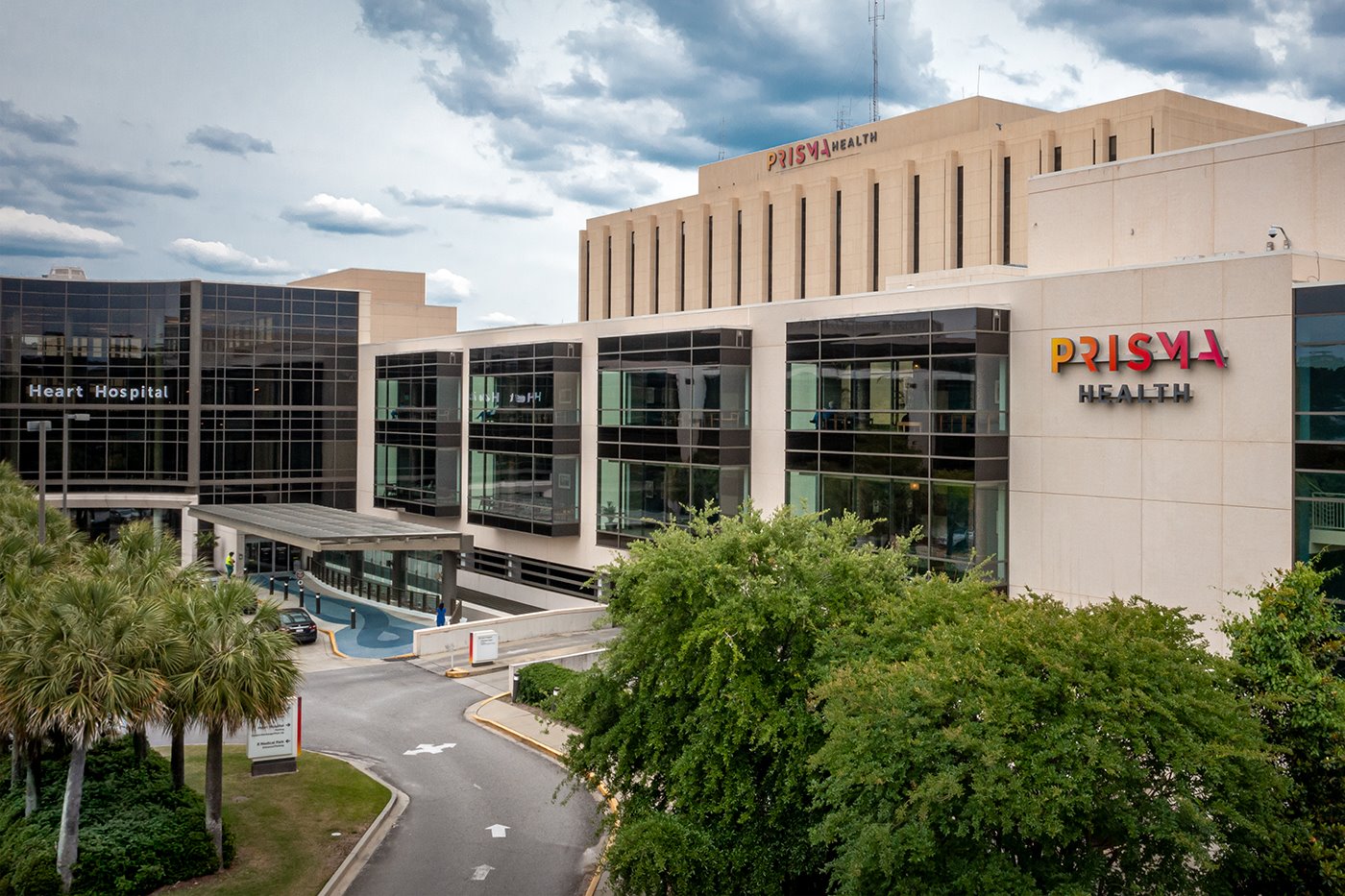
Prisma Health Midlands Cardiovascular
Columbia / 4+ active studies
Cardiovascular disease, heart failure
The heart and vessel research arm of Prisma Health in the Midlands. So it is the natural home for cholesterol trials in Columbia.
Visit Website →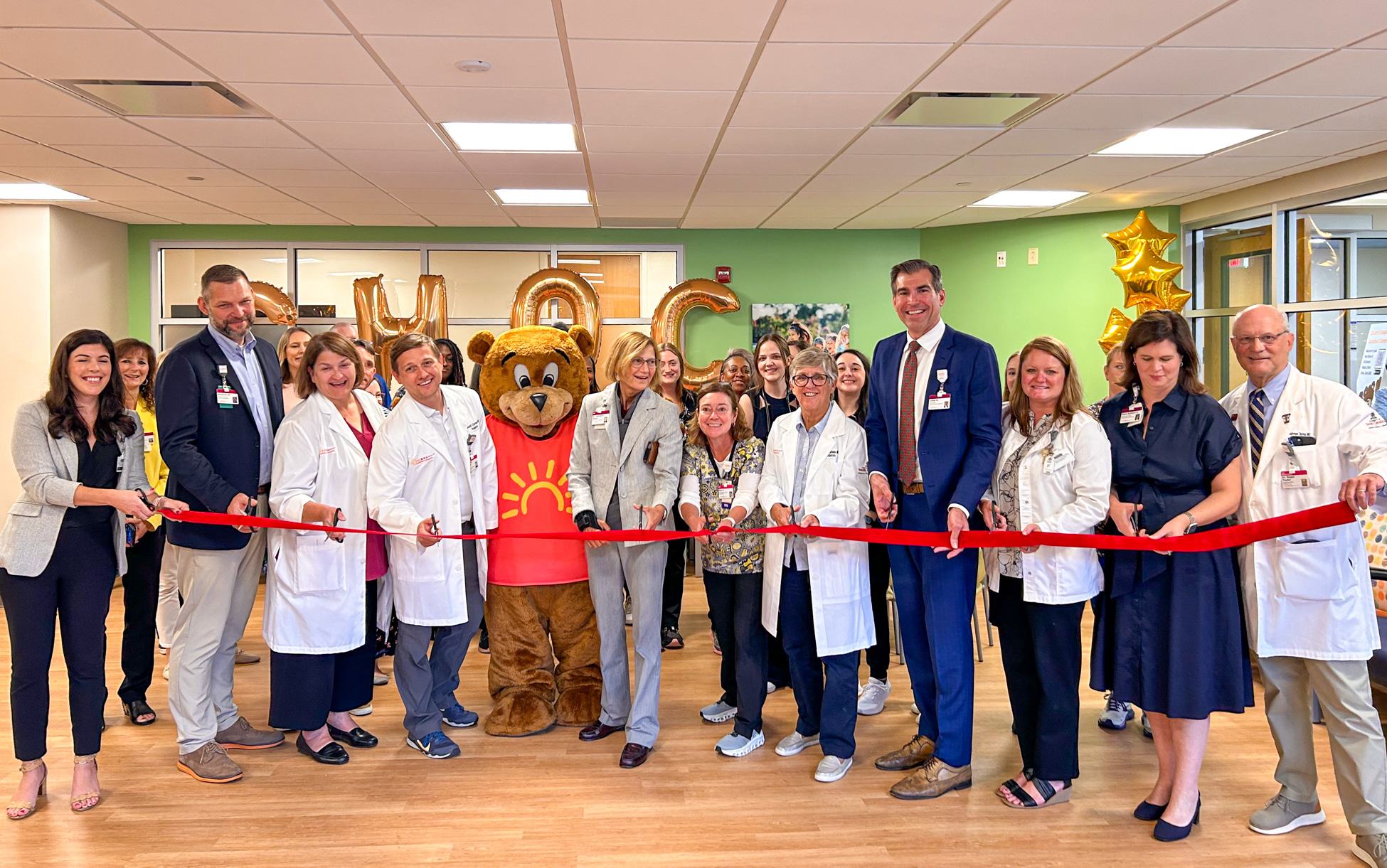
Prisma Health Children’s Hospital, Midlands
Columbia / 4+ active studies
Pediatric growth, cystic fibrosis
Basically, the Midlands hub for children’s research inside the Prisma Health system.
Visit Website →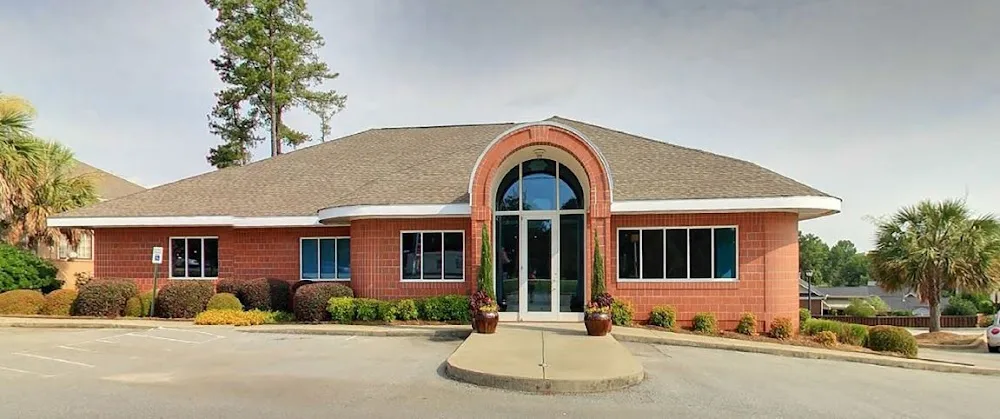
Columbia Dermatology & Aesthetics
Columbia / 4+ active studies
Hidradenitis suppurativa, psoriasis, obesity
A skin care practice with its own research team. It runs both skin and weight studies.
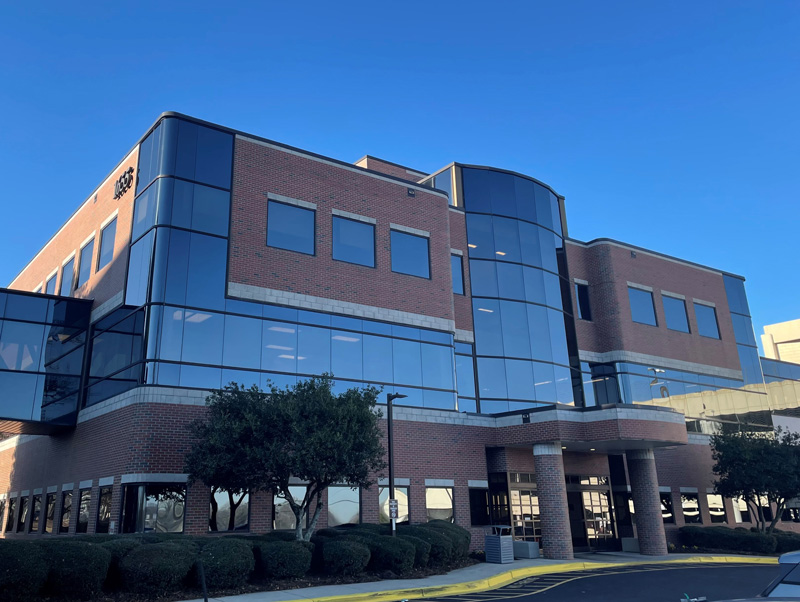
Velocity Clinical Research, Columbia
Columbia / Multiple active studies
COPD, skin conditions, vaccines
Part of one of the biggest research site networks in the country. Besides, it is just the kind of site the huge outcome trials lean on.
Visit Website →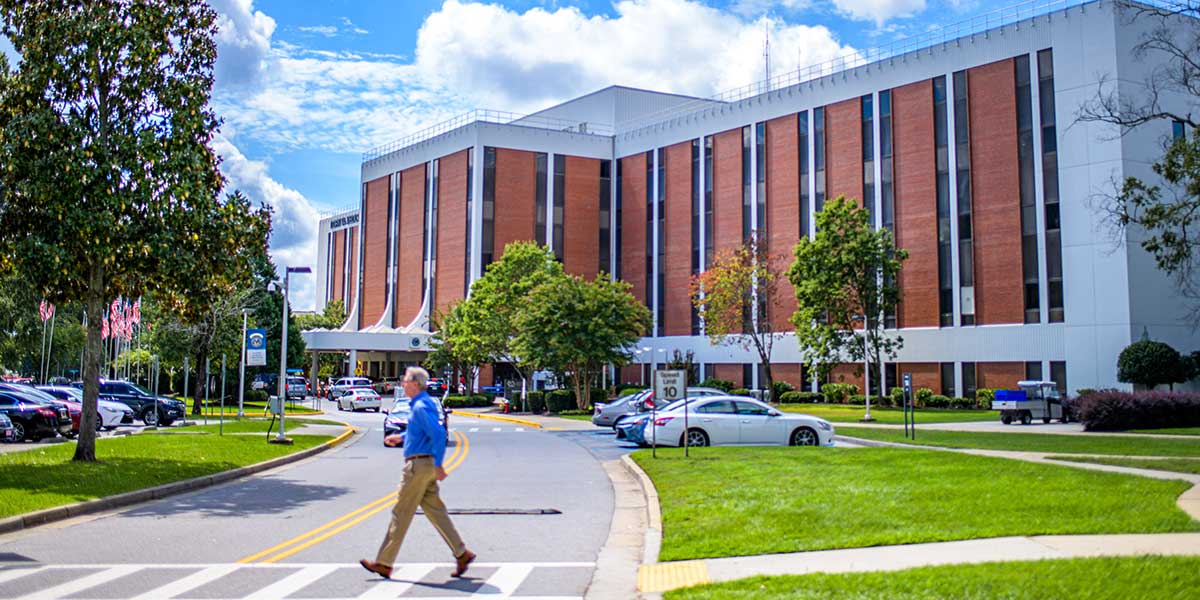
Wm. Jennings Bryan Dorn VA Medical Center
Garners Ferry Road, Columbia / 2+ active studies
Atherosclerosis, liver disease
Columbia’s VA medical center runs studies, including ones on clogged arteries. For veterans, it is often the first door.
Visit Website →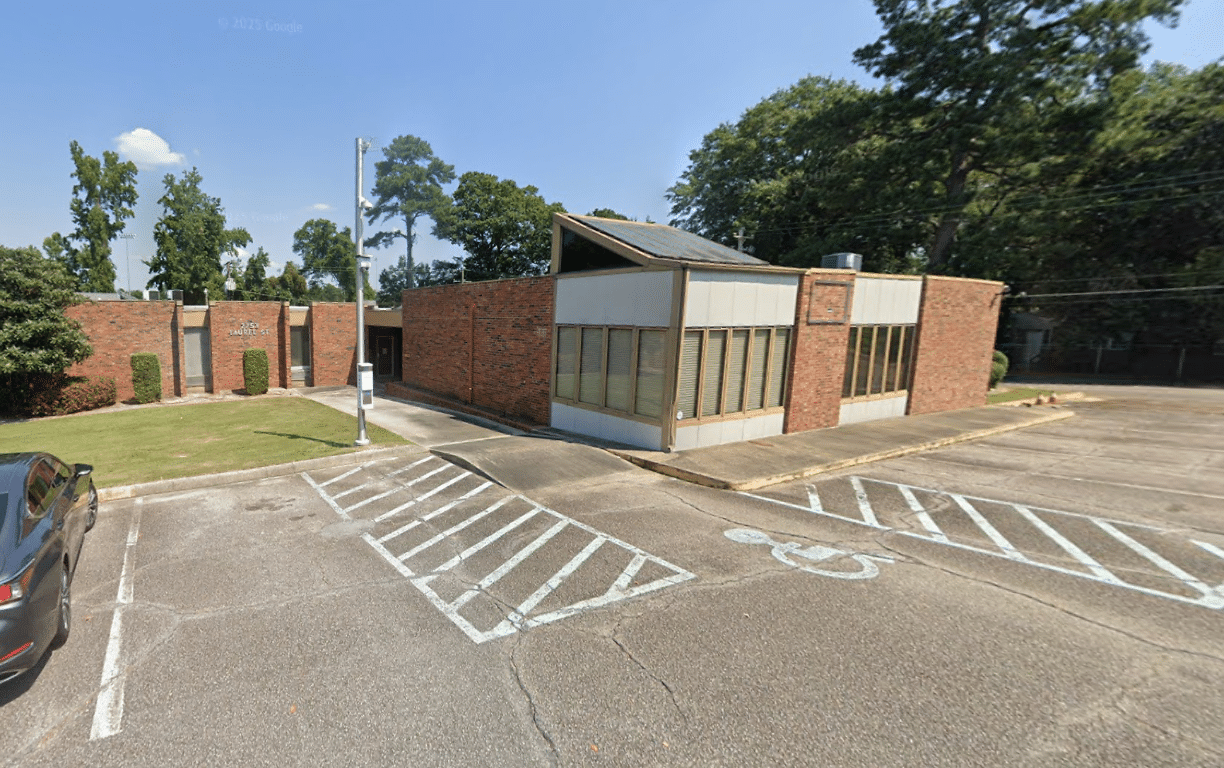
Objective Health, Columbia
Columbia / 2+ active studies
Celiac disease, fatty liver disease
Once called Columbia Digestive Health Research. Now it is part of the Objective Health network. Specifically, it runs gut and liver studies, including fatty liver trials.
Columbia Gastroenterology Associates
Columbia / Active studies
Digestive conditions
A long-running gut health practice. Also, it takes part in digestive trials around Columbia.
What to Expect in a Sjogren’s Study
New to studies? Here is how one works, step by step.
01
Prescreening
First comes a short phone call or online form. Also, it takes about 10 to 15 minutes. The staff check whether you might fit. Then they tell you what is open.
02
Screening Visit
Next the clinic runs the tests that decide it, which usually means blood work. Also, they go through the consent form line by line, and you can bring somebody with you.
03
Treatment Period
Then the study begins. So you take the study drug or the placebo on the agreed schedule. Meanwhile, your own doctor keeps managing everything else.
04
Follow-Up
Finally, there is a check in period at the end. Also, your own doctor gets the results, and you can stop at any point without affecting your care.
Sjogren’s Trial FAQs
Real answers about Sjogren’s studies near Columbia SC.
Is there a study for this near Columbia?
No, and we will not pretend otherwise. Nothing is recruiting in Columbia, West Columbia, Lexington, Irmo, Cayce, Sumter or Orangeburg. However, three studies run inside Charlotte, about 93 miles north. Notably, one takes women only, and one of the three has no dummy in it at all.
Will I get a placebo?
It depends which of the three you join, so ask this first. Two of them test a real drug against a dummy, and neither publishes the split. However, the cell therapy is open label, which means everyone treated gets the real cells and knows it. Also, you would keep your own doctor and your usual care throughout either way.
Which blood test actually matters?
Anti-Ro, sometimes written SSA, and it is worth asking for by name. It is positive in roughly two thirds of people with this, and in the scoring it carries three of the four points needed. So a positive result plus one dryness test nearly makes the diagnosis on its own. However, many people are told about anti-La instead, and on its own that one no longer counts at all.
Why do I score low when I feel terrible?
Because the score studies use counts organ damage and not dryness or fatigue. So someone whose life has been taken apart by exhaustion can score low and be screened out. That is a real and much criticised problem rather than a judgement about you. Also, a separate patient scored index covers dryness, fatigue and pain, and that is the number to point at.
Can men join these studies?
Two of the three take men and women. However, the drip study takes women only, aged 18 to 75, so men are not eligible for that one at all. Notably, that is written into the study rather than being a local decision. So if you are a man, the other two are the ones to ask about.
Do I need a lip biopsy?
Not as a stated requirement for the study here, but it depends on your antibody result. A few tiny glands are taken through a small cut inside your lower lip under local anaesthetic. If your anti-Ro is negative, that biopsy is the only realistic way you met the criteria. However, it carries a small risk of lasting numbness, and gland ultrasound is now often used instead.
Why is nothing open in Columbia?
Because this field is small and its studies cluster at a handful of centres. Nothing recruits anywhere in the Midlands, and we checked each town separately. So Charlotte, about 93 miles north, is the nearest place with anything at all. Notably, a state wide search in North Carolina would have hidden all three of those too, which is how easily this gets missed.
Is there a treatment for the disease itself?
Not yet approved, and that is the honest answer. Everything approved treats symptoms, such as tablets that squeeze more saliva out and drops for the eyes. However, on 29 October 2025 two late stage trials of one antibody both hit their target. That was the first time any treatment has improved this disease in a late stage trial. So it is not approved as of today, but that may change.
Should I worry about lymphoma?
It is worth knowing about rather than worrying about, and it is a reason to stay under review. There is a real raised lifetime risk of a B cell lymphoma here. Lasting swelling of the glands in front of the ear, a low C4 and certain blood proteins are known markers. So if a gland stays swollen, say so rather than waiting for the next routine appointment.
Does it cost anything to be on the list?
No. There is no cost, and no insurance is needed. Tether is a nonprofit list, so we do not run studies and we are not paid to send you anywhere. Also, being on the list never enrolls anyone in anything. You would always call the clinic yourself.
Where can I get care near Columbia SC?
Prisma Health and Lexington Medical Center both run joint and eye services across the Midlands. Also, ask for a rheumatologist rather than only an eye clinic, because this is a whole body disease. Generally, your own doctor can refer you. Meanwhile, if nobody has run an anti-Ro test on you, ask for it by name at your next visit.
Ready to Explore a Study?
Check your eligibility, or just reach out to our Columbia team. No pressure. Also, no sales pitch.
← Back to All Clinical TrialsSources
- Artiva AlloNK with rituximab, with a Sjogren’s group, ClinicalTrials.gov NCT06991114
- Novartis THALASSA, ianalumab in Sjogren’s with high symptom burden, ClinicalTrials.gov NCT07621809
- Resolve Therapeutics RSLV-132 in women with Sjogren’s, ClinicalTrials.gov NCT06440525
- Novartis: NEPTUNUS-1 and NEPTUNUS-2 late stage results, 29 October 2025, and fast track status, January 2026
- Sjogren’s Foundation: diagnosis, antibody tests, the 2016 criteria and activity scores
Study details and per-site recruiting status verified against ClinicalTrials.gov on August 16, 2026. A state level search in North Carolina returned nothing for this condition; all three Charlotte sites were found only by searching the city directly. One study lists a site as Salisbury NC while giving it a Charlotte zip code, so confirm that address with the clinic before travelling. Most studies here take primary disease only, and rule out Sjogren’s that sits alongside lupus or arthritis. Study availability and criteria change; the research clinic confirms everything before you enroll.