COLUMBIA, SC
Crohn’s Disease Clinical Trials
2 studies are enrolling for Crohn’s disease near Columbia SC right now. Notably, neither of them lists a plain dummy arm on the public record. You may be compensated for your time, and no insurance is needed.
2
Open Near Columbia
4
Drugs in One Study
+/- $100
Per Visit
New here? Read how this page works
First, two numbers decide whether either of these will take you, and most people have never been told either. So here is the order to work through.
- Ask for your CDAI score in writing. Because nearly every study here gates on it, and most want 220 to 450.
- Ask for your camera score separately. Notably, most want a 6, or a 4 if only the last part of the small bowel is involved.
- Ask for a faecal calprotectin. In fact, it measures swelling in the gut specifically, and a normal blood test does not rule out a flare.
- Finally, tap the button. Then we check you against all of them at once and tell you when a new one opens.
Of course, checking never signs you up for anything. You are only seeing where you might fit.
The 2 Studies Enrolling Near Columbia Right Now
Both are open today. So check your eligibility, or read the full record on ClinicalTrials.gov.
Both studies open here
One runs beside the city and one is south at Orangeburg. Notably, neither lists a plain dummy arm on the public record.

The One Study Running in Both Cities
Sanofi with Teva / Late stage antibody
Duvakitug blocks a signal called TL1A. Researchers think it drives the scarring that causes narrowings. Notably, no approved drug for this targets scarring at all. That matters more in Crohn’s than anywhere else, because narrowings lead to surgery. This is the only Crohn’s study here with sites in both metros.
Payment is not published.
Check eligibility →More details
Why researchers are excited: narrowing and scarring send people to the operating theatre. Meanwhile, every approved drug treats swelling and leaves the scarring alone.
Who this study is looking for
- Age 18 to 80, with Crohn’s confirmed at least 3 months ago
- Also, moderate to severe disease
- Besides that, usual or newer drugs failed, stopped working, or were not tolerated
- Finally, A steady dose of your current medicine going in
Probably not a fit if: colitis or an undecided diagnosis rules you out. Also, missing two whole sections of bowel from past surgery. Notably, any earlier anti-TL1A drug excludes you for good.
- Placebo group: Yes in the main part, though one sub study is open label with no dummy at all.
- How long: Up to 35 weeks, counting screening, 12 weeks of treatment and possibly 12 more.
- Clinic visits: Up to 8 visits, or up to 15 if you go into the extended part.
- Phone calls: Not published on the public record.
- Most invasive part: A camera test of the bowel is required. At least two, and you must complete the second to continue.
- Setting: Outpatient.
- Where it runs: OnSite Clinical Solutions, Charlotte NC 28211; Monroe Biomedical Research, Monroe NC 28112; Biocentric Health Research Partner, West Columbia SC 29169.
- Drive from Columbia: West Columbia is right beside the city, so this is a local drive.
- Ask what happens after week 12. The follow on study has no site in either metro.
- Full study record: View on ClinicalTrials.gov →

Four Drugs, and No Dummy Arm Listed
AbbVie / Mid stage platform study
This one tests four different drugs under a single study. One of them is already approved, and the other three are not. No dummy arm appears on the public record at all. Some are given as injections and some as drips. It is the only Crohn’s study in the Midlands besides the one above.
Payment is not published.
Check eligibility →More details
Why researchers are excited: a platform study can move you between options without starting over. Also, it publishes its wash out rule clearly, which almost none of these do.
Who this study is looking for
- Age 18 to 75, weighing at least 40 kg
- Also, crohn’s confirmed at least 3 months ago with a sample on file
- Besides that, A CDAI score of 220 or more
- Finally, A camera score of 6, or 4 if only the ileum is involved
Probably not a fit if: a reaction to risankizumab rules you out. That is a hard stop, because it is one of the four arms. Also, a current stoma or pouch, short bowel, or surgery in the past three months.
- Placebo group: No dummy arm is listed. However, how you are assigned between the four is not published.
- How long: Not published for the individual. Meanwhile, the record runs to January 2030.
- Clinic visits: Not published on the public record.
- Phone calls: Not published on the public record.
- Most invasive part: A camera test of the bowel is required. One at the start is required. Also, a daily diary runs throughout.
- Setting: Outpatient.
- Where it runs: Gastroenterology Associates of Orangeburg, Orangeburg SC 29118.
- Drive from Columbia: Orangeburg is about 45 minutes south of Columbia.
- This one publishes its wash out rule. Thirty days or five half lives, whichever is longer. However, an undetectable drug level can remove the wait entirely, so ask for that test.
- Full study record: View on ClinicalTrials.gov →
Not sure which one fits you?
First, answer a few quick health questions. Then we check you against both at once. Also, no account and no paperwork.
See if I may fit one of these studies →What Is Actually Changing in Crohn’s Disease
Two new drugs were approved in the last two years, and three more are chasing a target nobody has hit.
It Can Appear Anywhere, and in Patches
Crohn’s can affect anywhere from the mouth to the bottom, though it favours the last part of the small bowel. It appears in patches with healthy stretches in between. So those gaps are how a doctor tells it apart from colitis. Also, it goes through the entire thickness of the bowel wall.
That Depth Is Why the Complications Happen
Because it goes through the whole wall, it can create tunnels, pockets of infection and narrowings. Meanwhile, colitis stays in the lining and causes none of those. So the two diseases need different studies. In fact, an undecided diagnosis usually rules you out of both.
Surgery Does Not Cure It
In colitis, removing the large bowel ends the bowel disease. However, that is not true here. The disease usually comes back near the join. So the aim is to avoid surgery rather than to schedule it, and that is why speed matters.
Two Numbers Decide Whether a Study Will Take You
The first is CDAI, and moderate to severe means 220 to 450. The second is the camera score, usually written SES-CD. Most studies want 6, or 4 if only the ileum is involved. So ask for both in writing after your next camera test.
Ask for Faecal Calprotectin By Name
It is a stool test that measures swelling in the gut specifically. That makes it more useful than a general blood test. Notably, CRP can look normal while your bowel is inflamed. So a normal blood result should not end the conversation.
TL1A Is the Target Everyone Is Chasing
Three drugs on this page block the same signal, called TL1A. Researchers think it drives the scarring that leads to narrowings, and no approved drug touches scarring today. However, taking any one of the three rules you out of the other two for good. So mention any past study drug by name.
Icotrokinra: The Pill in a Field of Injections
Almost every modern drug here is a needle. So a tablet blocking the same target would change daily life rather than just outcomes. That is what the largest study on this page is testing. Also, it is the first of its kind to get this far.
Two Approvals That Changed the Options
Mirikizumab was approved for Crohn’s in January 2025, and guselkumab followed in March 2025. Both block IL-23. So people who had run out of options got two new ones inside three months. Meanwhile, that also raised the bar every newer drug now has to clear.
Crohn’s Disease Help Near You
Start with a gastroenterologist rather than a general clinic. Ask for your CDAI, your camera score and a faecal calprotectin in writing. Also, ask whether your last camera test was filmed, because studies often need a central team to read it. Generally, your own doctor can refer you.
Research Sites Near Columbia
Two research sites reach the Midlands, at West Columbia and Orangeburg. But sites add new studies all the time, so it is worth knowing what is near you.
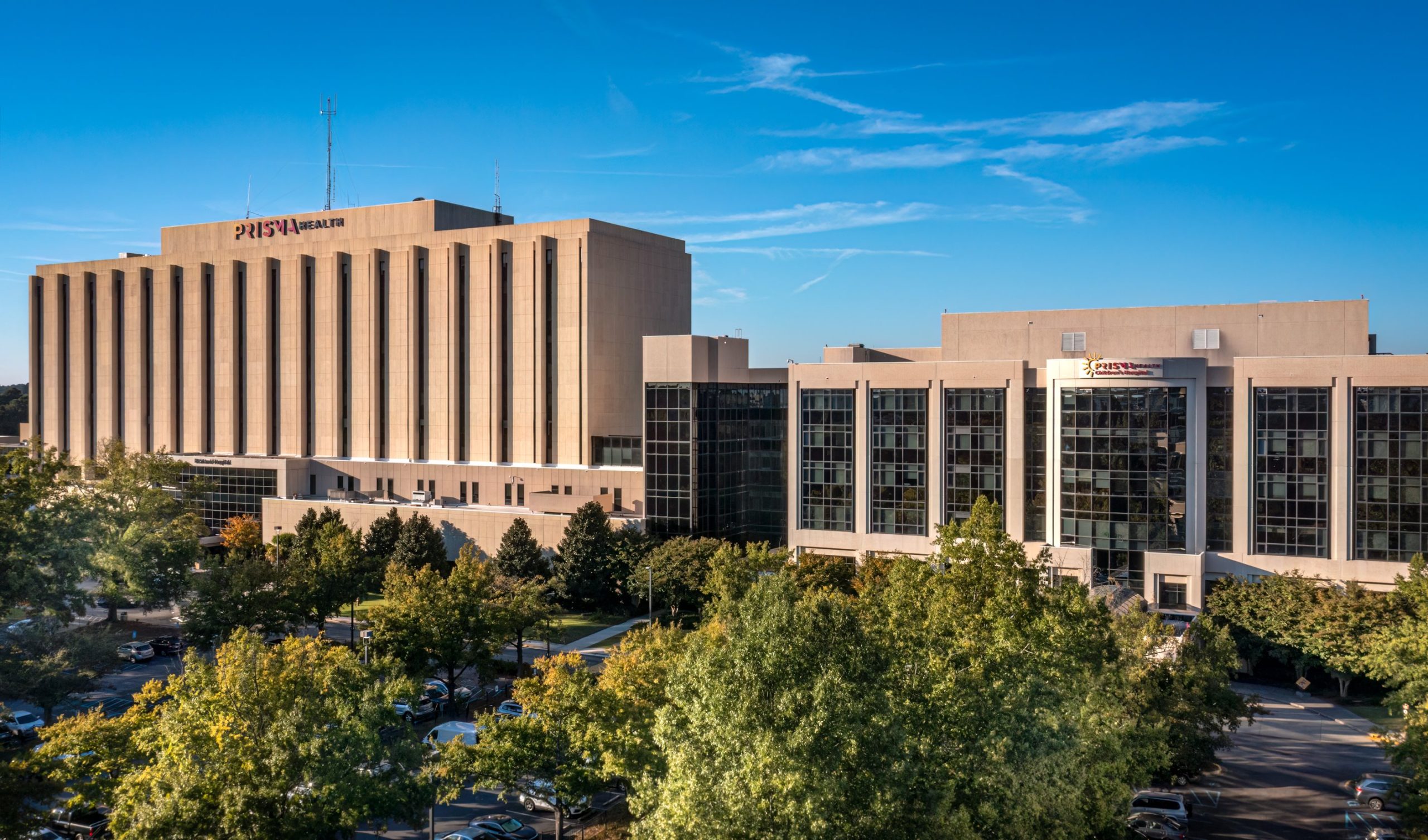
Prisma Health Richland Hospital
Downtown Columbia / 37+ active studies
Cancer, blood disorders, broad hospital research
The flagship Prisma Health hospital in the Midlands. Also, by far the biggest trial operation in the Columbia metro.
Visit Website →
University of South Carolina
Columbia / 27+ active studies
Stroke recovery, physical activity, community health
Notably, a research university that runs federally funded health studies across the Midlands. Specifically, topics range from stroke rehab to disease prevention.
Visit Website →
Bogan Sleep Consultants
Columbia / 7+ active studies
Narcolepsy, sleep disorders
One of the best known private sleep research sites in the Southeast. Also, it has run sleep trials for decades.
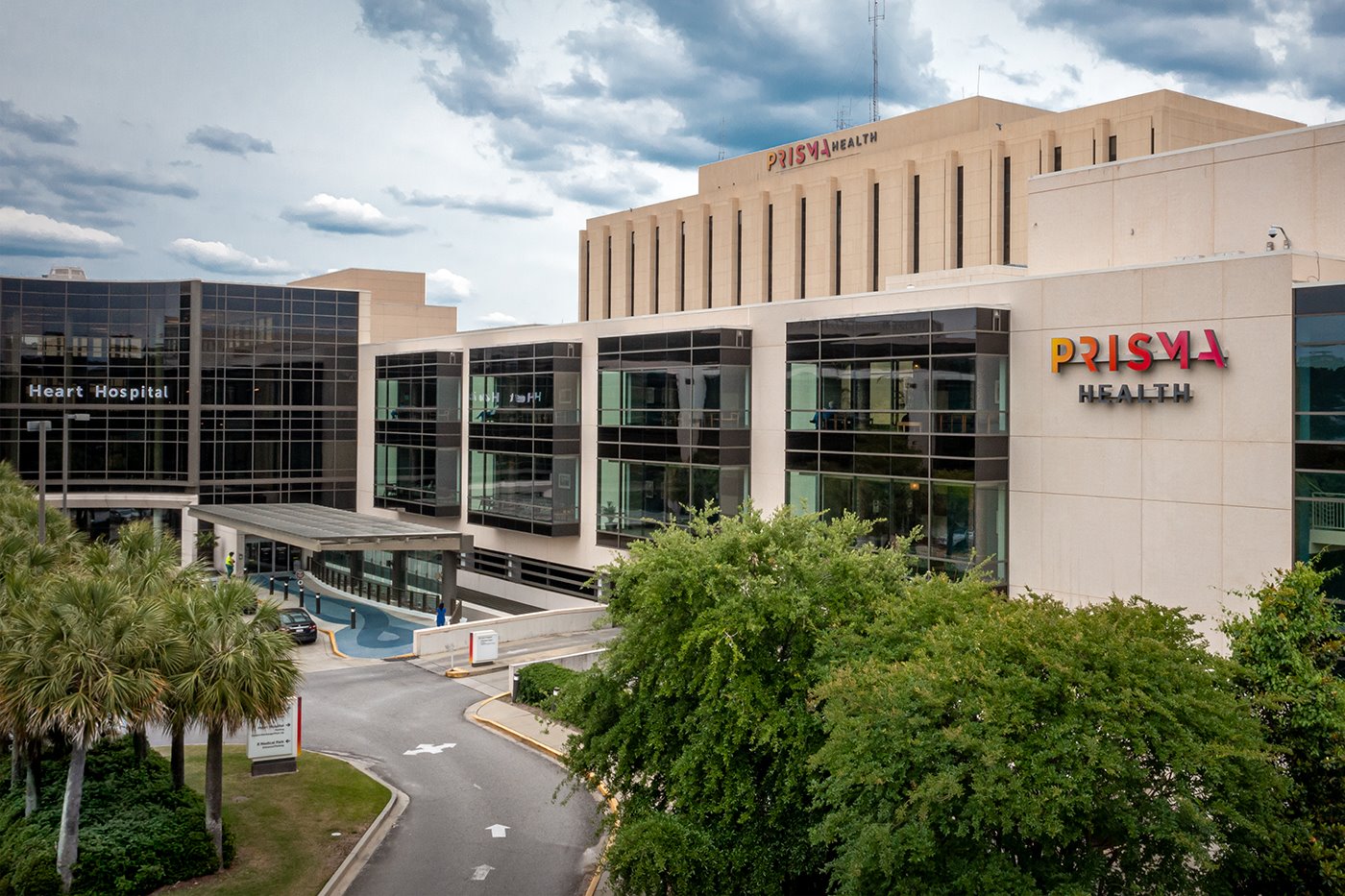
Prisma Health Midlands Cardiovascular
Columbia / 4+ active studies
Cardiovascular disease, heart failure
The heart and vessel research arm of Prisma Health in the Midlands. So it is the natural home for cholesterol trials in Columbia.
Visit Website →
Prisma Health Children’s Hospital, Midlands
Columbia / 4+ active studies
Pediatric growth, cystic fibrosis
Basically, the Midlands hub for children’s research inside the Prisma Health system.
Visit Website →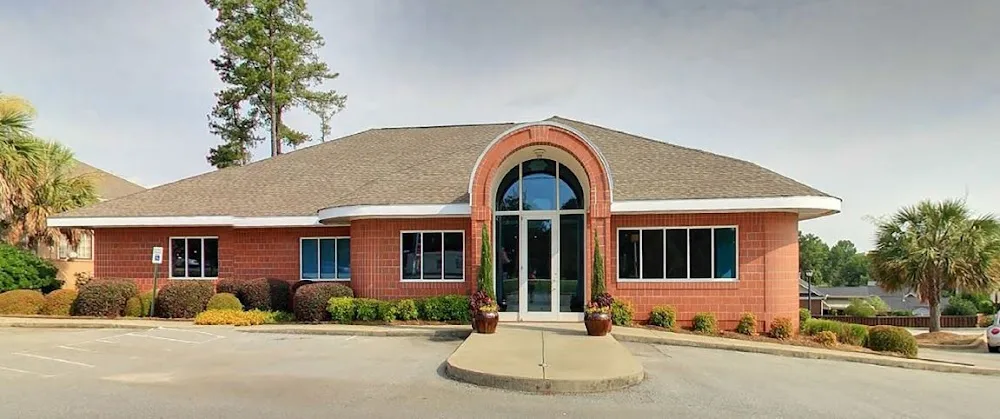
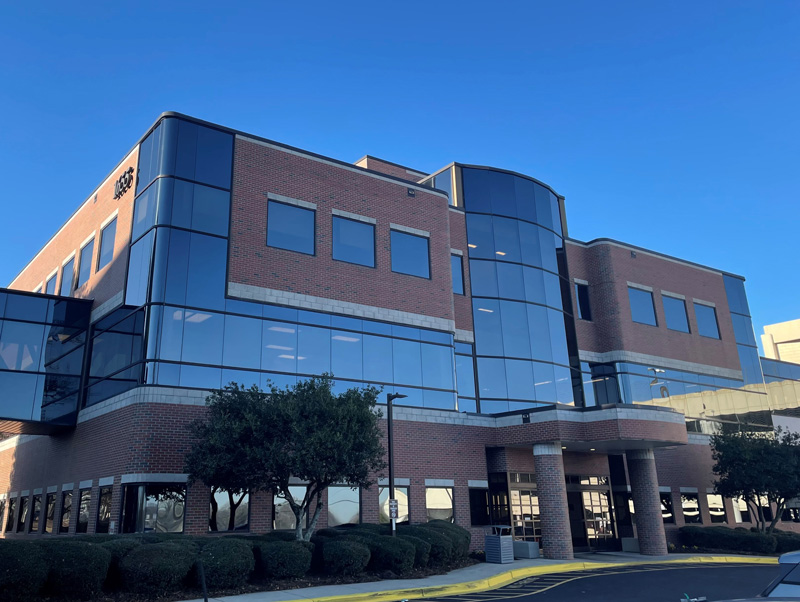
Columbia Dermatology & Aesthetics
Columbia / 4+ active studies
Hidradenitis suppurativa, psoriasis, obesity
A skin care practice with its own research team. It runs both skin and weight studies.
Velocity Clinical Research, Columbia
Columbia / Multiple active studies
COPD, skin conditions, vaccines
Part of one of the biggest research site networks in the country. Besides, it is just the kind of site the huge outcome trials lean on.
Visit Website →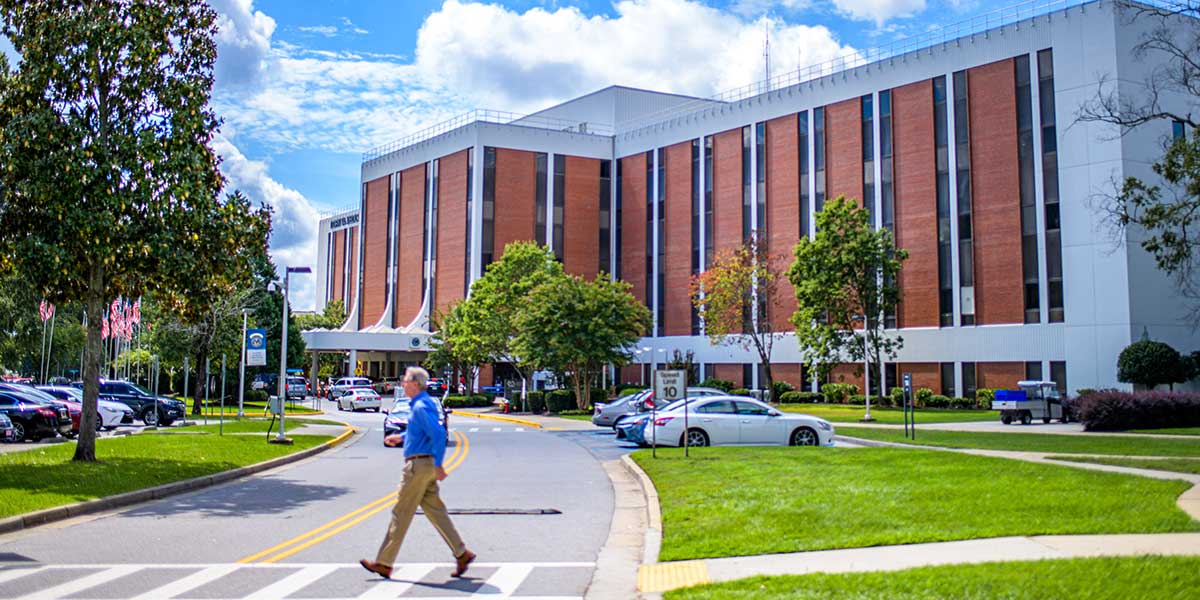
Wm. Jennings Bryan Dorn VA Medical Center
Garners Ferry Road, Columbia / 2+ active studies
Atherosclerosis, liver disease
Columbia’s VA medical center runs studies, including ones on clogged arteries. For veterans, it is often the first door.
Visit Website →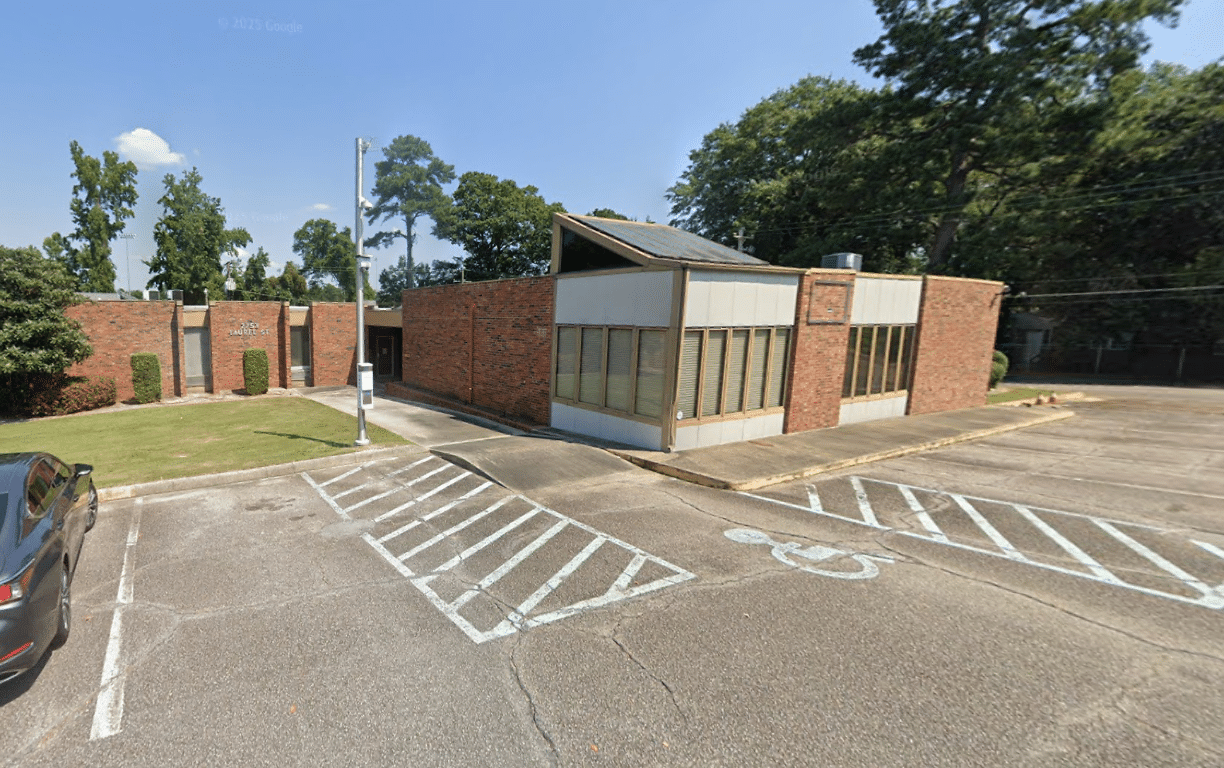
Objective Health, Columbia
Columbia / 2+ active studies
Celiac disease, fatty liver disease
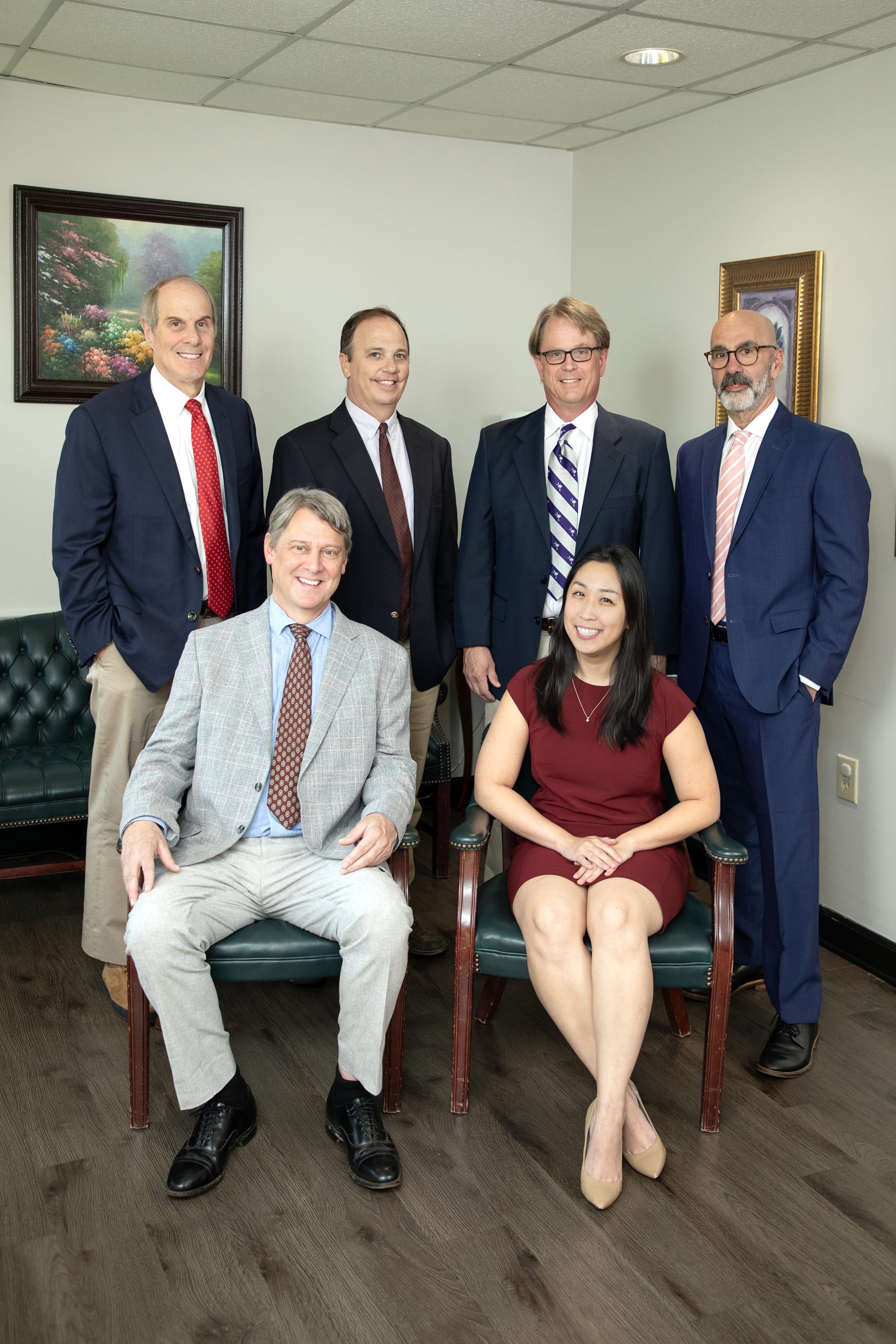
Once called Columbia Digestive Health Research. Now it is part of the Objective Health network. Specifically, it runs gut and liver studies, including fatty liver trials.
Columbia Gastroenterology Associates
Columbia / Active studies
Digestive conditions
A long-running gut health practice. Also, it takes part in digestive trials around Columbia.
What to Expect in a Crohn’s Disease Study
New to studies? Here is how one works, step by step.
01
Prescreening
First comes a short phone call or online form. Also, it takes about 10 to 15 minutes. The staff check whether you might fit. Then they tell you what is open.
02
Screening Visit
Next the clinic runs the tests that decide it, which usually means blood work. Also, they go through the consent form line by line, and you can bring somebody with you.
03
Treatment Period
Then the study begins. So you take the study drug or the placebo on the agreed schedule. Meanwhile, your own doctor keeps managing everything else.
04
Follow-Up
Finally, there is a check in period at the end. Also, your own doctor gets the results, and you can stop at any point without affecting your care.
Crohn’s Disease Trial FAQs
Real answers about Crohn’s disease studies near Columbia SC.
Is there a study for this near Columbia?
Yes, two are open. One runs at West Columbia, right beside the city, and one is at Orangeburg about 45 minutes south. Notably, neither lists a plain dummy arm on the public record, and the Orangeburg study tests four different drugs at once. Meanwhile, Charlotte carries eight more if neither of these fits you.
Will I get a dummy?
It depends which study, so ask this first rather than last. Some here have no dummy at all, because every person gets an approved drug. Meanwhile, others test a drug that is not approved yet against a dummy, and most do not publish the split. So ask the clinic what your odds actually are before you agree to anything.
Will I have to stop my current medicine?
Usually you must be on a steady dose rather than off everything, which surprises people. However, the exact wash out period is not published for most of these. One study does publish it, at thirty days or five half lives, whichever is longer. Notably, that same study can waive the wait if a blood test shows the old drug has cleared.
What is a CDAI score?
It is how active your disease is, in one number, and studies gate on it. It combines stool frequency, pain, general wellbeing and several other findings. Generally, 220 to 450 counts as moderate to severe, and that is the usual entry bar here. So ask for it in writing rather than accepting a description.
Do I have to have a colonoscopy?
Yes, and usually more than one. Most studies need one at the start and another at the end of the main period. Also, several are filmed and read by a central team rather than by your own doctor. So ask whether your last one was recorded, because an unrecorded test often has to be repeated.
Is it different from ulcerative colitis?
Yes, and studies will not mix them up. Crohn’s can appear anywhere from mouth to bottom, in patches, and it goes through the whole bowel wall. Meanwhile, colitis stays in the large bowel and rectum, in one unbroken stretch, and only in the lining. So that depth is why tunnels and narrowings happen here and not there.
What is this TL1A everyone mentions?
It is a signal that researchers think drives the scarring behind narrowings. Three separate drugs on this page block it, and no approved drug touches scarring at all. However, taking any one of the three rules you out of the other two permanently. So mention any past study drug by name when you call.
Can my child join a study?
In Charlotte, yes. One study takes children aged 6 to 17, and every child in it gets an approved drug. Notably, a child can join before the diagnosis is even confirmed. However, it needs two camera tests and two MRI scans, so a child who cannot manage an MRI is excluded. Meanwhile, nothing for under 18s runs in the Midlands.
Does it cost anything to check?
No. There is no cost, and no insurance is needed. Tether is a nonprofit list, so we do not run studies and we are not paid to send you anywhere. Also, checking never enrolls anyone in anything. You would always call the clinic yourself.
Where can I get help near Columbia SC?
Prisma Health and Lexington Medical Center both run bowel services across the Midlands. Also, ask for a gastroenterologist rather than a general clinic. Generally, your own doctor can refer you. Meanwhile, if nobody has given you a CDAI score, ask for it by name at your next visit.
Ready to Explore a Study?
Check your eligibility, or just reach out to our Columbia team. No pressure. Also, no sales pitch.
← Back to All Clinical TrialsSources
- CHARGE, guselkumab against risankizumab, ClinicalTrials.gov NCT07499232
- PANORAMA, vedolizumab in community clinics, ClinicalTrials.gov NCT06581328
- Duvakitug for Crohn’s disease, ClinicalTrials.gov NCT07184931
- Icotrokinra oral tablet for Crohn’s disease, ClinicalTrials.gov NCT07196722
- SIBERITE-2, afimkibart 12 week study, ClinicalTrials.gov NCT06819891
- SIBERITE-1, afimkibart treat through study, ClinicalTrials.gov NCT06819878
- Tulisokibart for Crohn’s disease, ClinicalTrials.gov NCT06430801
- CAMEO, anti-TNF dosing in children aged 6 to 17, ClinicalTrials.gov NCT05781152
- Target CD, AbbVie four arm platform study, ClinicalTrials.gov NCT06548542
- Mirikizumab approved for Crohn’s disease, 15 January 2025
- Guselkumab approved for Crohn’s disease, 20 March 2025
- Yale Medicine: monitoring inflammation and what mucosal healing means
Study details and per-site recruiting status verified against ClinicalTrials.gov on August 16, 2026. Every site row was read individually, because a study can read as recruiting while a particular clinic has closed. Two studies here list a nearby site as completed while the study overall still recruits. One study was absent from the public data export entirely and was found only by searching the city directly. Study availability and criteria change; the research clinic confirms everything before you enroll.