
COLUMBIA, SC
Alcohol Use Clinical Trials
One study touching alcohol is listed as open at Columbia SC, and it needs checking before you rely on it. Meanwhile, three treatments are approved and easy to get in this city with no study at all. Payment is provided for eligible participants.
1
Listed in the Midlands
3
Approved Treatments
+/- $100
Per Visit
New here? Read how this page works
First, here is the honest picture. One study is listed here, it has a date problem we will not hide, and three treatments exist. So here is how to use this page.
- Ask about naltrexone, acamprosate and disulfiram. Because all three are approved, on offer here today, and need no study at all.
- Ask whether cutting down counts as a goal. Also, it often does, and one nearby study measures exactly that.
- Never stop abruptly on your own to qualify. In fact, alcohol withdrawal can be dangerous, so talk to a clinician before changing anything.
- Last, tap the button. Then we keep your details on file and call you when a study opens near you.
Of course, checking never signs you up for anything. You are only seeing where you might fit.
What Is Actually Listed Near Columbia
One, at the university, and we have flagged a real problem with it. So read the warning on that card before you plan anything.
Listed as open here, with one important caveat
This is a student app study for people sent there after a campus rule breach. Its own end date has passed while both its sites still read as open, so confirm it before relying on it.

A Phone App for Students, and It Needs a Phone Call First
mHealth Systems with UNC Charlotte and USC / Non drug study
This is an app that gives feedback about drinking to college students who have been sent to programming after a campus rule breach. It is two weeks of daily logging with a virtual coach, and everybody gets the app. So there is no dummy and nothing to take. But we have to be straight with you about one thing before anything else. The study’s own listed finish date has passed while both sites still read as open.
Payment is not published.
Get on the list →More details
Why researchers are excited: it is the only study listed as open in both cities, and it asks for one campus visit and nothing more. Meanwhile, the stale date means a phone call has to come before anything else.
Who this study is looking for
- A currently enrolled college student at a participating campus
- Also, sent to programming after an alcohol or drug rule violation
- Besides that, having drunk alcohol in the last 90 days
- Finally, A drinking screen score of 4 or more, and a smartphone
- Also, aged 18 to 26
Probably not a fit if: not drinking in the last 90 days rules you out. So abstinence disqualifies rather than qualifies here. Also, not being a student, and not being under a mandated referral.
- Placebo group: None. Everybody gets the app in this stage.
- How long: Two weeks of the app, with checks at two and six weeks.
- Clinic visits: One in person session on campus, then two assessments done remotely.
- Phone calls: None published. The app sends its own prompts.
- Most invasive part: Nothing at all. So the only real exposure is that it runs through a campus disciplinary process.
- Setting: Outpatient.
- Where it runs: The university at Columbia SC 29208.
- Drive from Columbia: The site is at the university, inside Columbia.
- Call before you count on this. The record’s own end date has passed while both sites still read open, so confirm directly with the university before making plans.
- Full study record: View on ClinicalTrials.gov →
The nearest study with a recovery coach
It starts at your hospital bedside after an alcohol related admission. But it needs you to live within fifty miles of the site, which excludes most of the Midlands.
A Recovery Coach at Your Hospital Bedside
Clemson with Prisma Health and the NIAAA / Non drug study
This starts while you are already in hospital for something alcohol related. One group meets a peer recovery coach at the bedside and keeps working with them for six months. The other gets a short intervention and a coach after the study period, so no one gets nothing. It also tracks whether people start the approved medicines. The nearest sites are Greenville and Seneca.
Payment is not published.
Get on the list →More details
Why researchers are excited: the days right after an alcohol related admission are when people are most reachable and least followed up. Meanwhile, the comparison group still gets real help, just later.
Who this study is looking for
- Moderate to severe alcohol use disorder
- Also, currently in hospital with an alcohol related problem
- Besides that, living within fifty miles of the site and staying in the area six months
- Finally, aged 18 to 75
Probably not a fit if: using other drugs alongside alcohol rules you out. A positive test for opiates, cocaine or methamphetamine excludes you, and that removes a large share of people. Also, moderate or severe withdrawal, psychosis or bipolar disorder in your notes, and being in prison at the time.
- Placebo group: None. Both groups get something real, and one gets the coach later.
- How long: Six months of the programme, then follow up to twelve months.
- Clinic visits: About 8 or 9 assessment contacts, starting at the bedside and running to twelve months.
- Phone calls: Coach contact is ongoing rather than set visits.
- Most invasive part: Nothing physical, but the home burden is real. Daily short check ins and a daily breath reading for six months, which is about 180 tests.
- Setting: Outpatient.
- Where it runs: Greenville Memorial Hospital, Greenville SC 29605; and Oconee Memorial Hospital, Seneca SC 29672.
- Drive from Columbia: Greenville is about 100 miles north west, so roughly an hour and forty minutes.
- The fifty mile rule excludes most of the Midlands. Columbia is about a hundred miles away, so most people here would not qualify on where they live.
- Full study record: View on ClinicalTrials.gov →
Not sure which one fits you?
First, answer a few quick health questions. Then we keep them on file. Finally, we call you when a study opens near Columbia. No account, no paperwork.
See if I may fit one of these studies →What Is Actually Available for Alcohol Use Here
Three medicines are approved, available and badly underused, and none of them needs a study.
Three Medications Already Exist
Naltrexone as a tablet or a monthly injection, acamprosate, and disulfiram are all approved. So none of them needs a study, and a primary care doctor can start naltrexone. Meanwhile, they are underprescribed rather than unavailable. Also, most people who have struggled for years have never been offered any of the three.
You Do Not Have to Want to Quit Completely
Cutting down heavy drinking days is a real, measurable goal. In fact, it is literally what one nearby study measures as its main outcome. So being unsure about stopping altogether is not a reason to stay away. Meanwhile, that framing alone changes how many people get help.
Abstinence Almost Never Gets You In
The app study at both universities will actively exclude you if you have not drunk in the last 90 days. Current drinking is the entry ticket rather than the barrier. So the belief that you must stop first is the single most common reason people never call. Also, no local study here needs a detox period.
Never Stop Drinking Abruptly to Qualify
Alcohol withdrawal can be dangerous in a way that most people do not realise, with seizures a real risk. So if you drink heavily every day, do not stop on your own to look like a better candidate. In fact, several studies explicitly exclude people at risk of severe withdrawal for exactly this reason. Meanwhile, talk to a clinician before you change anything.
Ask About the At Home Burden, Not Just Visits
One nearby study has only a handful of assessments but asks for a daily breath reading for six months. That is around a hundred and eighty tests, and it is invisible in a visit count. So ask what happens between appointments. Also, that is where most of the real commitment often sits.
Other Drug Use Is the Quiet Disqualifier
One study near Greenville excludes anyone testing positive for opiates, cocaine or methamphetamine. So people who drink and also use anything else are frequently turned away. In fact, that criterion removes a large share of the real hospitalised population. Meanwhile, other studies take the opposite approach, so ask rather than assume.
Liver Studies Are Not Addiction Studies
There is a study with a Charlotte address for severe alcohol related liver inflammation. It treats people who are already in hospital and jaundiced, and its measure is survival at ninety days. So it is not a study to help you drink less, and its Charlotte site has not opened anyway. In general, the two things get confused and they should not be.
Comparison Groups Still Get Something
In the recovery coach study, the comparison group gets a brief intervention and a coach after the study period. So it is a delayed start rather than a denial. Meanwhile, that pattern is common in behavioural research and it is worth asking about. Also, it makes these studies far easier to agree to than drug trials.
One Local Study Needs Checking Before You Count On It
The only study listed as open in both cities has an end date that has passed. Both site rows still read as recruiting, which often means the record is simply out of date. So we have listed it with that warning attached rather than leaving it off or pretending. But if it has closed, the Midlands drops to nothing and Charlotte drops to one.
Alcohol Help Near You
Ask about naltrexone, acamprosate and disulfiram, because those need no study at all. Also, ask whether cutting down rather than stopping is an acceptable goal, because it often is. Last, never stop abruptly on your own if you drink heavily every day. Meanwhile, join the list and we will call you when a study opens near you.
Research Sites Near Columbia
The one listed study runs at the university here, and a recovery coach study runs at Greenville. But sites add new studies all the time.
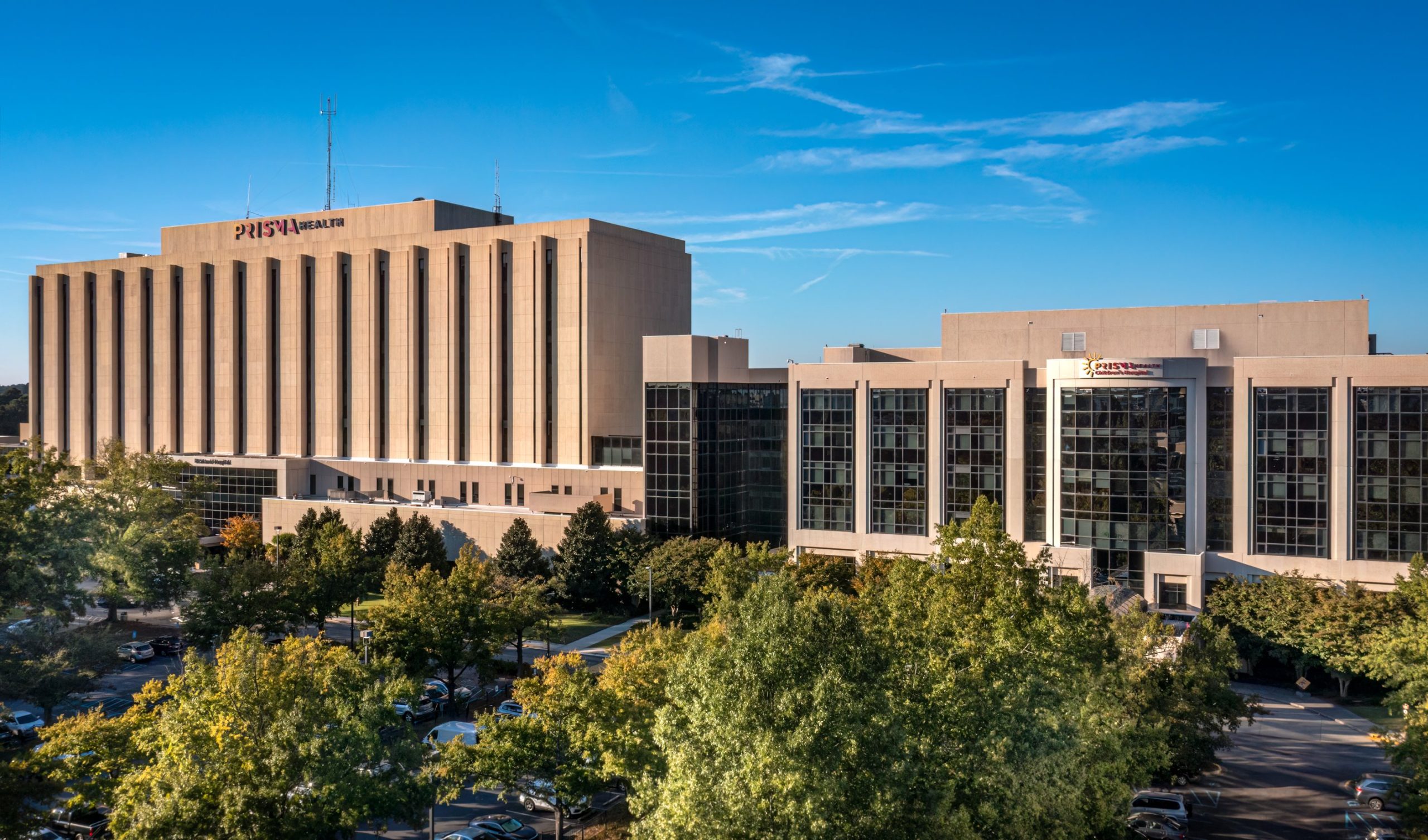
Prisma Health Richland Hospital
Downtown Columbia / 37+ active studies
Cancer, blood disorders, broad hospital research
The flagship Prisma Health hospital in the Midlands. Also, by far the biggest trial operation in the Columbia metro.
Visit Website →
University of South Carolina
Columbia / 27+ active studies
Stroke recovery, physical activity, community health
Notably, a research university that runs federally funded health studies across the Midlands. Specifically, topics range from stroke rehab to disease prevention.
Visit Website →
Bogan Sleep Consultants
Columbia / 7+ active studies
Narcolepsy, sleep disorders
One of the best known private sleep research sites in the Southeast. Also, it has run sleep trials for decades.
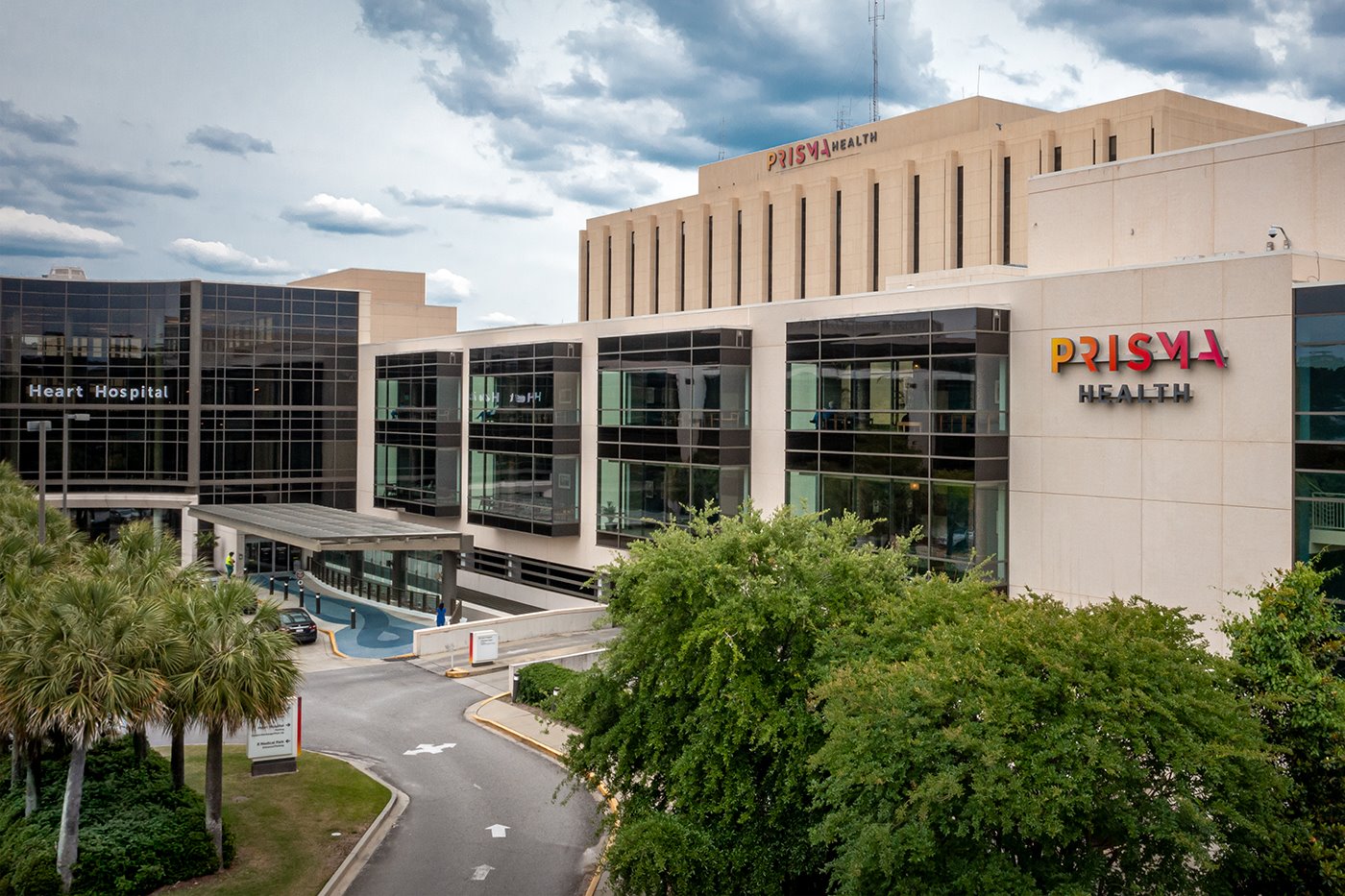
Prisma Health Midlands Cardiovascular
Columbia / 4+ active studies
Cardiovascular disease, heart failure
The heart and vessel research arm of Prisma Health in the Midlands. So it is the natural home for cholesterol trials in Columbia.
Visit Website →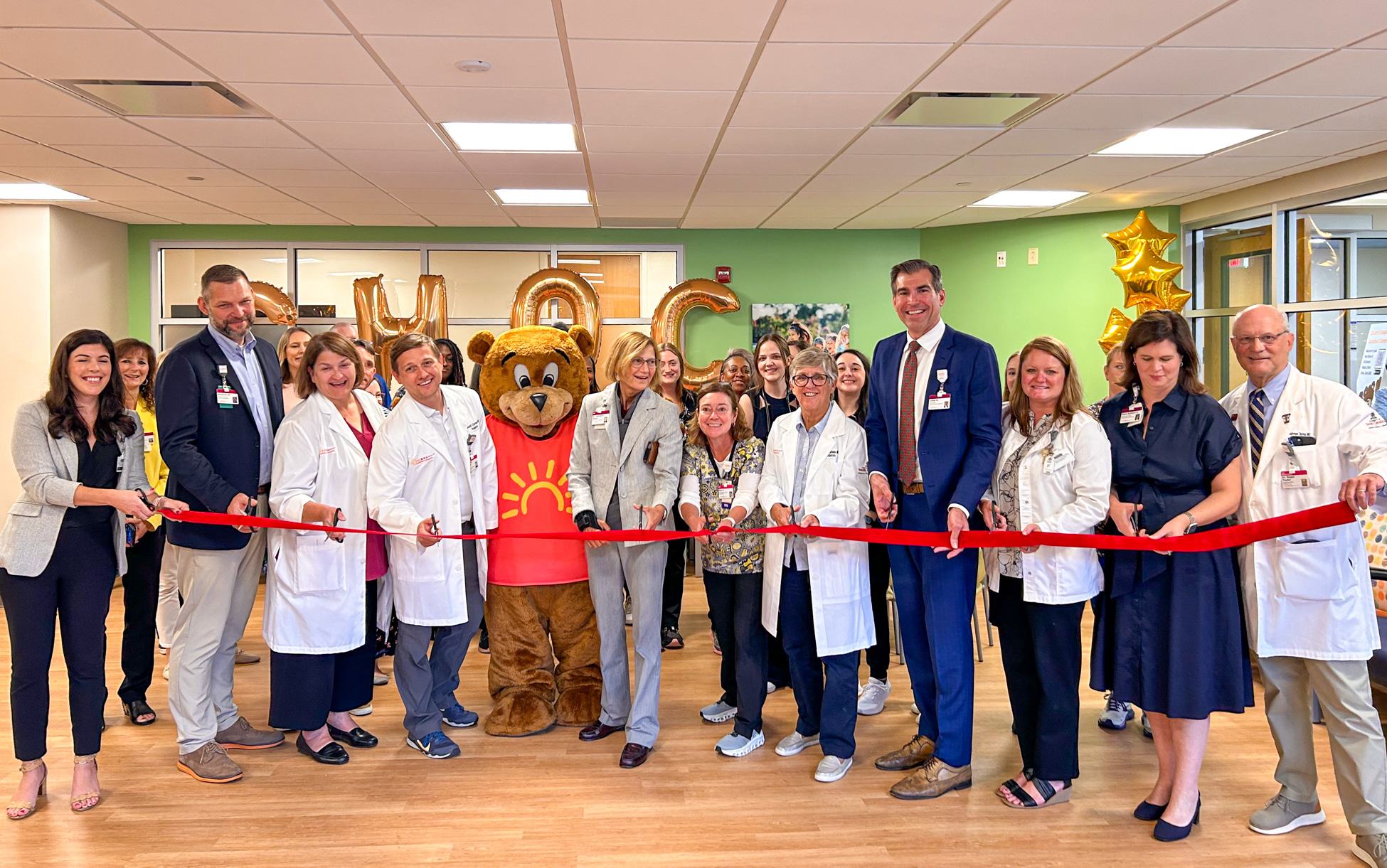
Prisma Health Children’s Hospital, Midlands
Columbia / 4+ active studies
Pediatric growth, cystic fibrosis
Basically, the Midlands hub for children’s research inside the Prisma Health system.
Visit Website →
Columbia Dermatology & Aesthetics
Columbia / 4+ active studies
Hidradenitis suppurativa, psoriasis, obesity
A skin care practice with its own research team. It runs both skin and weight studies.
Velocity Clinical Research, Columbia
Columbia / Multiple active studies
COPD, skin conditions, vaccines
Part of one of the biggest research site networks in the country. Besides, it is just the kind of site the huge outcome trials lean on.
Visit Website →
Wm. Jennings Bryan Dorn VA Medical Center
Garners Ferry Road, Columbia / 2+ active studies
Atherosclerosis, liver disease
Columbia’s VA medical center runs studies, including ones on clogged arteries. For veterans, it is often the first door.
Visit Website →
Objective Health, Columbia
Columbia / 2+ active studies
Celiac disease, fatty liver disease
Once called Columbia Digestive Health Research. Now it is part of the Objective Health network. Specifically, it runs gut and liver studies, including fatty liver trials.
Columbia Gastroenterology Associates
Columbia / Active studies
Digestive conditions
A long-running gut health practice. Also, it takes part in digestive trials around Columbia.
What to Expect in an Alcohol Study
New to studies? Here is how one works, step by step.
01
Prescreening
First comes a short phone call or online form. Also, it takes about 10 to 15 minutes. The staff check whether you might fit. Then they tell you what is open.
02
Screening Visit
Next the clinic runs the tests that decide it, which usually means blood work. Also, they go through the consent form line by line, and you can bring somebody with you.
03
Treatment Period
Then the programme begins. So you take the study drug or the placebo on the agreed schedule. Meanwhile, your own doctor keeps managing everything else.
04
Follow-Up
Finally, there is a check in period at the end. Also, your own doctor gets the results, and you can stop at any point without affecting your care.
Alcohol Use Trial FAQs
Real answers about alcohol use studies near Columbia SC.
Is there a study for this near Columbia?
One is listed, and we need to be straight about it. It is a phone app study at the university for students sent there after a campus rule breach. Its own end date has passed while both its sites still read as open, so confirm it before relying on it. Also, if it has in fact closed, this metro has nothing at all.
What treatments exist?
Three are approved and available now, and they are badly underused rather than unavailable. Naltrexone as a tablet or a monthly injection, acamprosate, and disulfiram. So none of them needs a study, and a primary care doctor can start naltrexone. Meanwhile, most people who have struggled for years have never been offered any of the three.
Do I have to want to stop completely?
No. Cutting down heavy drinking days is a real, measurable goal. In fact, it is literally what one nearby study measures as its main outcome. So being unsure about stopping altogether is not a reason to stay away. Also, that framing alone changes how many people get help.
Does being sober rule me out?
Usually yes, which surprises people. The app study at both universities excludes you if you have not drunk in the last 90 days. So current drinking is the entry ticket rather than the barrier. Also, no local study here needs a detox period first.
Should I stop drinking to qualify?
No, and this one matters more than any other answer on this page. Alcohol withdrawal can be dangerous, and seizures are a real risk if you drink heavily every day. So do not stop on your own to look like a better candidate. In fact, several studies exclude people at risk of severe withdrawal for exactly this reason.
What happens between appointments?
Often more than the visit count suggests, so ask. One nearby study has only a handful of assessments and asks for a daily breath reading for six months. That is around a hundred and eighty tests, and it is invisible in a visit count. Meanwhile, that is where most of the real commitment often sits.
Does using other drugs rule me out?
For one nearby study, yes. It excludes anyone testing positive for opiates, cocaine or methamphetamine. So people who drink and also use something else are often turned away. But other studies take the opposite approach, so ask rather than assume. Also, that criterion removes a large share of the real hospital population.
Is the liver study an addiction study?
No, and the two get confused. There is a study with a Charlotte address for severe alcohol related liver inflammation. It treats people already in hospital and jaundiced, and its measure is survival at ninety days. So it is not a study to help you drink less, and its Charlotte site has not opened anyway.
Does it cost anything to check?
No. There is no cost, and no insurance is needed. Tether is a nonprofit list, so we do not run studies and we are not paid to send you anywhere. Also, checking never enrolls anyone in anything. You would always call the clinic yourself.
Where can I get help near Columbia?
Prisma Health and Lexington Medical Center both run addiction services across the Midlands, and all three approved treatments are on offer here today. Also, ask your own doctor about naltrexone, which primary care can start. In general, cutting down is a real goal rather than a lesser one. Meanwhile, if you drink heavily every day, never stop abruptly without medical advice.
Ready to Explore a Study?
Check your eligibility, or just reach out to our Columbia team. No pressure. Also, no sales pitch.
← Back to All Clinical TrialsSources
- A student app study listed at both universities, ClinicalTrials.gov NCT07339150
- EASE, a support programme in Charlotte measuring alcohol use, ClinicalTrials.gov NCT05700474
- RC-Link, a recovery coach at the bedside, at Greenville, ClinicalTrials.gov NCT06479681
- A liver study whose Charlotte site has not opened, ClinicalTrials.gov NCT07428538
Study details and per-site recruiting status verified against ClinicalTrials.gov on August 17, 2026. One data quality issue is stated on the card rather than hidden. The only study listed as open in both metros has a primary and overall end date of 30 April 2026, which has passed, while both site rows still read as recruiting. The record is very likely out of date, and it is published with an explicit instruction to confirm before relying on it. If it has in fact closed, Columbia drops to nothing and Charlotte drops to one. A condition search on Charlotte returned a hard zero while two studies touching alcohol are open in that metro, which is another confirmed false zero. One study with a real Charlotte address reads as open while that site row has not opened yet. Study openings and criteria change. The research clinic confirms it all before you enroll.