
COLUMBIA, SC
Psoriatic Arthritis Clinical Trials
No psoriatic arthritis study is enrolling in Columbia SC, and we would rather say so plainly. However, nine run around Charlotte about 90 minutes north, and three of those share one address. Compensation is provided for eligible participants once one opens here.
0
Open in the Midlands
9
About 90 Minutes North
+/- $100
Per Visit
New here? Read how this page works
First, one thing decides which studies are open to you, and it is not how bad your joints are. So here is the order to work through.
- Write down every drug you have already taken. Because that list, not your symptoms, decides which studies are open to you.
- Get your tender and swollen joint counts. Notably, nearly every adult study needs at least 3 of each, measured twice.
- Ask for your CRP number. In fact, two studies will not take you without a certain level, and a normal CRP fails you even with visibly swollen joints.
- Finally, tap the button. Then we check you against all of them at once and tell you when a new one opens.
Of course, checking never signs you up for anything. You are only seeing where you might fit.
The Nearest Studies to Columbia
All four of these are around Charlotte. Notably, three of the nine there run from a single address.
The nearest studies, about 90 minutes north
Nothing is open in the Midlands. However, three of these run from one Charlotte address, so it is one drive and three chances.

The Same Pill, Whatever You Have Already Tried
Takeda / Drug
The same once daily tablet, in the version that takes both people who have never had a biologic and people who have. The two groups are simply counted separately.
Payment is not published.
Check eligibility →More details
Why researchers are excited: on prior treatment grounds this is the most open door of the seven adult studies here. So it is the first call for most people who have already been through something.
Who this study is looking for
- Age 18 or over, meeting the standard CASPAR criteria
- Also, symptoms for at least 3 months before screening
- Besides that, at least 3 tender and 3 swollen joints, twice
- Finally, at least one psoriasis patch 2 cm across, or psoriasis nail changes
Probably not a fit if: you have taken a TYK2 pill before. That includes the one approved for this condition on 6 March 2026, and as more people start it, this door narrows month by month. Also, non plaque psoriasis and untreated TB rule you out.
- Placebo group: Real tablet against a dummy, and the ratio is not published.
- How long: Up to 60 weeks.
- Clinic visits: Not published on the public record.
- Phone calls: Not published on the public record.
- Most invasive part: A tablet, so no study injections. Also, blood draws, skin and nail scoring, a full joint exam and questionnaires.
- Setting: Outpatient.
- Where it runs: DJL Clinical Research, Charlotte NC 28210.
- Drive from Columbia: Charlotte is about 95 miles north, so roughly 90 minutes on I-77.
- Ask this before anything else: if you are on a biologic now, you almost certainly come off it before day one. That washout is not published, and it decides how long your joints go untreated.
- Full study record: View on ClinicalTrials.gov →

The Skin Pill, Now Tested on the Joints
Janssen / Drug
This is the once daily pill approved for plaque psoriasis on 18 March 2026, the first of its kind. The question here is whether the same pill also works on the joints.
Payment is not published.
Check eligibility →More details
Why researchers are excited: it is the most immediately useful study in this city. Notably, the drug is already approved for the skin, so a great deal is already known about it in people.
Who this study is looking for
- Still active despite a standard drug, apremilast, or one biologic
- Also, diagnosed at least 3 months ago, meeting CASPAR criteria
- Besides that, at least 3 tender and 3 swollen joints, plus a CRP of 0.1 or higher
- Finally, one psoriasis patch 2 cm across or more, or nail changes
Probably not a fit if: you have had two or more biologics. One is allowed and two is not, which catches people who have cycled through several drugs. Also, a normal CRP fails you here, and fibromyalgia bad enough to confuse the joint count is a bar.
- Placebo group: Real tablet against a dummy, and the ratio is not published.
- How long: The main read comes at week 16, and the study runs to 2028, so expect follow up well beyond a year.
- Clinic visits: Not published on the public record.
- Phone calls: Not published on the public record.
- Most invasive part: A tablet, so no study injections. Also, blood draws that must go to the study’s own lab rather than yours, joint exams and skin scoring.
- Setting: Outpatient.
- Where it runs: Joint and Muscle Research Institute, Charlotte NC 28204.
- Drive from Columbia: Charlotte is about 95 miles north, so roughly 90 minutes on I-77.
- Check your CRP first: a real share of people with clearly active disease have a normal CRP. So if yours runs normal, you can fail screening here despite obviously swollen joints.
- Full study record: View on ClinicalTrials.gov →

Where the Dummy Period Is Published and Short
Merck / Drug
A mid stage study of an antibody against a new target, with the dummy period capped at 16 weeks. After that, everyone who carries on moves to the real drug.
Payment is not published.
Check eligibility →More details
Why researchers are excited: most studies here do not publish how long you could be on a dummy. This one does, and it is 16 weeks. So you know the worst case before you agree to anything.
Who this study is looking for
- Age 18 to 80, which is the only adult study here with an upper limit
- Also, diagnosed at least 6 months ago, meeting CASPAR criteria
- Besides that, active plaque psoriasis now, or a documented history of it
- Finally, either you have never had a biologic, or one did not work well enough
Probably not a fit if: any arthritis that started before you were 17. That rules out adults who had juvenile arthritis, and few people expect it. Also, any other inflammatory joint disease, and any active infection, are bars.
- Placebo group: Real drug against a dummy for 16 weeks, then everyone who continues gets the real drug. The ratio is not published.
- How long: Up to about 142 weeks if you take the full optional extension. So this is the longest adult commitment here.
- Clinic visits: Not published on the public record.
- Phone calls: Not published on the public record.
- Most invasive part: An antibody, so an injection or a drip, and the record does not say which. Ask, because it matters. Also, blood draws, joint exams, skin scoring and questionnaires.
- Setting: Outpatient.
- Where it runs: Joint and Muscle Research Institute, Charlotte NC 28204.
- Drive from Columbia: Charlotte is about 95 miles north, so roughly 90 minutes on I-77.
- Two things to weigh: the dummy period is capped and published, which is unusually fair. However, the full commitment runs to nearly three years, which is the longest on this page.
- Full study record: View on ClinicalTrials.gov →

The One Where You Keep What Is Working
Eli Lilly / Drug
You keep taking the biologic you already started, and a weekly weight loss shot is added on top. There is no dummy anywhere in this study.
Payment is not published.
Check eligibility →More details
Why researchers are excited: every other adult study here asks you to come off your treatment and risk a flare. This one requires you to stay on it, and that makes it the realistic option if you are stable.
Who this study is looking for
- Active psoriatic arthritis diagnosed by a joint specialist
- Also, A BMI of 30 or above, or 27 to 30 with a weight linked condition
- Besides that, you have been on ixekizumab for about 3 months, give or take one
- Finally, you can start the added shot within 30 days of that decision
Probably not a fit if: you have ever taken a GLP-1 drug. Any past Ozempic, Wegovy or Mounjaro shuts this door. Also, the drug window is narrow, so more than 4 months or less than 2 means no.
- Placebo group: None at all. Open label and single arm, so everyone gets the real drug and knows it.
- How long: Up to 12 months.
- Clinic visits: Not published in full. Readings are taken at the start, month 6 and month 12.
- Phone calls: Not published on the public record.
- Most invasive part: A weekly shot you give yourself, on top of the joint shot you already take. Also, joint counts, skin measures, weight and many forms. No drips and no biopsy.
- Setting: Outpatient.
- Where it runs: Onsite Clinical Solutions, Salisbury NC 28144.
- Drive from Columbia: Charlotte is about 95 miles north, so roughly 90 minutes on I-77.
- Why this one is different: it is one of only two studies here that requires you to keep a biologic rather than stop one. So if you are stable, start here.
- Full study record: View on ClinicalTrials.gov →
Not sure which one fits you?
First, answer a few quick health questions. Then we keep them on file. Finally, we call you when a study opens near Columbia. No account, no paperwork.
See if I may fit one of these studies →What Is Actually Changing in Psoriatic Arthritis
The joints do not grow back. That is why this is treated faster than the skin.
What It Is, and Who Gets It
It is joint swelling that turns up in people who have psoriasis, or who have it in the family. Roughly one in three people with psoriasis will get it. The immune system attacks joints, the points where tendons anchor into bone, and sometimes the spine. So the skin usually comes first, often by years, though it can arrive in either order.
Why It Is Treated With More Urgency
Skin clears and comes back. Joints do not. Left alone, this wears joints away for good, and that damage cannot be undone by any drug. So the whole approach is built around getting on top of it early rather than waiting to see. Notably, that is the single biggest difference from treating the skin alone.
Five Patterns, Not One Disease
It can hit the small joints of hands and feet, or the joints nearest the fingernails, or the point where a tendon meets bone, most often the Achilles or the sole of the foot. It can swell a whole finger or toe into a sausage shape, which is nearly unique to this family of disease. Also, it can inflame the spine, giving back pain that is worse with rest and better with movement.
The Two Numbers That Decide Everything
Ask for your tender joint count out of 68 and your swollen joint count out of 66. Nearly every adult study here needs at least 3 of each, measured at screening and again on day one. So people are routinely turned away because on the day they happened to have 2 swollen joints rather than 3. In fact, the disease moves, and so does whether you qualify.
Ask for Your CRP Too
It is a blood marker of swelling, and two studies here will not take you without a certain level of it. However, a real share of people with clearly active disease have a normal CRP. So if yours runs normal you can fail screening while your joints are visibly swollen, which is as unfair as it sounds. Generally, knowing the number before you book screening saves a wasted trip.
The Question That Routes You
It is not how bad your joints are. It is what you have already taken. One study here requires that you have never had a biologic. Another requires that a TNF blocker failed you. One allows exactly one previous biologic and bars two. So the list of what you have tried is the single most useful thing to bring to a first phone call.
March 2026 Gave This an Oral Option
On 6 March 2026 the first TYK2 pill was approved for this condition, the first genuinely new kind of pill for it in years. Before that, an oral option meant methotrexate, apremilast, or a JAK pill carrying heavy warnings. Meanwhile, for people who have refused injections for years, that changed the conversation completely.
And It Created a Door That Is Closing
Here is the part nobody tells you. Two studies here bar anyone who has taken a TYK2 pill before. So as more people are started on the newly approved one, those two studies will disqualify more and more people. If your doctor is about to start you on it and you are also weighing a study, that is a conversation to have first. Also, it is not an argument against the drug, only a reason to sequence the decision properly.
Research Sites Near Columbia
Nothing runs in the Midlands, while the nearest sites are around Charlotte, Greenville and Summerville. But sites add new studies all the time, so it is worth knowing what is near you.

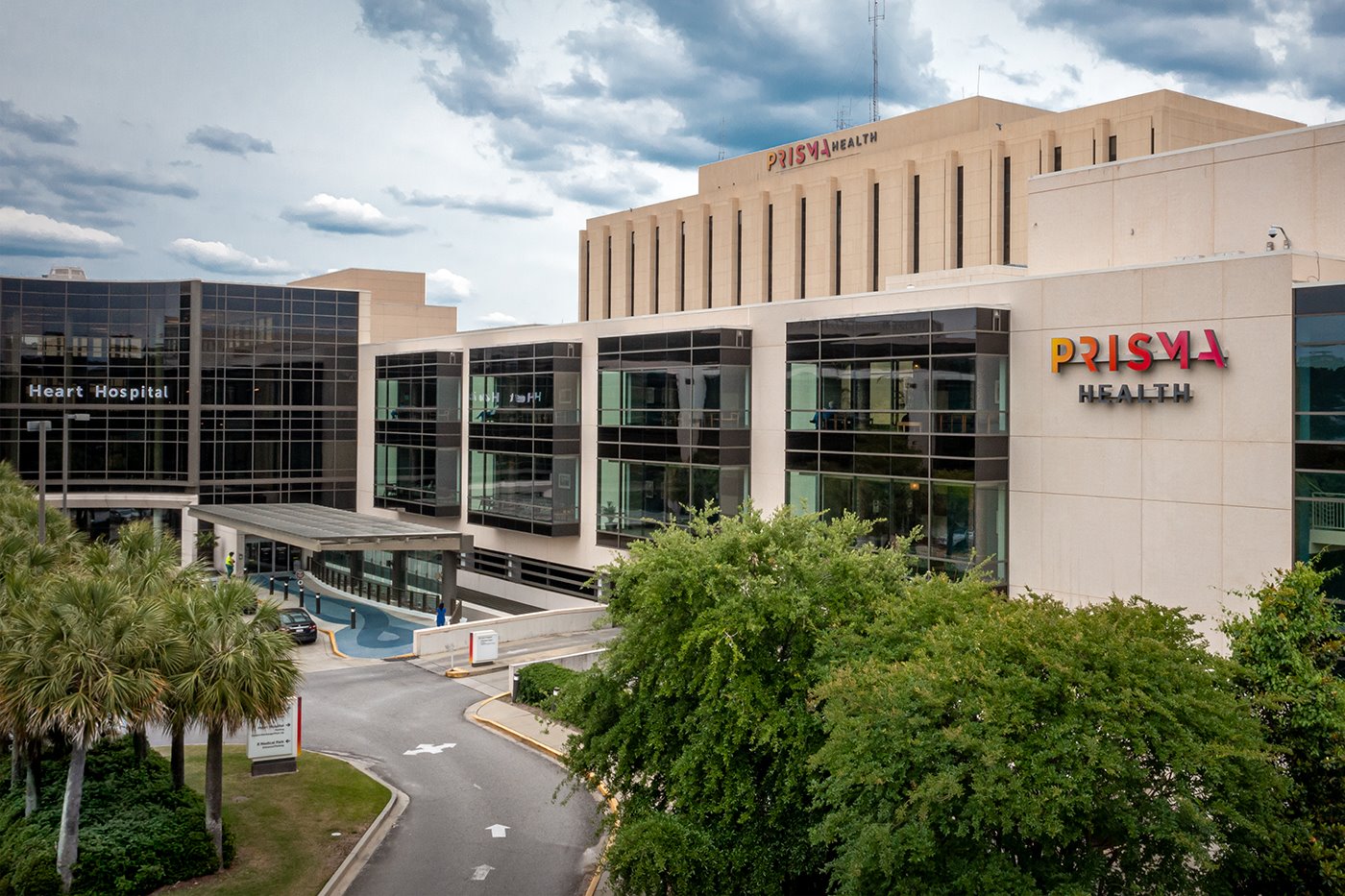
Prisma Health Richland Hospital
Downtown Columbia / 37+ active studies
Cancer, blood disorders, broad hospital research
The flagship Prisma Health hospital in the Midlands. Also, by far the biggest trial operation in the Columbia metro.
Visit Website →
University of South Carolina
Columbia / 27+ active studies
Stroke recovery, physical activity, community health
Notably, a research university that runs federally funded health studies across the Midlands. Specifically, topics range from stroke rehab to disease prevention.
Visit Website →
Bogan Sleep Consultants
Columbia / 7+ active studies
Narcolepsy, sleep disorders
One of the best known private sleep research sites in the Southeast. Also, it has run sleep trials for decades.
Prisma Health Midlands Cardiovascular
Columbia / 4+ active studies
Cardiovascular disease, heart failure
The heart and vessel research arm of Prisma Health in the Midlands. So it is the natural home for cholesterol trials in Columbia.
Visit Website →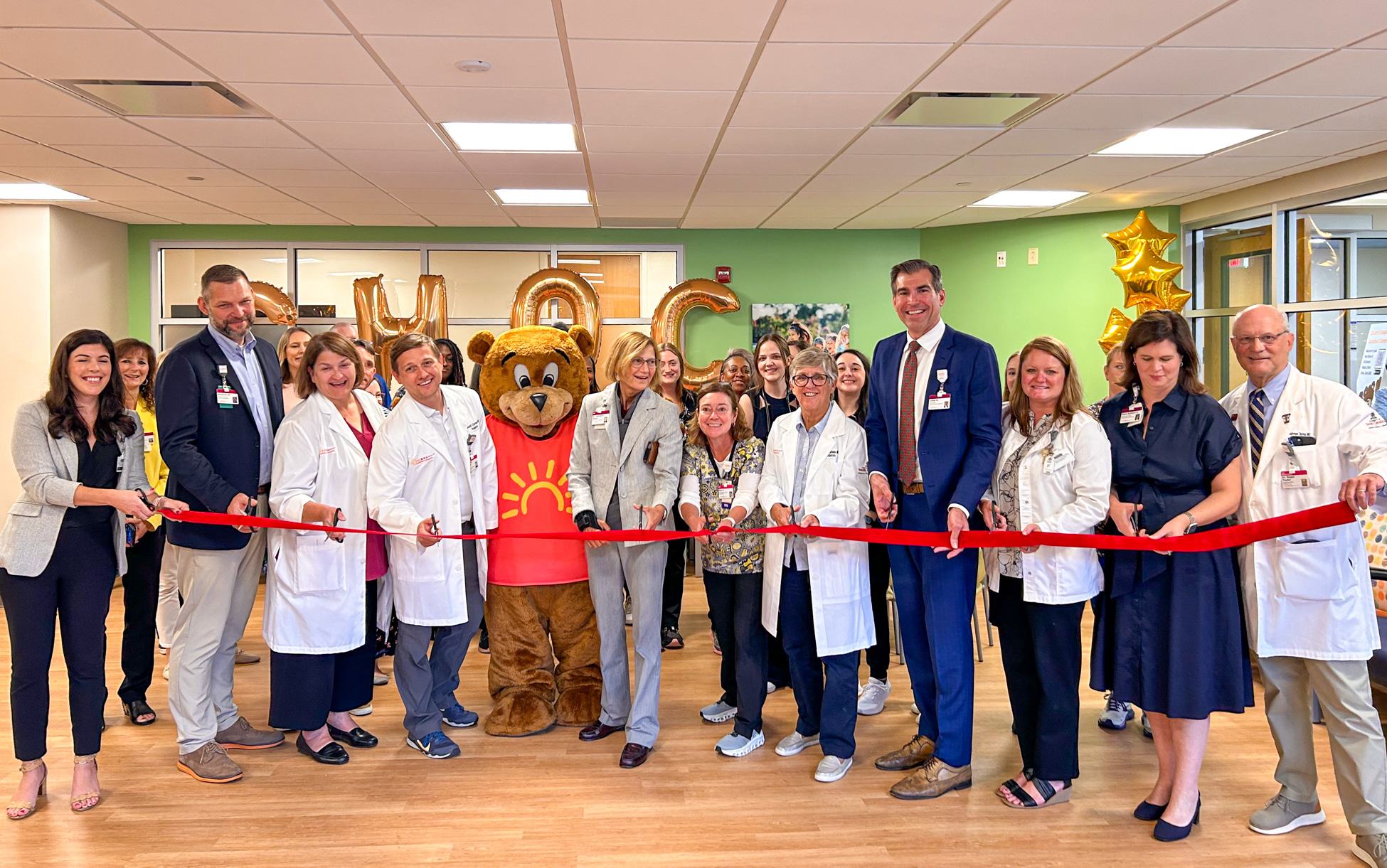
Prisma Health Children’s Hospital, Midlands
Columbia / 4+ active studies
Pediatric growth, cystic fibrosis
Basically, the Midlands hub for children’s research inside the Prisma Health system.
Visit Website →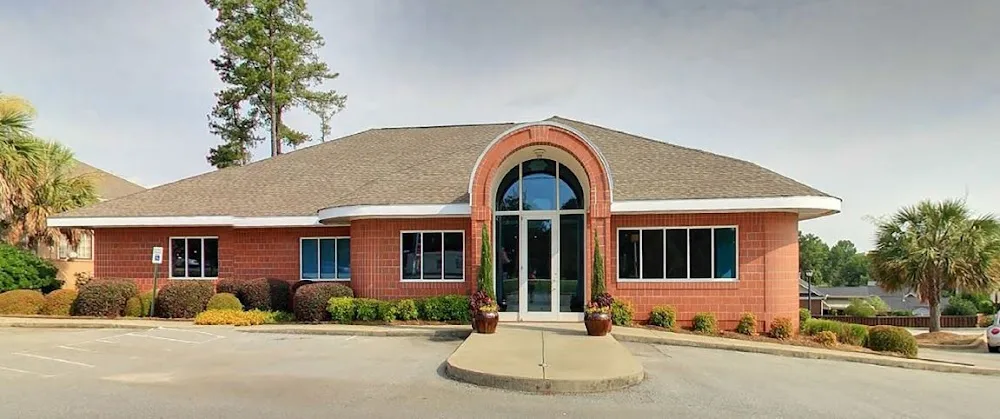
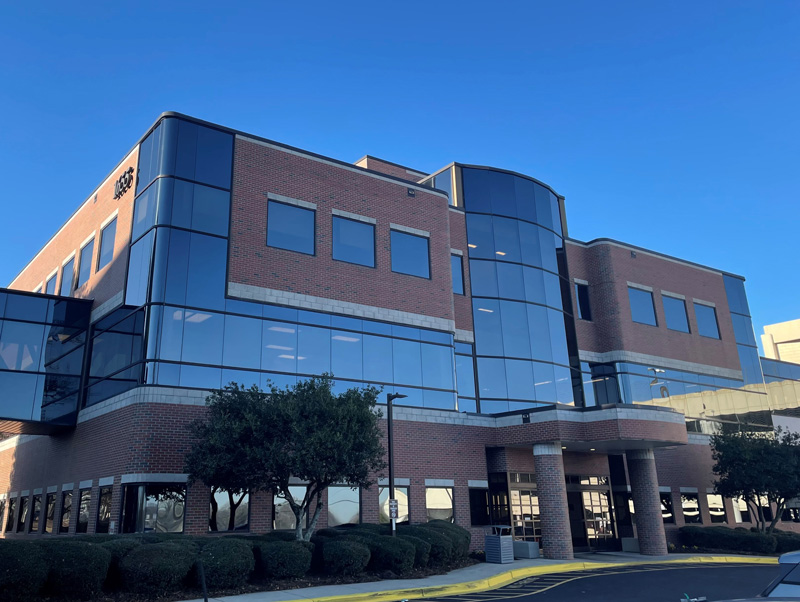
Columbia Dermatology & Aesthetics
Columbia / 4+ active studies
Hidradenitis suppurativa, psoriasis, obesity
A skin care practice with its own research team. It runs both skin and weight studies.
Velocity Clinical Research, Columbia
Columbia / Multiple active studies
COPD, skin conditions, vaccines
Part of one of the biggest research site networks in the country. Besides, it is just the kind of site the huge outcome trials lean on.
Visit Website →
Wm. Jennings Bryan Dorn VA Medical Center
Garners Ferry Road, Columbia / 2+ active studies
Atherosclerosis, liver disease
Columbia’s VA medical center runs studies, including ones on clogged arteries. For veterans, it is often the first door.
Visit Website →
Objective Health, Columbia
Columbia / 2+ active studies
Celiac disease, fatty liver disease
Once called Columbia Digestive Health Research. Now it is part of the Objective Health network. Specifically, it runs gut and liver studies, including fatty liver trials.

Columbia Gastroenterology Associates
Columbia / Active studies
Digestive conditions
A long-running gut health practice. Also, it takes part in digestive trials around Columbia.
What to Expect in a Psoriatic Arthritis Study
New to studies? Here is how one works, step by step.
01
Prescreening
First comes a short phone call or online form. Also, it takes about 10 to 15 minutes. The staff check whether you might fit. Then they tell you what is open.
02
Screening Visit
Next the clinic runs the tests that decide it, which usually means blood work. Also, they go through the consent form line by line, and you can bring somebody with you.
03
Treatment Period
Then the study begins. So you take the study drug or the placebo on the agreed schedule. Meanwhile, your own doctor keeps managing everything else.
04
Follow-Up
Finally, there is a check in period at the end. Also, your own doctor gets the results, and you can stop at any point without affecting your care.
Psoriatic Arthritis Trial FAQs
Real answers about psoriatic arthritis studies near Columbia SC.
Is there a study for this near Columbia?
No, and we will not pretend otherwise. Nothing is recruiting in Columbia, West Columbia, Lexington, Irmo, Cayce, Sumter or Orangeburg. However, nine studies run around Charlotte, about 95 miles north, and three of them share one address, so a single drive gets you assessed for several. Also, Charlotte is about the same drive as Greenville or Summerville and offers far more than either.
What decides which studies I can join?
What you have already taken, and it is not close. One study requires that you have never had a biologic. Another requires that a TNF blocker failed you. One allows exactly one previous biologic and bars two or more. So bring the full list of what you have tried to the first phone call, because it routes you faster than anything else.
Why do I need 3 swollen joints?
Because that is the entry bar for nearly every adult study here, measured at screening and again on day one. It is counted out of 66 for swelling and 68 for tenderness, and a doctor presses each one. However, the disease moves, so people are turned away for having 2 swollen joints on the day rather than 3. Generally, booking screening during a good spell is the wrong move.
What is CRP and why does it matter?
It is a blood marker of swelling, and two studies here will not take you without a certain level. However, a real share of people with clearly active disease have a normal CRP. So you can fail screening while your joints are visibly swollen, which is as unfair as it sounds. Also, knowing your number before you book saves a wasted trip.
Is there a pill for this now?
Yes, and it is very recent. The first TYK2 pill was approved for this condition on 6 March 2026. Before that, an oral option meant methotrexate, apremilast, or a JAK pill carrying heavy warnings. So for people who have refused injections for years, that changed the conversation. Meanwhile, a second oral drug approved for the skin in March 2026 is being tested here for the joints.
Why is nothing open in Columbia?
Because these studies are placed at joint research practices, and the Midlands does not have one. The Carolinas have three such clusters, at Charlotte, the Upstate, and the Charleston corridor. So Columbia sits between all three and hosts none of them. Notably, Columbia does have a skin research practice, which is why skin studies run here and joint studies do not.
Will I have to stop my treatment?
For most of these, yes, and the washout is the question to lead with. You generally cannot take a biologic alongside a study drug, so you come off it before day one. The exact gaps are not published, and they matter, because they decide how long your joints go untreated. However, one study here requires you to keep your biologic rather than stop it.
Why is this treated faster than my skin?
Because skin clears and comes back, and joints do not. Left alone, this wears joints away permanently, and no drug puts that back. So the whole approach is built around getting on top of it early rather than waiting to see. Notably, that is the single biggest difference from treating psoriasis on its own.
Does it cost anything to be on the list?
No. There is no cost, and no insurance is needed. Tether is a nonprofit list, so we do not run studies and we are not paid to send you anywhere. Also, being on the list never enrolls anyone in anything. You would always call the clinic yourself.
Where can I get joint care near Columbia SC?
Prisma Health and Lexington Medical Center both run joint services across the Midlands. Also, ask for a joint specialist rather than skin care alone, because the joint damage is the part that does not recover. Generally, your own doctor can refer you. Meanwhile, if you have a swollen finger or heel pain and psoriasis, say all three things in the same sentence.
Ready to Explore a Study?
Check your eligibility, or just reach out to our Columbia team. No pressure. Also, no sales pitch.
← Back to All Clinical TrialsSources
- LATITUDE-PsA-3001 zasocitinib study in biologic naive patients, ClinicalTrials.gov NCT06671483
- LATITUDE-PsA-3002 zasocitinib study, ClinicalTrials.gov NCT06671496
- ICONIC-PsA 2 icotrokinra study, ClinicalTrials.gov NCT06807424
- IZAR-2 sonelokimab study in TNF inadequate responders, ClinicalTrials.gov NCT06641089
- VELOTA JNJ-88545223 dose ranging study, ClinicalTrials.gov NCT07321873
- Tulisokibart MK-7240-015 study, ClinicalTrials.gov NCT07486960
- TOGETHER AMPLIFY-PsA, tirzepatide added to ixekizumab, ClinicalTrials.gov NCT06864026
- Intravenous secukinumab dosing study in juvenile psoriatic arthritis, ClinicalTrials.gov NCT06751238
- CARRA paediatric rheumatic disease registry, ClinicalTrials.gov NCT02418442
- Sonelokimab open label extension, listed separately because it takes only people from the parent study, ClinicalTrials.gov NCT07223138
- Bristol Myers Squibb: FDA approval of deucravacitinib for active psoriatic arthritis, 6 March 2026
Study details and per-site recruiting status verified against ClinicalTrials.gov on August 16, 2026. One further study in Charlotte reads as recruiting but accepts only people who completed its parent study, so it is not counted here. Two studies listing a Hickory NC address were excluded because that site’s own status is listed as completed. Study availability and criteria change; the research clinic confirms everything before you enroll.