
COLUMBIA, SC
Type 2 Diabetes Clinical Trials
3 type 2 diabetes studies are enrolling in Columbia SC, and 4 more are within a drive. Free labs, free study medicine, and no insurance needed. Compensation is provided for eligible participants.
3
Enrolling in Columbia
4
More Within a Drive
+/- $100
Per Visit
New here? Read how this page works
Here is the honest picture. Three studies are open in Columbia, but one is for children and two involve no medicine. So the nearest adult drug study is about 45 minutes away.
- Start with the Columbia studies. Check the label on each, because one is children only.
- Then look at the drive distance studies. Those are the adult drug studies, and the nearest is Orangeburg.
- Open More details. Inside are the rules on age, A1C, and what you take now.
- Tap Check eligibility. Finally, we check you against all 7 at once and tell you when a new one opens here.
Of course, checking never signs you up for anything. You are only seeing where you might fit.
The Type 2 Diabetes Studies Nearest to Columbia
Three are in Columbia, one opens here soon, and three more are a drive away. So check who each one wants before you call.
Enrolling in Columbia now
All three are here in town. However, one is for children only, and two are education programs rather than drug studies. So read the labels carefully.

A Weekly Shot for Children With Type 2 Diabetes
Eli Lilly / Drug
This is for children and teenagers, not adults. It tests two higher doses of dulaglutide, a weekly shot already used in adults.
Est. about $100 per visit. Ask the site for the total number of visits.
See if your child fits →More details
Why researchers are excited: type 2 diabetes in children is rising, and almost every drug they are given was tested in adults first.
Who this study is looking for
- Children aged 10 to 17 with type 2 diabetes
- Also, already on metformin, basal insulin, or both, and steady for at least 8 weeks
- Besides that, weight of at least 110 pounds
- Finally, BMI above the 85th percentile for their age
Probably not a fit if: your child has type 1 diabetes, or there is a family history of medullary thyroid cancer.
- Placebo group: No placebo at all. Instead, it is a single group, so every child gets the real drug.
- How long: About 8 months.
- Clinic visits: About 10 to 13 across 8 months. So monthly while the dose steps up, then a last visit near week 30.
- Phone calls: Not published on the public record.
- Most invasive part: Blood draws, and some must be timed at the clinic. However, the weekly pen shot is given at home.
- Setting: Outpatient.
- Where it runs: Prisma Health Pediatric Endocrinology, Columbia SC 29203.
- Read this first: adults cannot join this one. It is the only diabetes drug study inside Columbia, and it is for children.
- Full study record: View on ClinicalTrials.gov →

Nurse Support for You and Your Caregiver
University of South Carolina / Behavioral
A 14 week telehealth program run by a nurse and a community health worker. You and the person who helps care for you enrol together as a pair.
Payment is not published. So ask the site before you commit.
See if you fit →More details
Why researchers are excited: it treats the caregiver as part of the patient, which almost no study does.
Who this study is looking for
- Adults 18 and older, diagnosed at least 3 months ago
- Also, type 2 diabetes counts, and so do high blood pressure, heart, kidney disease, or stroke
- Besides that, african American, and living in a rural or underserved part of South Carolina
- Finally, A hospital, ER, or urgent care visit for COVID since March 2020
Probably not a fit if: you have nobody nearby who can enrol as your caregiver, because the study takes you as a pair.
- Placebo group: No placebo, because there is no drug. However, it is still randomized into two groups.
- How long: A 14 week program, with check ins at 4 and 7 months.
- Clinic visits: None for the program itself, because it is telehealth. Also, there are just 3 check in points, at the start, 4 months and 7 months.
- Phone calls: Yes, the whole 14 week program runs by phone and video.
- Most invasive part: Nothing invasive. Basically, it is questionnaires and coaching.
- Setting: Outpatient.
- Where it runs: University of South Carolina, Columbia SC 29208.
- Be clear on this one: there is no study drug, so do not expect drug study pay.
- Full study record: View on ClinicalTrials.gov →

A Nutrition App for People Already on a GLP-1
University of South Carolina / Behavioral
A 6 week phone app study for people already taking Ozempic, Wegovy, or a similar drug. It is fully remote with no clinic visits at all, and you keep your own prescription.
Payment is not published. So ask the site before you commit.
See if you fit →More details
Why researchers are excited: huge numbers of people are now on these drugs with no nutrition support at all, and this tests whether an app fills the gap.
Who this study is looking for
- Adults 18 to 65
- Also, already on a GLP-1 drug for at least 4 weeks
- Besides that, BMI between 30 and 49.9, or a type 2 diabetes diagnosis
- Finally, A smartphone with a data plan
Probably not a fit if: you have a diagnosed eating disorder, or you joined another weight loss program in the past 6 months.
- Placebo group: No placebo, and no comparison group either. Instead, everybody gets the app.
- How long: Just 6 weeks, so it is the shortest study on this page.
- Clinic visits: Zero. It is fully remote, and the record says you can take part from anywhere in the United States.
- Phone calls: An interview at the end, and weekly lessons through the app.
- Most invasive part: Nothing invasive. Basically, it is food logging and a conversation.
- Setting: Outpatient.
- Where it runs: University of South Carolina, Columbia SC 29208.
- Worth knowing: it is short, remote, and you keep your own medicine. So it costs you very little time.
- Full study record: View on ClinicalTrials.gov →
Opening soon in Columbia
Registered here but not yet taking people. Notably, it would be the first adult diabetes drug study in Columbia itself.

ASC30, a Daily Pill for Diabetes and Weight (AURORA-2)
Ascletis Pharma / Drug
A once a day tablet for people with type 2 diabetes who also carry extra weight. The Columbia site is registered but has not opened yet.
Est. about $100 per visit. Ask the site for the total number of visits.
Check eligibility early →More details
Why researchers are excited: it would be the first adult diabetes drug study to enrol inside Columbia itself.
Who this study is looking for
- Adults 18 and older
- Also, type 2 diabetes with an A1C above 6.5 and up to 10.5
- Besides that, BMI of 27 or higher, with no other condition needed
- Finally, at least one diet attempt that did not work
Probably not a fit if: you have type 1 diabetes, any other type of diabetes, or a history of pancreatitis.
- Placebo group: Three doses are compared against a placebo. However, the odds are not published.
- How long: Weight and blood sugar are measured at week 72.
- Clinic visits: Likely 14 to 18 across 72 weeks, but treat that as a guess. The record lists only a start and an end point, so ask the clinic for the real schedule.
- Phone calls: Not published on the public record.
- Most invasive part: Blood draws including A1C. But the drug is a tablet, so there are no injections.
- Setting: Outpatient.
- Where it runs: AURORA-2 Clinical Site, Columbia SC 29204.
- Status, plainly: registered in Columbia, but not yet recruiting. So this is one to watch, not one to join today.
- Full study record: View on ClinicalTrials.gov →
Adult drug studies within a drive
These are the nearest studies testing a new diabetes medicine in adults. Every one means a drive, and the distance is on each card.

Which Diabetes Drug Protects You Better (PRECIDENTD)
Brigham and Women’s Hospital / Drug
Two drug types already on the market are compared head to head, to see which protects the heart and kidneys better. There is no placebo here, so everybody gets a real medicine.
Payment is not published. However, there are very few visits, so treat the free medicine as the main benefit.
Check eligibility →More details
Why researchers are excited: nobody has ever run this comparison properly, so doctors are genuinely guessing which class to reach for first.
Who this study is looking for
- Adults 40 to 80 with type 2 diabetes
- Also, A1C of 6 or higher
- Besides that, either existing heart or artery disease, or age 60 plus with a risk factor
- Finally, willing to switch to whichever of the two you are assigned
Probably not a fit if: you have type 1 diabetes, a past bout of pancreatitis, or you were in hospital for heart failure in the last year.
- Placebo group: None at all. Instead, you get either a daily pill or an injection, and both are real approved medicines.
- How long: About 3 years of follow up on average.
- Clinic visits: Very few, and that is the point. This is a pragmatic study, so after enrolling you mostly carry on with your own doctor. Expect roughly 1 to 4 visits across about 3 years.
- Phone calls: Follow up is largely through your medical records rather than appointments.
- Most invasive part: Almost nothing extra. In fact, you fill the prescription at your own pharmacy, and no experimental drug is involved.
- Setting: Outpatient.
- Where it runs: South Carolina Clinical Research, Orangeburg SC 29118.
- Drive from Columbia: Orangeburg is about 40 miles south, so roughly 45 minutes on I-26.
- Worth knowing: you would need to stop any GLP-1 or SGLT2 medicine you take now, because the study assigns which one you get.
- Full study record: View on ClinicalTrials.gov →

An Add On Pill to Protect the Heart (EASi-PROTKT)
Boehringer Ingelheim / Drug
Everyone takes empagliflozin, a common diabetes pill, and half also take a new tablet called vicadrostat. The question is whether adding it prevents heart failure in people who already have heart disease.
Est. about $100 per visit. Ask the site for the total number of visits.
Check eligibility →More details
Why researchers are excited: it is one of the largest diabetes studies running anywhere, with nearly 12,000 people enrolled worldwide.
Who this study is looking for
- Adults 18 and older with type 2 diabetes
- Also, treated high blood pressure
- Besides that, existing heart or artery disease
- Finally, at least one extra risk factor for heart failure
Probably not a fit if: you have ever had heart failure, or you take a water pill like spironolactone.
- Placebo group: Half get the new tablet and half get a placebo tablet. However, everybody gets empagliflozin, which is a real medicine.
- How long: Between 2 and a half and 4 years.
- Clinic visits: Roughly 12 to 18 over about 4 years. So screening and randomisation first, early safety labs, a check at 6 months, then every 3 to 6 months.
- Phone calls: Not published. But the visit spacing above comes from the study record.
- Most invasive part: Blood draws, kidney and potassium labs, and heart checks. But it is all tablets, so there are no injections.
- Setting: Outpatient.
- Where it runs: Piedmont Research Partners, Fort Mill SC 29707.
- Drive from Columbia: Fort Mill is about 85 miles north, so roughly an hour and 25 minutes on I-77.
- Full study record: View on ClinicalTrials.gov →

A Once a Day Pill for Diabetes and Weight (ACCOMPLISH-2)
Structure Therapeutics / Drug
Most new diabetes and weight drugs are weekly shots. Aleniglipron is a pill you swallow once a day instead. It is for people carrying extra weight alongside type 2 diabetes.
Est. about $100 per visit. Ask the site for the total number of visits.
Check eligibility →More details
Why researchers are excited: a pill removes the needle and the fridge, which is most of what stops people staying on these drugs.
Who this study is looking for
- Adults 18 to 79
- Also, type 2 diabetes with an A1C between 6.5 and 10
- Besides that, BMI of 27 or higher
- Finally, comfortable taking a pill every day
Probably not a fit if: you have type 1 diabetes, or you have had weight loss surgery, or your weight moved more than 11 pounds in the last 3 months.
- Placebo group: Some people get a placebo pill. However, the odds are not published, so ask the clinic before you sign.
- How long: 76 weeks, so roughly a year and a half.
- Clinic visits: Probably 14 to 18 across 76 weeks, but be aware this is an estimate. The record only publishes a start and an end point, so ask the clinic for the real schedule before you commit.
- Phone calls: Not published on the public record.
- Most invasive part: Blood draws, including A1C. Still, no surgery and no overnight stays.
- Setting: Outpatient.
- Where it runs: ACCOMPLISH-2 Research Site, Greer SC 29651.
- Drive from Columbia: Greer is about 100 miles west, so roughly an hour and 35 minutes on I-26.
- Worth knowing: you keep taking your usual diabetes medicine. Instead of replacing it, the study drug is tested alongside it.
- Full study record: View on ClinicalTrials.gov →
Not sure which one fits you?
First, answer a few quick health questions. Then we check you against all 7 studies. Also, we tell you when a new one opens in Columbia.
See if I may fit one of these studies →What Is Actually Being Tested for Type 2 Diabetes
Four different questions, and they are not the same question.
The Head to Head Studies, Where Nobody Gets a Placebo
Several studies here compare two real drugs rather than a drug against a sugar pill. PRECIDENTD does it with two whole drug classes already on the market. CagriSema does it against semaglutide. So in those studies, the worst outcome is that you get a treatment your doctor might have chosen anyway. Notably, that is not true of every study on this page, and each card says which is which.
Pills Instead of Shots
The biggest practical shift in diabetes right now is not a new molecule. Instead, it is the format. Aleniglipron is a once daily tablet aiming at what the weekly shots do. Elecoglipron is being tested against a semaglutide pill rather than an injection. In short, a pill you can keep in a drawer changes who is able to stay on treatment.
Protecting the Kidneys and the Heart, Not Just the Number
Two of the largest studies here barely care about your A1C. EASi-PROTKT is asking whether adding a tablet prevents heart failure. PRECIDENTD is asking which drug class protects the heart and kidneys better over about three years. As a result, they enrol people who already have heart disease, which is a group often left out.
Programs With No Drug At All
Not every study involves medicine. Some test coaching, apps, and nutrition support instead, and they are usually shorter. However, they generally pay less or nothing, because there is no drug and fewer clinic visits. We label those clearly, because the difference matters when you are weighing your time.
The Washout Nobody Warns You About
This is the rule that catches people out. Several of these studies will not take you if you have used a GLP-1 drug recently, and the window can be 6 months. Meanwhile, PRECIDENTD asks you to stop the one you are on so it can assign you a class. So tell the clinic exactly what you take, because it decides which studies are open to you.
Research Sites Near Columbia
Not all of them run diabetes studies today. But sites add new studies all the time. So it is worth knowing what sits near you.
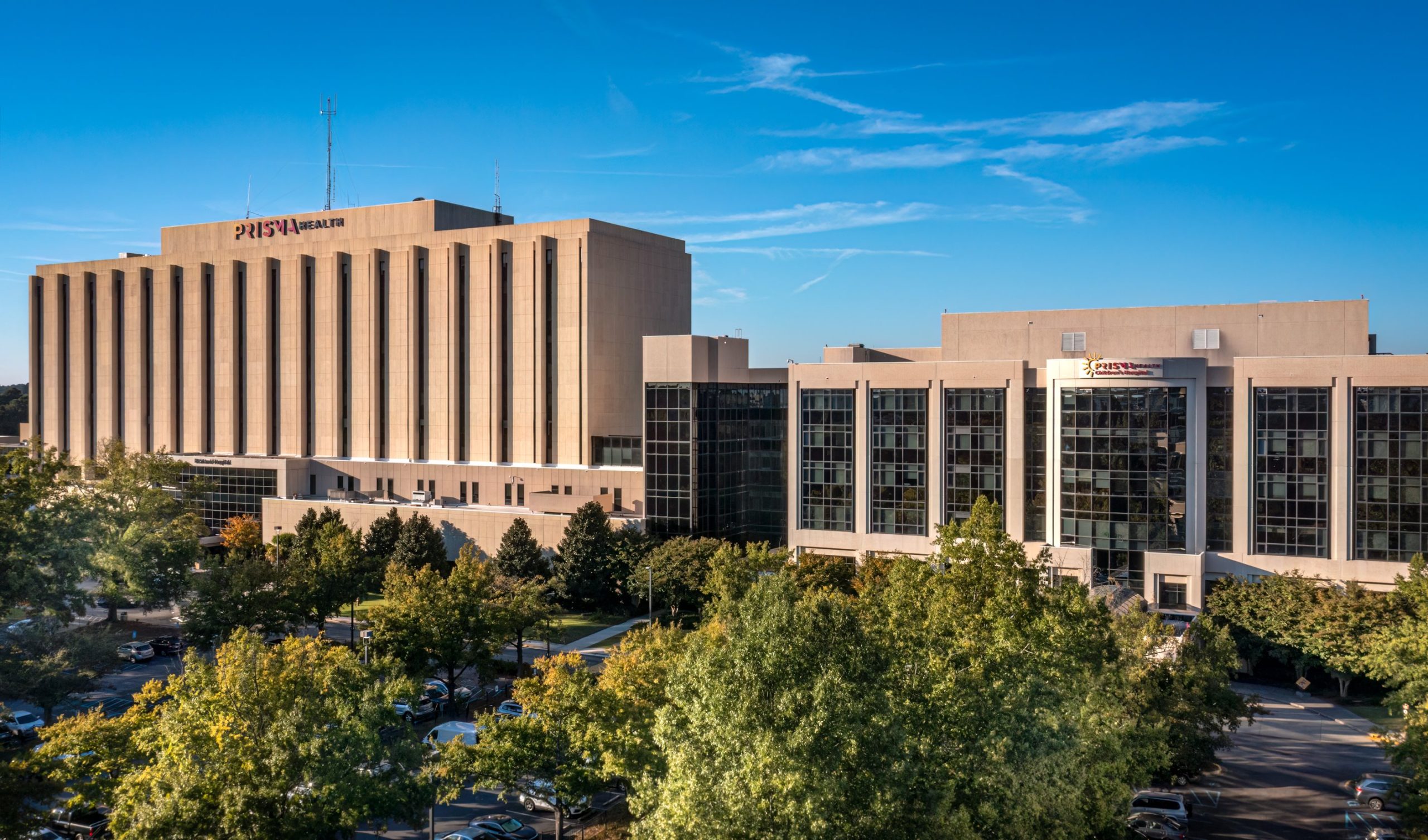
Prisma Health Richland Hospital
Downtown Columbia / 37+ active studies
Cancer, blood disorders, broad hospital research
The flagship Prisma Health hospital in the Midlands. Also, by far the biggest trial operation in the Columbia metro.
Visit Website →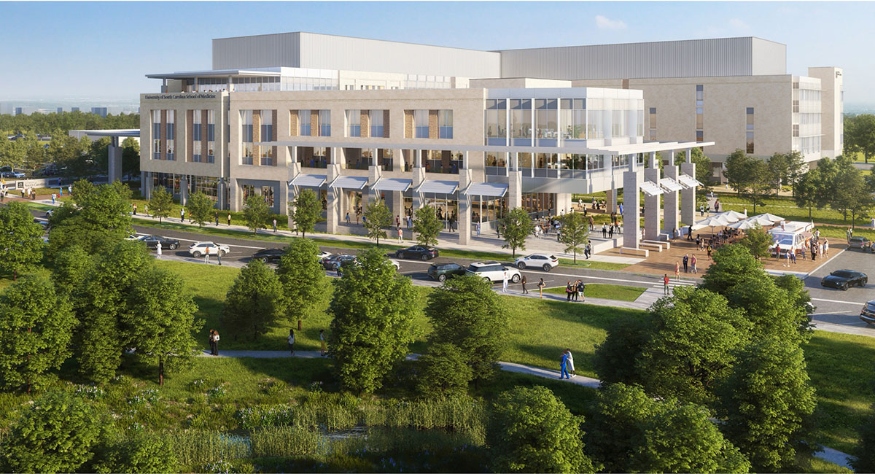
University of South Carolina
Columbia / 27+ active studies
Stroke recovery, physical activity, community health
Notably, a research university that runs federally funded health studies across the Midlands. Specifically, topics range from stroke rehab to disease prevention.
Visit Website →
Bogan Sleep Consultants
Columbia / 7+ active studies
Narcolepsy, sleep disorders
One of the best known private sleep research sites in the Southeast. Also, it has run sleep trials for decades.
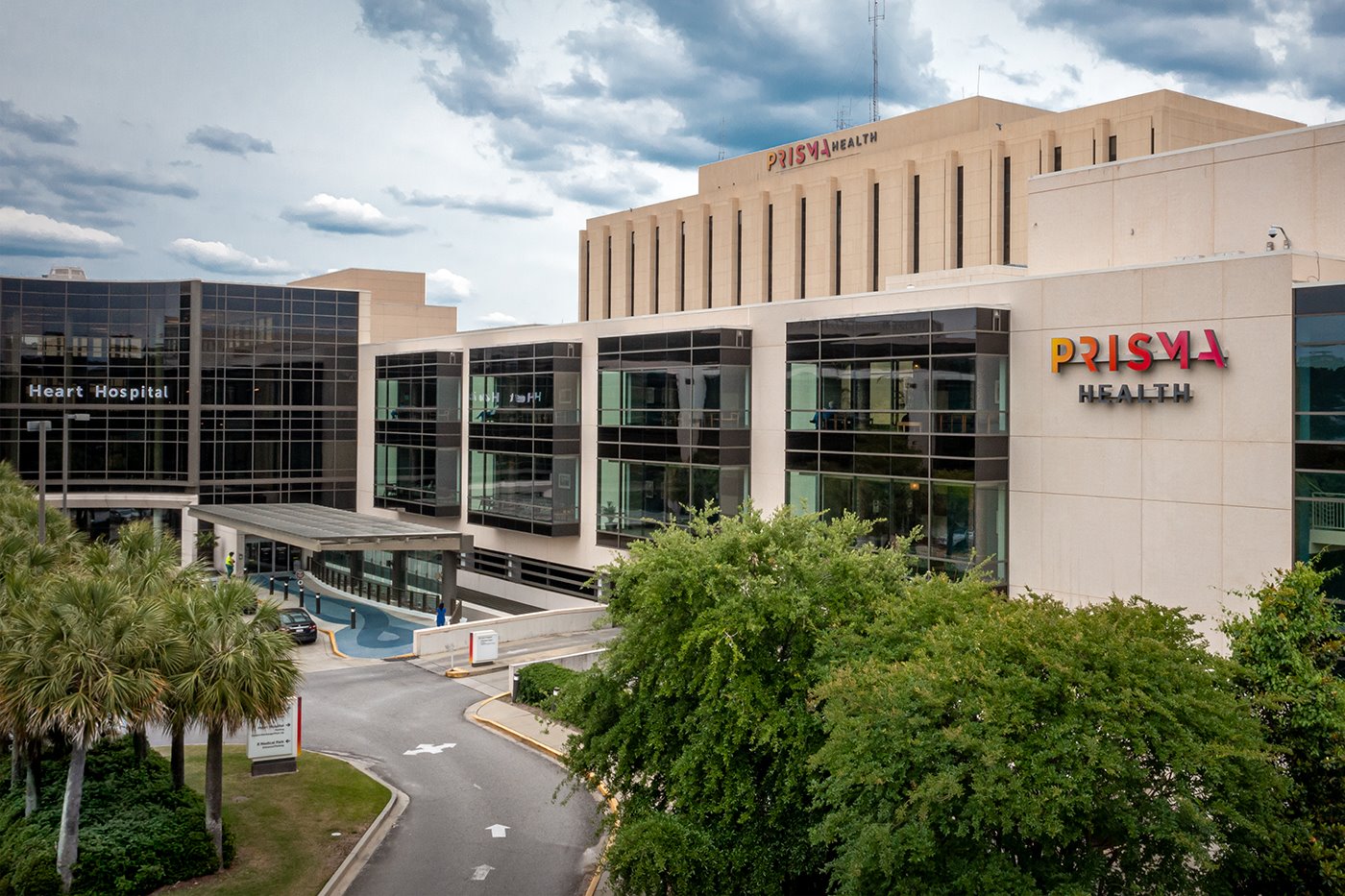
Prisma Health Midlands Cardiovascular
Columbia / 4+ active studies
Cardiovascular disease, heart failure
The heart and vessel research arm of Prisma Health in the Midlands. So it is the natural home for cholesterol trials in Columbia.
Visit Website →
Prisma Health Children’s Hospital, Midlands
Columbia / 4+ active studies
Pediatric growth, cystic fibrosis
Basically, the Midlands hub for children’s research inside the Prisma Health system.
Visit Website →
Columbia Dermatology & Aesthetics
Columbia / 4+ active studies
Hidradenitis suppurativa, psoriasis, obesity
A skin care practice with its own research team. It runs both skin and weight studies.
Velocity Clinical Research, Columbia
Columbia / Multiple active studies
COPD, skin conditions, vaccines
Part of one of the biggest research site networks in the country. Besides, it is just the kind of site the huge outcome trials lean on.
Visit Website →
Wm. Jennings Bryan Dorn VA Medical Center
Garners Ferry Road, Columbia / 2+ active studies
Atherosclerosis, liver disease
Columbia’s VA medical center runs studies, including ones on clogged arteries. For veterans, it is often the first door.
Visit Website →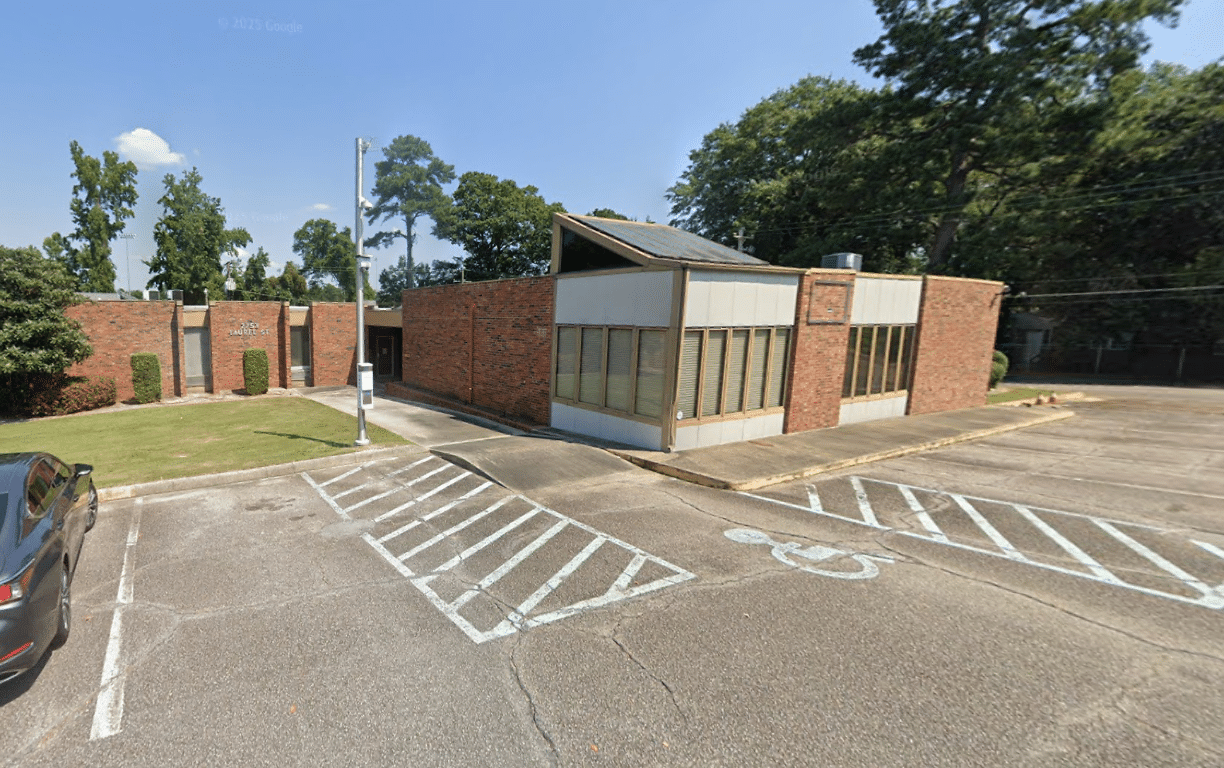
Objective Health, Columbia
Columbia / 2+ active studies
Celiac disease, fatty liver disease
Once called Columbia Digestive Health Research. Now it is part of the Objective Health network. Specifically, it runs gut and liver studies, including fatty liver trials.
Columbia Gastroenterology Associates
Columbia / Active studies
Digestive conditions
A long-running gut health practice. Also, it takes part in digestive trials around Columbia.
What to Expect in a Diabetes Study
New to studies? Here is how one works, step by step.
01
Prescreening
First comes a short phone call or online form. It takes about 10 to 15 minutes. The staff check your diagnosis and what you take now. Then, if it fits, they book your first visit.
02
Screening Visit
Next the clinic runs an A1C and other blood work, checks your heart, and goes through the consent form line by line. Also, this visit is free, and you can still say no afterward.
03
Treatment Period
Then the study begins. You take the study drug, the comparison drug, or a placebo on the agreed schedule. Meanwhile, the clinic tracks your blood sugar, weight, and any side effects.
04
Follow-Up
Finally, there is a check-in period after treatment ends. The clinic makes sure your diabetes care is handed back properly. Also, you can withdraw at any point.
Type 2 Diabetes Trial FAQs
Real answers about type 2 diabetes studies near Columbia SC.
Is there an adult diabetes drug study in Columbia?
Not open today, and we would rather say so plainly. The one drug study inside Columbia is for children aged 10 to 17. However, an adult study called AURORA-2 is registered here and waiting to open. Meanwhile, the nearest open adult drug study is in Orangeburg, about 45 minutes away.
What are the two Columbia studies with no medicine?
One is a 14 week nurse led program you join together with your caregiver. The other is a 6 week nutrition app for people already taking a GLP-1 drug. Neither publishes what it pays, and behavioral studies generally pay less than drug studies. However, both are local, short, and mostly remote.
How much do diabetes studies pay near Columbia?
Drug studies usually pay around $100 per visit for your time and travel. So the drive distance studies are the ones with real compensation attached. Meanwhile, the two behavioral studies in Columbia do not publish a figure. The site tells you before you agree to anything.
Is the drive to Orangeburg or Fort Mill worth it?
That depends on the study and on you. Orangeburg is about 45 minutes, which is close enough that many people would not think twice. However, Fort Mill and Greer are closer to an hour and a half. So ask the clinic about travel reimbursement, because some studies pay it on top.
Will I get a placebo?
It depends heavily on which one. The Orangeburg study has no placebo at all, because it compares two real approved drugs. Meanwhile, the Fort Mill study and AURORA-2 do include a placebo group. So check the placebo line on each card.
Do I have to stop my current diabetes medicine?
For most, no. But the Orangeburg study is the exception. That one asks you to stop any GLP-1 or SGLT2 medicine so it can assign you a drug class. Meanwhile, the others test the study drug alongside what you already take. So tell the clinic exactly what you are on.
My child has type 2 diabetes. Is there anything?
Yes, and it is right here in Columbia. Prisma Health Pediatric Endocrinology is running a study of a weekly shot for children aged 10 to 17. Notably, there is no placebo, so every child in it gets the real drug. They would need to be on metformin or insulin already and steady for about 2 months.
Do I need insurance?
No. None of these require insurance. The study medicine and study visits are provided at no cost. That matters here, because the drugs that protect kidneys and hearts are the expensive ones.
I feel fine. Why join a study?
Because the damage from diabetes is quiet at the start. Kidneys and eyes are usually affected before you notice anything at all. Meanwhile, the biggest study on this page is specifically measuring organ protection over about three years. So feeling fine is exactly when there is most left to protect.
Where can I get diabetes help near Columbia SC?
Prisma Health runs diabetes education and endocrinology across the Midlands. Also, the University of South Carolina runs the two behavioral studies listed here. Your primary care doctor can refer you to either. Meanwhile, ask specifically for a kidney check and a dilated eye exam, because those are most often skipped.
Ready to Explore a Study?
Check your eligibility, or just reach out to our Columbia team. No pressure. Also, no sales pitch.
← Back to All Clinical TrialsSources
- PRECIDENTD, SGLT2 inhibitor versus GLP-1 comparison, ClinicalTrials.gov NCT05390892
- ACCOMPLISH-2 aleniglipron study, ClinicalTrials.gov NCT07654374
- EASi-PROTKT vicadrostat and empagliflozin study, ClinicalTrials.gov NCT07064473
- CagriSema versus semaglutide study, ClinicalTrials.gov NCT07564414
- NNC0662-0419 dose finding study, ClinicalTrials.gov NCT07415954
- Eluminate-2 elecoglipron study, ClinicalTrials.gov NCT07662213
- Dulaglutide pediatric type 2 diabetes study, ClinicalTrials.gov NCT06739122
- iCINGS FAM caregiver support study, ClinicalTrials.gov NCT05370014
- DINE-GLP1 nutrition app study, ClinicalTrials.gov NCT07518407
- AURORA-2 ASC30 study, ClinicalTrials.gov NCT07743450
Study details and per-site recruiting status verified against ClinicalTrials.gov on August 15, 2026. Study availability and criteria change; the research clinic confirms everything before you enroll.