
COLUMBIA, SC
ADHD Clinical Trials
No ADHD study is enrolling in the Columbia SC metro, and no adult study is open in either state. One national study does list a Columbia site, and that site’s own status is closed. Payment is provided for eligible participants once one opens here.
0
Open in the Midlands
0
For Adults in Either State
+/- $100
Per Visit
New here? Read how this page works
First, here is the honest picture. Nothing is open here, nothing at all is open for adults, and one study looks local and is not. So here is how to use this page.
- Ask for a Vanderbilt or an ASRS by name. Because those are the forms clinics really use, and the Vanderbilt ones are free to download.
- Get a form from a teacher or a colleague. Also, a diagnosis needs evidence from two settings, so that form is evidence rather than paperwork.
- Check the site status before you drive. In fact, one national study lists a Columbia site under an open headline and that site is closed.
- Last, tap the button. Then we keep your details on file and call you when a study opens near you.
Of course, checking never signs you up for anything. You are only seeing where you might fit.
The Nearest Studies to Columbia
Nothing in the Midlands. Two run within about an hour and forty minutes, and both are for children.
The two nearest, and both are for children
No adult study is open in either state. One of these is a drug study for four and five year olds, and the other has no clinic visits at all.

For Four and Five Year Olds Only
Supernus Pharmaceuticals / Approved drug study
This tests a non stimulant approved from age six, in children aged four and five. That is the age group where doctors have the least evidence and the most hesitation. It is one capsule a day, which can be opened and sprinkled on apple sauce. Half the children get a dummy for six weeks, so it is a straight coin flip. The nearest sites are Durham, North Charleston and Summerville.
Payment is not published.
Get on the list →More details
Why researchers are excited: almost nothing has been properly tested in preschoolers, so families are left guessing. Meanwhile, this is the only ADHD drug trial recruiting anywhere in North Carolina.
Who this study is looking for
- Aged 4 years 0 months to 5 years 9 months
- Also, A symptom score at or above the study threshold, at two separate visits
- Besides that, rated at least moderately affected, again at both visits
- Finally, in a structured group activity at least two days a week, such as preschool or camp
- Also, living with the same parent or guardian for six months
Probably not a fit if: nightly melatonin rules a child out. That is a written exclusion and it quietly disqualifies a great many treated preschoolers. Also, a parent or sibling with bipolar disorder, and a body mass index above the 95th percentile or a weight below the 5th.
- Placebo group: Yes, at even odds. Half the children get a dummy capsule for the full six weeks.
- How long: Up to ten weeks in total, including up to four weeks of screening.
- Clinic visits: About 5 to 7 in person. Screening and the baseline visit are named separately in the record, and week 6 is the main measure.
- Phone calls: None published.
- Most invasive part: A heart tracing and blood work at screening. Also a long structured interview with the parent.
- Setting: Outpatient.
- Where it runs: Coastal Carolina Research Center, North Charleston SC 29405; and Coastal Pediatric Research, Summerville SC 29486.
- Drive from Columbia: North Charleston is about 105 miles south east, so roughly an hour and forty minutes on I-26.
- A medicated child comes off treatment for the whole study. That is at least seven days before starting and then the full six weeks, with even odds of a dummy. So weigh it honestly.
- Full study record: View on ClinicalTrials.gov →

A Text Message Study With No Clinic Visits
IDeA States Pediatric Clinical Trials Network with MUSC / Non drug study
When a child starts ADHD medicine for the first time, follow up is slow and teacher forms often never come back. This texts a parent a link to fill in the standard rating scales on a phone, and puts the answers where the doctor will see them. The comparison group gets health education instead, so no one is left with nothing. Nothing here changes your child’s medicine at all. But you have to be a patient of one of four named practices.
Payment is not published.
Get on the list →More details
Why researchers are excited: there are effectively no clinic visits, which for a rural family is the whole point. Meanwhile, nothing about the treatment itself is altered.
Who this study is looking for
- Aged 5 to 11 with an ADHD diagnosis
- Also, starting a stimulant for the first time, or none in the last six months
- Besides that, attending school in person
- Finally, A caregiver with a smartphone who lives with the child most of the week
- Also, under the care of one of the participating practices
Probably not a fit if: any past course of an atypical antipsychotic rules a child out. So a single earlier course of risperidone or aripiprazole is permanently disqualifying. Also, any previous psychiatric admission. Likewise, depression, anxiety and oppositional defiant disorder are all explicitly allowed.
- Placebo group: None. The comparison group gets health education and normal care.
- How long: Six months.
- Clinic visits: Between none and one. Consent often folds into the appointment where the medicine is prescribed.
- Phone calls: Contact is by text link rather than phone. Six short reports over six months.
- Most invasive part: Nothing at all. So the whole burden is a caregiver’s time on a phone.
- Setting: Outpatient.
- Where it runs: Medical University of South Carolina, Charleston SC 29425.
- Drive from Columbia: Charleston is about 113 miles south east, so roughly an hour and fifty minutes.
- Check the practice list first. Living near Charleston is not enough, because it runs through four specific rural practices. So call before you plan anything.
- Full study record: View on ClinicalTrials.gov →
Not sure which one fits you?
First, answer a few quick health questions. Then we keep them on file. Finally, we call you when a study opens near Columbia. No account, no paperwork.
See if I may fit one of these studies →What Is Actually Happening in ADHD Care
The research is almost entirely in children, while the fastest growing group being diagnosed is adults.
Adult ADHD Is Real and Routinely Missed
It does not stop at eighteen, and in women it far more often looks like disorganisation, forgetfulness and constant overwhelm rather than visible restlessness. So a lot of women are diagnosed in their thirties or forties, often after their own child is assessed. Meanwhile, being called spacey or a daydreamer as a girl is a reason to ask, not a reason to dismiss.
A Proper Adult Diagnosis Looks at Childhood
This is a condition that starts early, so an assessment has to find signs before about age twelve. Bring old school reports, and ask a parent or older sibling what you were like at eight. So that step is what separates ADHD from anxiety, depression, poor sleep and thyroid problems. Also, a clinic that diagnoses you in fifteen minutes without asking about childhood has skipped it.
Stimulants and Non Stimulants Are Different Tools
Stimulants often work within an hour of the right dose and wear off the same day. Non stimulants take two to six weeks to show their full effect and work around the clock. So judging a non stimulant after five days is not a fair trial of it. In fact, the only ADHD drug study recruiting anywhere in North Carolina is testing a non stimulant.
Non Stimulants Are Not a Consolation Prize
They are often the better first choice where there is a substance use history. The same holds where stimulants caused anxiety or sleep problems. It holds again where a family prefers a drug that is not controlled. So ask what a non stimulant trial would look like and how long before you would know. Meanwhile, that question is asked far less often than it should be.
The Stimulant Shortage Is Structural
These drugs sit under yearly production quotas. Also, you cannot usually move a prescription between pharmacies the way you can with ordinary ones. So call ahead to check stock before the prescription is sent, because an unfilled one can strand you. Also, ask whether a different formulation is in stock, or whether a non stimulant could bridge the gap. In general, tell the prescriber’s office rather than simply waiting.
Ask for the Rating Scales by Name
For adults the names are ASRS, AISRS and ACDS. For children they are the Vanderbilt scales, the ADHD Rating Scale and the Conners. So saying can we do a Vanderbilt with a teacher form moves an appointment forward faster than anything else. In fact, the Vanderbilt forms are free and downloadable.
A Diagnosis Needs Two Settings
ADHD is defined by difficulty in more than one environment, so a teacher form is evidence rather than paperwork. For an adult that means work or study as well as home. So if no one has asked for outside information, the assessment is incomplete. Meanwhile, one study near Charleston exists precisely because those teacher forms so often never come back.
Ask Whether a Study Stops Your Medication
This is where families are most often blindsided. The preschool drug study asks you to stop ADHD medicine at least a week before and to stay off it for the full six weeks, with even odds of a dummy. By contrast the teenage skills study asks for no medicine change at all. So ask it in those exact words on the first call.
Ordinary Things Disqualify People
Nightly melatonin excludes a child from the preschool study, and that is extremely common. A parent or sibling with bipolar disorder excludes them too. A single course of an antipsychotic years ago permanently excludes a child from the study near Charleston. So read the boring criteria and volunteer the full medicine history, supplements included.
Nothing Today Is Not Nothing Ever
Nothing at all is recruiting in either metro right now, and no adult ADHD study is recruiting anywhere in either Carolina. That is the truth and it saves wasted phone calls. But it changes fast, and at least one adult study is due to begin enrolling with no sites announced yet. Meanwhile, ask your own clinician whether their practice has been approached as a site.
ADHD Help Near You
Ask for a Vanderbilt or an ASRS by name, and get a form from a teacher or a colleague. Also, ask whether a study would require stopping medicine, before anything else. Last, if you are an adult, ask about childhood evidence, since that is the step most often skipped. Meanwhile, join the list and we will call you when something opens near you.
Research Sites Near Columbia
Nothing runs in the Midlands for ADHD today, while the nearest sites sit at North Charleston, Summerville and Charleston. But sites add new studies all the time.
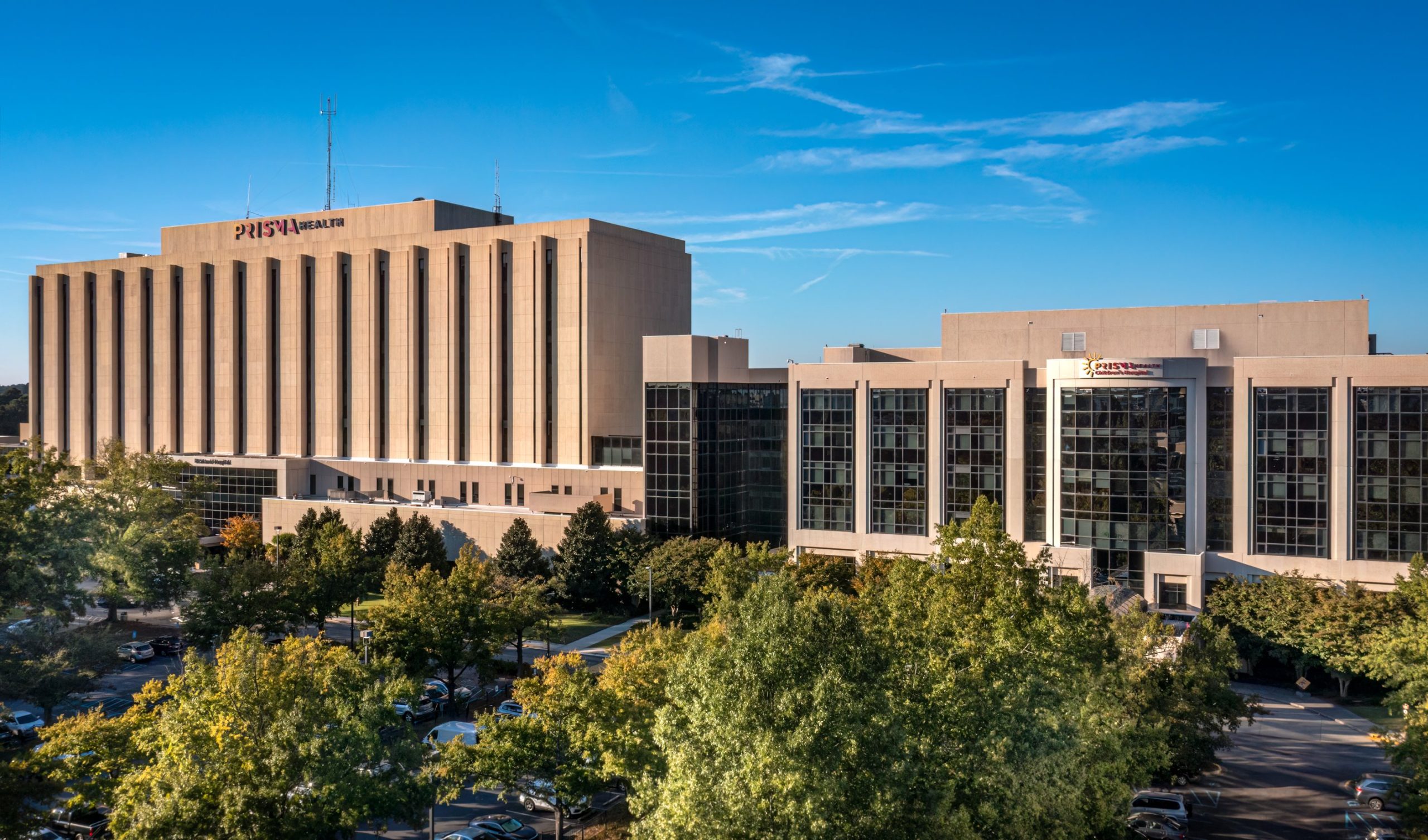
Prisma Health Richland Hospital
Downtown Columbia / 37+ active studies
Cancer, blood disorders, broad hospital research
The flagship Prisma Health hospital in the Midlands. Also, by far the biggest trial operation in the Columbia metro.
Visit Website →
University of South Carolina
Columbia / 27+ active studies
Stroke recovery, physical activity, community health
Notably, a research university that runs federally funded health studies across the Midlands. Specifically, topics range from stroke rehab to disease prevention.
Visit Website →
Bogan Sleep Consultants
Columbia / 7+ active studies
Narcolepsy, sleep disorders
One of the best known private sleep research sites in the Southeast. Also, it has run sleep trials for decades.

Prisma Health Midlands Cardiovascular
Columbia / 4+ active studies
Cardiovascular disease, heart failure
The heart and vessel research arm of Prisma Health in the Midlands. So it is the natural home for cholesterol trials in Columbia.
Visit Website →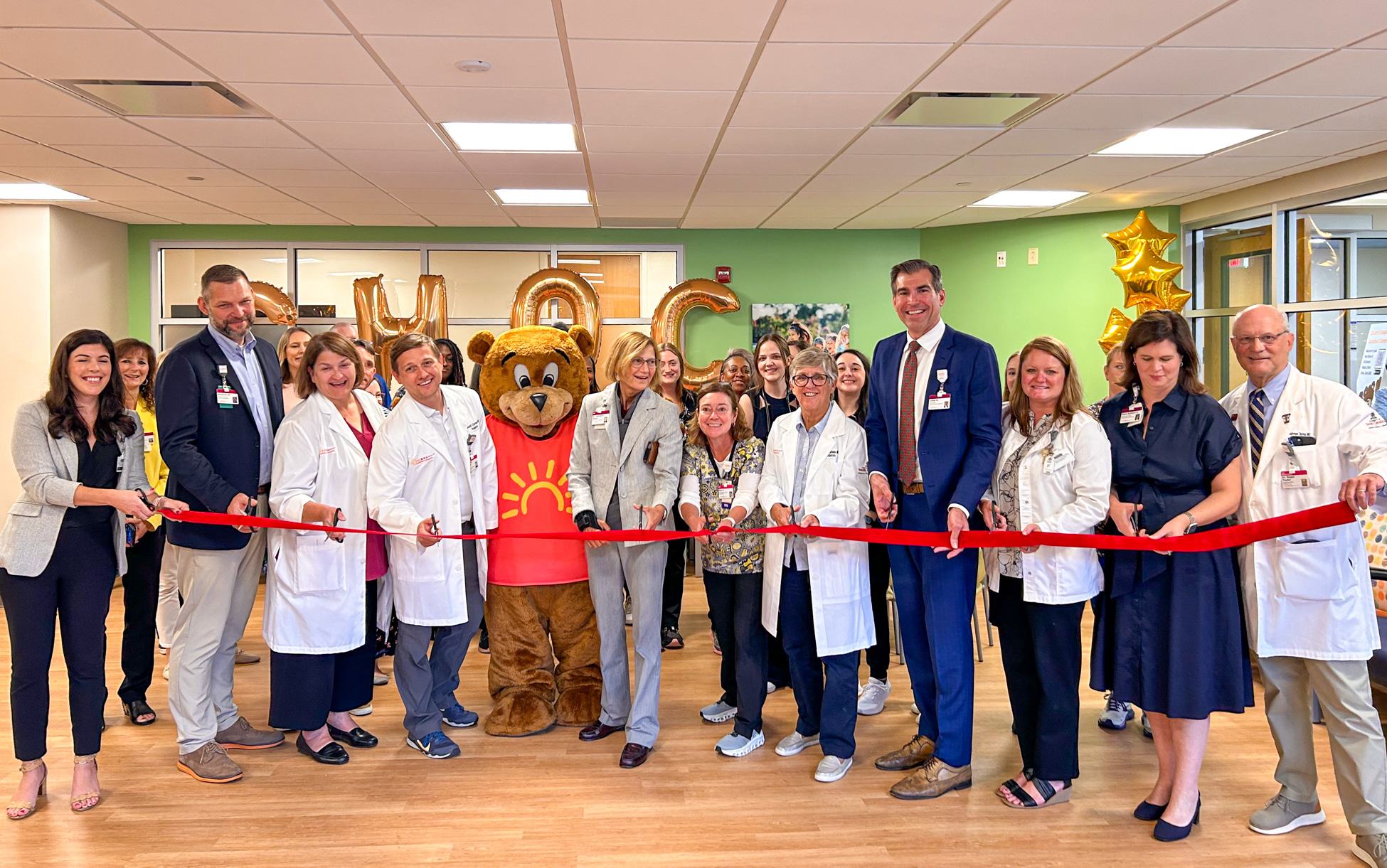
Prisma Health Children’s Hospital, Midlands
Columbia / 4+ active studies
Pediatric growth, cystic fibrosis
Basically, the Midlands hub for children’s research inside the Prisma Health system.
Visit Website →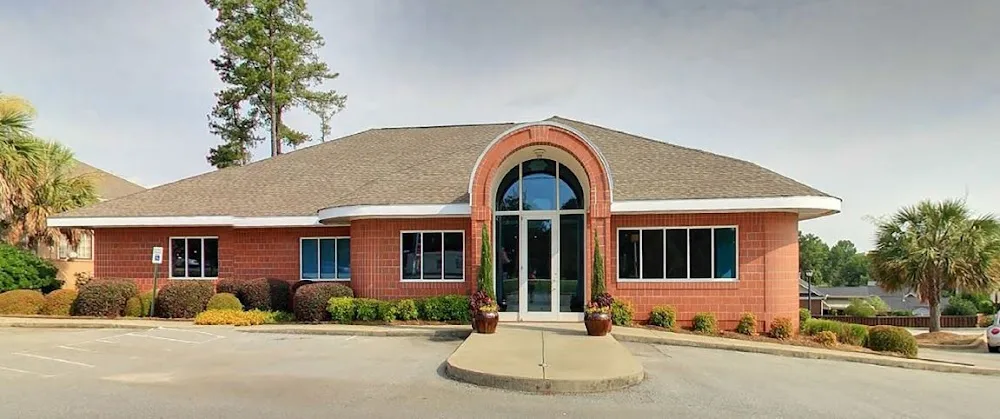
Columbia Dermatology & Aesthetics
Columbia / 4+ active studies
Hidradenitis suppurativa, psoriasis, obesity
A skin care practice with its own research team. It runs both skin and weight studies.
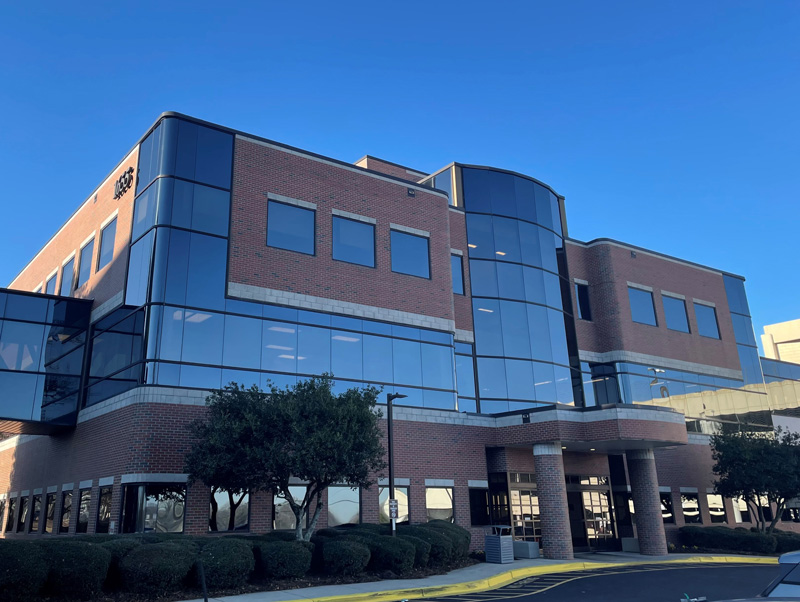
Velocity Clinical Research, Columbia
Columbia / Multiple active studies
COPD, skin conditions, vaccines
Part of one of the biggest research site networks in the country. Besides, it is just the kind of site the huge outcome trials lean on.
Visit Website →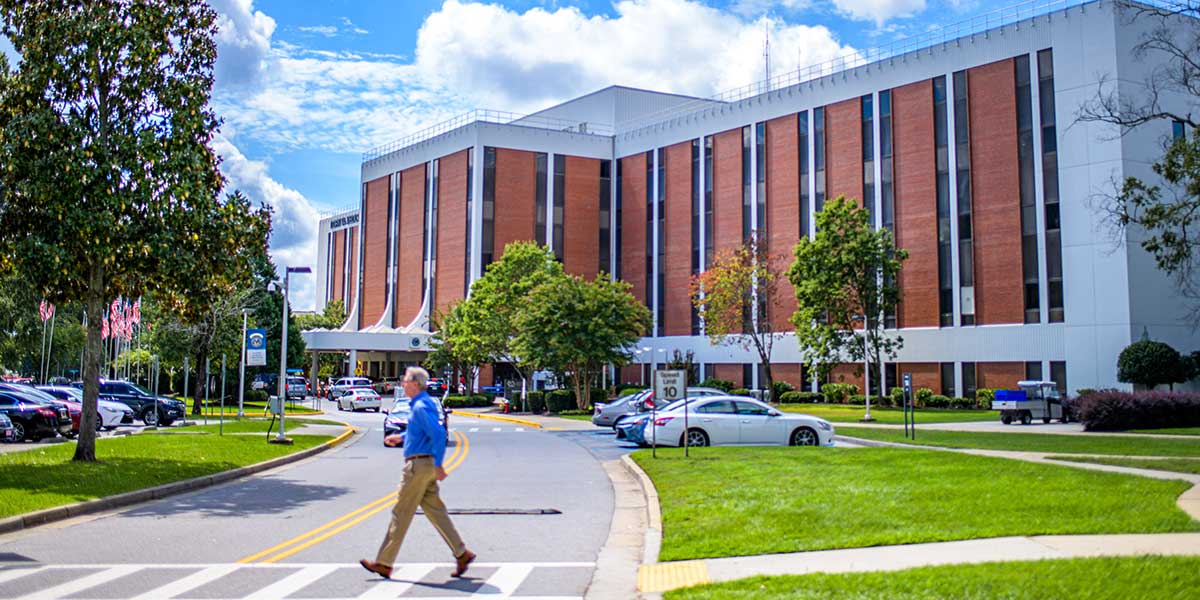
Wm. Jennings Bryan Dorn VA Medical Center
Garners Ferry Road, Columbia / 2+ active studies
Atherosclerosis, liver disease
Columbia’s VA medical center runs studies, including ones on clogged arteries. For veterans, it is often the first door.
Visit Website →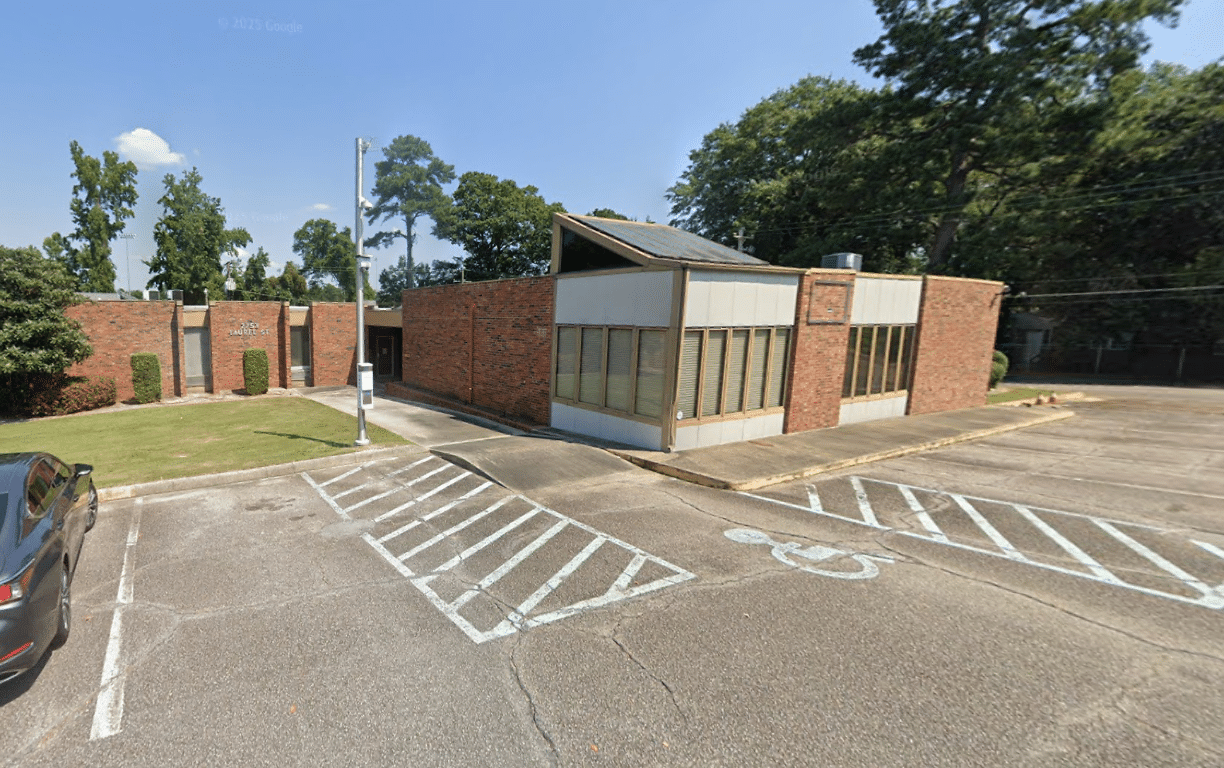
Objective Health, Columbia
Columbia / 2+ active studies
Celiac disease, fatty liver disease
Once called Columbia Digestive Health Research. Now it is part of the Objective Health network. Specifically, it runs gut and liver studies, including fatty liver trials.
Columbia Gastroenterology Associates
Columbia / Active studies
Digestive conditions
A long-running gut health practice. Also, it takes part in digestive trials around Columbia.
What to Expect in an ADHD Study
New to studies? Here is how one works, step by step.
01
Prescreening
First comes a short phone call or online form. Also, it takes about 10 to 15 minutes. The staff check whether you might fit. Then they tell you what is open.
02
Screening Visit
Next the clinic runs the tests that decide it, which usually means blood work. Also, they go through the consent form line by line, and you can bring somebody with you.
03
Treatment Period
Then the study begins. So you take the study drug or the placebo on the agreed schedule. Meanwhile, your own doctor keeps managing everything else.
04
Follow-Up
Finally, there is a check in period at the end. Also, your own doctor gets the results, and you can stop at any point without affecting your care.
ADHD Trial FAQs
Real answers about adhd studies near Columbia SC.
Is there a study for this near Columbia?
No, and we will not pretend otherwise. Every one of the fourteen towns in this metro was swept on its own. One national study does list a real University of South Carolina site here under an open headline, and that site’s own status is closed. But two run within about an hour and forty minutes, and both are for children. Also, no adult study of any kind is open in either state.
Is adult ADHD real?
Yes, and it is missed constantly, especially in women. In girls it far more often looks like disorganisation, forgetfulness and constant overwhelm rather than restlessness. So many women are diagnosed in their thirties or forties, often after their own child is assessed. Meanwhile, being called a daydreamer as a girl is a reason to ask, not a reason to dismiss.
Why do they ask about my childhood?
Because this starts early, so an assessment has to find signs before about age twelve. Bring old school reports, and ask a parent or older sibling what you were like at eight. So that step is what separates it from anxiety, low mood, poor sleep and thyroid problems. Also, a clinic that diagnoses you in fifteen minutes without asking has skipped it.
What is the difference between the two kinds of drug?
Stimulants often work within an hour of the right dose and wear off the same day. The other kind takes two to six weeks to show its full effect and works around the clock. So judging the second kind after five days is not a fair trial of it. In fact, the only drug study recruiting in North Carolina is testing that second kind.
Why can I not get my prescription filled?
These drugs sit under yearly production limits, and prescriptions cannot be moved between pharmacies easily. So call ahead to check stock before the prescription is sent. Also, ask whether a different form is in stock, or whether a non stimulant could bridge the gap. Meanwhile, tell the prescriber’s office rather than simply waiting.
What are the rating scales called?
For adults, the ASRS, the AISRS and the ACDS. For children, the Vanderbilt scales and the ADHD Rating Scale. So saying can we do a Vanderbilt with a teacher form moves an appointment along faster than anything else. Also, the Vanderbilt forms are free and you can download them. Also, the teacher form is evidence rather than paperwork.
Would a study stop my medicine?
Sometimes, and this is where families get blindsided. The preschool drug study asks you to stop at least a week before and to stay off for the whole six weeks. By contrast the teenage skills study asks for no medicine change at all. So ask it in those exact words on the first call.
What ordinary things disqualify people?
Nightly melatonin rules a child out of the preschool study, and that is extremely common. So does a parent or sibling with bipolar disorder, or a weight outside a set range. One study near Charleston permanently excludes a child who ever had a course of an antipsychotic. So volunteer the full medicine history including supplements.
Does it cost anything to check?
No. There is no cost, and no insurance is needed. Tether is a nonprofit list, so we do not run studies and we are not paid to send you anywhere. Also, checking never enrolls anyone in anything. You would always call the clinic yourself.
Where can I get help near Columbia?
Prisma Health and Lexington Medical Center both run mental health services across the Midlands. Also, ask for a Vanderbilt or an ASRS by name, and get a form from a teacher or a colleague. In general, an adult assessment should ask about your childhood, and one that does not has skipped a step. Meanwhile, ask your own clinic whether they have been approached about hosting a study.
Ready to Explore a Study?
Check your eligibility, or just reach out to our Columbia team. No pressure. Also, no sales pitch.
← Back to All Clinical TrialsSources
- A non stimulant tested in four and five year olds, at Durham and Charleston, ClinicalTrials.gov NCT04781140
- Two real skills programmes for teenagers, at Duke, ClinicalTrials.gov NCT07089745
- CIRCA, a body clock study in children aged 6 to 9, at Duke, ClinicalTrials.gov NCT06971640
- RAMP, text based monitoring with no clinic visits, at Charleston, ClinicalTrials.gov NCT06743425
- A study listing a Columbia SC site whose own row is closed, ClinicalTrials.gov NCT04278404
Study details and per-site recruiting status verified against ClinicalTrials.gov on August 17, 2026, with all 22 Charlotte metro towns and all 14 Columbia metro towns swept individually. Two findings are worth stating outright. Nothing is open in either metro. Also, no adult study of any kind is open in either state. Every open option is for children. The most misleading record here reads as recruiting and lists a real University of South Carolina site in Columbia. But that row’s own status is completed. So checking the state field and stopping there would give the wrong answer. A state level search returned one study in North Carolina and two in South Carolina. Both answers were wrong. City sweeps found roughly three times as many. Study openings and criteria change. The research clinic confirms it all before you enroll.