
COLUMBIA, SC
Nerve Pain Clinical Trials
No nerve pain study is enrolling in the Columbia SC metro, and we would rather say so plainly. However, two run at about ninety five miles, and one of them includes a real approved drug as a third group. Compensation is provided for eligible participants once one opens here.
0
Open in the Midlands
95
Miles to the Nearest
+/- $100
Per Visit
New here? Read how this page works
First, here is the honest picture. Nothing is open in the Midlands, and the two nearest are not equal. So here is how to use this page.
- Get your latest HbA1c. Because nine or under is the gate, and above nine closes the door until it comes down.
- Start scoring your pain daily now. Notably, the first seven days are a real gate, and missing more than three of them excludes you.
- Ask which of the two nearby studies has better odds. In fact, one includes a real approved drug as a third group and the other does not.
- Finally, tap the button. Then we keep your details on file and call you when a study opens near you.
Of course, checking never signs you up for anything. You are only seeing where you might fit.
The Nearest Studies to Columbia
Two, both at about ninety five miles. However, they test the same drug with different odds, and that difference matters.
The two nearest studies, and one has better odds than the other
Nothing runs in the Midlands. Both test the same new tablet, but only one of them includes a real approved drug as a third group.

The Nearest One, and It Has a Real Comparison Arm
Vertex / Late stage tablet
This is the larger sister study to the one above, and the difference favours the patient. There are three groups, which are the new tablet, a dummy, and pregabalin. Pregabalin is a real approved nerve pain drug, so one of the other arms is active treatment. So being randomised away from the new drug does not automatically mean getting nothing. The nearest site is at Spartanburg.
Payment is not published.
Get on the list →More details
Why researchers are excited: a study with an active comparison arm gives you better odds of receiving something that works. Meanwhile, it also answers the question doctors actually have, which is how the two compare.
Who this study is looking for
- Type 1 or type 2 diabetes
- Also, an HbA1c of 9 or under
- Besides that, pain in both feet or lower legs from nerve damage
- Finally, A weekly average pain score between 4 and 9 out of 10
- Also, aged 18 to 80, weighing 45 kilograms or more
Probably not a fit if: missing more than three diary days in the first week rules you out. Also, an HbA1c above 9, and a body mass index of 40 or over. Notably, any other cause of altered sensation in your feet also excludes.
- Placebo group: Yes, but there is also a real drug arm. So the three groups are the new tablet, a dummy, and pregabalin.
- How long: Twelve weeks of treatment, with the main measure at the end of it.
- Clinic visits: Roughly 7 to 9 in person, likely one or two more than its sister study, because the pregabalin dose is built up gradually. But only a start and week 12 are published.
- Phone calls: None published, though dose changes are often handled by phone.
- Most invasive part: Blood tests and a daily pain diary. So there is no procedure in this one either.
- Setting: Outpatient.
- Where it runs: Velocity Clinical Research, Spartanburg SC 29303; and two sites at Charleston SC.
- Drive from Columbia: Spartanburg is about 95 miles north west, so roughly an hour and thirty five minutes on I-26.
- Ask about the odds of each of the three arms. They are not published, and with an active comparison arm the answer genuinely changes the decision.
- Full study record: View on ClinicalTrials.gov →
A Tablet Aimed Only at Pain Nerves
Vertex / Late stage tablet
This is for the burning, stabbing pain of diabetic nerve damage in both feet and lower legs. The tablet blocks a channel that sits almost only on pain sensing nerves outside the brain. So the aim is relief without the fog or habit risk of the usual drugs. Half the group gets a dummy tablet, because there is no active comparison arm in this one. The site is at Monroe.
Payment is not published.
Get on the list →More details
Why researchers are excited: the standard drugs for this were borrowed from epilepsy and depression, and many people cannot tolerate them. Meanwhile, this class is genuinely new.
Who this study is looking for
- Type 1 or type 2 diabetes
- Also, an HbA1c of 9 or under
- Besides that, pain in both feet or lower legs from nerve damage, for a year or more
- Finally, A weekly average pain score between 4 and 9 out of 10
- Also, aged 18 to 80, with a body mass index under 40
Probably not a fit if: missing more than three diary days in the first week rules you out. So the diary is a gate, not a formality. Also, an HbA1c above 9, and pain under 4 or over 9.
- Placebo group: Yes. It is the tablet against a dummy, with no active drug in the other arm.
- How long: A seven day diary period first, then the main measure at week 12.
- Clinic visits: Roughly 6 to 9 in person across the twelve weeks. But treat that as an estimate, since only week 12 is published.
- Phone calls: None published.
- Most invasive part: Blood tests and a daily pain diary. So there is no procedure, and the diary is the demanding part.
- Setting: Outpatient.
- Where it runs: Velocity Clinical Research, Spartanburg SC 29303 and Anderson SC 29621.
- Drive from Columbia: Spartanburg is about 95 miles north west, and Monroe NC about 85 miles north.
- Ask about your current nerve pain medicine first. Whether gabapentin can continue is not published, so ask your own doctor.
- Full study record: View on ClinicalTrials.gov →
Not sure which one fits you?
First, answer a few quick health questions. Then we keep them on file. Finally, we tell you which studies near Columbia you may fit. No account, no paperwork.
See if I may fit one of these studies →What Is Actually Changing in Nerve Pain
For the first time, drugs are being built for pain nerves specifically rather than borrowed from other fields.
Nerve Pain Feels Different, and That Is the Clue
Burning, stabbing, electric shocks, pins and needles, or a numb patch that still hurts. So it does not feel like an ache or a strain, and people struggle to describe it. Meanwhile, that description is what points a doctor towards nerves rather than muscle or joint. Notably, ordinary painkillers do very little for it, which is another clue.
Diabetes Is the Commonest Cause
About half of people with long standing diabetes develop some nerve damage. So the burning feet that keep people awake are the classic picture. Meanwhile, both open studies nearest to here are aimed at exactly that group. In fact, controlling blood sugar is treatment as well as prevention.
Your HbA1c Is the Ticket In
Both nearby studies need an HbA1c of nine or under. So a number above that closes the door until it comes down. That is worth saying plainly, because getting it under nine helps the nerves anyway. Also, ask which lab result they will accept and how recent it has to be.
The Pain Window Cuts Both Ways
Studies want a weekly average between four and nine out of ten. People assume worse pain helps them qualify, and above nine actually excludes you. So does pain that jumps around a lot from day to day. Meanwhile, a steady moderate to severe score is what these studies are built around.
The Diary Is a Gate, Not Paperwork
Both nearby studies start with a seven day period of scoring your pain each day. Missing more than three of those days is a written reason to be excluded. So set an alarm, because people are turned away for this rather than for anything medical. Notably, it is the most avoidable failure in the whole process.
The Old Drugs Were Borrowed
Gabapentin and pregabalin came from epilepsy, and duloxetine came from depression. They help some people, and they leave others foggy, dizzy or unsteady. So a drug designed for pain nerves specifically is a genuinely new direction. However, whether it beats the old ones is exactly what is being measured.
Ask Whether There Is a Real Comparison Arm
One study near here compares the new tablet only against a dummy. The other, further away, adds a real approved drug as a third group. So your odds of receiving something active differ between two studies of the same drug. Meanwhile, that is a fair question to ask on the first call.
Shingles Pain and Facial Nerve Pain Have Nothing Open
Both were checked on their own rather than assumed. So there is currently no study for either anywhere in North Carolina or South Carolina. That is a statewide gap rather than a local one. Meanwhile, we will say so rather than point you at something that does not fit.
The Stimulator Is a Product, Not a Study
People are often told there is a trial for the spinal stimulator, and here there is not. We checked every stimulation study in both states, and none of them is for nerve pain. So the device is commercially available rather than experimental in this region. In fact, that means your own pain clinic is the right route, not us.
Where Things Actually Stand Locally
One study for diabetic nerve pain is open about half an hour from Charlotte, at Monroe. A second study inside Charlotte is for a different condition entirely, which is CRPS. The Midlands has nothing open, and the nearest sites are at Spartanburg and Charleston. However, a search on nerve pain in Charlotte returns nothing at all, which is simply wrong.
Nerve Pain Help Near You
Ask for your latest HbA1c, because nine or under is the gate on both nearby studies. Also, start scoring your pain daily now, since the first week decides whether you get in. Finally, ask what happens to your current nerve pain medicine before you change anything. Meanwhile, join the list and we will call you when something opens nearer to you.
Research Sites Near Columbia
Nothing runs in the Midlands for nerve pain, while the nearest sites sit at Spartanburg, Anderson and Charleston. But sites add new studies all the time, so it is worth knowing what is near you.

Prisma Health Richland Hospital
Downtown Columbia / 37+ active studies
Cancer, blood disorders, broad hospital research
The flagship Prisma Health hospital in the Midlands. Also, by far the biggest trial operation in the Columbia metro.
Visit Website →
University of South Carolina
Columbia / 27+ active studies
Stroke recovery, physical activity, community health
Notably, a research university that runs federally funded health studies across the Midlands. Specifically, topics range from stroke rehab to disease prevention.
Visit Website →
Bogan Sleep Consultants
Columbia / 7+ active studies
Narcolepsy, sleep disorders
One of the best known private sleep research sites in the Southeast. Also, it has run sleep trials for decades.

Prisma Health Midlands Cardiovascular
Columbia / 4+ active studies
Cardiovascular disease, heart failure
The heart and vessel research arm of Prisma Health in the Midlands. So it is the natural home for cholesterol trials in Columbia.
Visit Website →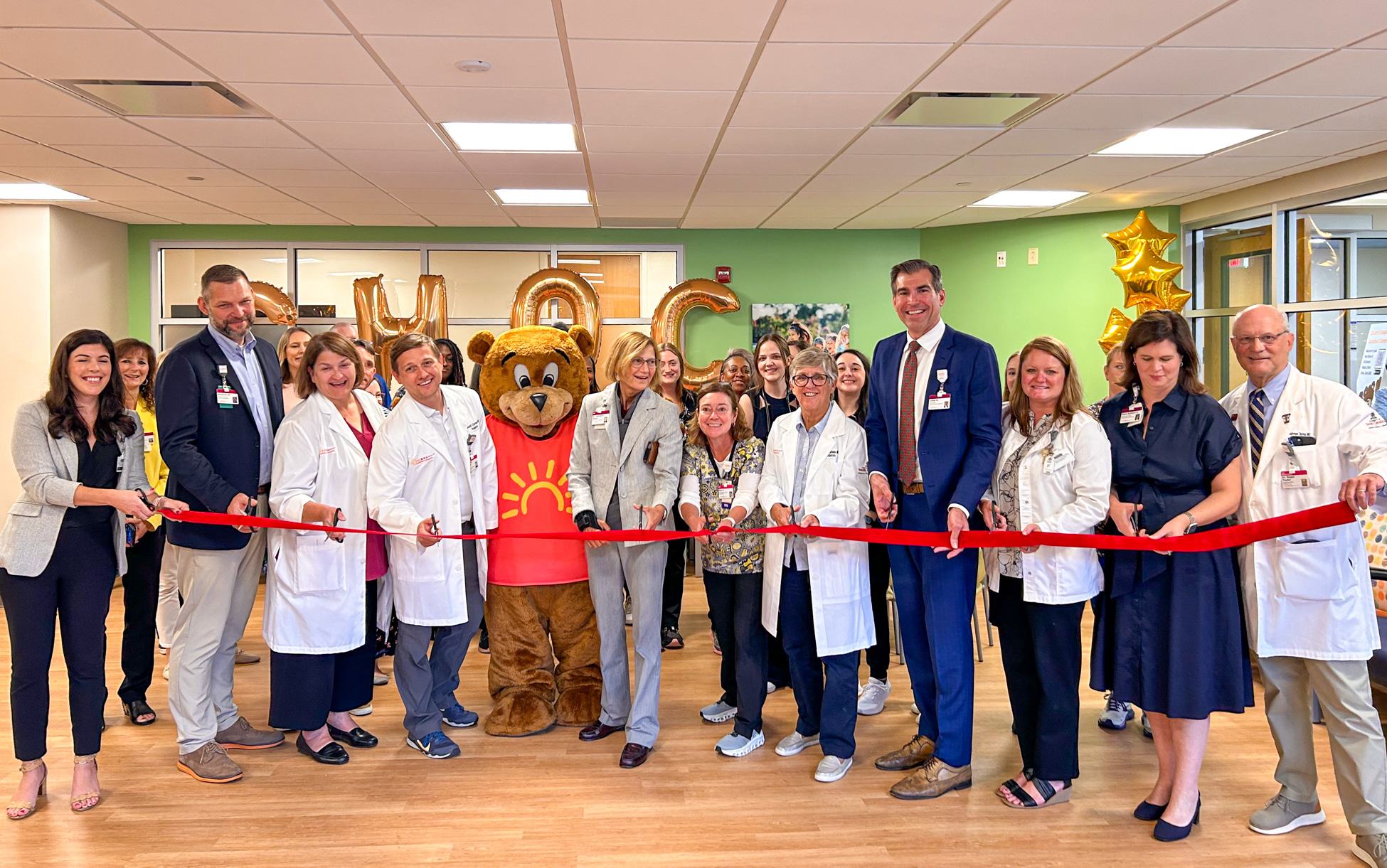
Prisma Health Children’s Hospital, Midlands
Columbia / 4+ active studies
Pediatric growth, cystic fibrosis
Basically, the Midlands hub for children’s research inside the Prisma Health system.
Visit Website →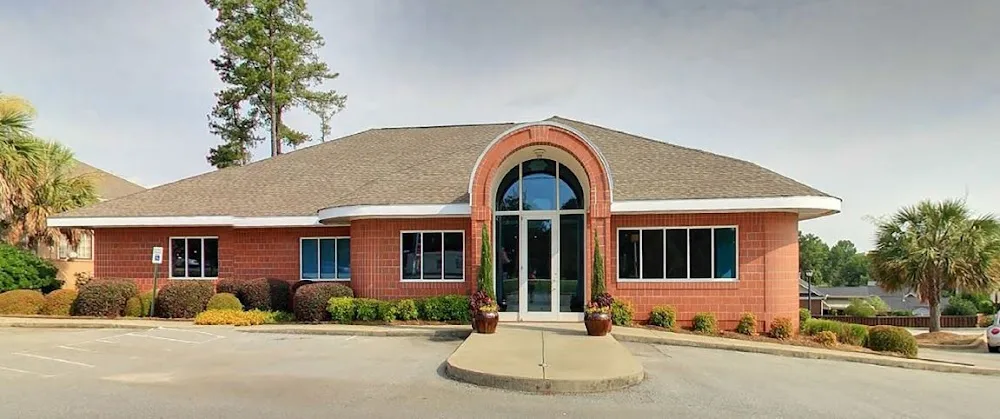
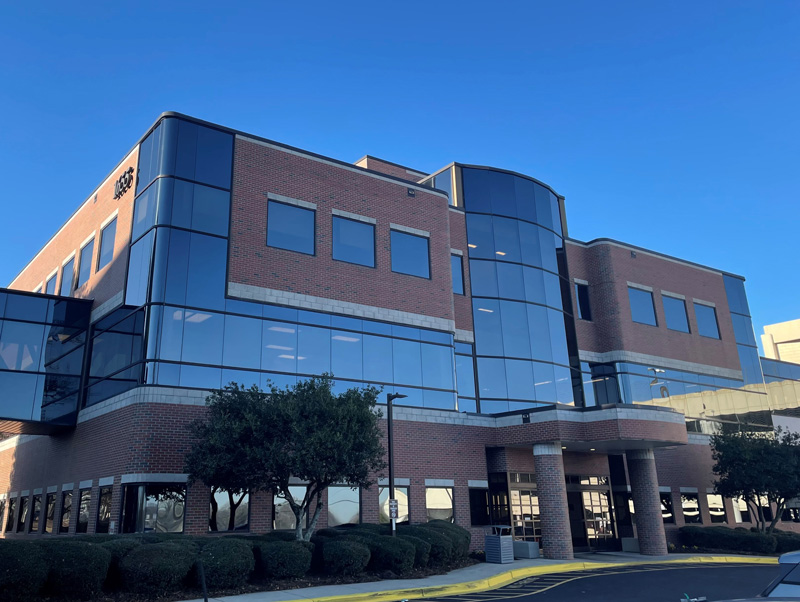
Columbia Dermatology & Aesthetics
Columbia / 4+ active studies
Hidradenitis suppurativa, psoriasis, obesity
A skin care practice with its own research team. It runs both skin and weight studies.
Velocity Clinical Research, Columbia
Columbia / Multiple active studies
COPD, skin conditions, vaccines
Part of one of the biggest research site networks in the country. Besides, it is just the kind of site the huge outcome trials lean on.
Visit Website →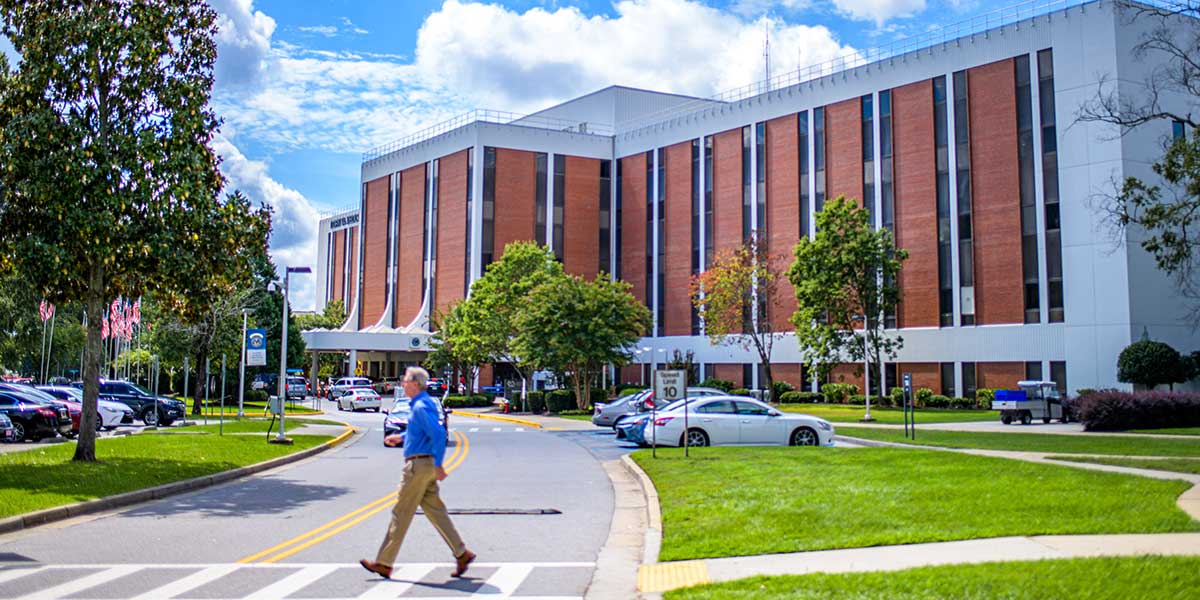
Wm. Jennings Bryan Dorn VA Medical Center
Garners Ferry Road, Columbia / 2+ active studies
Atherosclerosis, liver disease
Columbia’s VA medical center runs studies, including ones on clogged arteries. For veterans, it is often the first door.
Visit Website →
Objective Health, Columbia
Columbia / 2+ active studies
Celiac disease, fatty liver disease
Once called Columbia Digestive Health Research. Now it is part of the Objective Health network. Specifically, it runs gut and liver studies, including fatty liver trials.

Columbia Gastroenterology Associates
Columbia / Active studies
Digestive conditions
A long-running gut health practice. Also, it takes part in digestive trials around Columbia.
What to Expect in a Nerve Pain Study
New to studies? Here is how one works, step by step.
01
Prescreening
First comes a short phone call or online form. Also, it takes about 10 to 15 minutes. The staff check whether you might fit. Then they tell you what is open.
02
Screening Visit
Next the clinic runs the tests that decide it, which usually means blood work. Also, they go through the consent form line by line, and you can bring somebody with you.
03
Treatment Period
Then the study begins. So you take the study drug or the placebo on the agreed schedule. Meanwhile, your own doctor keeps managing everything else.
04
Follow-Up
Finally, there is a check in period at the end. Also, your own doctor gets the results, and you can stop at any point without affecting your care.
Nerve Pain Trial FAQs
Real answers about nerve pain studies near Columbia SC.
Is there a study for this near Columbia?
No, and we will not pretend otherwise. We checked each town in the Midlands on its own. However, two run at Spartanburg about ninety five miles away, and both test the same new tablet for diabetic nerve pain. Notably, one of the two also includes pregabalin, a real approved drug, as a third group. So that one gives you better odds of receiving something active.
How do I know if my pain is nerve pain?
By how it feels rather than where it is. Burning, stabbing, electric shocks, pins and needles, or a numb patch that still hurts. So it does not feel like an ache or a strain, and people struggle to describe it. Meanwhile, ordinary painkillers doing very little is another clue.
Why does my HbA1c matter so much?
Because both nearby studies need it to be nine or under, and that is a hard line. So a number above nine closes the door until it comes down. That is worth saying plainly, since getting it under nine helps your nerves anyway. Also, ask which lab result they will accept and how recent it has to be.
Can my pain be too bad to qualify?
Yes, and this surprises almost everybody. Studies want a weekly average between four and nine out of ten, so above nine excludes you. So does pain that jumps around a lot from one day to the next. Meanwhile, a steady moderate to severe score is exactly what these studies are built around.
What is this daily diary about?
It is a gate rather than paperwork, and people are turned away for it. Both nearby studies begin with seven days of scoring your pain each day. So missing more than three of those days is a written reason to be excluded. Notably, it is the most avoidable failure in the whole process, and an alarm fixes it.
Why do two studies of the same drug have different odds?
Because of what sits in the other groups. One compares the new tablet only against a dummy, so being randomised away means receiving nothing active. The other adds pregabalin, a real approved nerve pain drug, as a third group. So your chance of receiving an active treatment is better in the second one, and that is a fair thing to ask about.
Is there a trial for the spinal stimulator?
Not here, and people are often told otherwise. We checked every stimulation study in both Carolinas, and none of them is for nerve pain. So the device is commercially available rather than experimental in this region. In fact, that means your own pain clinic is the right route for it, not us.
Does it cost anything to check?
No. There is no cost, and no insurance is needed. Tether is a nonprofit list, so we do not run studies and we are not paid to send you anywhere. Also, checking never enrolls anyone in anything. You would always call the clinic yourself.
Where can I get help near Columbia?
Prisma Health and Lexington Medical Center both run pain and neurology services across the Midlands. Also, ask for your latest HbA1c, because it is the gate on both nearby studies. Generally, your own doctor manages the diabetes side, and a pain clinic handles the rest. Meanwhile, ask before changing any nerve pain medicine you already take.
Ready to Explore a Study?
Check your eligibility, or just reach out to our Columbia team. No pressure. Also, no sales pitch.
← Back to All Clinical TrialsSources
- A new tablet for diabetic nerve pain, at Monroe, ClinicalTrials.gov NCT07231419
- CRPS-RISE, drips for an early hot and swollen limb, in Charlotte, ClinicalTrials.gov NCT07210515
- The sister study with a real comparison arm, at Spartanburg, ClinicalTrials.gov NCT06628908
- A related study whose every United States site has finished, ClinicalTrials.gov NCT06619860
Study details and per-site recruiting status verified against ClinicalTrials.gov on August 17, 2026. A plain search for neuropathic pain in Charlotte returns nothing, while two studies are in fact open in the metro. That is the clearest false zero this project has found, and it is why condition and city searches are never trusted on their own. The Monroe NC site was re-checked deliberately, because a facility of that name has previously resolved to Louisville KY on a different study. On this record the state reads North Carolina and the ZIP is 28112, which is Monroe in Union County. Shingles pain and facial nerve pain were swept separately against both states and returned zero recruiting studies statewide. Spinal cord stimulation was also swept separately, and no stimulation trial for nerve pain is open in either state. Study availability and criteria change; the research clinic confirms everything before you enroll.