
COLUMBIA, SC
Peripheral Artery Disease Clinical Trials
2 leg circulation studies are enrolling near Columbia SC, and one is in West Columbia. Both give everybody the real treatment, because neither uses a dummy. Free imaging and no insurance needed. Compensation is provided for eligible participants.
2
Enrolling Near You
1
In West Columbia
+/- $100
Per Visit
New here? Read how this page works
First, one study runs in West Columbia and one is a device registry. Also, the real treatment studies are near Charlotte. So here is how to work out which applies to you.
- Is this sudden or long standing? Because the West Columbia study is only for a blockage that came on within 14 days.
- Are you getting a Medtronic device? Notably, the registry only fits if you are, and it is tracking rather than treatment.
- Otherwise look north. In fact, four studies about 90 miles up I-77 give everybody a real artery opening.
- Finally, put your name in. Because that is how we know to call you when a treatment study opens in Columbia.
Of course, checking never signs you up for anything. You are only seeing where you might fit.
Leg Circulation Studies Nearest to Columbia
Two are near you, though one is an emergency study and one is a registry. However, four more sit about an hour and a half north.
Enrolling near Columbia now
One is an emergency study at Lexington Medical Center. Also, the other is a device tracking registry rather than a treatment.

Sucking a Fresh Clot Out of a Leg Artery
Penumbra / Device
This is for a sudden blockage rather than long standing cramping. So a catheter vacuums a fresh clot out of the leg artery, and researchers record how blood flow recovers.
Payment is not published. Notably, enrolment happens in an emergency.
Read the details →More details
Why researchers are excited: a sudden leg blockage used to mean hours of clot busting drugs in intensive care, and this compresses it to one procedure.
Who this study is looking for
- Adults 18 and older
- Also, A confirmed blockage in the leg artery
- Besides that, symptoms started 14 days ago or less
- Finally, this device is being used as the first treatment
Probably not a fit if: your symptoms have gone on longer than 14 days, or the blockage is caused by something other than a clot, or you cannot receive contrast dye.
- Placebo group: None at all. Everybody receives the device, because nothing is randomised or withheld.
- How long: 180 days.
- Clinic visits: About 4. The procedure, straight afterwards, then 30 days and 180 days.
- Phone calls: Not published on the public record.
- Most invasive part: Basically, a catheter passed into the leg artery to suck the clot out.
- Setting: Outpatient.
- Where it runs: Lexington Medical Center, West Columbia SC 29169.
- Drive from Columbia: Lexington Medical Center is about 4 miles from downtown Columbia.
- Read this first: this is for sudden blockage, not long standing cramping. So enrolment happens in an emergency and cannot be planned for.
- Full study record: View on ClinicalTrials.gov →

Tracking How Devices Perform in Ordinary Use
Medtronic / Observational registry
Nothing new is given. If you are receiving an eligible Medtronic device, this simply records how it performs over time. So it is a tracking study rather than a treatment.
No study payment. It is a registry rather than a paid trial.
Read the details →More details
Why researchers are excited: long running registries this size are how rare device problems get spotted years before a trial would find them.
Who this study is looking for
- You are receiving or already have an eligible Medtronic device
- Also, you are treated at a taking part centre
- Besides that, you consent to long term tracking
- Finally, you meet the rules for the specific product group you fall under
Probably not a fit if: you do not have a qualifying Medtronic device, which is the main gate here.
- Placebo group: None at all. Nothing is assigned, because this only records care you were having anyway.
- How long: Open ended, with the record running to 2040.
- Clinic visits: Not published on the public record. However, nothing is required beyond your normal care.
- Phone calls: Not published on the public record.
- Most invasive part: Nothing beyond the care you were already having.
- Setting: Outpatient.
- Where it runs: Columbia SC and Orangeburg SC.
- Be clear on this one: it covers many device families, not just leg arteries. So it only fits you if you are getting a Medtronic vascular device specifically.
- Full study record: View on ClinicalTrials.gov →
The nearest treatment studies, near Charlotte
These four are about an hour and a half north. However, three of them give everybody a real artery opening.

Opening the Small Arteries Below the Knee
Acotec Scientific / Device
This is for leg circulation so poor that you have pain at rest or a wound that will not heal. So it compares a balloon coated in medicine against a plain balloon, and both open the artery.
Est. $1,100 or so, across about 11 visits
Check eligibility →More details
Why researchers are excited: arteries below the knee close up again notoriously fast, and solving that would directly prevent amputations.
Who this study is looking for
- Adults 18 and older
- Also, rest pain or a small wound from poor leg circulation
- Besides that, the blockage sits below the knee and above the ankle
- Finally, blood still reaches the foot through at least one artery
Probably not a fit if: an amputation above the mid foot is already planned, or you are on dialysis, or you cannot walk on your own.
- Placebo group: No dummy treatment at all. Instead, both groups get their artery opened, one with a coated balloon and one with a plain one.
- How long: Main result at 12 months, with follow up to 5 years.
- Clinic visits: About 11 or 12, and the schedule is consistent across the record. The procedure, then 1 month, 3, 6, 12, then yearly to 5 years. Also, the wound is looked at in person each time in the first year.
- Phone calls: Not published, though the later yearly checks may be by phone.
- Most invasive part: Basically, a catheter and balloon in the arteries below the knee, with X ray dye and repeat ultrasound checks.
- Setting: Outpatient.
- Where it runs: South Charlotte General and Vascular Surgery, Charlotte NC 28278.
- Drive from Columbia: Charlotte is about 90 miles north, so roughly an hour and a half on I-77.
- Read this first: you are only randomised after the doctor has already opened the blockage on the table. So you can be prepped and still come off the study if the result is not clean enough.
- Full study record: View on ClinicalTrials.gov →

Two Kinds of Stent, Compared Head to Head
W.L. Gore and Associates / Device
This is for blockages in the pelvic arteries, which sit above the leg arteries. So it compares a covered stent against an ordinary bare metal stent, and both are real treatments.
Est. $700 or so, across about 7 visits
Check eligibility →More details
Why researchers are excited: stenting there is routine, but nobody has ever properly compared covered against bare stents in complex blockages.
Who this study is looking for
- Adults 18 and older
- Also, symptoms from leg artery disease, from cramping on walking to a small wound
- Besides that, A pelvic artery blockage that is more than half narrowed, or fully blocked
- Finally, the blocked segment is about 4 to 11 centimetres long
Probably not a fit if: you already have a stent or a bypass in that leg, or your creatinine is above 2.5 without dialysis, or the disease extends into the main aorta.
- Placebo group: No dummy treatment at all. Both groups receive a real stent, and the coin flip only decides which kind.
- How long: 5 years of follow up.
- Clinic visits: About 7. Baseline, the procedure, 1 month, 1 year, then yearly to 5 years.
- Phone calls: Not published on the public record.
- Most invasive part: Basically, a stent placed in the pelvic artery through a catheter in the groin.
- Setting: Outpatient.
- Where it runs: Atrium Health, Charlotte NC 28210.
- Drive from Columbia: Charlotte is about 90 miles north.
- Worth knowing: the blind is not lifted until the 1 year visit. So if you have trouble in the first year, neither you nor your doctor will know which stent is in there.
- Full study record: View on ClinicalTrials.gov →

Sending Blood to the Foot Through a Vein Instead
LimFlow / Device
This is for people whose leg arteries are so far gone that neither bypass nor a balloon is possible. So doctors connect an artery into a vein below the knee and reverse the flow, to get blood to the foot backwards.
Est. $700 or so, across about 7 contacts
See if you fit →More details
Why researchers are excited: it offers a route to save a limb for people whose only remaining option today is amputation.
Who this study is looking for
- Adults 18 to 95
- Also, poor circulation with tissue loss, meaning a wound or dying tissue
- Besides that, A specialist has judged you ineligible for both bypass surgery and standard balloon treatment
- Finally, the foot wound is stable and your blood sugar is reasonably controlled
Probably not a fit if: you have an infection or bone infection above the mid foot, or a heart attack or stroke in the last 90 days.
- Placebo group: None at all and no fake procedure. Everybody enrolled receives the treatment.
- How long: 12 months of follow up.
- Clinic visits: About 7. The procedure, then 72 hours, 30 days, 3 months, 6 months and 12 months.
- Phone calls: Not published on the public record.
- Most invasive part: The heaviest here. A connection is created between an artery and a vein in the lower leg using a stent graft system.
- Setting: Outpatient.
- Where it runs: Atrium Health Sanger Heart and Vascular Institute, Charlotte NC 28203.
- Drive from Columbia: Charlotte is about 90 miles north.
- Read this honestly: the entry requirement is that you have been formally turned down for everything else. So this conversation usually happens at the same visit as a conversation about amputation.
- Full study record: View on ClinicalTrials.gov →

A Twice a Year Shot Started Right After Your Procedure
Duke University with Novartis / Drug
Inclisiran is a shot given about twice a year that lowers bad cholesterol. So this tests starting it right after a leg or heart artery procedure, instead of waiting months.
Est. $1,000 or so, across about 10 or 11 visits
See if you fit →More details
Why researchers are excited: people leave the procedure room under treated for cholesterol, and this closes that gap on the same day.
Who this study is looking for
- Adults 18 and older
- Also, A leg artery or heart procedure in the last 14 days
- Besides that, the procedure was for symptoms from clogged arteries
- Finally, able to give informed consent
Probably not a fit if: another artery procedure is already planned, or you use a shot like Repatha, or you have had inclisiran before.
- Placebo group: Yes, half get a salt water shot instead. However, your own doctor keeps managing your usual medicines.
- How long: About 4 years.
- Clinic visits: About 10 or 11, and the dosing schedule is published. Day 1, month 3, then every 6 months after that.
- Phone calls: Not published on the public record.
- Most invasive part: Just a shot under the skin plus blood draws. Notably, the leg procedure itself was standard care.
- Setting: Outpatient.
- Where it runs: Novant Health, Charlotte NC 28204, and Mecklenburg Heart Specialists, Charlotte NC 28207.
- Drive from Columbia: Charlotte is about 90 miles north.
- Worth knowing: it runs until enough events happen, so your own follow up could stretch past four years.
- Full study record: View on ClinicalTrials.gov →
Not sure which one fits you?
First, answer a few quick health questions. Then we check you against all of these. No account, no paperwork.
See if I may fit one of these studies →What Is Actually Being Tested for Leg Circulation
From cramping on a walk to saving a foot.
It Is the Same Disease as a Heart Attack
The fatty, calcified narrowing that blocks heart arteries also blocks the arteries feeding your legs. Early on it causes cramping in the calf or thigh after walking a set distance, which goes away with rest. So people put it down to arthritis or getting older and never mention it. However, a simple test comparing blood pressure at your ankle and your arm catches most cases in a few minutes.
The Stage Where It Threatens the Leg
As it worsens, blood flow can drop so low that the foot hurts at night, or a sore refuses to heal. That stage has a name, and it is the point where the risk shifts from discomfort to losing the limb. Notably, several studies here are built entirely around that stage. In fact, one of them only takes people who have already been turned down for every standard option.
Two Real Treatments, Compared Honestly
Doctors argue about whether to open a blocked leg artery with a balloon or to bypass it with surgery. On the big trial that compared them, Alik Farber of Boston Medical Center said the findings support complementary roles for the two strategies. Kenneth Rosenfield of Massachusetts General put it more bluntly. There should not be a one size fits all approach, because both are very effective and safe and the decision has to be made person by person.
Keeping the Artery Open Afterwards
Reopening an artery is the easy part. Keeping it open is the hard part, especially below the knee. So two studies here test balloons coated in medicine, and one compares two kinds of stent head to head. Meanwhile, another takes a completely different route by attacking the clotting itself. As Matthew Menard of Brigham and Women’s put it, the goal of this work is to fill in some of the key missing pieces.
Protecting the Rest of You at the Same Time
If your leg arteries are clogged, your heart arteries usually are too. So one study here starts a cholesterol shot on the day of your leg procedure rather than months later. That matters because people leave the procedure room under treated and then nothing happens for a year. In short, the leg is the symptom and the whole arterial system is the disease.
Research Sites Near Columbia
Lexington Medical Center runs the one study near you. But sites add new studies all the time, so it is worth knowing what else sits near you.
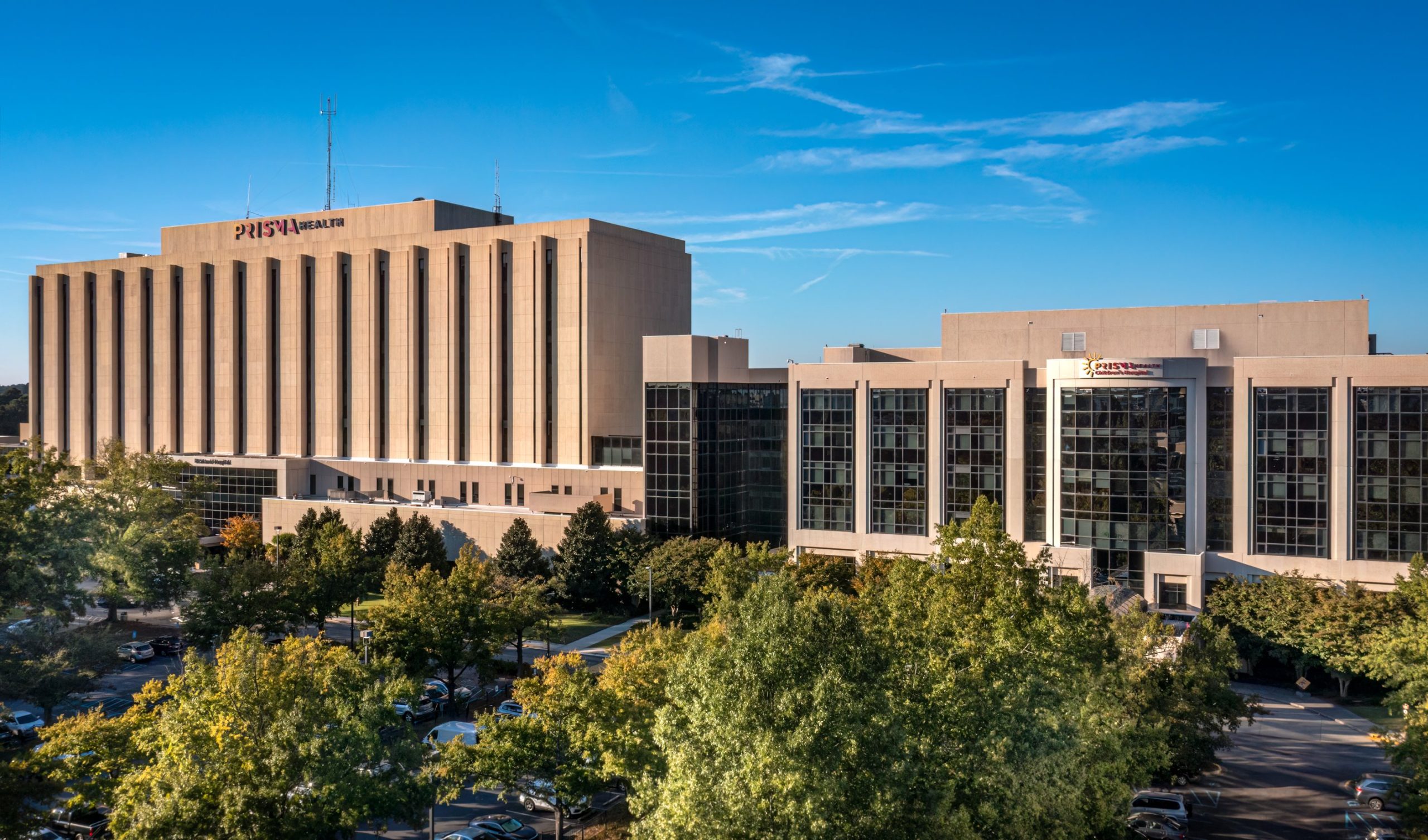
Prisma Health Richland Hospital
Downtown Columbia / 37+ active studies
Cancer, blood disorders, broad hospital research
The flagship Prisma Health hospital in the Midlands. Also, by far the biggest trial operation in the Columbia metro.
Visit Website →
University of South Carolina
Columbia / 27+ active studies
Stroke recovery, physical activity, community health
Notably, a research university that runs federally funded health studies across the Midlands. Specifically, topics range from stroke rehab to disease prevention.
Visit Website →
Bogan Sleep Consultants
Columbia / 7+ active studies
Narcolepsy, sleep disorders
One of the best known private sleep research sites in the Southeast. Also, it has run sleep trials for decades.
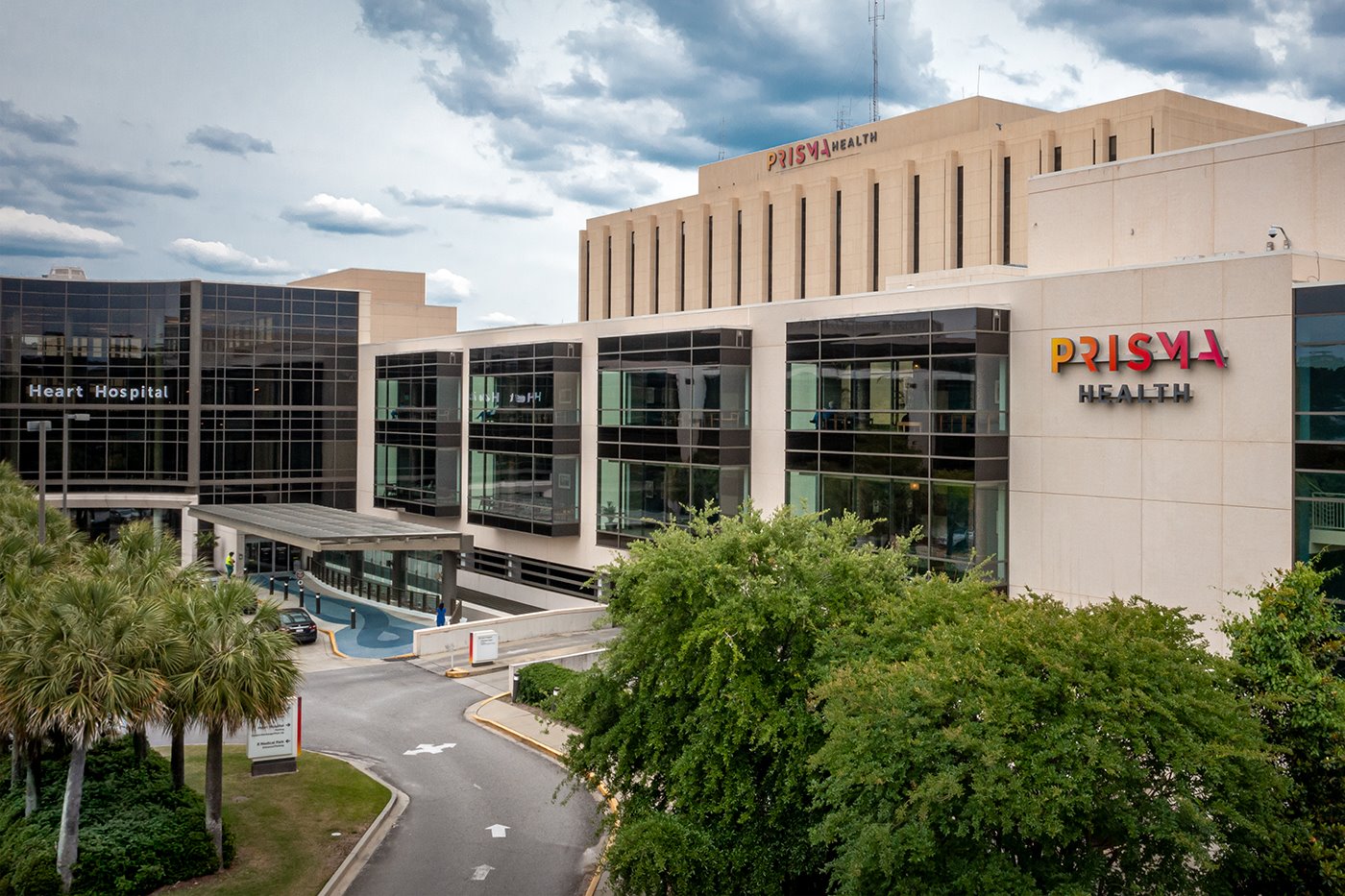
Prisma Health Midlands Cardiovascular
Columbia / 4+ active studies
Cardiovascular disease, heart failure
The heart and vessel research arm of Prisma Health in the Midlands. So it is the natural home for cholesterol trials in Columbia.
Visit Website →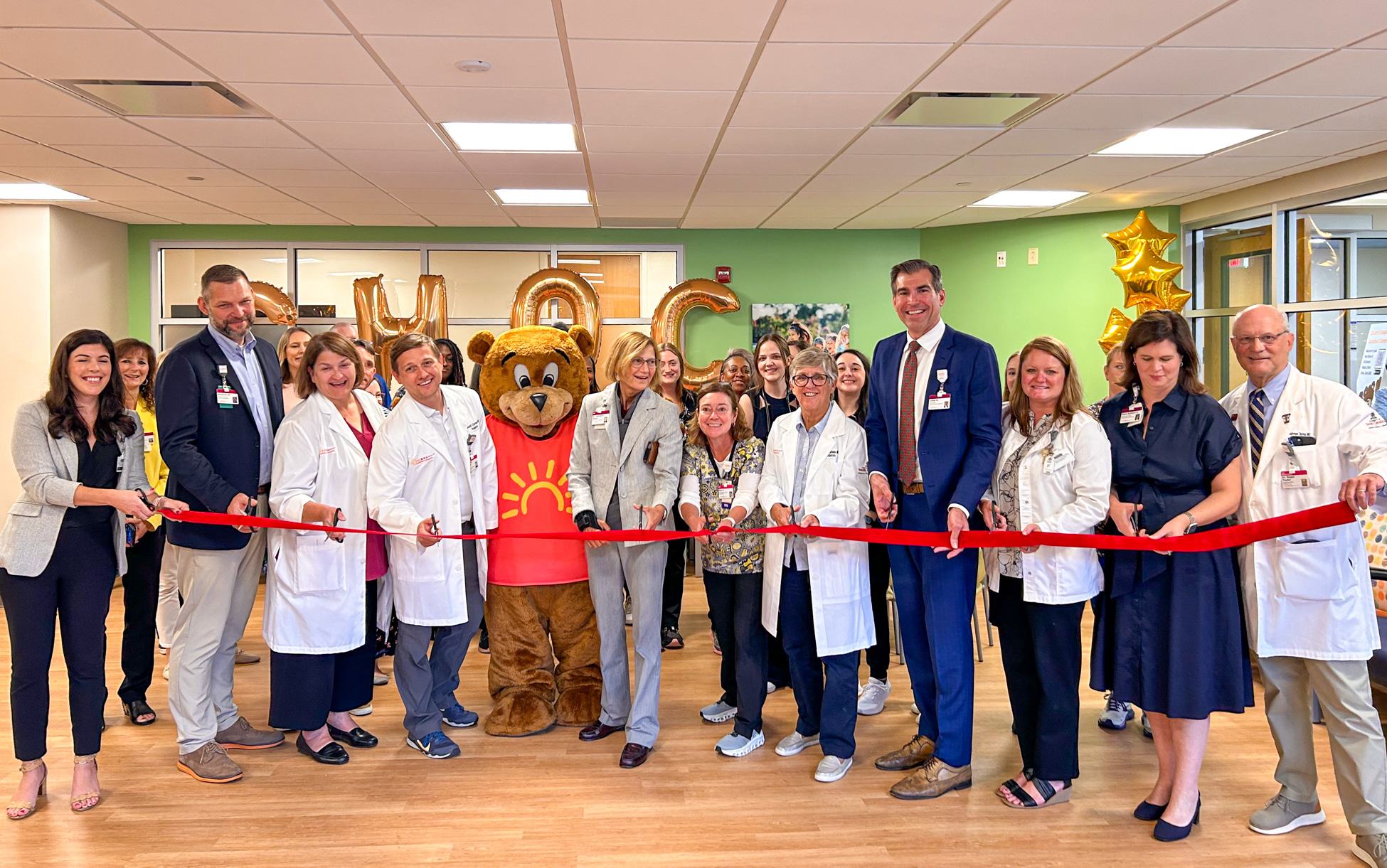
Prisma Health Children’s Hospital, Midlands
Columbia / 4+ active studies
Pediatric growth, cystic fibrosis
Basically, the Midlands hub for children’s research inside the Prisma Health system.
Visit Website →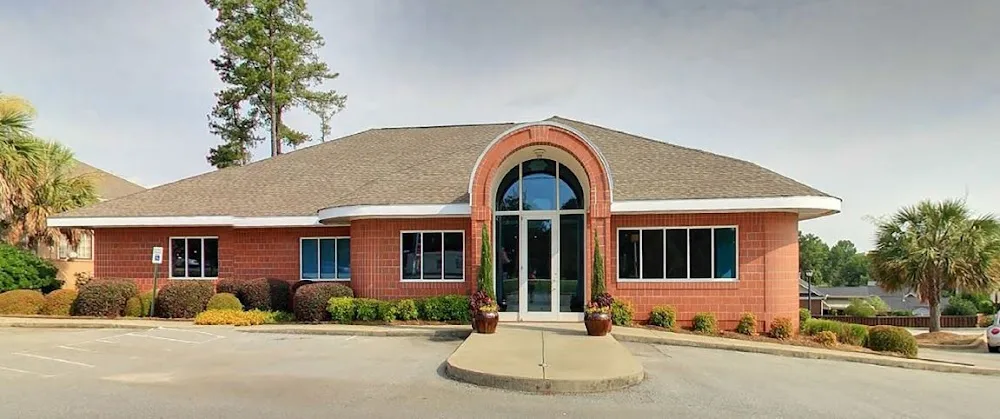
Columbia Dermatology & Aesthetics
Columbia / 4+ active studies
Hidradenitis suppurativa, psoriasis, obesity
A skin care practice with its own research team. It runs both skin and weight studies.
Velocity Clinical Research, Columbia
Columbia / Multiple active studies
COPD, skin conditions, vaccines
Part of one of the biggest research site networks in the country. Besides, it is just the kind of site the huge outcome trials lean on.
Visit Website →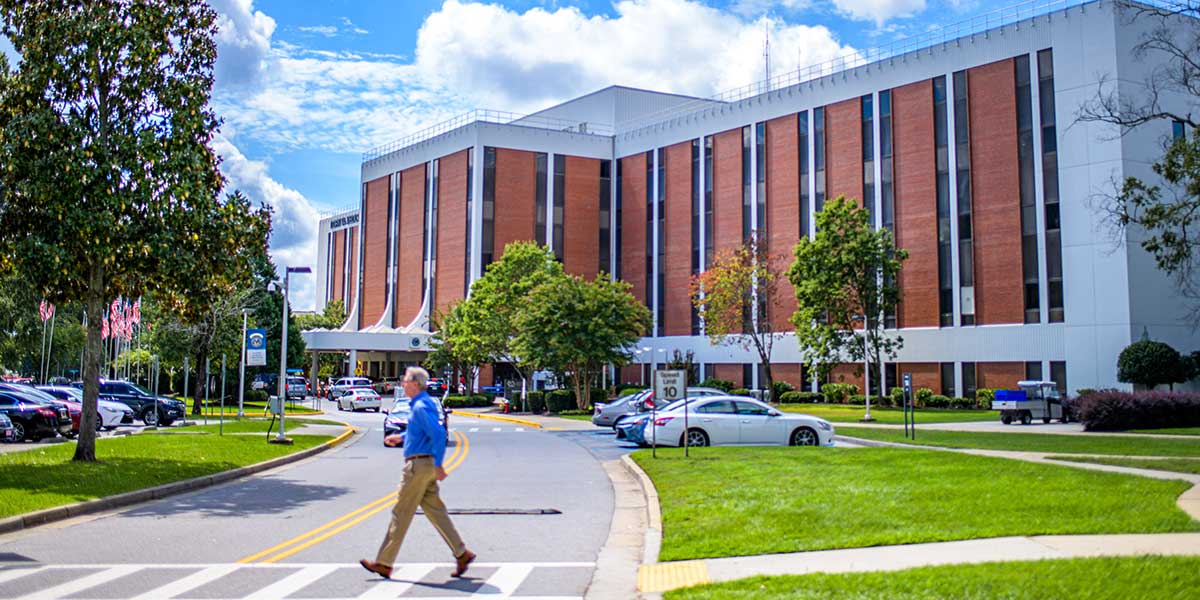
Wm. Jennings Bryan Dorn VA Medical Center
Garners Ferry Road, Columbia / 2+ active studies
Atherosclerosis, liver disease
Columbia’s VA medical center runs studies, including ones on clogged arteries. For veterans, it is often the first door.
Visit Website →
Objective Health, Columbia
Columbia / 2+ active studies
Celiac disease, fatty liver disease
Once called Columbia Digestive Health Research. Now it is part of the Objective Health network. Specifically, it runs gut and liver studies, including fatty liver trials.

Columbia Gastroenterology Associates
Columbia / Active studies
Digestive conditions
A long-running gut health practice. Also, it takes part in digestive trials around Columbia.
What to Expect in a Leg Circulation Study
New to studies? Here is how one works, step by step.
01
Prescreening
First comes a short phone call or online form. Also, it takes about 10 to 15 minutes. The staff check whether you might fit. Then they tell you what is open.
02
Screening Visit
Next the clinic runs the tests that decide it, which usually means blood work. Also, they go through the consent form line by line, and you can bring somebody with you.
03
Treatment Period
Then the study begins. So you take the study drug or the placebo on the agreed schedule. Meanwhile, your own doctor keeps managing everything else.
04
Follow-Up
Finally, there is a check in period at the end. Also, your own doctor gets the results, and you can stop at any point without affecting your care.
Leg Circulation Trial FAQs
Real answers about peripheral artery disease studies near Columbia SC.
Is there a leg circulation study in Columbia right now?
Two, and both come with a caveat we would rather state upfront. One at Lexington Medical Center in West Columbia is only for a sudden blockage that started within 14 days. Also, the other one tracks devices rather than treating you. So the studies testing new treatments sit about 90 miles north, near Charlotte.
Is leg cramping really an artery problem?
Often yes, and this is the most missed thing on the page. Cramping that comes on after a set walking distance and goes away with rest is the classic sign. Also, a simple test comparing blood pressure at your ankle and your arm catches most cases in a few minutes. So ask for that test by name if walking has been getting harder.
Does this mean my heart is at risk too?
Yes, and that is the part people are not told. The same fatty narrowing that blocks leg arteries blocks heart arteries. So one study here starts a cholesterol shot on the day of your leg procedure rather than months later. In short, the leg is the symptom and the whole system is the disease.
Is there a placebo?
In most of these, no. Both balloon studies give everybody a real artery opening, and the stent study gives everybody a real stent. Also, the leg blood flow study and the clot suction study give everybody the real treatment. However, the clot blocker study does use a dummy shot, and the cholesterol study uses salt water. So the majority involve no dummy treatment at all.
Do I need insurance?
No. None of these require insurance. The study medicine, the procedures and the visits are provided at no cost. Also, you keep your own doctor throughout, and results are sent back to them. You would always call the clinic yourself.
Is the drive to Charlotte worth it?
That is about an hour and a half up I-77, and it depends on the study. The cholesterol shot study asks for about 10 or 11 visits across four years, which is a lot. However, the below the knee balloon study puts most of its visits in the first year. Also, ask the clinic about travel pay, because some studies add it on top.
Where can I get leg circulation care near Columbia SC?
Prisma Health and Lexington Medical Center both run vein and artery care here. Also, ask for a vein and artery specialist, and ask for the ankle test by name. Your primary care doctor can refer you. Meanwhile, if you have a sore on your foot that has not healed in two weeks, treat that as urgent.
Ready to Explore a Study?
Check your eligibility, or just reach out to our Columbia team. No pressure. Also, no sales pitch.
← Back to All Clinical TrialsSources
- AcoArt Litos below the knee balloon study, ClinicalTrials.gov NCT06330493
- ROXI-PALISADE factor XI antibody study, ClinicalTrials.gov NCT07318610
- V-INTERVENTION inclisiran study, ClinicalTrials.gov NCT06909565
- PROMISE III deep vein arterialization study, ClinicalTrials.gov NCT05313165
- GORE VBX FORWARD iliac stent study, ClinicalTrials.gov NCT05811364
- STRIDE II aspiration system study, ClinicalTrials.gov NCT06747117
- Medtronic Product Surveillance Registry, ClinicalTrials.gov NCT01524276
- Mass General Brigham: BEST-CLI results, with comment from Alik Farber, MD, Kenneth Rosenfield, MD and Matthew Menard, MD
Study details and per-site recruiting status verified against ClinicalTrials.gov on August 15, 2026. Study availability and criteria change; the research clinic confirms everything before you enroll.