
COLUMBIA, SC
Pulmonary Hypertension Clinical Trials
No pulmonary hypertension study is enrolling inside Columbia right now. However, two are open at Charleston, about two hours away, and both give everybody the real treatment with no dummy at all. Compensation is provided for eligible participants.
0
In Columbia
4
Within a Drive
+/- $100
Per Visit
New here? Read how this page works
First, nothing is open in Columbia itself. However, four studies sit within a drive, and two of them give everybody the real treatment. So here is how to read them.
- Check what kind you have. Because the kind driven by scarred lungs and the kind that starts in the artery itself lead to different studies.
- Look at the drive before anything else. Notably, the two treatment studies are both at Charleston.
- Read the invasive line carefully. In fact, one of these implants a device into your lung artery, and that is major surgery.
- Finally, put your name in. Then we check you against all four and call you the day one opens closer.
Of course, checking never signs you up for anything. You are only seeing where you might fit.
The 4 Lung Pressure Studies Within Driving Range
None of them is in Columbia. However, Charleston is closer to you than it is to almost anybody else we serve.
Real treatment, and the closest to Columbia
Both of these give everybody the real thing, because there is no dummy in either. Also, both run at Charleston.

A Balloon in the Lung Artery That Moves With Your Heartbeat
Aria CV / Device
A small balloon device is implanted in the lung artery. Then it expands and shrinks with each heartbeat to soften the pressure surge, so the right side of the heart works less.
Est. $1,300 or so, across 13 visits
See if you fit →More details
Why researchers are excited: it is a mechanical answer to a problem every drug so far has only treated chemically.
Who this study is looking for
- Adults 18 and older
- Also, lung artery pressure above 25
- Besides that, the right side of your heart already shows strain on ultrasound
- Finally, symptoms are limiting you despite the best medicines
Probably not a fit if: you have the kind caused by old clots or by another disease, or you had a heart attack or stroke in the last 6 months.
- Placebo group: None at all and no fake surgery. Everybody enrolled receives the implant.
- How long: 24 months of follow up.
- Clinic visits: 13, and the record lists every one. Before the operation, the implant, 7 days, then months 1, 2, 3, 4, 6, 9, 12, 15, 18 and 24.
- Phone calls: Not published on the public record.
- Most invasive part: The heaviest here, because a device is implanted into the lung artery.
- Setting: Outpatient.
- Where it runs: MUSC, Charleston SC 29425.
- Drive from Columbia: Charleston is about 115 miles southeast, so roughly 2 hours on I-26.
- Read this honestly: this is an early feasibility study with 30 people. So the goal is safety and workability, not proving it helps.
- Full study record: View on ClinicalTrials.gov →

Breathing In a Drug That Usually Needs a Pump
Liquidia / Drug
Treprostinil normally means an infusion pump or long sessions with a nebuliser. This is a dry powder you breathe in instead, and the study watches how well people tolerate it.
Payment is not published. Ask the clinic.
See if you fit →More details
Why researchers are excited: a handheld inhaler removes most of the daily burden that has always come with this medicine.
Who this study is looking for
- Adults with pulmonary hypertension, including the kind with scarred lungs
- Also, A doctor has already decided to start you on inhaled treprostinil as normal care
- Besides that, you are able to use a dry powder inhaler
- Finally, you can attend at Charleston
Probably not a fit if: you cannot tolerate treprostinil, or it is not suitable for you for another reason.
- Placebo group: None at all. Everybody gets the drug, and everybody knows it.
- How long: Runs to July 2027.
- Clinic visits: Not published on the public record. So ask the clinic for the schedule before you agree.
- Phone calls: Not published on the public record.
- Most invasive part: Nothing beyond routine blood draws and lung function tests.
- Setting: Outpatient.
- Where it runs: MUSC, Charleston SC 29425.
- Drive from Columbia: Charleston is about 115 miles southeast, so roughly 2 hours on I-26.
- Be clear on this one: it studies a drug already being prescribed to you. So it is not testing whether the medicine works, only how well people get on with it.
- Full study record: View on ClinicalTrials.gov →
Finding it and tracking it
Neither of these changes your treatment. However, one of them is about catching this years earlier than usual.

Can a Heart Tracing Spot It Years Earlier?
Tempus AI / Diagnostic
Software reads your ordinary heart tracing and guesses whether you have pulmonary hypertension. Then doctors are randomly either shown or not shown that answer, to see if it helps them find it sooner.
Payment is not published. However, it changes nothing about your care.
See if you fit →More details
Why researchers are excited: if a 10 second heart tracing can flag this, the years long delay that defines the disease could collapse to one visit.
Who this study is looking for
- Adults
- Also, you have scarred lung disease, or your doctor suspects pulmonary hypertension
- Besides that, you are having a heart tracing done anyway
- Finally, you agree to a heart ultrasound and possibly a catheter test
Probably not a fit if: you already have a confirmed diagnosis, because this study is about finding it rather than treating it.
- Placebo group: None at all. What gets randomised is whether your doctor sees the software answer, not your treatment.
- How long: Enrolment runs to 2028.
- Clinic visits: Not published on the public record. Only endpoint windows are registered, so ask the clinic for the schedule.
- Phone calls: Not published on the public record.
- Most invasive part: A right heart catheter test, but only if your doctor decides you need one anyway.
- Setting: Outpatient.
- Where it runs: Southeastern Research Center, Winston-Salem NC 27103, and MUSC, Charleston SC 29425.
- Drive from Columbia: Charleston is about 115 miles southeast, so roughly 2 hours on I-26.
- Worth knowing: your own doctor may land in the group that does not see the software answer. So joining does not guarantee you a faster diagnosis.
- Full study record: View on ClinicalTrials.gov →

Tracking the Least Studied Kind
United Therapeutics / Observational registry
Nothing is given. Researchers simply record how pulmonary hypertension caused by scarred lungs behaves over time. So it is a tracking study rather than a treatment.
No study payment. It is a registry rather than a paid trial.
Read the details →More details
Why researchers are excited: this is the least studied major form and has almost no long term real world data at all.
Who this study is looking for
- Adults
- Also, you have scarred lung disease
- Besides that, you have pulmonary hypertension linked to that lung disease
- Finally, you are willing to be followed for years
Probably not a fit if: your pulmonary hypertension comes from a cause other than lung disease.
- Placebo group: None at all, because this is observation only.
- How long: Enrolment runs to 2030, with 900 people.
- Clinic visits: Not published on the public record. However, nothing is required beyond your usual care.
- Phone calls: Not published on the public record.
- Most invasive part: Routine blood draws and whatever imaging your own care already involves.
- Setting: Outpatient.
- Where it runs: Pulmonix, Greensboro NC 27403, plus UNC, Duke, WakeMed and MUSC.
- Drive from Columbia: Charleston is about 115 miles southeast, so roughly 2 hours on I-26.
- Be clear on this one: a registry gives you no new treatment. Instead, the benefit is specialist eyes on your case at a centre that focuses on this.
- Full study record: View on ClinicalTrials.gov →
Not sure which one fits you?
First, answer a few quick health questions. Then we check you against all 4 studies. Finally, we call you when one opens near Columbia. No account, no paperwork.
See if I may fit one of these studies →What Is Actually Known About Pulmonary Hypertension
A rare disease that changed a great deal, very recently.
It Is Not the Same as High Blood Pressure
This is high pressure in the arteries carrying blood from your heart to your lungs, not in your arm. Those vessels get narrow and stiff, so the right side of the heart has to push much harder. Then over years it wears out. So a normal blood pressure cuff tells you nothing about it at all.
Why It Takes Years to Find
The symptoms are breathlessness, tiredness, swelling and fainting. Every one of those looks like asthma, being out of shape, or anxiety. As Estefania Oliveros put it, people go to their doctor and get told they have asthma, allergies, deconditioning or anxiety. She also named the structural reason. Because neither speciality really owns the disease, people fall through the cracks.
Confirming It Takes a Catheter
There is no blood test for this. Confirming it means threading a thin tube into the heart to measure the pressures directly. So one study here asks whether software reading an ordinary heart tracing could flag it far earlier. In fact, that would be the single biggest change possible for a disease defined by its diagnostic delay.
Treatment Genuinely Improved
Several drug classes now exist, and in 2024 a treatment arrived that targets the vessel remodelling itself rather than just relaxing vessels. As Bradley Maron of the University of Maryland put it, it has really taken the disease out of the darkness. He described it moving from untreatable and uniformly fatal to one with a multitude of options. Meanwhile, Stephen Chan of Pittsburgh urged heightened vigilance in how the new drug is used, and timely action from treating doctors.
Why Nothing Is Open Near You
We checked this three ways, by condition, by sweeping every trial in both metros, and by searching the hospitals directly. The answer is a genuine zero in Charlotte and Columbia. Also, two studies at Charleston that look open are only for people who already finished an earlier trial of the same drug. So we have left those off rather than send you to a door that is closed.
Research Sites Near Columbia
None of them runs a lung pressure study today. But sites add new studies all the time, so it is worth knowing what sits near you.
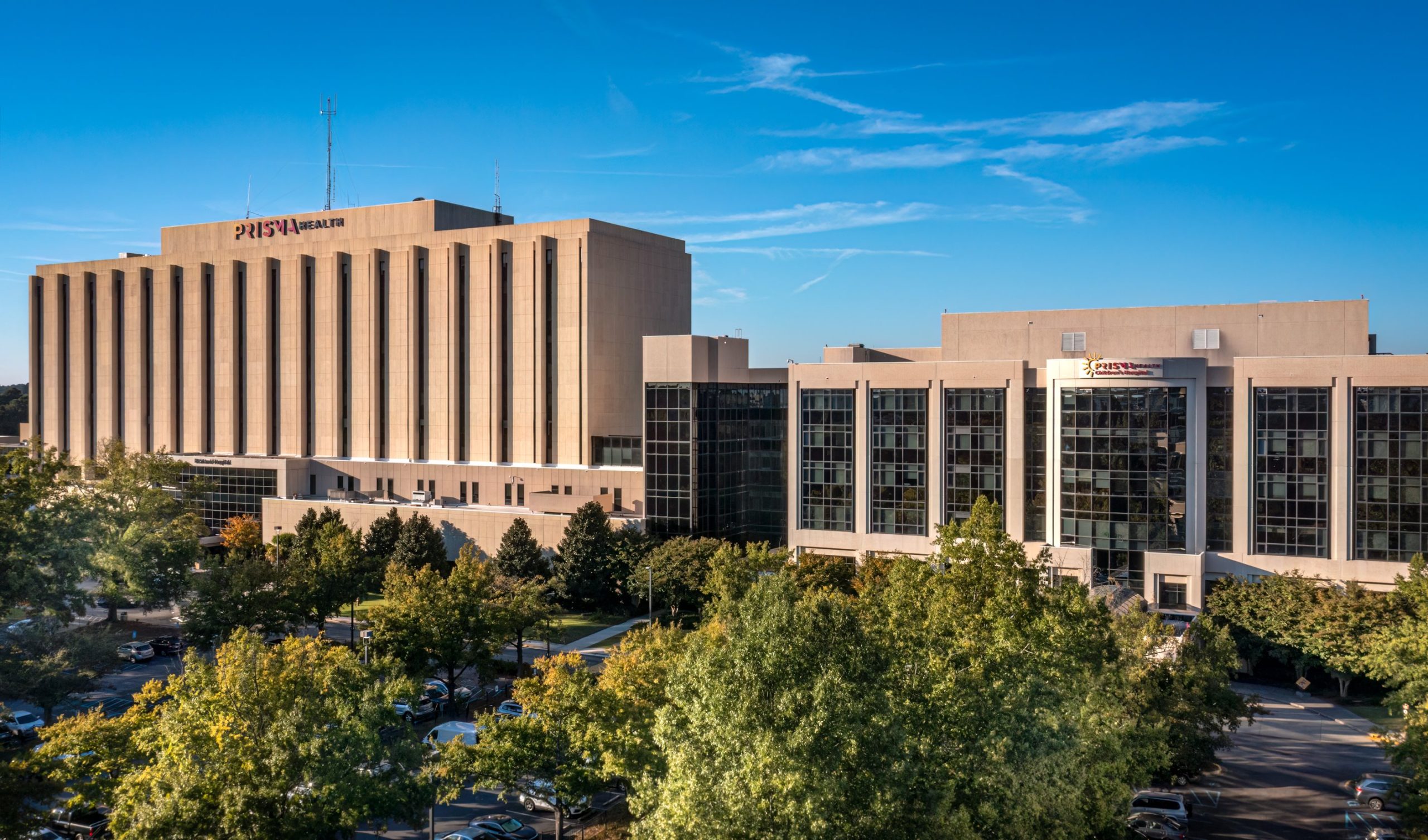
Prisma Health Richland Hospital
Downtown Columbia / 37+ active studies
Cancer, blood disorders, broad hospital research
The flagship Prisma Health hospital in the Midlands. Also, by far the biggest trial operation in the Columbia metro.
Visit Website →
University of South Carolina
Columbia / 27+ active studies
Stroke recovery, physical activity, community health
Notably, a research university that runs federally funded health studies across the Midlands. Specifically, topics range from stroke rehab to disease prevention.
Visit Website →
Bogan Sleep Consultants
Columbia / 7+ active studies
Narcolepsy, sleep disorders
One of the best known private sleep research sites in the Southeast. Also, it has run sleep trials for decades.
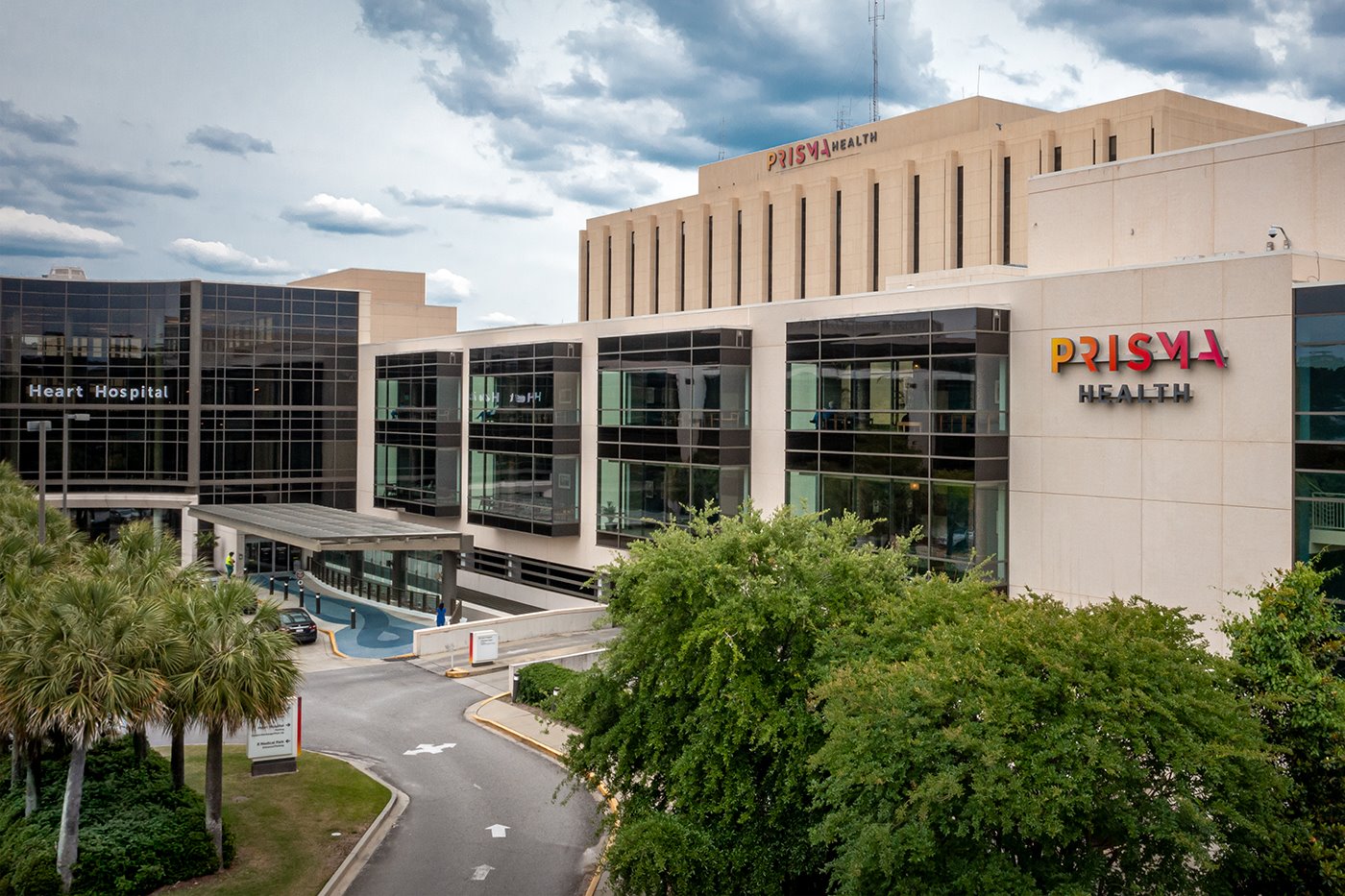
Prisma Health Midlands Cardiovascular
Columbia / 4+ active studies
Cardiovascular disease, heart failure
The heart and vessel research arm of Prisma Health in the Midlands. So it is the natural home for cholesterol trials in Columbia.
Visit Website →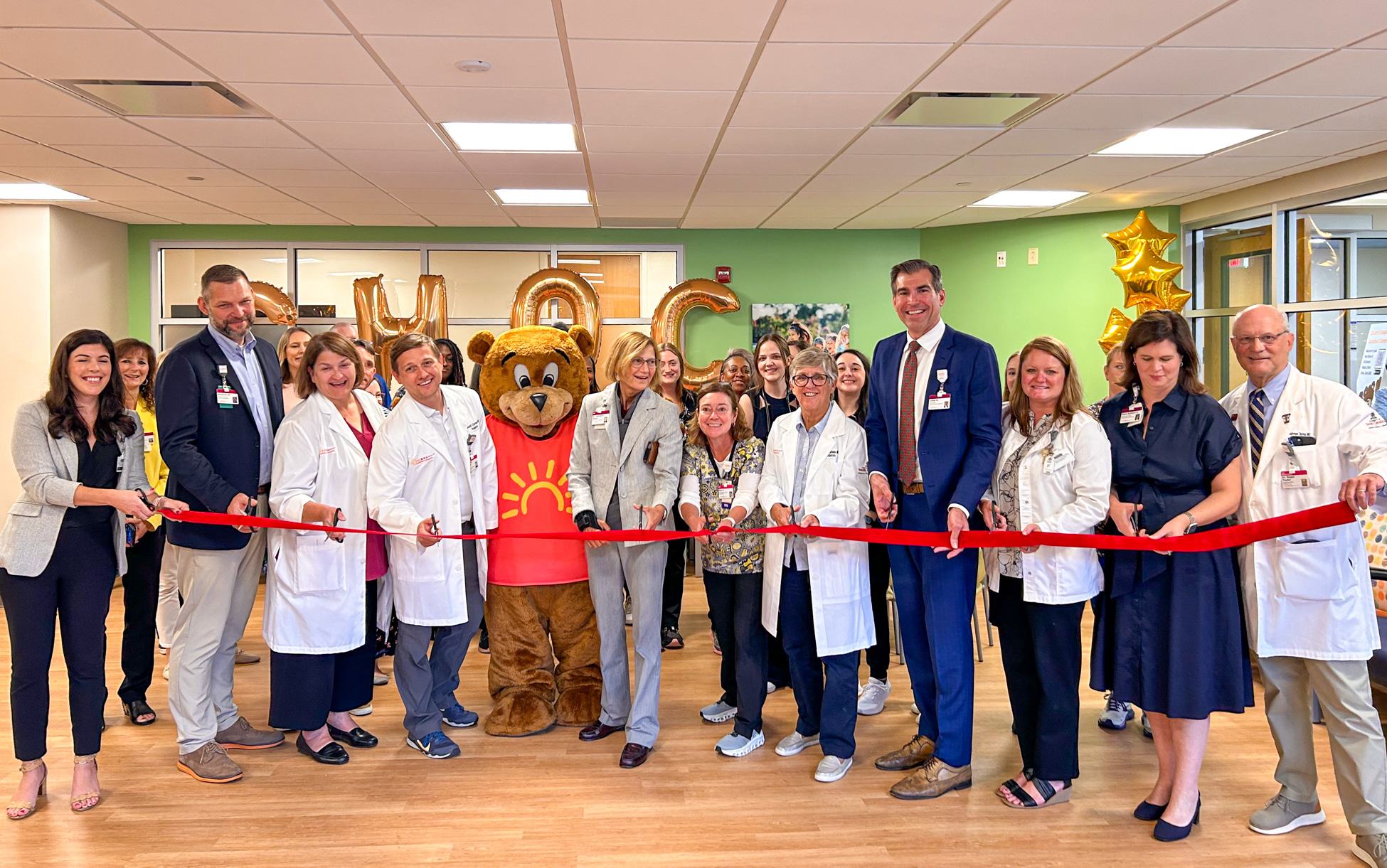
Prisma Health Children’s Hospital, Midlands
Columbia / 4+ active studies
Pediatric growth, cystic fibrosis
Basically, the Midlands hub for children’s research inside the Prisma Health system.
Visit Website →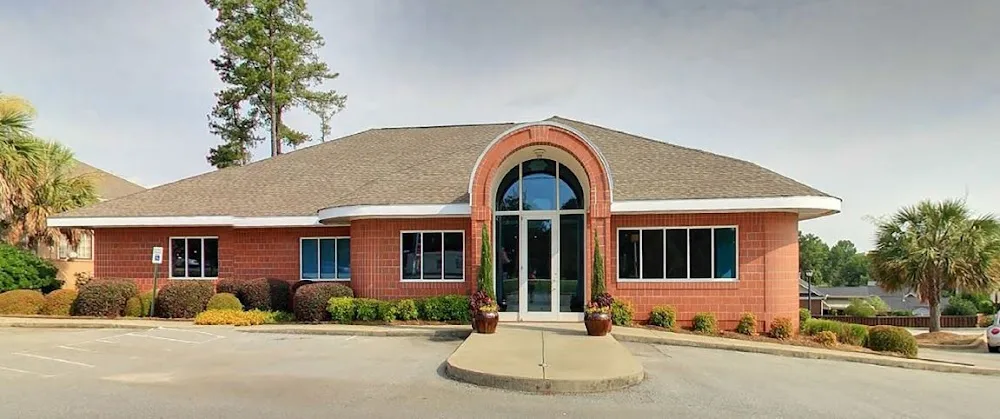
Columbia Dermatology & Aesthetics
Columbia / 4+ active studies
Hidradenitis suppurativa, psoriasis, obesity
A skin care practice with its own research team. It runs both skin and weight studies.
Velocity Clinical Research, Columbia
Columbia / Multiple active studies
COPD, skin conditions, vaccines
Part of one of the biggest research site networks in the country. Besides, it is just the kind of site the huge outcome trials lean on.
Visit Website →
Wm. Jennings Bryan Dorn VA Medical Center
Garners Ferry Road, Columbia / 2+ active studies
Atherosclerosis, liver disease
Columbia’s VA medical center runs studies, including ones on clogged arteries. For veterans, it is often the first door.
Visit Website →
Objective Health, Columbia
Columbia / 2+ active studies
Celiac disease, fatty liver disease
Once called Columbia Digestive Health Research. Now it is part of the Objective Health network. Specifically, it runs gut and liver studies, including fatty liver trials.

Columbia Gastroenterology Associates
Columbia / Active studies
Digestive conditions
A long-running gut health practice. Also, it takes part in digestive trials around Columbia.
What to Expect in a Lung Pressure Study
New to studies? Here is how one works, step by step.
01
Prescreening
First comes a short phone call or online form. Also, it takes about 10 to 15 minutes. The staff check whether you might fit. Then they tell you what is open.
02
Screening Visit
Next the clinic runs the tests that decide it, which usually means blood work. Also, they go through the consent form line by line, and you can bring somebody with you.
03
Treatment Period
Then the study begins. So you take the study drug or the placebo on the agreed schedule. Meanwhile, your own doctor keeps managing everything else.
04
Follow-Up
Finally, there is a check in period at the end. Also, your own doctor gets the results, and you can stop at any point without affecting your care.
Pulmonary Hypertension Trial FAQs
Real answers about pulmonary hypertension studies near Columbia SC.
Is there a pulmonary hypertension study near Columbia?
Not inside the metro, no. We checked three separate ways rather than trusting one search. However, four studies sit within a drive, and the two treatment studies are about two hours down I-26. Also, two of them give everybody the real treatment with no dummy at all.
Why does it take so long to get diagnosed?
Because the first symptom is breathlessness, and almost everything causes that. So it gets treated as asthma, or weight, or anxiety, or plain heart failure for months or years. The average delay from first symptom to diagnosis is more than two years. In fact, one study on this page exists to attack exactly that, by having software read an ordinary heart tracing.
What actually is pulmonary hypertension?
The pressure in the arteries between your heart and your lungs is too high. So the right side of your heart has to push much harder than it was built to. Over time that side thickens, then stretches, then starts to fail. Also, the symptoms you feel come mostly from that heart strain rather than from the lungs themselves.
Are there really different kinds?
Yes, and the kind you have decides which studies you can join. One kind starts in the small lung arteries themselves. Another comes from scarred lung disease. Another comes from old clots that never cleared, and another comes from left sided heart disease. So ask your specialist which group you are in before you call any clinic.
How is it confirmed?
A heart ultrasound raises the suspicion, but a right heart catheter is what confirms it. That means a thin tube threaded through a vein into the right side of your heart to measure the pressure directly. So it is the one test that settles it. Meanwhile, most studies here require that number, which is why you need a specialist first.
What is the study with the balloon implant?
A small balloon device is placed in the lung artery and it expands and shrinks with every heartbeat, which softens the pressure surge so the right side of the heart works less. Everybody enrolled gets the implant, because there is no dummy operation. However, be clear that this is an early study of 30 people, aimed at safety rather than at proving benefit.
Is there a placebo in any of these?
Only in a limited sense, and not the way people fear. The two treatment studies give the real thing to everyone. The tracking study gives nothing to anyone, because it only observes. In the software study what gets randomised is whether your doctor sees the computer answer, not your treatment.
Does it cost anything to be on the list?
No. There is no cost, and no insurance is needed. Tether is a nonprofit list, so we do not run studies and we are not paid to send you anywhere. Also, being on the list never enrolls you in anything. You would always call the clinic yourself.
How long until something opens closer?
We will not guess at a date. However, this is a small field where new studies appear steadily, and sites get added months after a study first opens. Also, several new drug classes are moving toward larger trials that will need many more sites. So a list is worth more here than in almost any other condition we cover.
Where can I get lung pressure care near Columbia SC?
Prisma Health runs heart and lung clinics across the Midlands, and MUSC at Charleston is the main centre in the state for this. Also, ask for a lung pressure specialist by name rather than general lung care, because this one needs a centre. Your own doctor can refer you there. Meanwhile, if you have fainted, or your ankles are swelling, treat that as urgent rather than routine.
Ready to Explore a Study?
Get on the list, or just reach out to our Columbia team. No pressure. Also, no sales pitch.
← Back to All Clinical TrialsSources
- MOMENTOUS AI screening study, ClinicalTrials.gov NCT06911632
- DeciPHer-ILD registry, ClinicalTrials.gov NCT06388421
- ASPIRE PH device feasibility study, ClinicalTrials.gov NCT04555161
- LIQ861 inhaled treprostinil study, ClinicalTrials.gov NCT06129240
- American College of Cardiology: pulmonary hypertension, with comment from Bradley Maron, MD and Estefania Oliveros, MD
- University of Pittsburgh: experts urge vigilance, with comment from Stephen Chan, MD, PhD
Study details and per-site recruiting status verified against ClinicalTrials.gov on August 15, 2026. On that date no pulmonary hypertension study was enrolling in either the Charlotte or Columbia metro. Two rollover studies at Charleston are open only to people already enrolled in an earlier trial, so they are not listed. Study availability and criteria change; the research clinic confirms everything before you enroll.