
COLUMBIA, SC
GERD and Gastroparesis Clinical Trials
No reflux or gastroparesis study is enrolling near Columbia SC, and we would rather say so plainly. However, a registry runs in Charlotte about 90 minutes north, and no drug is given in it. Compensation is provided for eligible participants once one opens here.
0
Open in the Midlands
1
About 90 Minutes North
+/- $100
Per Visit
New here? Read how this page works
First, here is the honest picture. Nothing is open in the Midlands, and the nearest is a registry about 90 minutes north. So here is how to use this page.
- Work out which of the two you actually have. Because reflux is a valve problem and gastroparesis is a muscle and nerve problem, and they never share a study.
- Ask how long your emptying test ran. Notably, it needs three hours and preferably four, and a two hour scan misses a large share of cases.
- Ask whether your reflux is the damaged or the undamaged kind. In fact, the undamaged kind is the commoner one and it responds less well to standard tablets.
- Finally, tap the button. Then we keep your details on file and call you when a study opens near you.
Of course, checking never signs you up for anything. You are only seeing where you might fit.
The Nearest Study to Columbia
It runs in Charlotte, about 90 minutes north. Notably, it is a registry rather than a drug study, so no treatment is given.
The nearest study, about 90 minutes north
Nothing runs in the Midlands. Also, this one is a registry rather than a drug study, so nothing is given and nothing is assigned.

A Registry, Not a Drug Trial
Johns Hopkins with Wake Forest and Atrium Health / Observational
No drug is given here, and nothing is assigned. Instead researchers follow people with slow stomach emptying and with functional dyspepsia. The aim is working out how those two actually differ, because treatment has stalled partly because nobody agrees where the line sits. Notably, it takes people whose emptying test came back normal as well. So a normal scan does not shut you out of this one.
Payment is not published.
Get on the list →More details
Why researchers are excited: almost nothing is approved for this, and part of the reason is that the condition itself is poorly defined. Meanwhile, a registry is how that gets fixed.
Who this study is looking for
- Age 18 to 85
- Also, symptoms for at least 12 weeks, such as sickness, early fullness or upper belly pain
- Besides that, A four hour emptying test completed in the last 9 months
- Finally, A clear camera test or upper x-ray in the last 5 years
Probably not a fit if: strong painkillers more than three days a week rule you out. Also, past stomach surgery of almost any kind, including a bypass or a sleeve. Notably, a blockage, inflammatory bowel disease or eosinophilic esophagitis excludes you too.
- Placebo group: None at all. Nothing is given and nothing is assigned, because researchers only watch and measure.
- How long: The main measure comes at 48 weeks. Meanwhile, the registry itself runs to 2027.
- Clinic visits: Not published on the public record.
- Phone calls: Not published on the public record.
- Most invasive part: A four hour emptying test and a drink test. Also, questionnaires. However, no study drug is given.
- Setting: Outpatient.
- Where it runs: Wake Forest University and Atrium Health Carolinas Medical Center, Charlotte NC 28202.
- Drive from Columbia: Charlotte is about 93 miles north, so roughly an hour and a half on I-77.
- The four hour test is the gate. A two hour scan will not qualify you. So ask for the full length version.
- Full study record: View on ClinicalTrials.gov →
Not sure which one fits you?
First, answer a few quick health questions. Then we keep them on file. Finally, we call you when a study opens near Columbia. No account, no paperwork.
See if I may fit one of these studies →What Is Actually Happening in Reflux and Gastroparesis
Two different diseases, one finished pipeline, and a drug most people have never been offered.
These Are Two Different Diseases
Reflux is a valve problem, where acid comes back up into the gullet. The other is a muscle and nerve problem, where the stomach empties too slowly. So they need different tests and different drugs. In fact, no study recruits for both, which is why they are separated everywhere below.
Reflux Splits Into Two Groups, and Most People Are in the Second
About a third of people have visible damage to the gullet on a camera test. The rest have normal looking tissue but the same symptoms. However, that second group is not the milder one. Notably, they often respond less well to acid blocking drugs, which is the opposite of what people expect.
Most People Take Their Reflux Tablet Wrong
The usual tablet works best taken 30 to 60 minutes before a meal. Also, it takes three to five days to reach full effect, so one dose proves nothing. Finally, do not stop it abruptly, because acid can rebound higher than before. So taper it instead, and give any trial of it a proper week.
The Long Term Safety Scare Did Not Hold Up
Many people came off these tablets after reading alarming headlines. However, the best evidence is a trial of over 17,000 people followed for three years. It found no real harm except a small rise in gut infections. Meanwhile, the studies behind the headlines were the weaker kind, which cannot tell the drug apart from the illness.
Vonoprazan Is the Newer Option Most People Have Not Been Offered
It blocks acid by a different route, so it works faster and does not depend on meal timing. It was approved for reflux with visible damage in November 2023, then for reflux without damage in July 2024. As Colin Howden put it, millions of people with the second kind still suffer despite current options. So it is worth asking about by name.
The Slow Stomach Kind Has Almost Nothing Approved
As Michael Camilleri of the Mayo Clinic put it, only one drug is approved for it in the United States. That drug carries a serious warning about a movement problem. Another that works well is not approved here at all. So diet advice really is first line rather than a brush off.
The Test Has to Run Four Hours
The standard test measures how much of a meal is left in your stomach over time. Camilleri is clear that the scan needs at least three hours, and four is better. However, many clinics still stop at two, and a short scan misses a large share of cases. So ask how long yours will run before you book it.
Rule Out a Blockage First
Slow emptying and a physical blockage look the same from the outside. So a camera test comes before the emptying test, every time. Also, there is a breath test version with no x-rays, if that matters to you. Generally, your own doctor can order both.
Why So Little Is Open Near You
This one is about timing rather than about the Carolinas. The reflux pipeline gave us its drug and closed, because it was approved in three separate rounds. Meanwhile, the last drug study at Atrium Health finished in May 2026, only months ago. However, a registry is still running there, and a registry is how a poorly defined condition eventually gets proper treatments.
Reflux and Gastroparesis Help Near You
Ask whether your emptying test ran a full four hours, because a short one can miss it entirely. Ask whether you have the damaged or the undamaged kind of reflux, because it changes what works. Also, ask about vonoprazan by name if standard tablets have failed you. Meanwhile, join the list and we will call you when a study opens here.
Research Sites Near Columbia
Nothing runs in the Midlands for these conditions today, while the nearest is a registry in Charlotte. But sites add new studies all the time, so it is worth knowing what is near you.
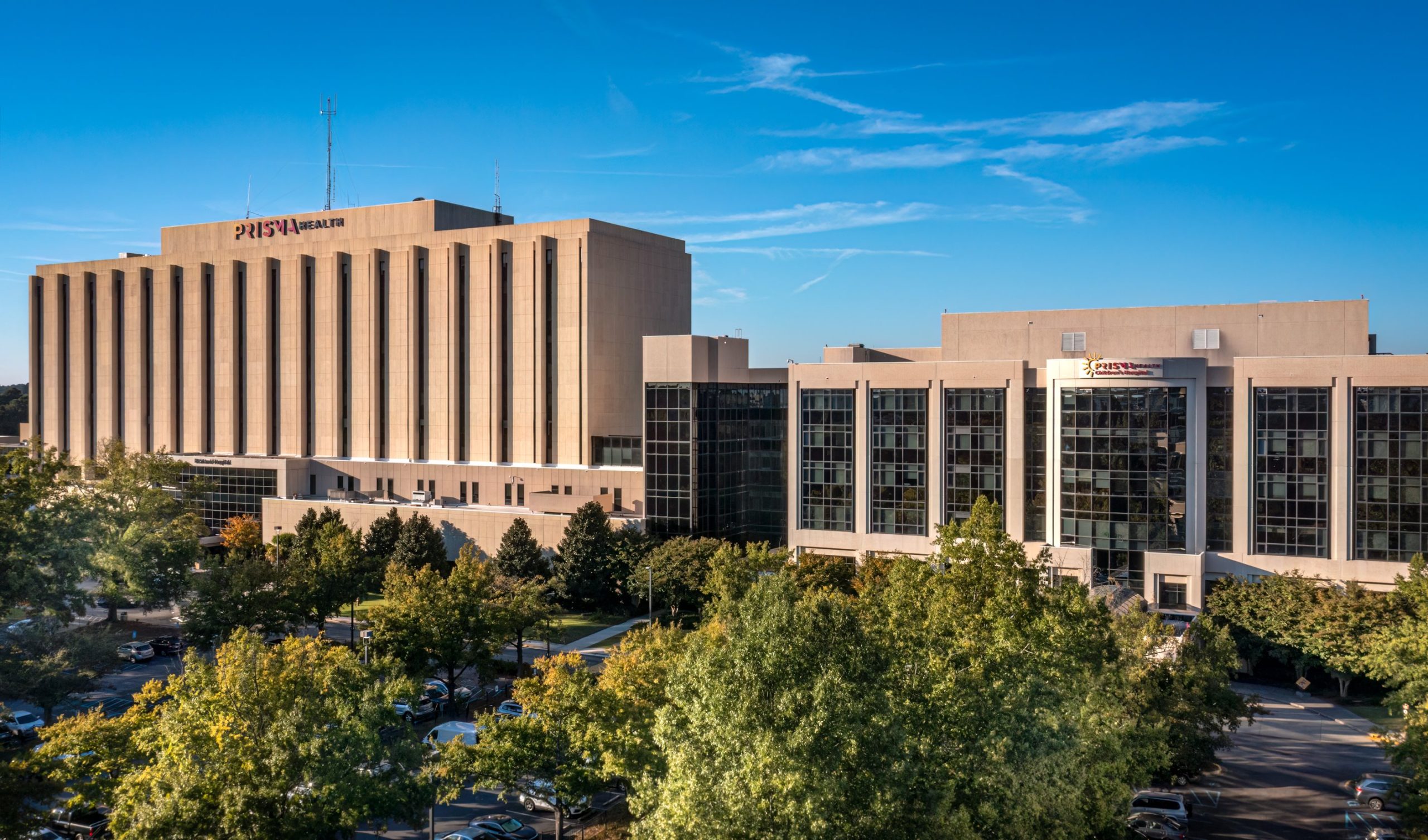
Prisma Health Richland Hospital
Downtown Columbia / 37+ active studies
Cancer, blood disorders, broad hospital research
The flagship Prisma Health hospital in the Midlands. Also, by far the biggest trial operation in the Columbia metro.
Visit Website →
University of South Carolina
Columbia / 27+ active studies
Stroke recovery, physical activity, community health
Notably, a research university that runs federally funded health studies across the Midlands. Specifically, topics range from stroke rehab to disease prevention.
Visit Website →
Bogan Sleep Consultants
Columbia / 7+ active studies
Narcolepsy, sleep disorders
One of the best known private sleep research sites in the Southeast. Also, it has run sleep trials for decades.
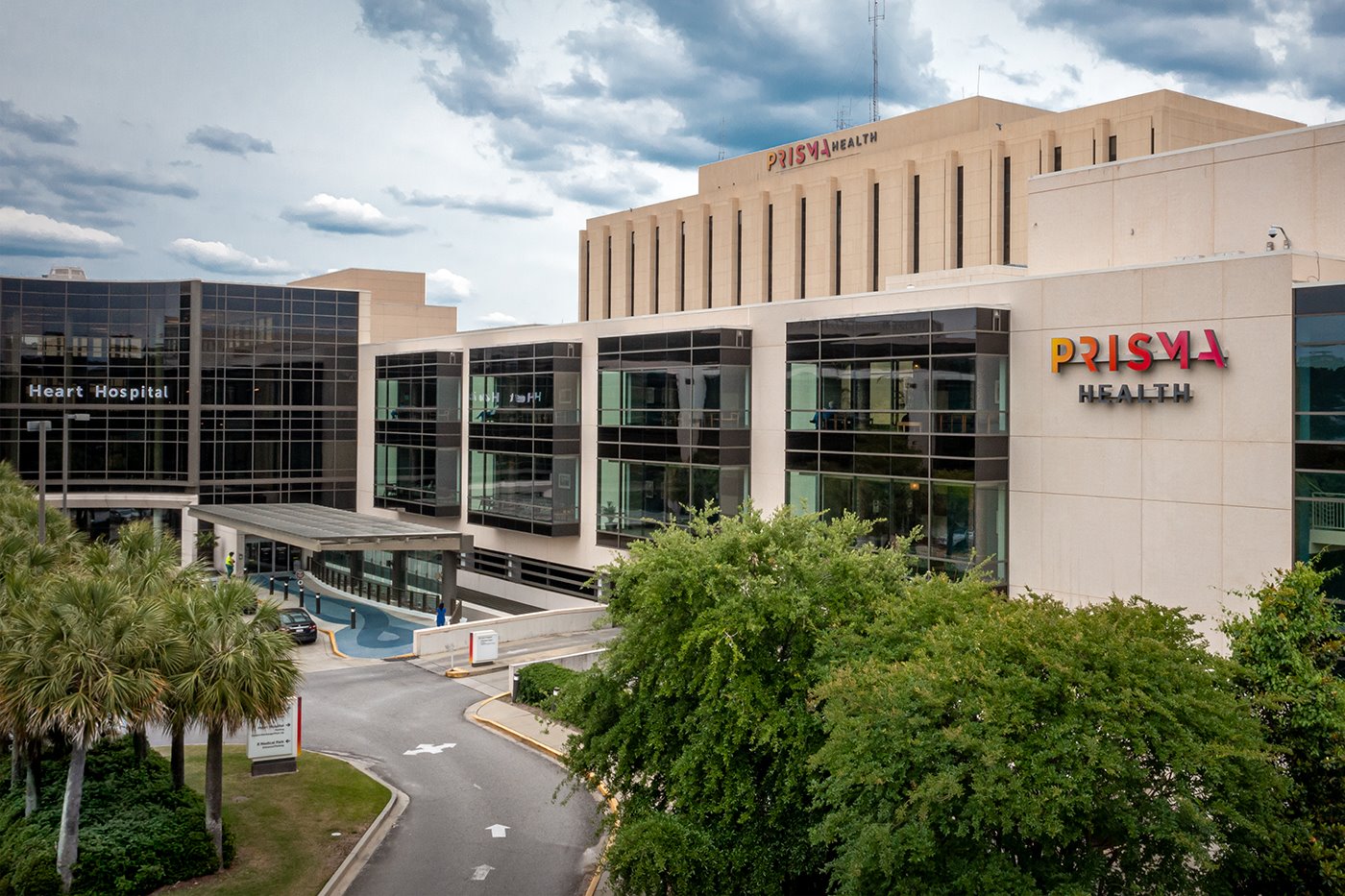
Prisma Health Midlands Cardiovascular
Columbia / 4+ active studies
Cardiovascular disease, heart failure
The heart and vessel research arm of Prisma Health in the Midlands. So it is the natural home for cholesterol trials in Columbia.
Visit Website →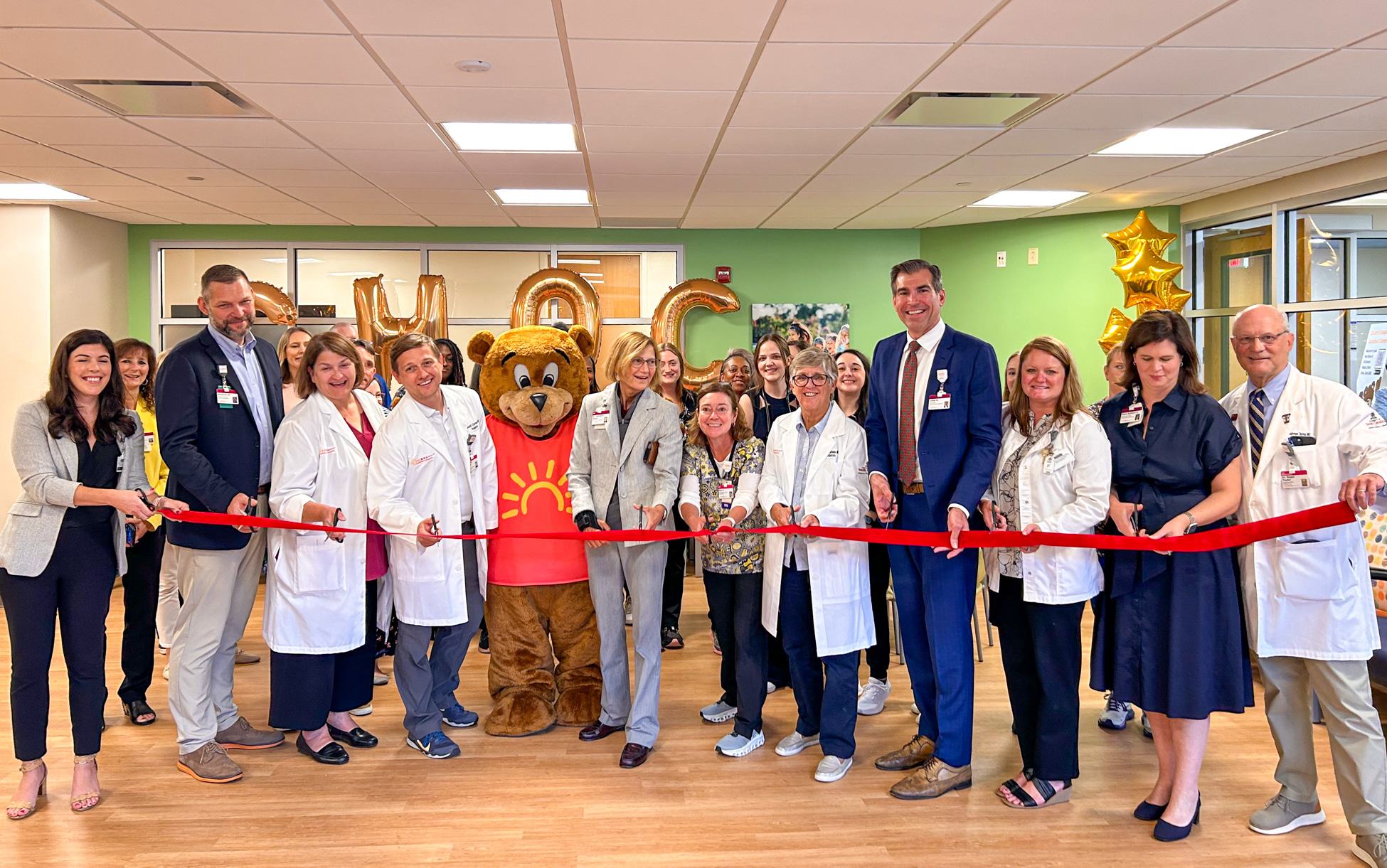
Prisma Health Children’s Hospital, Midlands
Columbia / 4+ active studies
Pediatric growth, cystic fibrosis
Basically, the Midlands hub for children’s research inside the Prisma Health system.
Visit Website →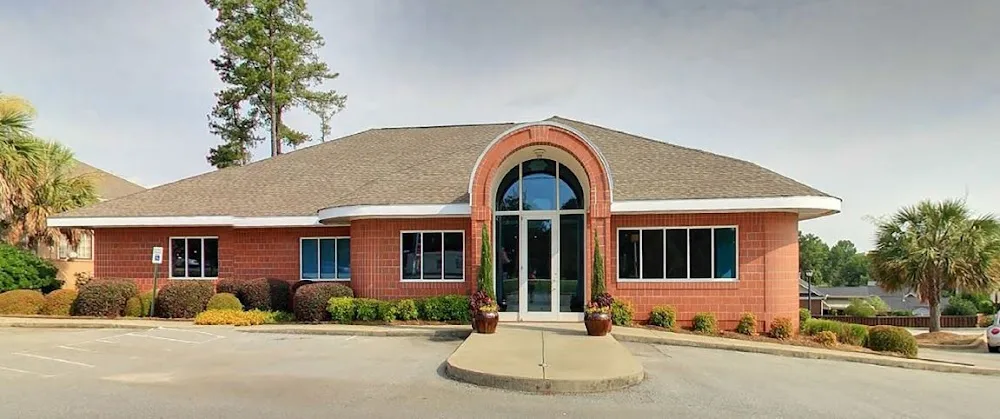
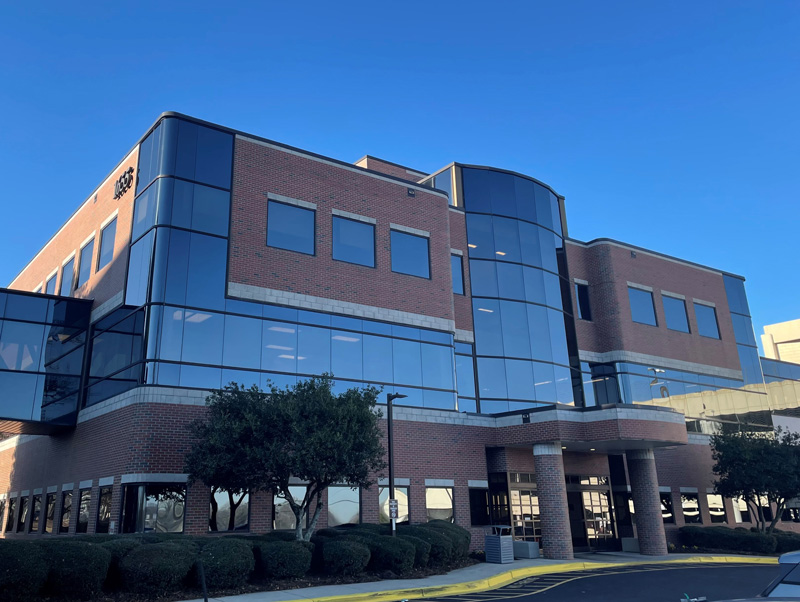
Columbia Dermatology & Aesthetics
Columbia / 4+ active studies
Hidradenitis suppurativa, psoriasis, obesity
A skin care practice with its own research team. It runs both skin and weight studies.
Velocity Clinical Research, Columbia
Columbia / Multiple active studies
COPD, skin conditions, vaccines
Part of one of the biggest research site networks in the country. Besides, it is just the kind of site the huge outcome trials lean on.
Visit Website →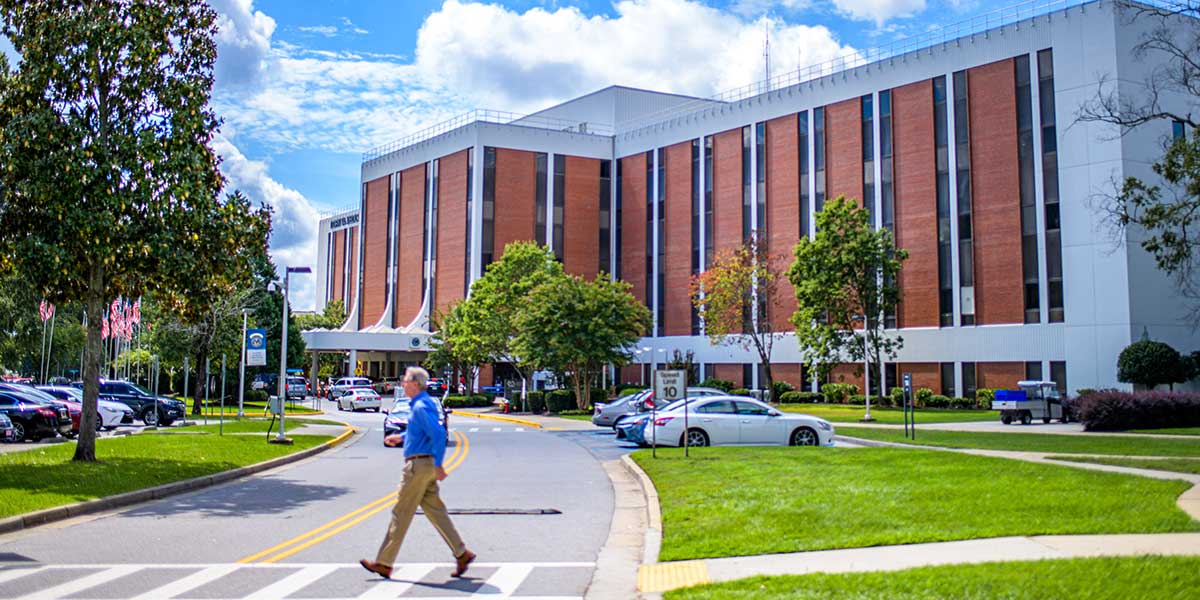
Wm. Jennings Bryan Dorn VA Medical Center
Garners Ferry Road, Columbia / 2+ active studies
Atherosclerosis, liver disease
Columbia’s VA medical center runs studies, including ones on clogged arteries. For veterans, it is often the first door.
Visit Website →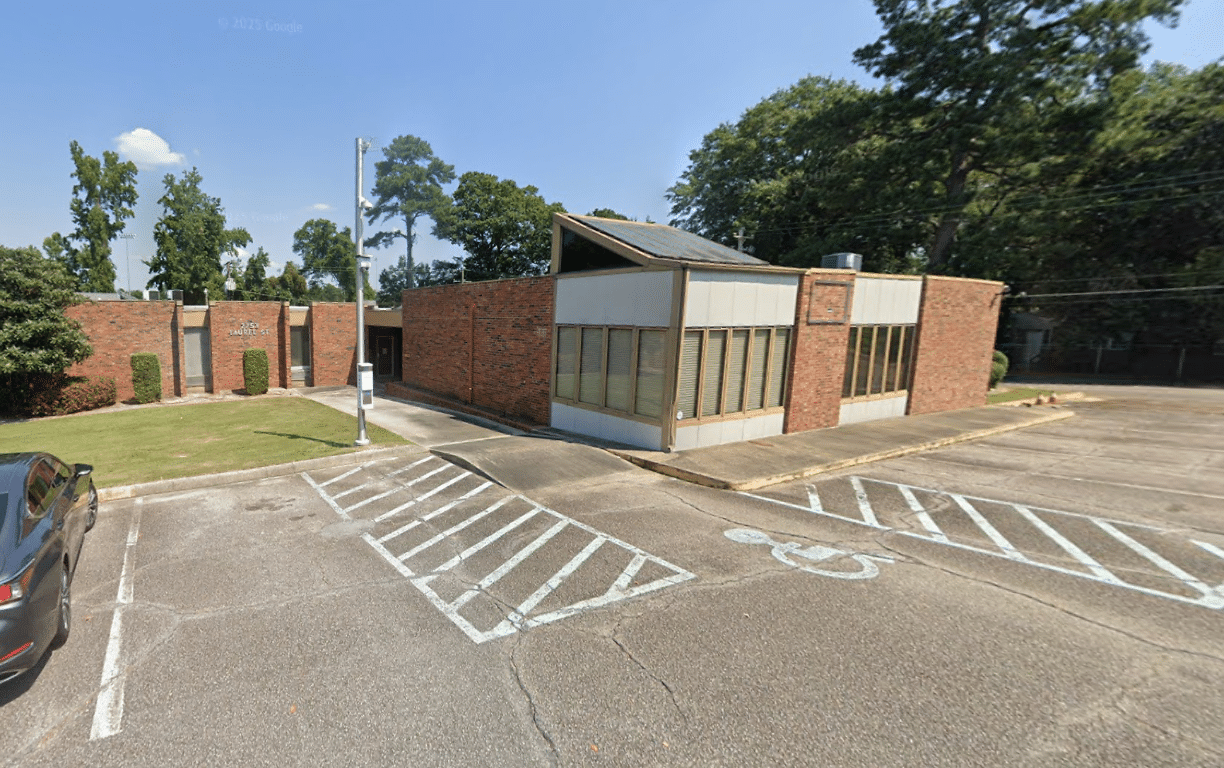
Objective Health, Columbia
Columbia / 2+ active studies
Celiac disease, fatty liver disease
Once called Columbia Digestive Health Research. Now it is part of the Objective Health network. Specifically, it runs gut and liver studies, including fatty liver trials.
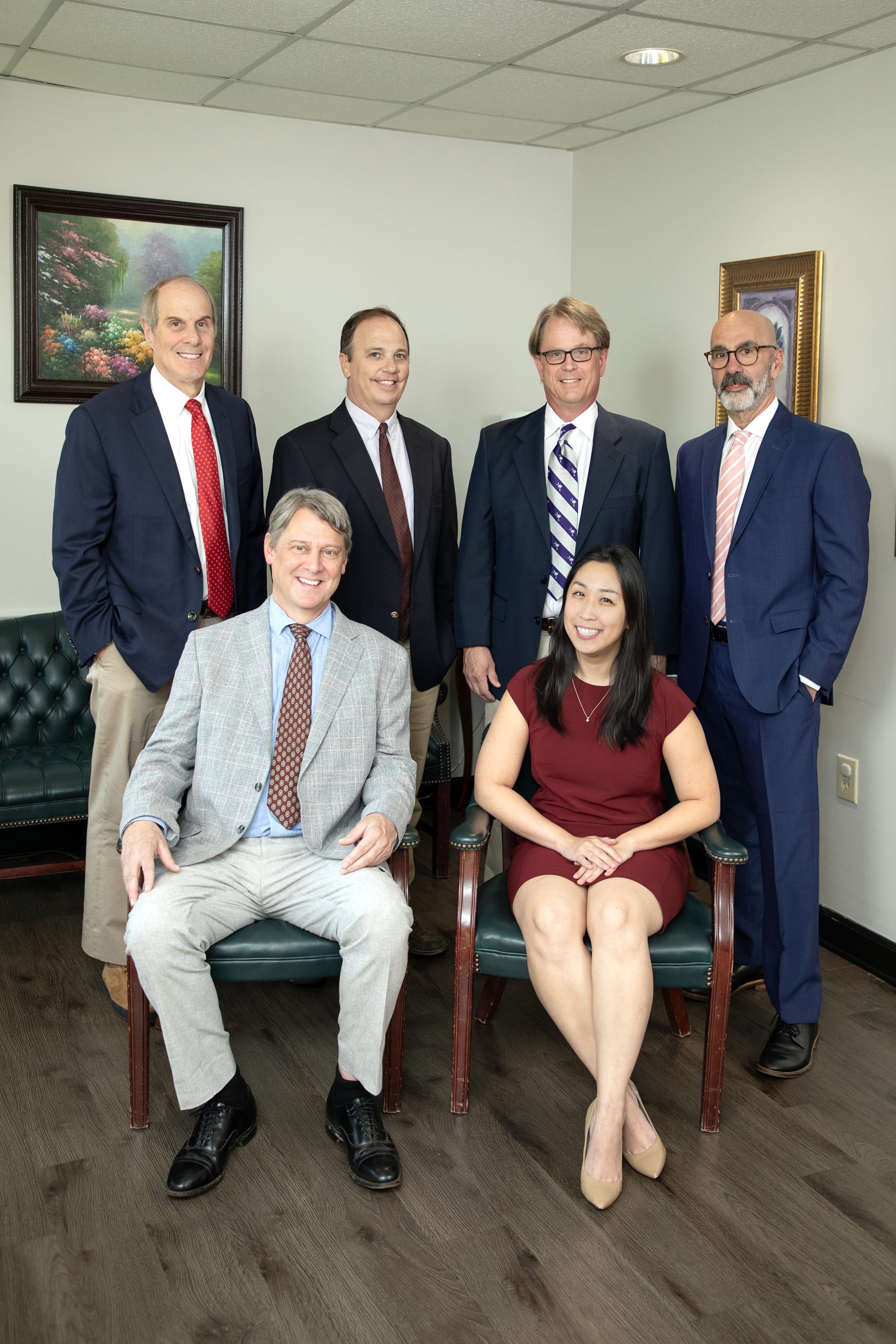
Columbia Gastroenterology Associates
Columbia / Active studies
Digestive conditions
A long-running gut health practice. Also, it takes part in digestive trials around Columbia.
What to Expect in a Digestive Study
New to studies? Here is how one works, step by step.
01
Prescreening
First comes a short phone call or online form. Also, it takes about 10 to 15 minutes. The staff check whether you might fit. Then they tell you what is open.
02
Screening Visit
Next the clinic runs the tests that decide it, which usually means blood work. Also, they go through the consent form line by line, and you can bring somebody with you.
03
Treatment Period
Then the study begins. So you take the study drug or the placebo on the agreed schedule. Meanwhile, your own doctor keeps managing everything else.
04
Follow-Up
Finally, there is a check in period at the end. Also, your own doctor gets the results, and you can stop at any point without affecting your care.
Reflux and Gastroparesis Trial FAQs
Real answers about reflux and gastroparesis studies near Columbia SC.
Is there a study for this near Columbia?
No, and we will not pretend otherwise. Nothing is recruiting in Columbia, West Columbia, Lexington, Irmo, Cayce, Sumter or Orangeburg. However, a registry runs in Charlotte about 90 miles north, and no drug is given in it at all. Notably, it needs a four hour emptying test done within the last nine months, so ask for that first.
Why is nothing open right now?
Because the reflux pipeline delivered and then closed. A newer drug called vonoprazan was approved across three separate rounds between 2022 and 2024, so those studies finished. Meanwhile, the gastroparesis study that ran at Atrium Health completed in May 2026, only months ago. So this is a window that has just shut rather than a place research never came.
Am I taking my reflux tablet correctly?
Probably not, and this is worth checking first. It works best taken 30 to 60 minutes before a meal, rather than with food or at bedtime. Also, it needs three to five days to reach full effect, so judging it on one dose proves nothing. Notably, do not stop it abruptly, because acid can rebound higher than before.
Are these tablets dangerous long term?
The scare did not hold up well under the strongest evidence. A randomised trial of more than 17,000 people followed for three years found no significant harm, apart from a small rise in gut infections. However, the frightening headlines came from weaker studies that cannot separate the drug from the illness. So it is a real question, but not the settled danger it was reported as.
What is vonoprazan?
It is a newer drug that blocks acid by a different route. So it works faster and does not depend on meal timing the way older tablets do. It was approved for reflux with visible damage in November 2023, and without damage in July 2024. Notably, many people have never been offered it, so it is worth asking about by name.
Why does my emptying test need four hours?
Because a shorter scan misses a large share of cases. Michael Camilleri of the Mayo Clinic is specific that imaging needs at least three hours and preferably four. However, plenty of clinics still stop at two. So ask how long yours will run before you book it, and ask for the four hour version.
What treatments exist for gastroparesis?
Very little, and that is the honest answer. Only one drug is approved in the United States, and it carries a serious warning about a movement disorder. Another that works well is not approved here at all. So diet changes really are first line rather than a brush off, and smaller more frequent meals genuinely help.
Does it cost anything to join the list?
No. There is no cost, and no insurance is needed. Tether is a nonprofit list, so we do not run studies and we are not paid to send you anywhere. Also, being on the list never enrolls anyone in anything. You would always call the clinic yourself.
Where can I get help near Columbia SC?
Prisma Health and Lexington Medical Center both run digestive services across the Midlands. Also, ask for a gastroenterologist, and ask specifically for a four hour emptying test if slow emptying is suspected. Generally, your own doctor can arrange the first steps. Meanwhile, if standard tablets have failed you, ask about vonoprazan by name.
Ready to Explore a Study?
Check your eligibility, or just reach out to our Columbia team. No pressure. Also, no sales pitch.
← Back to All Clinical TrialsSources
- A newer drug approved for reflux with damage, with comment from Colin Howden, MD
- The same drug approved for reflux with no damage, July 2024
- Notes on the care guideline, with comment from Michael Camilleri, MD
- Moayyedi and colleagues: a three year safety trial of acid blocking tablets
- Updated guidance, with comment from Michael Camilleri, MD
Study details and per-site recruiting status verified against ClinicalTrials.gov on August 16, 2026. Nine drug studies with a site in this region were checked individually by study number and all nine had completed, the most recent on May 7, 2026. The registry listed here did not appear in our first sweep, because that sweep looked for drug trials only; it was found by checking the live register again, which is why we re-check before publishing a zero. Study availability and criteria change; the research clinic confirms everything before you enroll.