
COLUMBIA, SC
Hemophilia and Bleeding Disorder Clinical Trials
No hemophilia study is enrolling in Columbia SC, and the one nearby has no South Carolina site at all. However, it runs in Charlotte, about 90 minutes north, and it changes nothing about your treatment. Compensation is provided for eligible participants.
0
In Columbia
1
In Charlotte
+/- $100
Per Visit
New here? Read how this page works
First, nothing is open here, and the nearest study has no South Carolina site at all. So here is how to use this page anyway.
- Check which group you would join. Because the study lists many blood conditions, but only the hemophilia and platelet disorder groups are open.
- Know your factor level. Notably, women and girls who carry the gene and have low levels are explicitly included.
- Ask your treatment centre first. In fact, almost all bleeding disorder research runs through these specialist centres rather than general clinics.
- Finally, tap the button. Then we check you against everything we track and call you when a new one opens.
Of course, checking never signs you up for anything. You are only seeing where you might fit.
The Nearest Hemophilia Study to Columbia
There is one within reach, and it is a long term registry rather than a drug trial. So nothing you take changes.
The nearest one, and it is in Charlotte
Nothing is given and nothing changes. However, this study has no South Carolina site at all, so Charlotte is the closest door.

Following the New Drugs for Fifteen Years
A national research network / Observational
Nothing is given and nothing changes. Researchers record what happens to people on the treatment they already chose, for at least 15 years.
Payment is not published. However, the visits line up with checks you already attend.
Get on the list →More details
Why researchers are excited: four new drugs for this arrived between 2022 and 2025, each on a study of a year or two. So nobody knows what they do over decades.
Who this study is looking for
- Any age, including women and girls who carry the gene with low factor levels
- Also, hemophilia A or B of any severity, with or without inhibitors
- Besides that, or acquired hemophilia, or a platelet disorder you were born with
- Finally, you also join a second registry, so you sign two forms
Probably not a fit if: you do not fit one of the groups now open. Notably, that is hidden from the title, because sickle cell and von Willebrand are listed but their groups are shut.
- Placebo group: None at all. There is no randomising and no study drug, so nothing changes.
- How long: At least 15 years per person, and the study runs to 2035.
- Clinic visits: Clearly published. Enrolment, then every 6 months, then a fuller yearly check, plus any time something happens such as a bleed.
- Phone calls: Not published on the public record.
- Most invasive part: Low. Blood draws that are largely already done, plus forms and a bleed diary. Notably, no transfusions, scans or procedures are added.
- Setting: Outpatient.
- Where it runs: St. Jude Affiliate Clinic at Novant Health Hemby Children’s Hospital, Charlotte NC 28204.
- Drive from Columbia: Charlotte is about 92 miles north, roughly 90 minutes on I-77.
- Read this before you call: the study lists many blood conditions, but only two groups are open. So check which one you would join.
- Full study record: View on ClinicalTrials.gov →
Not sure which one fits you?
First, answer a few quick health questions. Then we keep them on file. Finally, we call you when a study opens near Columbia. No account, no paperwork.
See if I may fit one of these studies →What Is Actually Changing in Hemophilia
The good news is not a trial. It is four approvals in three years.
What Goes Wrong
When you cut yourself, your body runs a chain reaction to build a clot, like a row of dominoes. In hemophilia one of those proteins is missing or does not work. So the problem is not bleeding faster. It is bleeding for longer, and bleeding where you cannot see it. Also, the worst of it is bleeding into joints, because blood inside a knee or ankle destroys it over time.
Women Were Wrongly Told They Were Fine
The gene sits on the X chromosome, so it mostly hits boys and men. However, women and girls who carry it were long told they were fine, and that was simply wrong. Many have low factor levels and really do bleed, especially with heavy periods and childbirth. So the term women and girls with hemophilia has replaced the old word carriers.
Why This Community Reads the Small Print
For most of the last century, treatment meant a drip of the missing protein several times a week for life. Then dirty plasma products gave a large share of this community HIV and hepatitis C in the 1980s. That history is not a footnote. So when a new drug arrives, this community asks harder questions than most, and it is right to.
Four New Drugs in Three Years
The idea was that you can rebalance clotting without replacing the missing protein at all. These go under the skin rather than into a vein, and far less often. One weekly, one daily, one every two months. Critically, three of them work for both hemophilia A and B, and B always had far fewer options.
What the Community Leaders Said
Phil Gattone of the National Bleeding Disorders Foundation called one approval a powerful step forward for more individuals and families. Allison Wheeler of the Washington Center for Bleeding Disorders made the practical point, that people should keep monitoring and discussing bleed control with their team. Meanwhile, Yvonne Greenstreet of Alnylam said their drug cut yearly bleed rates by 90 percent in studies.
Gene Therapy, With Real Caveats
Gene therapy here is a drip, with no chemotherapy and no hospital stay for marrow recovery. However, many people are already immune to the carrier virus and cannot have it. Liver enzymes often rise and need months of steroids, levels vary a lot between people and seem to fall over years, and you generally cannot have it twice. As Len Valentino put it, this is a decision to make with thoughtful consideration alongside your family and medical team.
So Why Is There Only One Study?
Because the exciting news in hemophilia is not trials at all. It is that four good products reached the market. So the question left is what happens to people on them over decades. That is answered by a long registry rather than a drug trial. In fact, that is exactly what the one open study near Charlotte is.
Research Sites Near Columbia
Prisma Health covers bleeding disorder care across the Midlands. But sites add new studies all the time, so it is worth knowing what sits near you.

Prisma Health Richland Hospital
Downtown Columbia / 37+ active studies
Cancer, blood disorders, broad hospital research
The flagship Prisma Health hospital in the Midlands. Also, by far the biggest trial operation in the Columbia metro.
Visit Website →
University of South Carolina
Columbia / 27+ active studies
Stroke recovery, physical activity, community health
Notably, a research university that runs federally funded health studies across the Midlands. Specifically, topics range from stroke rehab to disease prevention.
Visit Website →
Bogan Sleep Consultants
Columbia / 7+ active studies
Narcolepsy, sleep disorders
One of the best known private sleep research sites in the Southeast. Also, it has run sleep trials for decades.
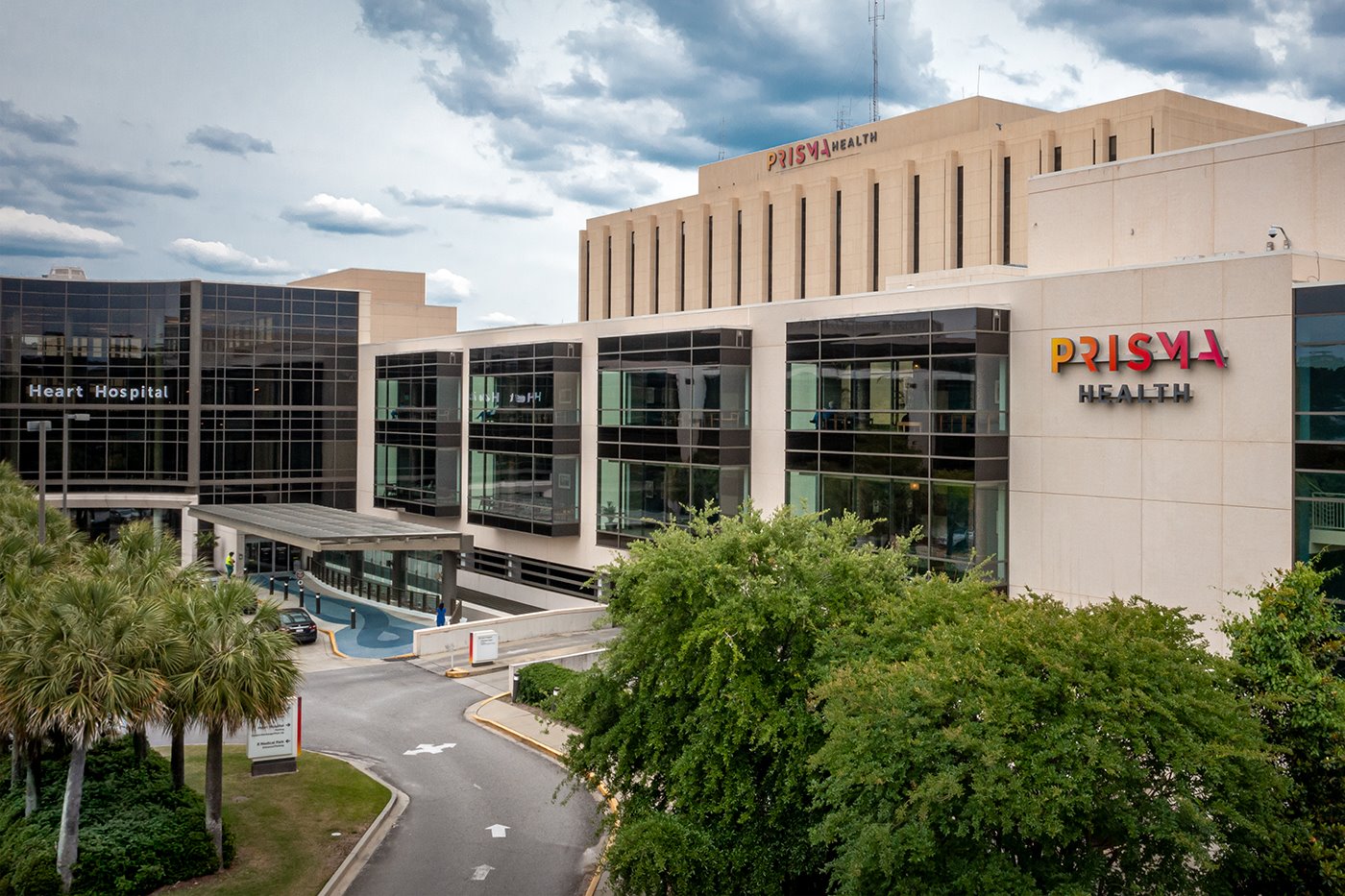
Prisma Health Midlands Cardiovascular
Columbia / 4+ active studies
Cardiovascular disease, heart failure
The heart and vessel research arm of Prisma Health in the Midlands. So it is the natural home for cholesterol trials in Columbia.
Visit Website →
Prisma Health Children’s Hospital, Midlands
Columbia / 4+ active studies
Pediatric growth, cystic fibrosis
Basically, the Midlands hub for children’s research inside the Prisma Health system.
Visit Website →
Columbia Dermatology & Aesthetics
Columbia / 4+ active studies
Hidradenitis suppurativa, psoriasis, obesity
A skin care practice with its own research team. It runs both skin and weight studies.
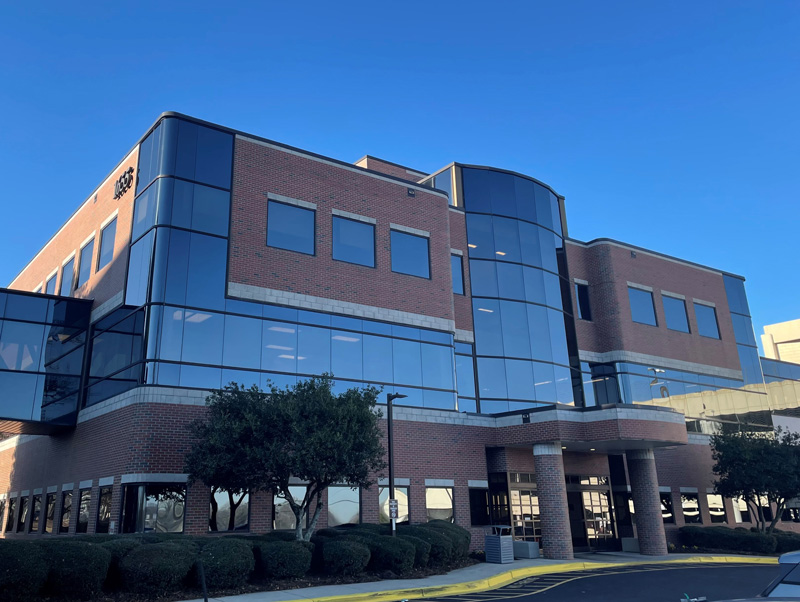
Velocity Clinical Research, Columbia
Columbia / Multiple active studies
COPD, skin conditions, vaccines
Part of one of the biggest research site networks in the country. Besides, it is just the kind of site the huge outcome trials lean on.
Visit Website →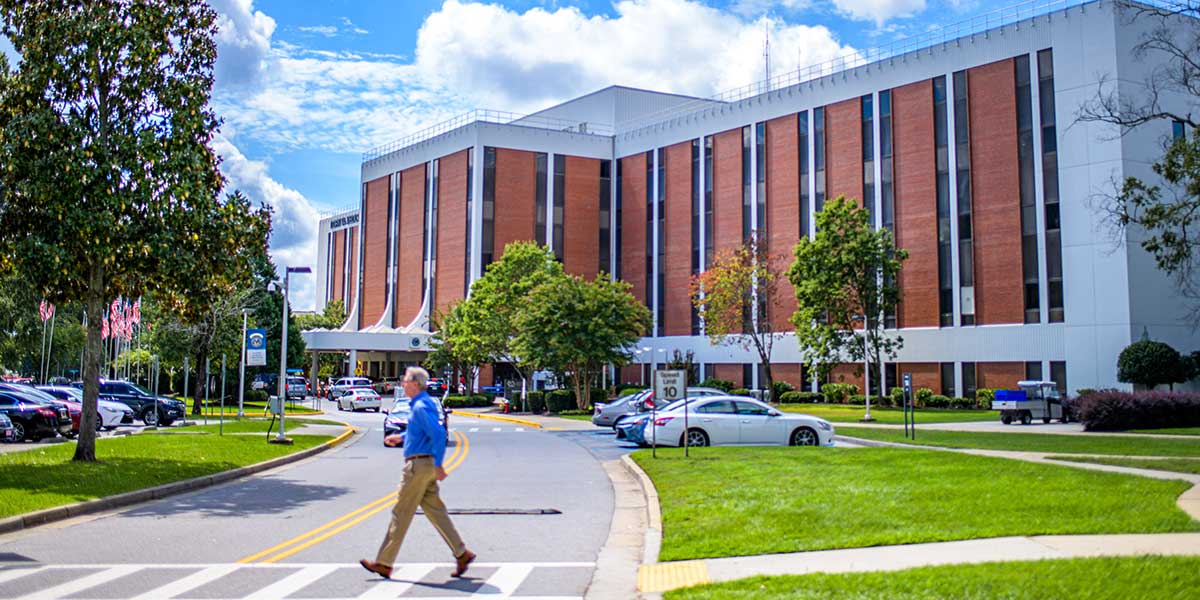
Wm. Jennings Bryan Dorn VA Medical Center
Garners Ferry Road, Columbia / 2+ active studies
Atherosclerosis, liver disease
Columbia’s VA medical center runs studies, including ones on clogged arteries. For veterans, it is often the first door.
Visit Website →
Objective Health, Columbia
Columbia / 2+ active studies
Celiac disease, fatty liver disease
Once called Columbia Digestive Health Research. Now it is part of the Objective Health network. Specifically, it runs gut and liver studies, including fatty liver trials.
Columbia Gastroenterology Associates
Columbia / Active studies
Digestive conditions
A long-running gut health practice. Also, it takes part in digestive trials around Columbia.
What to Expect in a Bleeding Disorder Study
New to studies? Here is how one works, step by step.
01
Prescreening
First comes a short phone call or online form. Also, it takes about 10 to 15 minutes. The staff check whether you might fit. Then they tell you what is open.
02
Screening Visit
Next the clinic runs the tests that decide it, which usually means blood work. Also, they go through the consent form line by line, and you can bring somebody with you.
03
Treatment Period
Then the study begins. So you take the study drug or the placebo on the agreed schedule. Meanwhile, your own doctor keeps managing everything else.
04
Follow-Up
Finally, there is a check in period at the end. Also, your own doctor gets the results, and you can stop at any point without affecting your care.
Hemophilia Trial FAQs
Real answers about hemophilia and bleeding disorder studies near Columbia SC.
Is there a hemophilia study near Columbia?
No, and the nearest study lists no South Carolina site at all. It runs in Charlotte, about 90 minutes north on I-77. It is a long term registry rather than a drug trial, so nothing you take changes and no dummy is involved. Also, it lists many blood conditions but only two groups are open, so check which one you would join.
Why is there only one?
Because the good news here is not trials at all. Four new drugs reached the market between 2022 and 2025, plus gene therapies before them. So the question left is what those drugs do to people over decades, not whether they work in the first year. In fact, that question is answered by a long registry rather than a drug trial, which is exactly what this study is.
What are the new treatments?
They rebalance clotting without replacing the missing protein at all. So they go under the skin rather than into a vein, and far less often. One weekly, one daily, one every two months. Critically, three of them work for both hemophilia A and B. Meanwhile, type B had far fewer options for decades, so that is a real shift.
Is gene therapy worth it?
That is a conversation rather than an answer, and the community’s own leadership says so. As Len Valentino put it, receiving gene therapy is a decision to make with thoughtful consideration alongside your family and medical team. Also, many people are already immune to the carrier virus, liver enzymes often rise and need months of steroids, and levels seem to fall over years.
Can women and girls take part?
Yes, and this matters. The study includes women and girls of any age who carry the gene, at any factor level. That fixes decades in which carriers were told they were fine. So if you bleed heavily and a relative has hemophilia, that is worth raising by name.
I have von Willebrand disease. Can I join?
Probably not right now, and we would rather tell you that than waste your time. The study lists von Willebrand disease among its conditions, but that group has no open arms. There may be an exception for the rare severe form, which the protocol mentions. So call the site and ask specifically before assuming either way.
Is there a placebo?
No. There is no dummy, no randomising and no study drug at all. Nothing about your treatment changes, because the study only records what you and your doctor already chose. Also, the visits line up with the specialist clinic checks you already attend. So it generally adds few or no extra trips.
What is an inhibitor?
It is an antibody your body makes that stops factor treatment working, and it is what families fear most. It usually shows up early, in the first few doses, which is why one part of this study follows children who have barely been treated. So working out why inhibitors form is one of the top goals in the whole field.
Does it cost anything to be on the list?
No. There is no cost, and no insurance is needed. Tether is a nonprofit list, so we do not run studies and we are not paid to send you anywhere. Also, being on the list never enrolls anyone in anything. You would always call the clinic yourself.
Where can I get bleeding disorder care near Columbia SC?
Prisma Health runs specialist care across the Midlands for bleeding disorders. Also, ask to be seen at a hemophilia treatment centre by name, because that is where this care and research sit. Your own doctor can refer you. Meanwhile, if you have heavy periods and a relative with hemophilia, ask for your factor levels to be checked.
Ready to Explore a Study?
Get on the list, or just reach out to our Columbia team. No pressure. Also, no sales pitch.
← Back to All Clinical TrialsSources
- ATHN Transcends natural history cohort study, ClinicalTrials.gov NCT04398628
- National Bleeding Disorders Foundation on the approval of marstacimab, with comment from Phil Gattone, MEd
- National Bleeding Disorders Foundation on the approval of concizumab, with comment from Allison P. Wheeler, MD
- National Bleeding Disorders Foundation on the first hemophilia B gene therapy, with comment from Peter Marks, MD, PhD and Len Valentino, MD
- Business Wire on the approval of fitusiran, with comment from Yvonne Greenstreet, MBChB
Study details and per-site recruiting status verified against ClinicalTrials.gov on August 15, 2026. The study lists several blood conditions whose groups have no open arms, including sickle cell disease and von Willebrand disease, so those are not counted here. Study availability and criteria change; the research clinic confirms everything before you enroll.