
COLUMBIA, SC
Eosinophilic Esophagitis Clinical Trials
No eosinophilic esophagitis study is enrolling near Columbia SC, and we would rather say so plainly. In fact, no study for this condition has ever placed a site in the Midlands. Compensation is provided for eligible participants once one opens here.
0
Open in the Midlands
1
Nearest, at Charleston
+/- $100
Per Visit
New here? Read how this page works
First, here is the honest picture. Nothing is open in the Midlands, and the nearest study takes only very small children. So here is how to use this page.
- Ask how many samples were taken, and from how many levels. Because the inflammation is patchy, and a single sample from one spot can miss it completely.
- Ask for the actual cell count. Notably, 15 or more in a high power field is the usual threshold, and every study gates on that number.
- If you were given swallowed steroids, ask to be shown the technique. In fact, the point is coating the gullet on the way down, and an inhaler used the usual way does very little.
- Finally, tap the button. Then we keep your details on file and call you when a study opens near you.
Of course, checking never signs you up for anything. You are only seeing where you might fit.
The Nearest Study to Columbia
Nothing is open in the Midlands. Also, the nearest one takes only very small children, so it will not fit most readers.
The nearest study, and it is only for very small children
Nothing is open in the Midlands. Also, this one takes children from six months old who weigh under 15 kg, so it will not fit most readers.

For Very Small Children, With No Dummy
Regeneron with Sanofi / Late stage study
Dupilumab is already approved from age one and from 15 kg. This study fills the gap below that weight. So it takes children from six months old who weigh 5 kg up to 15 kg. Every child gets the real drug, because the two groups differ only by dose. It is a shot given under the skin.
Payment is not published.
Get on the list →More details
Why researchers are excited: children too small for the approved label currently have no licensed option at all. Meanwhile, this is the study that would change that.
Who this study is looking for
- Age six months and over, weighing 5 kg up to 15 kg
- Also, active disease with symptoms in the month before screening
- Besides that, screening samples showing the cell build up in two of three areas
- Finally, A diet that has not changed in the six weeks before screening
Probably not a fit if: any past use of this drug rules a child out. Also, celiac disease, Crohn’s or colitis. Notably, a diet change in the last six weeks excludes, which catches families mid reintroduction.
- Placebo group: None. Both groups get the real drug, and only the dose differs.
- How long: 24 weeks of treatment. Then checks continue to about week 36.
- Clinic visits: Not published on the public record.
- Phone calls: Not published on the public record.
- Most invasive part: At least two camera tests with samples taken. Also, injections under the skin, and sedation for each camera test given the age.
- Setting: Outpatient.
- Where it runs: University of North Carolina, Chapel Hill NC 27599; Medical University of South Carolina, Charleston SC 29425.
- Drive from Columbia: Charleston is about 115 miles south east, so roughly an hour and fifty minutes.
- Only 20 children worldwide across 12 sites. So call rather than wait, because places may be gone even while it reads as recruiting.
- Full study record: View on ClinicalTrials.gov →
Not sure which one fits you?
First, answer a few quick health questions. Then we keep them on file. Finally, we call you when a study opens near Columbia. No account, no paperwork.
See if I may fit one of these studies →What Is Actually Happening in Eosinophilic Esophagitis
Two treatments were approved in three years, and then the local studies all finished at once.
What It Actually Is
A type of allergy cell builds up in the wall of the gullet and keeps it inflamed. Over years that inflammation stiffens the tube and narrows it. So food starts to stick, and eventually something gets lodged. In fact, many adults are diagnosed only after a trip to the emergency room with food stuck.
The Coping Behaviours Are the Real Clue
People adapt long before they complain. Cutting food very small, chewing far longer than others, drinking after every mouthful, avoiding bread and steak, being last to finish every meal. So if a doctor asks only about pain, the diagnosis gets missed. Meanwhile, those habits are the most useful thing to describe.
It Is Diagnosed By Counting Cells
The diagnosis needs a camera test with samples taken from more than one level of the gullet. A pathologist counts the allergy cells under a microscope. Generally, 15 or more in a high power field is the threshold. Notably, that same count is what every study on this condition gates on.
Samples Must Come From More Than One Place
The inflammation is patchy, so a single sample can miss it entirely. That is why guidelines call for several, taken from different levels. So if you had one sample from one spot and it came back clear, that is not a settled answer. Also, it is a reasonable thing to ask to have repeated.
Three Kinds of Treatment, and They Can Be Combined
First, acid blocking tablets, which help a real share of people despite this not being reflux. Second, swallowed steroids, which coat the gullet rather than being inhaled. Third, diet, by removing the common trigger foods and adding them back one at a time. Meanwhile, dupilumab was approved in 2022 and a swallowed steroid followed in February 2024.
Swallowed Steroids Are Not Inhalers
The point is coating the gullet on the way down rather than reaching the lungs. So the technique matters, and people are told not to eat or drink for a period afterwards. However, plenty of people are handed an asthma inhaler and never shown the swallowing method. In fact, that alone explains some apparent treatment failures.
Stretching Treats the Narrowing, Not the Disease
If the tube has already narrowed, it can be stretched during a camera test. That helps food pass again, and relief can be quick. However, it does nothing about the inflammation underneath. So it is usually paired with a drug or a diet rather than used alone.
Why Nothing Is Open Near You
Charlotte carried three separate company programmes between 2020 and 2024, and all three finished. Two big late stage results landed in 2024, one company left the field, and the approvals arrived. So the field is between waves rather than absent. Meanwhile, what research continues has moved to university centres and to very young children, which is why the nearest study sits at Chapel Hill and at Charleston.
Something Is Coming to Chapel Hill and Duke
A study of a tablet for people who did not respond to swallowed steroids is registered at both. It reads as not yet recruiting, so we are not listing it as an option. However, it is the nearest thing on the horizon for adults. So it is worth checking again in a few months, and being on the list means we will tell you.
Eosinophilic Esophagitis Help Near You
Ask how many samples were taken and from how many levels, because one is not enough. Ask for the cell count itself, because every study gates on that number. Also, if you were given swallowed steroids, ask to be shown the technique properly. Meanwhile, join the list and we will call you when a study opens here.
Research Sites Near Columbia
Nothing runs in the Midlands for this condition, while the nearest site is at Charleston. But sites add new studies all the time, so it is worth knowing what is near you.
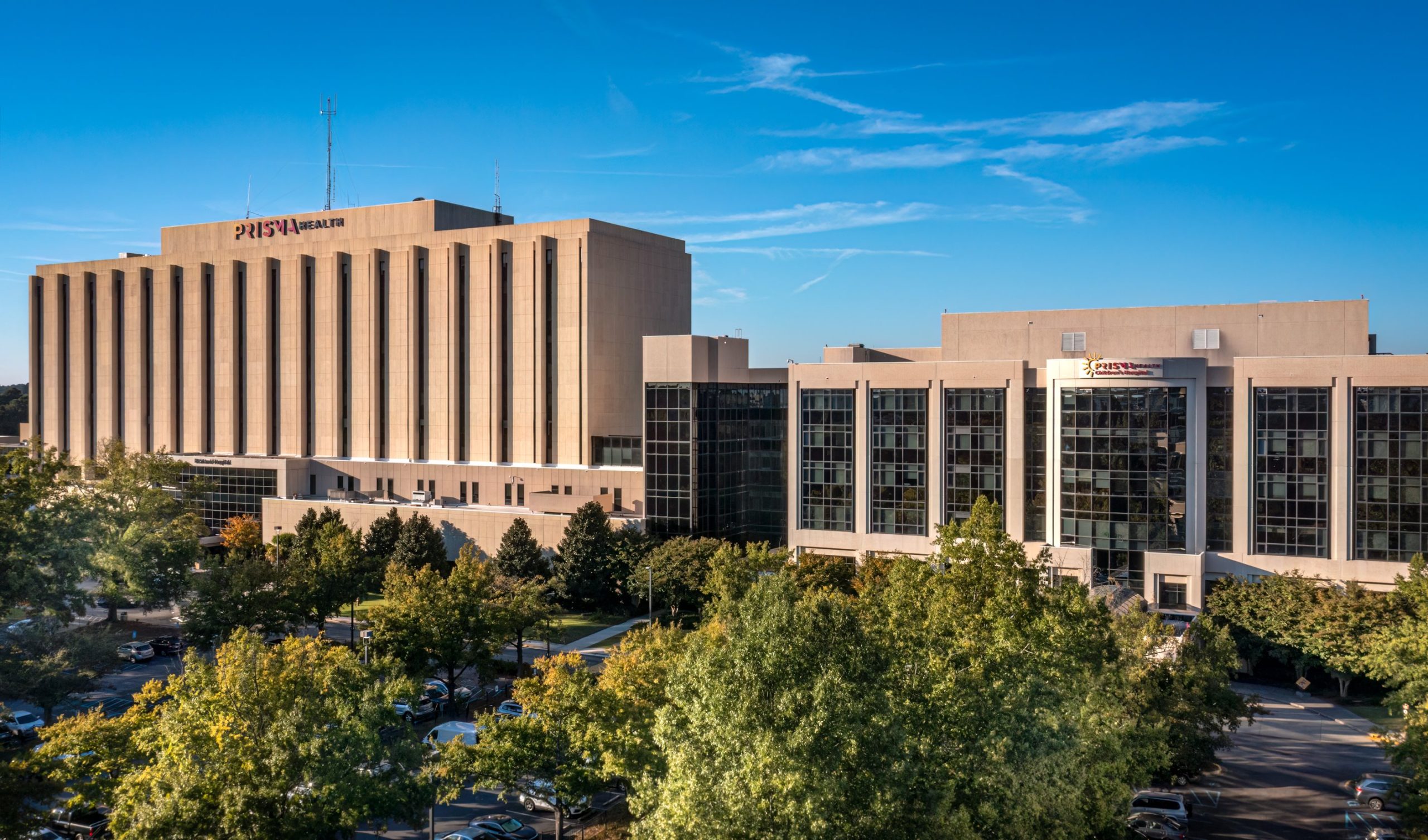
Prisma Health Richland Hospital
Downtown Columbia / 37+ active studies
Cancer, blood disorders, broad hospital research
The flagship Prisma Health hospital in the Midlands. Also, by far the biggest trial operation in the Columbia metro.
Visit Website →
University of South Carolina
Columbia / 27+ active studies
Stroke recovery, physical activity, community health
Notably, a research university that runs federally funded health studies across the Midlands. Specifically, topics range from stroke rehab to disease prevention.
Visit Website →
Bogan Sleep Consultants
Columbia / 7+ active studies
Narcolepsy, sleep disorders
One of the best known private sleep research sites in the Southeast. Also, it has run sleep trials for decades.
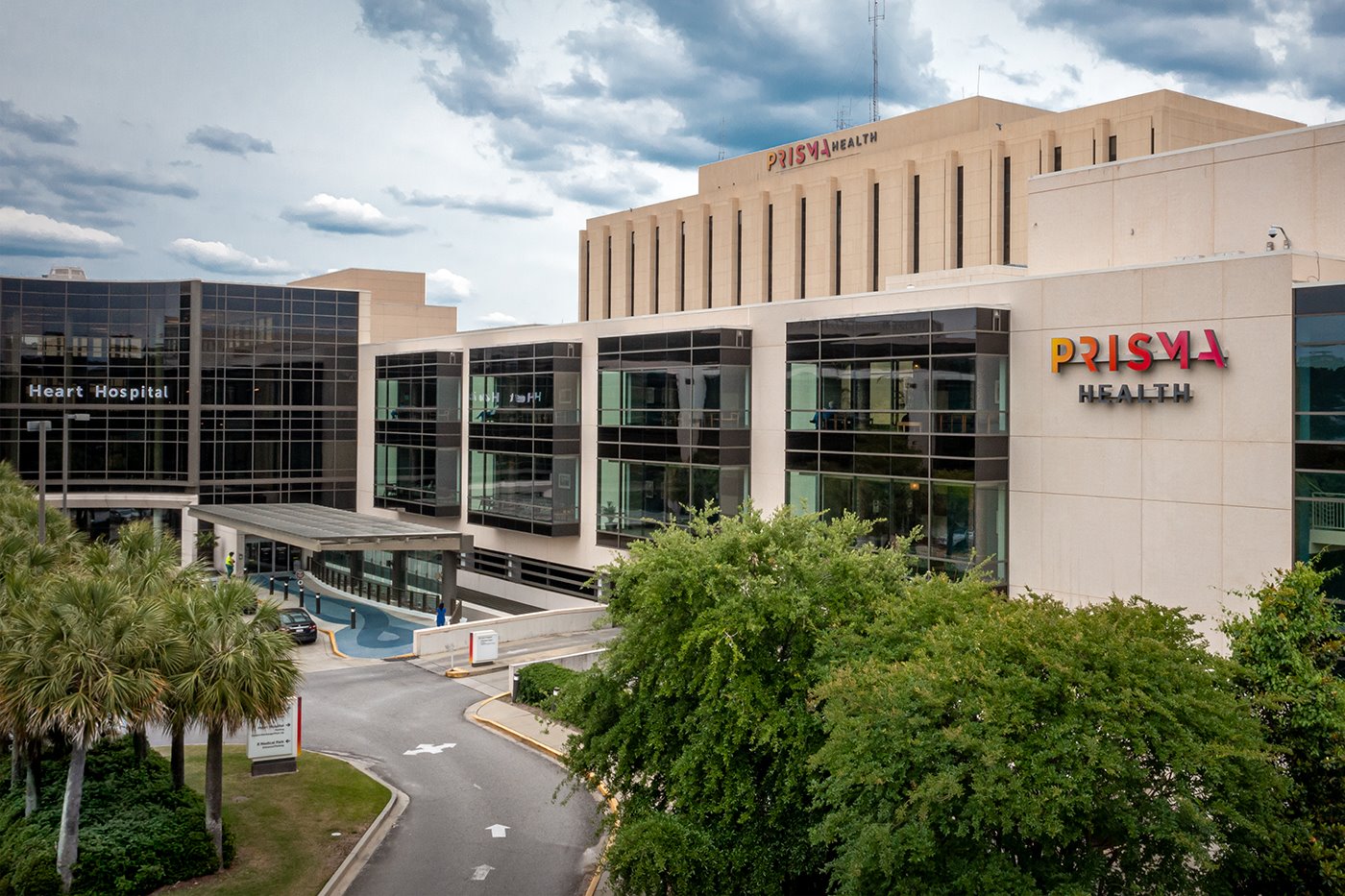
Prisma Health Midlands Cardiovascular
Columbia / 4+ active studies
Cardiovascular disease, heart failure
The heart and vessel research arm of Prisma Health in the Midlands. So it is the natural home for cholesterol trials in Columbia.
Visit Website →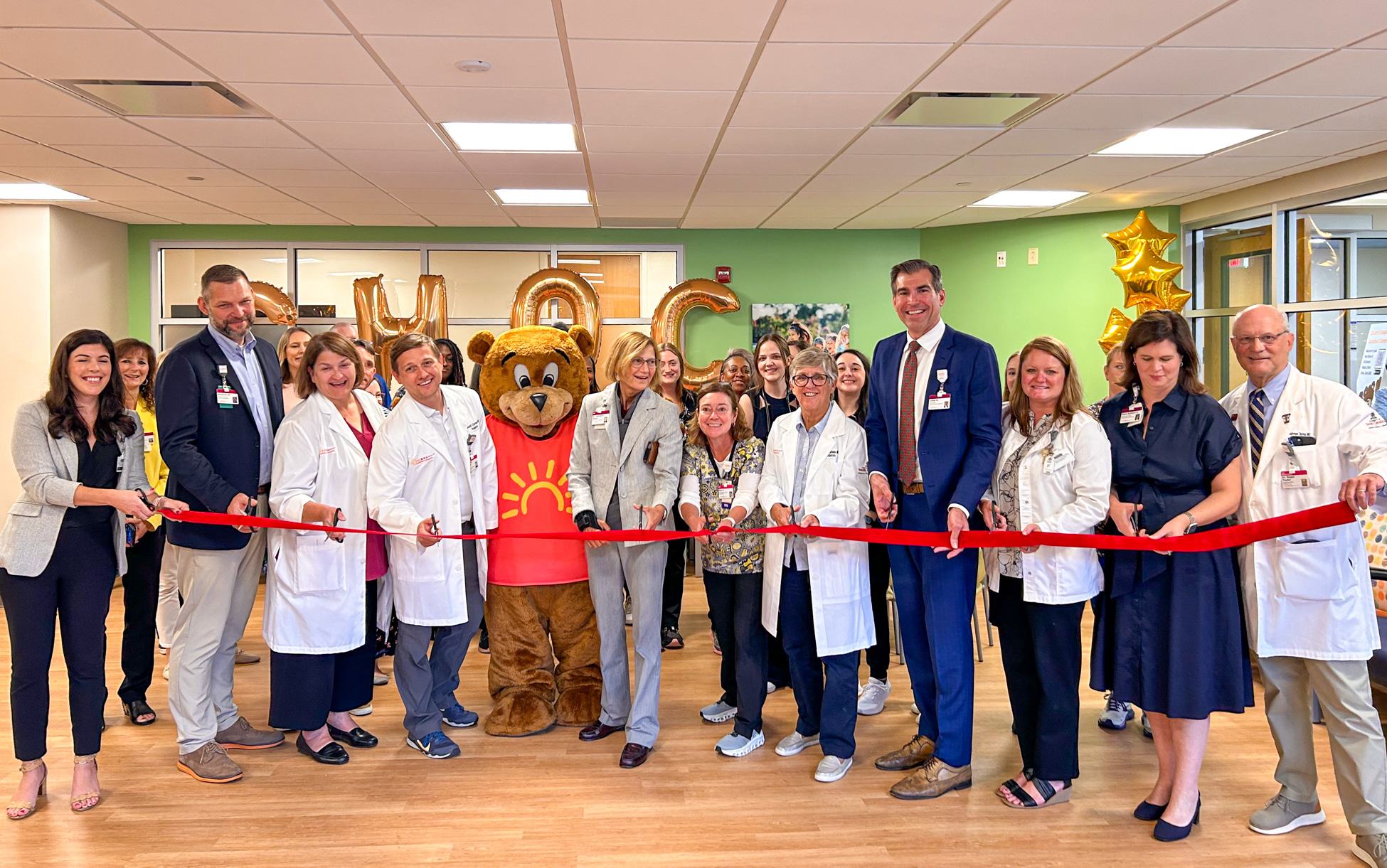
Prisma Health Children’s Hospital, Midlands
Columbia / 4+ active studies
Pediatric growth, cystic fibrosis
Basically, the Midlands hub for children’s research inside the Prisma Health system.
Visit Website →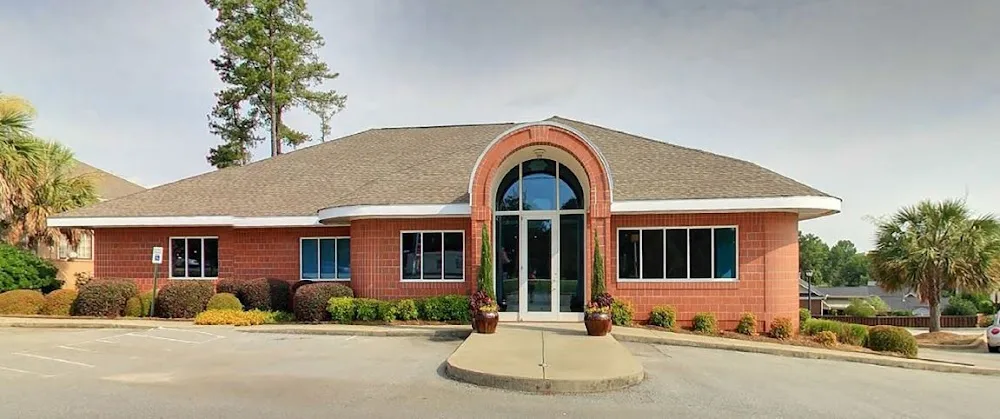
Columbia Dermatology & Aesthetics
Columbia / 4+ active studies
Hidradenitis suppurativa, psoriasis, obesity
A skin care practice with its own research team. It runs both skin and weight studies.
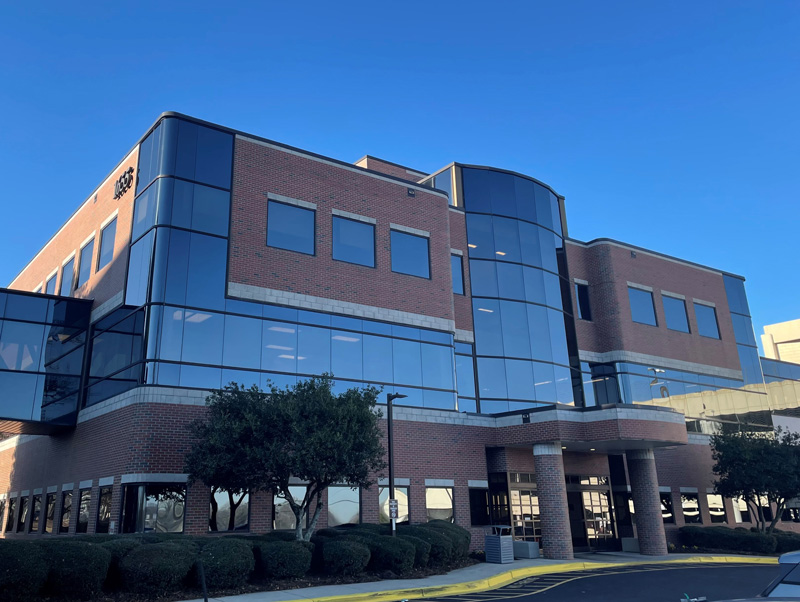
Velocity Clinical Research, Columbia
Columbia / Multiple active studies
COPD, skin conditions, vaccines
Part of one of the biggest research site networks in the country. Besides, it is just the kind of site the huge outcome trials lean on.
Visit Website →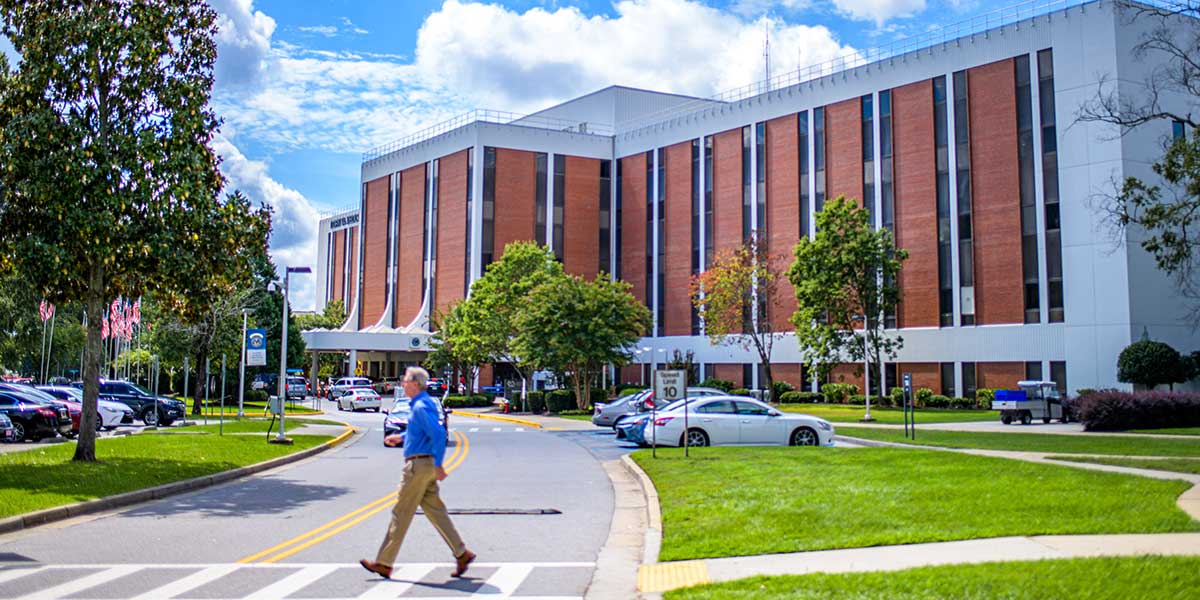
Wm. Jennings Bryan Dorn VA Medical Center
Garners Ferry Road, Columbia / 2+ active studies
Atherosclerosis, liver disease
Columbia’s VA medical center runs studies, including ones on clogged arteries. For veterans, it is often the first door.
Visit Website →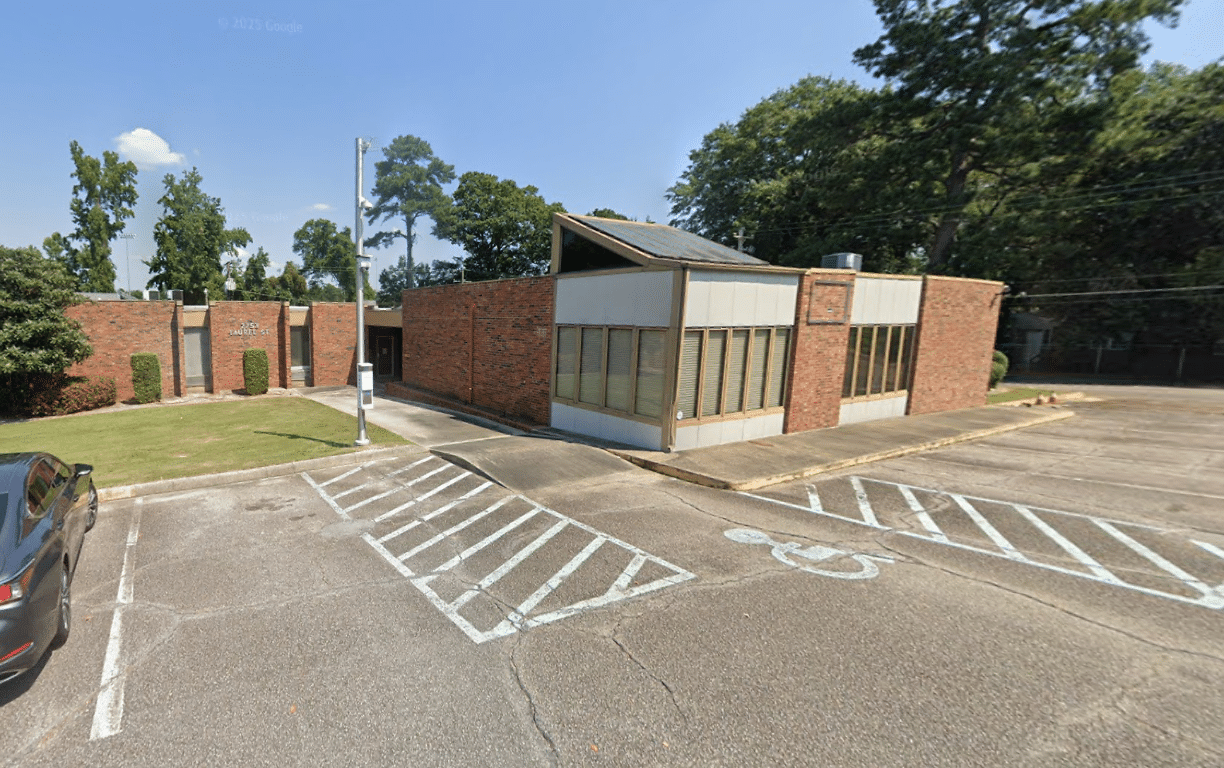
Objective Health, Columbia
Columbia / 2+ active studies
Celiac disease, fatty liver disease
Once called Columbia Digestive Health Research. Now it is part of the Objective Health network. Specifically, it runs gut and liver studies, including fatty liver trials.

Columbia Gastroenterology Associates
Columbia / Active studies
Digestive conditions
A long-running gut health practice. Also, it takes part in digestive trials around Columbia.
What to Expect in a Digestive Study
New to studies? Here is how one works, step by step.
01
Prescreening
First comes a short phone call or online form. Also, it takes about 10 to 15 minutes. The staff check whether you might fit. Then they tell you what is open.
02
Screening Visit
Next the clinic runs the tests that decide it, which usually means blood work. Also, they go through the consent form line by line, and you can bring somebody with you.
03
Treatment Period
Then the study begins. So you take the study drug or the placebo on the agreed schedule. Meanwhile, your own doctor keeps managing everything else.
04
Follow-Up
Finally, there is a check in period at the end. Also, your own doctor gets the results, and you can stop at any point without affecting your care.
Eosinophilic Esophagitis Trial FAQs
Real answers about eosinophilic esophagitis studies near Columbia SC.
Is there a study for this near Columbia?
No, and we will not pretend otherwise. In fact, no study for this condition has ever placed a site in the Midlands, going back a decade. The nearest recruiting one is at Charleston, and it takes only children under 15 kg. However, Columbia does host digestive research, because a celiac study is enrolling here right now.
What is this condition, in plain words?
A type of allergy cell builds up in the wall of the gullet and keeps it inflamed. Over years that inflammation stiffens the tube and narrows it. So food starts to stick, and eventually something gets lodged. Notably, it is not reflux, although acid blocking tablets do help a real share of people.
How is it actually diagnosed?
With a camera test and samples taken from more than one level of the gullet. A pathologist counts the allergy cells under a microscope. Generally, 15 or more in a high power field is the threshold. However, the inflammation is patchy, so one sample from one spot can miss it entirely.
My biopsy was clear. Is that settled?
Not necessarily, and this is worth pushing on. If only one sample was taken, or all from one level, a patchy disease can be missed. So ask how many were taken and from where. Also, ask whether repeating it with several samples is reasonable, because it usually is.
What treatments are there?
Three kinds, and they can be combined. First, acid blocking tablets, which help a real share of people despite this not being reflux. Second, swallowed steroids, which coat the gullet rather than reaching the lungs. Finally, diet, by removing common trigger foods and adding them back one at a time.
Is a swallowed steroid the same as my inhaler?
No, and the difference matters. The point is coating the gullet on the way down rather than getting the drug into your lungs. So the technique is different, and you are told not to eat or drink for a period afterwards. Notably, some apparent treatment failures are simply the wrong technique.
What about stretching the gullet?
It treats the narrowing rather than the disease. If the tube has already tightened, it can be stretched during a camera test, and relief can be quick. However, it does nothing about the inflammation underneath. So it is usually paired with a drug or a diet rather than used on its own.
Does it cost anything to join the list?
No. There is no cost, and no insurance is needed. Tether is a nonprofit list, so we do not run studies and we are not paid to send you anywhere. Also, being on the list never enrolls anyone in anything. You would always call the clinic yourself.
Where can I get help near Columbia SC?
Prisma Health and Lexington Medical Center both run digestive services across the Midlands. Also, ask for a gastroenterologist, and ask how many samples were taken at your last camera test. Generally, your own doctor can refer you. Meanwhile, if you were given swallowed steroids, ask to be shown the technique properly.
Ready to Explore a Study?
Check your eligibility, or just reach out to our Columbia team. No pressure. Also, no sales pitch.
← Back to All Clinical TrialsSources
- EoE-TOTs, dupilumab in very small children, ClinicalTrials.gov NCT07112378
- ATUNE, a tablet study registered at Chapel Hill and Duke, not yet recruiting, ClinicalTrials.gov NCT07588568
- An observational study with a site at Chapel Hill, ClinicalTrials.gov NCT02523118
Study details and per-site recruiting status verified against ClinicalTrials.gov on August 16, 2026. Every candidate study was checked individually by study number, and each site row was read on its own. One study registered at Chapel Hill and Duke reads as not yet recruiting and is therefore not listed here as an option. Study availability and criteria change; the research clinic confirms everything before you enroll.