
COLUMBIA, SC
Nasal Polyps Clinical Trials
No polyp study is enrolling in Columbia, and none near Charlotte either. However, the reason is a good one, because four drugs are now approved and your ENT can simply prescribe them. Compensation is provided for eligible participants once a study opens here.
0
Open in the Metro
4
Approved Drugs Now
+/- $100
Per Visit
New here? Read how this page works
First, the honest picture. Nothing is open here, and for most readers a study is not the right target anyway. So here is the more useful order to work through.
- Ask for your polyp score, out of 8. Because it takes a two minute camera check in the clinic, and every study and every drug decision gates on it.
- Ask for your symptom score too. Notably, that is the 22 question form, out of 110, and studies generally want above 30.
- Ask whether an approved drug suits you. In fact, four are now approved, and for most readers that is a better offer than any study could give.
- Finally, tap the button. Then we tell you the day a polyp study opens near you.
Of course, checking never signs you up for anything. You are only seeing where you might fit.
Polyp Studies Open Anywhere Nearby
Notably, both of these are at Charleston, under two hours away. So they are a real option rather than a token one.
What is open anywhere near here, and where
Nothing is open in this metro. So we show the real map rather than a padded one, and both of these are at Charleston.

Which of the Three Works Best for You
Medical University of South Carolina / Drug
Three injected drugs are already approved for polyps, and nobody knows which suits whom. This study puts you on one of the three and looks at your blood and tissue to see what predicts a response.
Payment is not published.
Read the details →More details
Why researchers are excited: doctors currently pick between them on insurance and habit. So a study that matches the right drug to the right person on day one would save people a wasted year.
Who this study is looking for
- Age 18 or older, with polyps in both nostrils seen on camera
- Also, A polyp score above 5 out of 8
- Besides that, A symptom score above 30 on the standard 22 question form
- Finally, you have already decided to go on one of these drugs
Probably not a fit if: you have ever had any one of the three drugs. Even a single past dose of any of them shuts this door, and it is the top reason people are turned away. Also, sinus surgery in the last 6 months, or steroid pills in the last 30 days, rules you out.
- Placebo group: None at all. Everyone gets a real approved drug, and the draw decides only which of the three.
- How long: The main read comes at 24 weeks, and the study runs to 2030.
- Clinic visits: Not published. However, the three drugs are given every 2 or every 4 weeks, so your visit load depends on which one you are given.
- Phone calls: Not published on the public record.
- Most invasive part: A camera passed into the nose to score the polyps, after numbing spray. Also, repeated blood draws, because finding what predicts a response is the whole point. The drug is an injection under the skin.
- Setting: Outpatient.
- Where it runs: Medical University of South Carolina, Charleston SC 29425.
- Drive from Columbia: Charleston is about 115 miles southeast, so roughly an hour and 50 minutes on I-26.
- Read this first: your steroid nasal spray is required rather than merely allowed. You must be on it for a full month before you start, and you stay on it.
- Full study record: View on ClinicalTrials.gov →

A Coated Balloon, Added to Surgery You Are Already Having
Airiver Medical / Device
After polyps are removed, the sinus openings often scar shut again. This adds one step at the end of the operation, a small coated balloon opened inside those passages.
Payment is not published.
Read the details →More details
Why researchers are excited: the coating is a drug long used to stop scar tissue closing arteries after a heart stent. So this borrows a trick from heart medicine and asks whether it keeps sinuses open longer.
Who this study is looking for
- Age 18 or older, and already booked for sinus surgery
- Also, A scan in the last 6 months shows disease on both sides
- Besides that, A symptom score of 30 or higher on the standard 22 question form
- Finally, medicine has failed, so surgery is the next step
Probably not a fit if: you might want a biologic in the next two years. You are out if you took one in the past 6 months, and out if you expect to need one for the next 24 months. Also, some kinds of past sinus surgery rule you out.
- Placebo group: No dummy operation and no dummy drug. Everyone gets the real surgery, and the draw decides only whether the balloon step is added.
- How long: Safety at 30 days and the main result at 6 months, with a further check at 12 months.
- Clinic visits: At least 6 firmly anchored. Screening, the start, the operation, 30 days, 6 months and 12 months.
- Phone calls: Not published on the public record.
- Most invasive part: Real sinus surgery under general anaesthetic, the heaviest thing on this page. Also, a camera in the nose repeatedly, a sinus scan beforehand, and blood work.
- Setting: Outpatient.
- Where it runs: Charleston ENT and Allergy, and MUSC, Charleston SC.
- Drive from Columbia: Charleston is about 115 miles southeast, so roughly an hour and 50 minutes on I-26.
- Be clear on this one: agreeing to stay off biologics for two years is a serious ask when four are approved. So read that clause twice.
- Full study record: View on ClinicalTrials.gov →
The biggest one, with its Carolina sites still shut
This reads as recruiting nationally. However, both of its South Carolina sites are listed as not yet open.

The Big One, With Its Carolina Sites Still Shut
Eli Lilly / Drug
The largest polyp study running anywhere, testing a drug that blocks one signal rather than two. It has 202 sites worldwide. However, both South Carolina sites read as not yet recruiting.
Payment is not published.
Read the details →More details
Why researchers are excited: it is the only study here that takes people from age 12. Also, a narrower target would add a fifth option, and options matter when the first drug does not work.
Who this study is looking for
- Age 12 or over, and 40 kilograms if a teenager
- Also, A polyp score of 5 or more out of 8
- Besides that, symptoms for 8 weeks or more
- Finally, either past polyp surgery, or steroid pills within the last 2 years
Probably not a fit if: a deviated septum blocking one nostril rules you out. That is common and few people expect it. Also, any biologic in the past 4 months is a bar.
- Placebo group: Real drug against a dummy, and the ratio is not published. However, everybody keeps their nasal spray, so nobody is left untreated.
- How long: The main read comes at 24 weeks, and the whole study lasts about 18 months.
- Clinic visits: Not published on the public record.
- Phone calls: Not published on the public record.
- Most invasive part: A camera in the nose with the video sent away for scoring, plus a sinus scan twice. Also, injections, breathing tests, blood draws and a daily diary.
- Setting: Outpatient.
- Where it runs: Charleston ENT and MUSC, Charleston SC, both not yet recruiting.
- Drive from Columbia: Charleston is about 115 miles southeast, so roughly an hour and 50 minutes on I-26.
- Why we list it as closed: both South Carolina sites read as not yet recruiting. The nearest open ones are in Norfolk and Birmingham.
- Full study record: View on ClinicalTrials.gov →
Not sure which one fits you?
First, answer a few quick health questions. Then we keep them on file. Finally, we call you when a polyp study opens near Columbia. No account, no paperwork.
See if I may fit one of these studies →What Is Actually Happening With Nasal Polyps
There are now four approved drugs. That is why there are no local studies.
What Polyps Actually Are
Your sinuses are hollow air spaces in the bones around your nose and eyes. When the lining of those spaces stays swollen for 12 weeks or more, some people grow soft teardrop shaped lumps of that lining, and those are polyps. They are not cancer. They are waterlogged tissue. So the four things doctors look for are a blocked nose, thick drainage, face pressure and lost smell.
Losing Smell Is Not a Small Thing
It is the symptom that most defines polyp disease and the one people grieve most. Losing smell means losing taste, so food turns to cardboard. People stop cooking, stop eating properly, and stop enjoying meals with other people. Notably, that is a real injury to a life rather than a minor complaint, and it is worth saying so to your doctor.
The Two Numbers to Write Down
The first is your polyp score, from 0 to 8, taken when a doctor passes a thin camera into your nose. It takes a couple of minutes after numbing spray. The second is your symptom score on a 22 question form, from 0 to 110, where higher is worse. So every study gates on those two numbers, and you cannot weigh your options without them.
Before 2019 the Options Were Thin
Steroid nasal spray, steroid pills, and surgery. The pills carry real long term costs, including thinner bones, higher blood sugar, weight gain and mood changes. Meanwhile, polyps grew back after surgery in a large share of people, and repeat operations were routine. So people cycled through the same three things for years.
Then Came the Injected Drugs
These switch off one specific arm of the immune system rather than blanketing the whole body the way steroid pills do. The first was approved in June 2019, and it proved that polyps could be shrunk with a drug and that smell could come back. Two more followed in December 2020 and July 2021. In fact, that first approval reset the entire field.
And a Fourth Arrived in October 2025
The newest one was approved on 17 October 2025, for anyone aged 12 and over. It acts further upstream than the others, above the point where the immune response branches, so it is not limited to one type of patient. As Joseph Han of Old Dominion University put it, it has shown rapid and sustained improvement, nearly removing the need for future surgeries and cutting steroid use.
One Head to Head Result Worth Knowing
In June 2025 a study reported the only direct comparison of two approved polyp drugs, in people who have both polyps and asthma. One beat the other by 1.6 points on polyp size and 8 points on smell, and both results were clear cut. So if your doctor is choosing between those two, that result is worth raising by name.
Why That Left No Local Studies
This is the honest part, and it is good news dressed as bad. With four approved drugs, an ENT here can simply treat you rather than enrol you. So the studies that remain ask harder academic questions, and those need a university rhinology unit. Meanwhile, the strongest one in this region sits in Charleston, and neither of these two cities has anything like it.
Research Sites Near Columbia
ENT practices across the Midlands handle care, while the nearest research sites are at Charleston. But sites add new studies all the time, so it is worth knowing what is near you.
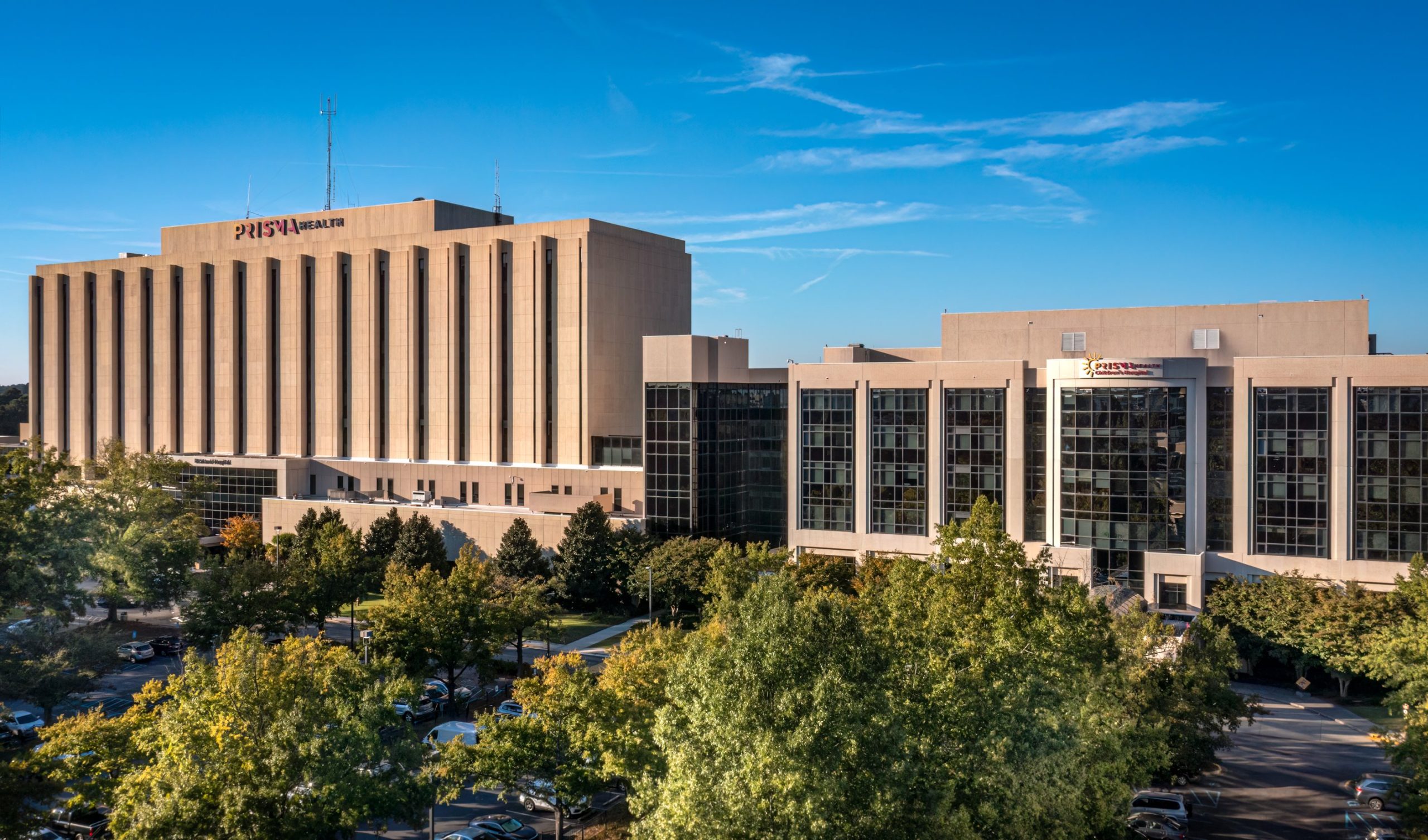
Prisma Health Richland Hospital
Downtown Columbia / 37+ active studies
Cancer, blood disorders, broad hospital research
The flagship Prisma Health hospital in the Midlands. Also, by far the biggest trial operation in the Columbia metro.
Visit Website →
University of South Carolina
Columbia / 27+ active studies
Stroke recovery, physical activity, community health
Notably, a research university that runs federally funded health studies across the Midlands. Specifically, topics range from stroke rehab to disease prevention.
Visit Website →
Bogan Sleep Consultants
Columbia / 7+ active studies
Narcolepsy, sleep disorders
One of the best known private sleep research sites in the Southeast. Also, it has run sleep trials for decades.
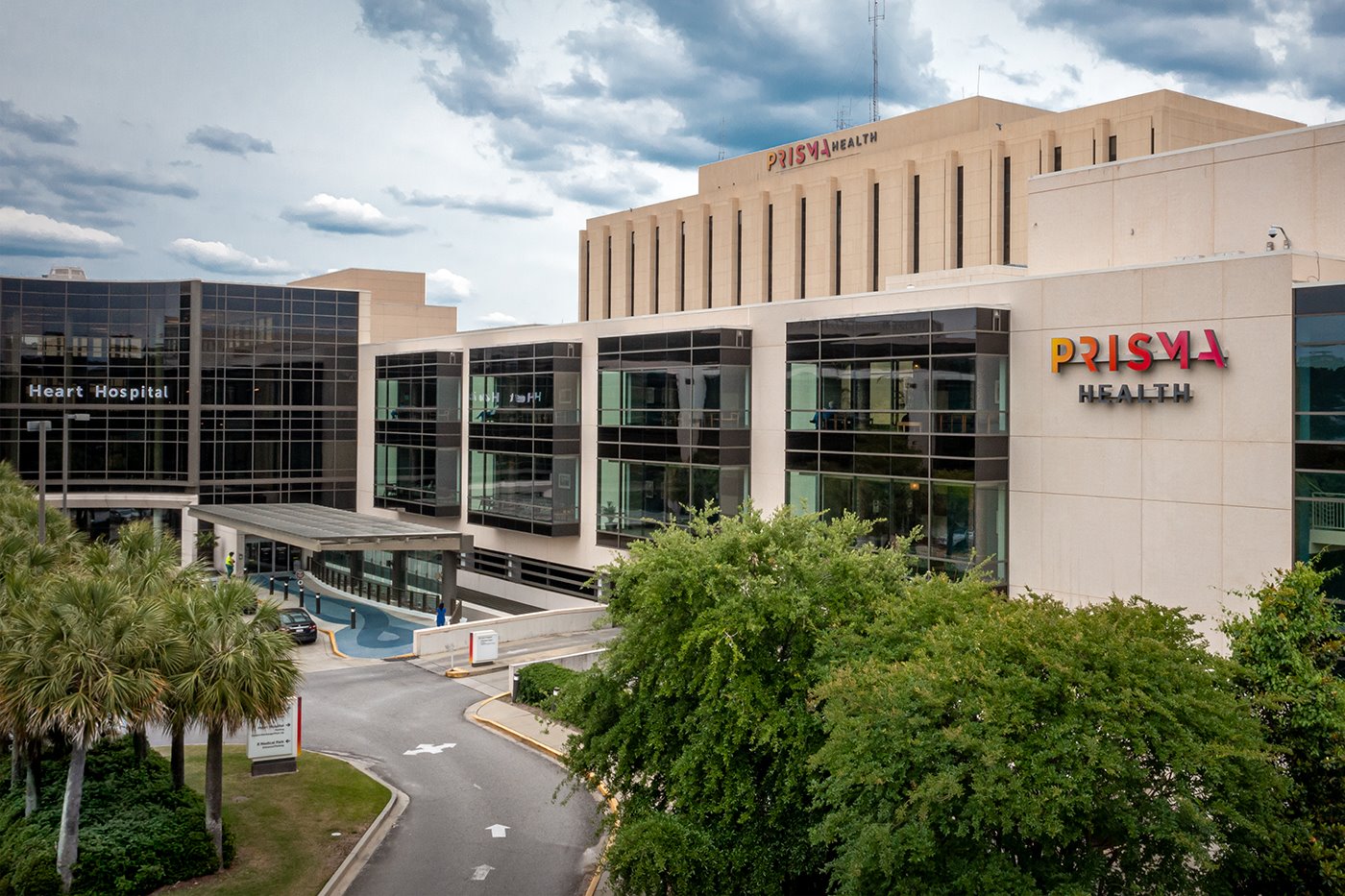
Prisma Health Midlands Cardiovascular
Columbia / 4+ active studies
Cardiovascular disease, heart failure
The heart and vessel research arm of Prisma Health in the Midlands. So it is the natural home for cholesterol trials in Columbia.
Visit Website →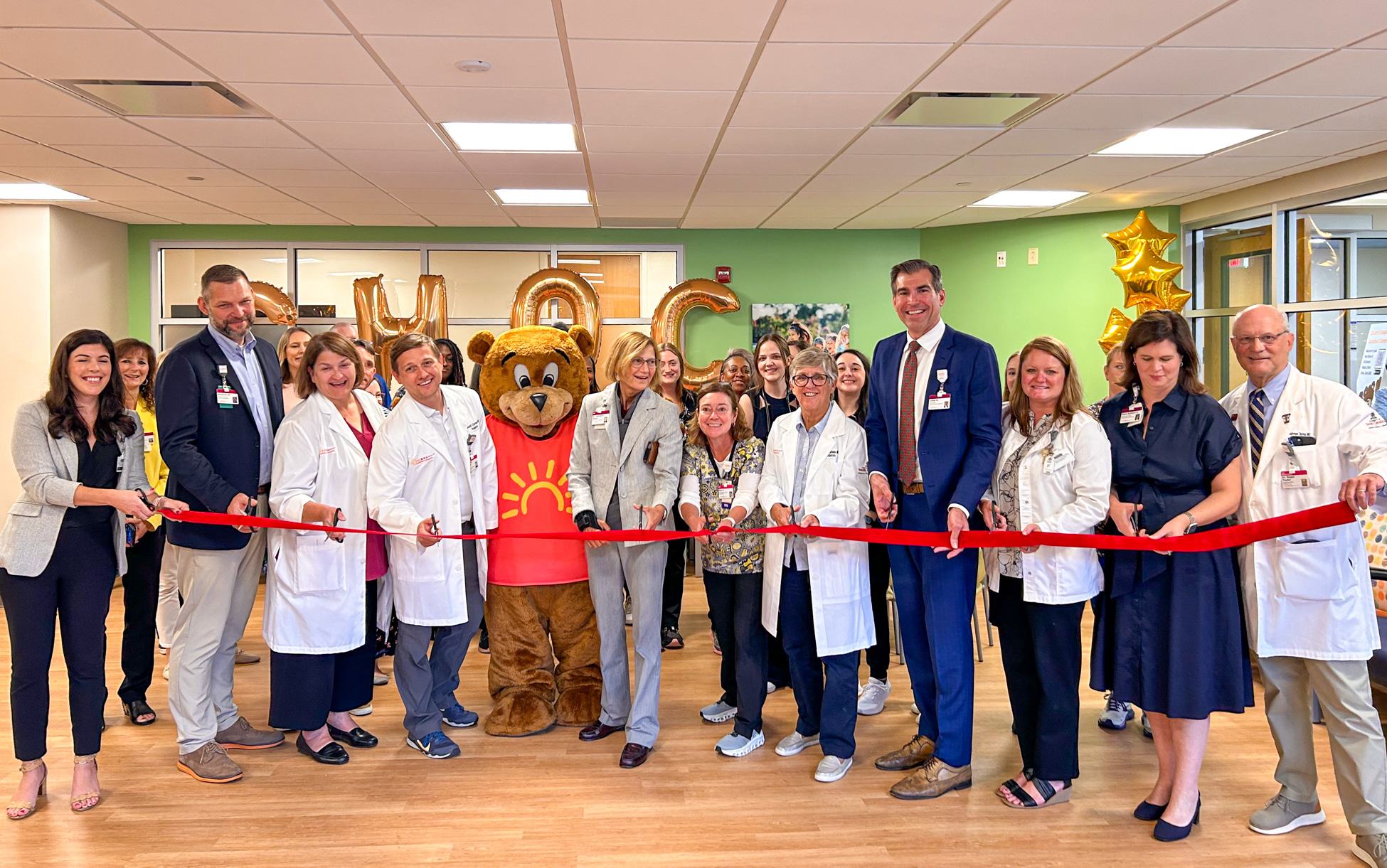
Prisma Health Children’s Hospital, Midlands
Columbia / 4+ active studies
Pediatric growth, cystic fibrosis
Basically, the Midlands hub for children’s research inside the Prisma Health system.
Visit Website →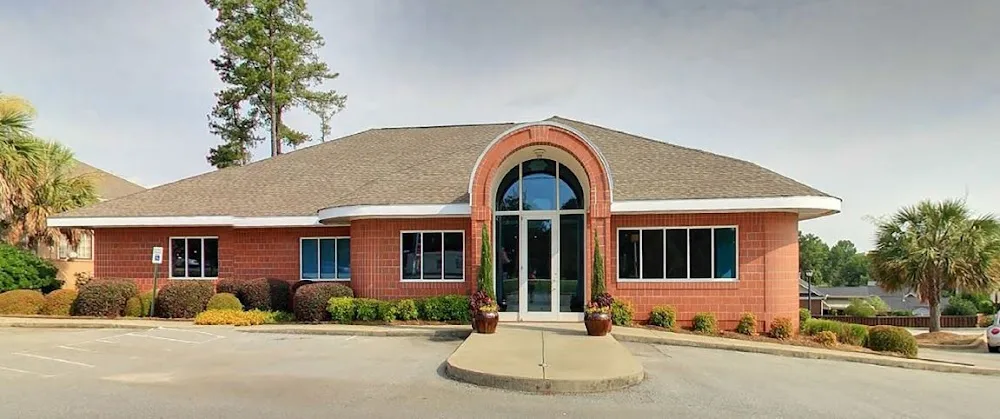
Columbia Dermatology & Aesthetics
Columbia / 4+ active studies
Hidradenitis suppurativa, psoriasis, obesity
A skin care practice with its own research team. It runs both skin and weight studies.
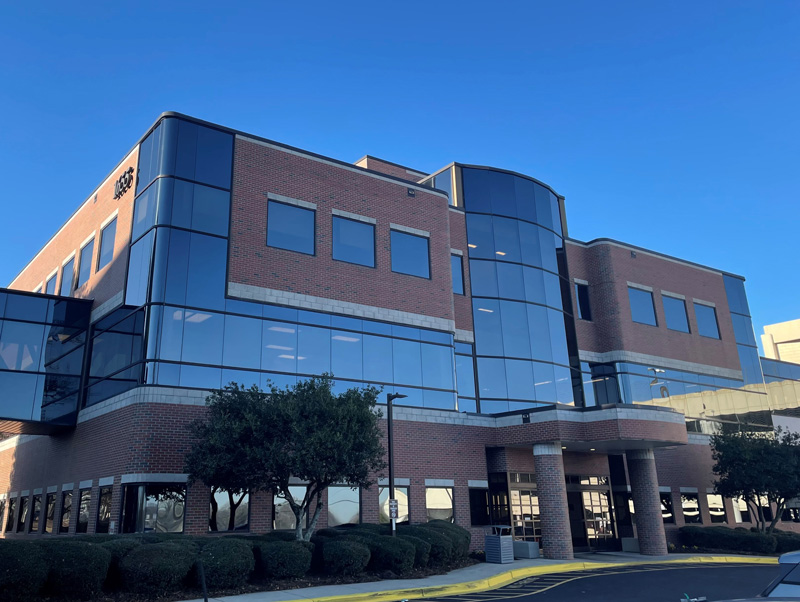
Velocity Clinical Research, Columbia
Columbia / Multiple active studies
COPD, skin conditions, vaccines
Part of one of the biggest research site networks in the country. Besides, it is just the kind of site the huge outcome trials lean on.
Visit Website →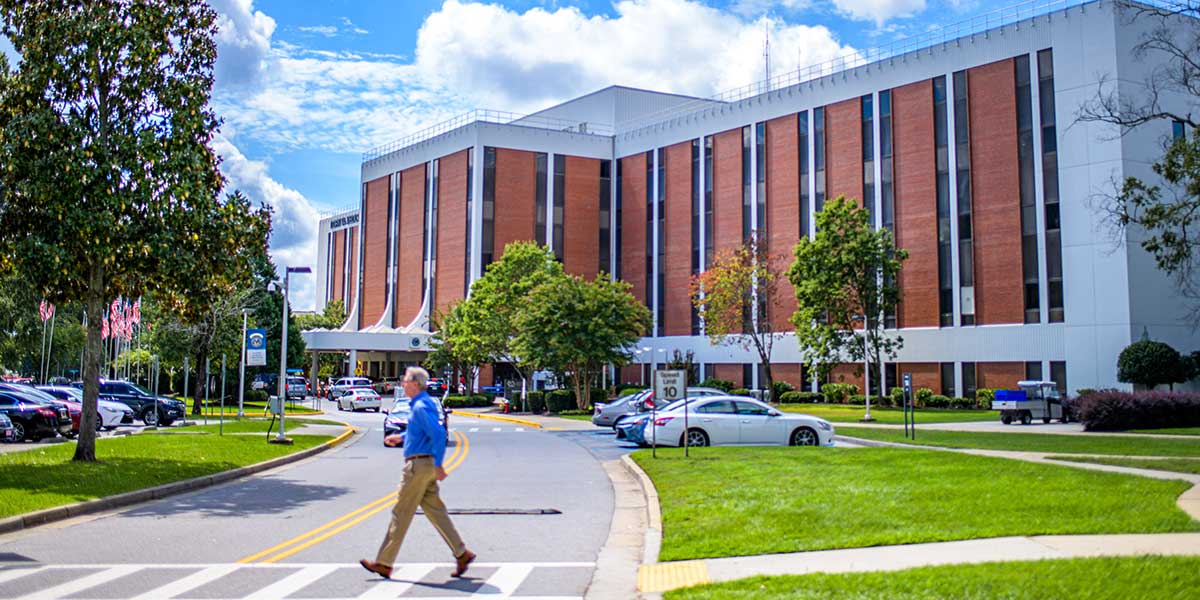
Wm. Jennings Bryan Dorn VA Medical Center
Garners Ferry Road, Columbia / 2+ active studies
Atherosclerosis, liver disease
Columbia’s VA medical center runs studies, including ones on clogged arteries. For veterans, it is often the first door.
Visit Website →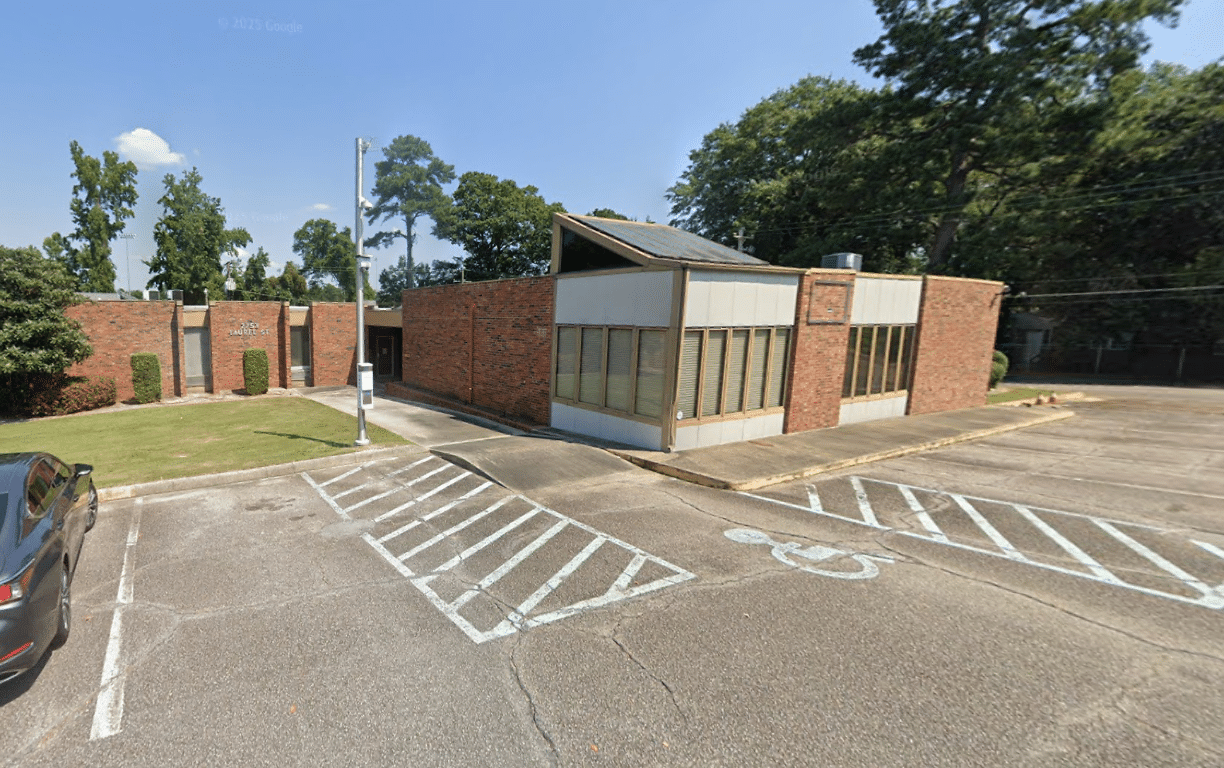
Objective Health, Columbia
Columbia / 2+ active studies
Celiac disease, fatty liver disease
Once called Columbia Digestive Health Research. Now it is part of the Objective Health network. Specifically, it runs gut and liver studies, including fatty liver trials.
Columbia Gastroenterology Associates
Columbia / Active studies
Digestive conditions
A long-running gut health practice. Also, it takes part in digestive trials around Columbia.
What to Expect in a Nasal Polyp Study
New to studies? Here is how one works, step by step.
01
Prescreening
First comes a short phone call or online form. Also, it takes about 10 to 15 minutes. The staff check whether you might fit. Then they tell you what is open.
02
Screening Visit
Next the clinic runs the tests that decide it, which usually means blood work. Also, they go through the consent form line by line, and you can bring somebody with you.
03
Treatment Period
Then the study begins. So you take the study drug or the placebo on the agreed schedule. Meanwhile, your own doctor keeps managing everything else.
04
Follow-Up
Finally, there is a check in period at the end. Also, your own doctor gets the results, and you can stop at any point without affecting your care.
Nasal Polyp Trial FAQs
Real answers about nasal polyp studies near Columbia SC.
Is there a study for this near Columbia?
No, and we will not pretend otherwise. Nothing is recruiting in Columbia, West Columbia, Lexington, Irmo, Cayce, Sumter or Orangeburg. However, the nearest two are at Charleston, about an hour and fifty minutes away on I-26, which is a genuine option. Also, four drugs are now approved for this, so for most readers the better move is asking your ENT about those.
What are the two numbers I keep reading about?
The first is your polyp score, from 0 to 8, taken when a doctor passes a thin camera into your nose after numbing spray. It takes a couple of minutes. The second is your symptom score, from a 22 question form scored out of 110, where higher is worse. So write both down, because every study and every drug decision gates on them.
Is there an approved treatment now?
Yes, and there are four of them, which is the real story here. The first injected drug was approved in June 2019, and two more followed in December 2020 and July 2021. The newest arrived on 17 October 2025, for anyone aged 12 and over. So for most readers, asking your ENT about those is a better move than hunting for a study.
Will I lose my sense of smell for good?
Not necessarily, and this is the part people are rarely told. The first approved injected drug proved that polyps could be shrunk and that smell could come back. So loss of smell from polyps is not always permanent, unlike loss of smell from some other causes. However, smell lost to COVID is a different thing, and it is treated differently.
Does past sinus surgery help or hurt my chances?
It does both, depending on the study, which is why it is worth answering early. One study will not take you unless you have had surgery or steroid pills before. Another needs you to be booked for surgery already. Also, a heavily operated nose can rule you out, and surgery in the last 6 months rules you out of everything.
Did any Columbia study show up in your search?
Several did, and every one of them was Columbia in Missouri rather than Columbia here. That is about 700 miles away, and it is a trap this whole field is full of. So we read the state on every single site row rather than trusting the search filter. Notably, that is also how we caught two nearby sites listed as not yet open.
Why is nothing open in either city?
Because the approved drugs got good, and that moved the research upstream. An ENT here can simply treat you rather than enrol you, so there is little reason to run a dummy controlled study locally. The questions that remain are academic ones about which drug suits whom, and those need a university rhinology unit. Meanwhile, the strongest one in this region is at Charleston.
What should I ask my own doctor?
Four things, and ask for them by name. Your polyp score and your symptom score. Whether you have had a sinus scan, and what it showed. Whether one of the four approved injected drugs suits you. Also, whether anyone has actually tested you for asthma, because polyps and asthma travel together and it changes the choice.
Does it cost anything to be on the list?
No. There is no cost, and no insurance is needed. Tether is a nonprofit list, so we do not run studies and we are not paid to send you anywhere. Also, being on the list never enrolls anyone in anything. You would always call the clinic yourself.
Where can I get sinus care near Columbia SC?
Prisma Health and Lexington Medical Center both run ENT services across the Midlands. Also, ask for a camera check of your nose rather than another round of spray, because that is what produces your polyp score. Your own doctor can refer you. Meanwhile, if nobody has mentioned the four approved injected drugs to you, raise them yourself.
Ready to Explore a Study?
Check your eligibility, or just reach out to our Columbia team. No pressure. Also, no sales pitch.
← Back to All Clinical TrialsSources
- SMART use of biologics in chronic rhinosinusitis with nasal polyps, ClinicalTrials.gov NCT06824649
- RESTORE-2 paclitaxel coated sinus balloon study, ClinicalTrials.gov NCT07290140
- CONTRAST-NP lebrikizumab study, with both South Carolina sites listed as not yet recruiting, ClinicalTrials.gov NCT06338995
- Amgen: FDA approves tezepelumab for chronic rhinosinusitis with nasal polyps, 17 October 2025, with comment from Joseph Han, MD
- Sanofi: EVEREST head to head results in severe chronic rhinosinusitis with nasal polyps, 15 June 2025
Study details and per-site recruiting status verified against ClinicalTrials.gov on August 16, 2026. Every search hit for Columbia on this condition resolved to Columbia, Missouri, and was excluded. One study reads as recruiting nationally while both of its South Carolina sites are listed as not yet open, so it is shown separately. Study availability and criteria change; the research clinic confirms everything before you enroll.