
COLUMBIA, SC
Pulmonary Fibrosis Clinical Trials
1 study is open to new patients in Columbia SC, a few minutes from downtown. Notably, it is for scarring that is not IPF, and one route in needs no drop in your breathing numbers. Compensation is provided for eligible participants.
1
Open to New Patients
3
Approved Drugs Now
+/- $100
Per Visit
New here? Read how this page works
First, one thing decides whether this is open to you, and it is your exact diagnosis rather than how you feel. So here is the order to work through.
- Find out exactly which label you carry. Because IPF opens some doors and shuts others, and the split between it and the rest decides everything here.
- Get your last two numbers to hand. Notably, every study screens on FVC and DLCO, so knowing them turns a long call into a short one.
- Check the date on your last chest scan. In fact, most of these want one from the past year, read again by their own expert.
- Finally, tap the button. Then we check you against all of them at once and tell you when a new one opens.
Of course, checking never signs you up for anything. You are only seeing where you might fit.
The Study Open in Columbia
It runs at a hospital lung clinic in the city. However, three more sit about 70 to 90 minutes north.
The one open study here
It runs at a hospital pulmonology clinic a few minutes from downtown. Notably, it is for scarring that is not IPF.

A Mist You Breathe In, Four Times a Day
United Therapeutics / Drug
A drug already used for high blood pressure in the lungs, now tested in scarring that is not IPF. You breathe it in through a small mist machine four times a day.
Payment is not published.
Check eligibility →More details
Why researchers are excited: doctors noticed that lung function held up better than expected when this was given for another reason. So this study tests that hunch head on.
Who this study is looking for
- Age 18 or older with a scarring lung disease that is not IPF
- Also, A scan in the last year shows scarring across more than 10 percent of your lungs
- Besides that, your disease has got worse in the last 24 months despite treatment
- Finally, your FVC is at least 45 percent of predicted
Probably not a fit if: you have IPF. This study is for every scarring lung disease except that one, which catches people out. Also, the new pill approved last October bars you if you took it in the past 60 days.
- Placebo group: Real drug against a dummy, split evenly. So half breathe in the drug and half breathe in a dummy mist.
- How long: 52 weeks, and those who finish may be offered an open extension afterwards.
- Clinic visits: About 8 in total, at weeks 4, 8, 16, 28, 40 and 52, plus screening and the start.
- Phone calls: Not published on the public record.
- Most invasive part: Breathing tests, a chest scan at screening, blood draws and heart tracings. Also, the mist machine at home.
- Setting: Outpatient.
- Where it runs: Prisma Health Pulmonology Richland, Columbia SC 29203.
- Drive from Columbia: This one is in Columbia itself, a few minutes from downtown.
- One route in is easy to miss: you can qualify on worse symptoms plus more scarring on a scan, with no drop in your breathing numbers at all.
- Full study record: View on ClinicalTrials.gov →
Not sure which one fits you?
First, answer a few quick health questions. Then we check you against every study we track. Also, no account and no paperwork.
See if I may fit one of these studies →What Is Actually Changing in Pulmonary Fibrosis
Ten years with two drugs. Then two approvals in fifteen months.
What Is Happening in the Lungs
Your lungs hold millions of tiny air sacs, and oxygen crosses their thin walls into your blood. In pulmonary fibrosis those walls turn thick, stiff and scarred. Stiff lungs cannot stretch, so you get short of breath and less oxygen gets through. Also, the scarring does not go away, which is the hard part to hear and the reason treatment aims to slow it.
IPF Is One Type, Not the Whole Thing
Interstitial lung disease is the umbrella term, and it covers about 200 conditions that scar or inflame lung tissue. IPF is the most common single type, and idiopathic just means nobody can find a cause. Others do have a known trigger, such as rheumatoid arthritis, scleroderma, mould, bird protein or workplace dust. So which label you carry decides which studies you can join, and the split is not intuitive.
The Two Tests That Decide Everything
The first is a detailed chest scan, called a high resolution CT. It shows the pattern of scarring and how much of the lung it covers. The second is a pair of breathing tests. FVC is how much air you can blow out, and DLCO is how well oxygen crosses into blood. So every study here screens on those numbers, and knowing yours before you call saves everyone time.
Ten Years With Only Two Drugs
For about a decade the whole cupboard held two medicines, both approved in 2014. They slow the loss of lung function. However, neither reverses scarring, both are hard on the stomach, and neither was shown to help people live longer. So a great many people simply stopped taking them, and there was nothing else to move to.
That Drought Ended in October 2025
A new pill was approved for IPF on 7 October 2025, the first genuinely new drug in over ten years. It works in a different way from both older drugs. In its main trial across 1177 people, lung function fell by about 106 millilitres over a year on the higher dose, against 170 on a dummy. Then in December 2025 it was approved for progressive scarring as well.
What Doctors Made of It
As Justin Oldham of the University of Michigan put it, in a perfect world where payers are not an issue he sees the drug becoming a first line agent, because of the results and also the tolerability and safety. Amy Hajari Case of the Pulmonary Fibrosis Foundation called the second approval an important step forward that brings new momentum to care. Meanwhile, the shelf now holds three drugs rather than two.
Which Changed the Studies Themselves
The effect shows up in the fine print of every protocol here. Several now name the new pill alongside the two older drugs when they define stable background treatment. However, one study bars anyone who has taken it in the past 60 days. So the approval that helped you may also be the thing that shuts a study door, and that is worth checking early.
The Cough Nobody Was Treating
People with lung scarring often cough dozens of times an hour, all day, for years. It wrecks sleep, cracks ribs, causes accidents and drives people out of company. There is no approved drug for it. So one study here ignores lung function entirely and goes after the cough instead, measured by a device that counts every one.
Research Sites Near Columbia
A hospital lung clinic in the city carries the local study. But sites add new studies all the time, so it is worth knowing what sits near you.
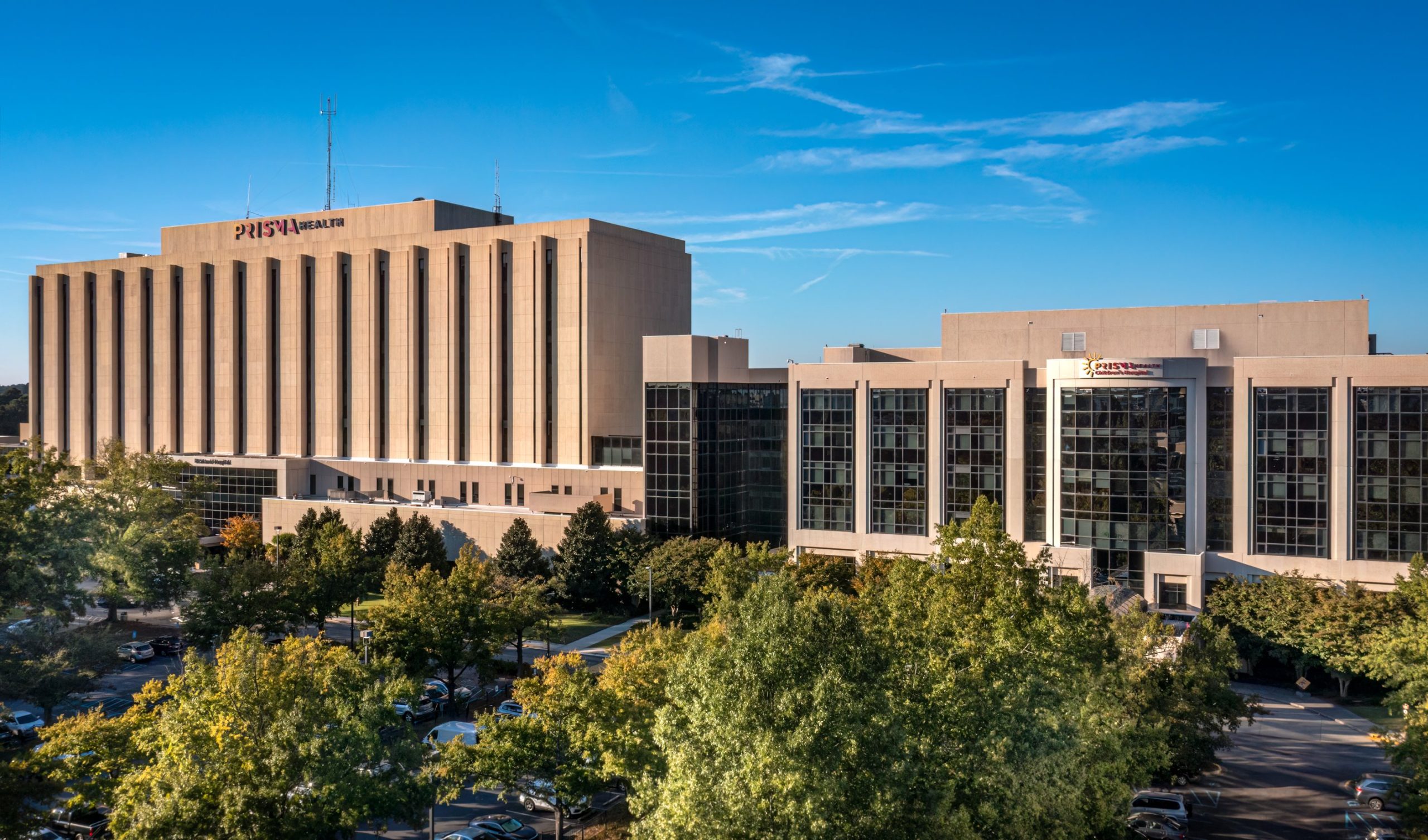
Prisma Health Richland Hospital
Downtown Columbia / 37+ active studies
Cancer, blood disorders, broad hospital research
The flagship Prisma Health hospital in the Midlands. Also, by far the biggest trial operation in the Columbia metro.
Visit Website →
University of South Carolina
Columbia / 27+ active studies
Stroke recovery, physical activity, community health
Notably, a research university that runs federally funded health studies across the Midlands. Specifically, topics range from stroke rehab to disease prevention.
Visit Website →
Bogan Sleep Consultants
Columbia / 7+ active studies
Narcolepsy, sleep disorders
One of the best known private sleep research sites in the Southeast. Also, it has run sleep trials for decades.
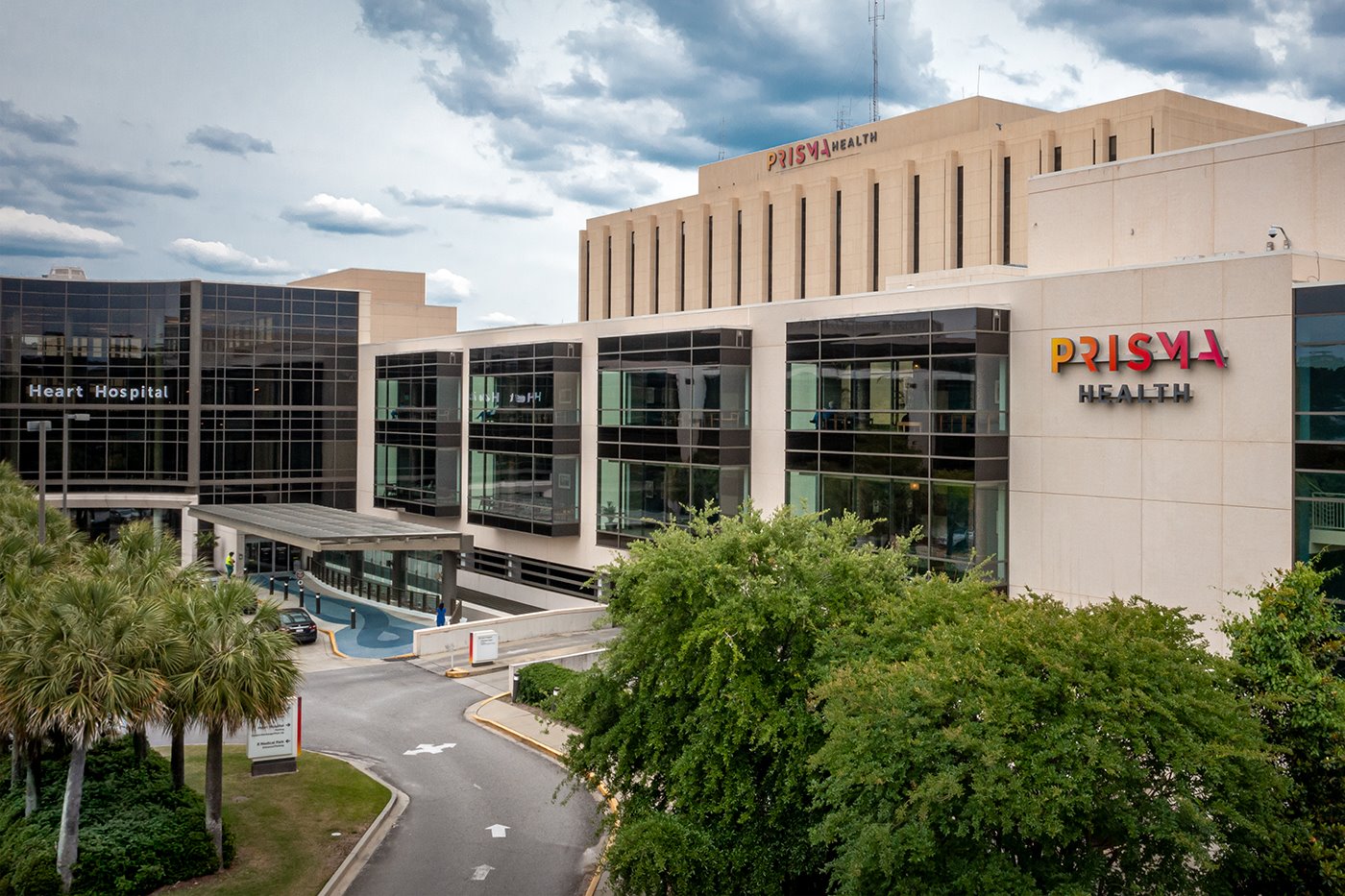
Prisma Health Midlands Cardiovascular
Columbia / 4+ active studies
Cardiovascular disease, heart failure
The heart and vessel research arm of Prisma Health in the Midlands. So it is the natural home for cholesterol trials in Columbia.
Visit Website →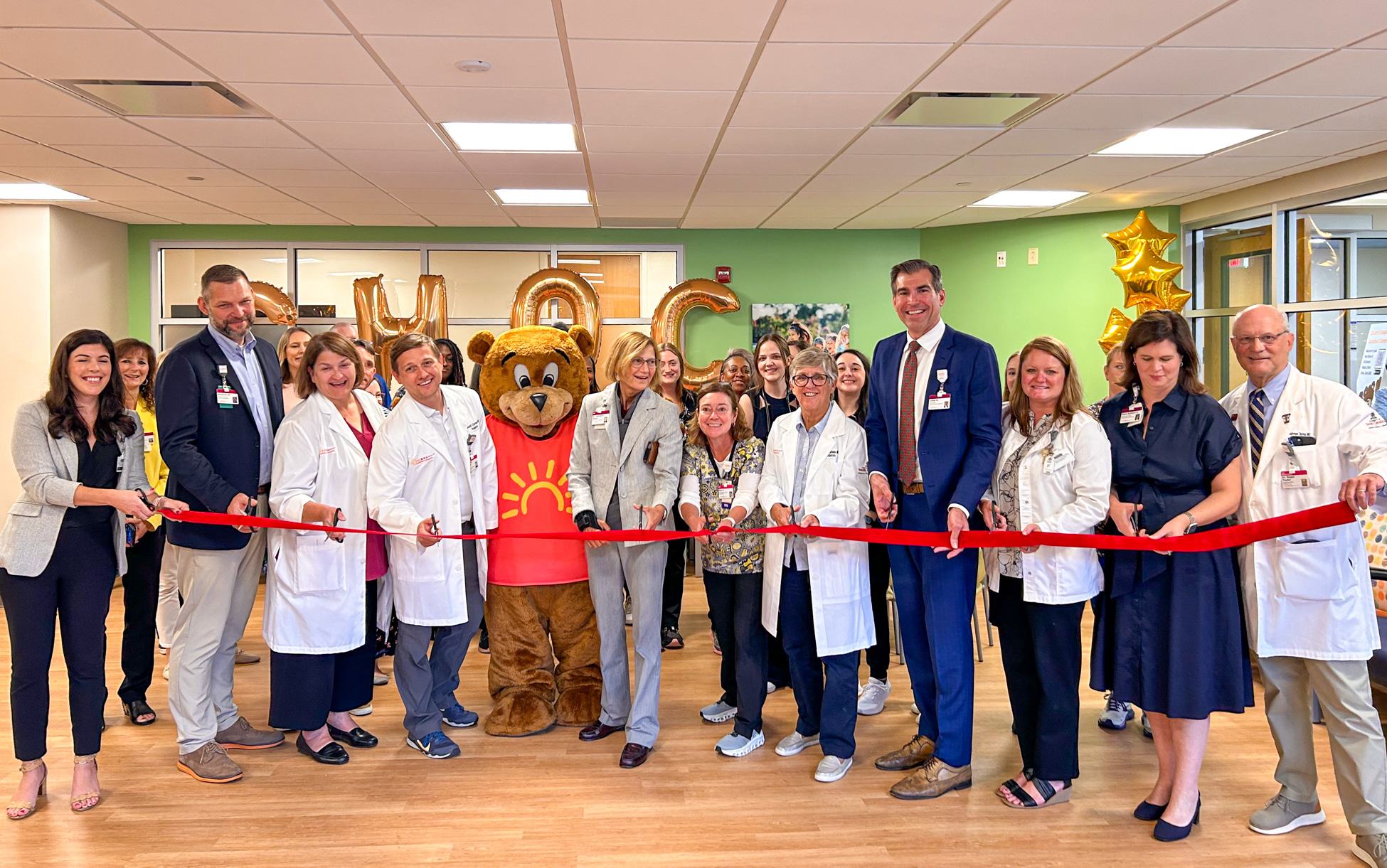
Prisma Health Children’s Hospital, Midlands
Columbia / 4+ active studies
Pediatric growth, cystic fibrosis
Basically, the Midlands hub for children’s research inside the Prisma Health system.
Visit Website →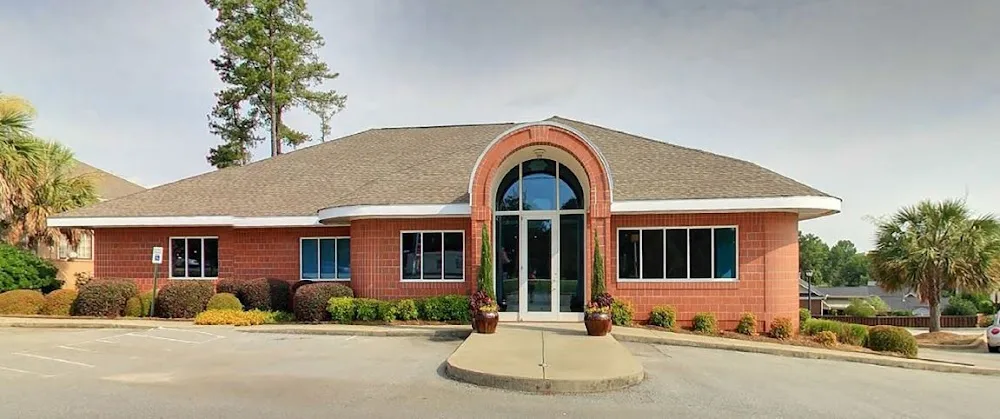
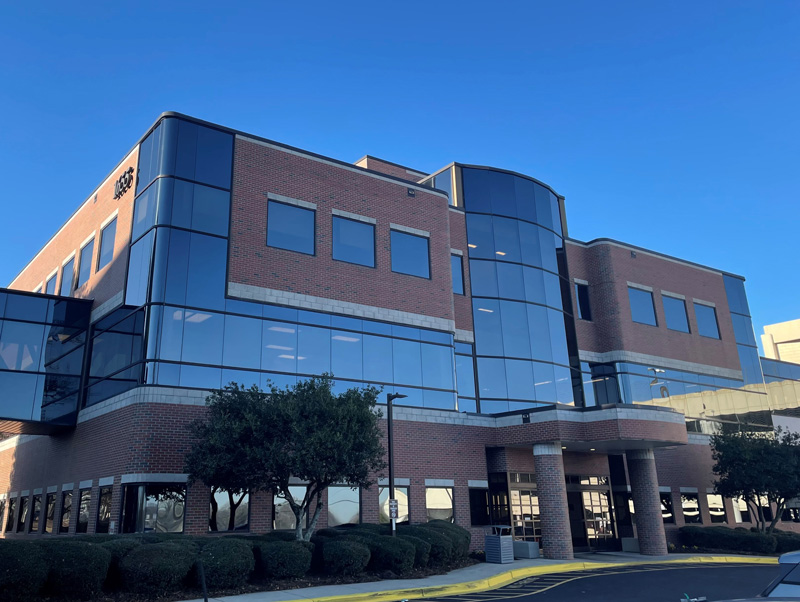
Columbia Dermatology & Aesthetics
Columbia / 4+ active studies
Hidradenitis suppurativa, psoriasis, obesity
A skin care practice with its own research team. It runs both skin and weight studies.
Velocity Clinical Research, Columbia
Columbia / Multiple active studies
COPD, skin conditions, vaccines
Part of one of the biggest research site networks in the country. Besides, it is just the kind of site the huge outcome trials lean on.
Visit Website →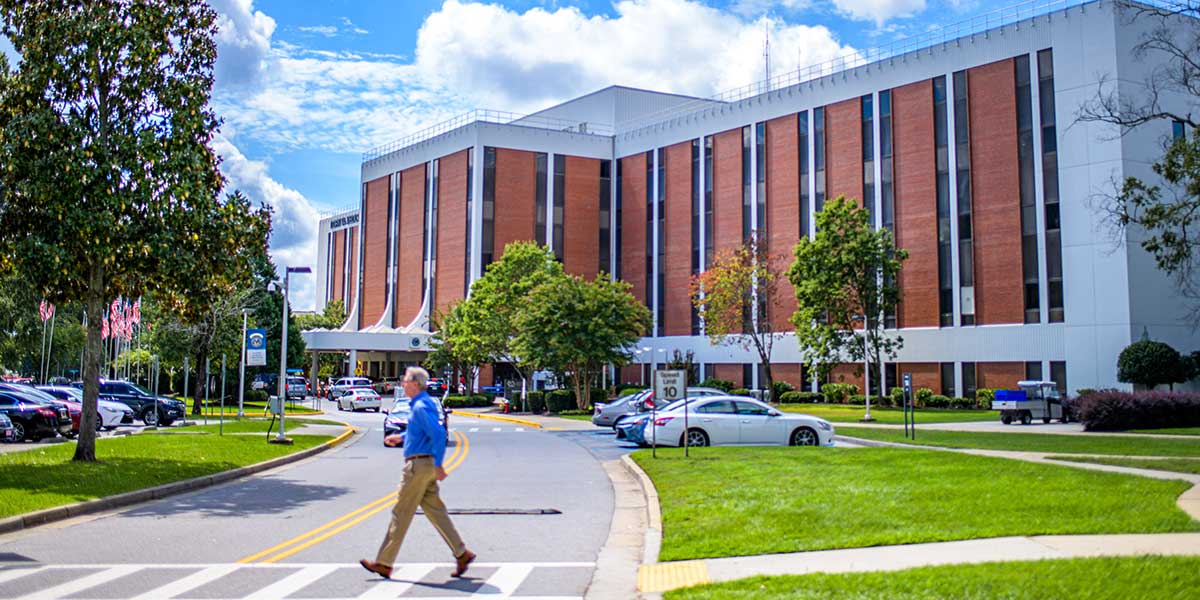
Wm. Jennings Bryan Dorn VA Medical Center
Garners Ferry Road, Columbia / 2+ active studies
Atherosclerosis, liver disease
Columbia’s VA medical center runs studies, including ones on clogged arteries. For veterans, it is often the first door.
Visit Website →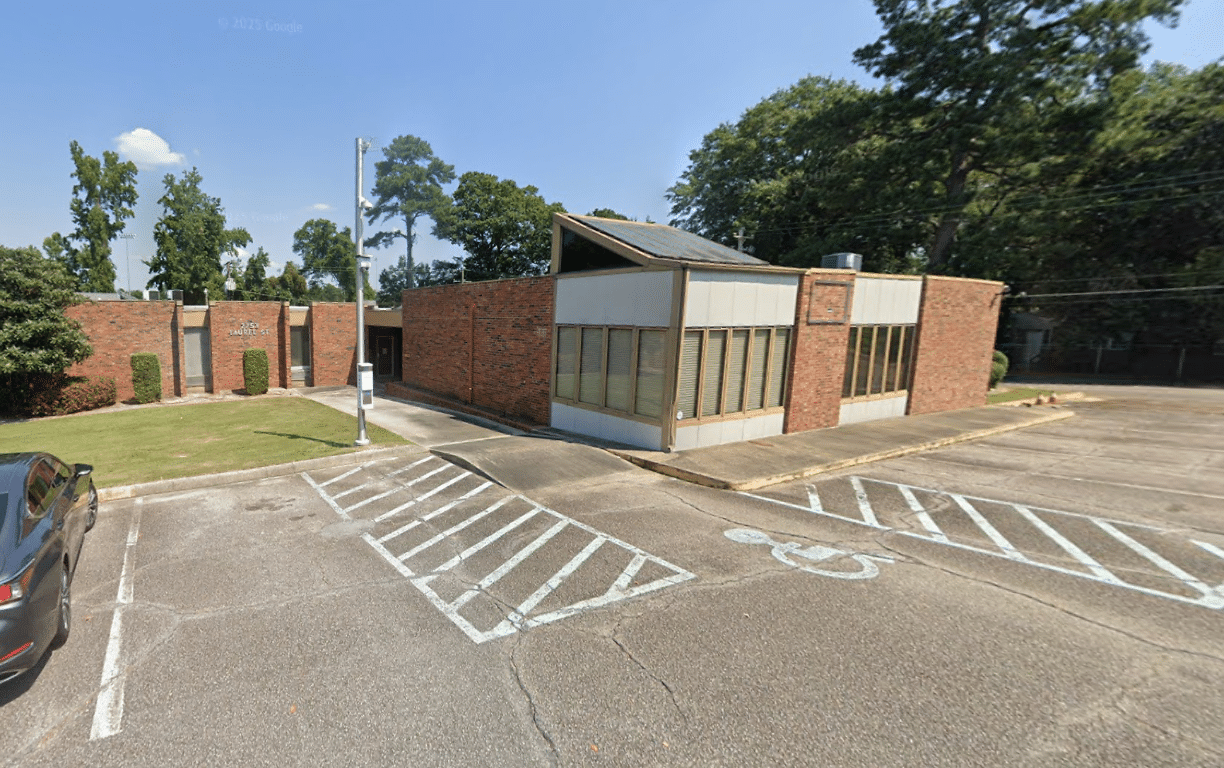
Objective Health, Columbia
Columbia / 2+ active studies
Celiac disease, fatty liver disease
Once called Columbia Digestive Health Research. Now it is part of the Objective Health network. Specifically, it runs gut and liver studies, including fatty liver trials.

Columbia Gastroenterology Associates
Columbia / Active studies
Digestive conditions
A long-running gut health practice. Also, it takes part in digestive trials around Columbia.
What to Expect in a Lung Scarring Study
New to studies? Here is how one works, step by step.
01
Prescreening
First comes a short phone call or online form. Also, it takes about 10 to 15 minutes. The staff check whether you might fit. Then they tell you what is open.
02
Screening Visit
Next the clinic runs the tests that decide it, which usually means blood work. Also, they go through the consent form line by line, and you can bring somebody with you.
03
Treatment Period
Then the study begins. So you take the study drug or the placebo on the agreed schedule. Meanwhile, your own doctor keeps managing everything else.
04
Follow-Up
Finally, there is a check in period at the end. Also, your own doctor gets the results, and you can stop at any point without affecting your care.
Pulmonary Fibrosis Trial FAQs
Real answers about lung scarring studies near Columbia SC.
Is there a study for this near Columbia?
Yes, one is open, at a hospital lung clinic a few minutes from downtown. It tests an inhaled mist in scarring that is not IPF, and half the people get a dummy mist. Notably, one route in needs only worse symptoms and more scarring on a scan, with no drop in your breathing numbers. However, three more studies sit about 70 to 90 minutes north around Rock Hill and Gastonia.
What is the difference between IPF and the other kinds?
IPF is one type of scarring lung disease, and idiopathic just means no cause was found. The rest have a known trigger, such as rheumatoid arthritis, scleroderma, mould, bird protein or a workplace dust. So the label matters more than it sounds. In fact, one study here is open only to IPF and another bars it outright.
Will I have to stop my current drug?
It depends entirely on the study, and this is the question to lead with. One requires you to come off your scarring drug for the whole trial, which is a serious thing to agree to. Another keeps your treatment exactly as it is. Also, a third asks only that you have been on a steady dose for six weeks first.
What are FVC and DLCO?
They are the two numbers every study screens on, so they are worth knowing. FVC is how much air you can blow out in one go, written as a percentage of what is expected for you. DLCO measures how well oxygen crosses from your lungs into your blood. Generally, these studies want FVC at 40 to 45 percent or above.
Is there anything new for the cough?
Yes, and it is the first serious attempt at it. Nothing is approved for the cough that comes with lung scarring, even though people rank it as their worst symptom. One study here goes after it directly, with a device that counts every cough across a full day. However, a sleep apnea diagnosis rules you out of that one.
Did anything actually change recently?
Yes. A new pill was approved for IPF in October 2025, the first in over ten years. It was then approved for progressive scarring in December 2025. So the shelf now holds three drugs rather than two. Meanwhile, that approval also created a new exclusion, because one study bars anyone who took it in the past 60 days.
Why is there only one study here?
Because the research capacity in the Midlands went to this condition rather than to others, and one site carries it. That is better than it sounds, since many cities this size carry none at all. However, three more studies sit about 70 to 90 minutes north around Rock Hill and Gastonia. So the practical answer is one nearby and three within a drive.
Do I need a recent chest scan?
For most of these, yes, and it needs to be recent. Three of the studies want a detailed scan from the past 12 months, read again by their own central expert. So your own radiologist agreeing is not always enough. Also, if your scan is older than a year, ask about that on the first call rather than the fifth.
Does it cost anything to be on the list?
No. There is no cost, and no insurance is needed. Tether is a nonprofit list, so we do not run studies and we are not paid to send you anywhere. Also, being on the list never enrolls anyone in anything. You would always call the clinic yourself.
Where can I get lung care near Columbia SC?
Prisma Health and Lexington Medical Center both run lung services across the Midlands. Also, ask for a lung specialist rather than general care, because this needs a detailed scan and proper breathing tests. Your own doctor can refer you. Meanwhile, if nobody has ordered you a high resolution scan, that is the thing to ask for first.
Ready to Explore a Study?
Check your eligibility, or just reach out to our Columbia team. No pressure. Also, no sales pitch.
← Back to All Clinical TrialsSources
- OCEAN-1 nalbuphine ER study for cough in pulmonary fibrosis, ClinicalTrials.gov NCT07671911
- SURPASS-IPF deupirfenidone study, ClinicalTrials.gov NCT07284602
- SARD-ILD nerandomilast study in autoimmune interstitial lung disease, ClinicalTrials.gov NCT06806592
- SAIL open label extension of inhaled pirfenidone, ClinicalTrials.gov NCT06951217
- TETON-PPF inhaled treprostinil study in progressive pulmonary fibrosis, ClinicalTrials.gov NCT05943535
- American Journal of Managed Care: FDA approves nerandomilast for idiopathic pulmonary fibrosis, with comment from Justin M. Oldham, MD
- Pulmonary Fibrosis Foundation: FDA approves nerandomilast for progressive pulmonary fibrosis, with comment from Amy Hajari Case, MD
Study details and per-site recruiting status verified against ClinicalTrials.gov on August 16, 2026. One long term extension study reads as recruiting but accepts only people who finished an earlier study of the same drug, so it is listed separately rather than counted as open. Study availability and criteria change; the research clinic confirms everything before you enroll.