
COLUMBIA, SC
Sleep Apnea Clinical Trials
2 paid sleep apnea studies are enrolling in Columbia SC, both at one sleep practice downtown. Notably, one of them takes you whether or not you use a breathing device, which is rare. Compensation is provided for eligible participants.
2
Enrolling Now
1
Takes You Either Way
+/- $100
Per Visit
New here? Read how this page works
First, one question sorts most sleep apnea studies, and it is not about your diagnosis. So here is the order to work through.
- Answer the CPAP question first. Because whether you use it, gave up on it, or refused it decides which study can take you more than anything else.
- Find your apnea score. Notably, nearly every study here needs 15 or more per hour, so a reading of 12 will not qualify.
- Count the lab nights before you agree. In fact, one study here needs three of them, each after seven nights without your CPAP.
- Finally, tap the button. Then we check you against all of them at once and tell you when a new one opens.
Of course, checking never signs you up for anything. You are only seeing where you might fit.
The 2 Sleep Apnea Studies Enrolling in Columbia
Both run at one practice downtown. However, one is far more flexible about CPAP than anything in Charlotte.
Both run at one sleep practice downtown
Notably, the second one takes you whether or not you use a breathing device, which nothing in Charlotte does. So start there.

The Flexible One, Whichever Side of CPAP You Are On
Eli Lilly / Drug
A weekly shot run as one study with two routes. One route is for people who cannot or will not use a breathing device, and the other is for people who use one faithfully.
Est. about $100 per visit. Ask the site for the total number of visits.
Check eligibility →More details
Why researchers are excited: everywhere else your CPAP answer decides which study you can join. Here, one protocol takes you either way.
Who this study is looking for
- Adults with an apnea score of 15 or more per hour
- Also, A BMI of 27 or more, with no upper limit published
- Besides that, either you are unable or unwilling to use a breathing device
- Finally, or you have used one for at least 3 months and will continue
Probably not a fit if: you cannot do the overnight lab study at screening. That one is required and a home test will not substitute, which is stricter than it sounds.
- Placebo group: Real drug against a dummy, and the ratio is not published.
- How long: About 76 weeks, so roughly 17 and a half months, with the main result at week 64.
- Clinic visits: Two firmly anchored points, at the start and week 64, and total taking part is about 76 weeks. However, the visit count itself is not published.
- Phone calls: Not published on the public record.
- Most invasive part: At least two nights in a sleep lab, one at screening and one at week 64. Notably, the screening one cannot be swapped for a home test. Also, weekly shots and fasting blood draws.
- Setting: Outpatient.
- Where it runs: Bogan Sleep Consultants, Columbia SC 29201.
- Why this one is worth the call: it is the only study in either city that takes you whether or not you use CPAP. So it is the single best first phone call for a Columbia reader.
- Full study record: View on ClinicalTrials.gov →

A Weekly Shot, for People Already on a Device
Novo Nordisk / Drug
A weekly shot from the same drug family, tested in people who use a breathing device at night. It runs for 80 weeks, which is the longest commitment on this page.
Est. about $100 per visit. Ask the site for the total number of visits.
Check eligibility →More details
Why researchers are excited: it asks whether the drug helps on top of a device you are already using, rather than replacing something that works.
Who this study is looking for
- Adults with an apnea score of 15 or more per hour
- Also, you use a breathing device at night, which is in the study’s own title
- Besides that, you are overweight or living with obesity
- Finally, the exact weight threshold is not published, so ask the clinic
Probably not a fit if: you have ever taken a GLP-1 drug. Any previous semaglutide, tirzepatide or liraglutide rules you out, and given how common those now are, this catches a great many people.
- Placebo group: Real drug against a dummy, and the ratio is not published.
- How long: 80 weeks to the main result, with follow up to 84. So roughly 19 months.
- Clinic visits: Three anchored points are published, at the start and weeks 80 and 84. However, injections are weekly and you do those yourself, so clinic contact sits between.
- Phone calls: Not published on the public record.
- Most invasive part: At least two breathing measurements, at the start and at week 80. Whether those are in a lab or at home is not published for the in study ones. Also, weekly shots you give yourself, plus repeated blood draws.
- Setting: Outpatient.
- Where it runs: Bogan Sleep Consultants, Columbia SC 29201.
- Read this first: any past use of a weight loss injection shuts this door. So if you have tried one, say so before you book anything.
- Full study record: View on ClinicalTrials.gov →
Not sure which one fits you?
First, answer a few quick health questions. Then we check you against both studies. Also, no account and no paperwork.
See if I may fit one of these studies →What Is Actually Changing in Sleep Apnea
For the first time, there is a drug. It did not replace the machine.
What Is Happening While You Sleep
The muscles in your throat relax at night, and in sleep apnea they relax so far that the airway shuts. Air stops moving and your oxygen drops, so your brain jolts you part way awake to reopen it, often with a gasp. Then you fall asleep and it happens again. So most people never remember waking, and what they notice is exhaustion, snoring, a dry mouth and a partner in another room.
The Number That Decides Everything
It is called the apnea score, and it counts how many times an hour your breathing stopped or went badly shallow. Under 5 is normal, 15 to 29 is moderate, and 30 or more is severe. Nearly every study here needs 15 or higher. So if your number came back at 12, you will not qualify, and that is worth knowing before you call.
Ask for the Test by Name
An overnight lab study is the complete version, and it is what almost every study uses. A home kit is easier and cheaper, and it is good at confirming clear cut apnea though less good at ruling it out. So ask for a lab study by name if a home test came back borderline. Also, one study here will not accept a home test at screening at all.
December 2024 Changed the Field
A drug was approved for sleep apnea itself for the first time, in adults who also have obesity. As Sally Seymour of the FDA put it, the approval marked the first drug treatment option for certain patients with this condition. Before that, the answer was always a device. Atul Malhotra of UC San Diego made the same point, that treating this had historically meant using devices during sleep.
What the Trial Behind It Showed
In the study that led to approval, breathing interruptions fell by about 25 an hour in people not using a device, and about 29 an hour in those who were. Malhotra, who led it, called it a significant milestone offering a promising option that addresses both the breathing and the metabolic side. Meanwhile, average weight loss was around 45 to 50 pounds.
But It Did Not Replace CPAP
This is the part that gets lost. The drug was approved alongside diet and exercise, and only for people with obesity. It is not a general sleep apnea drug. The sleep medicine guidance issued through 2025 still lists CPAP as a recommended first line treatment. So a drug now exists, and the machine has not gone anywhere.
Which Is Why Every Local Study Looks the Same
All four studies in these two cities are follow ons from that approval. Each is a weekly or monthly injection from the same drug family, tested against a dummy, in people who have sleep apnea plus extra weight. Also, there is no implant study and no mouthpiece study recruiting in either city, and readers should know that going in.
Research Sites Near Columbia
One sleep research practice downtown carries both of these. But sites add new studies all the time, so it is worth knowing what sits near you.
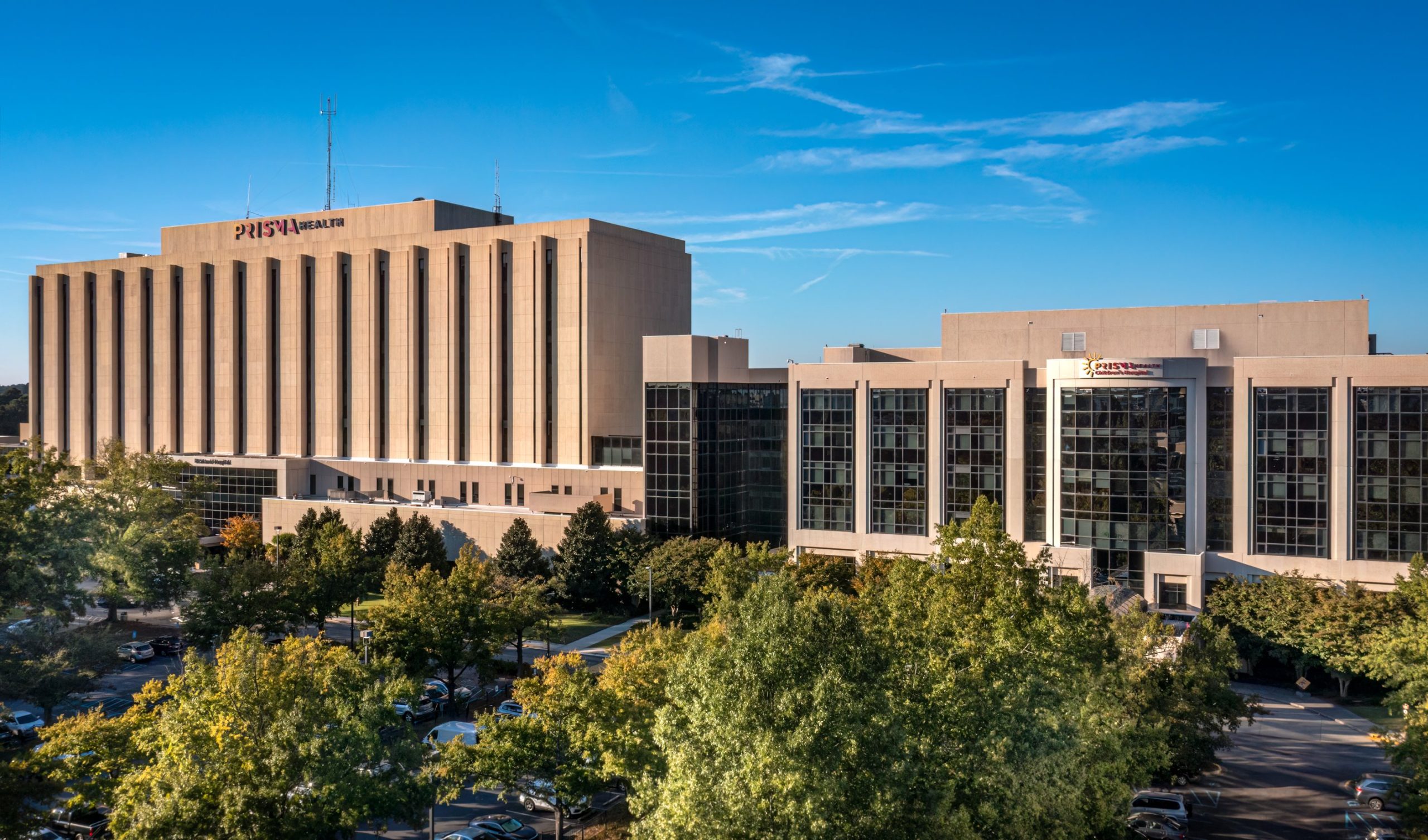
Prisma Health Richland Hospital
Downtown Columbia / 37+ active studies
Cancer, blood disorders, broad hospital research
The flagship Prisma Health hospital in the Midlands. Also, by far the biggest trial operation in the Columbia metro.
Visit Website →
University of South Carolina
Columbia / 27+ active studies
Stroke recovery, physical activity, community health
Notably, a research university that runs federally funded health studies across the Midlands. Specifically, topics range from stroke rehab to disease prevention.
Visit Website →
Bogan Sleep Consultants
Columbia / 7+ active studies
Narcolepsy, sleep disorders
One of the best known private sleep research sites in the Southeast. Also, it has run sleep trials for decades.
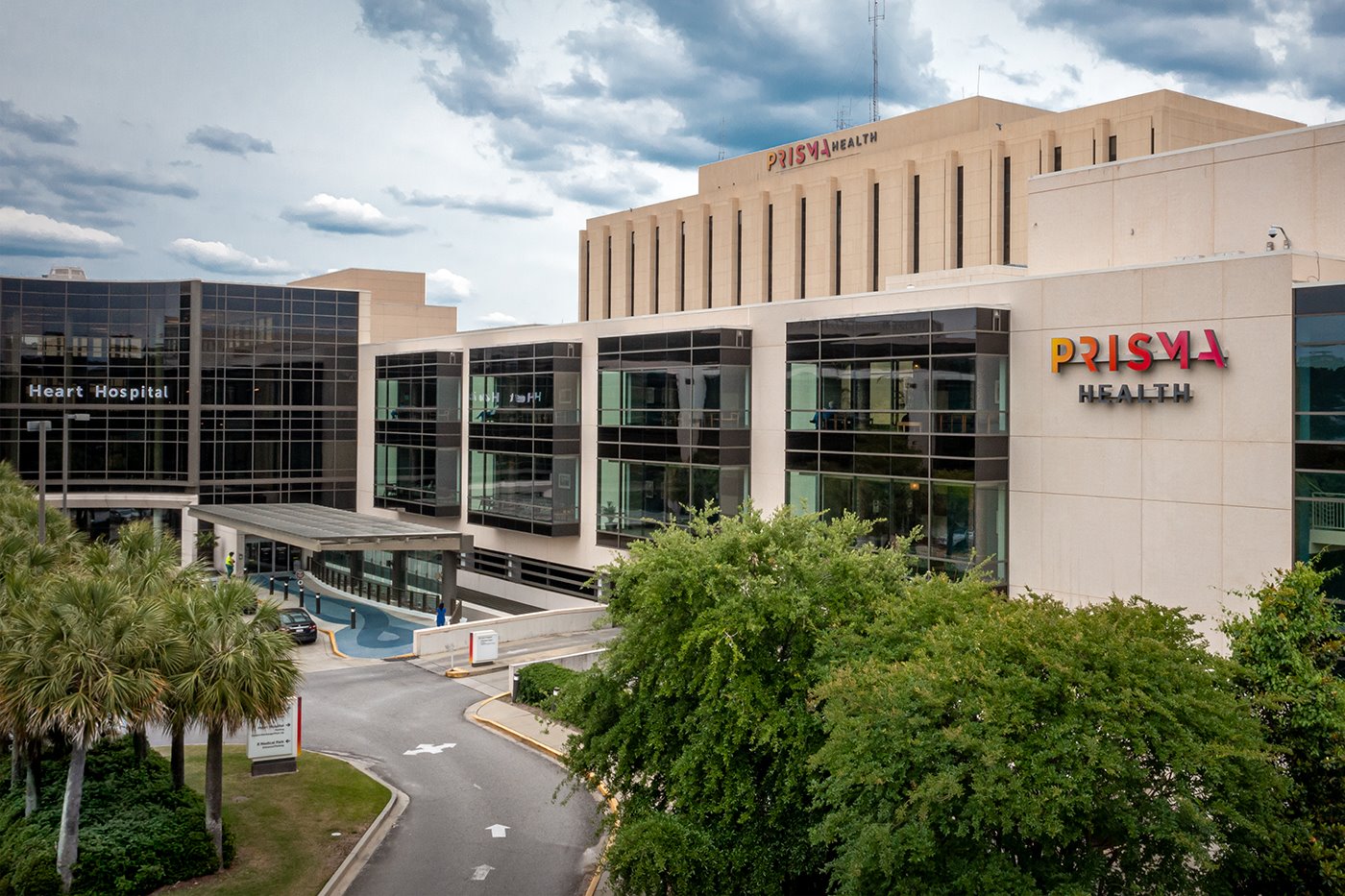
Prisma Health Midlands Cardiovascular
Columbia / 4+ active studies
Cardiovascular disease, heart failure
The heart and vessel research arm of Prisma Health in the Midlands. So it is the natural home for cholesterol trials in Columbia.
Visit Website →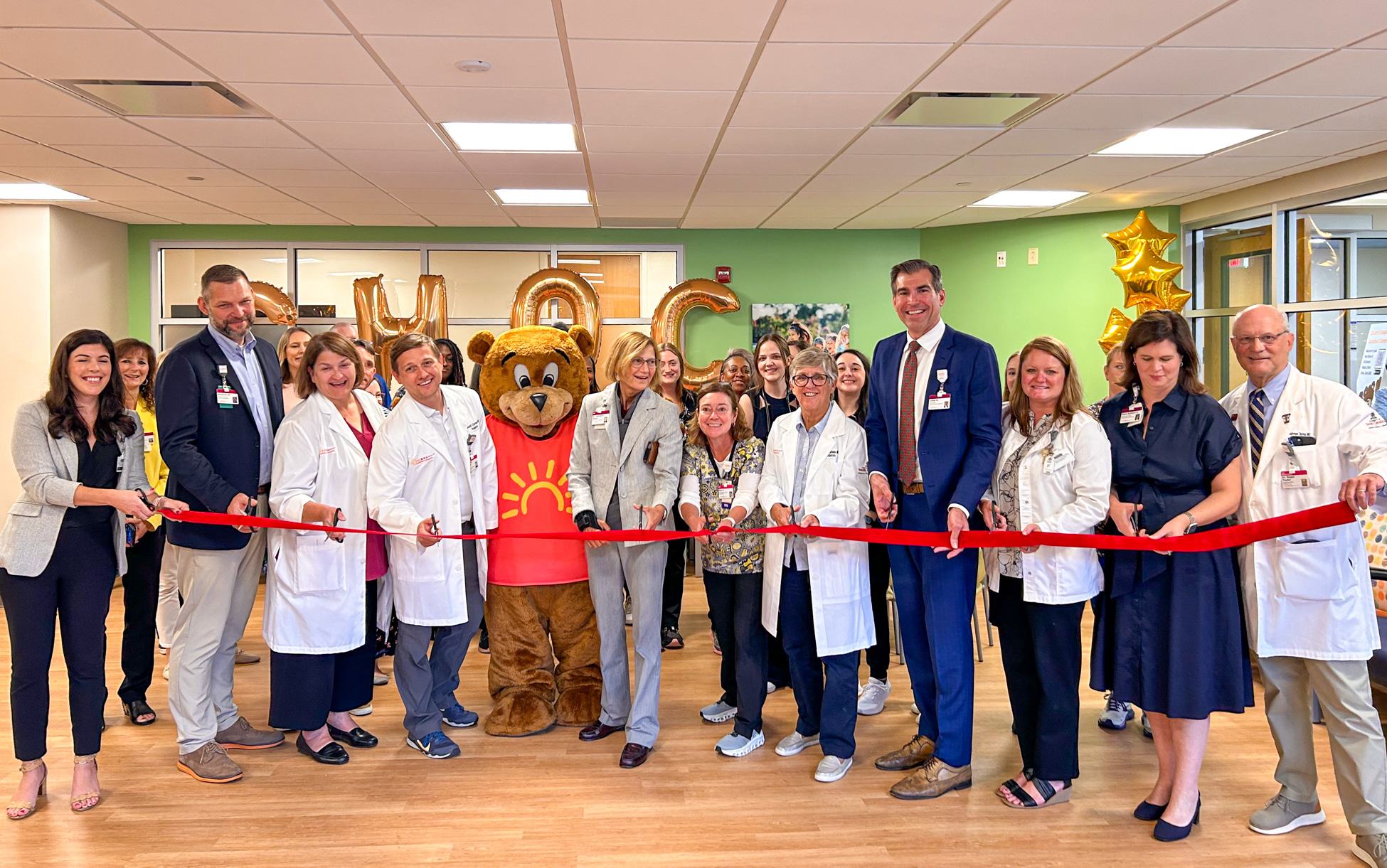
Prisma Health Children’s Hospital, Midlands
Columbia / 4+ active studies
Pediatric growth, cystic fibrosis
Basically, the Midlands hub for children’s research inside the Prisma Health system.
Visit Website →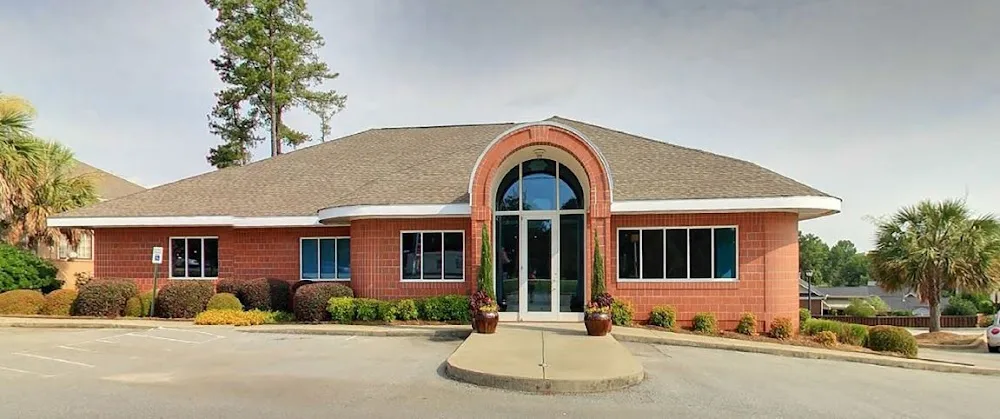
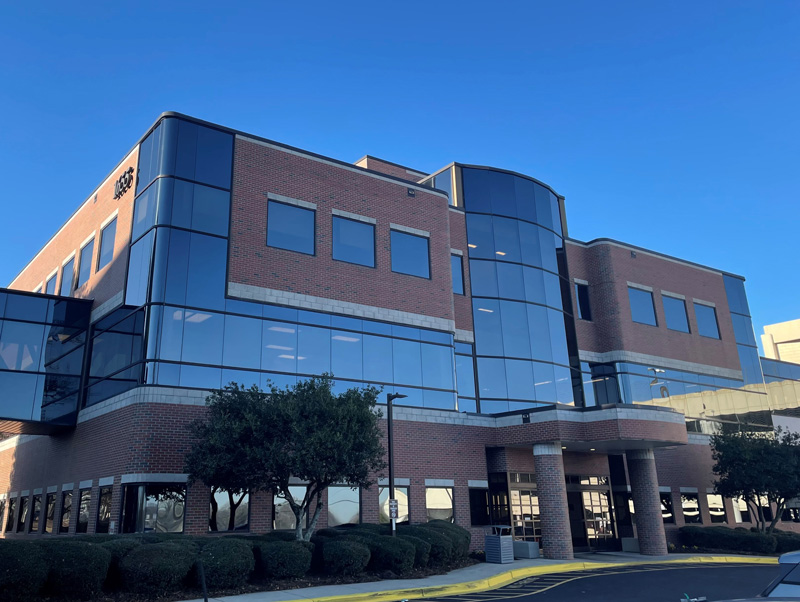
Columbia Dermatology & Aesthetics
Columbia / 4+ active studies
Hidradenitis suppurativa, psoriasis, obesity
A skin care practice with its own research team. It runs both skin and weight studies.
Velocity Clinical Research, Columbia
Columbia / Multiple active studies
COPD, skin conditions, vaccines
Part of one of the biggest research site networks in the country. Besides, it is just the kind of site the huge outcome trials lean on.
Visit Website →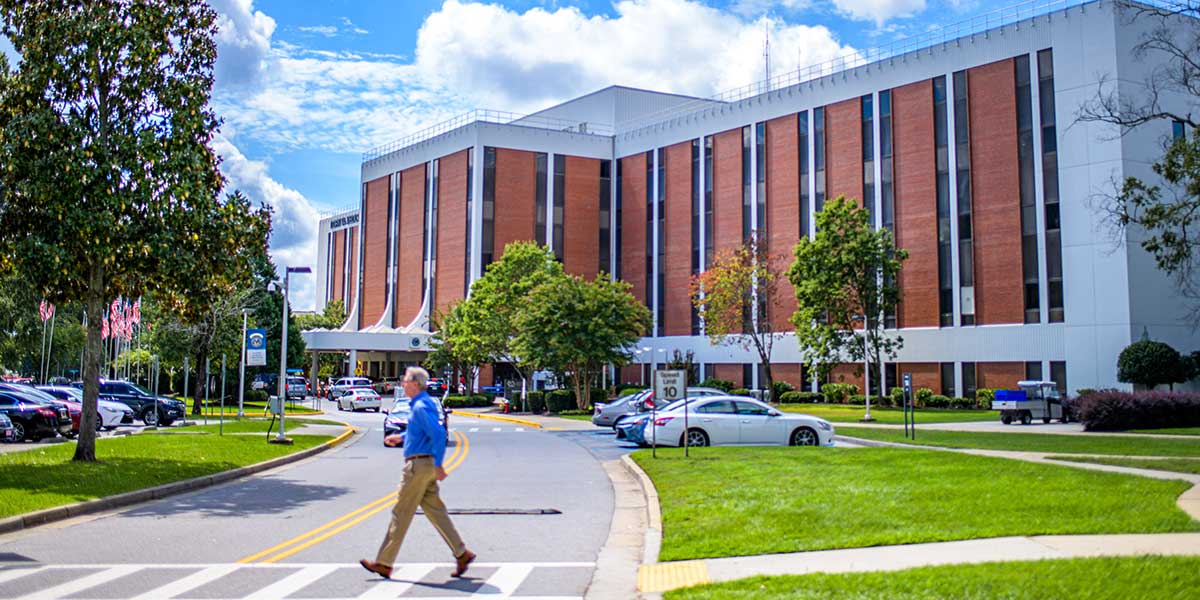
Wm. Jennings Bryan Dorn VA Medical Center
Garners Ferry Road, Columbia / 2+ active studies
Atherosclerosis, liver disease
Columbia’s VA medical center runs studies, including ones on clogged arteries. For veterans, it is often the first door.
Visit Website →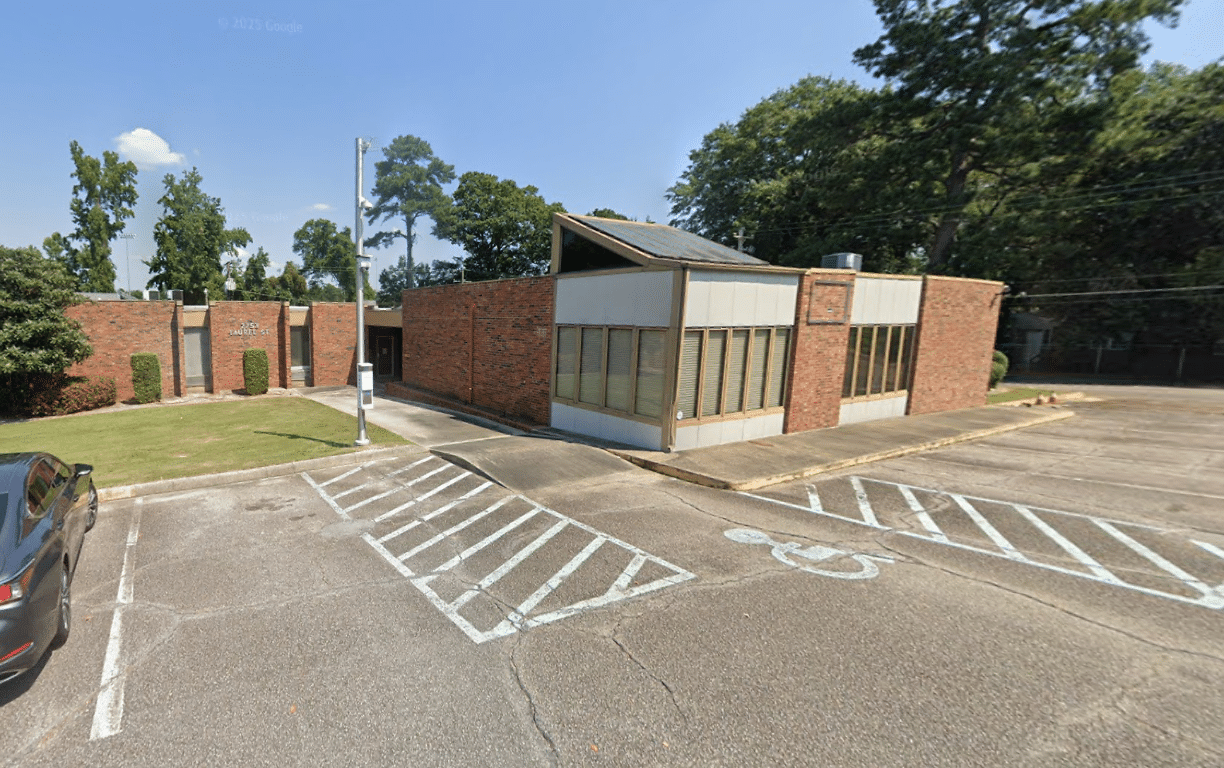
Objective Health, Columbia
Columbia / 2+ active studies
Celiac disease, fatty liver disease
Once called Columbia Digestive Health Research. Now it is part of the Objective Health network. Specifically, it runs gut and liver studies, including fatty liver trials.
Columbia Gastroenterology Associates
Columbia / Active studies
Digestive conditions
A long-running gut health practice. Also, it takes part in digestive trials around Columbia.
What to Expect in a Sleep Apnea Study
New to studies? Here is how one works, step by step.
01
Prescreening
First comes a short phone call or online form. Also, it takes about 10 to 15 minutes. The staff check whether you might fit. Then they tell you what is open.
02
Screening Visit
Next the clinic runs the tests that decide it, which usually means blood work. Also, they go through the consent form line by line, and you can bring somebody with you.
03
Treatment Period
Then the study begins. So you take the study drug or the placebo on the agreed schedule. Meanwhile, your own doctor keeps managing everything else.
04
Follow-Up
Finally, there is a check in period at the end. Also, your own doctor gets the results, and you can stop at any point without affecting your care.
Sleep Apnea Trial FAQs
Real answers about obstructive sleep apnea studies near Columbia SC.
Is there a sleep apnea study near Columbia?
Yes, two, and both run at one sleep practice downtown, a few minutes from the centre. Notably, one of them takes you whether or not you use a breathing device, under a single protocol. That makes it the best first call for most readers here, because it does not force the CPAP question. However, the other rules out anyone who has ever taken a weight loss injection, and that catches a lot of people.
Will I have to give up my CPAP?
It depends entirely on the study, and this is the question that routes you. Some studies want people who are not using CPAP at all. Others require you to use it faithfully and keep using it. However, one study asks you to spend seven nights without your CPAP before each sleep test, and that is a serious thing to agree to, so we put it on the front of that card.
What is the apnea score and why does it matter?
It counts how many times an hour your breathing stopped or went badly shallow overnight. Under 5 is normal, 15 to 29 is moderate, and 30 or more is severe. Nearly every study here needs 15 or higher. So if yours came back at 12, you will not qualify, and it is better to know that before you call.
Is there really a drug for sleep apnea now?
Yes, since December 2024, and it was the first ever. As Sally Seymour of the FDA put it, that approval marked the first drug treatment option for certain patients with this condition. However, it is approved for adults who also have obesity, alongside diet and exercise. So it is not a general sleep apnea drug and it did not replace CPAP.
Does that mean I can stop using CPAP?
No, and this gets misread constantly. The sleep medicine guidance issued through 2025 still lists CPAP as a recommended first line treatment. As Atul Malhotra of UC San Diego put it, treating this had historically meant using devices during sleep, and a drug existing does not undo that. So talk to your own doctor before changing anything.
How many nights will I spend in a sleep lab?
More than people expect, and it is the biggest practical commitment here. Two of the studies need at least three overnight lab studies, and two need at least two. One will not accept a home test at screening at all. So ask for the number of lab nights on your very first call, because it decides whether you can really do this.
Are there any implant or mouthpiece studies?
No, not one in either city, and we checked specifically. Every study running here is a drug study using a weekly or monthly injection. So if you were hoping for a device alternative to CPAP, that research exists elsewhere but not locally. Meanwhile, put your name in and we will tell you if one opens.
Does it cost anything to be on the list?
No. There is no cost, and no insurance is needed. Tether is a nonprofit list, so we do not run studies and we are not paid to send you anywhere. Also, being on the list never enrolls anyone in anything. You would always call the clinic yourself.
How long do these run?
Longer than most things we list, so read that line carefully. The shortest runs 52 weeks of treatment with safety follow up out to two years. The longest runs 80 weeks to its main result. So these are commitments measured in years rather than months.
Where can I get sleep apnea care near Columbia SC?
Prisma Health and Lexington Medical Center both run sleep services across the Midlands. Also, ask for an in lab sleep study by name if a home test came back borderline, because the two are not equivalent. Your own doctor can refer you to a sleep specialist. Meanwhile, if you stopped using CPAP, say so plainly rather than letting it go unmentioned, because it opens doors rather than closing them.
Ready to Explore a Study?
Check your eligibility, or just reach out to our Columbia team. No pressure. Also, no sales pitch.
← Back to All Clinical TrialsSources
- MARITIME-OSA-2 maridebart cafraglutide study, ClinicalTrials.gov NCT07226765
- MARITIME-OSA-1 maridebart cafraglutide study, ClinicalTrials.gov NCT07225686
- AMAZE 4 study in obstructive sleep apnea, ClinicalTrials.gov NCT07571109
- ENLIGHTEN-3 study in obstructive sleep apnea, ClinicalTrials.gov NCT07369011
- FDA approves the first medication for obstructive sleep apnea, with comment from Sally Seymour, MD
- UC San Diego: SURMOUNT-OSA results, with comment from Atul Malhotra, MD
- Eli Lilly: FDA approval of tirzepatide for obstructive sleep apnea, with comment from Julie Flygare, JD of Project Sleep
Study details and per-site recruiting status verified against ClinicalTrials.gov on August 16, 2026. On that date no implanted nerve stimulation study and no mouthpiece or CPAP alternative study was recruiting in either metro. Study availability and criteria change; the research clinic confirms everything before you enroll.