
COLUMBIA, SC
Low Back Pain Clinical Trials
No chronic low back pain study is enrolling in the Columbia SC metro, and we would rather say so plainly. The nearest runs at Charleston, and it has only ten places in the whole study. Compensation is provided for eligible participants once one opens here.
0
Open in the Midlands
10
Places in the Nearest
+/- $100
Per Visit
New here? Read how this page works
First, here is the honest picture. Nothing is open in the Midlands, and the one nearby option is very small. So here is how to use this page.
- Ask which structure your pain is coming from. Because discs, the small joints, the pelvic joint and the bone itself all need different treatments.
- Ask for your Oswestry score. Notably, that is a short questionnaire turning your back pain into a percentage, and studies gate on it.
- Check the wait after any injection. In fact, one month and six months are the two windows, and tripping them is an avoidable reason to be turned away.
- Finally, tap the button. Then we keep your details on file and call you when a study opens near you.
Of course, checking never signs you up for anything. You are only seeing where you might fit.
Studies Open Near Columbia Right Now
There are none, and we will not pad the page. However, the reason is specific and it is worth understanding.
The nearest one, and there are only ten places in it
Nothing runs in the Midlands. Also, this one follows people already approved by their insurer for the device, so it is not a route to getting it.

The Nearest One, and Only Ten Places
MUSC with SPR Therapeutics / Small device study
Where the base of the spine meets the pelvis is a joint that causes a lot of low back pain. This places a fine wire near the nerves there, delivering mild electrical pulses. The wire comes out after about sixty days, and the hope is that the relief stays. Everybody gets the real device, because there is only one group and no dummy. However, only ten people will join it in total.
Payment is not published.
Get on the list →More details
Why researchers are excited: that joint accounts for a large share of long term back pain and is often missed. Meanwhile, a temporary wire is far less than a permanent implant or a fusion.
Who this study is looking for
- Pain traced to that pelvic joint, usually confirmed by a numbing injection
- Also, A disability score above 40 percent, so ask to have yours measured
- Besides that, three months or more of physiotherapy and pain medicine already tried
- Finally, already booked and approved by your insurer for this device
Probably not a fit if: a steroid injection in that joint within the last month rules you out. Also, a heat treatment on those nerves within the last six months. So time your injections carefully if this interests you.
- Placebo group: None. There is one group, and everybody gets the real device.
- How long: About nine months in total, counting the follow up after the wire is removed.
- Clinic visits: About 5 or 6 in person, which are screening, the procedure, day 12, three months, the removal, then three months after that.
- Phone calls: None published.
- Most invasive part: A wire placed near the nerves under local anaesthetic, then removed later. So it is less than an implant, but it is genuinely a procedure.
- Setting: Outpatient.
- Where it runs: Medical University of South Carolina, Charleston SC 29425.
- Drive from Columbia: Charleston is about 115 miles south east, so roughly an hour and fifty minutes on I-26.
- Ten places, and they will go fast. Also, get your disability score measured before you drive, because above 40 percent is a hard line.
- Full study record: View on ClinicalTrials.gov →
Not sure which one fits you?
First, answer a few quick health questions. Then we keep them on file. Finally, we call you when a study opens near Columbia. No account, no paperwork.
See if I may fit one of these studies →What Is Actually Changing in Low Back Pain
The useful question has moved from what the scan shows to which structure is actually generating the pain.
Chronic Means Three Months
Back pain counts as chronic once it has lasted more than three months. So it is a clock rather than a judgement about severity. Meanwhile, most studies ask how long and how often before they ask how bad. Notably, that is why a diary is more useful than a description.
Scans Find Things That Do Not Hurt
Bulging discs and worn joints show up on scans of people with no pain at all, in large numbers. So a finding on a report is not automatically your answer. However, that cuts both ways, because a normal looking scan does not mean nothing is wrong. In fact, matching the finding to the symptoms is the whole skill.
The Pain Can Come From Several Places
Discs, the small joints at the back, the pelvic joint and the bone itself can all be the source. So the treatments differ completely depending on which one it is. Meanwhile, both studies nearest to here are aimed at one specific source each. Generally, working out which applies to you is the first real step.
Ask for Your Oswestry Score
This is a short questionnaire that turns your back pain into a percentage of disability. So studies gate on it, and one nearby needs a score above forty percent. It takes about five minutes and any physiotherapist can score it. Notably, walking in already knowing your number saves a long drive.
Bone as a Source Is a Newer Idea
Some back pain appears to come from a nerve inside the vertebra itself. The clue is a change at the edges of the bone that a radiologist can name on MRI. So there is now a procedure aimed at that nerve specifically. Meanwhile, without that MRI finding you are not a candidate, however bad the pain.
The Pelvic Joint Is Missed Constantly
Where the base of the spine meets the pelvis accounts for a large share of long term back pain. So pain low down and to one side, worse standing from a chair, is worth asking about. The usual test is a numbing injection into that joint. In fact, if it settles the pain briefly, that answers the question.
Injections Reset the Clock on Studies
Steroid injections and heat treatments both carry waiting periods before a study will take you. One month and six months are the two windows to know about. So ask about the wait before you book anything else. Meanwhile, this is one of the easiest ways to be turned away for no medical reason.
Two Nearby Studies Watch Rather Than Treat
Both options near here follow people who are already booked for a treatment as ordinary care. So neither one is a route to getting a procedure, and neither pays for it. That is a real limitation and we would rather say it plainly. However, it also means nobody gets a fake procedure and nobody goes untreated.
One Study Looks Open and Is Not Joinable
A large study of a spinal decompression procedure lists sites in both cities and reads as open. In truth it reviews Medicare billing records of people who already had the procedure years ago. So there is nothing to enrol in and nobody to call. Meanwhile, we have left it off this page rather than pad the count with it.
Why Nothing Is Open in Either Metro
Charlotte has a long history here, and that is exactly the problem. Search this metro and you find nineteen studies, every one of them finished or stopped. So the local sites have the experience and simply have nothing running today. Meanwhile, the Midlands has none either, and the nearest option is about two hours away.
Back Pain Help Near You
Ask which structure your pain is coming from, because that decides everything else. Also, ask for your Oswestry score, since studies gate on that number. Finally, ask about waiting periods before booking another injection. Meanwhile, join the list and we will call you when a study opens here.
Research Sites Near Columbia
Nothing runs in the Midlands for chronic back pain today, while the nearest study site is at Charleston. But sites add new studies all the time, so it is worth knowing what is near you.
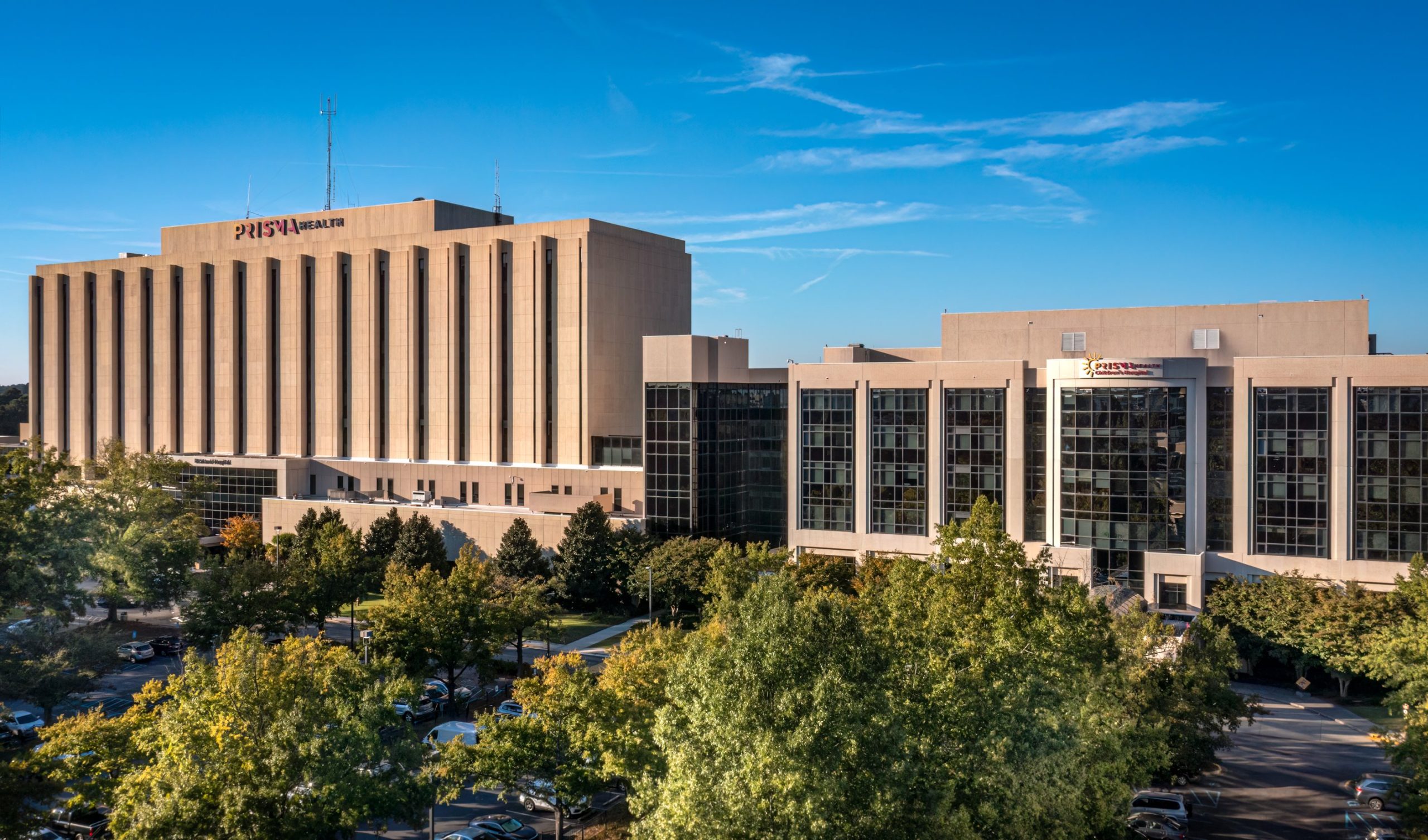
Prisma Health Richland Hospital
Downtown Columbia / 37+ active studies
Cancer, blood disorders, broad hospital research
The flagship Prisma Health hospital in the Midlands. Also, by far the biggest trial operation in the Columbia metro.
Visit Website →
University of South Carolina
Columbia / 27+ active studies
Stroke recovery, physical activity, community health
Notably, a research university that runs federally funded health studies across the Midlands. Specifically, topics range from stroke rehab to disease prevention.
Visit Website →
Bogan Sleep Consultants
Columbia / 7+ active studies
Narcolepsy, sleep disorders
One of the best known private sleep research sites in the Southeast. Also, it has run sleep trials for decades.
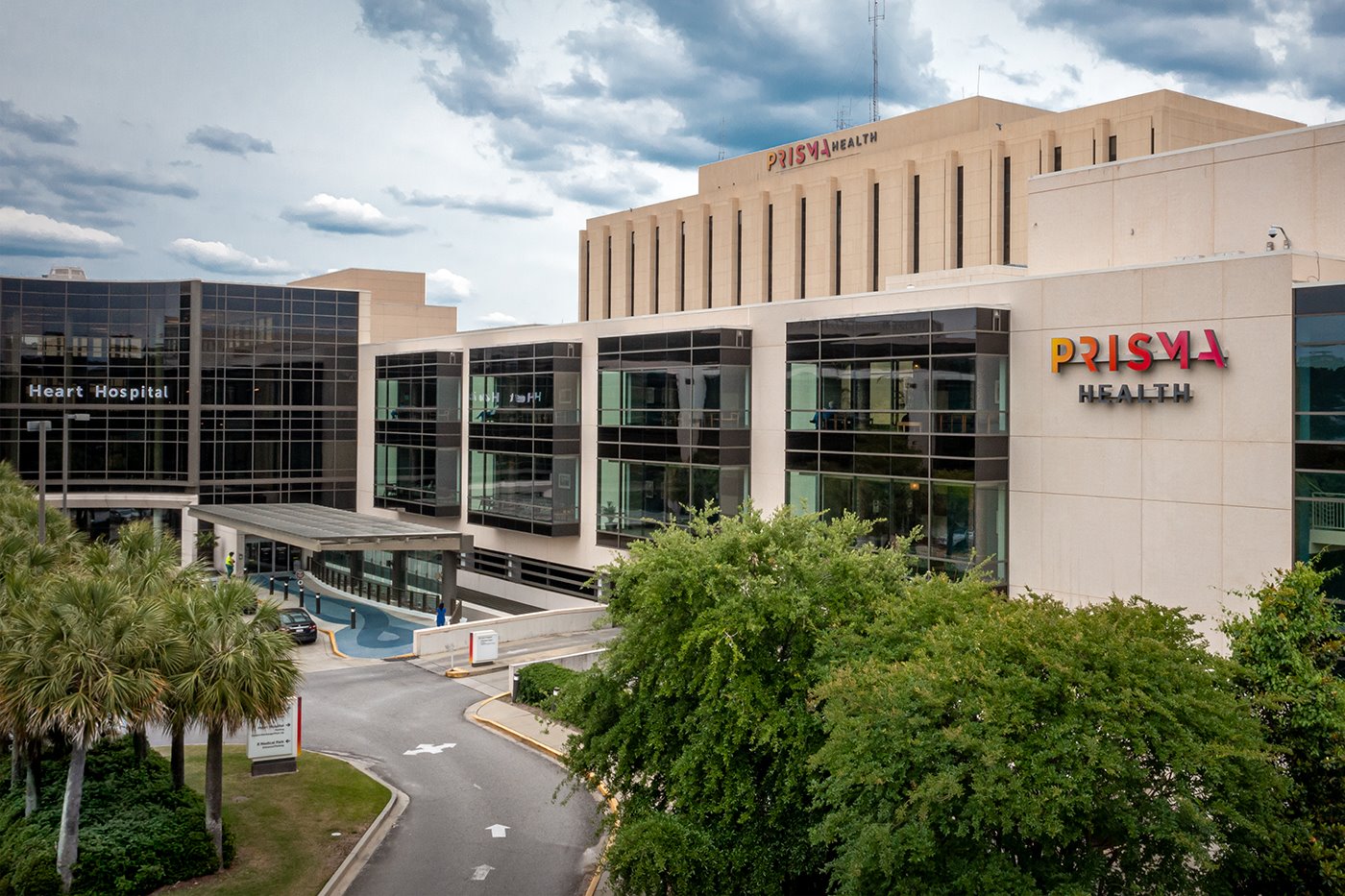
Prisma Health Midlands Cardiovascular
Columbia / 4+ active studies
Cardiovascular disease, heart failure
The heart and vessel research arm of Prisma Health in the Midlands. So it is the natural home for cholesterol trials in Columbia.
Visit Website →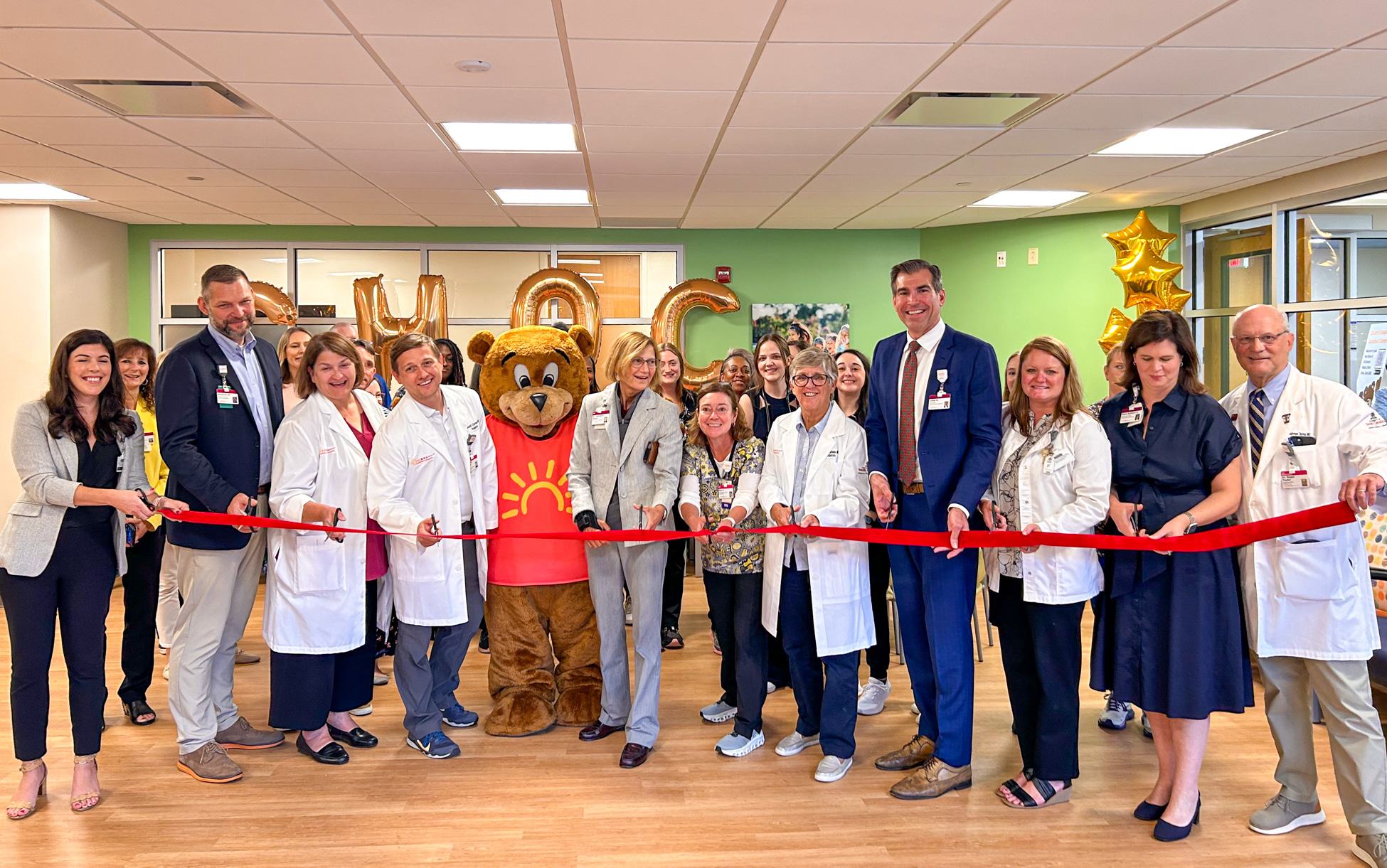
Prisma Health Children’s Hospital, Midlands
Columbia / 4+ active studies
Pediatric growth, cystic fibrosis
Basically, the Midlands hub for children’s research inside the Prisma Health system.
Visit Website →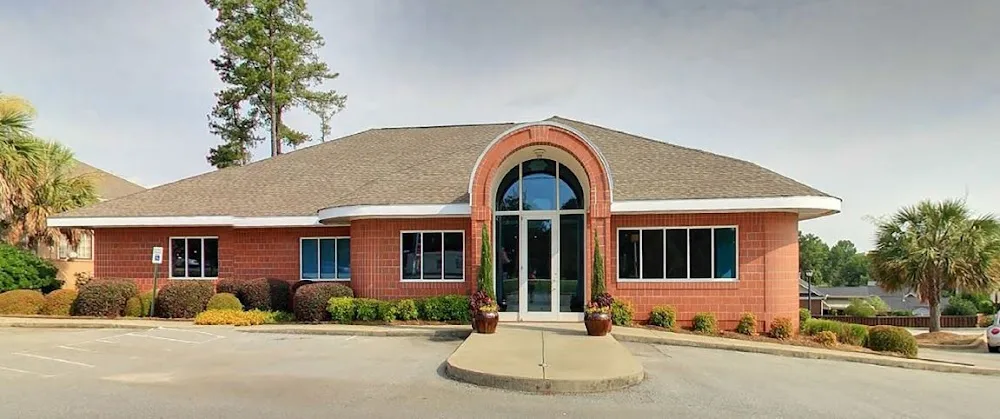
Columbia Dermatology & Aesthetics
Columbia / 4+ active studies
Hidradenitis suppurativa, psoriasis, obesity
A skin care practice with its own research team. It runs both skin and weight studies.
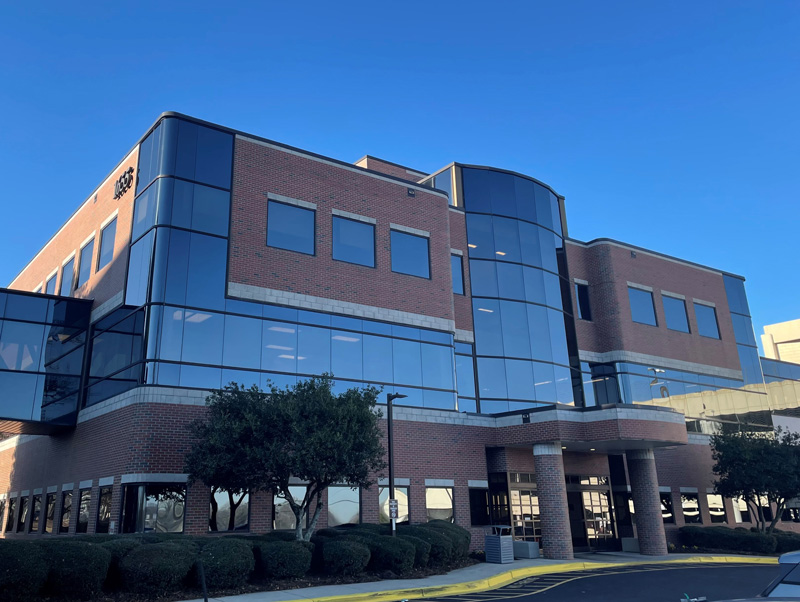
Velocity Clinical Research, Columbia
Columbia / Multiple active studies
COPD, skin conditions, vaccines
Part of one of the biggest research site networks in the country. Besides, it is just the kind of site the huge outcome trials lean on.
Visit Website →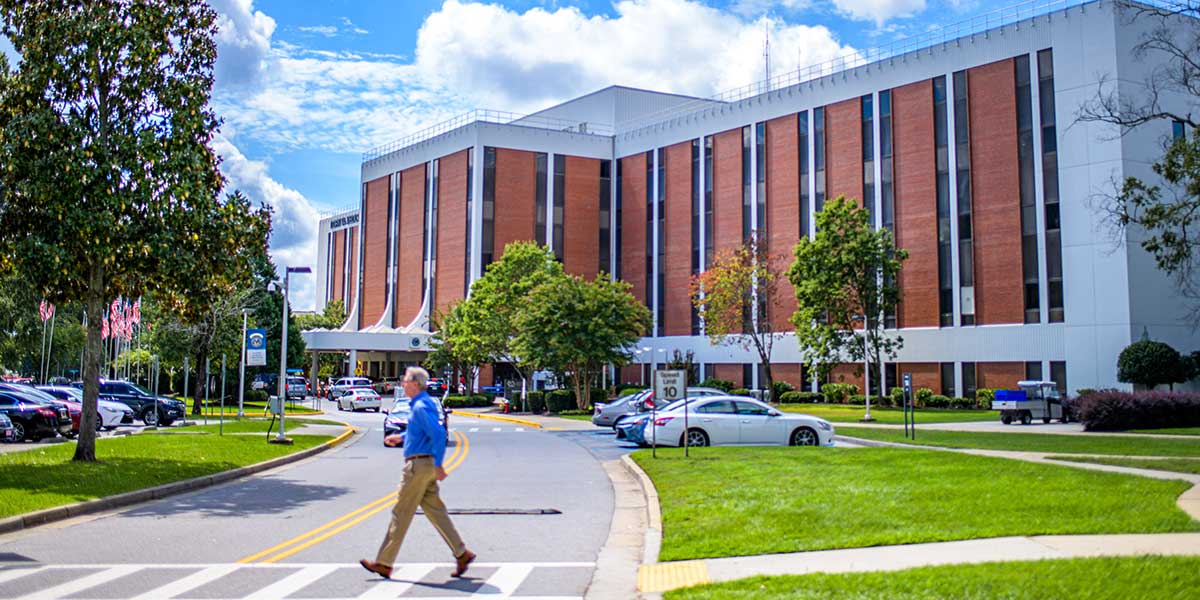
Wm. Jennings Bryan Dorn VA Medical Center
Garners Ferry Road, Columbia / 2+ active studies
Atherosclerosis, liver disease
Columbia’s VA medical center runs studies, including ones on clogged arteries. For veterans, it is often the first door.
Visit Website →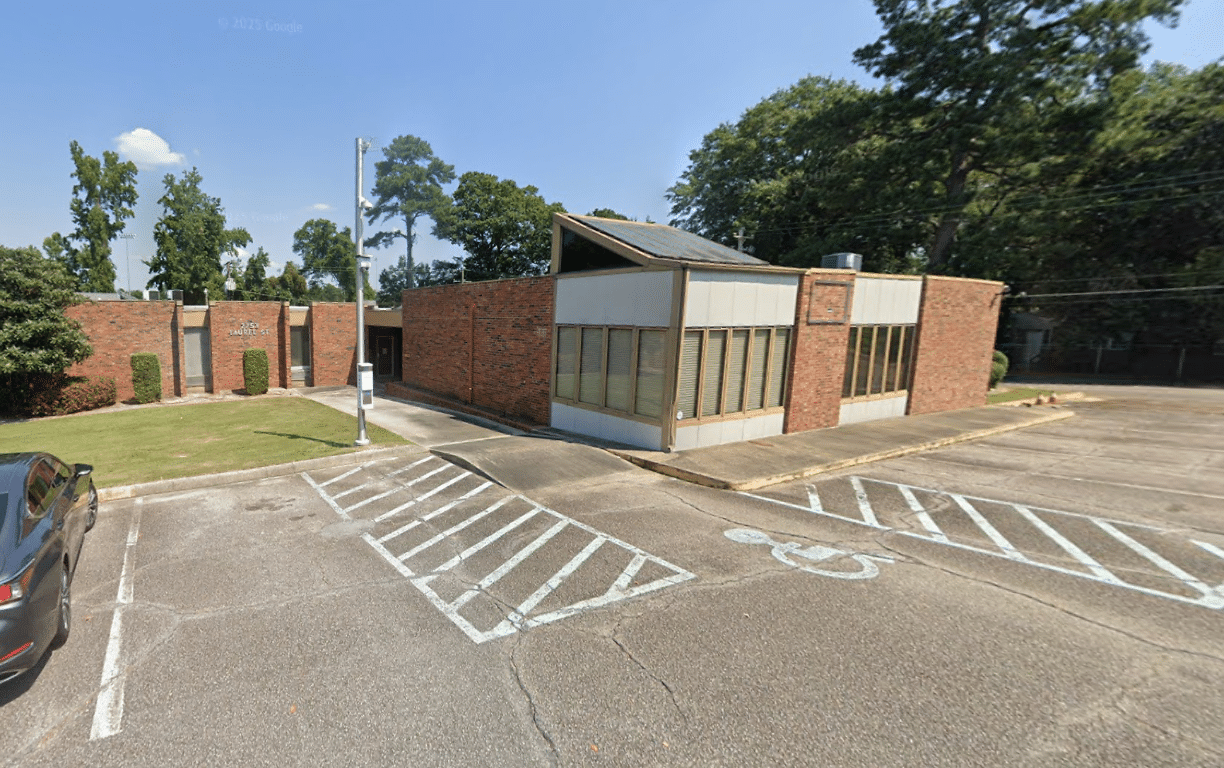
Objective Health, Columbia
Columbia / 2+ active studies
Celiac disease, fatty liver disease
Once called Columbia Digestive Health Research. Now it is part of the Objective Health network. Specifically, it runs gut and liver studies, including fatty liver trials.
Columbia Gastroenterology Associates
Columbia / Active studies
Digestive conditions
A long-running gut health practice. Also, it takes part in digestive trials around Columbia.
What to Expect in a Back Pain Study
New to studies? Here is how one works, step by step.
01
Prescreening
First comes a short phone call or online form. Also, it takes about 10 to 15 minutes. The staff check whether you might fit. Then they tell you what is open.
02
Screening Visit
Next the clinic runs the tests that decide it, which usually means blood work. Also, they go through the consent form line by line, and you can bring somebody with you.
03
Treatment Period
Then the study begins. So you take the study drug or the placebo on the agreed schedule. Meanwhile, your own doctor keeps managing everything else.
04
Follow-Up
Finally, there is a check in period at the end. Also, your own doctor gets the results, and you can stop at any point without affecting your care.
Low Back Pain Trial FAQs
Real answers about back pain studies near Columbia SC.
Is there a study for this near Columbia?
No, and we will not pretend otherwise. We checked each town in the Midlands on its own. However, one runs at Charleston about an hour and fifty minutes away, testing a temporary nerve stimulator for pain from the pelvic joint. Notably, it takes only ten people in total, and you need your insurer to have approved the device first.
My MRI showed a bulging disc. Is that the cause?
Maybe, and maybe not. Bulging discs and worn joints show up on scans of people with no pain at all, in large numbers. So a finding on a report is not automatically your answer. However, that cuts both ways, because a normal looking scan does not mean nothing is wrong. In fact, matching the finding to your actual symptoms is the whole skill.
Where does back pain actually come from?
Several possible places, and which one it is decides the treatment. Discs, the small joints at the back of the spine, the pelvic joint, and the bone itself can all be the source. So the two studies nearest to here each aim at one specific source. Meanwhile, working out which applies to you is the first real step.
What is an Oswestry score?
A short questionnaire that turns your back pain into a percentage of disability. It takes about five minutes and any physiotherapist can score it. So studies gate on it, and one nearby needs a score above forty percent. Notably, walking in already knowing your number can save you a long drive.
What are Modic changes?
They are changes at the edges of the vertebra that a radiologist can name on an MRI. So they point to the bone itself as the source of the pain, rather than a disc or a muscle. That matters because there is now a procedure aimed at the nerve inside that bone. However, without those changes you are not a candidate, however bad the pain is.
I just had a steroid injection. Does that matter?
Yes, and this catches people constantly. One nearby study excludes you if you have had a steroid injection in that joint within the last month. It also excludes a heat treatment on those nerves within the last six months. So ask about the waiting periods before you book anything else.
Why is the pain still there when nothing looks broken?
Because the nervous system can turn its own volume up, and that is a physical change rather than an idea. So pain can continue long after any original injury has settled. Meanwhile, that is exactly why studies now measure function and sleep alongside the pain score. Also, it is why being told the scan is fine does not close the question.
Why does one study list local sites but say you cannot join?
Because it is not really recruiting anybody. It reviews Medicare billing records of people who already had a spinal decompression procedure, some of them years ago. So its very long list of locations reflects billing coverage rather than clinics taking patients. Meanwhile, we have left it off this page rather than pad the count with something you cannot call.
Where can I get help near Columbia?
Prisma Health and Lexington Medical Center both run spine services across the Midlands. Also, ask for your Oswestry score, because studies gate on that number. Generally, physiotherapy and graded activity come before anything invasive. Meanwhile, ask which structure your pain is coming from, since that decides the treatment.
Ready to Explore a Study?
Check your eligibility, or just reach out to our Columbia team. No pressure. Also, no sales pitch.
← Back to All Clinical TrialsSources
- IMPROVE, following a procedure for bone related back pain, ClinicalTrials.gov NCT06827262
- A ten person study of a temporary nerve stimulator, at Charleston, ClinicalTrials.gov NCT07166952
- A Medicare records study that lists local sites but cannot be joined, ClinicalTrials.gov NCT03072927
- A large pain study whose only Carolina sites have both finished, ClinicalTrials.gov NCT05986292
Study details and per-site recruiting status verified against ClinicalTrials.gov on August 17, 2026. The strongest false positive of this sweep was a large chronic pain study that reads as open with 64 locations and has a formal low back pain section; its only North Carolina site and its only South Carolina site both read completed, so it is not listed as an option. A second study of a spinal decompression procedure lists sites in both cities and reads as open, but it reviews Medicare billing records of people who already had that procedure, so there is nothing to enrol in and nobody to call. It is explained on this page rather than shown as a study. Both options shown here follow treatment that was already planned as ordinary care, which is stated on the cards rather than left for a screening call. Study availability and criteria change; the research clinic confirms everything before you enroll.