
Columbia, SC
High Cholesterol Clinical Trials
Looking for paid clinical trials for high cholesterol or dyslipidemia near Columbia SC? Right now, 3 studies are enrolling across 10 research sites. You may be compensated for your time, and no insurance is needed.
Tether is a nonprofit directory. Basically, we do not run studies. Besides, we are not paid to refer you.
3
Active Studies
10
Research Sites
+/- $100
Per Visit
New here? Read how this page works
Every study below is open near Columbia right now. Each card tells you what the study is testing, who it is looking for, and what it pays. So here is the simplest way to work through them.
- Read the study cards below. Each one is a real study, and each one is enrolling today.
- Open “Who it's for, and what to expect.” Inside, you will find the rules for joining. Also, you will see how often you would visit and what happens at each visit.
- Tap “Check eligibility” on the study that fits you best. Not sure which one? Then use the button at the top of the page instead, and we will check you against all 3 at once.
- We send you your results. Along with them, you get the name and number of the clinic running each study you may fit. Finally, you call the clinic yourself if you want to join.
Of course, checking never signs you up for anything. You are only seeing where you might fit.
The 3 Studies Enrolling Near Columbia Right Now
Every one of them is open today. So check your eligibility, or read the full record on ClinicalTrials.gov.

Olpasiran for Lp(a) (OCEAN(a) Prevention)
Amgen / Drug
Lipoprotein(a), or Lp(a), is a cholesterol particle that runs in families. Diet, exercise, and statins barely move it. Olpasiran is a shot given once every few months that switches off your body’s production of Lp(a). This study is for people with high Lp(a) who have never had a heart attack or stroke. The question it is asking: can lowering Lp(a) prevent that first event from ever happening?
Why researchers are excited: this is one of the first medicines ever built to lower Lp(a), a type of cholesterol that no approved drug can touch today.
Est. $1,200+ total
Check eligibility →Who it's for, and what to expect
Who this study is looking for
- Adults with high Lp(a), a free blood test at screening checks your level
- Never had a heart attack or stroke
- Extra heart risk factors like high blood pressure, diabetes, or a strong family history
- Comfortable getting an injection every few months
Probably not a fit if: you have already had a heart attack or stroke, the muvalaplin study below may fit instead.
- Placebo group: About half of people get a placebo. In fact, neither you nor the study doctor knows which group you land in. But you stay on your regular medicines either way.
- How long: Several years. It is a long-term prevention study, so the pay keeps coming the whole time.
- Clinic visits: About every 3 months, for the shot and a check-in.
- Phone calls: Also, short check-in calls between visits.
- Most invasive part: Blood draws, plus a shot under the skin. But no surgery and no overnight stays.
- What experts say:
- “It's a very exciting approach. It's a very select approach.” Robert Rosenson, MD, Icahn School of Medicine at Mount Sinai (TCTMD)
- “What are the long-term consequences of essentially silencing it by reducing its levels by more than 90%?” Stephen Nicholls, MBBS, PhD, Monash University (TCTMD)
- Full study record: View on ClinicalTrials.gov →

Muvalaplin Daily Pill (ACCLAIM-Lp(a))
Eli Lilly / Drug
Muvalaplin is the first once-a-day pill designed to lower Lp(a). Every other Lp(a) treatment in development is an injection, so a pill is a big deal for people who hate needles. This large study is for adults with elevated Lp(a) who have already had a heart attack, stroke, or artery blockage, or who are at high risk for a first one. You keep taking your regular cholesterol medications the whole time.
Why researchers are excited: it would be the first Lp(a) treatment you could take as a simple daily pill.
Est. $1,200+ total
Check eligibility →Who it's for, and what to expect
Who this study is looking for
- Adults with high Lp(a)
- Already had a heart attack, stroke, or blocked artery, or at high risk of a first one
- On stable cholesterol treatment
- Able to take one pill every day
Probably not a fit if: you cannot take a daily pill on schedule, or you are already in another Lp(a) study.
- Placebo group: About half get a placebo pill. But you keep taking your regular cholesterol medicine either way. So you are never left untreated.
- How long: Several years, because the study follows your heart health long-term.
- Clinic visits: Every few months, for labs and a check-in.
- Phone calls: Also, brief check-in calls between clinic visits.
- Most invasive part: Routine blood draws. But no shots and no procedures.
- What experts say:
- “We were encouraged by the degree of Lp(a) lowering in these patients who are most likely to benefit from its use and by the safety and tolerability.” Stephen Nicholls, MBBS, PhD, Victorian Heart Institute, Monash University (American Heart Association)
- “While muvalaplin appears to be an effective approach to lowering Lp(a) levels, we still need to study whether Lp(a) lowering will result in fewer heart attacks and strokes.” Stephen Nicholls, MBBS, PhD (American Heart Association)
- Full study record: View on ClinicalTrials.gov →

Statins After 75 (PREVENTABLE)
Duke University and NIH / Drug
One of the biggest studies ever run in adults 75 and older asks a surprisingly open question: should a healthy older adult take a statin? PREVENTABLE gives 20,000 people either atorvastatin, a widely used statin, or a placebo, then follows whether it helps them stay free of dementia, disability, and heart disease. It is built for people with no history of heart disease, and it is deliberately low effort.
Why researchers are excited: it could finally answer whether statins help healthy adults over 75, one of the least studied groups in all of heart medicine.
Est. varies
Check eligibility →Who it's for, and what to expect
Who this study is looking for
- Adults 75 or older
- No history of heart attack, stroke, or heart disease
- Not currently taking a statin
- Want a low-effort study built around everyday care
Probably not a fit if: you already take a statin, or you have known heart disease.
- Placebo group: Half of people get a placebo pill. Also, neither you nor the study doctor knows which. But if your health changes, your own doctor can start any medicine you need at any time.
- How long: Several years of light-touch follow-up.
- Clinic visits: Very few. In fact, most of the study runs through your regular care and health records.
- Phone calls: Also, a yearly call, sometimes with a short memory quiz.
- Most invasive part: Just a blood draw, plus a simple thinking and memory test.
- What experts say:
- “While statins have been shown to reduce the risk of cardiovascular events for some patients, PREVENTABLE will help us to learn whether they are helpful for older adults without heart disease.” Amanda Mixon, MD, Vanderbilt University Medical Center (VUMC News)
- “Few studies have focused exclusively on individuals aged 75 or older.” Amanda Mixon, MD, on why the evidence gap exists (VUMC News)
- Full study record: View on ClinicalTrials.gov →
Not sure which one fits you?
First, answer a few quick health questions. Then we check your answers against all 3 studies for you. No account, no paperwork.
See if I may fit one of these studies →High Cholesterol Trials in Columbia SC. Here Is What Is Changing.
Statins Only Fix Half the Problem
To begin with, one drug ruled high cholesterol for thirty years: the statin. Statins lower LDL, the “bad” cholesterol. On top of that, they work well for most people. But they do almost nothing for a second troublemaker. In fact, your doctor may have never measured it. It is called lipoprotein(a), or Lp(a) for short. In fact, about one in five people has too much of it. Your genes set that level, so diet, exercise, and statins barely move it.
That Is Finally Changing
That is exactly what is changing. Right now, the studies near Columbia are testing the first drugs ever built to lower Lp(a). Two of them are huge Phase 3 trials. One comes from Amgen. The other comes from Eli Lilly. Also, both are enrolling here in the Carolinas. So if you want paid clinical trials for high cholesterol near Columbia SC, this is the moment.
Overall, 3 cholesterol and dyslipidemia studies are enrolling in and around Columbia. First, one is a shot you get every few months. Another is a pill you take each morning. Also, the third asks a big question: should adults over 75 take a statin at all? Pay changes from study to study. But the long-term drug trials can reach $3,000 or more. Also, none of them require insurance.
New to clinical trials? Start with our Clinical Trials 101 guide →The New Wave of Cholesterol Research Near Columbia
All three studies stand out. That is because none of them work the way a plain statin does.
Olpasiran: One Shot, Every Few Months
First, olpasiran from Amgen shuts the problem off at the source. Generally, most drugs block Lp(a) after your body makes it. This one works a step earlier. In short, it tells your liver to stop making Lp(a) at all. Besides, one shot lasts for months. Notably, the OCEAN(a) trial is unusual for another reason too. Most heart studies wait until you have already had a heart attack. But this one enrolls people who never have. In other words, it is trying to get there first.
Muvalaplin: The Pill You Take With Breakfast
Next, muvalaplin from Eli Lilly does the same job as a pill. Specifically, it stops the two halves of the Lp(a) particle from snapping together. So if you would rather take a tablet with breakfast than get a shot at a clinic, this trial was built for you.
PREVENTABLE: An Old Pill, A Brand-New Question
Finally, PREVENTABLE flips the whole idea around. Instead of testing a new drug, it asks a new question about an old one. Certainly, doctors have prescribed statins for decades. But almost all the proof comes from people under 75. So this NIH-backed study puts the question to a fair test at last. Notably, it is one of the largest ever run in older adults. In fact, Columbia is one of its enrolling regions.
Best Sites for Cholesterol Trials Near Columbia SC
Generally, cholesterol and heart studies need lab work, EKGs, and steady follow-up. But they do not need rare equipment. Also, Columbia has a deeper research bench than most people realize.
Prisma Health Leads the Midlands
First, Prisma Health is the anchor. Specifically, Prisma Health Richland Hospital runs the largest trial list in the Midlands. Meanwhile, its Midlands cardiovascular group runs the heart studies where cholesterol trials naturally land.
Next, the Dorn VA Medical Center runs artery research. For veterans, it is often the first door. On top of that, the University of South Carolina brings federally funded health studies across the Midlands.
The Independent Sites
Finally, Velocity Clinical Research runs a full-time Columbia site. Notably, it belongs to one of the largest site networks in the country. In fact, that is exactly the kind of site the big Lp(a) trials use. So if a new cholesterol trial opens in the Midlands, Velocity is a likely home for it.
Not all of them run cholesterol studies today. But sites add new studies all the time. So it is worth knowing what sits near you.

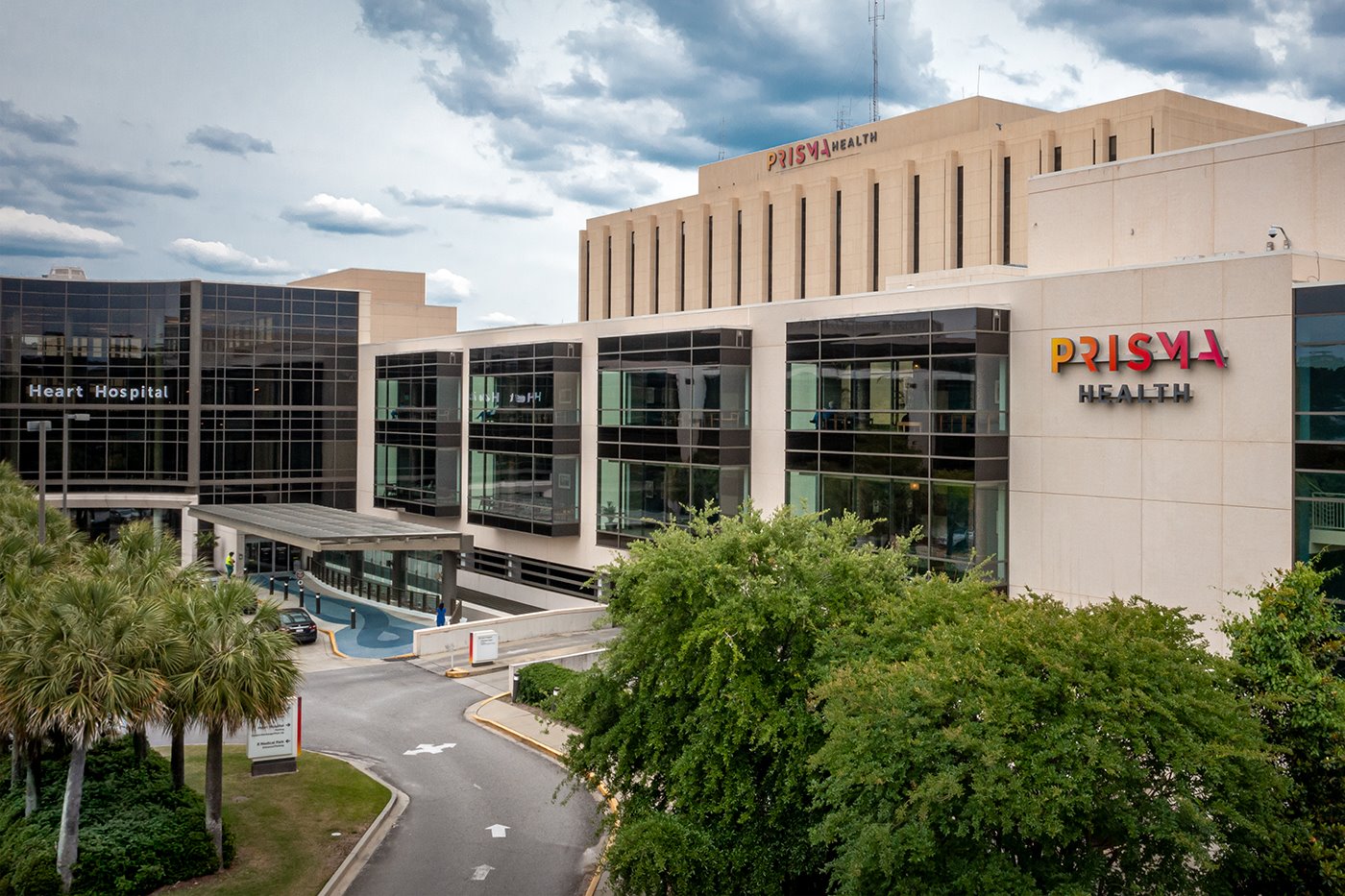
Prisma Health Richland Hospital
Downtown Columbia / 37+ active studies
Cancer, blood disorders, broad hospital research
The flagship Prisma Health hospital in the Midlands. Also, by far the biggest trial operation in the Columbia metro.
Visit Website →
University of South Carolina
Columbia / 27+ active studies
Stroke recovery, physical activity, community health
Notably, a research university that runs federally funded health studies across the Midlands. Specifically, topics range from stroke rehab to disease prevention.
Visit Website →
Bogan Sleep Consultants
Columbia / 7+ active studies
Narcolepsy, sleep disorders
One of the best known private sleep research sites in the Southeast. Also, it has run sleep trials for decades.
Prisma Health Midlands Cardiovascular
Columbia / 4+ active studies
Cardiovascular disease, heart failure
The heart and vessel research arm of Prisma Health in the Midlands. So it is the natural home for cholesterol trials in Columbia.
Visit Website →
Prisma Health Children’s Hospital, Midlands
Columbia / 4+ active studies
Pediatric growth, cystic fibrosis
Basically, the Midlands hub for children’s research inside the Prisma Health system.
Visit Website →
Columbia Dermatology & Aesthetics
Columbia / 4+ active studies
Hidradenitis suppurativa, psoriasis, obesity
A skin care practice with its own research team. It runs both skin and weight studies.
Velocity Clinical Research, Columbia
Columbia / Multiple active studies
COPD, skin conditions, vaccines
Part of one of the biggest research site networks in the country. Besides, it is just the kind of site the huge outcome trials lean on.
Visit Website →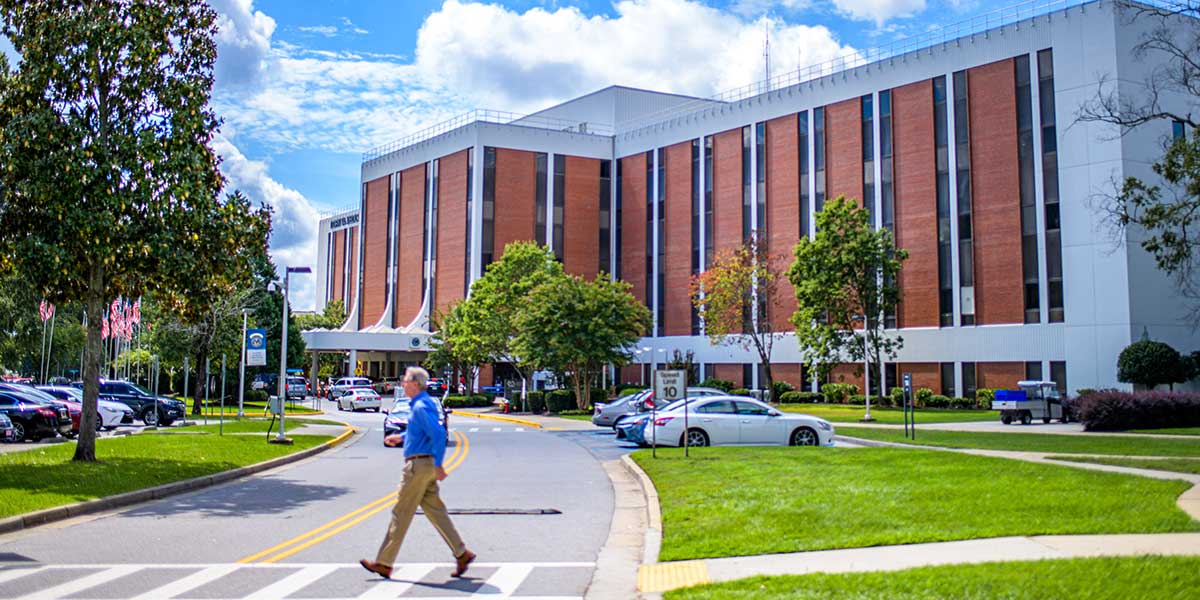
Wm. Jennings Bryan Dorn VA Medical Center
Garners Ferry Road, Columbia / 2+ active studies
Atherosclerosis, liver disease
Columbia’s VA medical center runs studies, including ones on clogged arteries. For veterans, it is often the first door.
Visit Website →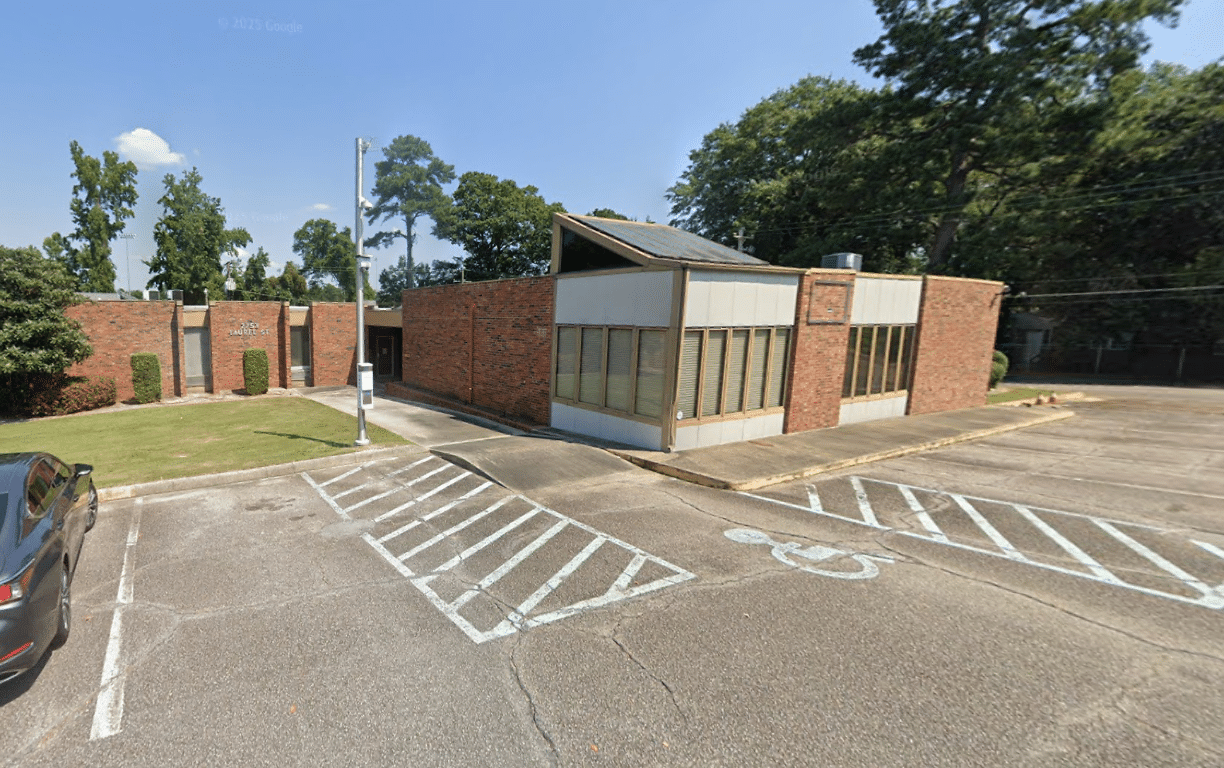
Objective Health, Columbia
Columbia / 2+ active studies
Celiac disease, fatty liver disease
Once called Columbia Digestive Health Research. Now it is part of the Objective Health network. Specifically, it runs gut and liver studies, including fatty liver trials.

Columbia Gastroenterology Associates
Columbia / Active studies
Digestive conditions
A long-running gut health practice. Also, it takes part in digestive trials around Columbia.
What to Expect in a Cholesterol Trial
New to studies? Here is how one works, step by step.
01
Prescreening
First comes a short phone call or online form. It takes about 10 to 15 minutes. The staff check if you might qualify. Then, if you do, they book your first visit.
02
Screening Visit
Next, you go in person for lab work and a health history. For cholesterol studies, that means a blood draw. It checks your LDL and your Lp(a). This visit is almost always free.
03
Treatment Period
Then come regular visits, over months or even years. You get the study drug or a placebo. In fact, the team checks on you the whole way through.
04
Follow-Up
Finally, a few last visits after treatment ends. The team makes sure you are doing well. Also, you can stop at any time, for any reason.
High Cholesterol Clinical Trial FAQs
Real answers about high cholesterol clinical trials in Columbia SC.
How much do high cholesterol clinical trials pay in Columbia?
Overall, it depends on the study. The drug trials pay you per visit. On top of that, because the Lp(a) studies run for years, the total can reach $3,000 or more. Meanwhile, PREVENTABLE asks for very few visits, so it pays less overall. Either way, you get paid as you go, not in one lump sum at the end.
Will I have to stop my statin?
Almost never. The Lp(a) trials are add-on studies. That means you stay on your statin, and the study drug goes on top. In fact, most of them want you on steady treatment already. Also, the team walks you through what changes before you agree to anything.
What is Lp(a) and why is every trial about it?
Basically, lipoprotein(a) is a cholesterol particle your liver makes. Your genes decide how much. In fact, about 1 in 5 people has a high level. Also, it raises the risk of heart attack and stroke on its own, even when the rest of your cholesterol looks fine. So far, no approved drug lowers it. That is why every big drug company is racing to be first. Of course, a simple blood test tells you your level, and the trials run it free at screening. In fact, many people learn their number for the first time through a study.
I feel fine. Why would I join a cholesterol trial?
Notably, high cholesterol has no symptoms. That is what makes it dangerous. Besides, it is also what makes these trials different. Specifically, the olpasiran study wants people who feel fine and have never had a heart event. In return, you get years of free lab work, EKGs, and heart monitoring. That care would cost thousands. Plus you get paid for your time.
Do I need health insurance to participate?
No. Regardless of your insurance, all study care and study medicine is free. In fact, many people join for that reason. A study opens the door to specialist care and new treatments they could not otherwise afford.
How long do cholesterol clinical trials last?
Longer than most. The two big Lp(a) trials follow people for several years. That is because they measure whether heart attacks and strokes actually drop, not just whether a lab number moves. Meanwhile, PREVENTABLE runs for years too, but with very few visits. A long trial has an upside, though. Overall, you get steady pay, plus years of close heart monitoring at no cost. In fact, you can stop at any time.
Will I get a placebo?
Yes, in all three. Some people get a placebo, and neither you nor your study doctor knows which group you land in. But in the Lp(a) trials, everyone stays on their regular cholesterol medicine either way. So you are never left untreated. Also, the clinic tells you the exact odds before you agree to anything.
What is the newest treatment for high cholesterol?
The newest wave targets Lp(a), the inherited cholesterol that statins cannot lower. First, olpasiran is a shot you get every few months. Second, muvalaplin is a daily pill. Both are in late-stage trials, and both are enrolling in South Carolina. Behind them come PCSK9 pills like enlicitide, and even one-time gene editing. None of them are approved yet. On top of that, that is exactly why the studies on this page exist.
Can a person with high cholesterol improve it without statins?
Sometimes. Basically, it depends on which kind of cholesterol you mean. Generally, diet, exercise, and weight loss can lower LDL a lot for many people. Also, non-statin medicines already exist. But Lp(a) does not budge for lifestyle changes or statins. That is exactly why these trials matter. Of course, this is general information, not medical advice. So talk with your doctor about your numbers.
Ready to Explore a Study?
Check your eligibility, or just reach out to our Columbia team. No pressure. Also, no sales pitch.
← Back to All Clinical TrialsSources
- Olpasiran OCEAN(a) Prevention study, ClinicalTrials.gov NCT07136012
- Muvalaplin ACCLAIM-Lp(a) study, ClinicalTrials.gov NCT07157774
- PREVENTABLE statin study, ClinicalTrials.gov NCT04262206
- Vanderbilt University Medical Center News: PREVENTABLE trial
- American Heart Association: Lipoprotein(a)
- TCTMD: Dramatic Reductions in Lp(a) With Olpasiran (OCEAN(a)-DOSE)
- American Heart Association newsroom: muvalaplin trial results
- America's Health Rankings: High Cholesterol, South Carolina (2023 BRFSS)
- America's Health Rankings: Cardiovascular Diseases, South Carolina (2024 BRFSS)
- America's Health Rankings: Uninsured, South Carolina (2024 Census ACS)
- CDC: High Cholesterol Facts
Study details verified against ClinicalTrials.gov on August 10, 2026. Study availability and criteria change; the research clinic confirms everything before you enroll.