
COLUMBIA, SC
Anxiety Clinical Trials
No anxiety study is enrolling in the Columbia SC metro, and we would rather say so plainly. The nearest is about ninety five miles north at Charlotte, and the same study also runs at Charleston. Payment is provided for eligible participants once one opens here.
0
Open in the Midlands
95
Miles to the Nearest
+/- $100
Per Visit
New here? Read how this page works
First, here is the honest picture. Nothing is open in the Midlands, and the nearest option runs in two directions. So here is how to use this page.
- Ask for your anxiety score and your depression score. Because one gets you in and the other can keep you out.
- Ask whether it is an add on. Notably, the nearest study is, so nothing you already take would be stopped.
- Ask for the odds of the real treatment. In fact, this one publishes them outright at two in three, and every study can tell you.
- Finally, tap the button. Then we keep your details on file and call you when a study opens near you.
Of course, checking never signs you up for anything. You are only seeing where you might fit.
The Nearest Studies to Columbia
Nothing in the Midlands. The same add on study runs in two directions, and Charlotte is the closer of them.
The nearest, and it runs in two directions
It is the same study at both sites. You keep your own antidepressant, there is no washout, and the odds are published at two in three for the real treatment.

Added to Your Antidepressant, With Published Odds
AbbVie / Mid stage capsule
This is an add on study, so you keep taking your own antidepressant the whole way through. There is no washout and nothing is taken away from you. The odds are published outright, which is rare, at two in three for the real drug. So one person in three gets a dummy capsule added instead. Treatment runs six weeks with a four week follow up.
Payment is not published.
Get on the list →More details
Why researchers are excited: anxiety research is thin, and an add on design with published odds is about as patient friendly as it gets. Meanwhile, nobody is asked to stop what is already helping.
Who this study is looking for
- Generalized anxiety disorder, confirmed by a set interview
- Also, an anxiety score of 20 or more on the HAM-A scale
- Besides that, rated at least moderately unwell on the clinician’s overall scale
- Finally, already on a listed antidepressant for anxiety, at a proper dose, for eight weeks or more
- Also, aged 18 to 65
Probably not a fit if: a depression score of 20 or more rules you out. That is the real gatekeeper, because anxiety and depression travel together and this study screens out more than mild depression. Also, a new episode or worsening of depression in the last six months.
- Placebo group: Yes, added on top, and the split is published as two to one in favour of the real drug.
- How long: Six weeks of dosing and four weeks of follow up, so about ten weeks.
- Clinic visits: About 7 in person across roughly ten weeks. Three endpoint timepoints are published and the rest is derived from the design.
- Phone calls: None published.
- Most invasive part: Blood tests for safety, and nothing else. So there are no scans, no infusions and no procedures.
- Setting: Outpatient.
- Where it runs: New Hope Clinical Research, Charlotte NC 28211; and Coastal Carolina Research Center, Charleston SC 29492.
- Drive from Columbia: Charlotte is about 93 miles north, so roughly an hour and thirty five minutes on I-77.
- Ask for both your numbers. Anxiety of 20 or more gets you in, and depression of 20 or more keeps you out. So both are worth knowing before the trip.
- Full study record: View on ClinicalTrials.gov →
And one with no drug at all
This uses focused ultrasound rather than a medicine, and it is built for people whose anxiety has not responded to several drugs.

A Focused Ultrasound Study, With No Drug
UCLA with MUSC / Device study
This uses focused ultrasound aimed at a small structure deep in the brain that handles fear. There is no drug and nothing to swallow. Half the group receives a dummy version that feels the same but does not deliver the energy. It is built for people whose anxiety has not responded to several medicines. The site is at Charleston.
Payment is not published.
Get on the list →More details
Why researchers are excited: a non drug approach matters for people who cannot tolerate the medicines. Meanwhile, the whole treatment course is four sessions rather than months of tablets.
Who this study is looking for
- Generalized anxiety disorder as the main problem
- Also, an anxiety score above 17 on the HAM-A scale
- Besides that, having already failed at least two SSRIs plus one add on treatment
- Finally, able to have a brain scan, so no metal implants and not claustrophobic
- Also, aged 18 to 65
Probably not a fit if: another anxiety disorder as your main diagnosis rules you out. So panic disorder or social anxiety as the primary problem goes elsewhere. Also, anything that prevents a scan, which includes claustrophobia.
- Placebo group: Yes, in the form of a dummy version of the treatment.
- How long: Four treatment sessions, then checks at one week and one month.
- Clinic visits: About 6 to 8 in person, counting screening, the scan, four sessions and two follow ups.
- Phone calls: None published.
- Most invasive part: A brain scan and repeated sessions with a device against the head. So nothing enters the body and nothing is swallowed.
- Setting: Outpatient.
- Where it runs: Medical University of South Carolina, Charleston SC 29425.
- Drive from Columbia: Charleston is about 113 miles south east, so roughly two hours on I-26.
- You need to have tried several things first. Two SSRIs plus an add on is the written gate, so this is aimed at people further along.
- Full study record: View on ClinicalTrials.gov →
Not sure which one fits you?
First, answer a few quick health questions. Then we keep them on file. Finally, we tell you which studies near Columbia you may fit. No account, no paperwork.
See if I may fit one of these studies →What Is Actually Changing in Anxiety Treatment
Anxiety gets a fraction of the research that depression does, and almost everything approved for it was borrowed from somewhere else.
Ask Whether You Keep Your Medication
This is the first and most useful question there is. The study open near Charlotte is an add on, so you keep your antidepressant and nothing is taken away. Meanwhile, other anxiety studies require weeks off your medicine first. So ask it in exactly those words before anything else.
Ask for Your HAM-A Score
The Hamilton Anxiety Rating Scale runs from zero to fifty six. The study near Charlotte needs twenty or more, and a score of seven or under counts as remission. So if a coordinator says you did not score high enough, this is the number they mean. In fact, you are entitled to be told it.
You Can Be Too Well for a Study
Twenty on that scale is a high bar, and people with real, life limiting anxiety are turned away for scoring eighteen. That is not a judgement about how much you are suffering. So it exists so the study can detect a change at all. Notably, it is worth hearing plainly rather than taking personally.
The Depression Score Is What Usually Disqualifies People
The study near Charlotte excludes anyone with a depression score of twenty or more. Anxiety and depression travel together in most people, so this single line removes a large share of candidates. So ask for both numbers, not just the anxiety one. Meanwhile, that is the most common reason people fail screening here.
Ask for the Randomisation Odds
The study near Charlotte publishes its odds outright, at one in three for the dummy. Every study can tell you this, and most simply are not asked. So two to one means you are twice as likely to get the real treatment. In fact, never agree without knowing that ratio.
Panic and Social Anxiety Are Often Different Studies
A study for generalized anxiety usually excludes other anxiety disorders as the main problem. So if panic attacks or social situations are your central difficulty, say so on the first call. Meanwhile, that saves a wasted screening visit. Generally, being precise about which one is the main problem opens more doors than it closes.
Therapy Studies Rarely Use a Dummy
Where drug studies use a placebo, therapy studies usually compare two real treatments. So nobody is assigned to nothing. In fact, that makes talking therapy studies a far easier decision than most people assume. Also, ask how many sessions and how long each one runs, because that is the real cost.
The C-SSRS Will Come Up at Almost Every Visit
It is a short set of questions about suicidal thoughts, asked routinely rather than because of anything you said. Honest answers about past thoughts do not always exclude you. What excludes people is a recent plan, intent or attempt, and the exact wording differs by study. So ask which standard applies rather than assuming.
A Sponsor in Your State Means Nothing
One anxiety study is sponsored by a university in North Carolina and has no site anywhere in the state. So always confirm the actual clinic address and that specific location’s own status. Meanwhile, a study can read as recruiting while the site near you has closed. Notably, that check is the whole reason this page exists.
Where Things Actually Stand Locally
One study is open in Charlotte, and the same study runs at Charleston. The Midlands has nothing, and every search on the word Columbia returned New York or Canada instead. So for a Columbia patient, Charlotte at about ninety five minutes is closer than Charleston. However, if things ever feel unsafe, calling or texting 988 reaches the Suicide and Crisis Lifeline at any hour, and that is not a study.
Anxiety Help Near You
Ask for your anxiety score and your depression score, because both decide this. Also, ask whether the study is an add on or asks you to stop your medicine. Finally, ask for the odds of getting the real treatment, because a good study will tell you. Meanwhile, join the list and we will call you when something opens near you.
Research Sites Near Columbia
Nothing runs in the Midlands for anxiety, while the nearest sites sit at Charlotte and Charleston. But sites add new studies all the time.
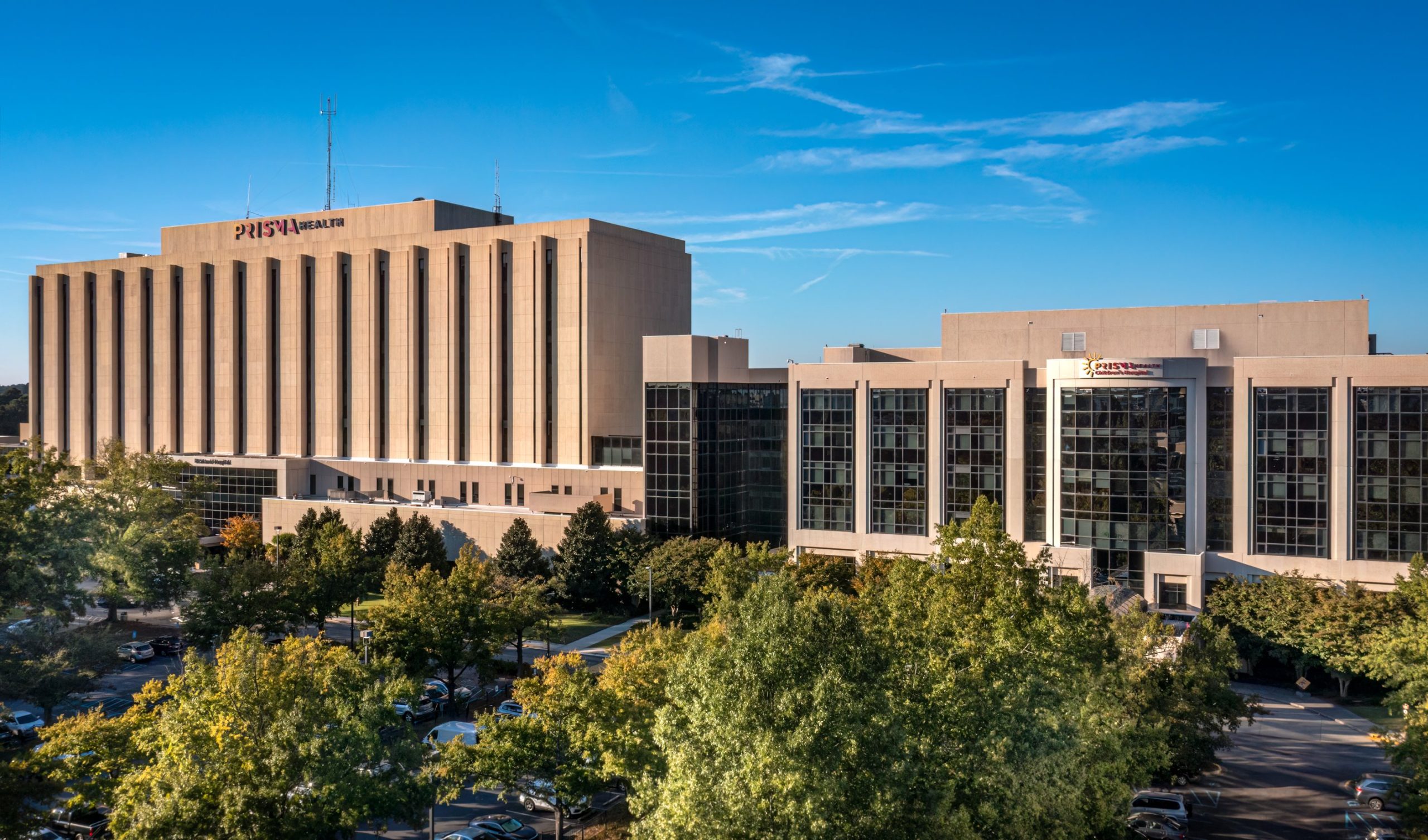
Prisma Health Richland Hospital
Downtown Columbia / 37+ active studies
Cancer, blood disorders, broad hospital research
The flagship Prisma Health hospital in the Midlands. Also, by far the biggest trial operation in the Columbia metro.
Visit Website →
University of South Carolina
Columbia / 27+ active studies
Stroke recovery, physical activity, community health
Notably, a research university that runs federally funded health studies across the Midlands. Specifically, topics range from stroke rehab to disease prevention.
Visit Website →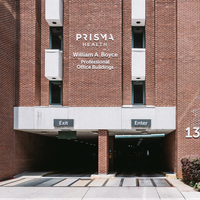
Bogan Sleep Consultants
Columbia / 7+ active studies
Narcolepsy, sleep disorders
One of the best known private sleep research sites in the Southeast. Also, it has run sleep trials for decades.

Prisma Health Midlands Cardiovascular
Columbia / 4+ active studies
Cardiovascular disease, heart failure
The heart and vessel research arm of Prisma Health in the Midlands. So it is the natural home for cholesterol trials in Columbia.
Visit Website →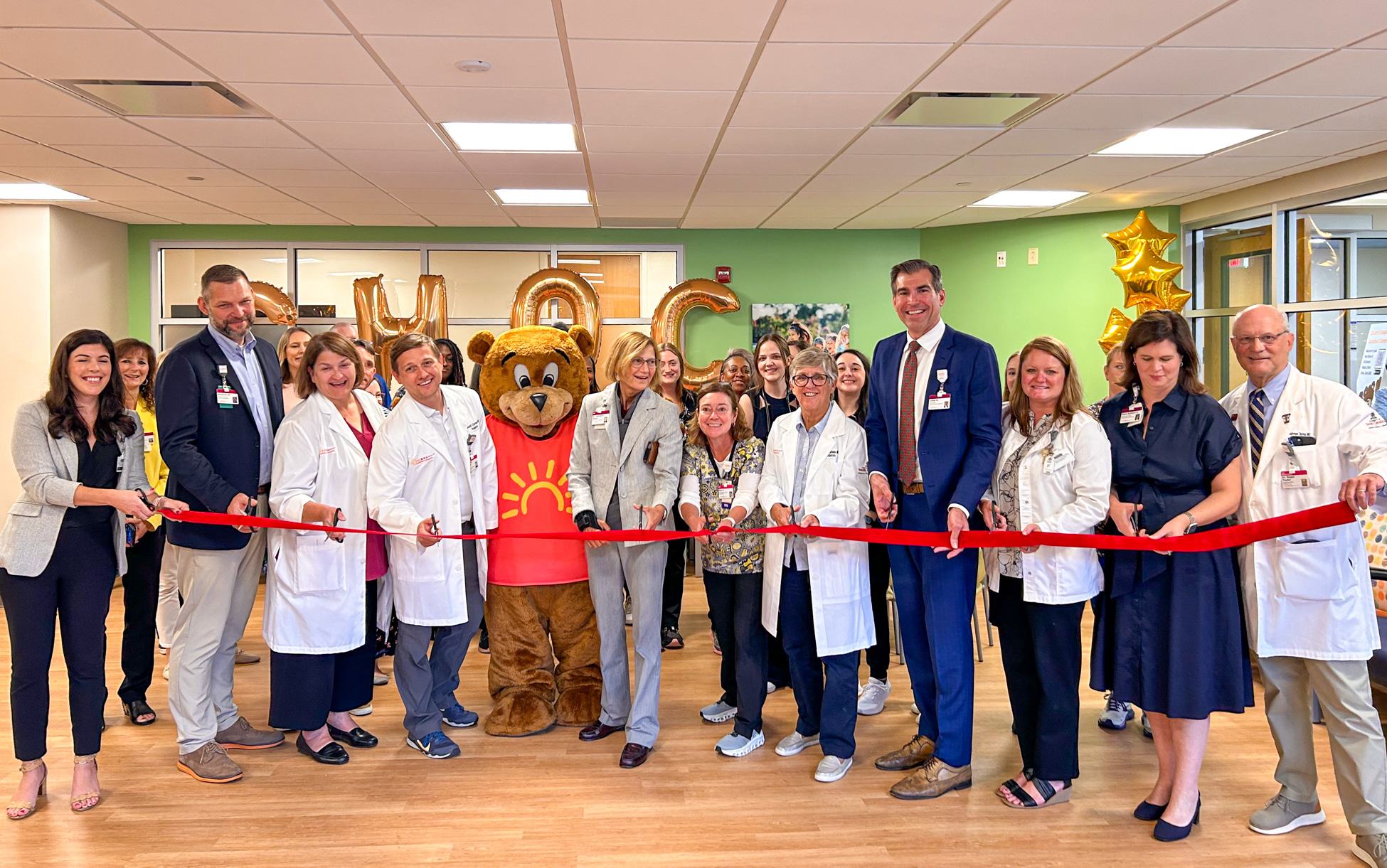
Prisma Health Children’s Hospital, Midlands
Columbia / 4+ active studies
Pediatric growth, cystic fibrosis
Basically, the Midlands hub for children’s research inside the Prisma Health system.
Visit Website →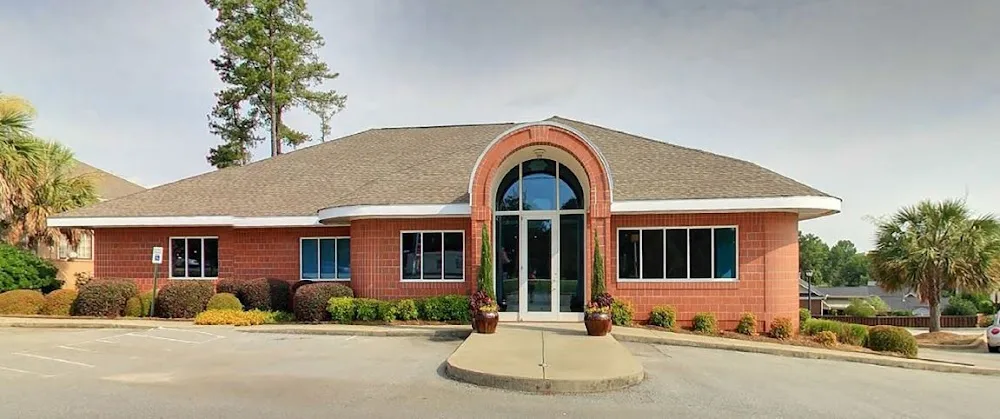
Columbia Dermatology & Aesthetics
Columbia / 4+ active studies
Hidradenitis suppurativa, psoriasis, obesity
A skin care practice with its own research team. It runs both skin and weight studies.
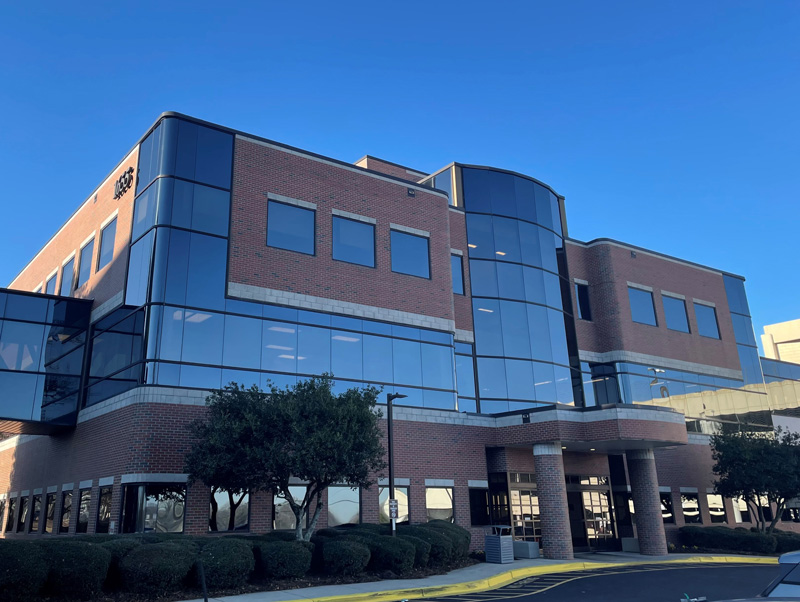
Velocity Clinical Research, Columbia
Columbia / Multiple active studies
COPD, skin conditions, vaccines
Part of one of the biggest research site networks in the country. Besides, it is just the kind of site the huge outcome trials lean on.
Visit Website →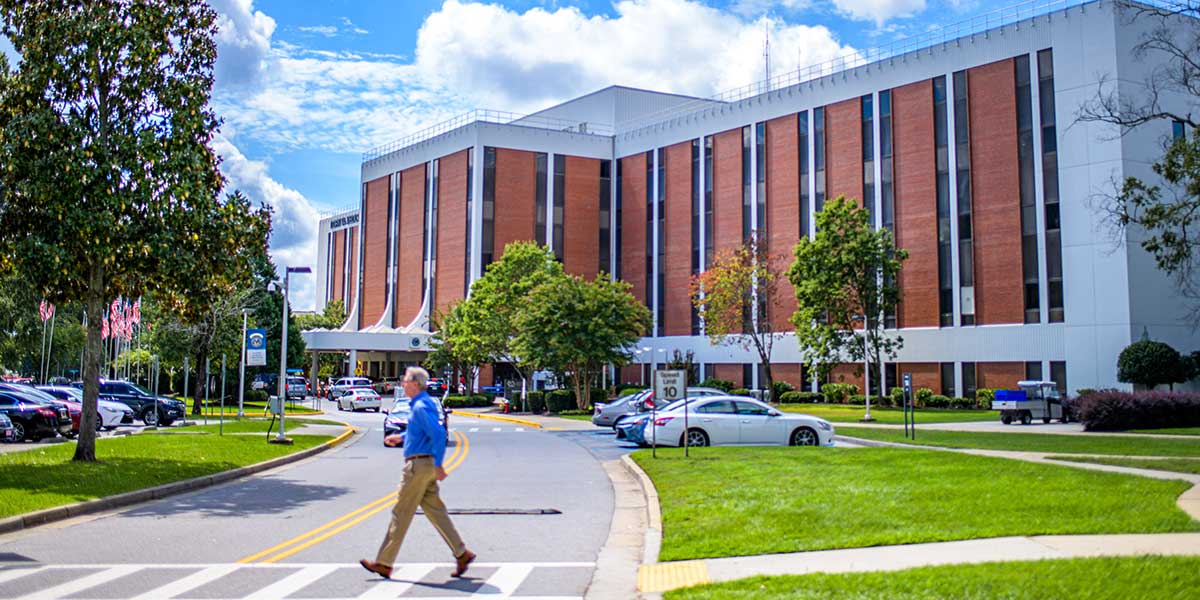
Wm. Jennings Bryan Dorn VA Medical Center
Garners Ferry Road, Columbia / 2+ active studies
Atherosclerosis, liver disease
Columbia’s VA medical center runs studies, including ones on clogged arteries. For veterans, it is often the first door.
Visit Website →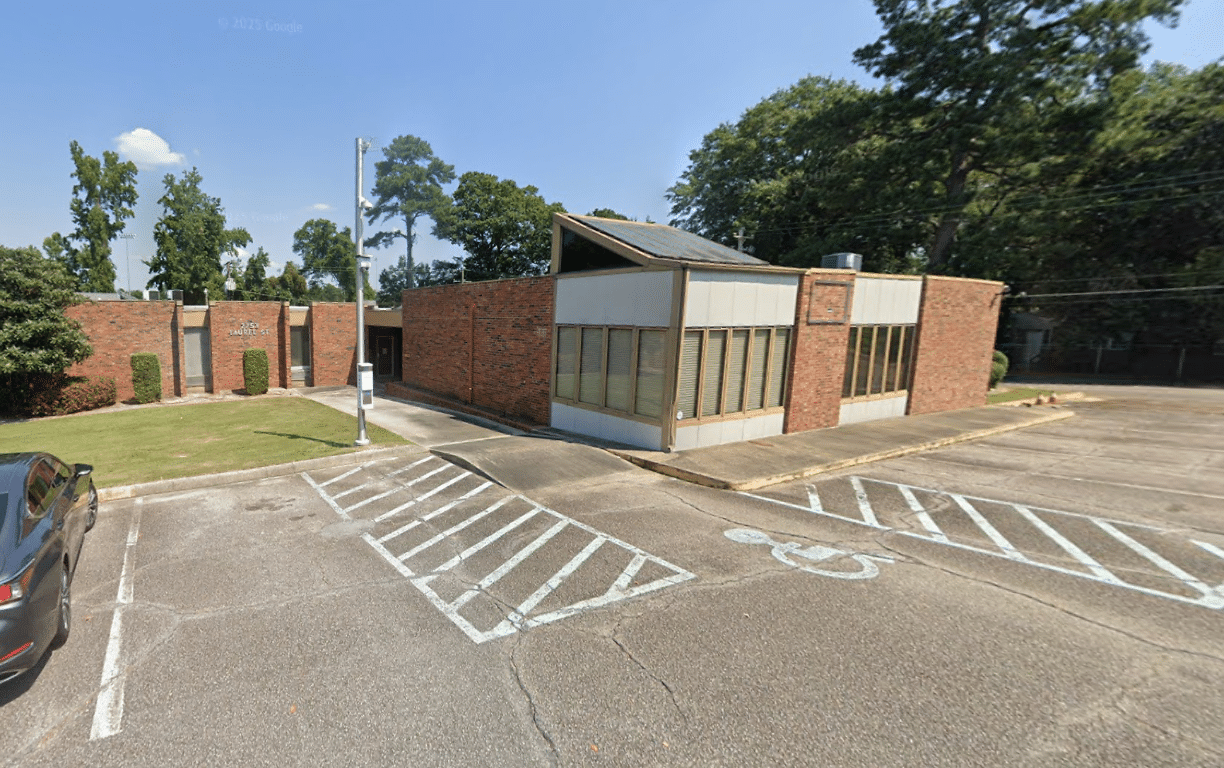
Objective Health, Columbia
Columbia / 2+ active studies
Celiac disease, fatty liver disease
Once called Columbia Digestive Health Research. Now it is part of the Objective Health network. Specifically, it runs gut and liver studies, including fatty liver trials.
Columbia Gastroenterology Associates
Columbia / Active studies
Digestive conditions
A long-running gut health practice. Also, it takes part in digestive trials around Columbia.
What to Expect in an Anxiety Study
New to studies? Here is how one works, step by step.
01
Prescreening
First comes a short phone call or online form. Also, it takes about 10 to 15 minutes. The staff check whether you might fit. Then they tell you what is open.
02
Screening Visit
Next the clinic runs the tests that decide it, which usually means blood work. Also, they go through the consent form line by line, and you can bring somebody with you.
03
Treatment Period
Then the study begins. So you take the study drug or the placebo on the agreed schedule. Meanwhile, your own doctor keeps managing everything else.
04
Follow-Up
Finally, there is a check in period at the end. Also, your own doctor gets the results, and you can stop at any point without affecting your care.
Anxiety Trial FAQs
Real answers about anxiety studies near Columbia SC.
Is there a study for this near Columbia?
No, and we will not pretend otherwise. All eight results on the word Columbia were New York, Missouri or Canada. However, one add on study runs at both Charlotte and Charleston, and Charlotte at about ninety five miles is the closer. You would keep your own antidepressant throughout, with no washout, and the odds are published at two in three. Notably, a further option using focused ultrasound runs at Charleston.
Would I keep taking my antidepressant?
In the study open near Charlotte, yes. It is an add on, so nothing is taken away and there is no washout. Meanwhile, other anxiety studies do require weeks off your medicine first. So ask it in exactly those words before anything else. Notably, that answer changes the risk more than any other detail.
What is a HAM-A score?
It is an anxiety rating scale running from zero to fifty six. The study near Charlotte needs twenty or more, and a score of seven or under counts as remission. So when a coordinator says you did not score high enough, that is the number they mean. In fact, you are entitled to be told it.
Can I be too well for a study?
Yes, and it is worth hearing plainly rather than taking personally. Twenty on that scale is a high bar, and people with real, life limiting anxiety are turned away for scoring eighteen. So it exists so the study can detect a change at all. Meanwhile, it says nothing about how much you are suffering.
Why does my depression score matter?
Because it is what usually rules out people from anxiety studies. The study near Charlotte excludes anyone with a depression score of twenty or more. So ask for both numbers rather than only the anxiety one. Notably, anxiety and depression travel together in most people, which is why this line removes so many.
What are my odds of getting the real drug?
In the study near Charlotte they are published outright, at two in three. Every study can tell you this and most are simply never asked. So two to one means you are twice as likely to get the real treatment as the dummy. In fact, never agree without knowing that ratio.
Are panic attacks and social anxiety included?
Usually not in the same study. A study for generalized anxiety normally excludes other anxiety disorders as the main problem. So if panic or social situations are your central difficulty, say so on the first call. Meanwhile, being precise about which one is the main problem opens more doors than it closes.
What if I need help right now?
If things ever feel unsafe, call or text 988 at any hour. That reaches the Suicide and Crisis Lifeline, and Veterans can press 1. So it is free, it runs day and night, and it is not a study. Meanwhile, a study is never the right route for something urgent.
Does it cost anything to check?
No. There is no cost, and no insurance is needed. Tether is a nonprofit list, so we do not run studies and we are not paid to send you anywhere. Also, checking never enrolls anyone in anything. You would always call the clinic yourself.
Where can I get help near Columbia?
Prisma Health and Lexington Medical Center both run mental health services across the Midlands. Also, ask your own doctor for both your anxiety score and your depression score. Generally, talking therapy and medicine together do better than either alone. Meanwhile, if things ever feel unsafe, call or text 988 at any hour.
Ready to Explore a Study?
Check your eligibility, or just reach out to our Columbia team. No pressure. Also, no sales pitch.
← Back to All Clinical TrialsSources
- An add on anxiety study with published odds, in Charlotte and Charleston, ClinicalTrials.gov NCT06846320
- A focused ultrasound study for anxiety, at Charleston, ClinicalTrials.gov NCT04557891
Study details and per-site recruiting status verified against ClinicalTrials.gov on August 17, 2026. All eight results on the word Columbia for this condition were Columbia University in New York, the University of Missouri, or a Canadian university. Not one was in South Carolina. A location search on the phrase Charlotte North Carolina returned one completed 2008 study and missed the live recruiting Charlotte site entirely, which a search on Charlotte alone found at once. One anxiety study is sponsored by a university in North Carolina and has no site anywhere in the state, so sponsor location was never treated as site location. Study availability and criteria change; the research clinic confirms everything before you enroll.