
COLUMBIA, SC
Depression Clinical Trials
No depression study is enrolling in the Columbia SC metro, and we would rather say so plainly. However, six run around Charlotte about ninety five miles north, and four of those are add ons. Payment is provided for eligible participants once one opens here.
0
Open in the Midlands
6
About 95 Miles North
+/- $100
Per Visit
New here? Read how this page works
First, here is the honest picture. Nothing is open in the Midlands, and every search on the word Columbia returned New York or Canada. So here is how to use this page.
- Ask whether it is an add on or a study of a drug on its own. Because that decides whether you keep your antipsychotic or come off it first.
- Ask for your depression score. Notably, the thresholds differ a lot between studies, so one number opens some doors and closes others.
- Count the antidepressants that did not work. In fact, the number gates you in both directions, so bring your history to the first call.
- Finally, tap the button. Then we keep your details on file and call you when a study opens near you.
Of course, checking never signs you up for anything. You are only seeing where you might fit.
The Nearest Studies to Columbia
Nothing in the Midlands. Two options are shown here, one at Charleston and one for depression after a baby.
The two nearest, and they are for different situations
One is an add on for depression with insomnia. The other is a five day treatment course for depression after having a baby, and it is the only local option for that at all.

For Depression With Insomnia, and It Is an Add On
Janssen / Late stage
This is built for people whose depression comes with real insomnia. It is added on top of your own SSRI or SNRI, which you keep taking, so there is no washout. Half the group gets a dummy added in the first stage. The window on prior treatments is narrow, at one or two that did not work. The site is at Charleston.
Payment is not published.
Get on the list →More details
Why researchers are excited: sleep is the symptom people most want fixed and the one antidepressants often make worse. Meanwhile, you keep your current medicine throughout.
Who this study is looking for
- Depression with insomnia, on top of a listed SSRI or SNRI at a steady dose for six weeks
- Also, one or two antidepressants in this episode that did not work well enough
- Besides that, your first episode having begun before you were 60
- Finally, aged 18 to 74
Probably not a fit if: having failed three or more antidepressants rules you out. So does improving during the screening period, which surprises people. Also, being on bupropion or mirtazapine rather than a listed SSRI or SNRI.
- Placebo group: Yes in the first stage, added on top. So the dummy group keeps their own antidepressant.
- How long: The first stage runs to about day 43. The full study can run far longer.
- Clinic visits: Roughly 7 to 9 in person in the first stage. The later stages can run to many more, so ask which part you are joining.
- Phone calls: None published.
- Most invasive part: Blood tests and interviews. So nothing invasive is described.
- Setting: Outpatient.
- Where it runs: Clinical Trials of South Carolina, Charleston SC 29406.
- Drive from Columbia: Charleston is about 105 miles south east, so roughly an hour and forty minutes on I-26.
- Ask which stage you are consenting to. The first part is about ten weeks. The full programme runs far longer, and those are very different commitments.
- Full study record: View on ClinicalTrials.gov →

For Depression After a Baby, and It Is Five Days
Magnus Medical / Device study
This is a magnetic stimulation treatment aimed at the brain, targeted using a scan. It runs over five days, ten sessions a day, so the course is one week. Half the group gets a dummy coil that feels similar. You keep your antidepressant or therapy throughout.
Payment is not published.
Get on the list →More details
Why researchers are excited: postpartum depression has very few options and almost nothing local. Meanwhile, a one week course is far shorter than any tablet study.
Who this study is looking for
- Depression that began around or after having a baby
- Also, between 0 and 12 months postpartum at screening
- Besides that, A depression score of 20 or more on the MADRS scale
- Finally, on a steady treatment plan for 30 days
- Also, aged 18 to 45
Probably not a fit if: any previous magnetic stimulation treatment rules you out. Also, bipolar disorder, OCD and substance use in the last six months. Notably, a suicide attempt in that window also excludes.
- Placebo group: Yes, a dummy coil. However, people who worsen may be offered an open course afterwards.
- How long: About seven and a half months in total, with the treatment week at the start.
- Clinic visits: About ten to twelve days at the clinic, of which five are consecutive full days of treatment.
- Phone calls: Self report scores every fourteen days from home, about thirteen in total.
- Most invasive part: A scan to aim the treatment, then five full days of it. So no needles, but five days two hours away is the real cost.
- Setting: Outpatient.
- Where it runs: Medical University of South Carolina, Charleston SC 29425.
- Drive from Columbia: Charleston is about 113 miles south east, so roughly an hour and fifty minutes.
- Plan the childcare first. Five days at Charleston, ten sessions a day, with a new baby, is the part that decides this.
- Full study record: View on ClinicalTrials.gov →
Not sure which one fits you?
First, answer a few quick health questions. Then we keep them on file. Finally, we tell you which studies near Columbia you may fit. No account, no paperwork.
See if I may fit one of these studies →What Is Actually Changing in Depression Treatment
For the first time in decades there are several new mechanisms in late stage testing at once.
Add On or On Its Own Is the First Question
In an add on study you keep your own antidepressant and the study drug goes on top. In a monotherapy study you come off yours first, and that is called a washout. So the worst case in one is a dummy added to what already helps, and in the other it is six weeks on nothing. Meanwhile, that single question changes the risk more than anything else on this page.
Ask for Your MADRS or HAM-D Number
Nearly every study gates on one of these scores, and the thresholds differ a lot. One study near here needs a HAM-D of 22 or more, which is the severe range. Another study elsewhere needs a MADRS of 20. So the same person on the same day can qualify for one and fail another.
Scores Drift Down Between Visits
One study here needs a score of 22 or more at screening and again at the baseline visit. So people who clearly qualify on the first day often do not on the second. In fact, this is the single commonest reason people fail a depression trial screen. Notably, it is a statistical effect and it says nothing about you.
Count Your Failed Antidepressants
The number gates you in both directions, which surprises people. One study wants between two and five failures, and six or more closes it. Another study excludes you if you have failed two or more, because it wants people earlier on. So bring your medicine history to the first phone call rather than the screening visit.
There Is a Tool That Does the Counting
Sites use a questionnaire called the ATRQ, or a treatment history form, to decide what counts. Adequate dose and adequate duration is a technical standard. So three weeks at a starting dose usually does not count as a failed trial. Meanwhile, knowing which tool they use lets you prepare properly.
Bipolar Disorder Is a Hard Stop
Almost every depression study excludes bipolar disorder, and sites screen for it with a set interview. So one past episode of feeling oddly high on an antidepressant can relabel you. However, that does not leave you with nothing. In fact, there is an open bipolar depression study in Charlotte, and it is on our bipolar page.
The Boring Exclusions Are the Ones That Stop People
One study here excludes anyone taking something for sleep every night. Another excludes all benzodiazepines. Another excludes anyone ever prescribed the drug being studied. One excludes any history of PTSD rather than only current PTSD. So read past the diagnosis criteria, because the ordinary lines are what actually disqualify people.
Ask About Open Label Stages
Some studies give everyone the real drug for a period, either before or after the blinded part. One study here gives ten weeks of open treatment to everyone before anybody is assigned. So the dummy is not always the whole of your experience. Meanwhile, that is a fair and simple question to ask on the first call.
Withdrawal Designs Can Take a Working Drug Away
In a relapse prevention study, people who are doing well are randomly assigned to continue or to switch. So the point is to see whether depression comes back. That is a legitimate design and it is worth knowing before you agree to it. Notably, two of the studies near Charlotte work this way.
Where Things Actually Stand Locally
Six studies are open around Charlotte, four in the city and two at Hickory. The Midlands has none, and every search on the word Columbia returned New York or Canada instead. So the nearest options for a Columbia patient are Charlotte or Charleston. However, if things ever feel unsafe, calling or texting 988 reaches the Suicide and Crisis Lifeline at any hour, and that is not a study.
Depression Help Near You
Ask whether a study is an add on or asks you to stop your medicine first. Also, ask for your depression score and count your previous treatments before you call. Finally, ask whether there is an open label stage where everyone receives the real drug. Meanwhile, join the list and we will call you when something opens near you.
Research Sites Near Columbia
Nothing runs in the Midlands for depression, while the nearest sites sit at Charlotte and Charleston. But sites add new studies all the time.
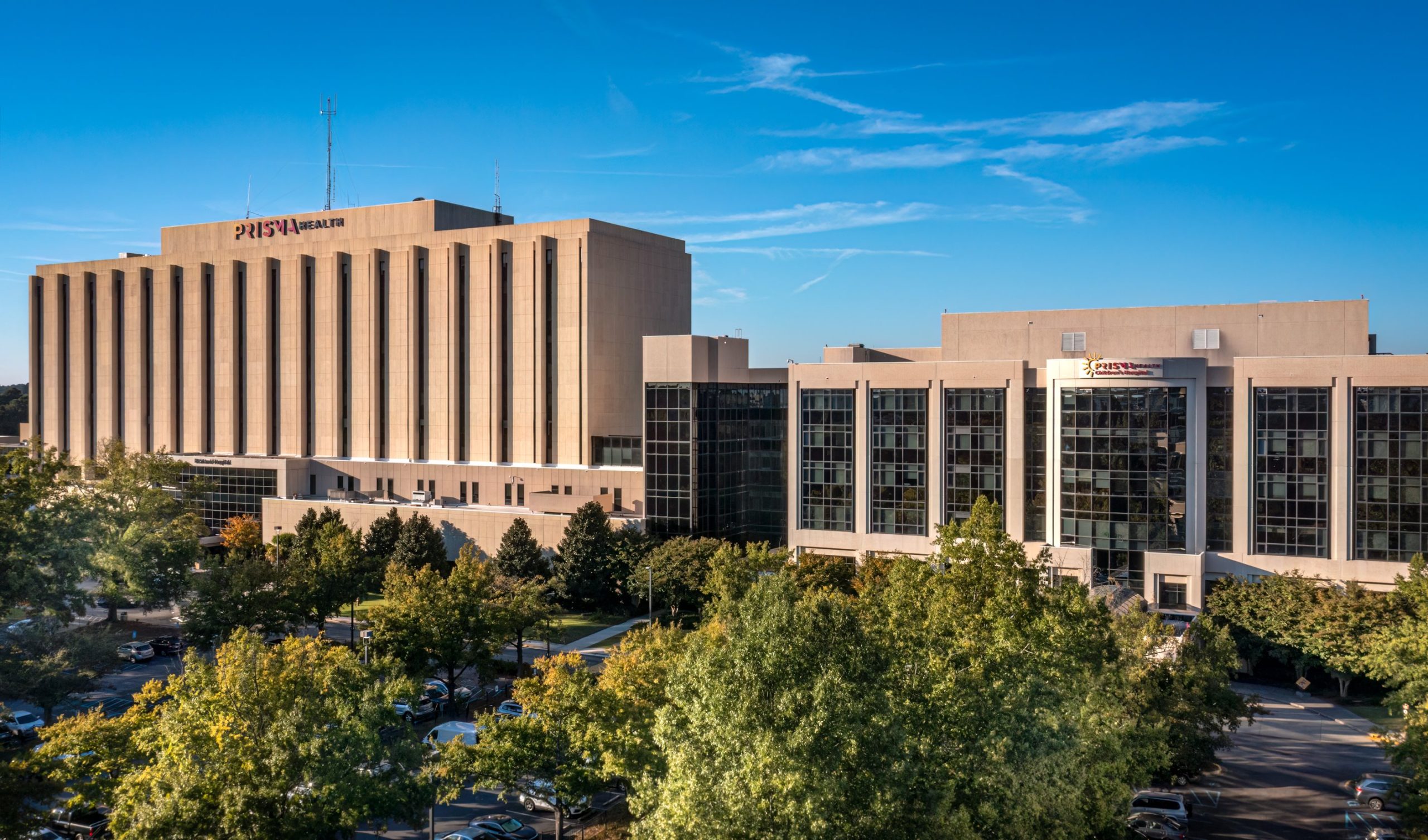
Prisma Health Richland Hospital
Downtown Columbia / 37+ active studies
Cancer, blood disorders, broad hospital research
The flagship Prisma Health hospital in the Midlands. Also, by far the biggest trial operation in the Columbia metro.
Visit Website →
University of South Carolina
Columbia / 27+ active studies
Stroke recovery, physical activity, community health
Notably, a research university that runs federally funded health studies across the Midlands. Specifically, topics range from stroke rehab to disease prevention.
Visit Website →
Bogan Sleep Consultants
Columbia / 7+ active studies
Narcolepsy, sleep disorders
One of the best known private sleep research sites in the Southeast. Also, it has run sleep trials for decades.
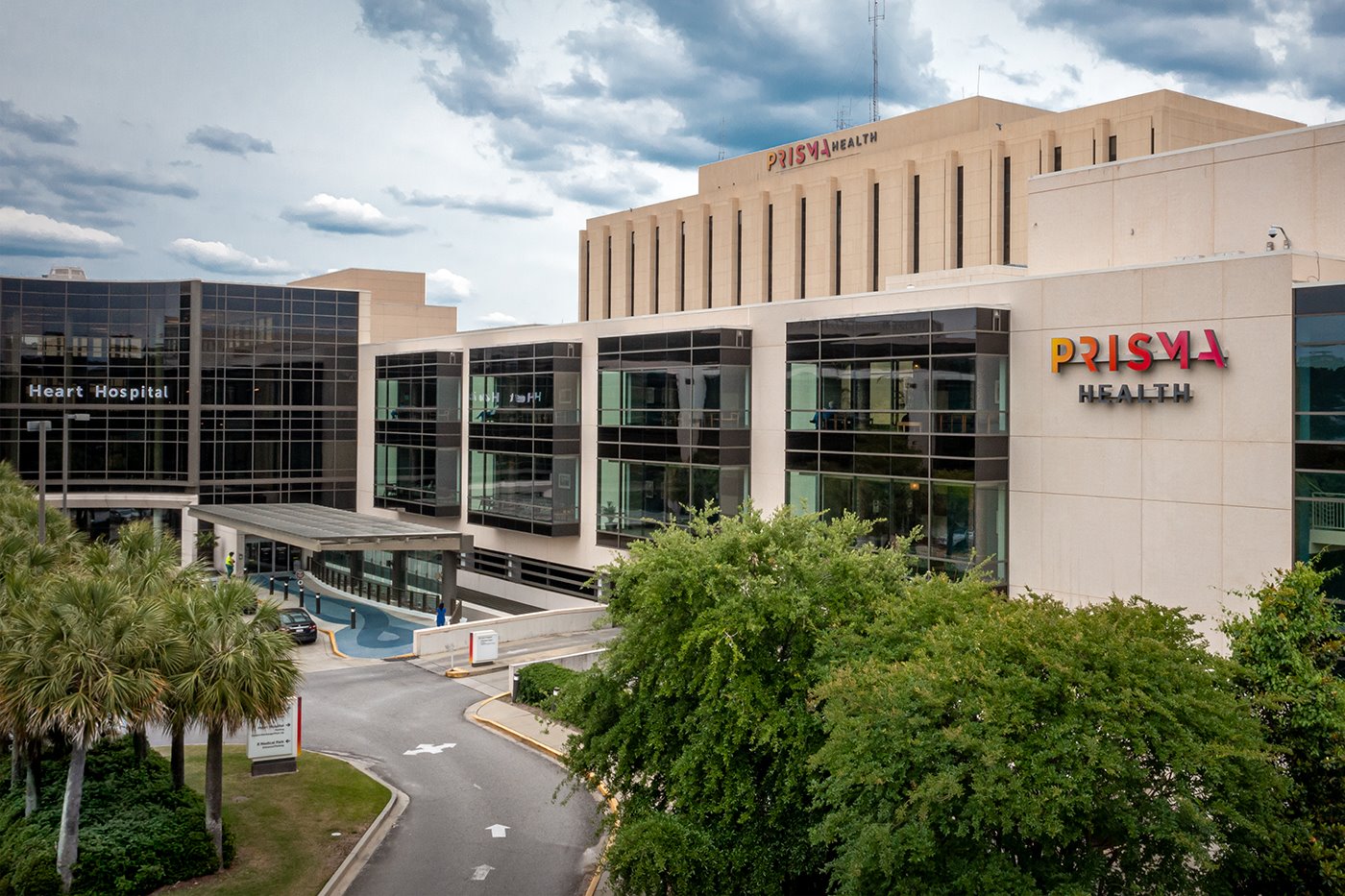
Prisma Health Midlands Cardiovascular
Columbia / 4+ active studies
Cardiovascular disease, heart failure
The heart and vessel research arm of Prisma Health in the Midlands. So it is the natural home for cholesterol trials in Columbia.
Visit Website →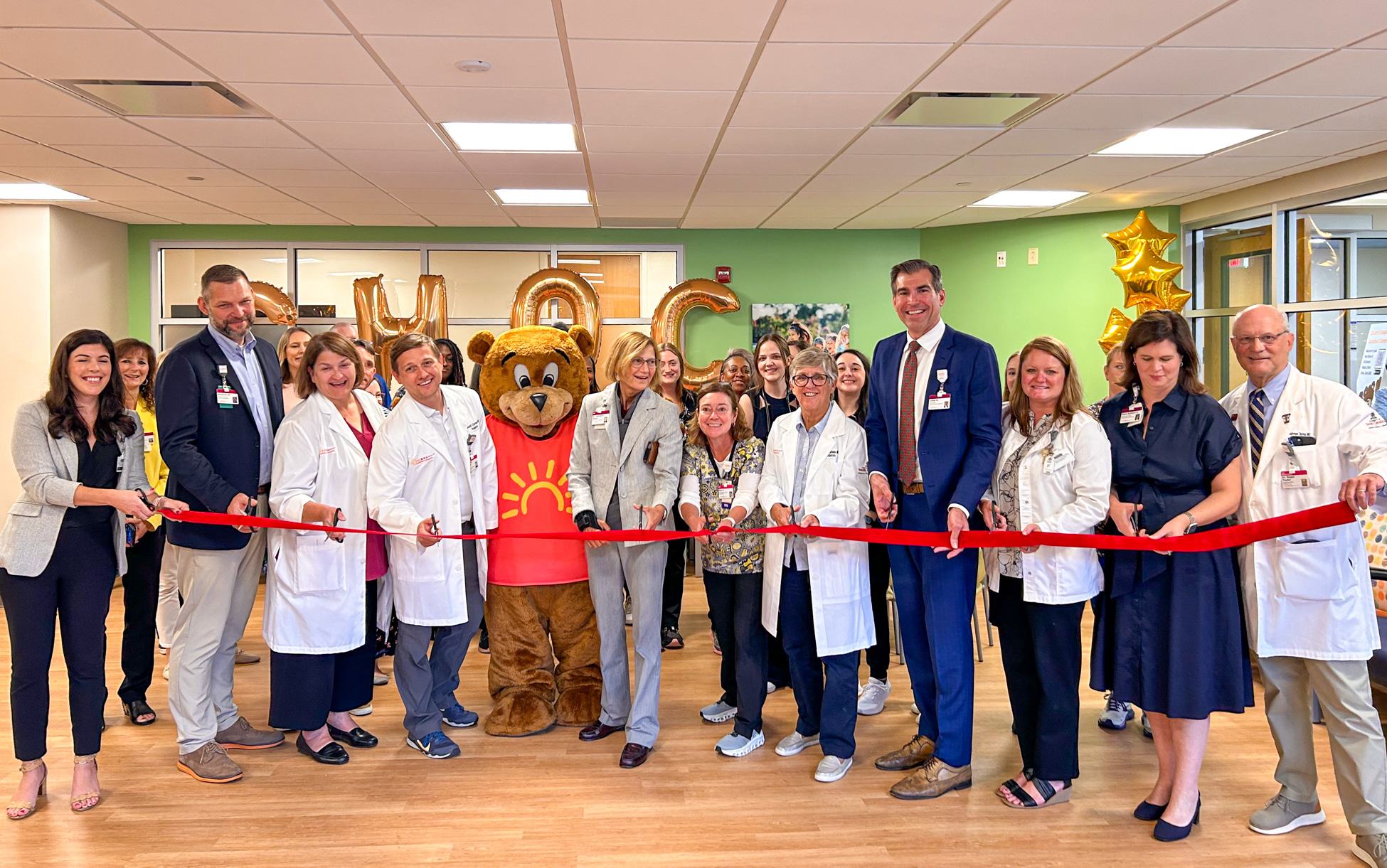
Prisma Health Children’s Hospital, Midlands
Columbia / 4+ active studies
Pediatric growth, cystic fibrosis
Basically, the Midlands hub for children’s research inside the Prisma Health system.
Visit Website →
Columbia Dermatology & Aesthetics
Columbia / 4+ active studies
Hidradenitis suppurativa, psoriasis, obesity
A skin care practice with its own research team. It runs both skin and weight studies.
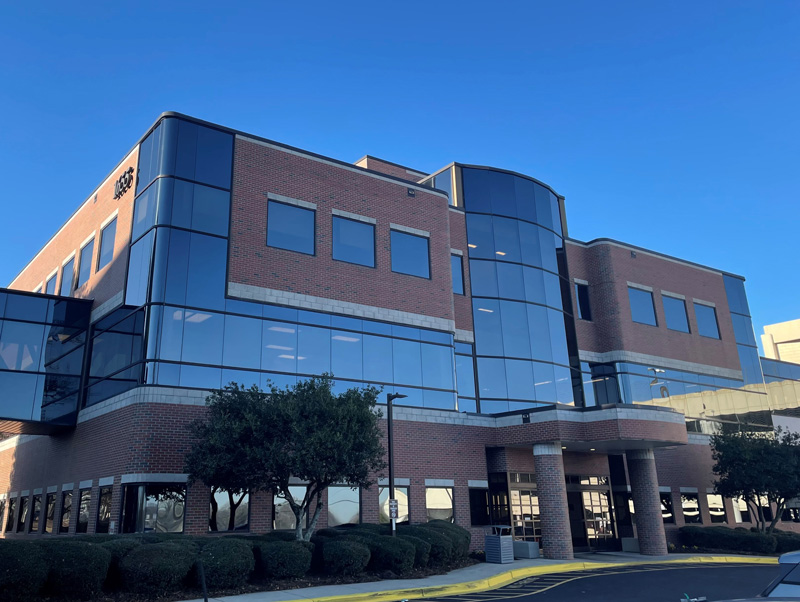
Velocity Clinical Research, Columbia
Columbia / Multiple active studies
COPD, skin conditions, vaccines
Part of one of the biggest research site networks in the country. Besides, it is just the kind of site the huge outcome trials lean on.
Visit Website →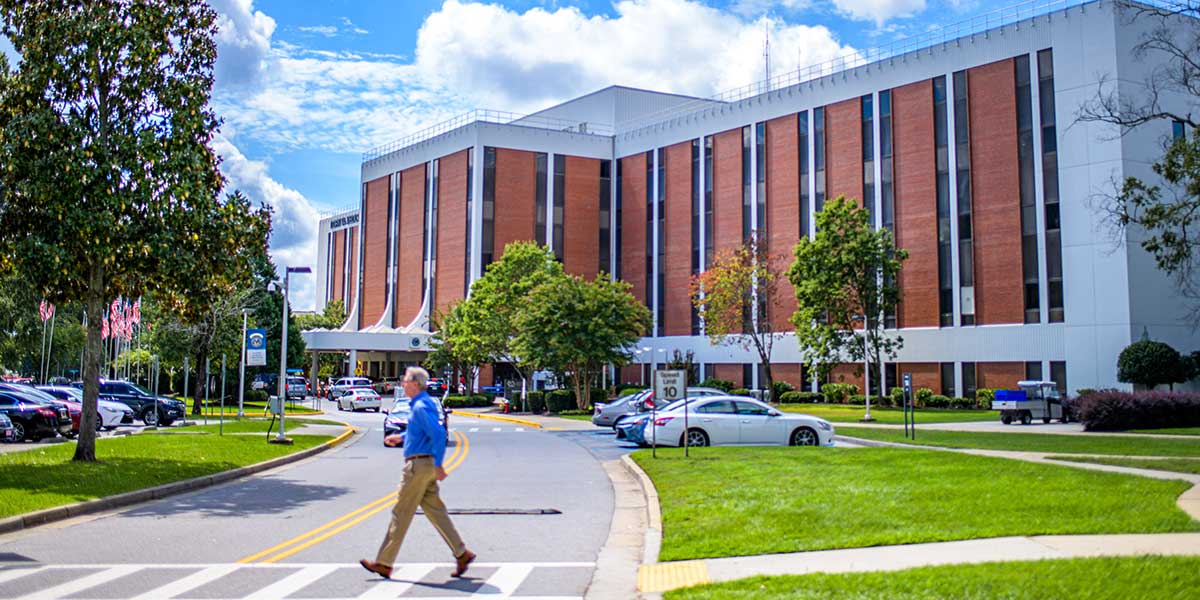
Wm. Jennings Bryan Dorn VA Medical Center
Garners Ferry Road, Columbia / 2+ active studies
Atherosclerosis, liver disease
Columbia’s VA medical center runs studies, including ones on clogged arteries. For veterans, it is often the first door.
Visit Website →
Objective Health, Columbia
Columbia / 2+ active studies
Celiac disease, fatty liver disease
Once called Columbia Digestive Health Research. Now it is part of the Objective Health network. Specifically, it runs gut and liver studies, including fatty liver trials.
Columbia Gastroenterology Associates
Columbia / Active studies
Digestive conditions
A long-running gut health practice. Also, it takes part in digestive trials around Columbia.
What to Expect in a Depression Study
New to studies? Here is how one works, step by step.
01
Prescreening
First comes a short phone call or online form. Also, it takes about 10 to 15 minutes. The staff check whether you might fit. Then they tell you what is open.
02
Screening Visit
Next the clinic runs the tests that decide it, which usually means blood work. Also, they go through the consent form line by line, and you can bring somebody with you.
03
Treatment Period
Then the study begins. So you take the study drug or the placebo on the agreed schedule. Meanwhile, your own doctor keeps managing everything else.
04
Follow-Up
Finally, there is a check in period at the end. Also, your own doctor gets the results, and you can stop at any point without affecting your care.
Depression Trial FAQs
Real answers about depression studies near Columbia SC.
Is there a study for this near Columbia?
No, and we will not pretend otherwise. Every search on the word Columbia returned New York or Canada rather than South Carolina. However, six run around Charlotte about ninety five miles north, and four of those let you keep your own antidepressant. Two more run at Charleston, one for depression with insomnia and one for depression after having a baby. Notably, Charlotte is the closer of the two directions.
What is the difference between add on and on its own?
In an add on study you keep your own antidepressant and the study drug goes on top. In a study of a drug on its own you come off yours first, which is called a washout. So the worst case in one is a dummy added to what already helps, and in the other it is weeks on nothing. Meanwhile, that single question changes the risk more than anything else here.
What score will they ask me about?
A depression score, usually MADRS or HAM-D, and the thresholds differ a lot. One study near here needs a HAM-D of 22 or more, which is the severe range. Another study elsewhere needs a MADRS of 20. So the same person on the same day can qualify for one and fail another.
Why did my score drop between visits?
It happens to almost everyone, and it is the most common reason people fail a screen. One study near here needs 22 or more at screening and again at the next visit. So people who clearly qualify on day one often do not on day two. Notably, that is a statistical effect and it says nothing about you.
Does the number of drugs I have tried matter?
Yes, and it gates you in both directions, which surprises people. One study wants between two and five that did not work, and six or more closes it. Another excludes you if two or more have failed, because it wants people earlier on. So bring your medicine history to the first phone call rather than the screening visit.
Does bipolar disorder rule me out?
For depression studies, almost always yes, and sites check with a set interview. So one past episode of feeling oddly high on an antidepressant can relabel you. However, that does not leave you with nothing. In fact, there is an open bipolar study in Charlotte, and it sits on our bipolar page.
What are the exclusions that catch people out?
The boring ones rather than the diagnoses. One study here excludes anyone taking something for sleep every night. Another excludes all benzodiazepines. Another excludes anyone ever prescribed the drug being studied, and one excludes any history of PTSD. So read past the headline criteria, because those lines are what actually stop people.
Does everyone get the real drug at some point?
In some studies yes, and it is worth asking. One study near here gives ten weeks of open treatment to everyone before anybody is assigned a group. Another has an open label stage alongside the blinded one. Meanwhile, that question takes ten seconds and it changes the decision.
What if I need help right now?
If things ever feel unsafe, call or text 988 at any hour. That reaches the Suicide and Crisis Lifeline, and Veterans can press 1. So it is free, it runs day and night, and it is not a study. Meanwhile, a study is never the right route for something urgent.
Does it cost anything to check?
No. There is no cost, and no insurance is needed. Tether is a nonprofit list, so we do not run studies and we are not paid to send you anywhere. Also, checking never enrolls anyone in anything. You would always call the clinic yourself.
Where can I get help near Columbia?
Prisma Health and Lexington Medical Center both run mental health services across the Midlands. Also, ask your own doctor for your depression score and keep a list of what you have tried and at what dose. Generally, a psychiatry referral is the right route if two or more drugs have not worked. Meanwhile, if things ever feel unsafe, call or text 988 at any hour.
Ready to Explore a Study?
Check your eligibility, or just reach out to our Columbia team. No pressure. Also, no sales pitch.
← Back to All Clinical TrialsSources
- An add on study in Charlotte, ClinicalTrials.gov NCT06963021
- The long relapse prevention version, in Charlotte, ClinicalTrials.gov NCT07196501
- X-NOVA2, taken on its own after a washout, in Charlotte, ClinicalTrials.gov NCT06775379
- An add on for depression that has resisted several treatments, ClinicalTrials.gov NCT07553637
- An add on with an open label stage, at Hickory, ClinicalTrials.gov NCT05922878
- Ten weeks of open treatment first, at Hickory, ClinicalTrials.gov NCT06223880
- An add on for depression with insomnia, at Charleston, ClinicalTrials.gov NCT06559306
- SAINT, a five day stimulation course for depression after a baby, ClinicalTrials.gov NCT07210255
Study details and per-site recruiting status verified against ClinicalTrials.gov on August 17, 2026. Every search on the word Columbia for this condition returned New York or Canada, so there are no depression studies in the Columbia SC metro. Note that the suicide rating scale used in these studies is named after a university in New York and has nothing to do with Columbia South Carolina. Two studies near Hickory appeared on neither the Charlotte search nor the state search and were found only by sweeping individual towns. One study reads as open while its Hickory site row is closed, so it is not listed here. Route of administration, odds and several score thresholds are not published for some of these studies, and we have not invented them. Study availability and criteria change; the research clinic confirms everything before you enroll.