COLUMBIA, SC
Stroke Clinical Trials
7 stroke studies are enrolling in Columbia SC, and 5 of them you can join from home. Free brain imaging, free speech therapy, and no insurance needed. Compensation is provided for eligible participants.
7
Enrolling Now
3
Speech Recovery Studies
+/- $100
Per Visit
New here? Read how this page works
First, Columbia is strong on stroke research, and especially on language recovery. Also, the date of your stroke decides which group below applies to you. So here is how to work through them.
- Start with language. Because if the stroke took your words, three studies here are built for exactly that.
- Then check the prevention group. Notably, one of those two rules out anybody who has already had a stroke.
- Skip the last group unless it just happened. In fact, those two enrol within days, at the bedside.
- Finally, tap Check eligibility. Then we check you against all 7 at once and tell you when a new one opens here.
Of course, checking never signs you up for anything. You are only seeing where you might fit.
The 7 Stroke Studies Enrolling in Columbia
This is the one condition where Columbia has more than Charlotte. Also, three are about getting language back.
Getting language back after a stroke
All three run at the University of South Carolina. Notably, none of them has a time limit measured in days.

Speech Therapy by Video, or in the Clinic
University of South Carolina / Therapy
This is for people who lost language after a stroke, which doctors call aphasia. Everybody gets real speech therapy, and a coin flip decides whether it comes by video at home or in person.
Payment is not published. But half of people here never travel for therapy at all.
Check eligibility →More details
Why researchers are excited: most people never get enough speech therapy, and the usual reason is travel. So if video works, that barrier mostly disappears.
Who this study is looking for
- A stroke on the left side of the brain at least 12 months ago
- Also, english as your main language for the past 20 years
- Besides that, adults 21 to 80
- Finally, able to have an MRI, so no metal implants and no severe claustrophobia
Probably not a fit if: you had a previous brain injury, or a stroke on the right side, or your speech and understanding are too limited for therapy to work.
- Placebo group: None at all. Instead, both groups get genuine therapy from a speech therapist, and only the delivery differs.
- How long: 6 months to the main result.
- Clinic visits: At least 2 check up visits, at the start and at 6 months, plus 1 MRI. But the number of therapy sessions is not published, so ask before you agree.
- Phone calls: Yes, if you are assigned to the video group the whole course happens that way.
- Most invasive part: An MRI brain scan. Otherwise there are no needles, no drugs and no surgery.
- Setting: Outpatient.
- Where it runs: University of South Carolina Aphasia Lab, Columbia SC 29201.
- Worth knowing: your travel is decided by a coin flip, and you cannot choose. So half go to the clinic for the whole course, and half never travel.
- Full study record: View on ClinicalTrials.gov →

A Mild Scalp Current Alongside Speech Therapy
University of South Carolina / Device
A very weak electrical current passes through two pads on the scalp for 20 minutes during speech therapy. Half get the real current and half get a dummy, and both groups get the same therapy.
Payment is not published. Ask the clinic, because daily sessions are involved.
Check eligibility →More details
Why researchers are excited: small studies hinted this cheap and painless current makes therapy work better, but none was ever big enough to prove it.
Who this study is looking for
- Adults 25 to 80
- Also, aphasia from a left side stroke more than 6 months ago, confirmed on a scan
- Besides that, specifically the Broca’s type, where words come out slowly and with effort
- Finally, english as your main language for more than 15 years
Probably not a fit if: your aphasia is either too mild or too severe, because the band is narrow at both ends. Also, a seizure in the past 12 months or metal in the head rules you out.
- Placebo group: Yes, and it is a dummy device rather than a pill. It is worn identically, and neither you nor the staff can tell.
- How long: Follow up runs to 24 weeks after treatment.
- Clinic visits: At least 6 check up visits, two before and two after treatment, plus checks at 1 week and 24 weeks. But the number of daily sessions is not published.
- Phone calls: Not published on the public record.
- Most invasive part: Pads on the scalp give a mild current, usually felt as a brief tingle. Notably, there are no needles.
- Setting: Outpatient.
- Where it runs: University of South Carolina, Columbia SC 29201.
- Worth knowing: this study only opened in July 2026, so screening slots should still be open. Still, the eligibility band is unusually narrow, so many people will not fit.
- Full study record: View on ClinicalTrials.gov →

Magnetic Pulses Aimed at a New Language Target
University of South Carolina / Device
A coil on the head sends fast pulses to a language area. Then you do 30 minutes of word meaning therapy. One group has the left side boosted, one has the right side damped, and one gets a fake version.
Est. $1,300 or so, across about 13 visits
Check eligibility →More details
Why researchers are excited: earlier studies aimed at the same spot in everybody. This one matches the target to the kind of language trouble you have.
Who this study is looking for
- Aphasia with word finding trouble, such as saying tea when you mean coffee
- Also, A single stroke on the left side of the brain
- Besides that, right handed
- Finally, english as your first language
Probably not a fit if: your stroke hit the exact spot being treated, or you cannot have an MRI, or you have had seizures.
- Placebo group: Yes. One of the three groups gets a fake version aimed at the same spot.
- How long: 2 weeks of treatment, then 1 month of follow up.
- Clinic visits: 13 in person, and this is the best documented schedule on the page. A start visit, 10 treatment sessions at 5 a week for 2 weeks, a check within 3 days of the last one, then a follow up a month later.
- Phone calls: Not published on the public record.
- Most invasive part: A coil held against the scalp, plus an MRI. So nothing invasive and no drugs.
- Setting: Outpatient.
- Where it runs: McCausland Center, Columbia SC 29203.
- Read this first: ten weekday visits inside two weeks is effectively a daily appointment for a fortnight. Also, left handed people are excluded outright.
- Full study record: View on ClinicalTrials.gov →
Preventing the next stroke
Read the labels on these two carefully. One takes people who have had a stroke, and the other specifically does not.

Sealing Off the Pouch Where Stroke Clots Form
Conformal Medical / Device
In people with an irregular heartbeat, clots tend to form in a small pouch in the heart. This seals that pouch with an implant, so you may not need a blood thinner for life.
Est. $800 or so, across about 8 to 9 visits over 5 years
Check eligibility →More details
Why researchers are excited: the pouch is a different shape in everybody, and the current rigid devices do not fit everyone well.
Who this study is looking for
- Adults 18 and older with atrial fibrillation
- Also, high stroke risk, by a score your doctor already uses
- Besides that, A real reason to want an alternative to lifelong blood thinners
- Finally, able to take short term blood thinners after the procedure
Probably not a fit if: you had a stroke, mini stroke or heart attack in the last 30 days, or you need lifelong blood thinners anyway, or you cannot have general anaesthesia.
- Placebo group: No dummy operation. Instead, everybody gets a real working implant, and the coin flip only decides which one.
- How long: 5 years of follow up.
- Clinic visits: About 8 or 9 across 5 years. Screening, the procedure, then about 7 days, 45 days, 12 months, 18 months, then yearly. But the later yearly visits are implied rather than listed.
- Phone calls: Not published on the public record.
- Most invasive part: The heaviest here. A catheter goes from a leg vein through the wall between the heart chambers, under full anaesthesia, with an ultrasound probe down the throat twice.
- Setting: Outpatient.
- Where it runs: Prisma Health, Columbia SC 29203, and Lexington Medical Center, West Columbia SC 29169.
- Worth knowing: a past stroke does not rule you out, but one in the last 30 days does. Also, this is the only study here with a second site, in West Columbia.
- Full study record: View on ClinicalTrials.gov →

A Smartwatch That Decides When You Need a Blood Thinner
Johns Hopkins University / Drug and device
People with on and off heart rhythm trouble take a blood thinner every day for life. Here half instead wear a smartwatch, and only take the blood thinner for 30 days after it flags an episode.
Payment is not published. However, almost everything after setup is remote.
Read the details →More details
Why researchers are excited: if this is safe, most people could spend most of the year off blood thinners. Those are the drugs people find hardest to live with.
Who this study is looking for
- Adults 22 to 85 with on and off atrial fibrillation
- Also, A moderate stroke risk score, and NO previous stroke or mini stroke
- Besides that, already on a blood thinner and willing to start and stop it as directed
- Finally, you own a recent iPhone with a cellular plan and will wear a watch 14 hours a day
Probably not a fit if: you have ever had a stroke or a mini stroke. Also, a pacemaker, a heart rhythm that never stops, or a tattoo or scar on the back of the wrist all rule you out.
- Placebo group: None at all. Instead, everybody knows their group, though the people judging the results do not.
- How long: Up to 5 years.
- Clinic visits: Not published on the public record. What is clear is a screening, a heart monitor worn for about a week, and a setup visit. After that it is monitored remotely.
- Phone calls: Yes, effectively. The watch and phone do the monitoring.
- Most invasive part: Nothing. There is no operation, and you stay on a blood thinner you were already prescribed.
- Setting: Outpatient.
- Where it runs: MUSC Health Heart and Vascular, Columbia SC 29204.
- Read this first: if you have already had a stroke, this study cannot take you. Also, you must personally own a recent iPhone, which rules out Android users regardless of health.
- Full study record: View on ClinicalTrials.gov →
Only in the first days after a stroke
These two enrol at the bedside, within days. So we list them mainly so families know to ask while someone is still in hospital.

An Antidepressant to Help Language Come Back
Johns Hopkins University / Drug
In the first days after a stroke that hurt language, people take escitalopram or a dummy pill for 90 days. Everybody also does computer based speech therapy. Then the study counts how many words come back.
Payment is not published. Notably, enrolment happens in the stroke unit.
Read the details →More details
Why researchers are excited: this kind of drug seems to help the brain rewire itself. But nobody has tested that for language in the first months.
Who this study is looking for
- A stroke on the left side of the brain
- Also, enrolled within 5 days of the stroke
- Besides that, aphasia confirmed by a standard language test
- Finally, adults 18 and older, right handed before the stroke, and fluent in English
Probably not a fit if: you were already taking an antidepressant when the stroke happened, or your heart tracing shows a long QT, or your sodium is low.
- Placebo group: Yes, half get a dummy pill that looks identical. However, both groups get the same computer speech therapy.
- How long: 90 days on the study drug, with checks out to 20 weeks.
- Clinic visits: 4 check up points, at the start and at 1, 5 and 20 weeks after the therapy course. Plus an MRI, a blood draw and a heart tracing. But the therapy session count is not published.
- Phone calls: Not published on the public record.
- Most invasive part: A blood draw and an MRI. Otherwise the study drug is an ordinary tablet.
- Setting: Outpatient.
- Where it runs: University of South Carolina, Columbia SC 29208.
- Why it is here: the 5 day window means recruiting happens at the bedside, not through a referral. So we list it mainly so families know to ask while someone is still in hospital.
- Full study record: View on ClinicalTrials.gov →

Predicting How Much Arm Movement Comes Back
University of Cincinnati with NIH StrokeNet / Observational
In the first days after a stroke, a magnetic pulse and an MRI check the movement pathway. Nothing is treated. Then at 90 days they check how well that early reading matched real recovery.
Payment is not published. However, only one visit happens after you leave hospital.
Read the details →More details
Why researchers are excited: nobody can tell you in week one how much arm use you will get back. That gap is why many rehab studies fail.
Who this study is looking for
- Adults 18 and older with a stroke on one side
- Also, arm weakness measured in the first few days
- Besides that, consent given between 24 and 96 hours after the stroke
- Finally, able to attend the day 90 visit in person, and fluent in English or Spanish
Probably not a fit if: you cannot have an MRI or magnetic pulses, or the arm was already limited before the stroke, or you had another stroke in the past 30 days.
- Placebo group: Nothing is given at all, so there is nothing to fake. The scan and the pulses only take readings.
- How long: 90 days.
- Clinic visits: Bedside and scan checks during the hospital stay, then exactly 1 visit at day 90. The record says plainly that the day 90 visit must be in person.
- Phone calls: Not published on the public record.
- Most invasive part: Nothing invasive. It is magnetic pulses through the scalp and a plain MRI.
- Setting: Outpatient.
- Where it runs: Prisma Health Richland Hospital, Columbia SC 29203.
- Read this before you agree: once you start this study you cannot join a treatment or rehab study for the same stroke. So weigh it against any treatment study you are also being offered.
- Full study record: View on ClinicalTrials.gov →
Not sure which one fits you?
First, answer a few quick health questions. Then we check you against all 7 studies. No account, no paperwork.
See if I may fit one of these studies →What Is Actually Being Tested for Stroke
Three completely different windows, and they do not overlap.
The First Hours Belong to the Hospital
Some studies here can only enrol you during an emergency, sometimes within hours. So you cannot sign up for those from a laptop, and we are not going to pretend otherwise. However, they are worth knowing about anyway. In fact, if someone in your family is in a stroke unit right now, asking whether a study is running is a reasonable question.
The First Weeks Are Their Own Window
A second group opens days or weeks after the stroke, not hours. One takes people between 4 and 21 days out. Another takes people within 5 days. Meanwhile, one blood thinner study allows anywhere from 14 to 180 days. So the single most useful thing to know is your date, because it decides which door is even open.
Recovery Studies Never Really Close
The largest group here is about recovery, months or years later. That includes speech therapy for lost language, brain stimulation, and one study measuring whether an arm injection helps walking. Notably, several of these have no placebo at all, because both groups get real therapy. So there is no window to miss with these.
Preventing the Next One Is a Different Question
Two studies here are about stopping a second stroke rather than treating the first. One closes a small hole in the heart. Another seals the pouch where clots form in atrial fibrillation. But read the labels carefully. One study on this page actually excludes anyone who has had a stroke, because it is testing prevention in people who have not had one yet.
Aphasia Research Is Concentrated Here
Losing language after a stroke is common. Also, therapy for it is scarce almost everywhere. However, the University of South Carolina in Columbia runs one of the biggest aphasia programmes in the country. So three separate studies there test different ways to bring language back. In short, that is a real advantage for people in the Midlands.
Research Sites Near Columbia
The University of South Carolina and Prisma Health run most of the stroke research here. But sites add new studies all the time, so it is worth knowing what else sits near you.
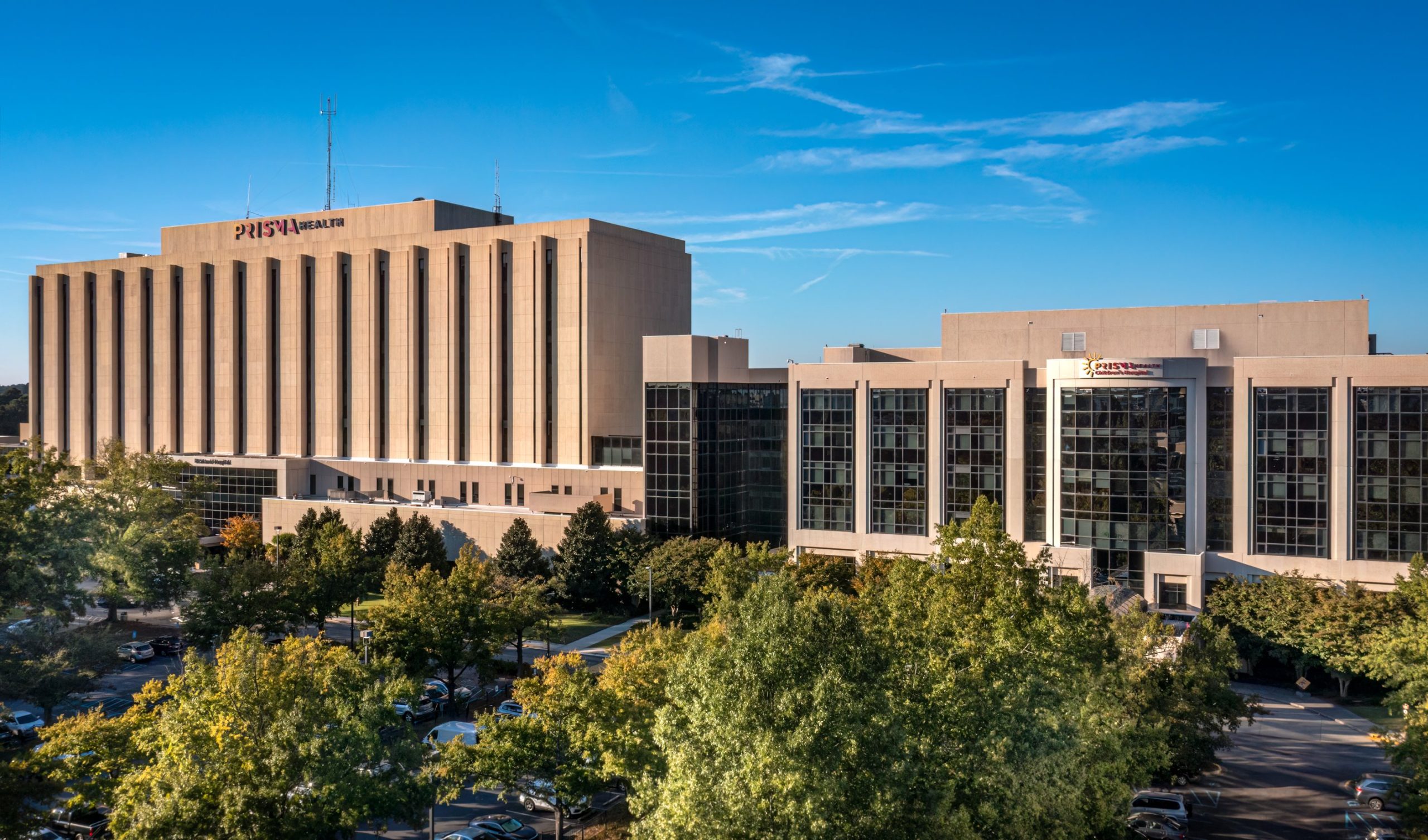
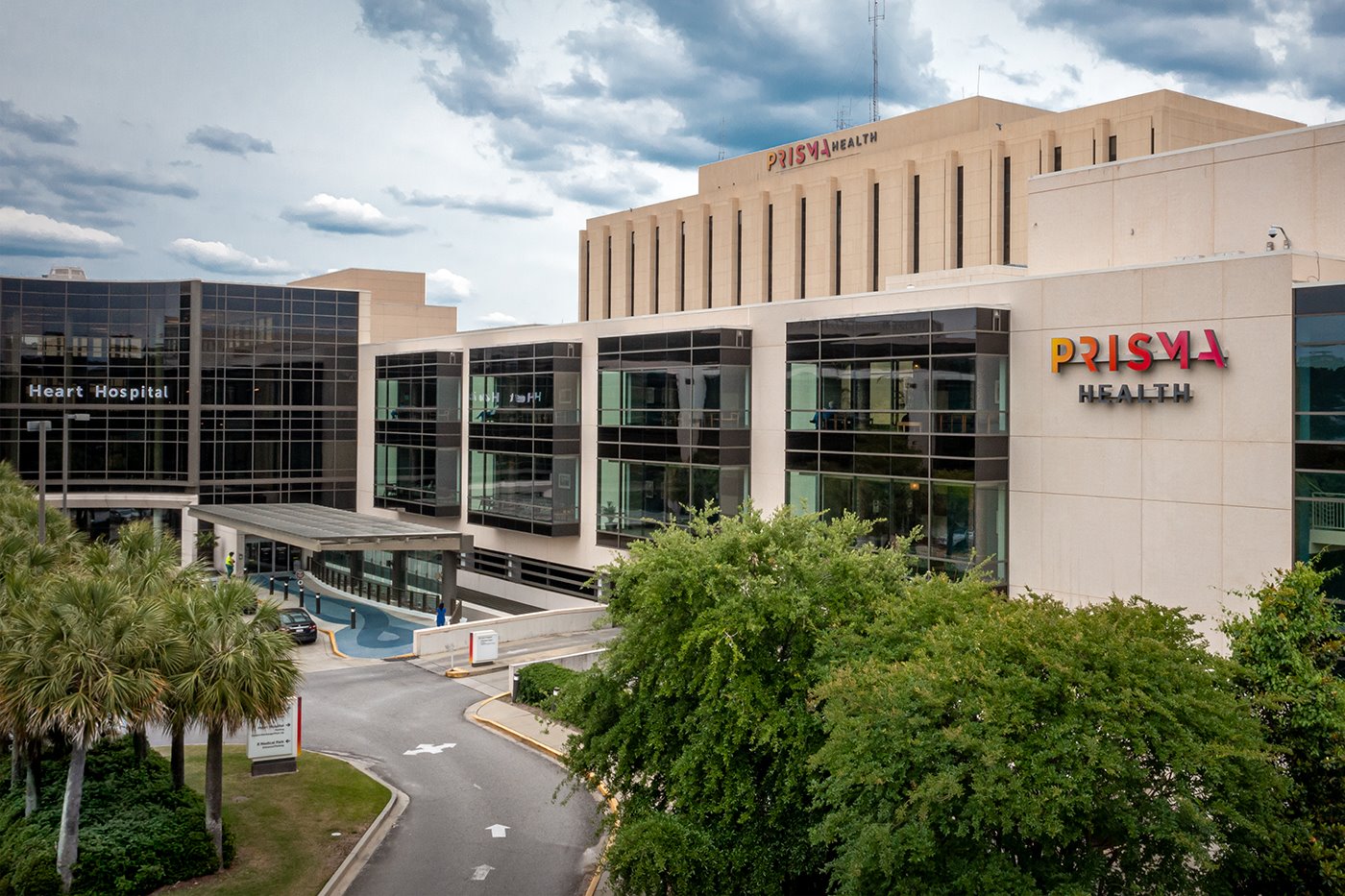
Prisma Health Richland Hospital
Downtown Columbia / 37+ active studies
Cancer, blood disorders, broad hospital research
The flagship Prisma Health hospital in the Midlands. Also, by far the biggest trial operation in the Columbia metro.
Visit Website →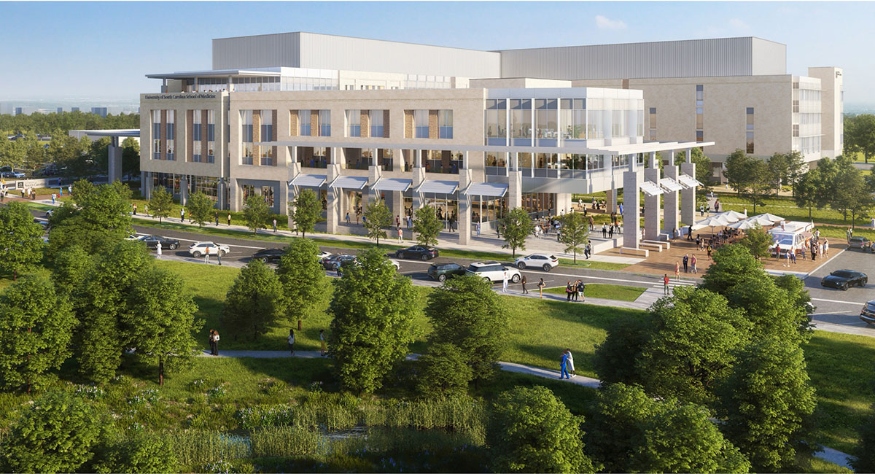
University of South Carolina
Columbia / 27+ active studies
Stroke recovery, physical activity, community health
Notably, a research university that runs federally funded health studies across the Midlands. Specifically, topics range from stroke rehab to disease prevention.
Visit Website →
Bogan Sleep Consultants
Columbia / 7+ active studies
Narcolepsy, sleep disorders
One of the best known private sleep research sites in the Southeast. Also, it has run sleep trials for decades.
Prisma Health Midlands Cardiovascular
Columbia / 4+ active studies
Cardiovascular disease, heart failure
The heart and vessel research arm of Prisma Health in the Midlands. So it is the natural home for cholesterol trials in Columbia.
Visit Website →
Prisma Health Children’s Hospital, Midlands
Columbia / 4+ active studies
Pediatric growth, cystic fibrosis
Basically, the Midlands hub for children’s research inside the Prisma Health system.
Visit Website →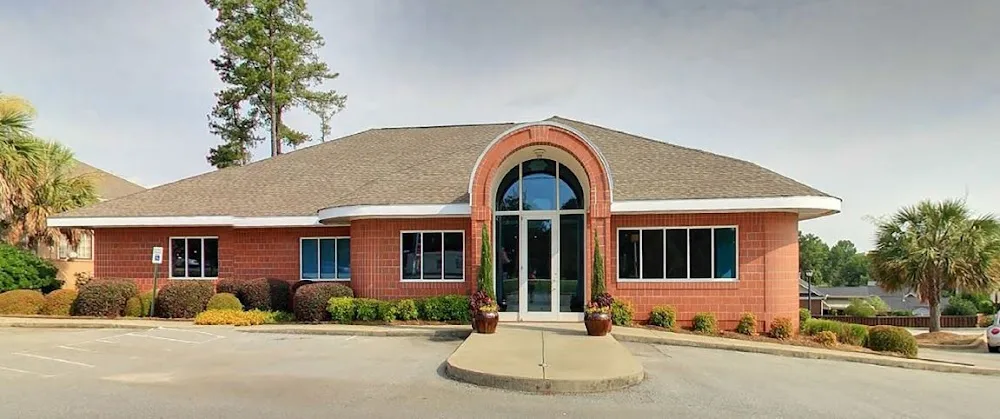
Columbia Dermatology & Aesthetics
Columbia / 4+ active studies
Hidradenitis suppurativa, psoriasis, obesity
A skin care practice with its own research team. It runs both skin and weight studies.
Velocity Clinical Research, Columbia
Columbia / Multiple active studies
COPD, skin conditions, vaccines
Part of one of the biggest research site networks in the country. Besides, it is just the kind of site the huge outcome trials lean on.
Visit Website →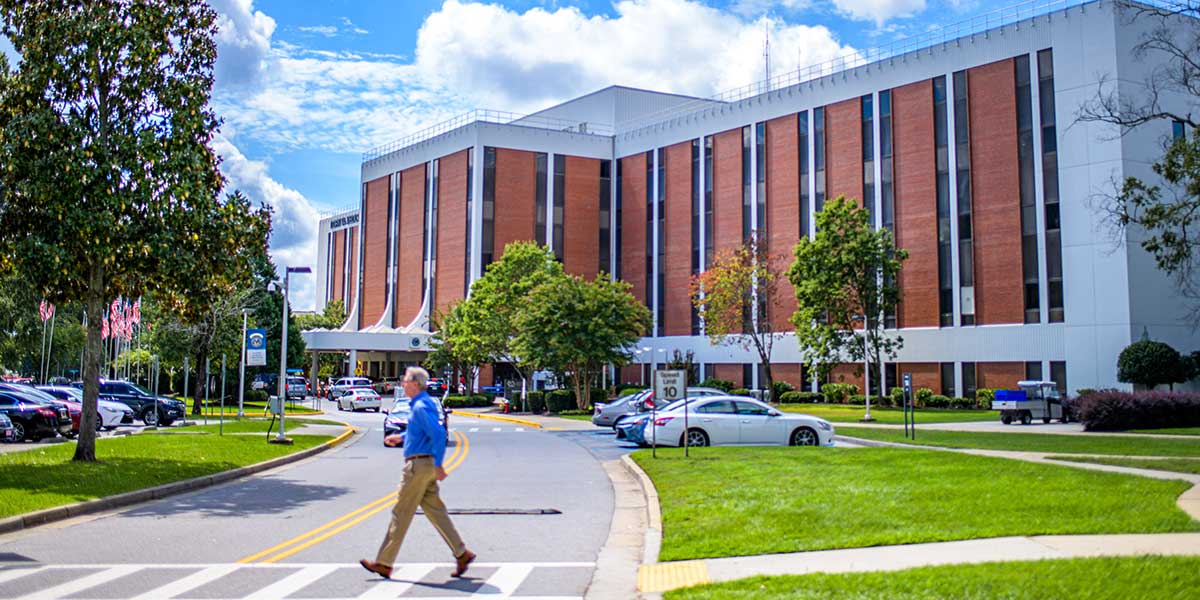
Wm. Jennings Bryan Dorn VA Medical Center
Garners Ferry Road, Columbia / 2+ active studies
Atherosclerosis, liver disease
Columbia’s VA medical center runs studies, including ones on clogged arteries. For veterans, it is often the first door.
Visit Website →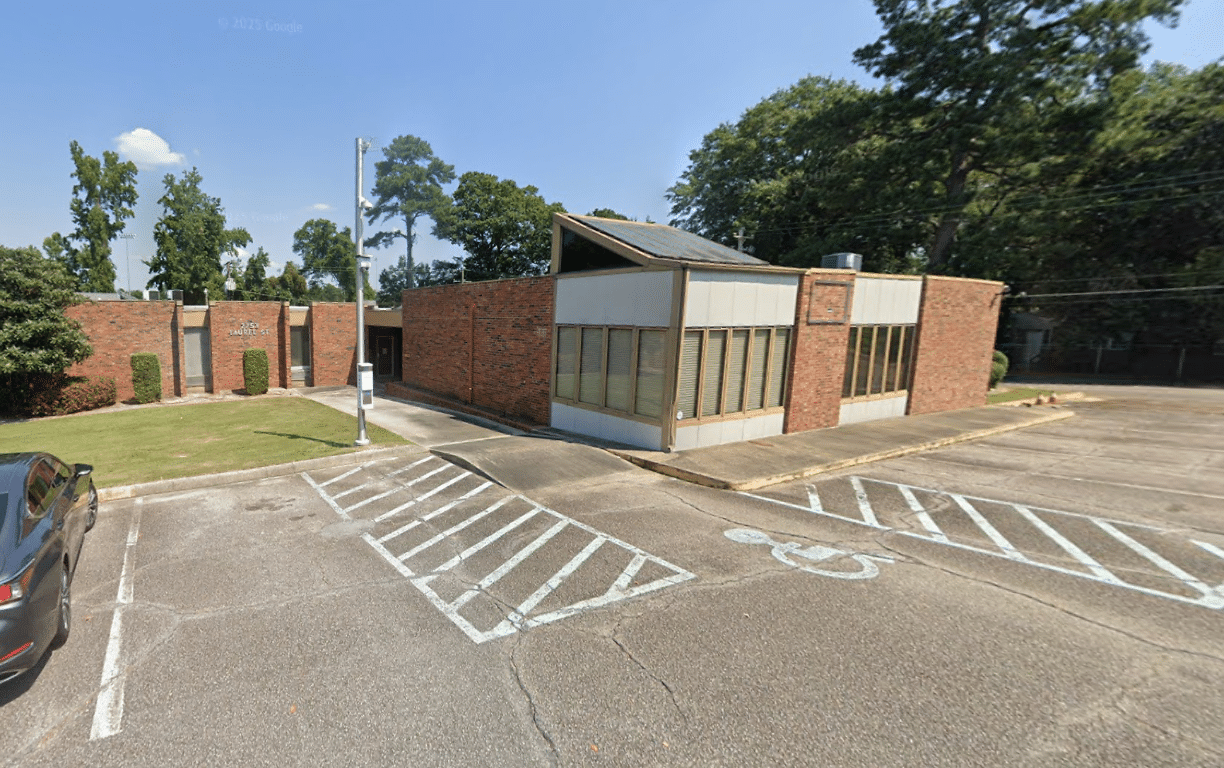
Objective Health, Columbia
Columbia / 2+ active studies
Celiac disease, fatty liver disease
Once called Columbia Digestive Health Research. Now it is part of the Objective Health network. Specifically, it runs gut and liver studies, including fatty liver trials.
Columbia Gastroenterology Associates
Columbia / Active studies
Digestive conditions
A long-running gut health practice. Also, it takes part in digestive trials around Columbia.
What to Expect in a Stroke Study
New to studies? Here is how one works, step by step.
01
Prescreening
First comes a short phone call or online form. Also, it takes about 10 to 15 minutes. The staff ask the date of your stroke first, because that decides everything. Then they book a visit.
02
Screening Visit
Next the clinic runs tests of movement, speech or memory, and often a brain scan. Also, they go through the consent form line by line, and a family member can sit in.
03
Treatment or Therapy
Then the study begins. So you take the study drug, wear the device, or attend therapy sessions. Meanwhile, your own doctors keep managing everything else.
04
Follow-Up
Finally, the clinic checks in for months or years, sometimes by phone. Also, your own doctor gets the results, and you can withdraw at any point.
Stroke Trial FAQs
Real answers about stroke studies near Columbia SC.
Are there really three studies just for speech?
Yes, and all three run at the University of South Carolina. One compares speech therapy by video against therapy in the clinic. Another adds a mild scalp current during therapy. Also, the third uses magnetic pulses aimed at a language area, then 30 minutes of therapy.
How long after a stroke can I still join?
For the language studies, months or years later is fine. One requires at least 12 months to have passed, and another requires more than 6. But two studies here enrol within days, at the bedside. So the date of your stroke decides which group applies to you.
Do I have to travel for the therapy studies?
Sometimes not at all, and that is decided by a coin flip. In the video therapy study, half the participants do the whole course from home. Meanwhile, the magnetic pulse study is the opposite, at ten visits inside two weeks. So check the visit line before you decide.
Which studies use a dummy treatment?
Three of the seven have none at all. The video therapy study gives everybody real therapy, and the heart implant study gives everybody a real implant. Also, the third gives nothing at all, because it only takes readings. But the scalp current study and the magnetic pulse study both include a fake version.
What is the study that excludes stroke survivors?
That is the smartwatch study, and the label matters. It tests whether people with an irregular heartbeat can skip daily blood thinners until the watch flags one. However, anyone who has had a stroke or a mini stroke is ruled out. Also, you must personally own a recent iPhone with a cellular plan.
What if I cannot have an MRI?
That rules out several of these, and it is worth checking first. The three language studies all use an MRI, and so does the day 90 study. So some metal implants, a pacemaker, or a fear of small spaces would close those doors. Meanwhile, the heart implant study and the smartwatch study do not require one.
Someone in my family is in hospital right now. What should I ask?
Ask the stroke team directly whether any research study is enrolling. One study here enrols within 5 days, and another between 24 and 96 hours. Also, consent often comes from a family member rather than the patient. In short, asking early is the only way in.
Do I need insurance?
No. None of these require insurance. The study treatment and study visits are provided at no cost. Also, you keep your own neurologist and therapists throughout. Results are sent back to them.
Is a recovery study worth it if I have plateaued?
That word gets used too early and too often. Every language study here starts at least 6 or 12 months out, because researchers no longer accept that recovery stops. Also, these studies give you more therapy hours than insurance usually covers. So a plateau is a reason to look rather than a reason to stop.
Where can I get stroke care near Columbia SC?
Prisma Health Richland runs stroke services, and the University of South Carolina runs the aphasia programme. Also, ask specifically for a stroke neurologist rather than general neurology. Your primary care doctor can refer you. Meanwhile, ask whether the cause of your stroke was ever found, because that decides what comes next.
Ready to Explore a Study?
Check your eligibility, or just reach out to our Columbia team. No pressure. Also, no sales pitch.
← Back to All Clinical TrialsSources
- TERRA telerehabilitation for aphasia, ClinicalTrials.gov NCT04682223
- STARS transcranial direct current stimulation for aphasia, ClinicalTrials.gov NCT07688551
- ATLAS rTMS anterior temporal lobe aphasia study, ClinicalTrials.gov NCT07608588
- CONFORM CLAAS left atrial appendage occlusion trial, ClinicalTrials.gov NCT05147792
- REACT-AF smartwatch guided anticoagulation study, ClinicalTrials.gov NCT05836987
- ELISA escitalopram and language intervention study, ClinicalTrials.gov NCT03843463
- VERIFY early prognostic data for stroke recovery, ClinicalTrials.gov NCT05338697
Study details and per-site recruiting status verified against ClinicalTrials.gov on August 15, 2026. Study availability and criteria change; the research clinic confirms everything before you enroll.