
COLUMBIA, SC
Blood Clot Clinical Trials
No blood clot study is enrolling inside Columbia right now. However, four are open within a drive, and none of them uses a dummy procedure. Compensation is provided for eligible participants.
0
In Columbia
4
Worth Knowing About
+/- $100
Per Visit
New here? Read how this page works
First, these four cover very different situations, and two of them enroll people during an emergency. So here is the fastest way to find which one applies to you.
- Where is the clot? Because a clot in the leg and a clot in the lungs lead to completely different studies.
- How long ago did it start? Notably, every study here has a hard time window, and the shortest is 14 days.
- Are you already on a blood thinner? In fact, that rules you out of the one study that uses plain aspirin.
- Finally, put your name in. Then we check you against all 4 and call you the day a new one opens near you.
Of course, checking never signs you up for anything. You are only seeing where you might fit.
The 4 Blood Clot Studies Worth Knowing About Near Columbia
None is in Columbia. So the drive matters, and we put it on every card that has one.
The closest one to Columbia
This is the nearest general clot study. However, it has closed sites elsewhere, so call before you drive.

Pulling the Clot Out, or Blood Thinners Alone
Inari Medical / Device
People with a large clot in the pelvis or thigh veins either get it pulled out with a catheter plus blood thinners, or they get blood thinners alone. Then leg symptoms are measured at 6 months.
Est. $300 or so, across about 3 visits
Get on the list →More details
Why researchers are excited: this is the randomised test the field has demanded, on whether pulling a clot out prevents lasting leg damage.
Who this study is looking for
- Adults 18 and older
- Also, A clot in the deep veins of the pelvis or thigh
- Besides that, symptoms started within the last 12 weeks
- Finally, significant leg symptoms on a standard score
Probably not a fit if: you have clots in both legs, or a filter already in place, or a stent already in that vein.
- Placebo group: No dummy and no fake procedure. The comparison group gets real, guideline standard blood thinners.
- How long: 6 months for the main result.
- Clinic visits: Only 3, and the record is unusually clean. Baseline and the procedure, then 10 days, then 180 days.
- Phone calls: Not published on the public record.
- Most invasive part: A catheter into the leg vein to pull the clot out.
- Setting: Outpatient.
- Where it runs: Spartanburg Medical Center, Spartanburg SC 29303.
- Drive from Columbia: Spartanburg is about 95 miles northwest, so roughly 100 minutes on I-26 and I-85.
- Check before you drive: this study has closed many sites nationally. So confirm Spartanburg is still open before making the trip.
- Full study record: View on ClinicalTrials.gov →
Only if you are on chemotherapy
Read the rules on this one first, because it takes men having chemotherapy for one specific cancer and nobody else.

Can Plain Aspirin Prevent Clots During Chemotherapy?
Wake Forest University / Drug
Men having chemotherapy for testicular or germ cell cancer are at very high risk of clots. So this gives one low dose aspirin a day for 26 weeks, to see whether that cheap pill is enough.
Payment is not published. Notably, you supply your own aspirin.
See if you fit →More details
Why researchers are excited: if plain aspirin works, it would protect a high risk group without the cost, injections or bleeding risk of prescription thinners.
Who this study is looking for
- Men aged 18 to 70
- Also, confirmed testicular or germ cell cancer at stage IS or IIA and above
- Besides that, at least one high clot risk feature
- Finally, you are starting standard chemotherapy, and aspirin begins within 2 weeks of it
Probably not a fit if: you have had a clot before, or you already take a blood thinner, or you have a history of stomach ulcers.
- Placebo group: None at all and no comparison group. Everybody gets the real aspirin, and results are compared against past records.
- How long: 26 weeks of aspirin, with outcomes tracked to 2 years.
- Clinic visits: Study specific check points at 26 weeks and 2 years. Meanwhile, day to day contact rides along with the chemotherapy appointments you were already attending.
- Phone calls: Not published on the public record.
- Most invasive part: Blood draws and scans to check for clots. Notably, the chemotherapy is standard cancer care rather than part of the study.
- Setting: Outpatient.
- Where it runs: Atrium Health Wake Forest Baptist, Charlotte NC 28204.
- Drive from Columbia: Charlotte is about 95 miles north, so roughly 100 minutes on I-77.
- Read this first: this is only for men on chemotherapy for one specific cancer. So it is not a general blood clot study, and most people reading this page will not fit it.
- Full study record: View on ClinicalTrials.gov →
For a clot in the lungs, enrolled in an emergency
Nobody plans for these. Still, knowing they exist means you can ask about them in the hospital.

Vacuuming a Clot Out of the Lung Arteries
Penumbra / Observational
People with a clot in the lungs that is straining the heart have it vacuumed out through a catheter. Then researchers follow their heart strain, breathing and walking for a year.
Payment is not published. Notably, enrolment happens in an emergency.
Get on the list →More details
Why researchers are excited: unusually, it tracks how people actually feel a year later rather than just what the scan shows.
Who this study is looking for
- Adults 18 and older
- Also, lung clot symptoms for 14 days or less
- Besides that, A scan shows the right side of the heart is strained
- Finally, this device is used as the first treatment
Probably not a fit if: you cannot take blood thinners, or you have advanced cancer, or you are already on life support.
- Placebo group: None at all. Everybody gets the real treatment, because nothing is randomised.
- How long: 365 days.
- Clinic visits: About 4 or 5. The procedure, 48 hours, 30 days, 90 days, then a safety check at a year.
- Phone calls: Not published on the public record.
- Most invasive part: A catheter passed through a vein into the lung arteries to suck the clot out.
- Setting: Outpatient.
- Where it runs: NC Heart and Vascular Research, Raleigh NC 27607.
- Worth knowing: this device has to be the first treatment used. So if you have already been given clot busting drugs, you are out.
- Full study record: View on ClinicalTrials.gov →

Treating a Lung Clot Without the Intensive Care Stay
Thrombolex / Device
A basket shaped catheter sprays a clot busting drug into the lung arteries through 48 tiny holes. So the design avoids both an intensive care stay and being tethered to a slow drip overnight.
Payment is not published. However, both follow ups are by phone.
Get on the list →More details
Why researchers are excited: it tests something people actually care about, which is getting treated without the intensive care unit.
Who this study is looking for
- Lung clot symptoms for 15 days or less
- Also, A blockage in at least one major lung artery on a scan
- Besides that, diagnosed as intermediate risk
- Finally, the right side of the heart shows strain
Probably not a fit if: you had major surgery within 10 days, or a past stroke with lasting weakness, or you needed CPR this admission.
- Placebo group: None at all. Everybody gets the real device and drug.
- How long: 30 days.
- Clinic visits: 1 in person plus 2 phone calls, and the record says so plainly. The procedure, then phone follow ups at 7 and 30 days.
- Phone calls: Yes, and both follow ups are explicitly by phone.
- Most invasive part: A catheter into the lung arteries plus a clot busting drug.
- Setting: Outpatient.
- Where it runs: Emory University, Atlanta GA 30308.
- Worth knowing: the whole study hangs on one measure at 7 days, and no other outcomes are published at all.
- Full study record: View on ClinicalTrials.gov →
Not sure which one fits you?
First, answer a few quick health questions. Then we check you against all 4 studies. Finally, we call you when one opens near Columbia. No account, no paperwork.
See if I may fit one of these studies →What Is Actually Being Tested for Blood Clots
Three shifts, and one of them overturned an assumption.
Two Names for the Same Problem
A clot in a deep vein, usually the leg or pelvis, causes swelling, pain and heaviness. If a piece breaks off and travels to the lungs, it blocks blood flow there and can be fatal within hours. So they are the same illness at two stages. Also, both are triggered by things that slow blood down, such as surgery, hospital stays, long stillness, cancer and pregnancy.
The Old Approach Left Damage Behind
Standard treatment has been the same for decades. Blood thinners stop the clot growing while your body slowly dissolves it. However, that leaves up to half of people with lasting leg damage. So the first big shift is mechanical. Rather than waiting, doctors thread a catheter in and physically pull the clot out. Notably, one study here is the randomised test of whether that actually prevents the long term damage.
The Damage May Not Be Permanent
The second shift overturned something the field had assumed. A recent trial showed that even severe, established leg damage after a clot can be improved with vein stenting. As Suresh Vedantham, who led it, put it, these people have suffered in silence because few doctors are aware of the complication or know how to treat it. So if you were told years ago that nothing more could be done, that advice may now be out of date.
Safer Prevention
The third shift is about stopping clots without causing bleeding. A new class of drug blocks a different clotting factor, on the theory that you can have one without the other. Meanwhile, researchers are also asking whether cheap familiar aspirin is enough for specific very high risk groups. In fact, the one study near Charlotte tests exactly that in men having chemotherapy.
Why the List Here Is Short
We will be straight with you. There is almost nothing open for this in either city. The one Charlotte study is only for men on chemotherapy for one specific cancer, so it will not fit most readers. Also, the closest general clot study is in Spartanburg, and that trial has closed many of its sites. So this page is mostly a waiting list, and we would rather say that than pad it out.
Research Sites Near Columbia
None of them runs a clot study today. But sites add new studies all the time, so it is worth knowing what sits near you.
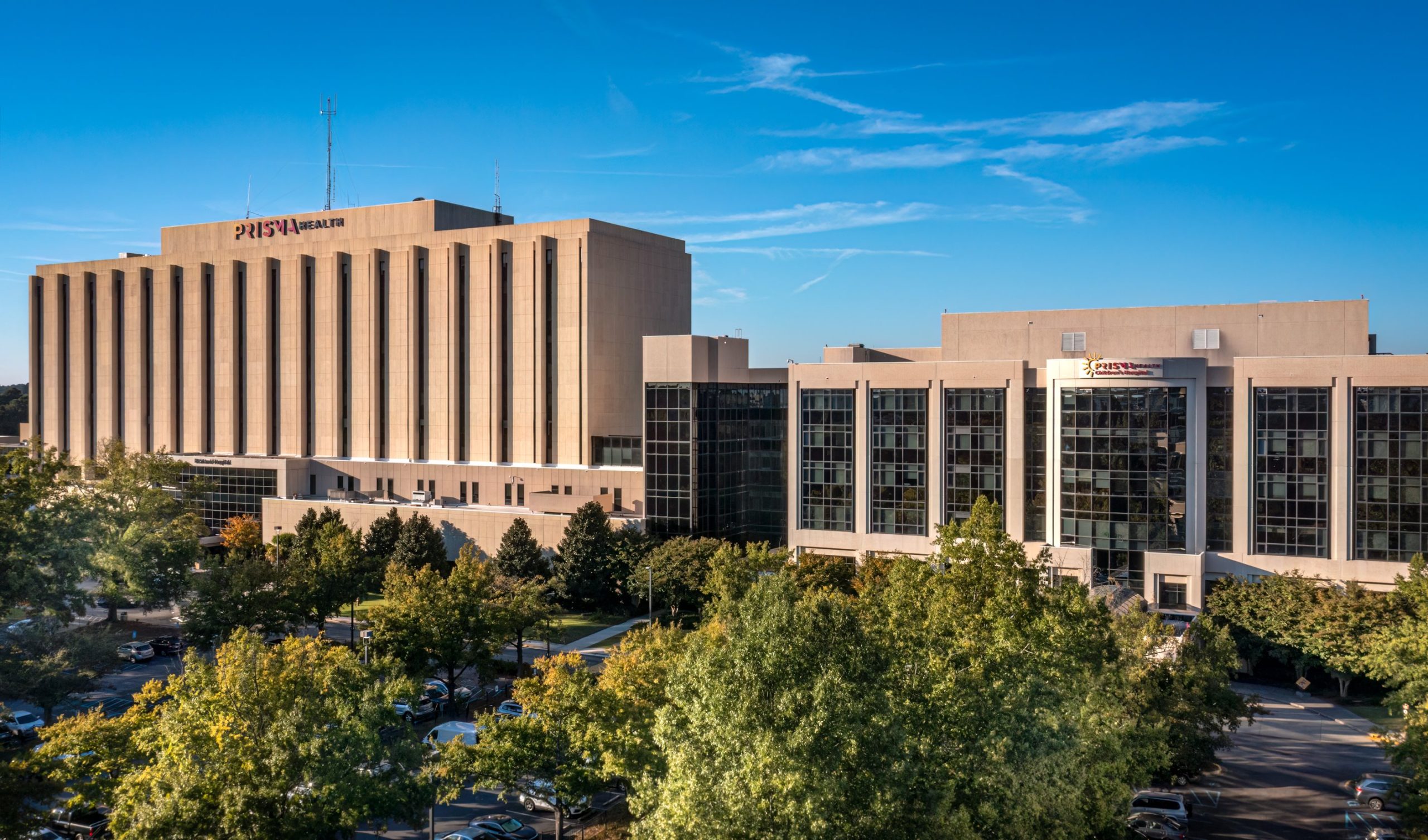
Prisma Health Richland Hospital
Downtown Columbia / 37+ active studies
Cancer, blood disorders, broad hospital research
The flagship Prisma Health hospital in the Midlands. Also, by far the biggest trial operation in the Columbia metro.
Visit Website →
University of South Carolina
Columbia / 27+ active studies
Stroke recovery, physical activity, community health
Notably, a research university that runs federally funded health studies across the Midlands. Specifically, topics range from stroke rehab to disease prevention.
Visit Website →
Bogan Sleep Consultants
Columbia / 7+ active studies
Narcolepsy, sleep disorders
One of the best known private sleep research sites in the Southeast. Also, it has run sleep trials for decades.
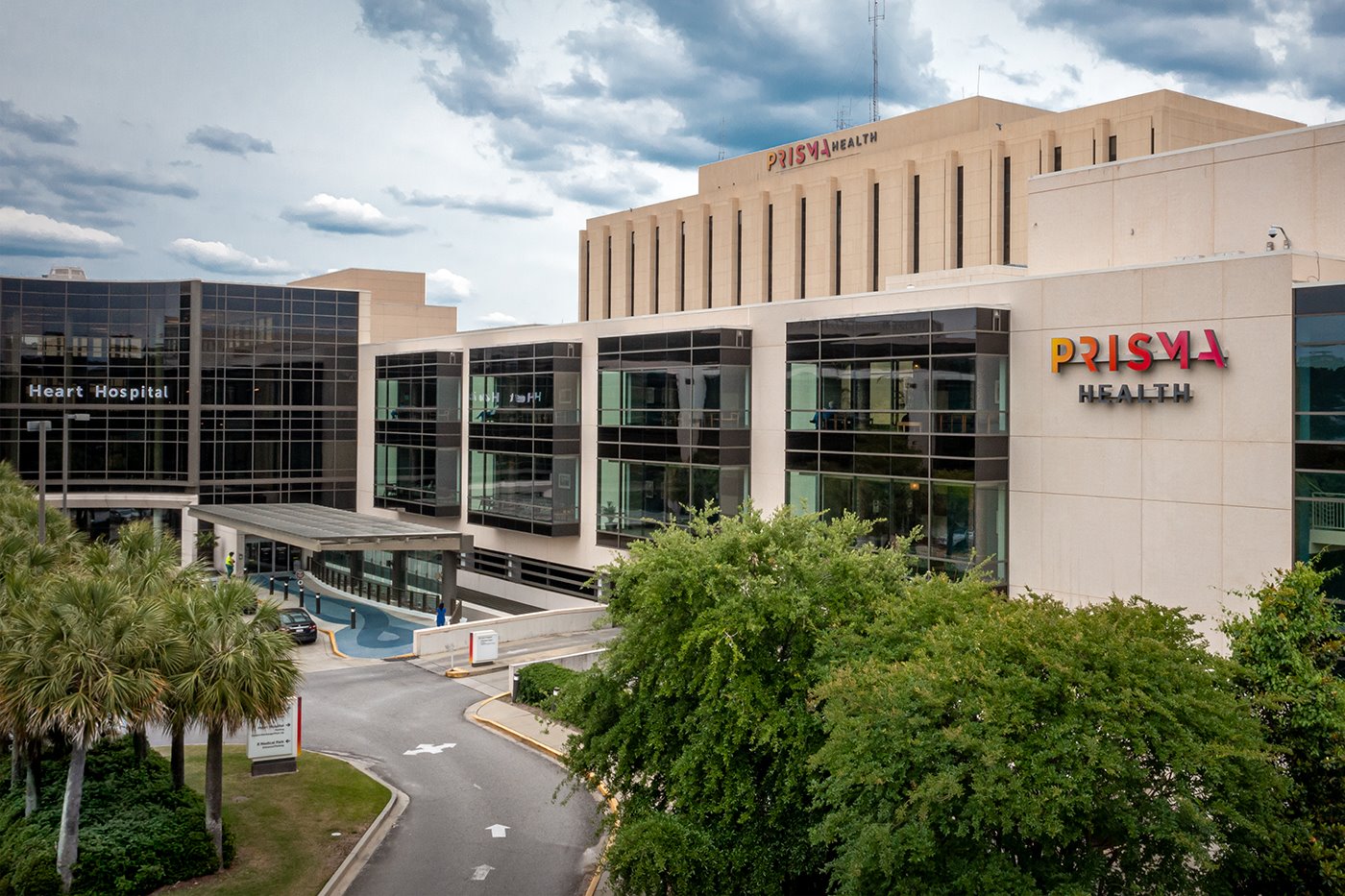
Prisma Health Midlands Cardiovascular
Columbia / 4+ active studies
Cardiovascular disease, heart failure
The heart and vessel research arm of Prisma Health in the Midlands. So it is the natural home for cholesterol trials in Columbia.
Visit Website →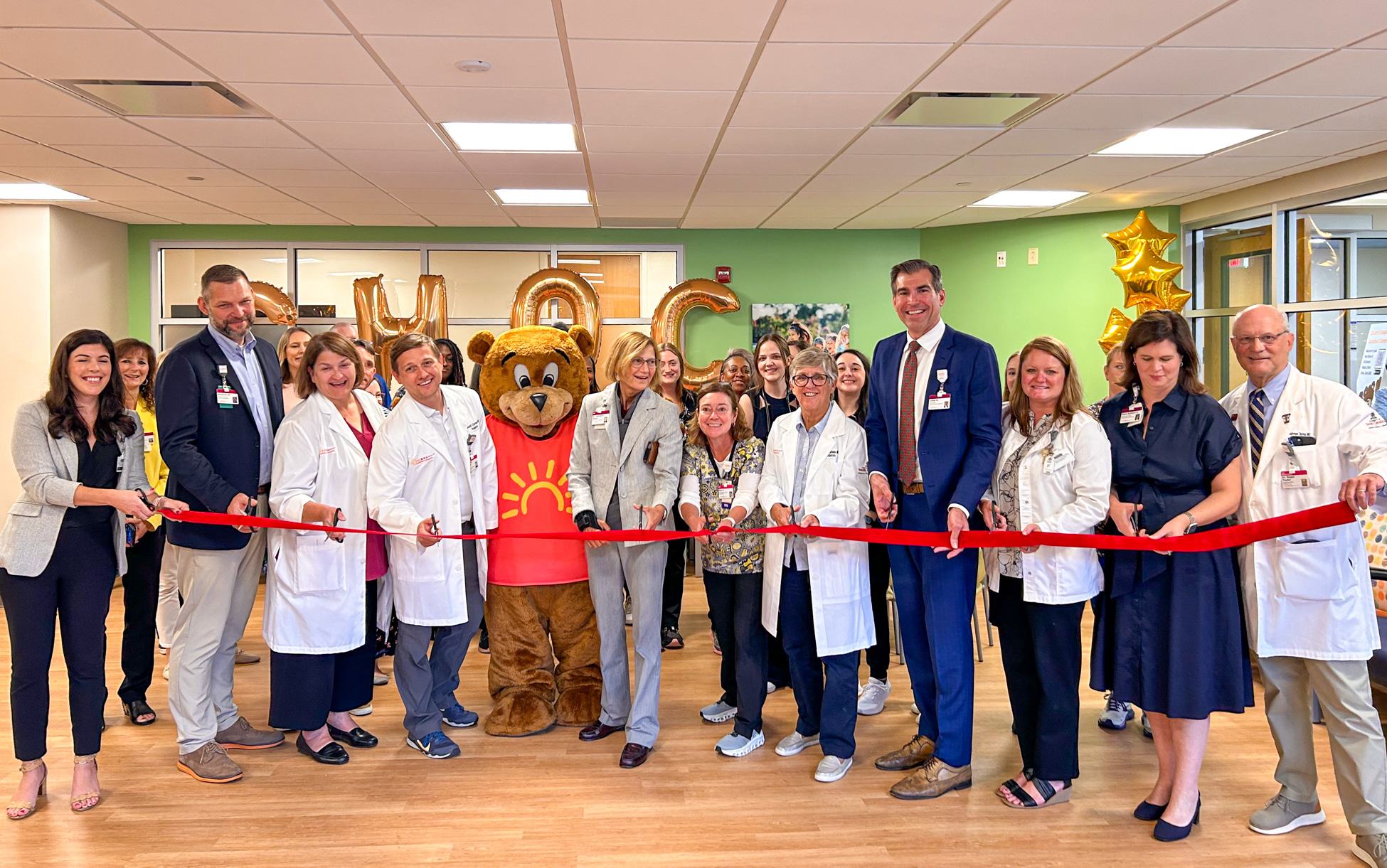
Prisma Health Children’s Hospital, Midlands
Columbia / 4+ active studies
Pediatric growth, cystic fibrosis
Basically, the Midlands hub for children’s research inside the Prisma Health system.
Visit Website →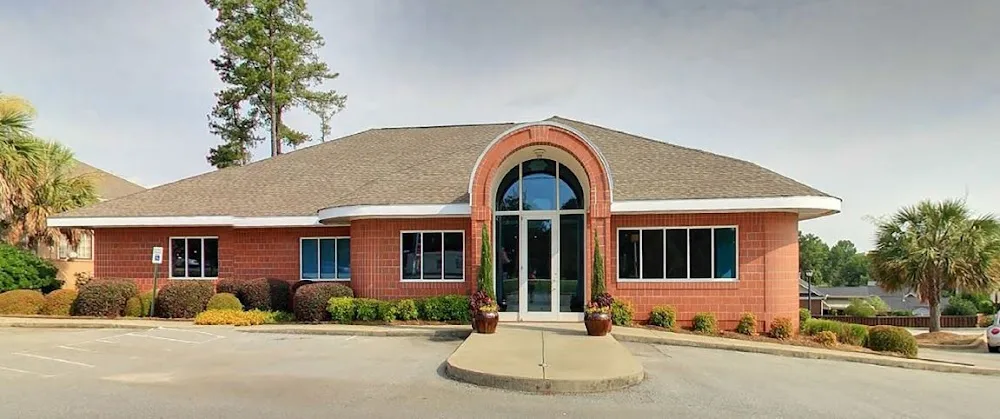
Columbia Dermatology & Aesthetics
Columbia / 4+ active studies
Hidradenitis suppurativa, psoriasis, obesity
A skin care practice with its own research team. It runs both skin and weight studies.
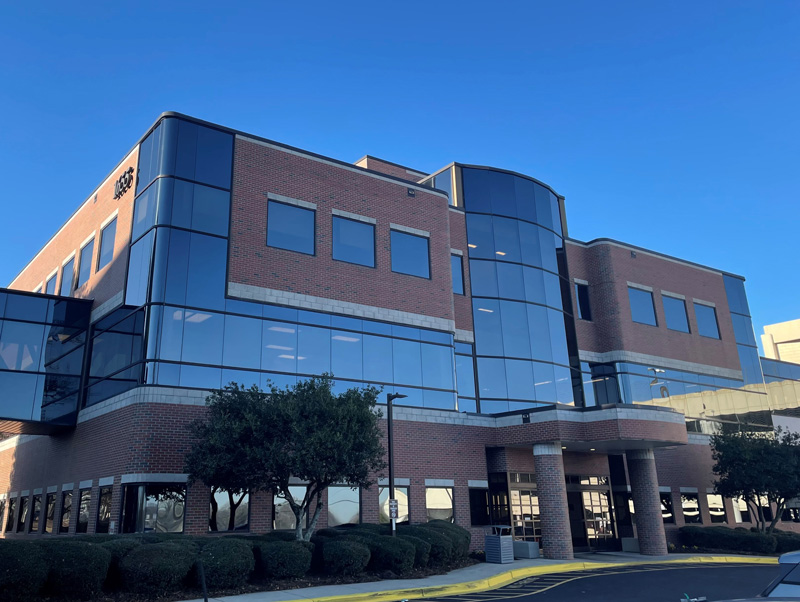
Velocity Clinical Research, Columbia
Columbia / Multiple active studies
COPD, skin conditions, vaccines
Part of one of the biggest research site networks in the country. Besides, it is just the kind of site the huge outcome trials lean on.
Visit Website →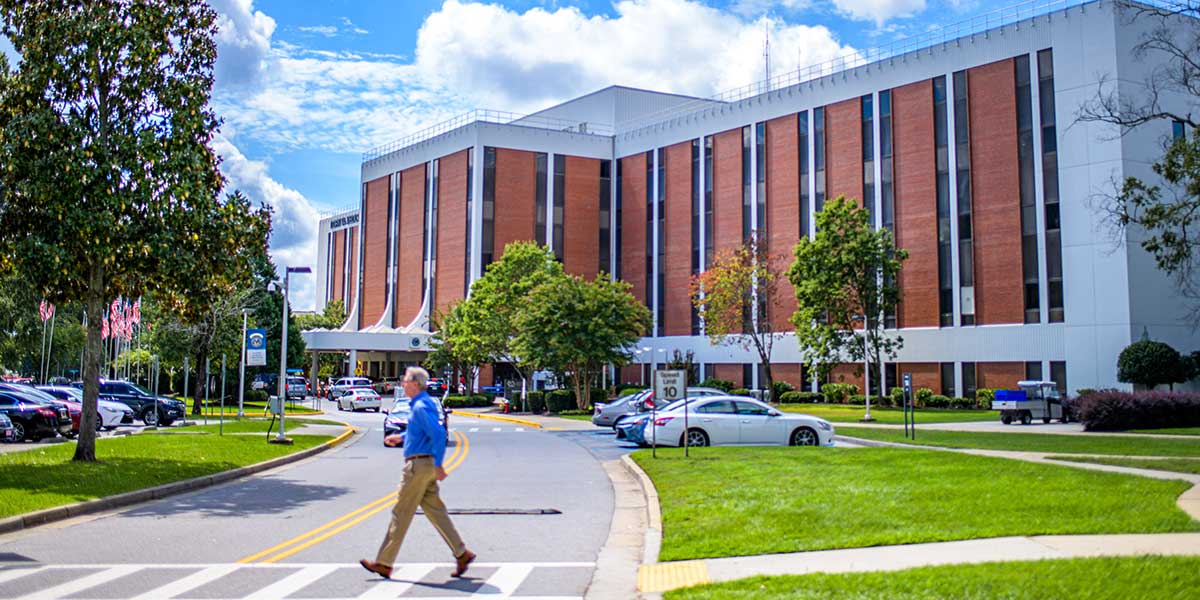
Wm. Jennings Bryan Dorn VA Medical Center
Garners Ferry Road, Columbia / 2+ active studies
Atherosclerosis, liver disease
Columbia’s VA medical center runs studies, including ones on clogged arteries. For veterans, it is often the first door.
Visit Website →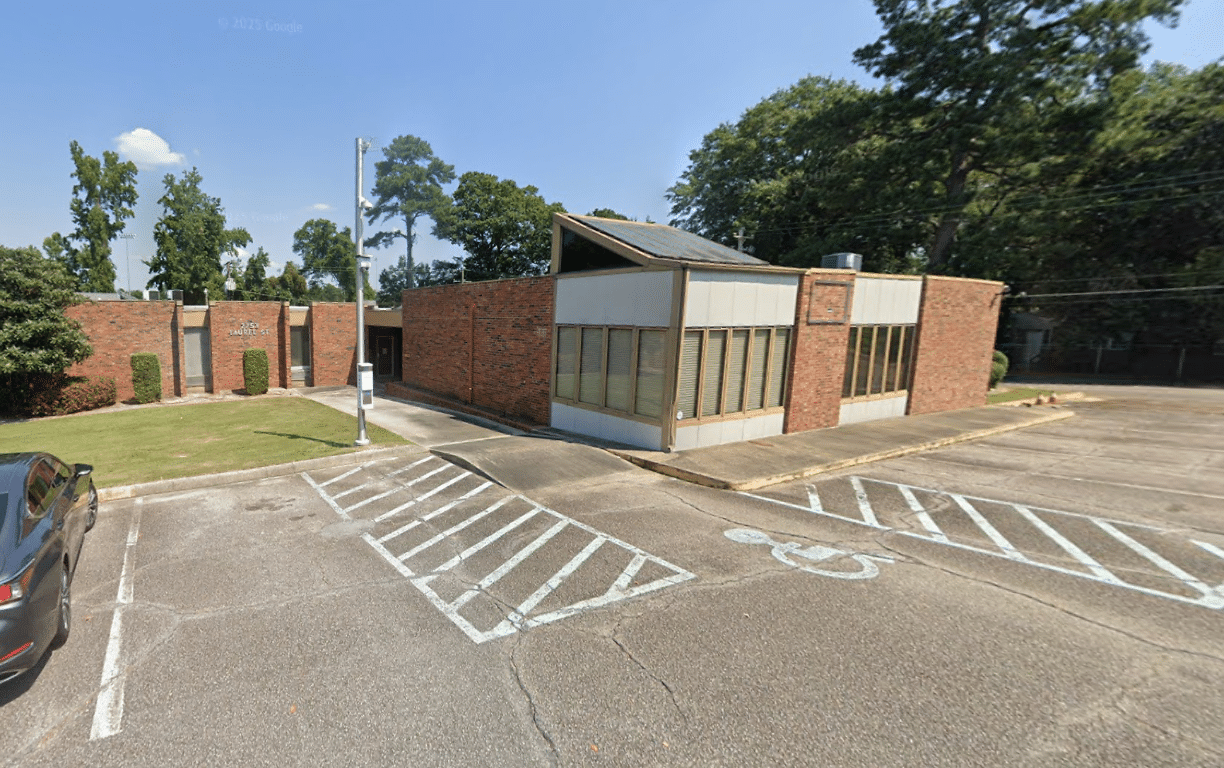
Objective Health, Columbia
Columbia / 2+ active studies
Celiac disease, fatty liver disease
Once called Columbia Digestive Health Research. Now it is part of the Objective Health network. Specifically, it runs gut and liver studies, including fatty liver trials.
Columbia Gastroenterology Associates
Columbia / Active studies
Digestive conditions
A long-running gut health practice. Also, it takes part in digestive trials around Columbia.
What to Expect in a Blood Clot Study
New to studies? Here is how one works, step by step.
01
Prescreening
First comes a short phone call or online form. Also, it takes about 10 to 15 minutes. The staff check whether you might fit. Then they tell you what is open.
02
Screening Visit
Next the clinic runs the tests that decide it, which usually means blood work. Also, they go through the consent form line by line, and you can bring somebody with you.
03
Treatment Period
Then the study begins. So you take the study drug or the placebo on the agreed schedule. Meanwhile, your own doctor keeps managing everything else.
04
Follow-Up
Finally, there is a check in period at the end. Also, your own doctor gets the results, and you can stop at any point without affecting your care.
Blood Clot Trial FAQs
Real answers about DVT and pulmonary embolism studies near Columbia SC.
Is there a blood clot study near Columbia?
Not inside the metro, no. The closest is at Spartanburg, about 100 minutes northwest, and it is for a clot in the leg or pelvis. One more is in Charlotte, though it only takes men having chemotherapy for one specific cancer. So most readers here will be waiting rather than joining, and we would rather say that upfront.
What is the difference between a leg clot and a lung clot?
They are the same illness at two stages. A clot forms in a deep vein, usually the leg or pelvis, and causes swelling, pain and heaviness. If a piece breaks off it travels to the lungs and blocks blood flow there, which can be fatal within hours. So the studies here are split between the two, and where your clot is decides which ones you can join.
Will I be taken off my blood thinner?
No, and that is worth saying plainly. Every study here keeps standard treatment in place for everybody. In the leg clot study the comparison group gets real, guideline standard blood thinners, not a dummy. So no study on this page asks you to go without treatment.
Is there a placebo in any of these?
No dummy procedure in any of the four. The lung clot studies give everybody the real device. The leg clot study compares pulling the clot out against real blood thinners. Also, the aspirin study gives the real aspirin to everybody who joins.
Can lasting leg damage after a clot be treated?
This is the part that changed recently, and it matters. A recent trial showed that even severe, established leg damage after a clot can be improved with vein stenting. As Suresh Vedantham, who led it, put it, these people have suffered in silence because few doctors are aware of the complication. So if you were told years ago that nothing more could be done, that advice may now be out of date.
Why are the time windows so short?
Because a fresh clot behaves differently from an old one. A recent clot is soft enough to pull out or dissolve, while an older one has hardened and stuck to the vein wall. So the studies here cut off at 14 days, 15 days or 12 weeks depending on the design. In short, if a clot has just been found, that is the moment to ask rather than months later.
What should I ask in the hospital?
Ask whether any research study is open for what you have, and ask it early. Two of these studies enroll people during an emergency, so the window can be hours rather than days. Also, ask your doctor to note that you are interested even if nothing is open right then. Meanwhile, you can put your name on our list so we call you if one opens later.
Does it cost anything to be on the list?
No. There is no cost, and no insurance is needed. Tether is a nonprofit list, so we do not run studies and we are not paid to send you anywhere. Also, being on the list never enrolls you in anything. You would always call the clinic yourself.
How can I lower my risk of another clot?
Your own doctor decides how long you stay on a blood thinner, and that is the single biggest factor. Beyond that, move your legs on long trips, stand up regularly, and stay well hydrated. Also, tell any surgeon about your clot history before an operation, because prevention gets planned around it. Meanwhile, sudden breathlessness or chest pain is an emergency rather than something to sleep on.
Where can I get clot care near Columbia SC?
Prisma Health runs vascular and blood clinics across the Midlands, and Lexington Medical Center covers the west side. Also, ask for a vascular specialist rather than general care if you have lasting leg swelling after a clot. Your own doctor can refer you. Meanwhile, sudden breathlessness or chest pain is an emergency, so call 911 rather than booking an appointment.
Ready to Explore a Study?
Get on the list, or just reach out to our Columbia team. No pressure. Also, no sales pitch.
← Back to All Clinical TrialsSources
- ASPIRE aspirin thromboprophylaxis study, ClinicalTrials.gov NCT06866964
- DEFIANCE mechanical thrombectomy study, ClinicalTrials.gov NCT05701917
- STRIKE-PE outcomes study, ClinicalTrials.gov NCT04798261
- RAPID-PE Bashir catheter study, ClinicalTrials.gov NCT06433011
Study details and per-site recruiting status verified against ClinicalTrials.gov on August 15, 2026. On that date one blood clot study was enrolling in the Charlotte metro and none in the Columbia metro. Study availability and criteria change; the research clinic confirms everything before you enroll.