
COLUMBIA, SC
Bronchiectasis Clinical Trials
No study is enrolling inside the Columbia metro, and we would rather say so plainly. However, two run from one address about an hour north, so it is one drive and two chances. Compensation is provided for eligible participants.
0
Open in the Metro
2
Within About an Hour
+/- $100
Per Visit
New here? Read how this page works
First, the honest picture. Nothing is open in this metro, but the nearest two share an address, so a single drive covers both. Here is the order to work through.
- Count your flares over the last 12 months. Because one study needs two or more, and the other has a second route in for people with almost none.
- Find out whether you grow pseudomonas. Notably, one study requires it and the other does not care, so this single answer routes you.
- Check whether anything was started in the last 3 months. In fact, a recent start on the newly approved drug or on long term antibiotics shuts one door for a while.
- Finally, tap the button. Then we check you against both at once and tell you when a new one opens.
Of course, checking never signs you up for anything. You are only seeing where you might fit.
The Nearest 2 Studies to Columbia
Both run from one address in Rock Hill, about an hour north. However, what each one wants is almost opposite.
The nearest two, about an hour north
Nothing is open in the Columbia metro. However, these two run from one address in Rock Hill, so it is one drive and two chances.

For the Bug Doctors Dread Most
AstraZeneca / Drug
A lab built antibody given as a drip into a vein, aimed at people whose airways carry pseudomonas. The goal is not to clear the bug but to cut how often you flare.
Payment is not published.
Check eligibility →More details
Why researchers are excited: once that bug settles into damaged airways it is close to impossible to remove. So people who carry it flare more, decline faster and do worse, and almost nothing targets them directly.
Who this study is looking for
- Age 12 or older and at least 35 kilograms
- Also, A scan shows widened airways in at least one part of the lung
- Besides that, pseudomonas found once in the last 2 years, and again on a recent spit test
- Finally, at least 2 moderate flares, or 1 severe one, in the last 12 months
Probably not a fit if: you started brensocatib in the last 3 months. A recent start on the new approved drug, or on long term antibiotics, rules you out. Also, active NTM or TB is a bar.
- Placebo group: Two dose levels against a dummy, and the ratio is not published.
- How long: At least 28 weeks of dosing and up to 52, plus 24 weeks of safety. So up to about 18 months.
- Clinic visits: Not published, because the dosing interval is not published either.
- Phone calls: Not published on the public record.
- Most invasive part: A drip into a vein, which is the heaviest part of anything on this page. Also, spit samples are required, plus blood draws and breathing tests.
- Setting: Outpatient.
- Where it runs: Research site, Rock Hill SC 29732.
- Drive from Columbia: Rock Hill is about 70 miles north, so roughly an hour on I-77.
- Worth knowing: being settled on your usual treatments is fine. It is starting something new in the 3 months before screening that shuts the door.
- Full study record: View on ClinicalTrials.gov →

The One That Takes You Without Frequent Flares
GlaxoSmithKline / Drug
An injected antibody aimed at the inflammation that drives the damage, rather than at the bacteria. The main measure is how many flares you have in a year against a dummy.
Payment is not published.
Check eligibility →More details
Why researchers are excited: nearly every study in this field demands a heavy flare history. This one also opens a second door for people whose daily symptoms are bad even though their flares are few.
Who this study is looking for
- Age 18 to 85, with a body mass index between 18 and 35
- Also, A scan shows widened airways, plus a history of cough and daily phlegm
- Besides that, you currently cough up phlegm
- Finally, either 2 or more flares in the last year, or few flares plus a poor symptom score
Probably not a fit if: your main diagnosis is asthma or COPD. Many people carry more than one label, and which one counts as primary decides this. Also, a past hepatitis B exposure shows up on a blood test and rules you out.
- Placebo group: Two dose levels against a dummy, and the ratio is not published.
- How long: The main measure runs to week 48, with safety follow up to week 72. So about 17 months.
- Clinic visits: Not published, because the dosing interval is not published either.
- Phone calls: Not published on the public record.
- Most invasive part: Injections of the study drug, and the route is not published. Also, heavy blood work, breathing tests and heart tracings. Notably, no spit sample is needed here.
- Setting: Outpatient.
- Where it runs: GSK site, Rock Hill SC 29732.
- Drive from Columbia: Rock Hill is about 70 miles north, so roughly an hour on I-77.
- Read this if your flares are rare: you can still fit with none or one flare if your daily symptom score is poor. So being ground down counts too.
- Full study record: View on ClinicalTrials.gov →
Not sure which one fits you?
First, answer a few quick health questions. Then we check you against every study we track. Also, no account and no paperwork.
See if I may fit one of these studies →What Is Actually Changing in Bronchiectasis
For the first time ever, there is a drug approved for it. That happened in August 2025.
What Has Gone Wrong in the Airways
Your airways are meant to be smooth springy tubes that narrow neatly as they branch deeper into the lung. Here, some of those tubes have been stretched wide and scarred for good, usually by an infection or a long stretch of inflammation. So widened floppy airways cannot sweep mucus out the way healthy ones do.
The Circle That Keeps It Going
This is the clearest way to picture the disease. Mucus pools, so bacteria settle in and multiply. The immune system attacks them, and the fight damages the airway further. The airway widens more, so more mucus pools. Round and round it goes. Meanwhile, every treatment either tries to break the mucus half of that circle or the inflammation half.
What a Flare Costs You
Day to day this means a wet cough most days, phlegm, breathlessness, tiredness and repeated chest infections. Then it flares. More phlegm, a change in its colour, more breathlessness, usually antibiotics and sometimes hospital. Notably, each flare tends to leave lung function slightly worse than before. So preventing flares, rather than treating them, is the whole point of modern treatment.
The Two Bugs That Change the Conversation
Pseudomonas is the one doctors most dread. Once it settles in permanently it is very hard to shift, and people who carry it flare more often and do worse over time. NTM is the other, a slow growing relative of the TB germ. Also, active NTM rules you out of both studies here, so it is worth knowing your status before you call.
Nothing Was Ever Approved for It
Until last year there was no approved drug for this condition at all. Everything in use was either supportive, such as physiotherapy and salt water mists, or borrowed off label from other diseases. So doctors were managing a common, progressive, damaging condition with nothing written for it.
That Changed on 12 August 2025
A drug called brensocatib was approved for people aged 12 and over, the first therapy ever approved for this. Rather than killing bacteria, it turns down the destructive enzymes released by immune cells. As James Chalmers of the University of Dundee put it, it is the first treatment that targets the kind of inflammation that drives a lot of flares. In its main trial, it cut flares by roughly 20 percent against a dummy.
What That Did to Research Here
It turned a neglected disease into a serious field almost overnight. Doreen Addrizzo-Harris of NYU called the approval a potential shift in how this condition is approached. Both studies here are large drug company programmes, one from AstraZeneca and one from GSK. However, that new drug also created a new gate, because starting it in the past 3 months rules you out of one of them.
Research Sites Near Columbia
The nearest sites are in Rock Hill, with others in Union, Spartanburg and Anderson. But sites add new studies all the time, so it is worth knowing what sits near you.
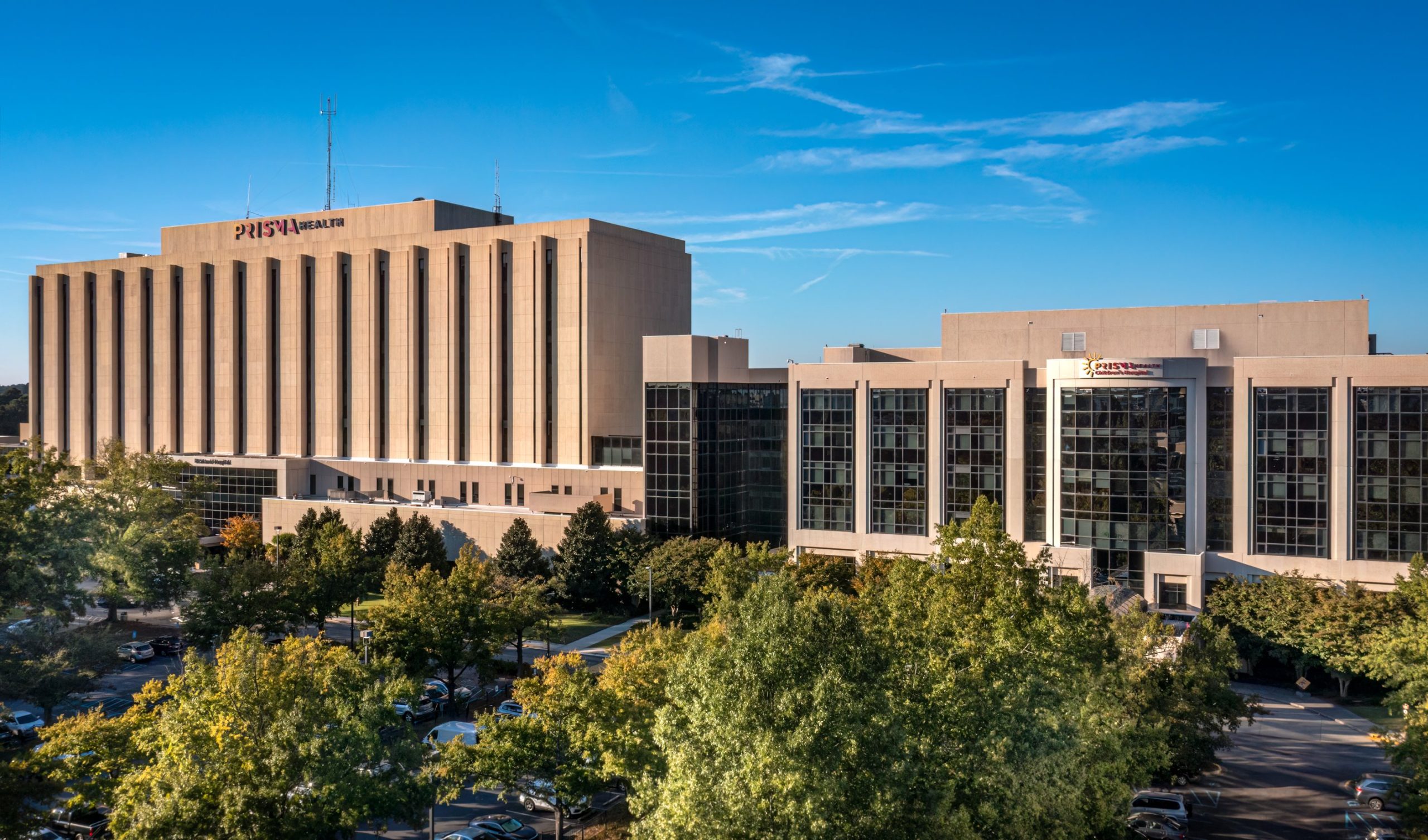
Prisma Health Richland Hospital
Downtown Columbia / 37+ active studies
Cancer, blood disorders, broad hospital research
The flagship Prisma Health hospital in the Midlands. Also, by far the biggest trial operation in the Columbia metro.
Visit Website →
University of South Carolina
Columbia / 27+ active studies
Stroke recovery, physical activity, community health
Notably, a research university that runs federally funded health studies across the Midlands. Specifically, topics range from stroke rehab to disease prevention.
Visit Website →
Bogan Sleep Consultants
Columbia / 7+ active studies
Narcolepsy, sleep disorders
One of the best known private sleep research sites in the Southeast. Also, it has run sleep trials for decades.
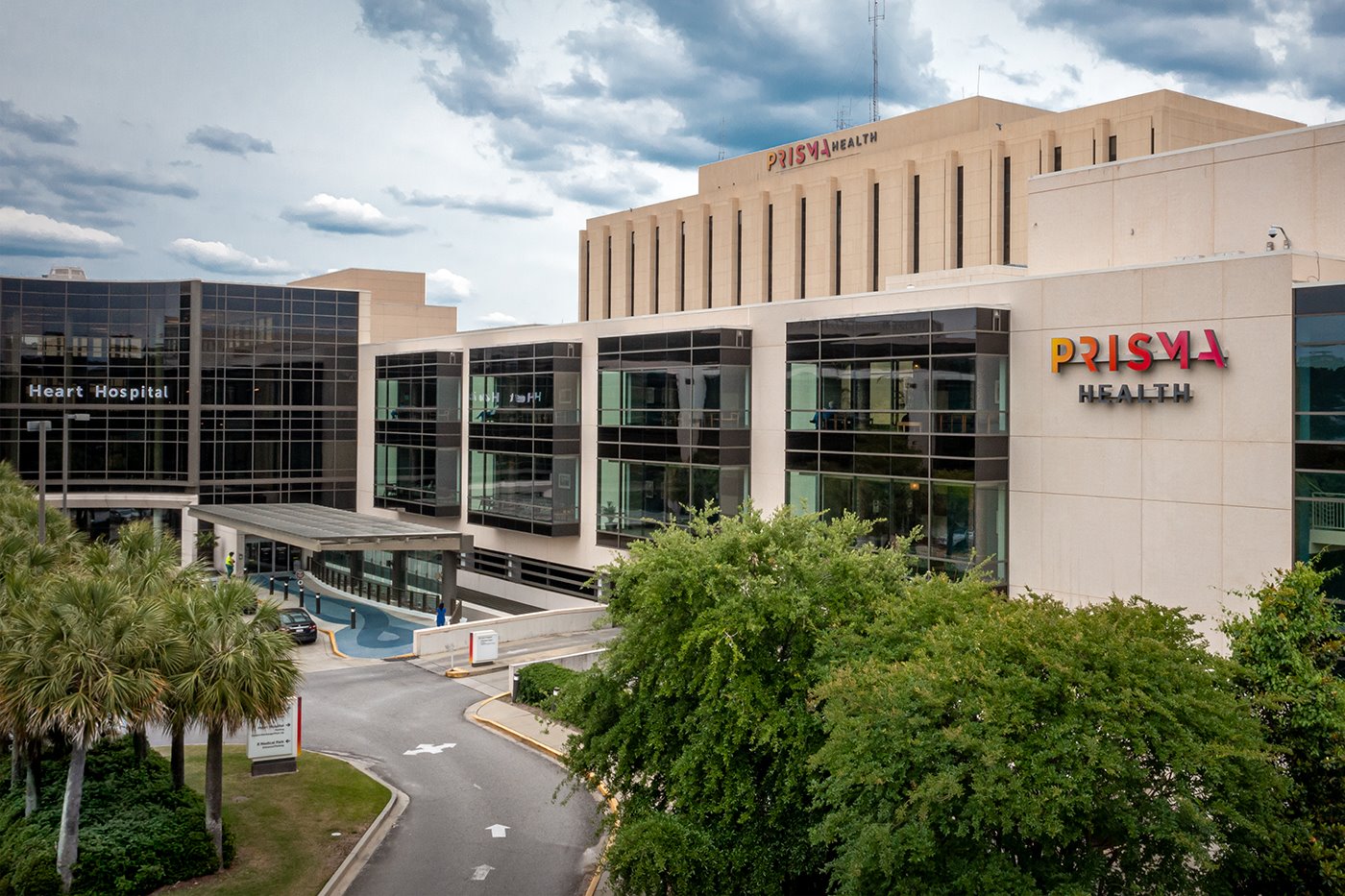
Prisma Health Midlands Cardiovascular
Columbia / 4+ active studies
Cardiovascular disease, heart failure
The heart and vessel research arm of Prisma Health in the Midlands. So it is the natural home for cholesterol trials in Columbia.
Visit Website →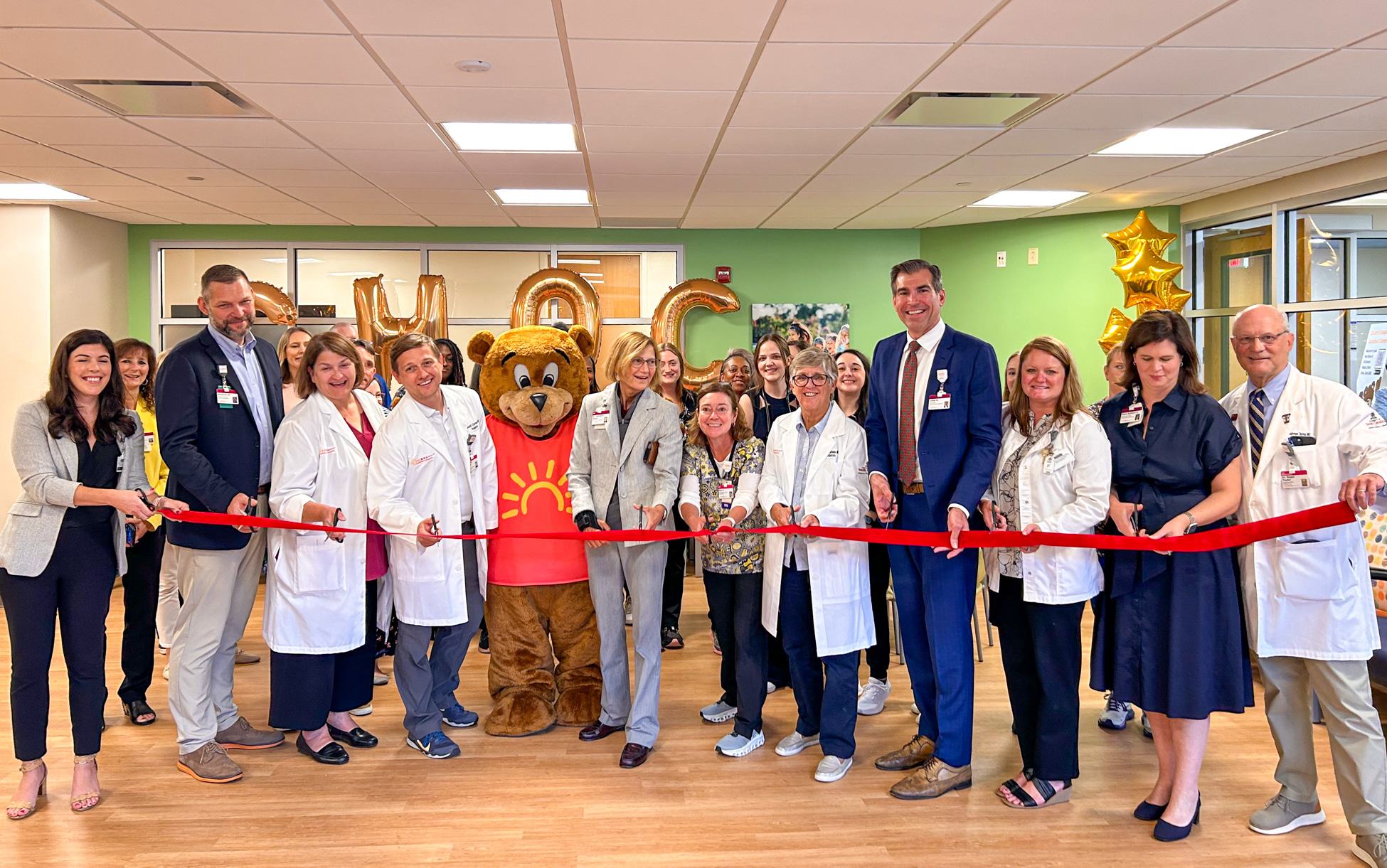
Prisma Health Children’s Hospital, Midlands
Columbia / 4+ active studies
Pediatric growth, cystic fibrosis
Basically, the Midlands hub for children’s research inside the Prisma Health system.
Visit Website →
Columbia Dermatology & Aesthetics
Columbia / 4+ active studies
Hidradenitis suppurativa, psoriasis, obesity
A skin care practice with its own research team. It runs both skin and weight studies.
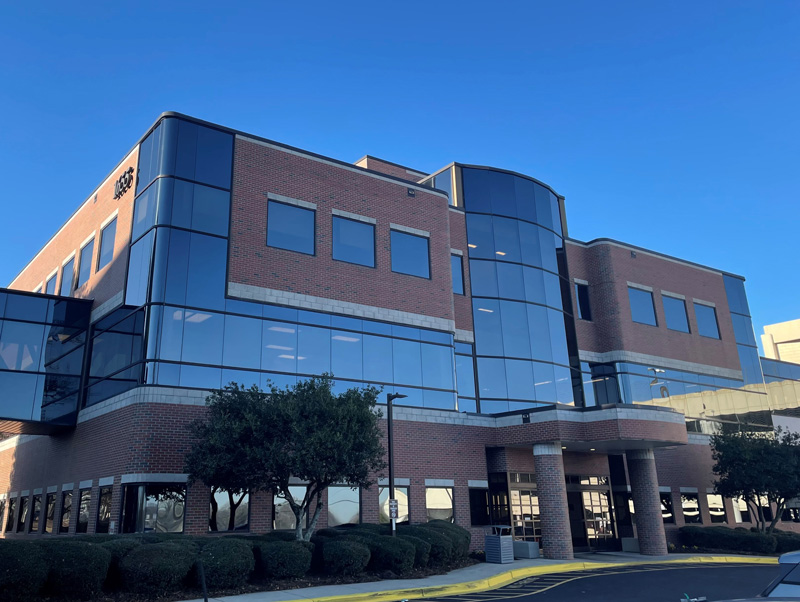
Velocity Clinical Research, Columbia
Columbia / Multiple active studies
COPD, skin conditions, vaccines
Part of one of the biggest research site networks in the country. Besides, it is just the kind of site the huge outcome trials lean on.
Visit Website →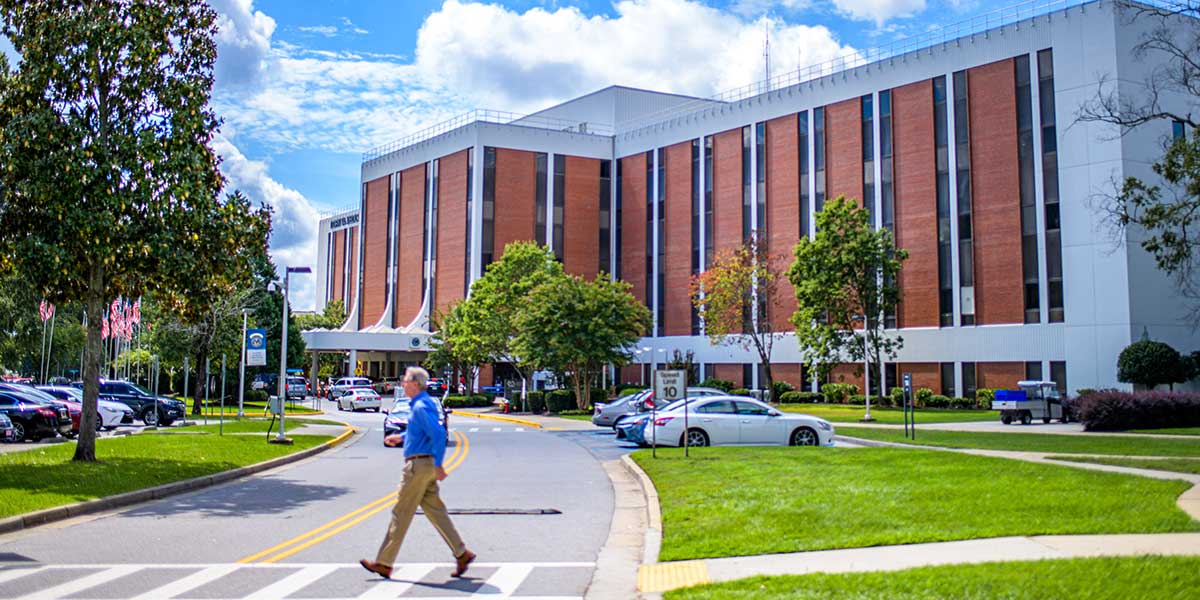
Wm. Jennings Bryan Dorn VA Medical Center
Garners Ferry Road, Columbia / 2+ active studies
Atherosclerosis, liver disease
Columbia’s VA medical center runs studies, including ones on clogged arteries. For veterans, it is often the first door.
Visit Website →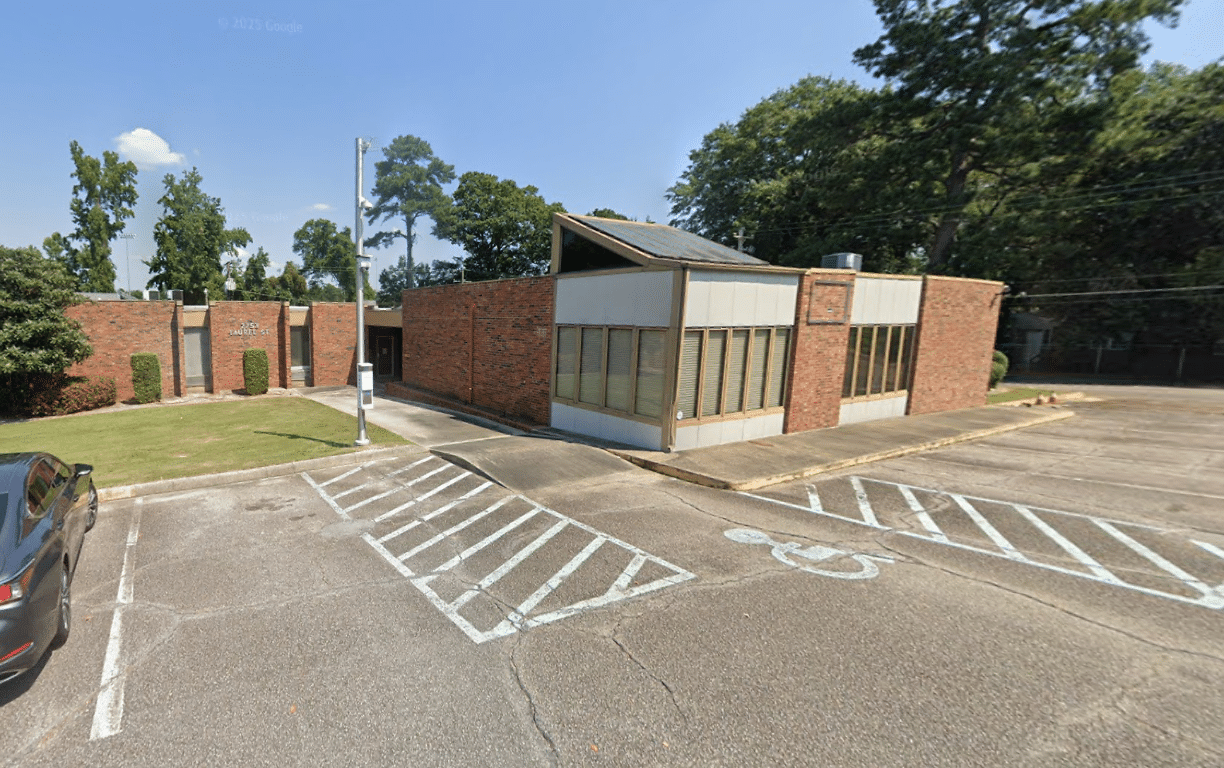
Objective Health, Columbia
Columbia / 2+ active studies
Celiac disease, fatty liver disease
Once called Columbia Digestive Health Research. Now it is part of the Objective Health network. Specifically, it runs gut and liver studies, including fatty liver trials.
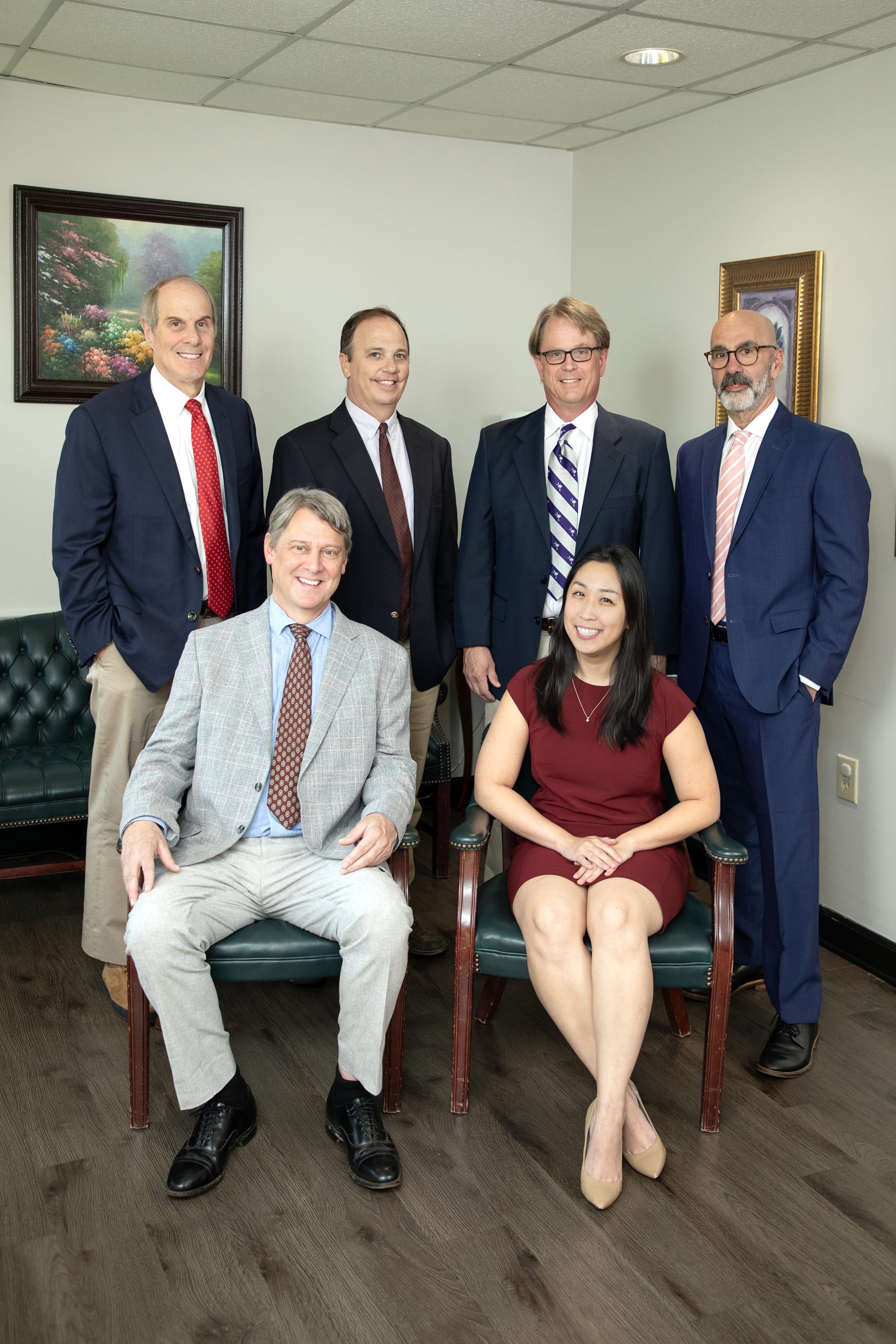
Columbia Gastroenterology Associates
Columbia / Active studies
Digestive conditions
A long-running gut health practice. Also, it takes part in digestive trials around Columbia.
What to Expect in a Bronchiectasis Study
New to studies? Here is how one works, step by step.
01
Prescreening
First comes a short phone call or online form. Also, it takes about 10 to 15 minutes. The staff check whether you might fit. Then they tell you what is open.
02
Screening Visit
Next the clinic runs the tests that decide it, which usually means blood work. Also, they go through the consent form line by line, and you can bring somebody with you.
03
Treatment Period
Then the study begins. So you take the study drug or the placebo on the agreed schedule. Meanwhile, your own doctor keeps managing everything else.
04
Follow-Up
Finally, there is a check in period at the end. Also, your own doctor gets the results, and you can stop at any point without affecting your care.
Bronchiectasis Trial FAQs
Real answers about bronchiectasis studies near Columbia SC.
Is there a study for this near Columbia?
Not inside the metro, and we will not pretend otherwise. However, two are open in Rock Hill, about 70 miles north, and they run from the same address. One needs you to grow pseudomonas and to have flared at least twice in the past year, while the other needs no particular bug and has a second route in for people whose flares are rare but whose days are bad. Also, further sites sit in Union, Spartanburg and Anderson.
What actually is this condition?
Some of your airways have been stretched permanently wide and scarred, usually by an infection or a long stretch of inflammation. Wide floppy airways cannot sweep mucus out, so mucus pools and bacteria settle in. So the immune system attacks, the airway is damaged further, and the circle keeps turning.
Is there an approved drug now?
Yes, and it is very recent. A drug called brensocatib was approved on 12 August 2025 for people aged 12 and over. It is the first therapy ever approved for this condition. Rather than killing bacteria, it turns down the destructive enzymes released by immune cells. In its main trial it cut flares by roughly 20 percent against a dummy.
Do I need frequent flares to join?
For one of them yes, and for the other not necessarily. The first wants two or more moderate flares, or one severe one, in the last 12 months. However, the second also takes people with none or one flare if their daily symptom score is poor. So being ground down every day counts, not only being hospitalised.
Do I need to be growing pseudomonas?
For one of them yes, and it is strict. It must have been found at least once in the last 2 years and again on a spit test close to starting. The other study asks for no specific bug at all, only that you currently cough up phlegm. So this one answer often decides which study fits you.
Is an hour each way really worth it?
That is your call, but two things make it easier than it sounds. Both studies run from one address, so a single drive gets you assessed for both at once. Also, these are long studies with visits spread over many months rather than every week. However, ask on the first call how often you would actually need to attend, because neither publishes its visit count.
Will I have to stop anything?
No stopping is required by either study. However, one of them cares a great deal about recent starts. Newly beginning long term antibiotics, or the newly approved drug, in the 3 months before screening rules you out of it. So being settled on your treatments is fine, while having just changed them is not.
What does taking part involve physically?
That differs sharply, and it is worth knowing before you call. One gives the study drug as a drip into a vein, which is the heaviest routine part of anything we list here. The other gives injections, and the route is not published. Also, only the first requires spit samples, while the second requires extensive blood work and heart tracings.
Does it cost anything to be on the list?
No. There is no cost, and no insurance is needed. Tether is a nonprofit list, so we do not run studies and we are not paid to send you anywhere. Also, being on the list never enrolls anyone in anything. You would always call the clinic yourself.
Where can I get lung care near Columbia SC?
Prisma Health and Lexington Medical Center both run lung services across the Midlands. Also, ask for a lung specialist rather than general care, because this needs a proper chest scan to diagnose at all. Your own doctor can refer you. Meanwhile, if nobody has ever sent your phlegm for testing, that is worth asking about before you call a study site.
Ready to Explore a Study?
Check your eligibility, or just reach out to our Columbia team. No pressure. Also, no sales pitch.
← Back to All Clinical TrialsSources
- CLEAR study of AZD0292 in bronchiectasis with pseudomonas, ClinicalTrials.gov NCT07088926
- GSK3862995B study in non cystic fibrosis bronchiectasis, ClinicalTrials.gov NCT07201051
- AIRTIVITY BI 1291583 study, listed here because both nearby sites are active but not recruiting, ClinicalTrials.gov NCT06872892
- Insmed: FDA approves brensocatib as the first and only treatment for non cystic fibrosis bronchiectasis, 12 August 2025, with comment from Doreen Addrizzo-Harris, MD
- American Journal of Managed Care: brensocatib becomes the first approved therapy for bronchiectasis, with comment from James D. Chalmers, MBChB, PhD
Study details and per-site recruiting status verified against ClinicalTrials.gov on August 16, 2026. One further study reads as recruiting at nearby sites, but those specific sites are listed as active and not recruiting, so it is excluded rather than counted. Study availability and criteria change; the research clinic confirms everything before you enroll.