
COLUMBIA, SC
Rheumatoid Arthritis Clinical Trials
1 study is open in Columbia SC, and we will be straight about it, because no drug is given. However, four drug studies run in Charlotte about 90 minutes north, and two of those ask you to stop nothing. Compensation is provided for eligible participants.
1
Open in Columbia
4
About 90 Minutes North
+/- $100
Per Visit
New here? Read how this page works
First, one question decides more than any other here, and it is not about the drug being tested. So here is the order to work through.
- Ask what happens to your current drugs. Because that decides more than the drug being tested, and two studies here require you to keep taking everything.
- Get your DAS28 number. Notably, above 3.2 counts as active disease, and studies gate on the number rather than on a description.
- Check whether an anti-CCP has ever been run. In fact, some studies need you to be antibody positive, and many people have never had that test.
- Finally, tap the button. Then we check you against all of them at once and tell you when a new one opens.
Of course, checking never signs you up for anything. You are only seeing where you might fit.
What Is Open In and Near Columbia
The local one gives no drug. However, the two we show from Charlotte require no washout at all.
The one study open here
Be clear about what it is. No drug is given, and it is an exercise study that takes arthritis rather than a drug trial.

How Little Exercise Still Helps
University of South Carolina, with the CDC / Exercise
Health advice says 150 minutes of activity a week. This tests whether 45 or 90 minutes gives you most of the same gain, which matters if 150 is out of reach.
Payment is not published. However, a Fitbit and a walking guide are provided.
Check eligibility →More details
Why researchers are excited: being handed a target you cannot hit is its own kind of harm. So finding the least that still works is useful to anyone living with pain and fatigue.
Who this study is looking for
- Age 18 or over
- Also, A doctor has diagnosed you with arthritis, or one of five related conditions
- Besides that, you can read and write in English
- Finally, you own a device that works with Fitbit
Probably not a fit if: you already do more than 45 minutes of moderate activity a week. That is measured with a monitor rather than asked, so being reasonably active rules you out. Also, not owning a Fitbit compatible device is a real and easily missed bar.
- Placebo group: None. There is no inactive group, because all three groups exercise. Only the target differs.
- How long: A 6 month programme, with a further check at 12 months.
- Clinic visits: Mostly remote. Monthly coaching calls, with in person attendance limited to the physical checks.
- Phone calls: Monthly coaching calls, plus texts or emails if you are struggling to hit your goal.
- Most invasive part: The gentlest thing we list anywhere. A 6 minute walk test, chair stands, a step monitor and short forms. No drug, no blood draws, no scans.
- Setting: Outpatient.
- Where it runs: University of South Carolina, Columbia SC 29208.
- Drive from Columbia: This one is on the campus, right beside downtown Columbia.
- Be clear what this is: it is not a drug study and it will not get you a new medicine. It is an exercise study that takes arthritis, and we count it because it is truly open and truly here.
- Full study record: View on ClinicalTrials.gov →
The nearest drug studies, about 90 minutes north
Charlotte carries four. So we show the two that ask you to stop nothing you are already taking.
Two New Drugs, Added on Top of What You Take
AbbVie / Drug
A platform study running several new drugs side by side, each added on top of your methotrexate. It is built for people whose current biologic has not done enough.
Payment is not published.
Check eligibility →More details
Why researchers are excited: most studies make you come off things. This one requires you to stay on methotrexate, so the drug is tested as an addition rather than a replacement.
Who this study is looking for
- Age 18 or over, with moderate to severe disease that is active now
- Also, you have had at least 3 months of a biologic or a JAK pill
- Besides that, you have used no more than 2 of those in total
- Finally, you are on a steady dose of methotrexate and you stay on it
Probably not a fit if: any arthritis that started before you were 17. That rules you out even if you are 50 now and your notes say rheumatoid arthritis. Also, any other inflammatory joint disease, such as psoriatic arthritis or lupus, is a bar.
- Placebo group: Real drug against a dummy, and the ratio is not published. Because there are several sub studies each with its own dummy group, ask the site what your odds are.
- How long: The main read comes at week 12, with safety follow up to about week 22.
- Clinic visits: Not published on the public record.
- Phone calls: Not published on the public record.
- Most invasive part: Blood draws, joint counts and questionnaires at each visit. Also, how the study drug is given is not published, so ask whether it is a pill, a shot or a drip.
- Setting: Outpatient.
- Where it runs: Joint and Muscle Research Institute and DJL Clinical Research, Charlotte NC.
- Drive from Columbia: Charlotte is about 93 miles north, so roughly 90 minutes on I-77.
- Why this one is reassuring: methotrexate is required rather than stopped. So if a washout is what frightens you, start your reading here.
- Full study record: View on ClinicalTrials.gov →

The One Where You Stop Nothing at All
Elevara Medicines / Drug
A new drug added on top of both your methotrexate and your TNF blocker. You keep taking both, and nothing you are on is stopped or reduced.
Payment is not published.
Check eligibility →More details
Why researchers are excited: this is the clearest answer in the whole batch to the question people most fear. So if you cannot risk coming off what is working, this is the first study here to look at.
Who this study is looking for
- Age 18 to 75, with a BMI between 18.5 and 32
- Also, diagnosed at least 6 months ago and active now, with a DAS28-CRP of 3.2 or more
- Besides that, on methotrexate at least 6 months, steady for 3, at 15 to 25 mg a week
- Finally, on a TNF blocker at least 6 months, and it has not been enough
Probably not a fit if: any sign of lung scarring rules you out. Any history, symptom, scan or breathing test showing it is a bar. Lung involvement here is common and under diagnosed, so this catches many people with long standing disease.
- Placebo group: Four groups. A dummy and three dose levels. The ratio is not published, so ask your odds.
- How long: 32 weeks in total. Screening, 12 weeks blinded, 12 weeks more treatment, then safety.
- Clinic visits: Not published in full. Named points are the start, week 12, week 24 and week 28.
- Phone calls: Not published on the public record.
- Most invasive part: Blood draws, joint counts and forms. Also, how the study drug is given is not published, so ask before you agree.
- Setting: Outpatient.
- Where it runs: DJL Clinical Research, Charlotte NC 28262.
- Drive from Columbia: Charlotte is about 93 miles north, so roughly 90 minutes on I-77.
- The plainest answer here: methotrexate stays, the TNF blocker stays, and there is no washout. So you add something rather than swap something.
- Full study record: View on ClinicalTrials.gov →
Not sure which one fits you?
First, answer a few quick health questions. Then we check you against every study we track. Also, no account and no paperwork.
See if I may fit one of these studies →What Is Actually Changing in Rheumatoid Arthritis
The goal stopped being comfort and became remission. Then a name appeared for the people it fails.
What Is Being Attacked
The lining of your joints is a thin membrane that makes the fluid keeping them smooth. Here, the immune system attacks that lining, which thickens and swells and starts eating into cartilage and bone. So it is symmetrical, usually hitting the same joints on both sides, and it favours hands, wrists and feet. Notably, the stiffness is worst in the morning and eases with movement, which is the opposite of wear and tear.
The Two Antibodies to Ask For
Rheumatoid factor is the older test and it is not specific, because other conditions raise it too. Anti-CCP is the one that matters more, because it is far more specific and it often shows up years before symptoms do. Also, having either one positive is called seropositive disease, and several studies here require it. So if nobody has run an anti-CCP on you, that is worth asking for by name.
And the Two Inflammation Numbers
CRP and ESR are both blood markers of swelling, and studies gate on them. They feed into a score called DAS28, which combines swollen joints, tender joints, a blood marker and your own rating of how you are doing. Generally, a DAS28 above 3.2 counts as active disease, and that is a common entry bar. Meanwhile, ask for your number rather than a description, because studies use the number.
The Goal Changed From Comfort to Remission
Treating to a target means picking a number, measuring against it, and changing treatment until you reach it. That replaced the older approach of treating symptoms and hoping. So the modern aim is remission, or low disease activity if remission is out of reach. In fact, that shift did more for outcomes than any single drug, because it changed how quickly treatment escalates.
Why Speed Matters So Much Here
Joint erosion does not reverse. Swelling can be turned around, but bone that has been eaten into stays that way. So the window in which treatment prevents rather than manages damage is measured in months rather than years. Meanwhile, the average person still waits far too long between first symptoms and first treatment. Notably, that wait is the thing this page can actually help with.
The Term You Will Start Hearing
Difficult to treat rheumatoid arthritis. It describes people who have been through several biologics or JAK pills and still have active disease. It matters because it is now a formally recognised group rather than a shrug. So the studies open around this city are aimed squarely at it, and several require you to have already failed things.
Where the New Work Is Going
Two directions, and they are very different in weight. The first is adding a new drug on top of what you already take, which asks nothing of your current treatment. The second is cell therapy, which borrows from cancer medicine to clear out the B cells driving the disease. However, that route involves a cell infusion and close monitoring, and it is aimed at disease that has resisted everything.
The Question to Ask First
Not what the drug is. Instead, ask what happens to what you are already taking. Two studies around this city require you to stay on methotrexate, and one requires you to stay on your TNF blocker too. Others do not publish the answer at all. So the washout question decides how many weeks your joints go untreated, and it deserves to be your first question rather than your last.
Research Sites Near Columbia
The local study runs from the university campus, while the nearest drug studies are in Charlotte. But sites add new studies all the time, so it is worth knowing what sits near you.

Prisma Health Richland Hospital
Downtown Columbia / 37+ active studies
Cancer, blood disorders, broad hospital research
The flagship Prisma Health hospital in the Midlands. Also, by far the biggest trial operation in the Columbia metro.
Visit Website →
University of South Carolina
Columbia / 27+ active studies
Stroke recovery, physical activity, community health
Notably, a research university that runs federally funded health studies across the Midlands. Specifically, topics range from stroke rehab to disease prevention.
Visit Website →
Bogan Sleep Consultants
Columbia / 7+ active studies
Narcolepsy, sleep disorders
One of the best known private sleep research sites in the Southeast. Also, it has run sleep trials for decades.

Prisma Health Midlands Cardiovascular
Columbia / 4+ active studies
Cardiovascular disease, heart failure
The heart and vessel research arm of Prisma Health in the Midlands. So it is the natural home for cholesterol trials in Columbia.
Visit Website →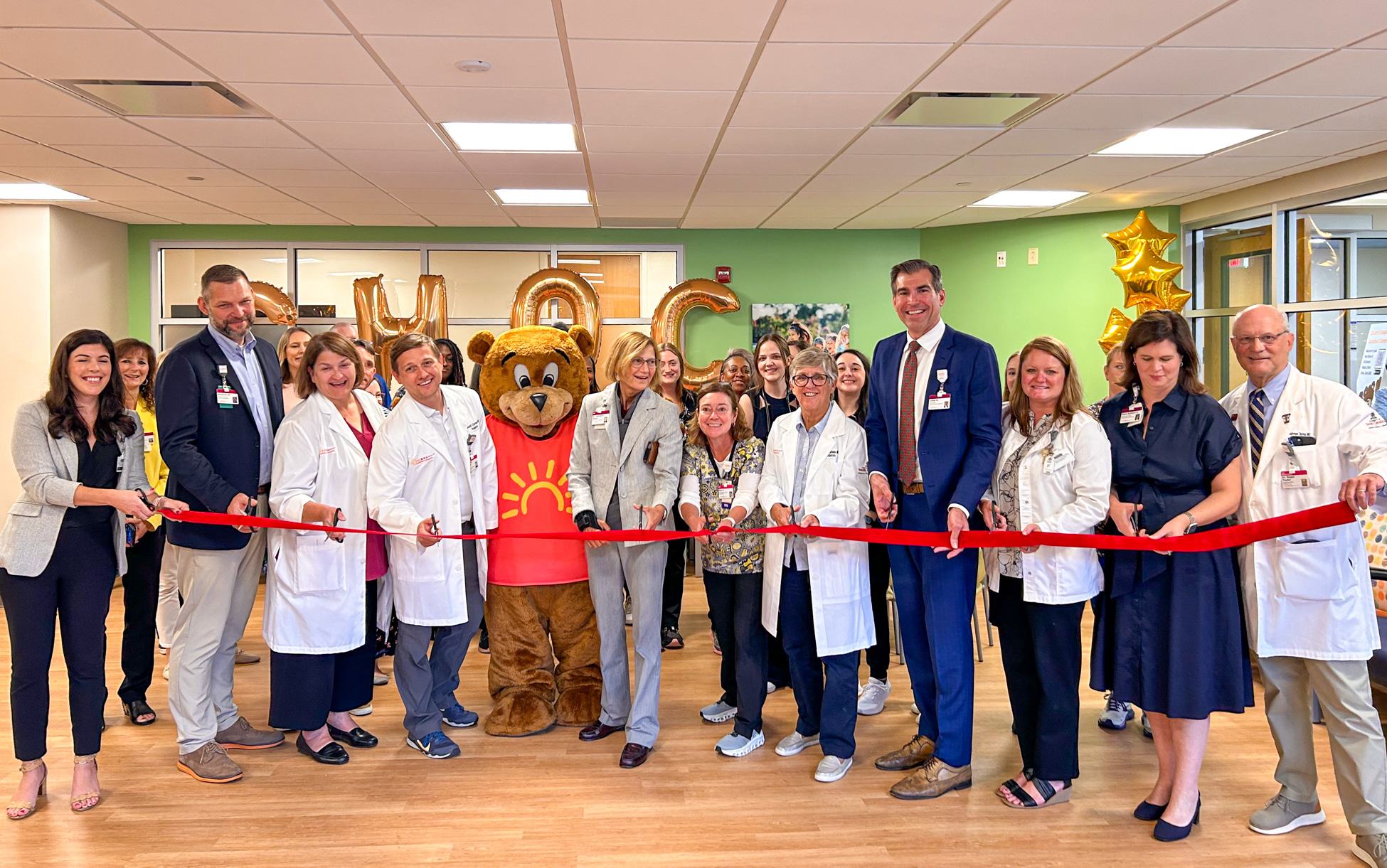
Prisma Health Children’s Hospital, Midlands
Columbia / 4+ active studies
Pediatric growth, cystic fibrosis
Basically, the Midlands hub for children’s research inside the Prisma Health system.
Visit Website →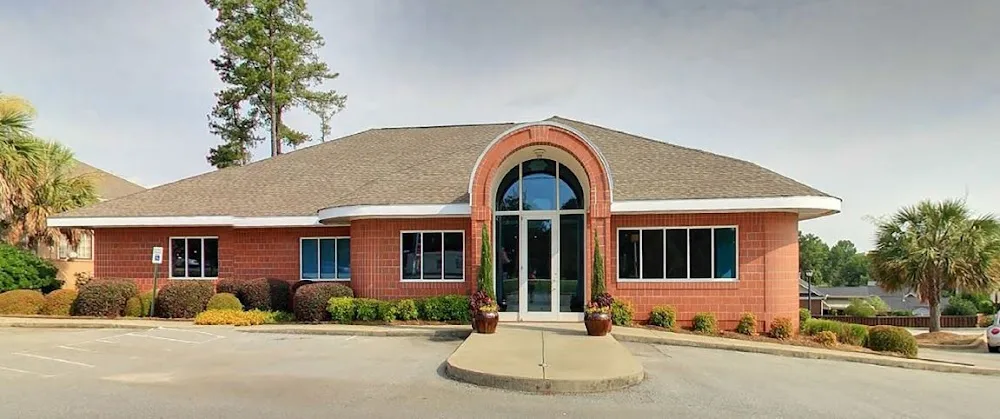
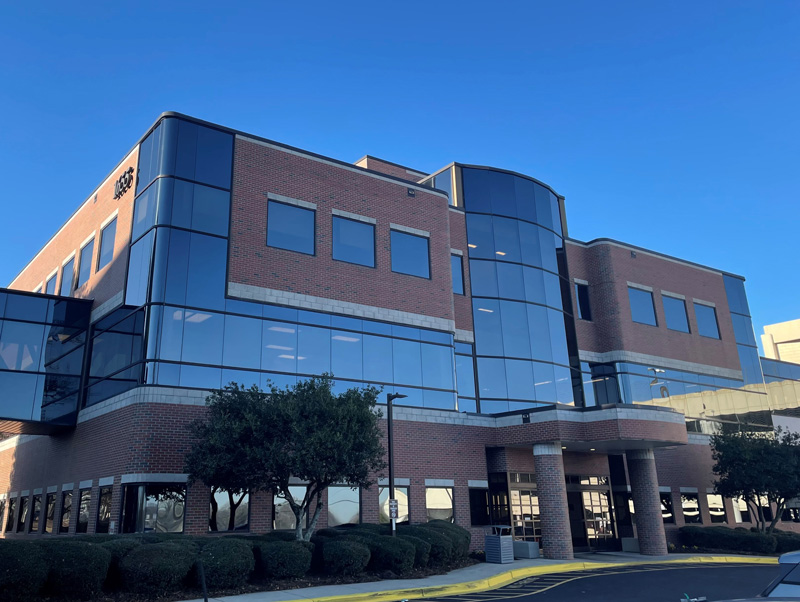
Columbia Dermatology & Aesthetics
Columbia / 4+ active studies
Hidradenitis suppurativa, psoriasis, obesity
A skin care practice with its own research team. It runs both skin and weight studies.
Velocity Clinical Research, Columbia
Columbia / Multiple active studies
COPD, skin conditions, vaccines
Part of one of the biggest research site networks in the country. Besides, it is just the kind of site the huge outcome trials lean on.
Visit Website →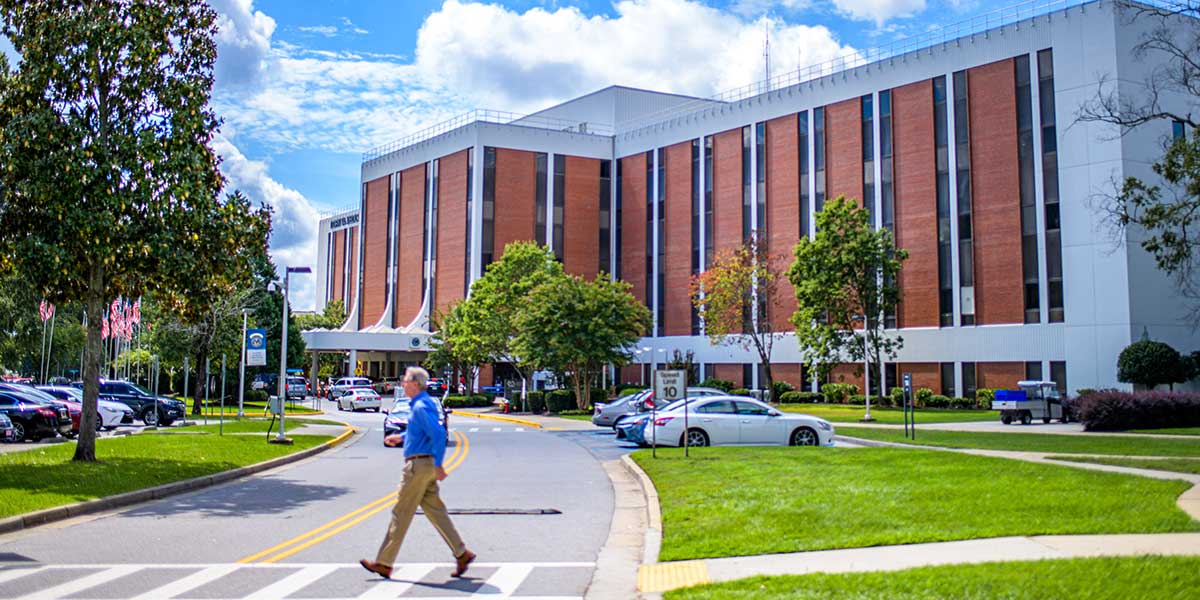
Wm. Jennings Bryan Dorn VA Medical Center
Garners Ferry Road, Columbia / 2+ active studies
Atherosclerosis, liver disease
Columbia’s VA medical center runs studies, including ones on clogged arteries. For veterans, it is often the first door.
Visit Website →
Objective Health, Columbia
Columbia / 2+ active studies
Celiac disease, fatty liver disease
Once called Columbia Digestive Health Research. Now it is part of the Objective Health network. Specifically, it runs gut and liver studies, including fatty liver trials.

Columbia Gastroenterology Associates
Columbia / Active studies
Digestive conditions
A long-running gut health practice. Also, it takes part in digestive trials around Columbia.
What to Expect in a Rheumatoid Arthritis Study
New to studies? Here is how one works, step by step.
01
Prescreening
First comes a short phone call or online form. Also, it takes about 10 to 15 minutes. The staff check whether you might fit. Then they tell you what is open.
02
Screening Visit
Next the clinic runs the tests that decide it, which usually means blood work. Also, they go through the consent form line by line, and you can bring somebody with you.
03
Treatment Period
Then the study begins. So you take the study drug or the placebo on the agreed schedule. Meanwhile, your own doctor keeps managing everything else.
04
Follow-Up
Finally, there is a check in period at the end. Also, your own doctor gets the results, and you can stop at any point without affecting your care.
Rheumatoid Arthritis Trial FAQs
Real answers about rheumatoid arthritis studies near Columbia SC.
Is there a study for this near Columbia?
One is open here, and we will be straight about what it is. It is an exercise study run from the university that accepts arthritis among six conditions, and no drug is given. So it will not get you a new medicine. However, four drug studies run in Charlotte, about 93 miles north, and two of those require no washout at all.
Will I have to stop my methotrexate?
For the two gentler studies here, no, and it is required rather than merely allowed. One needs you on a steady dose of methotrexate throughout, so the new drug is added rather than swapped. The other needs you on both methotrexate and a TNF blocker, and you keep both. However, for the two cell therapies the answer is either unpublished or more complicated, so ask directly.
What is a DAS28 score?
It is how active your disease is, in one number, and studies gate on it. It combines how many joints are swollen, how many are tender, a blood marker of swelling, and your own rating of how you are doing. Generally, above 3.2 counts as active disease, and that is a common entry bar here.
What are rheumatoid factor and anti-CCP?
They are the two antibody tests, and the second matters more. Rheumatoid factor is older and less specific, because other conditions raise it too. Anti-CCP is far more specific, and it often shows up years before symptoms do. So if nobody has ever run an anti-CCP on you, ask for it by name, because some studies need you to be positive.
Why does speed matter so much?
Because joint erosion does not reverse. Swelling can be turned around, but bone that has been eaten into stays that way. So the window where treatment prevents damage rather than manages it is measured in months rather than years. Meanwhile, most people still wait far too long between the first symptoms and the first proper treatment.
Why is there no drug study here?
Because these studies sit at joint research practices, and the Midlands does not have one. The one study open in Columbia runs from the university and gives no drug at all. So Charlotte, about 93 miles north, is where the drug studies actually are. Notably, two of the four there require you to keep taking everything you are already on.
What does cell therapy actually involve?
Considerably more than the other studies, and it should not be entered lightly. Immune cells are given by drip, in one case alongside another drip drug, and in the other after chemotherapy to make room for them. Follow up then runs one to two years with heavy blood work. However, both are aimed squarely at disease that has already resisted several drugs.
What does difficult to treat mean?
It is a real term now rather than a shrug, and it may describe you. It means you have been through several biologics or JAK pills and your disease is still active. So it is now a recognised group, and several studies here are built specifically for it. Notably, that means having failed things can be what qualifies you rather than what rules you out.
Does it cost anything to be on the list?
No. There is no cost, and no insurance is needed. Tether is a nonprofit list, so we do not run studies and we are not paid to send you anywhere. Also, being on the list never enrolls anyone in anything. You would always call the clinic yourself.
Where can I get joint care near Columbia SC?
Prisma Health and Lexington Medical Center both run joint services across the Midlands. Also, ask for a joint specialist rather than general care, because this needs antibody testing and regular scoring. Generally, your own doctor can refer you. Meanwhile, if nobody has run an anti-CCP test on you, ask for it by name at your next visit.
Ready to Explore a Study?
Check your eligibility, or just reach out to our Columbia team. No pressure. Also, no sales pitch.
← Back to All Clinical TrialsSources
- AbbVie platform study of lutikizumab and ravagalimab in rheumatoid arthritis, ClinicalTrials.gov NCT06972446
- START SYNERGY, ELV001 added to methotrexate and a TNF inhibitor, ClinicalTrials.gov NCT07409103
- Artiva AlloNK with rituximab, a basket study including rheumatoid arthritis, ClinicalTrials.gov NCT06991114
- Nkarta NKX019 CAR-NK dose escalation study including a rheumatoid arthritis arm, ClinicalTrials.gov NCT06733935
- DREAM exercise study accepting arthritis diagnoses, ClinicalTrials.gov NCT06880653
- American College of Rheumatology: rheumatoid arthritis classification, disease activity measures and treat to target guidance
Study details and per-site recruiting status verified against ClinicalTrials.gov on August 16, 2026. A state level search on this condition in North Carolina returned a single trial; four were found by opening candidate studies and reading every site row. One study lists its sites with mismatched city and zip pairs on the public record, so confirm the address with the clinic before travelling. Study availability and criteria change; the research clinic confirms everything before you enroll.