
COLUMBIA, SC
Osteoporosis and Fracture Trials
Two bone studies are enrolling at Columbia SC, and both are for people who have already broken something. Neither treats thin bones, and no bone density study is open anywhere in the metro. Payment is provided for eligible participants.
2
Open in the Midlands
0
That Treat Osteoporosis
+/- $100
Per Visit
New here? Read how this page works
First, here is the honest picture. Two studies are open here and neither treats thin bones. So here is how to use this page.
- Ask for a bone scan and write down your T score. Because that single number decides which studies could ever take you.
- Ask for a FRAX estimate too. Notably, it takes two minutes and one nearby study uses twenty percent as a cut off.
- If you have broken something in a simple fall, ask who is looking at why. In fact, that question is the one that usually never gets asked.
- Finally, tap the button. Then we check you against every study we track and tell you which ones fit.
Of course, checking never signs you up for anything. You are only seeing where you might fit.
Studies Open Near Columbia Right Now
Two, both at Prisma Health inside the city. However, both are trauma research rather than bone density research.
Two open inside Columbia, both after an injury
One follows a new collarbone plate and the other compares two standard wound treatments. Neither uses a fake procedure and neither withholds anything.

For a Broken Collarbone Being Plated
An orthopaedic research group / Tracking study
Collarbone plates have a reputation for sitting proudly under thin skin and needing removal later. This follows a new plate system to see how it fits, whether the bone unites, and how often it comes out. Nothing is assigned and there is no control group, so everyone gets the plate their surgeon chose. The site is inside Columbia, and it is one of only seven in the world. So this is oddly close to home for a study of its kind.
Payment is not published.
Check eligibility →More details
Why researchers are excited: collarbone hardware irritation is common and rarely studied properly. Meanwhile, joining changes nothing about the surgery you were already having.
Who this study is looking for
- A break of one collarbone, or a torn joint at the shoulder end of it
- Also, surgery within 21 days of the injury
- Besides that, fixed with one of the named plates
- Finally, aged 18 or over
Probably not a fit if: a stable collarbone break that does not need surgery rules you out. So most collarbone fractures are not eligible. Also, a body mass index of 40 or more, and serious injuries elsewhere.
- Placebo group: None. It is purely a records study of people already having the plate.
- How long: Up to two years.
- Clinic visits: About 8 in person over two years, at two weeks, six weeks, three months, six months, one year and two years. The record lists them outright.
- Phone calls: None published.
- Most invasive part: The plating surgery. Also, if you get the hook plate, a second surgery at about three months to take it out.
- Setting: Outpatient.
- Where it runs: Prisma Health Richland Hospital, Columbia SC 29203.
- Drive from Columbia: The site is at Prisma Health Richland, about three miles from downtown.
- Ask which plate you are getting. One of the three is designed to be removed later, and people are genuinely surprised by that second anaesthetic.
- Full study record: View on ClinicalTrials.gov →

Two Standard Wound Treatments, Head to Head
A university team / Surgery study
A severe open shin break needs more than one wash out surgery, with days or weeks in between. Something has to cover the wound during that gap. Most surgeons use a vacuum sponge. Others use antibiotic loaded cement beads under a sealed dressing. Surgeons genuinely disagree, so this settles it, and the split is even. Both are real, widely used treatments, and nobody’s wound is left uncovered.
Payment is not published.
Check eligibility →More details
Why researchers are excited: this is a question surgeons argue about with no good evidence either way. Meanwhile, both arms are current standard care rather than anything experimental.
Who this study is looking for
- A severe open shin break needing more than one wash out surgery
- Also, planned fixation afterwards, internal or external
- Besides that, first wash out within 72 hours of the injury, at a taking part hospital
- Finally, aged 18 or over
Probably not a fit if: a first wash out done at a non taking part hospital rules you out. That catches people transferred in from a smaller facility. Also, an allergy to vancomycin or tobramycin, and any existing infection at the site.
- Placebo group: None. Both groups get a real, standard wound treatment, and the split is one to one.
- How long: Six months.
- Clinic visits: Three study visits, at six weeks, three months and six months, on top of the surgeries you were having.
- Phone calls: None published.
- Most invasive part: Several trips to theatre for wash outs, then the fixation itself. Also, one group lives with a portable vacuum pump between surgeries.
- Setting: Outpatient.
- Where it runs: Prisma Health Midlands, Columbia SC 29203.
- Drive from Columbia: The site is at Prisma Health Midlands, about three miles from downtown.
- Ask where your first wash out happened. If it was not at a taking part hospital you are excluded, and that is a large and unexpected filter.
- Full study record: View on ClinicalTrials.gov →
The nearest broken hip study, and the nearest density study
Neither is in this metro. One settles a long argument about how to fix a broken hip, and the other is the only real bone density study within reach of either of our cities.

For a Broken Hip, and It Settles an Old Argument
A university team with PCORI / Surgery study
You are 60 or over and you have broken the neck of your thigh bone, only slightly out of place. For decades the default has been screws to hold it in place, because it is a smaller surgery. But roughly one in seven need another surgery, and roughly one in seven die within a year. This compares screws against replacing the hip outright, with an even split. Both are real, standard surgeries done today, so nobody is denied treatment.
Payment is not published.
Get on the list →More details
Why researchers are excited: this is one of the commonest surgeries in older people and nobody has properly compared the two. Meanwhile, the design is deliberately light, so it adds very little to your recovery.
Who this study is looking for
- Aged 60 or over
- Also, A complete break of the femoral neck, only slightly displaced
- Besides that, caused by an ordinary fall rather than a crash
- Finally, injured within the last 21 days
- Also, A surgeon available who is skilled in both surgeries
Probably not a fit if: being clearly suited to only one of the two surgeries rules you out. So if your surgeon thinks only one option is right, you cannot be assigned. Also, expected survival under a year, and no one available to consent on your behalf if you cannot.
- Placebo group: None. Both groups get a real, established surgery, and the split is one to one.
- How long: Twelve months.
- Clinic visits: Two study assessments, at 120 days and twelve months, on top of your normal fracture clinic.
- Phone calls: Much of the follow up suits phone collection, though the number is not published.
- Most invasive part: Hip surgery, usually within a day or two of the injury. So the study adds almost nothing beyond the surgery itself.
- Setting: Outpatient.
- Where it runs: Prisma Health-Upstate, Greenville SC 29601.
- Drive from Columbia: Greenville is about 100 miles north west, so roughly an hour and forty minutes on I-26.
- Somebody needs to be able to consent quickly. A great many older hip fracture patients are missed simply because nobody with authority was there in time.
- Full study record: View on ClinicalTrials.gov →

The Only Real Bone Density Study Near Here
Wake Forest / Approved drug plus exercise
Losing weight on purpose is good for your heart and your joints, and it also thins your bones. Nobody agrees how to stop that. Everyone here does the same group diet programme, and then one of four things is added at random. Those are bone loading exercise, a bone tablet, both, or neither. So a quarter of people get a dummy tablet and no exercise, but everyone still gets the diet programme.
Payment is not published.
Get on the list →More details
Why researchers are excited: this is the only study within reach that measures your actual bone density as its main outcome. Meanwhile, it answers a question millions of older people face without any guidance at all.
Who this study is looking for
- Aged 60 or over, living at home
- Also, A body mass index over 30, or 25 to 30 with another risk factor
- Besides that, A T score between minus 1.1 and minus 2.5
- Finally, currently having routine yearly dental care
- Also, able to get yourself to the visits
Probably not a fit if: osteoporosis itself rules you out. So does a break of the spine, hip, wrist or shoulder after age 40 in a simple fall. Also, dental work in the last six months or planned in the next year.
- Placebo group: Yes, for the tablet. However, all four groups get the full diet programme, so nobody gets nothing.
- How long: A twelve month programme, and up to two years in total.
- Clinic visits: Nine assessment visits, and the record says so outright. Two groups also attend exercise sessions, and that number is not published.
- Phone calls: None published.
- Most invasive part: Blood tests, plus bone scans of the hip, spine, wrist and shin. Also weight training for two of the four groups.
- Setting: Outpatient.
- Where it runs: Atrium Health Wake Forest Baptist Medical Center, Winston-Salem NC 27157.
- Drive from Columbia: Winston Salem is about 180 miles north, so roughly two hours and fifty minutes.
- The dental question is the surprise one. The bone tablets carry a jaw concern, so recent or planned extractions exclude you.
- Full study record: View on ClinicalTrials.gov →
Not sure which one fits you?
First, answer a few quick health questions. Then we keep them on file. Finally, we tell you which studies near Columbia you may fit. No account, no paperwork.
See if I may fit one of these studies →What Is Actually Happening in Bone and Fracture Research
There is a great deal of local research into fixing broken bones, and almost none into the thin bones that break them.
None of the Local Studies Treat Osteoporosis
This is the first thing to understand, and we would rather say it than let you assume otherwise. Everything open in either metro is trauma research, for people who have already broken something. So nobody is assigned to a bone drug and no local study measures your bone density. Meanwhile, the nearest study that actually measures density is at Winston Salem.
Ask for Your T Score
A bone scan gives a number called a T score, and it is the number everything hinges on. Above minus 1 is normal, minus 1 to minus 2.5 is thin, and below minus 2.5 is thin bones. So knowing yours tells you at once which studies could take you. Notably, the study at Winston Salem takes the middle band and excludes the bottom one.
Ask for Your FRAX Score Too
FRAX estimates your chance of a major fracture over the next ten years. It uses your age, weight, history and a few simple questions, and takes two minutes. So it turns a vague worry into a number you can act on. In fact, one nearby study uses a FRAX result of twenty percent as a cut off.
A Fracture From Standing Height Means Something
Breaking a wrist, hip, spine or shoulder in a simple fall after fifty is called a break from a simple fall. It is the clearest warning sign there is that your bones need attention. So the fracture usually gets fixed and then nobody looks at why it happened. Meanwhile, that gap has a name in the research world and it is what several studies are trying to close.
Most Fracture Studies Recruit You in Hospital
You cannot sign up for these in advance, because you are approached after the injury. So the useful thing is knowing they exist before it happens to you or a relative. Also, several of them require a year of follow up at the same hospital. Generally, that is the criterion people fall out on.
Fake Surgery Is Not a Thing Here
Every surgical study on this page compares two real surgeries or two real treatments. So nobody is left unfixed and nobody gets a pretend procedure. In fact, several are simply records studies of a surgery you were already having. Meanwhile, that makes them among the easiest research to agree to.
A Fall From Standing Height Can Exclude You
One thigh bone study near Charlotte excludes injuries caused by a simple fall. That sounds backwards until you realise it was designed around return to work in younger people. So the typical older fracture patient is not eligible for it. Notably, that is worth knowing before anyone travels.
The bone tablets and Your Dentist
The tablets that strengthen bone carry a small concern about jaw healing. So the study at Winston Salem requires you to be having routine dental care already. Also, an extraction in the last six months or planned in the next year excludes you. Meanwhile, that is easy to plan around if you know in advance.
Where Things Actually Stand Locally
Charlotte has a genuine trauma research engine at Atrium Health and OrthoCarolina, with nine open studies. The Midlands has two, both at Prisma Health inside Columbia. So both cities are well covered for broken bones and completely uncovered for thin bones. However, the one real density study is about eighty miles from Charlotte.
Bone Help Near You
Ask for a bone scan and write down your T score. Also, ask for a FRAX estimate, because it takes two minutes and it changes decisions. Finally, if you have broken something in a simple fall, ask who is looking at why. Meanwhile, join the list and we will call you when something opens here.
Research Sites Near Columbia
Prisma Health Richland and Prisma Health Midlands both run bone and fracture research here in Columbia. But sites add new studies all the time.
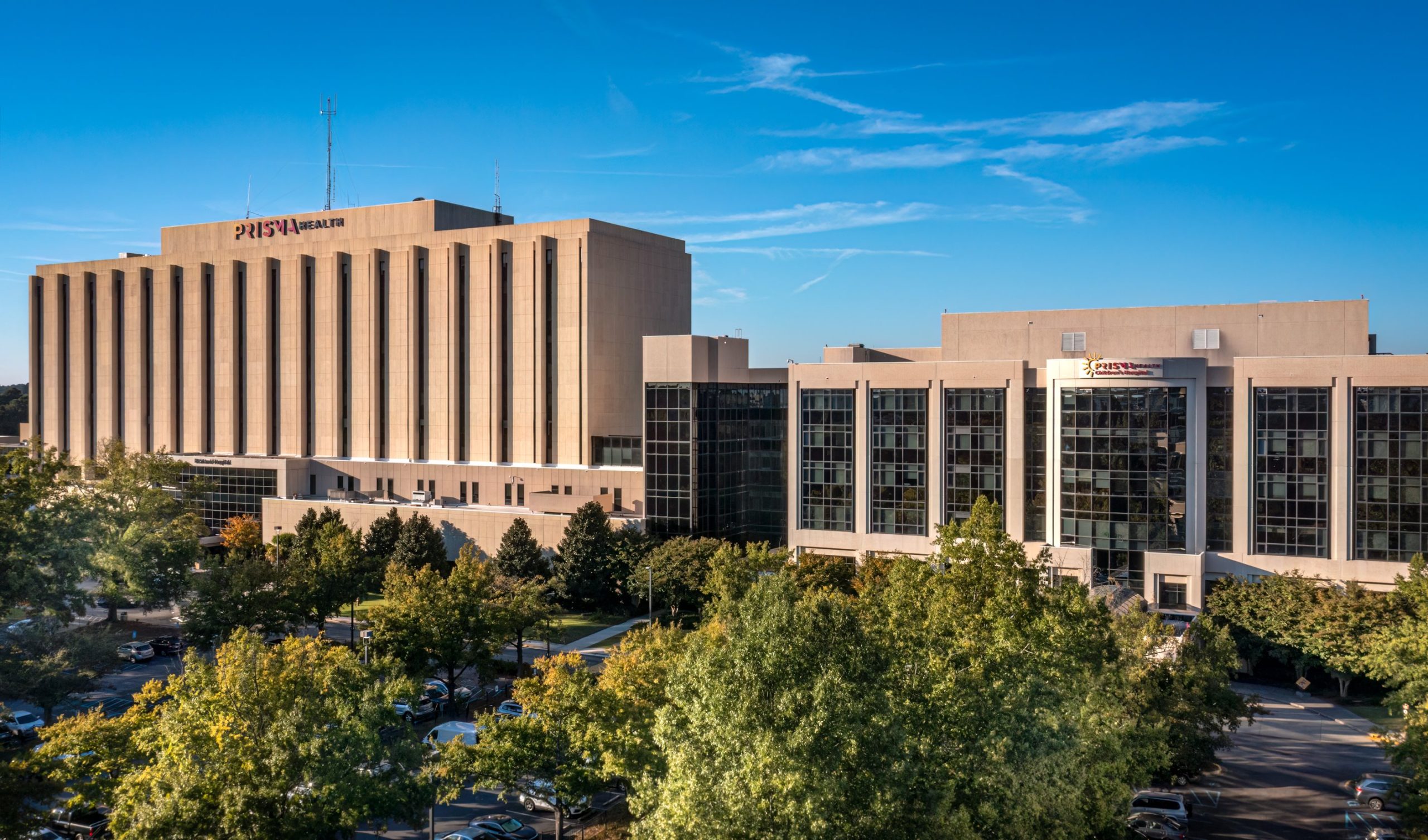
Prisma Health Richland Hospital
Downtown Columbia / 37+ active studies
Cancer, blood disorders, broad hospital research
The flagship Prisma Health hospital in the Midlands. Also, by far the biggest trial operation in the Columbia metro.
Visit Website →
University of South Carolina
Columbia / 27+ active studies
Stroke recovery, physical activity, community health
Notably, a research university that runs federally funded health studies across the Midlands. Specifically, topics range from stroke rehab to disease prevention.
Visit Website →
Bogan Sleep Consultants
Columbia / 7+ active studies
Narcolepsy, sleep disorders
One of the best known private sleep research sites in the Southeast. Also, it has run sleep trials for decades.
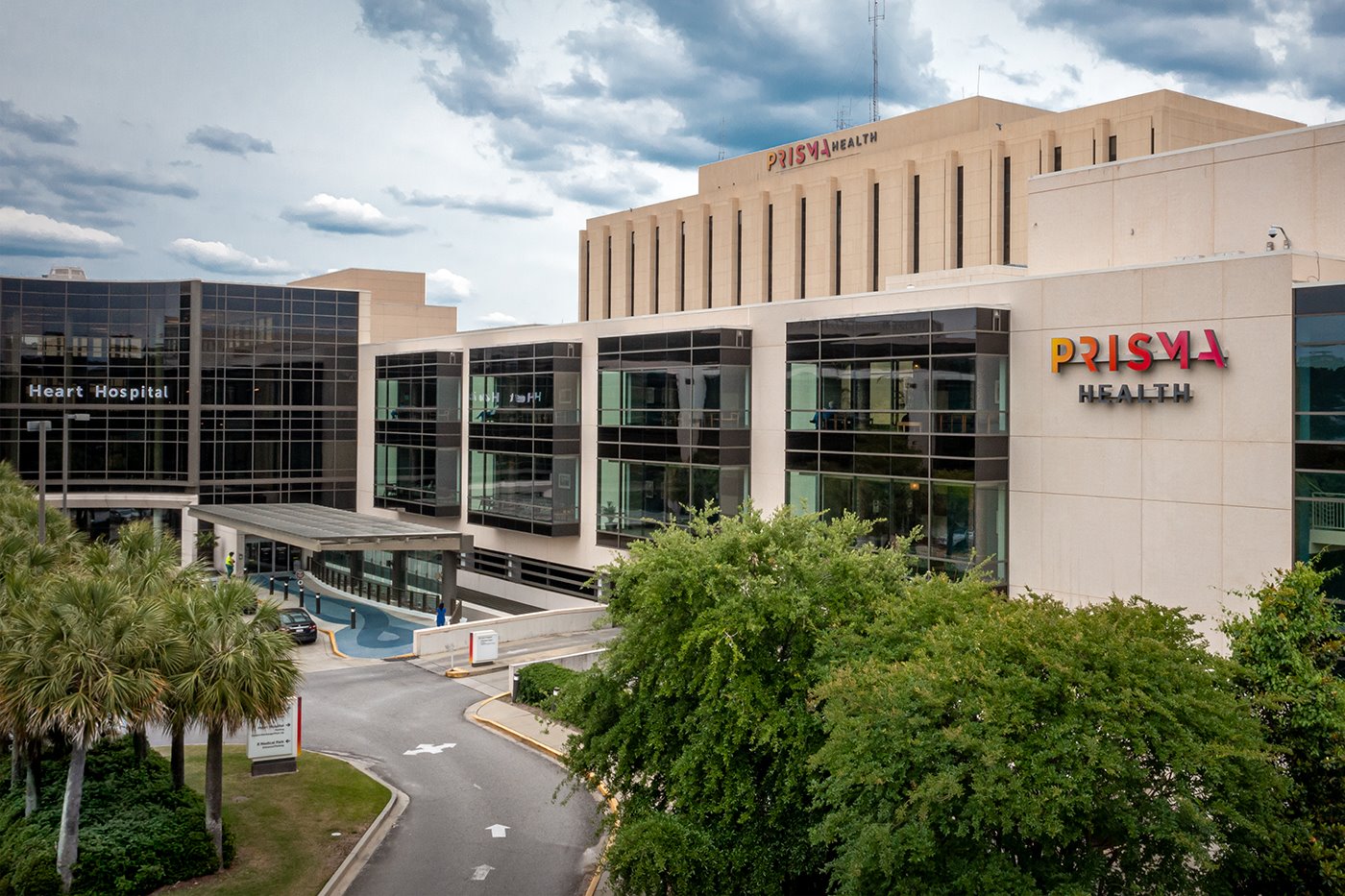
Prisma Health Midlands Cardiovascular
Columbia / 4+ active studies
Cardiovascular disease, heart failure
The heart and vessel research arm of Prisma Health in the Midlands. So it is the natural home for cholesterol trials in Columbia.
Visit Website →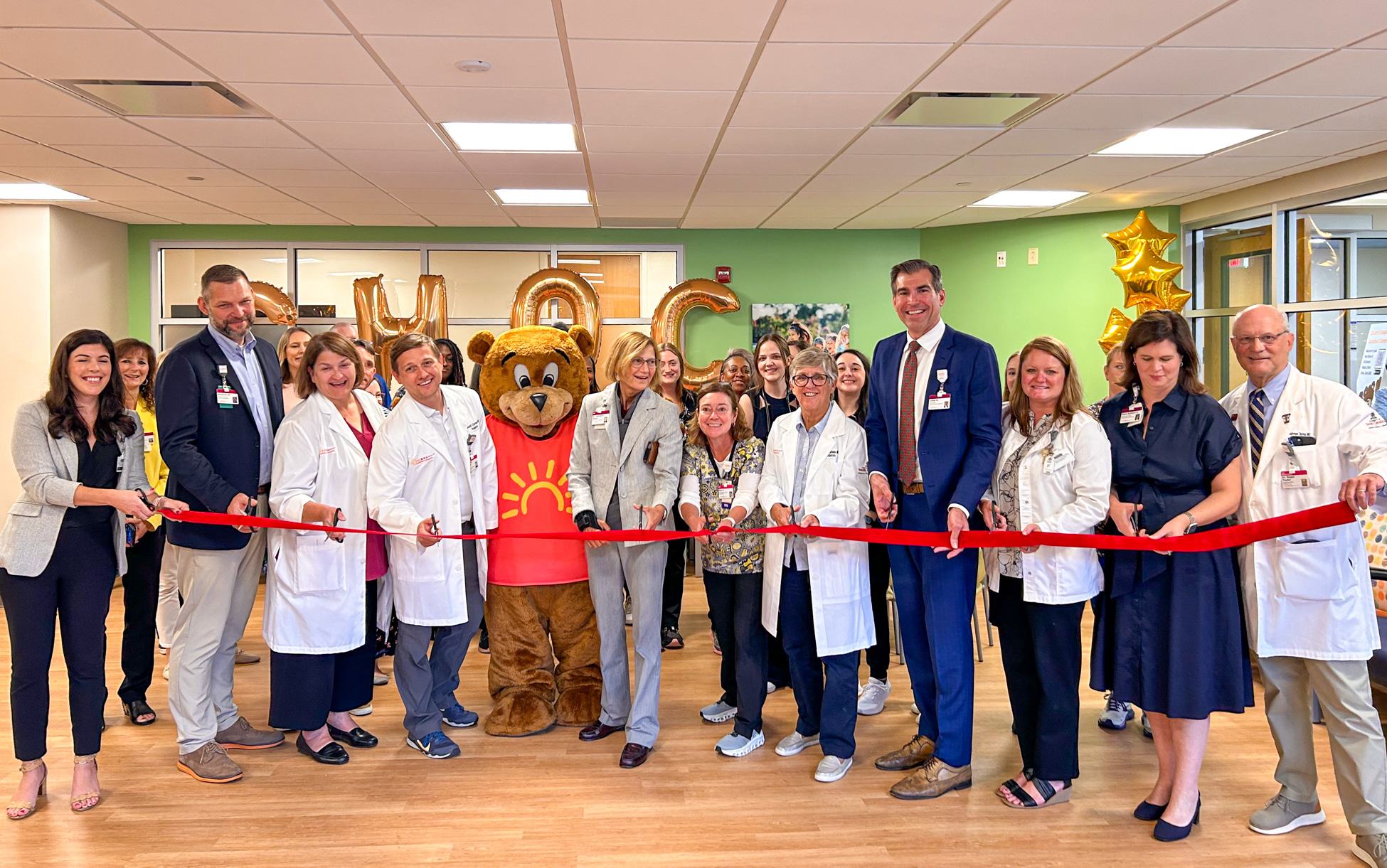
Prisma Health Children’s Hospital, Midlands
Columbia / 4+ active studies
Pediatric growth, cystic fibrosis
Basically, the Midlands hub for children’s research inside the Prisma Health system.
Visit Website →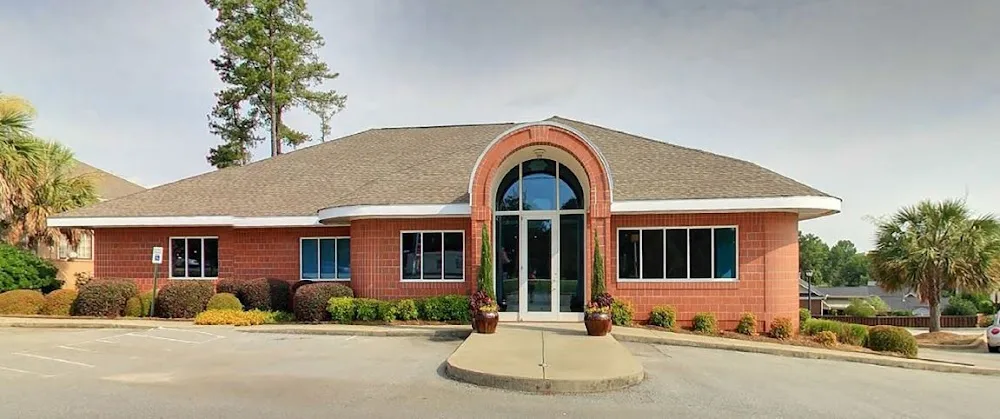
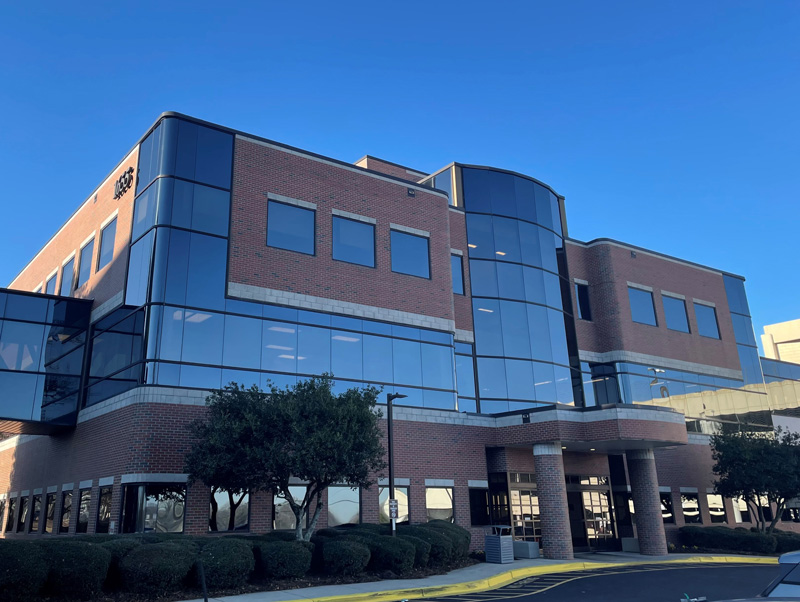
Columbia Dermatology & Aesthetics
Columbia / 4+ active studies
Hidradenitis suppurativa, psoriasis, obesity
A skin care practice with its own research team. It runs both skin and weight studies.
Velocity Clinical Research, Columbia
Columbia / Multiple active studies
COPD, skin conditions, vaccines
Part of one of the biggest research site networks in the country. Besides, it is just the kind of site the huge outcome trials lean on.
Visit Website →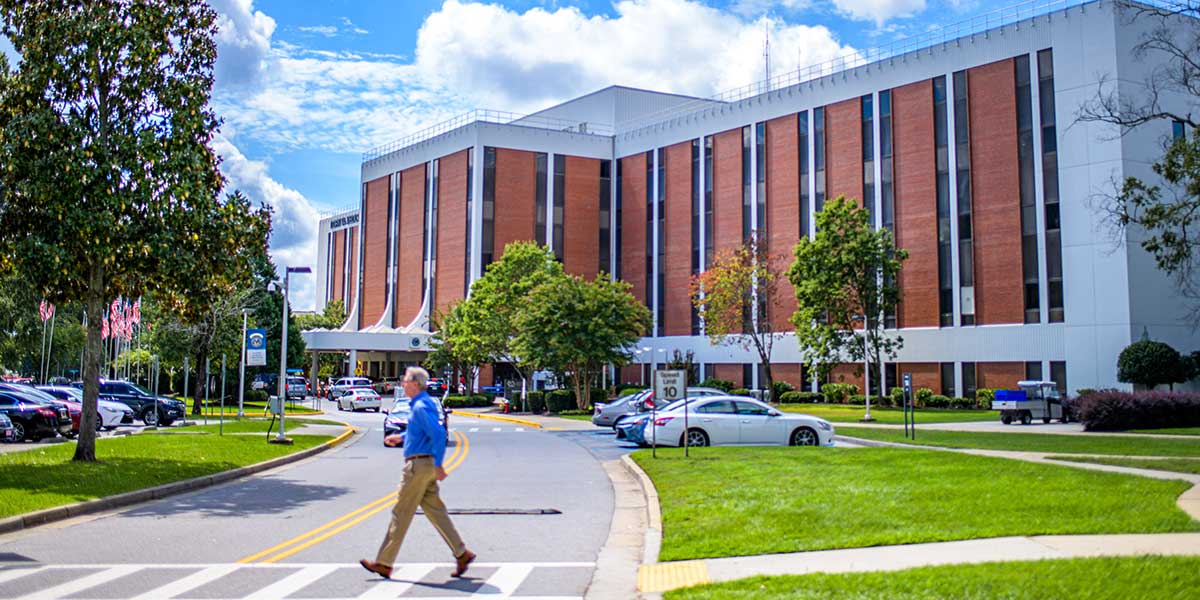
Wm. Jennings Bryan Dorn VA Medical Center
Garners Ferry Road, Columbia / 2+ active studies
Atherosclerosis, liver disease
Columbia’s VA medical center runs studies, including ones on clogged arteries. For veterans, it is often the first door.
Visit Website →
Objective Health, Columbia
Columbia / 2+ active studies
Celiac disease, fatty liver disease
Once called Columbia Digestive Health Research. Now it is part of the Objective Health network. Specifically, it runs gut and liver studies, including fatty liver trials.
Columbia Gastroenterology Associates
Columbia / Active studies
Digestive conditions
A long-running gut health practice. Also, it takes part in digestive trials around Columbia.
What to Expect in a Bone Study
New to studies? Here is how one works, step by step.
01
Prescreening
First comes a short phone call or online form. Also, it takes about 10 to 15 minutes. The staff check whether you might fit. Then they tell you what is open.
02
Screening Visit
Next the clinic runs the tests that decide it, which usually means blood work. Also, they go through the consent form line by line, and you can bring somebody with you.
03
Treatment Period
Then the study begins. So you take the study drug or the placebo on the agreed schedule. Meanwhile, your own doctor keeps managing everything else.
04
Follow-Up
Finally, there is a check in period at the end. Also, your own doctor gets the results, and you can stop at any point without affecting your care.
Bone and Fracture Trial FAQs
Real answers about osteoporosis and fracture studies near Columbia SC.
Is there a study for this near Columbia?
Two, both at Prisma Health inside the city, and both for people who have already broken something. One follows a new collarbone plate, at one of only seven sites in the world. The other compares two standard wound treatments after a severe open shin break. However, neither treats thin bones, and no bone density study is open anywhere in this metro.
Do any of these treat thin bones?
No, and that is the first thing to understand. Everything open in either metro is trauma research, for people who have already broken something. So nobody is assigned to a bone drug and no local study measures your bone density. Meanwhile, the nearest study that actually measures density is about eighty miles from Charlotte.
What is a T score?
It is the number a bone scan gives you, and everything hinges on it. Above minus 1 is normal, minus 1 to minus 2.5 is thin, and below minus 2.5 is thin bones. So knowing yours tells you at once which studies could take you. Notably, the nearest density study takes the middle band and excludes the bottom one.
What is a FRAX score?
It estimates your chance of a major fracture over the next ten years, using your age, weight and history. It takes about two minutes and any clinic can run it. So it turns a vague worry into a number you can act on. In fact, one nearby study uses a FRAX result of twenty percent as a cut off.
I broke my wrist in a simple fall. Does that mean anything?
Yes, and it is the clearest warning sign there is. Breaking a wrist, hip, spine or shoulder in an ordinary fall after fifty is called a break from a simple fall. So the fracture usually gets fixed and then nobody looks at why it happened. Meanwhile, closing that gap is exactly what several studies are trying to do.
Can I sign up for a fracture study in advance?
Generally no, because you are approached after the injury during your hospital stay. So the useful thing is knowing these exist before it happens to you or a relative. Also, several require a year of follow up at the same hospital. Notably, that is the criterion people most often fall out on.
Would I get a fake surgery?
No. Every surgical study here compares two real surgeries or two real treatments. So nobody is left unfixed and nobody gets a pretend procedure. In fact, several are simply records studies of a surgery you were already having. Meanwhile, that makes them among the easiest research to agree to.
Why does my dentist matter?
The tablets that strengthen bone carry a small concern about jaw healing. So the nearest density study requires you to be having routine dental care already. Also, an extraction in the last six months or planned in the next year excludes you. Generally, that is easy to plan around if you know in advance.
Does it cost anything to check?
No. There is no cost, and no insurance is needed. Tether is a nonprofit list, so we do not run studies and we are not paid to send you anywhere. Also, checking never enrolls anyone in anything. You would always call the clinic yourself.
Where can I get help near Columbia?
Prisma Health and Lexington Medical Center both run bone and joint and endocrine services across the Midlands. Also, ask for a bone scan and your T score. Generally, your own doctor can order both the scan and a FRAX estimate. Meanwhile, if you have broken something in a simple fall, ask exactly who is following that up.
Ready to Explore a Study?
Check your eligibility, or just reach out to our Columbia team. No pressure. Also, no sales pitch.
← Back to All Clinical TrialsSources
- BEACON, the nearest real bone density study, at Winston Salem, ClinicalTrials.gov NCT05764733
- Fusing a shattered heel during the first surgery, ClinicalTrials.gov NCT06249126
- One implant or two for a break above the knee, ClinicalTrials.gov NCT06286670
- An antibiotic coated rod for an open shin break, ClinicalTrials.gov NCT05421741
- A records study of a bone filling material, in Charlotte, ClinicalTrials.gov NCT04244942
- A new collarbone plate, at Columbia, ClinicalTrials.gov NCT04921865
- Beads against a vacuum dressing, at Columbia, ClinicalTrials.gov NCT05615844
- FASTER-HIP, screws against a replacement, at Greenville, ClinicalTrials.gov NCT07244211
- RESTORE, closing the gap after a break from a simple fall, ClinicalTrials.gov NCT06455085
Study details and per-site recruiting status verified against ClinicalTrials.gov on August 17, 2026. None of the studies open in either metro treats thin bones. Every one is trauma research in people who have already broken a bone, and that is stated at the top of this page rather than left to be assumed. The only genuine bone density study within reach is at Winston Salem, and it excludes people who already have thin bones at that level, which is stated on its card. Most fracture studies here recruit during the hospital admission, so they cannot be sought out in advance. Study availability and criteria change; the research clinic confirms everything before you enroll.