COLUMBIA, SC
Overactive Thyroid and Graves Disease Clinical Trials
No Graves disease study is enrolling in the Midlands yet, and we would rather say so plainly. The nearest in this state is near Charleston, and Charlotte has two within an hour of each other. Compensation is provided for eligible participants once one opens here.
0
In the Midlands
90
Miles to the Nearest
+/- $100
Per Visit
New here? Read how this page works
Here is the honest picture. No Graves study is open in Columbia today. However, there is one about an hour and a half away, and the field is moving fast. So here is how to use this page.
- Start with the Summerville study. Because it is the only one in this state, at about an hour and a half.
- Check what you take now. Notably, one of these needs you off levothyroxine or T3 for 6 weeks first.
- Check your eyes. In fact, active thyroid eye disease rules you out of most of these, and we say so on each card.
- Finally, put your name in. Because that is how we know to call you the day a study opens in Columbia.
Of course, checking never signs you up for anything. You are only seeing where you might fit.
Graves Disease Studies Nearest to Columbia
Nothing is open in the Midlands. However, this is the first real wave of new Graves drugs in about eighty years.
The nearest ones, and where they are
One is near Charleston and two are near Charlotte. Notably, in all of them you keep taking your usual antithyroid medicine.

Lowering the Antibody When Pills Are Not Enough
Immunovant / Drug
This is for people whose thyroid is still overactive even though they take antithyroid pills. The shot lowers the level of the antibody driving it, instead of just blocking what the thyroid puts out.
Est. about $100 per visit. Ask the site for the total number of visits.
See if you fit →More details
Why researchers are excited: it goes after the cause rather than the symptom, so the hope is coming off pills entirely and staying well.
Who this study is looking for
- Adults 18 to 75
- Also, A confirmed diagnosis of Graves disease
- Besides that, your thyroid is still overactive despite taking antithyroid medicine
- Finally, you can follow the study schedule and give written consent
Probably not a fit if: you have already had radioactive iodine or your whole thyroid out, or you have moderate to severe active eye disease.
- Placebo group: Yes, some get a dummy shot and nobody is told which. However, everybody stays on their usual antithyroid medicine.
- How long: The main result is at week 26, so about 6 months.
- Clinic visits: At least 5, at screening and at the start and weeks 2, 4 and 26. However, this is an injected drug and the dosing schedule is not published, so expect more.
- Phone calls: Not published on the public record.
- Most invasive part: A shot under the skin plus repeated blood draws.
- Setting: Outpatient.
- Where it runs: Research Site, Summerville SC 29485.
- Drive from Columbia: Summerville is about 90 miles southeast, so roughly an hour and a half on I-26.
- Read this first: moderate to severe active eye disease rules you out. So the people with the most visible symptoms often cannot get into these studies, which is a real problem in the field.
- Full study record: View on ClinicalTrials.gov →

A Shot That Clears the Antibody Causing It
Biohaven / Drug
In Graves disease your immune system makes an antibody that jams your thyroid switch on. This drug grabs that antibody and sends it to be broken down, so your levels can settle without pills.
Est. $400 or so, but the visit count is not published
Check eligibility →More details
Why researchers are excited: this is one of the first late stage trials ever run in Graves aimed at the antibody itself rather than the gland.
Who this study is looking for
- Adults 18 to 70
- Also, A blood test confirms Graves disease
- Besides that, your thyroid is overactive right now because of it
- Finally, you do not need urgent thyroid surgery or radioactive iodine
Probably not a fit if: you have had thyroid surgery or radioactive iodine already, or you took levothyroxine or T3 in the past 6 weeks, or you have eye disease that needs treatment during the study.
- Placebo group: Yes, half get a dummy shot. However, your usual antithyroid medicine keeps going the whole time.
- How long: The main result is at week 26, so about 6 months.
- Clinic visits: At least 4 named, at the start and at weeks 6 and 26. But two measures track how long things take, which needs frequent blood draws in between. So the real number is higher and is not published.
- Phone calls: Not published on the public record.
- Most invasive part: A shot under the skin plus repeated blood draws.
- Setting: Outpatient.
- Where it runs: Research Site, Statesville NC 28625.
- Drive from Columbia: Statesville is about 135 miles north, so roughly two hours on I-77.
- Worth knowing: the 6 week washout from levothyroxine catches people out. So if you are on block and replace, meaning both drugs together, you would have to come off the replacement first.
- Full study record: View on ClinicalTrials.gov →
Not near you, but worth knowing about
These three are a long way off. However, one publishes its exact visit count and one accepts people with eye disease, so both are worth seeing.

A Drug Already Approved Elsewhere, Tested Here
argenx / Drug
Efgartigimod speeds up how fast your body clears out antibodies, including the one causing Graves. This is for people still overactive after at least three months on antithyroid pills.
Payment is not published. Also, the nearest site is in Texas.
Get on the list →More details
Why researchers are excited: the drug is already approved in other antibody driven diseases, so its safety is well known.
Who this study is looking for
- Adults 18 and older
- Also, confirmed Graves with the antibody at or above the normal limit
- Besides that, your thyroid is overactive now, with a TSH below 0.1
- Finally, you have taken antithyroid medicine for at least 3 months already
Probably not a fit if: you have had radioactive iodine or your thyroid removed, or you took any thyroid hormone or supplement in the past 6 weeks.
- Placebo group: Some people get placebo in the first part. However, a later part is fully open, so nobody stays on placebo forever.
- How long: 63 to 135 weeks, depending on how you respond. So it can run close to three years.
- Clinic visits: At least 9 published check points across up to 135 weeks, which is the richest schedule here. But the dosing frequency is not published, so the real number is higher.
- Phone calls: Not published on the public record.
- Most invasive part: A larger volume shot under the skin, plus repeated blood draws.
- Setting: Outpatient.
- Where it runs: Nearest sites are in Dallas and Houston TX, plus sites in California, Florida, Kansas, Michigan and New York.
- Worth knowing: up to 135 weeks is the longest commitment on this page, at nearly three years.
- Full study record: View on ClinicalTrials.gov →

Going After the Cells That Make the Antibody
Biogen / Drug
Felzartamab targets the immune cells that actually manufacture the harmful antibody, rather than clearing the antibody after it is made. The goal is normal levels with no antithyroid pills by week 24.
Payment is not published. Notably, there are only three sites in the world.
Get on the list →More details
Why researchers are excited: every other programme clears antibodies already made. This one goes after the factory, so the effect might last longer.
Who this study is looking for
- Adults 18 to 75
- Also, the antibody is high but your thyroid hormones are in range and your TSH is still suppressed
- Besides that, A steady dose of antithyroid medicine for at least 12 weeks
- Finally, you agree not to donate blood during the study
Probably not a fit if: you have had thyroid surgery or radioactive iodine, or you have active moderate to severe eye disease, or you have taken a similar antibody drug before.
- Placebo group: Yes, but the odds favour you. Two of the three groups get the real drug at different doses, so it is about 2 in 3.
- How long: About 9 months, so up to 36 weeks.
- Clinic visits: 22 in total, and the record states that number outright. So this is the only card here where we can be exact. That works out at roughly one visit every 2 weeks.
- Phone calls: Not published on the public record.
- Most invasive part: A drip into a vein, which is the heaviest delivery on this page, plus blood draws.
- Setting: Outpatient.
- Where it runs: Dallas TX, San Antonio TX, and Bayamon PR.
- Read this first: 22 visits in 9 months is a visit every couple of weeks, and there are only three sites on earth, two in Texas and one in Puerto Rico.
- Full study record: View on ClinicalTrials.gov →

One That Does Not Rule Out Eye Disease
Yarrow Bioscience / Drug
YB-101 is another antibody drug being tested in Graves disease. What sets it apart is who it accepts, because it enrols people with or without thyroid eye disease.
Payment is not published. However, the visit count is unusually honest.
Get on the list →More details
Why researchers are excited: almost every other Graves study excludes active eye disease, so this is one of the few doors open to those patients.
Who this study is looking for
- Adults with Graves disease
- Also, you may take part with or without thyroid eye disease
- Besides that, you can attend a heavy visit schedule across about 40 weeks
- Finally, the full rules are on the study record, so check them before you call
Probably not a fit if: the nearest recruiting site is in Macon, Georgia, so distance is the first hurdle for most readers here.
- Placebo group: The design has more than one part. So check with the clinic which part is enrolling when you call.
- How long: About 40 weeks.
- Clinic visits: 34 to 39 in clinic visits, and the record says so outright. That is the heaviest schedule on this page by a wide margin.
- Phone calls: Not published on the public record.
- Most invasive part: Repeated dosing and blood draws across about 40 weeks.
- Setting: Outpatient.
- Where it runs: Nearest site is Macon GA 31210, about 300 miles southwest of Charlotte.
- Why we list it: it is the rare Graves study that takes people with eye disease. Also, it publishes its visit count honestly, which most do not.
- Full study record: View on ClinicalTrials.gov →
Not sure which one fits you?
First, answer a few quick health questions. Then we keep your answers on file. Finally, we call you when a Graves study opens near Columbia. No account, no paperwork.
See if I may fit one of these studies →What Is Actually Changing in Graves Disease
The first real shift in eighty years.
What Graves Disease Actually Is
The thyroid makes far too much hormone, so everything speeds up. A racing heart, weight loss even while eating more, shaking hands, feeling hot, anxiety, poor sleep and weak muscles. The cause is an antibody that latches onto the thyroid switch and jams it open. Also, it hits women about five to ten times more often than men, usually between 30 and 50.
Treatment Has Barely Changed Since the 1940s
There are three options and they are all old. Antithyroid pills that block hormone production, radioactive iodine that destroys the gland, or surgery that removes it. So two of the three deliberately destroy a healthy organ, and both leave you needing thyroid hormone for life. As Mark Lupo of the Thyroid and Endocrine Center of Florida put it, the options have not changed in many decades.
The Pills Never Touch the Cause
Antithyroid pills do not destroy anything, which is their advantage. However, when you stop them the disease comes back for roughly half of people. That is because the pills only slow what the thyroid puts out. Meanwhile, the antibody driving the whole thing is still there doing exactly what it was doing before.
A New Class Goes After the Antibody
The new drugs speed up how fast your body clears out the antibodies causing the problem. There are now at least five separate programmes racing in Graves disease. Some clear the antibody after it is made. Another goes after the cells that make it. In fact, one is designed to remove only the harmful antibody and leave the ones protecting you from infection alone.
What Would Actually Change
If any of these work, the goal shifts. Right now the choice is manage it with pills or destroy the gland. So the new goal is drug induced remission with your thyroid left in place. Notably, that is why two of these studies sit within an hour of Charlotte, because sponsors are moving fast to enrol.
One Problem Worth Naming
Almost every one of these studies rules out people with moderate to severe active thyroid eye disease. So the people with the most visible and distressing symptoms are often the ones who cannot get in. That is a real gap, and we would rather point at it than skip past it. However, one study here does accept people with eye disease, which is why we list it despite the distance.
Research Sites Near Columbia
None of them runs a Graves study today. But sites add new studies all the time. So it is worth knowing what sits near you.
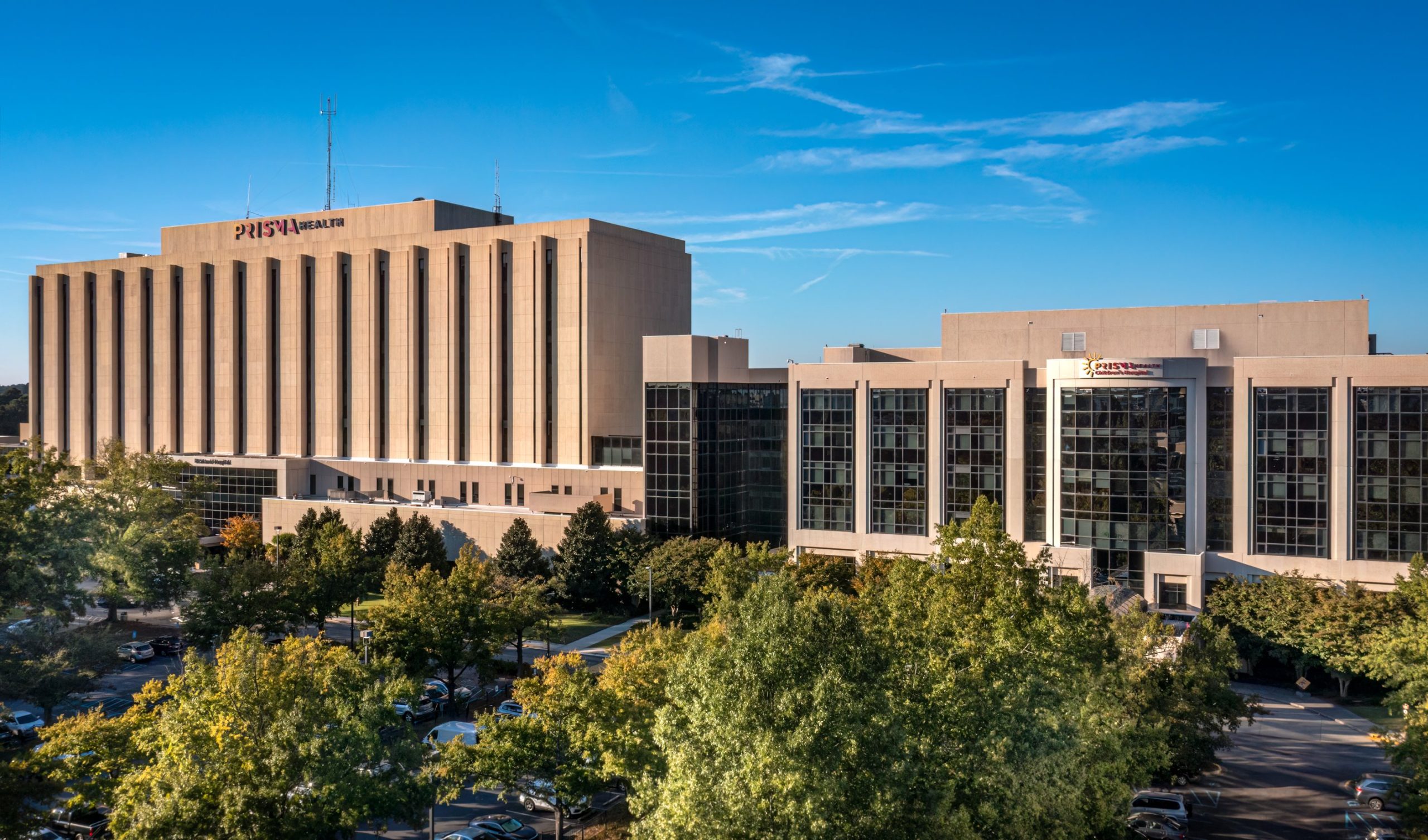
Prisma Health Richland Hospital
Downtown Columbia / 37+ active studies
Cancer, blood disorders, broad hospital research
The flagship Prisma Health hospital in the Midlands. Also, by far the biggest trial operation in the Columbia metro.
Visit Website →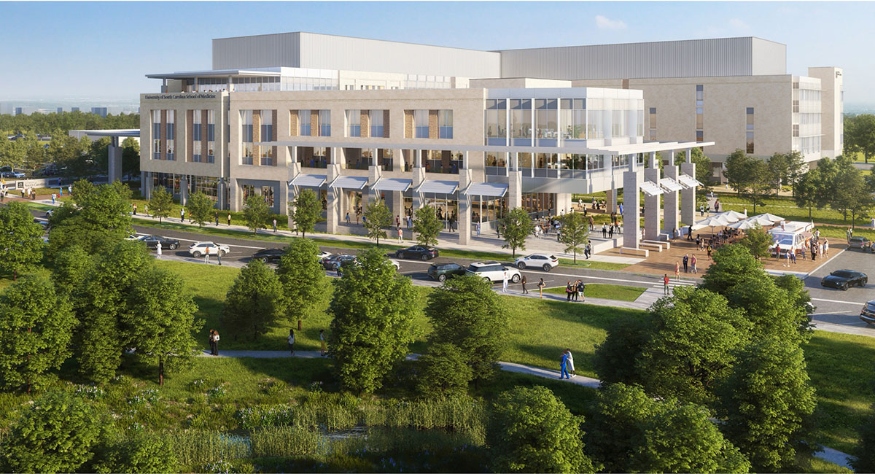
University of South Carolina
Columbia / 27+ active studies
Stroke recovery, physical activity, community health
Notably, a research university that runs federally funded health studies across the Midlands. Specifically, topics range from stroke rehab to disease prevention.
Visit Website →
Bogan Sleep Consultants
Columbia / 7+ active studies
Narcolepsy, sleep disorders
One of the best known private sleep research sites in the Southeast. Also, it has run sleep trials for decades.
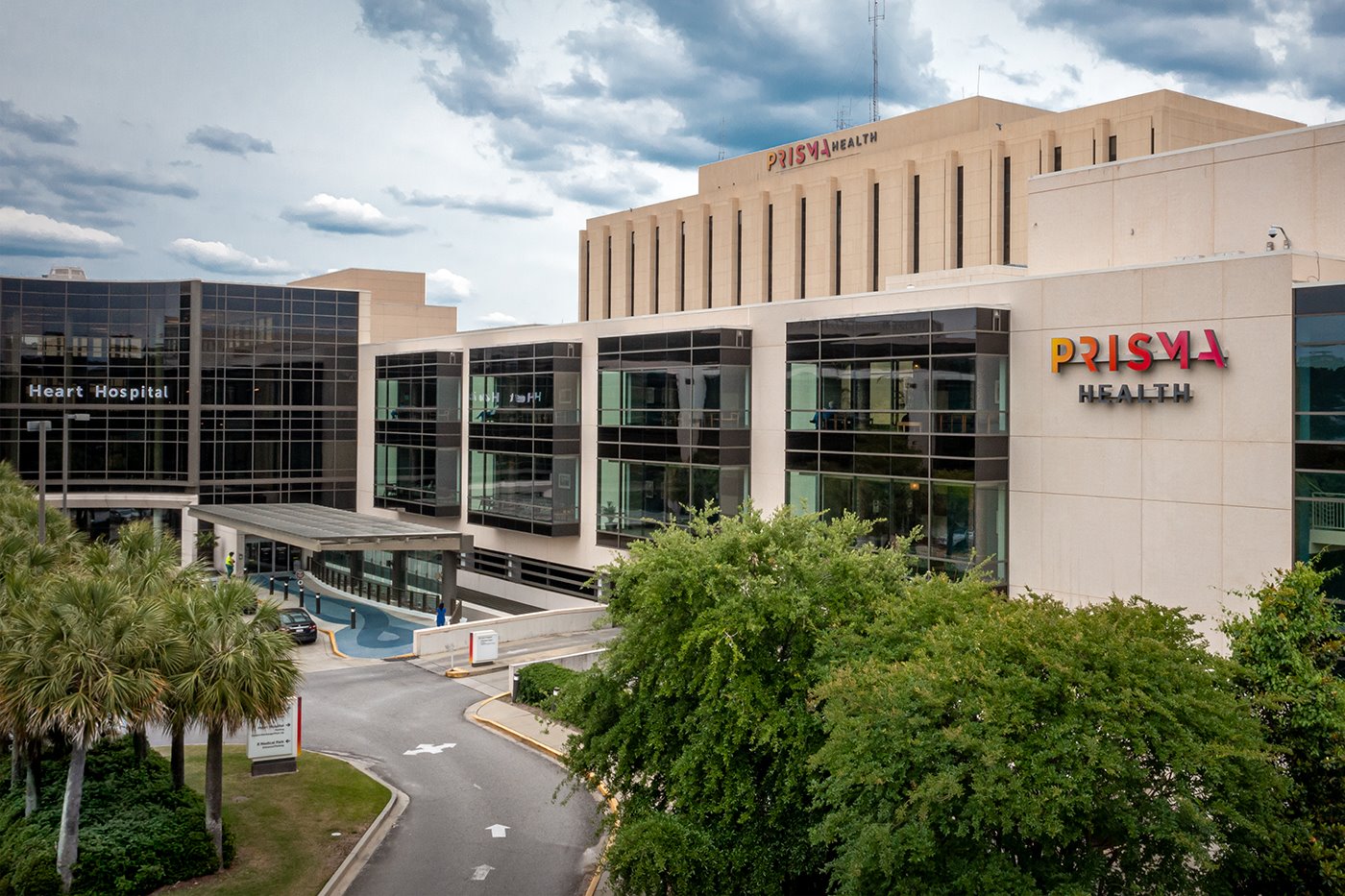
Prisma Health Midlands Cardiovascular
Columbia / 4+ active studies
Cardiovascular disease, heart failure
The heart and vessel research arm of Prisma Health in the Midlands. So it is the natural home for cholesterol trials in Columbia.
Visit Website →
Prisma Health Children’s Hospital, Midlands
Columbia / 4+ active studies
Pediatric growth, cystic fibrosis
Basically, the Midlands hub for children’s research inside the Prisma Health system.
Visit Website →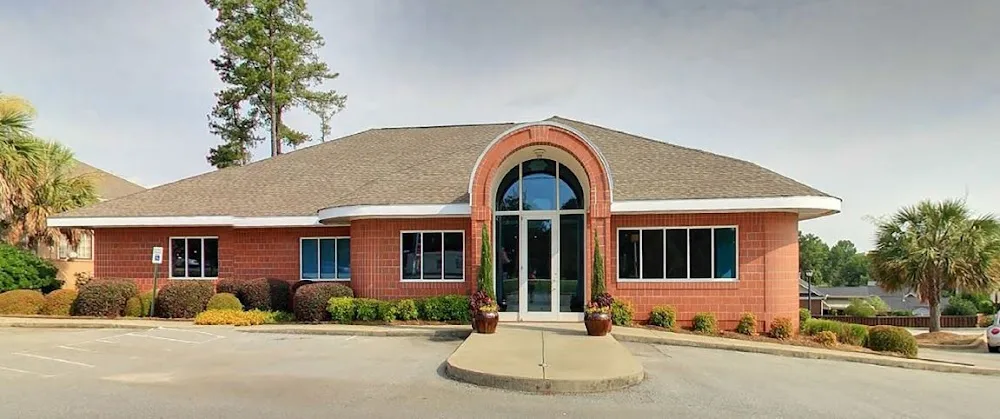
Columbia Dermatology & Aesthetics
Columbia / 4+ active studies
Hidradenitis suppurativa, psoriasis, obesity
A skin care practice with its own research team. It runs both skin and weight studies.
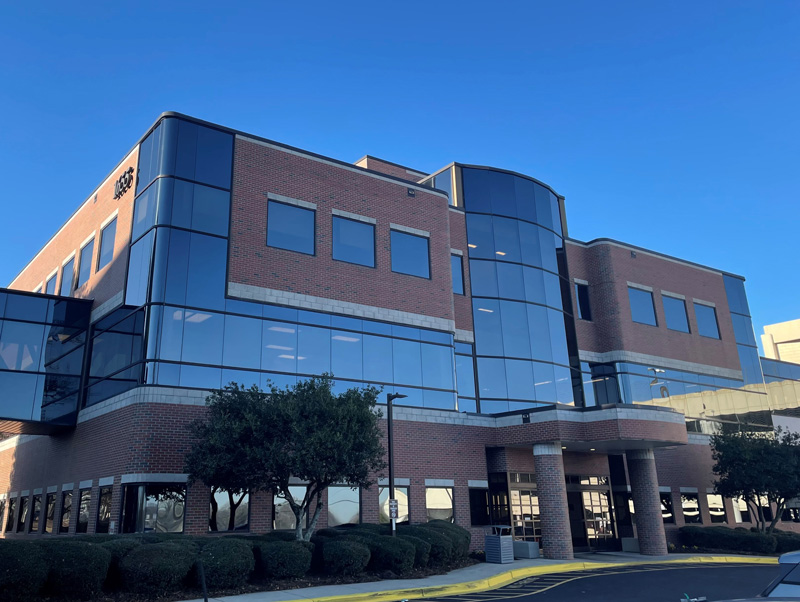
Velocity Clinical Research, Columbia
Columbia / Multiple active studies
COPD, skin conditions, vaccines
Part of one of the biggest research site networks in the country. Besides, it is just the kind of site the huge outcome trials lean on.
Visit Website →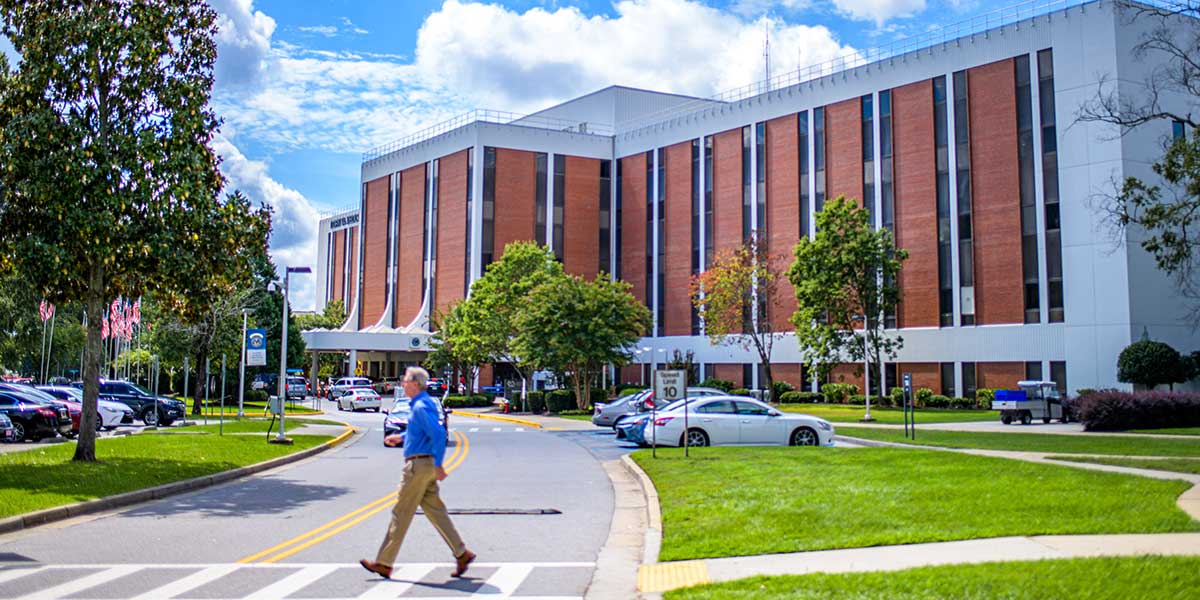
Wm. Jennings Bryan Dorn VA Medical Center
Garners Ferry Road, Columbia / 2+ active studies
Atherosclerosis, liver disease
Columbia’s VA medical center runs studies, including ones on clogged arteries. For veterans, it is often the first door.
Visit Website →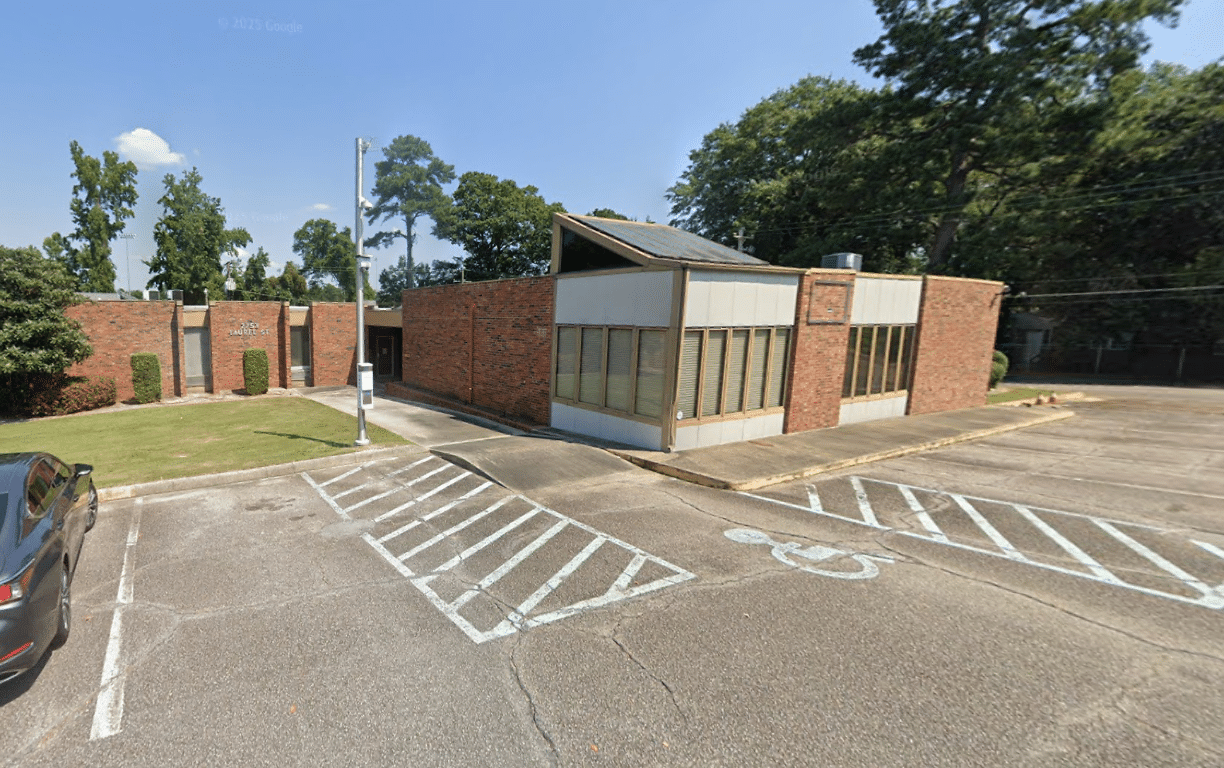
Objective Health, Columbia
Columbia / 2+ active studies
Celiac disease, fatty liver disease
Once called Columbia Digestive Health Research. Now it is part of the Objective Health network. Specifically, it runs gut and liver studies, including fatty liver trials.
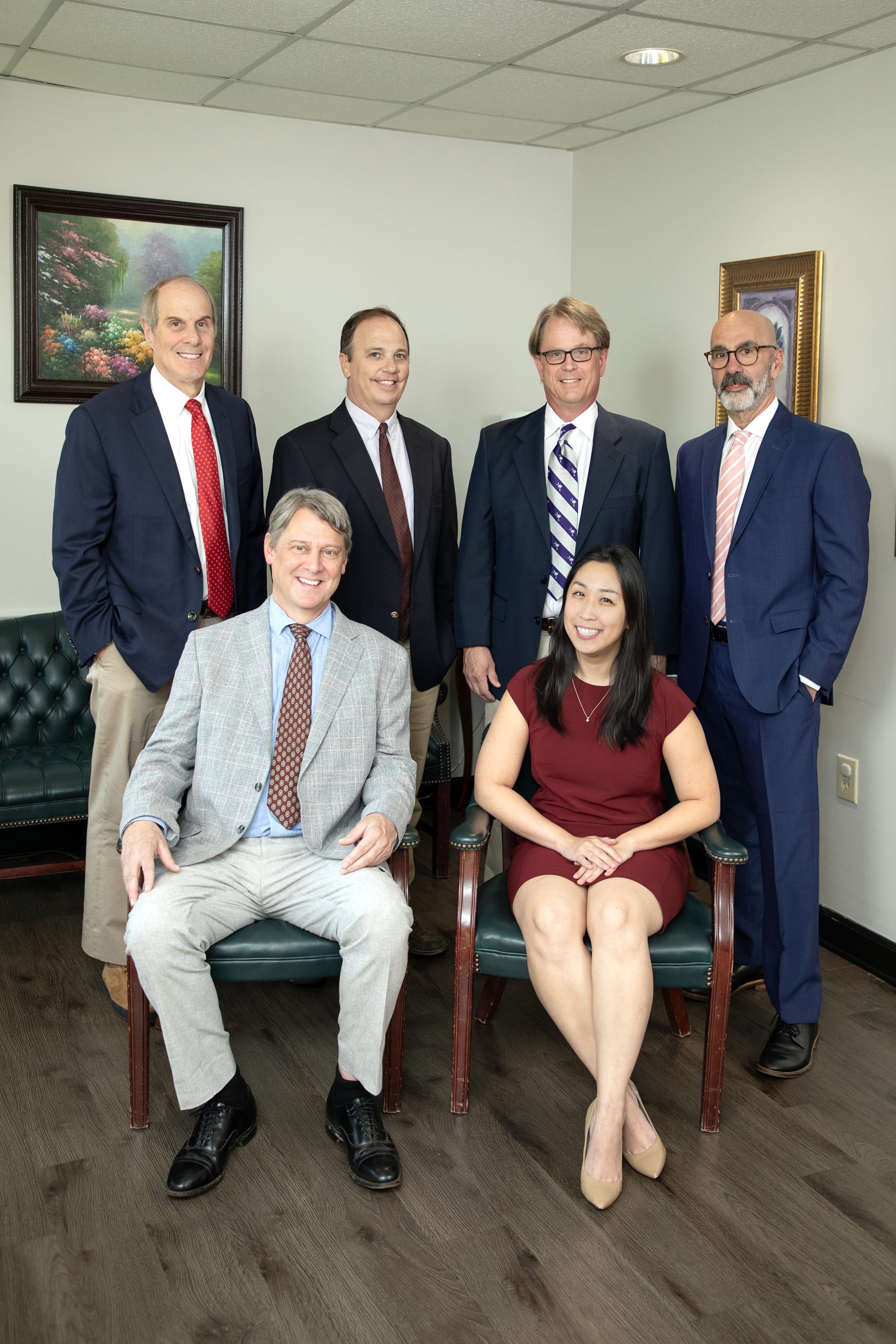
Columbia Gastroenterology Associates
Columbia / Active studies
Digestive conditions
A long-running gut health practice. Also, it takes part in digestive trials around Columbia.
What to Expect in a Graves Disease Study
New to studies? Here is how one works, step by step.
01
Prescreening
First comes a short phone call or online form. Also, it takes about 10 to 15 minutes. The staff check whether you might fit. Then they tell you what is open.
02
Screening Visit
Next the clinic runs the tests that decide it, which usually means blood work. Also, they go through the consent form line by line, and you can bring somebody with you.
03
Treatment Period
Then the study begins. So you take the study drug or the placebo on the agreed schedule. Meanwhile, your own doctor keeps managing everything else.
04
Follow-Up
Finally, there is a check in period at the end. Also, your own doctor gets the results, and you can stop at any point without affecting your care.
Graves Disease Trial FAQs
Real answers about overactive thyroid studies near Columbia SC.
Is there a Graves study in Columbia right now?
No, and we checked every recruiting site in the country one by one. The only site in South Carolina is near Charleston, about an hour and a half southeast. Also, Charlotte has two, in Statesville and Hickory, at about two hours north. So there is nothing in the Midlands today.
Would I have to stop my methimazole?
No. In every study here your usual antithyroid medicine keeps going the whole time. The study drug is added on top, never swapped in. However, one of them does require you to be off levothyroxine or T3 for 6 weeks first. So if you are on both drugs together, that is the rule to ask about.
What is different about these new drugs?
They go after the antibody rather than the gland. Antithyroid pills slow what your thyroid puts out, but the antibody driving it is still there. So when you stop the pills it comes back for about half of people. Meanwhile, these drugs try to clear the antibody, which is why remission is the goal.
Why does everyone keep asking about my eyes?
Because thyroid eye disease rules you out of most of these studies. If yours is moderate to severe and active, you would likely be excluded from the nearest ones. That is a real gap in the field, and we would rather name it than skip it. However, one study on this page does accept people with eye disease, though it is in Georgia.
Is the drive to Summerville worth it?
That is about an hour and a half on I-26, which is closer than most people expect. However, these studies run about 6 months with repeated visits, so be honest about the trips. Also, ask the clinic about travel pay, because some studies add it on top. Meanwhile, put your name in here so we can tell you if something opens closer.
Is there a placebo?
Yes, in the nearest studies some people get a dummy shot. However, nobody goes untreated, because your usual antithyroid medicine keeps going regardless. So the comparison is your normal treatment with or without the new drug added. Also, one of the further studies gives about 2 in 3 people the real drug.
Will this let me avoid surgery or radioactive iodine?
That is the hope, and it is exactly what these studies are built to answer. Nobody can promise it, and we will not pretend the results are in. However, both of those options destroy a healthy gland and leave you on hormone replacement for life. So a drug that produces remission with the thyroid intact would change the whole picture.
Do I need insurance?
No. None of these require insurance. The study medicine and study visits are provided at no cost. Also, you keep your own doctor throughout, and results are sent back to them. You would always call the clinic yourself.
What if my thyroid was already removed?
Then these studies cannot take you, and that is a firm rule. Past surgery or radioactive iodine rules you out of every one on this page. That is because they are testing whether the gland can be saved. Meanwhile, put your name in anyway, because we track studies for people after treatment too.
Where can I get thyroid care near Columbia SC?
Prisma Health runs hormone clinics across the Midlands. Also, ask specifically for a thyroid specialist rather than general care. Your primary care doctor can refer you. Meanwhile, ask whether your eyes have been checked, because eye disease is treated by a different specialist.
Ready to Explore a Study?
Get on the list, or just reach out to our Columbia team. No pressure. Also, no sales pitch.
← Back to All Clinical TrialsSources
- BHV-1300 in Graves disease, ClinicalTrials.gov NCT07661056
- IMVT-1402 in Graves disease, ClinicalTrials.gov NCT07018323
- VitaliThy efgartigimod study, ClinicalTrials.gov NCT07570316
- GRAVITATE felzartamab study, ClinicalTrials.gov NCT07722546
- YB-101 in Graves disease, ClinicalTrials.gov NCT07682896
- Clinical Research News: a new option for Graves disease, with comment from Mark Lupo, MD
Study details and per-site recruiting status verified against ClinicalTrials.gov on August 15, 2026. On that date no Graves disease study was enrolling in the Columbia metro. Study availability and criteria change; the research clinic confirms everything before you enroll.