
COLUMBIA, SC
Thyroid Eye Disease Clinical Trials
No thyroid eye disease study is enrolling in Columbia, and none is open anywhere in the Southeast. That is not because you were passed over. The whole field just finished enrolling and is waiting on results. Compensation is provided for eligible participants once one opens here.
0
In the Southeast
2
Open Nationwide
+/- $100
Per Visit
New here? Read how this page works
Here is the honest picture. Nothing is open in Columbia, in either Carolina, or anywhere in the Southeast. However, that is temporary and the reason is specific. So here is how to use this page.
- Read the two studies below. Notably, neither is close, and one is limited to the military health system.
- Check when your eye disease started. In fact, most drug studies only take the active phase, meaning the first year or two.
- Read why nothing is open. Because the pipeline is full and closed rather than empty, and that changes what waiting means.
- Finally, put your name in. Because that is how we know to call you the day a study opens near Columbia.
Of course, checking never signs you up for anything. You are only seeing where you might fit.
Thyroid Eye Disease Studies Open Right Now
There are very few anywhere in the country. However, the reason is unusual, and it is worth understanding.
What exists right now, and where
Neither of these is anywhere near Columbia. Also, one is limited to the military health system. We list them so you can see the real picture rather than a padded one.

A Pill Instead of an Infusion (ORBIT)
Sling Therapeutics / Drug
Linsitinib is a tablet you swallow twice a day that blocks the same target as the approved infusion drug. The study measures whether it pulls bulging eyes back into place after 24 weeks.
Payment is not published. Notably, the study opened in August 2026.
Get on the list →More details
Why researchers are excited: every approved option needs a drip or a shot, so a tablet that works would change the whole experience of treatment.
Who this study is looking for
- Adults 18 and older
- Also, graves disease or Hashimoto’s, with active eye disease scoring 3 or more out of 7
- Besides that, your eye disease was diagnosed within the last 15 months
- Finally, bulging of 3 mm or more, or eyelid pulled back, or swelling, or double vision
Probably not a fit if: you have ever had a drug in this family before, including the approved infusion. Also, past eye socket surgery or radiation rules you out.
- Placebo group: Yes for the first 24 weeks. However, an open part follows where people can get the real drug knowing what it is.
- How long: 24 weeks, then an open extension. The study runs to 2030.
- Clinic visits: Not published on the public record. Only screening, the start and week 24 appear. Still, the drug is a tablet taken at home, so the visit load should be lighter than a drip.
- Phone calls: Not published on the public record.
- Most invasive part: A device rested against the bony rims of your eye sockets to measure bulging, plus eye exams and blood draws. Notably, there are no drips and no shots at all.
- Setting: Outpatient.
- Where it runs: Advancing Research International, Las Vegas NV 89144.
- Two hard gates: if you have already had the approved infusion drug you cannot join. Also, your eye disease has to have started within the last 15 months, so the early active phase only.
- Full study record: View on ClinicalTrials.gov →

Watching What the Approved Drug Does to the Thyroid
Walter Reed National Military Medical Center / Observational
Nothing is given and nobody is randomised. Doctors simply track what happens to both the eyes and the thyroid in people already getting the approved infusion drug as their normal care.
Payment is not published. Also, access is generally limited to the military health system.
Read the details →More details
Why researchers are excited: the drug was approved for the eyes, but there are signs it may also affect the thyroid problem underneath.
Who this study is looking for
- You are already receiving the approved infusion drug as part of your care
- Also, you have thyroid eye disease
- Besides that, you can be seen at Walter Reed in Bethesda, Maryland
- Finally, you are eligible for care in the military health system
Probably not a fit if: you are not part of the military health system, which is the main barrier for most readers here.
- Placebo group: None at all. Nothing is assigned, because researchers only watch and measure.
- How long: Follows the course of your normal treatment.
- Clinic visits: The research schedule is not published. However, the treatment behind it is the standard 8 drips given 3 weeks apart across 21 weeks.
- Phone calls: Not published on the public record.
- Most invasive part: Nothing beyond the care you are already getting.
- Setting: Outpatient.
- Where it runs: Walter Reed National Military Medical Center, Bethesda MD.
- Why it is here: we list it so the picture is complete, not as a referral. So unless you are in the military health system, this is background rather than an option.
- Full study record: View on ClinicalTrials.gov →
Not sure which one fits you?
First, answer a few quick health questions. Then we keep your answers on file. Finally, we call you when an eye disease study opens near Columbia. No account, no paperwork.
See if I may fit one of these studies →What Is Actually Happening in Thyroid Eye Disease
The biggest change of any condition on our site, and then a pause.
What It Actually Is
The same immune attack that hits the thyroid also hits the tissue behind the eyes. The muscles and fat in the eye socket swell, which pushes the eyes forward and causes redness, pressure and grit. Also, when the swollen muscles stop moving together you get double vision. In severe cases the swelling presses on the nerve and threatens sight.
It Runs in Two Phases
The active phase is the inflamed one, and it lasts roughly one to three years. Then comes the quiet phase, where the swelling settles but the changes to your face and your vision stay. That distinction matters more than almost anything else here. So most drug studies only take people in the active phase, which is why the study on this page wants a diagnosis within 15 months.
Everything Changed in 2020
For decades the only options were high dose steroids, radiation to the eye socket, or surgery to remove bone and make room. Then in January 2020 the first drug for this condition was approved. Critically, it was the first thing that actually reversed the bulging rather than just calming the inflammation. As Raymond Douglas put it, he tells his fellows there was life before that drug and life after it.
How Much It Changed
Both late stage trials showed the eyes coming forward less, by roughly 3.2 mm on average, according to Douglas. Kimberly Cockerham described what is really remarkable as the restoring of eye muscle and fat volume back toward where it was. Then there is the practical measure. Wendy Lee said that in her practice they do about 50 to 75 percent less surgery. Meanwhile, David Toro-Tobon of the Mayo Clinic noted the drug acts on the exact receptor driving the inflammation, so the effect is far more specific.
The Treatment Itself Is a Commitment
The approved drug is given as eight drips, three weeks apart, across 21 weeks. That fixed schedule is the single most useful practical fact for anybody weighing it up. So the newer efforts are partly about making that easier. In fact, one company is testing a shot under the skin instead, and the study on this page is testing a tablet.
Why Nothing Is Open Near You
This is the part worth understanding, because it is not about the Carolinas at all. The pipeline is not empty, it is full and closed. Every major late stage programme finished enrolling and is now waiting for results. So new enrolment across the whole country is at a low point right now, which is temporary rather than permanent.
Research Sites Near Columbia
None of them runs an eye disease study today. But sites add new studies all the time. So it is worth knowing what sits near you.
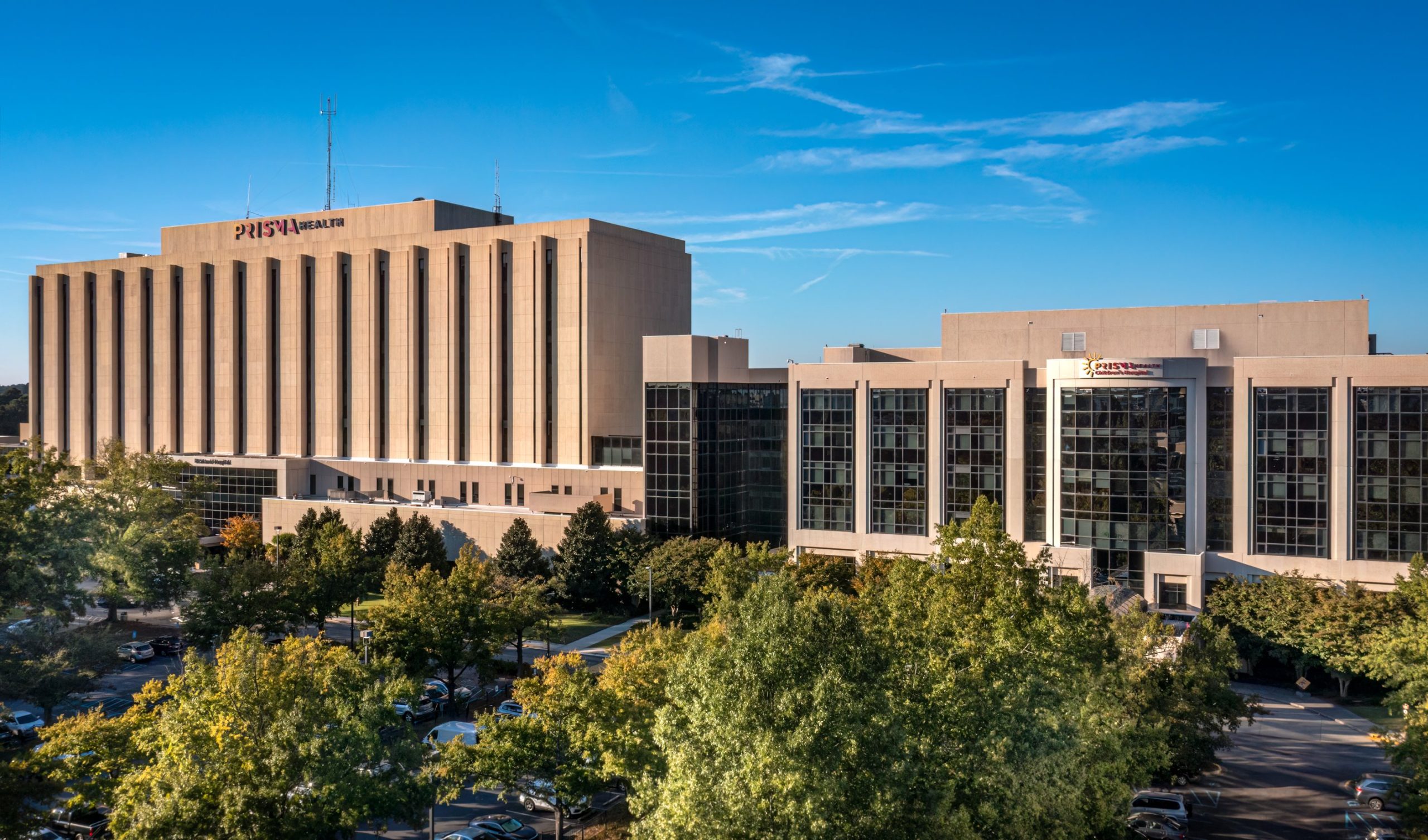
Prisma Health Richland Hospital
Downtown Columbia / 37+ active studies
Cancer, blood disorders, broad hospital research
The flagship Prisma Health hospital in the Midlands. Also, by far the biggest trial operation in the Columbia metro.
Visit Website →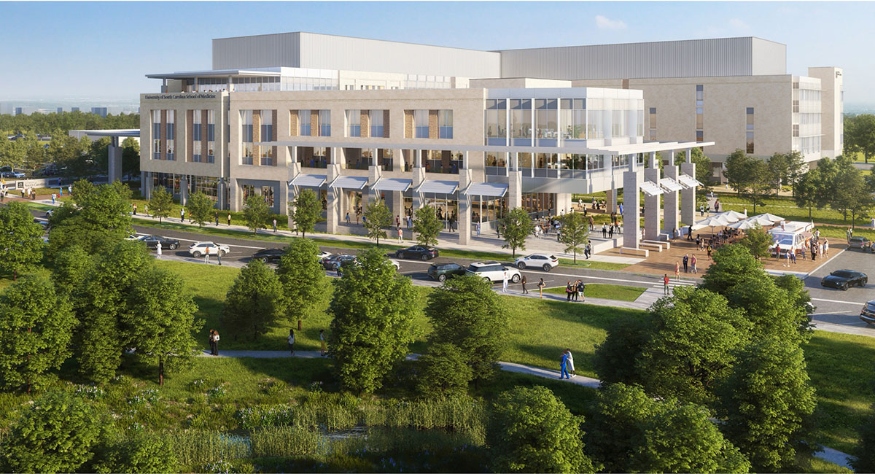
University of South Carolina
Columbia / 27+ active studies
Stroke recovery, physical activity, community health
Notably, a research university that runs federally funded health studies across the Midlands. Specifically, topics range from stroke rehab to disease prevention.
Visit Website →
Bogan Sleep Consultants
Columbia / 7+ active studies
Narcolepsy, sleep disorders
One of the best known private sleep research sites in the Southeast. Also, it has run sleep trials for decades.
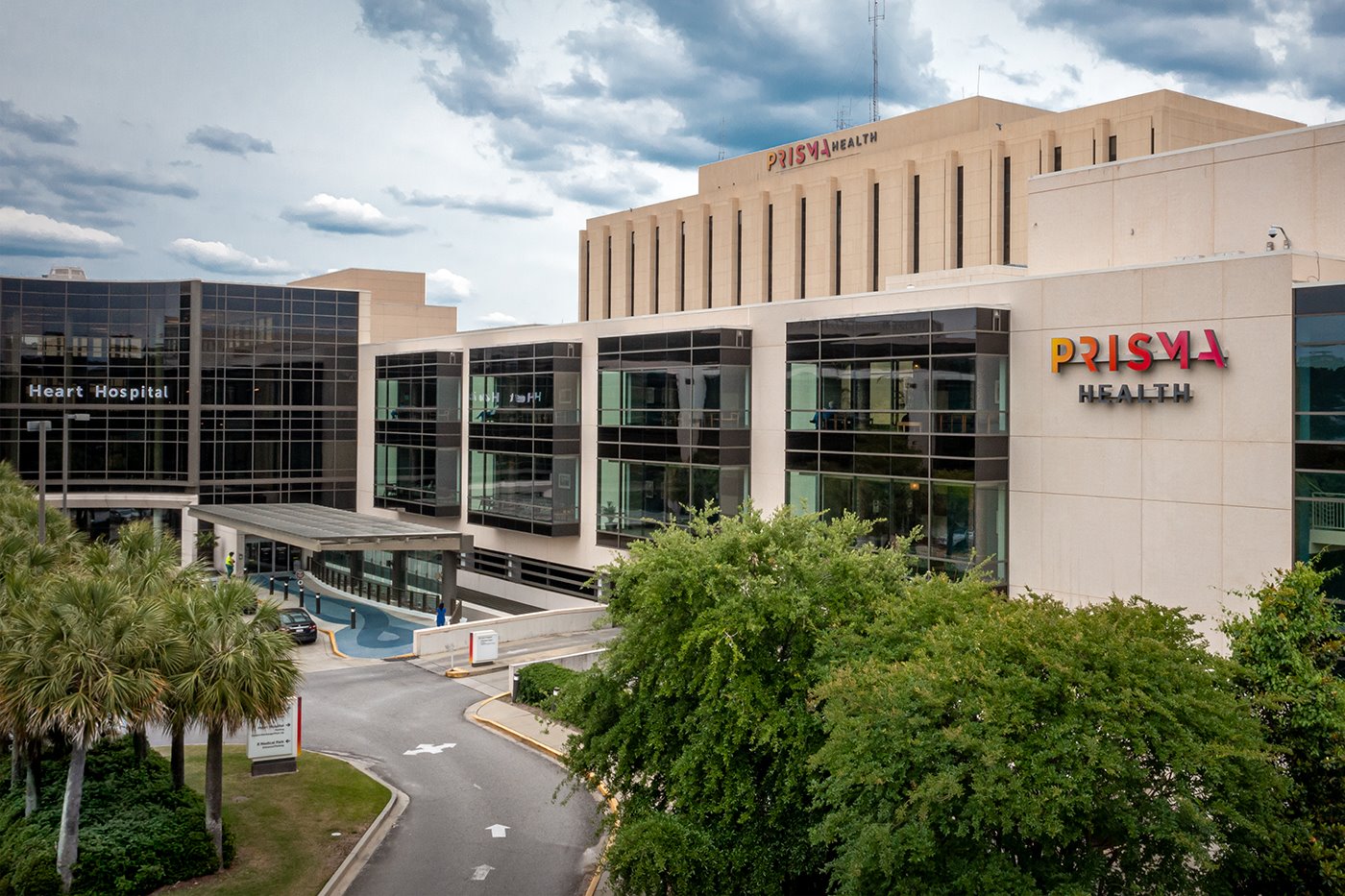
Prisma Health Midlands Cardiovascular
Columbia / 4+ active studies
Cardiovascular disease, heart failure
The heart and vessel research arm of Prisma Health in the Midlands. So it is the natural home for cholesterol trials in Columbia.
Visit Website →
Prisma Health Children’s Hospital, Midlands
Columbia / 4+ active studies
Pediatric growth, cystic fibrosis
Basically, the Midlands hub for children’s research inside the Prisma Health system.
Visit Website →
Columbia Dermatology & Aesthetics
Columbia / 4+ active studies
Hidradenitis suppurativa, psoriasis, obesity
A skin care practice with its own research team. It runs both skin and weight studies.
Velocity Clinical Research, Columbia
Columbia / Multiple active studies
COPD, skin conditions, vaccines
Part of one of the biggest research site networks in the country. Besides, it is just the kind of site the huge outcome trials lean on.
Visit Website →
Wm. Jennings Bryan Dorn VA Medical Center
Garners Ferry Road, Columbia / 2+ active studies
Atherosclerosis, liver disease
Columbia’s VA medical center runs studies, including ones on clogged arteries. For veterans, it is often the first door.
Visit Website →
Objective Health, Columbia
Columbia / 2+ active studies
Celiac disease, fatty liver disease
Once called Columbia Digestive Health Research. Now it is part of the Objective Health network. Specifically, it runs gut and liver studies, including fatty liver trials.
Columbia Gastroenterology Associates
Columbia / Active studies
Digestive conditions
A long-running gut health practice. Also, it takes part in digestive trials around Columbia.
What to Expect in an Eye Disease Study
New to studies? Here is how one works, step by step.
01
Prescreening
First comes a short phone call or online form. Also, it takes about 10 to 15 minutes. The staff check whether you might fit. Then they tell you what is open.
02
Screening Visit
Next the clinic runs the tests that decide it, which usually means blood work. Also, they go through the consent form line by line, and you can bring somebody with you.
03
Treatment Period
Then the study begins. So you take the study drug or the placebo on the agreed schedule. Meanwhile, your own doctor keeps managing everything else.
04
Follow-Up
Finally, there is a check in period at the end. Also, your own doctor gets the results, and you can stop at any point without affecting your care.
Thyroid Eye Disease Trial FAQs
Real answers about thyroid eye disease studies near Columbia SC.
Is there a thyroid eye disease study near Columbia?
No, and there is none anywhere in the Southeast. Not in either Carolina, and not in Georgia, Virginia or Tennessee. We opened every recruiting US study one by one rather than trusting a search filter. So the honest answer is that the nearest is a flight away.
Why is nothing open right now?
Because the pipeline is full rather than empty, which is an unusual reason. Every major late stage programme has finished enrolling and is now waiting on results. So this is a pause between waves, not a sign the field has gone quiet. In fact, one new late stage study opened in August 2026 and will add sites over the coming months.
What changed in 2020?
The first drug for this condition was approved, and it was the first thing that actually reversed the bulging. Before that the options were high dose steroids, radiation, or surgery to remove bone from the eye socket. As Raymond Douglas put it, he tells his fellows there was life before that drug and life after it. Also, Wendy Lee said her practice now does about 50 to 75 percent less surgery.
How is the approved drug given?
As eight drips, three weeks apart, across 21 weeks. That fixed schedule is the practical fact most people want and rarely get told upfront. So the newer efforts are partly about making it easier. In fact, one company is testing a shot under the skin, and the study on this page is testing a tablet.
Does it matter how long I have had it?
Enormously, and this is the rule that catches most people. The condition runs in an active inflamed phase for roughly one to three years, then settles into a quiet phase. Most drug studies only take the active phase, and the one on this page wants a diagnosis within the last 15 months. So if yours has been going for years, the drug studies are likely closed to you.
What if I have already had the approved infusion?
Then the study on this page cannot take you, and that is a firm rule. Any previous drug in that family rules you out. However, there are studies specifically for people who did not respond or who relapsed. Meanwhile, those are open only to people already enrolled in an earlier trial, so put your name in and we will watch for a public one.
Does smoking matter?
Yes, more than almost anything else you can control. Smoking raises both the risk of getting thyroid eye disease and how severe it becomes. So it is the one thing every specialist agrees on. Meanwhile, your own doctor can help with quitting, and it is worth asking specifically.
Does it cost anything to be on the list?
No. There is no cost, and no insurance is needed. Tether is a nonprofit list, so we do not run studies and we are not paid to send you. Also, being on the list never enrolls you in anything. You would always call the clinic yourself.
How long until a study opens near Columbia?
We cannot promise a date, and we will not guess at one. However, the newest late stage study opened this month with one site and will add more. Also, several companies are waiting on results that will drive the next round of trials. In short, the honest answer is that the timing depends on data that has not been published yet.
Where can I get thyroid eye care near Columbia SC?
Prisma Health runs eye and hormone clinics across the Midlands. Also, ask for an oculoplastic specialist, because that is the eye doctor who handles this specific condition. Your thyroid doctor can refer you, and the two should be talking to each other. Meanwhile, if you have new double vision or any change in your sight, treat that as urgent rather than routine.
Ready to Explore a Study?
Get on the list, or just reach out to our Columbia team. No pressure. Also, no sales pitch.
← Back to All Clinical TrialsSources
- ORBIT linsitinib study in moderate to severe active thyroid eye disease, ClinicalTrials.gov NCT07753603
- Teprotumumab effect on thyroid eye disease and thyroid function, ClinicalTrials.gov NCT06275373
- Healio: thyroid eye disease treatment enters a new era, with comment from Raymond Douglas, MD, PhD, Kimberly Cockerham, MD, Wendy Lee, MD and David Toro-Tobon, MD
Study details and per-site recruiting status verified against ClinicalTrials.gov on August 15, 2026. On that date no thyroid eye disease study was enrolling anywhere in the Southeast. Study availability and criteria change; the research clinic confirms everything before you enroll.