
COLUMBIA, SC
PTSD Clinical Trials
No PTSD study is enrolling in the Columbia SC metro, and we checked the Dorn VA four separate ways. It runs active research and has nothing open for trauma or anxiety right now. Payment is provided for eligible participants once one opens here.
0
Open in the Midlands
2
At Charleston
+/- $100
Per Visit
New here? Read how this page works
First, here is the honest picture. Nothing is open in the Midlands, and the Dorn VA has nothing for trauma at present. So here is how to use this page.
- Fill in a PCL-5 yourself and note the number. Because thirty three or more is the usual line, and you can do it before contacting anyone.
- Ask how many sessions and how long each one runs. Also, twelve weekly hours is published for one of these, which is unusual and helpful.
- If you are a Veteran, check which VA you are registered with. In fact, one nearby study needs you to be registered at Charleston and nowhere else.
- Last, tap the button. Then we keep your details on file and call you when a study opens near you.
Of course, checking never signs you up for anything. You are only seeing where you might fit.
The Nearest Studies to Columbia
Nothing in the Midlands. Two run at Charleston, about two hours away, and both give everyone a real therapy.
The two nearest, and neither uses a dummy
Both are at Charleston and both give every participant a real therapy. One is for Veterans with social anxiety and trauma symptoms, and the other treats trauma and drinking together.

Two Real Therapies, and the Sessions Are Published
VA Office of Research and Development / Therapy study
This is for Veterans with social anxiety who also carry significant trauma symptoms. Both groups get a real, established talking therapy, so no one is assigned to nothing. The commitment is published clearly, at twelve weekly sessions of one hour each. Screening, consent and assessments can be done from home by video if you prefer. The site is at Charleston.
Payment is not published.
Get on the list →More details
Why researchers are excited: most therapy studies do not publish the session length, and this one does. Meanwhile, both arms are genuine treatment rather than a waiting list.
Who this study is looking for
- A Veteran registered at the Charleston VA
- Also, social anxiety disorder
- Besides that, significant trauma symptoms alongside it
- Finally, aged 18 to 80
Probably not a fit if: a psychiatric admission or a suicide attempt in the last two months rules you out. Also, a new psychiatric medicine in the last four weeks. Likewise, psychosis, a personality disorder, substance use disorder or bipolar disorder as your main diagnosis all exclude.
- Placebo group: None. Both groups receive twelve weekly hours of real therapy.
- How long: Twelve weeks of therapy, then a check six months later.
- Clinic visits: Between none and four in person. The record says screening and assessments can be done at home by video if you prefer.
- Phone calls: Twelve weekly therapy sessions, plus short measures at the start of some of them.
- Most invasive part: No drug, no needle, no scan. So the demanding part is the weekly hour and the work between sessions.
- Setting: Outpatient.
- Where it runs: Ralph H. Johnson VA Medical Center, Charleston SC 29401.
- Drive from Columbia: Charleston is about 113 miles south east, so roughly two hours on I-26.
- You have to be registered at that VA. Being a Veteran is not enough, and the paperwork side is what most often stops people rather than the clinical side.
- Full study record: View on ClinicalTrials.gov →

For Trauma and Drinking Together
Texas A&M with MUSC and the NIAAA / Therapy study
Trauma and heavy drinking very often travel together, and most studies exclude one to study the other. This one is built for both at once. Both groups receive a real therapy, and the difference is whether trauma focused work is added. So no one is left without treatment. Also, other drug use is allowed as long as alcohol is the main issue.
Payment is not published.
Get on the list →More details
Why researchers are excited: being told to sort out the drinking first, then come back for the trauma, is the usual and unhelpful answer. Meanwhile, this study treats them together, which is what people really need.
Who this study is looking for
- Current PTSD confirmed by a clinician interview
- Also, moderate to severe alcohol use disorder
- Besides that, three or four heavy drinking days a week recently, or above the weekly limits
- Finally, any psychiatric medicine steady for four weeks
- Also, aged 18 or over
Probably not a fit if: any history of psychosis or bipolar disorder rules you out. Likewise, being in another evidence based treatment for either condition right now. Also, being in active alcohol withdrawal means detox first, and you can be reassessed after.
- Placebo group: None. Both groups receive a real therapy.
- How long: About twelve weeks of treatment, then checks at three, six and twelve months.
- Clinic visits: Four assessment points after treatment, plus the weekly sessions themselves.
- Phone calls: Daily short check ins on a phone, which is a real and continuous commitment.
- Most invasive part: No drug, no needle, no scan. So the daily phone check ins are the part people underestimate.
- Setting: Outpatient.
- Where it runs: Medical University of South Carolina, Charleston SC 29425.
- Drive from Columbia: Charleston is about 113 miles south east, so roughly two hours on I-26.
- Other drug use does not automatically exclude you. As long as alcohol is the main substance, this study is unusually accepting, and that is worth knowing.
- Full study record: View on ClinicalTrials.gov →
Not sure which one fits you?
First, answer a few quick health questions. Then we keep them on file. Finally, we call you when a study opens near Columbia. No account, no paperwork.
See if I may fit one of these studies →What Is Actually Happening in PTSD Treatment
The strongest evidence is still for talking therapies, and the drug pipeline everyone is asking about has not reached this state.
The Score to Ask For Is CAPS-5
It is an interview rather than a questionnaire, and it takes about ninety minutes. It runs from zero to eighty, and it is what serious studies use as their main measure. So ask for your total, and ask who administered it. Meanwhile, it is the gold standard, and a rushed version of it is not the same thing.
PCL-5 Is the One You Can Do Yourself
It is twenty questions and you fill it in yourself, and the number to remember is thirty three. A score at or above that is the usual threshold for probable PTSD. So you can complete it before you contact anybody. In fact, some studies use it as a hard entry gate.
Both Arms of a Therapy Study Are Usually Real
This is the most misunderstood fact in trauma research. Therapy studies compare two genuine treatments rather than treatment against nothing. So no one is put on a waiting list and no one gets a dummy. Also, all three studies within reach of here work exactly that way.
Ask How Many Sessions and How Long Each One Is
One nearby study publishes it exactly, at twelve weekly sessions of one hour. Another gives the number of sessions but not the length. So ask for both, because sixteen weekly appointments is four months of your life. Meanwhile, a good coordinator will have that written down.
Past Suicidal Thoughts Do Not Automatically Exclude You
The wording differs enormously between studies, and it matters. One nearby study excludes only imminent plans or intent. Another excludes an attempt in the last two months. So ask which exact standard applies rather than ruling yourself out. Also, the questionnaire used is named after a university in New York, not Columbia South Carolina.
Drinking or Drug Use May Qualify You Rather Than Exclude You
One study near Charleston actively needs an alcohol use disorder and regular heavy drinking days. It also permits other substance use as long as alcohol is the main one. So being honest at screening can open a door rather than close it. In fact, being told to fix the drinking first and come back is exactly what that study exists to challenge.
Bipolar Disorder and Psychosis Are the Hardest Exclusions
Almost every PTSD study excludes them, and the difference between current and lifetime matters. One nearby study excludes current psychosis or mania. Another excludes any history at all. So ask which wording is used. Meanwhile, that single distinction decides eligibility for a lot of people.
VA Studies Have a Rule About Which VA
Being a Veteran is not sufficient. One nearby study needs you to receive care through a specific VA network, and another needs you to be registered at one particular medical centre. So the paperwork side is the actual gate rather than the clinical side. Also, that is worth sorting out before you call about anything else.
MDMA and Psilocybin Are Not Available Here
Thirty such studies are running in this country and not one has a site in either Carolina. The nearest is in Atlanta, three to four hours away. So anyone promising local access to these today is not describing a registered study. But three large military and industry studies have not published their site lists yet, so that could change.
Where Things Actually Stand Locally
One study relevant to PTSD is open at the Salisbury VA, about forty five minutes from Charlotte, and it is delivered by video so the drive may never be needed. The Dorn VA in Columbia runs research but has nothing open for PTSD or anxiety, and we checked that four ways. So for the Midlands the nearest options are about two hours away at Charleston. But if things ever feel unsafe, calling or texting 988 reaches the Suicide and Crisis Lifeline at any hour, and Veterans can press 1.
PTSD Help Near You
Ask for your CAPS-5 total, or fill in a PCL-5 yourself and note the number. Also, ask how many sessions a therapy study involves and how long each one runs. Last, if you are a Veteran, check which VA you are registered with, because that is the real gate. Meanwhile, join the list and we will call you when a study opens near you.
Research Sites Near Columbia
Nothing runs in the Midlands for trauma, while the nearest sites sit at Charleston. The Dorn VA runs research in other fields, so it is worth asking them to keep you on file.
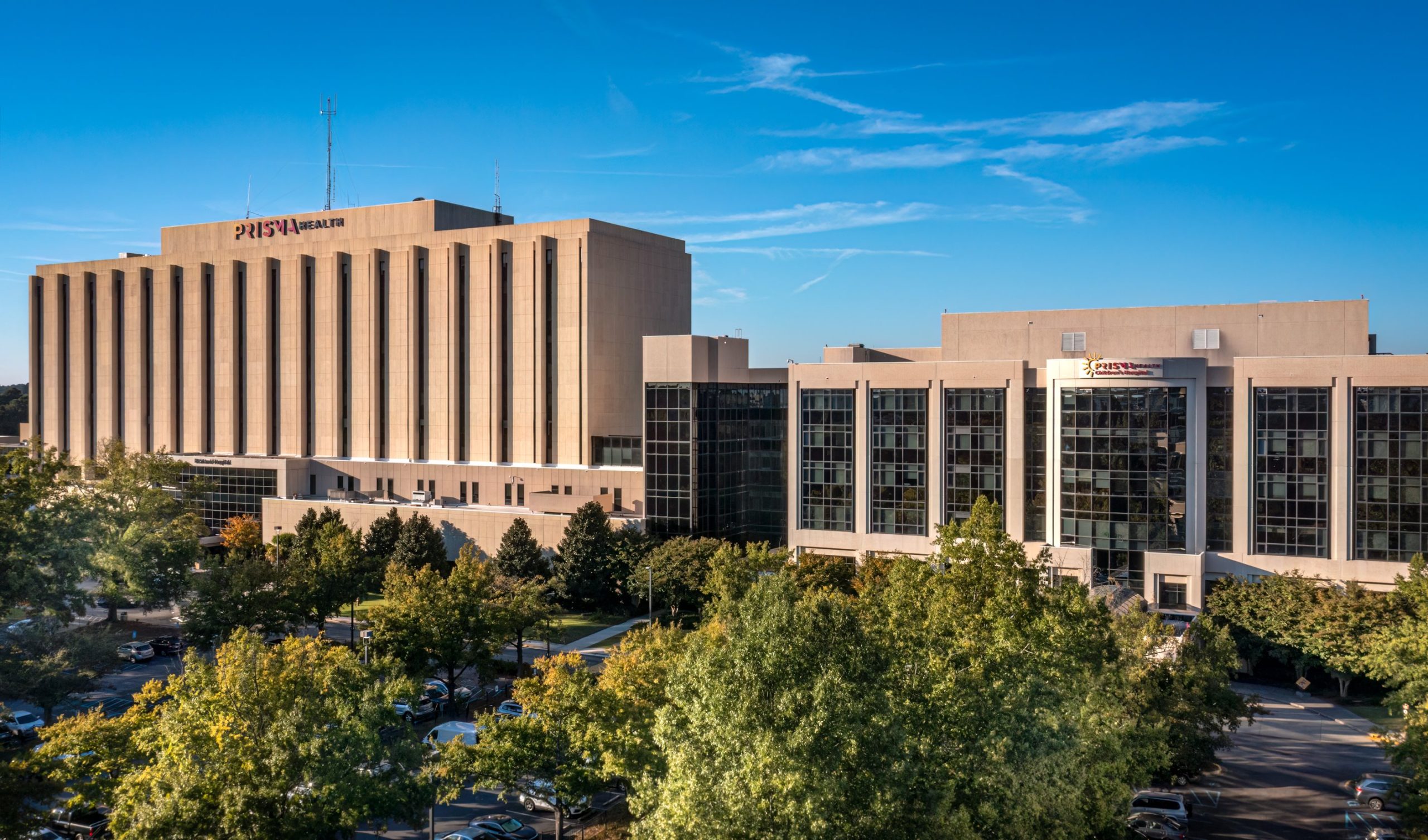
Prisma Health Richland Hospital
Downtown Columbia / 37+ active studies
Cancer, blood disorders, broad hospital research
The flagship Prisma Health hospital in the Midlands. Also, by far the biggest trial operation in the Columbia metro.
Visit Website →
University of South Carolina
Columbia / 27+ active studies
Stroke recovery, physical activity, community health
Notably, a research university that runs federally funded health studies across the Midlands. Specifically, topics range from stroke rehab to disease prevention.
Visit Website →
Bogan Sleep Consultants
Columbia / 7+ active studies
Narcolepsy, sleep disorders
One of the best known private sleep research sites in the Southeast. Also, it has run sleep trials for decades.
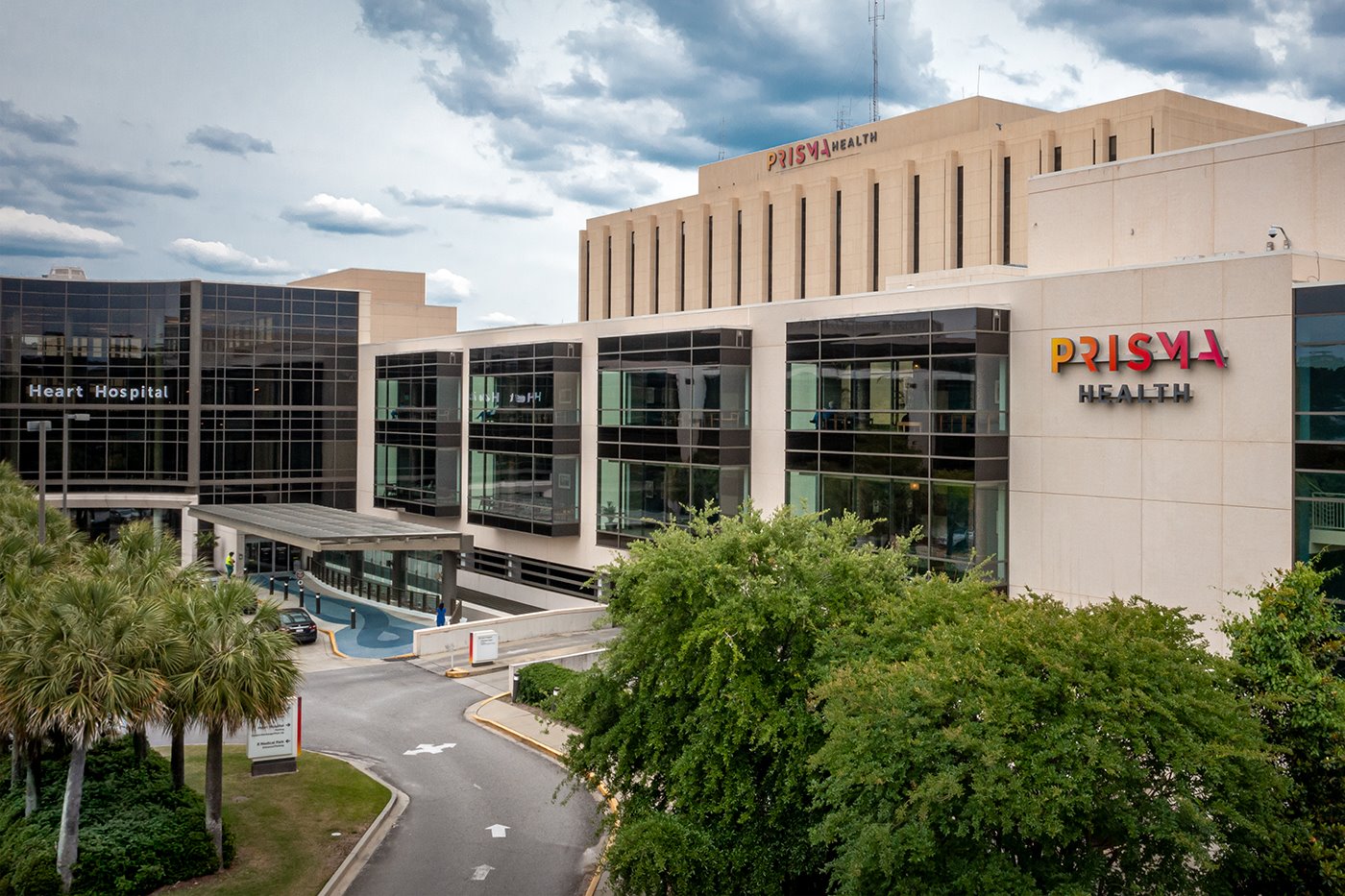
Prisma Health Midlands Cardiovascular
Columbia / 4+ active studies
Cardiovascular disease, heart failure
The heart and vessel research arm of Prisma Health in the Midlands. So it is the natural home for cholesterol trials in Columbia.
Visit Website →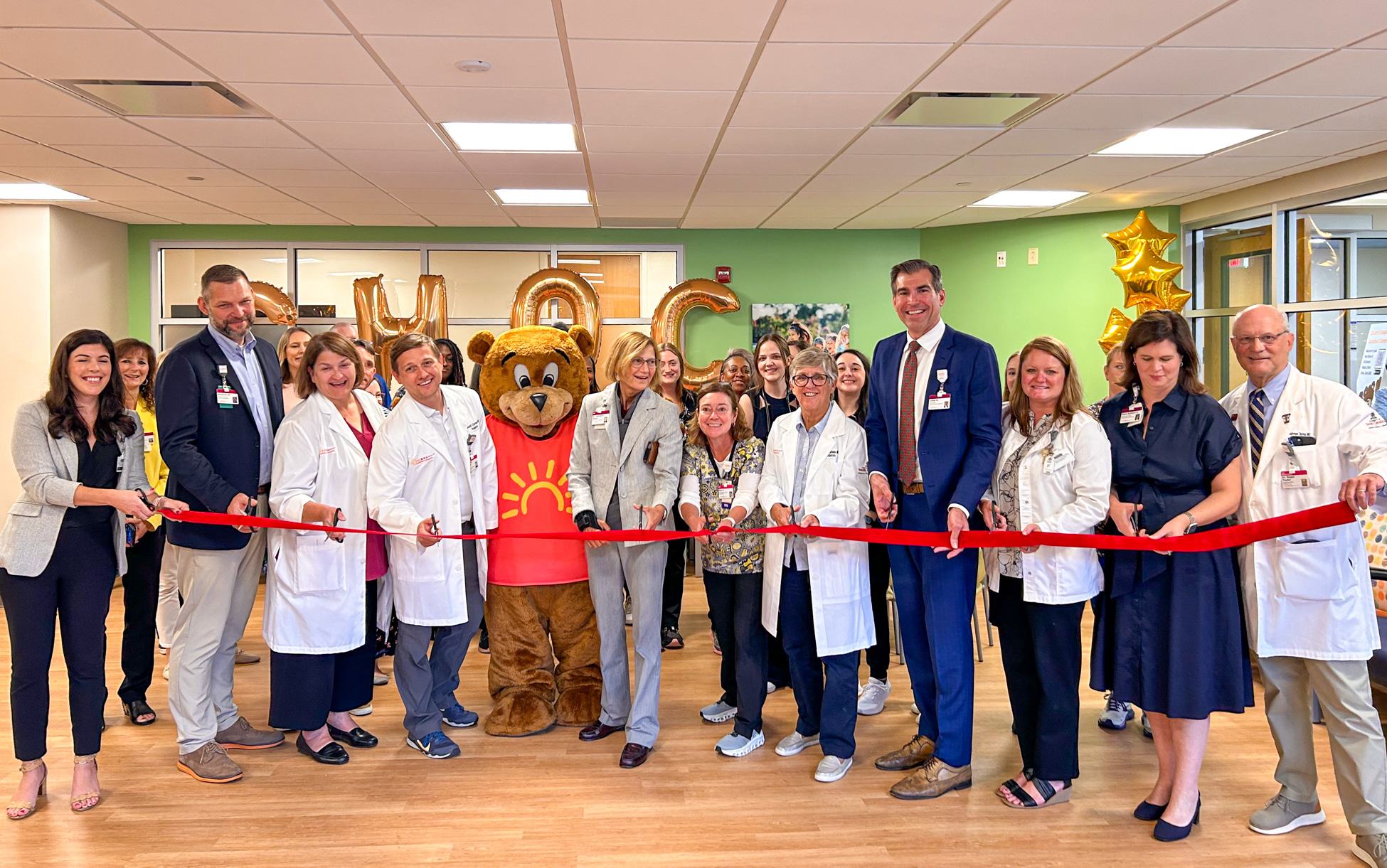
Prisma Health Children’s Hospital, Midlands
Columbia / 4+ active studies
Pediatric growth, cystic fibrosis
Basically, the Midlands hub for children’s research inside the Prisma Health system.
Visit Website →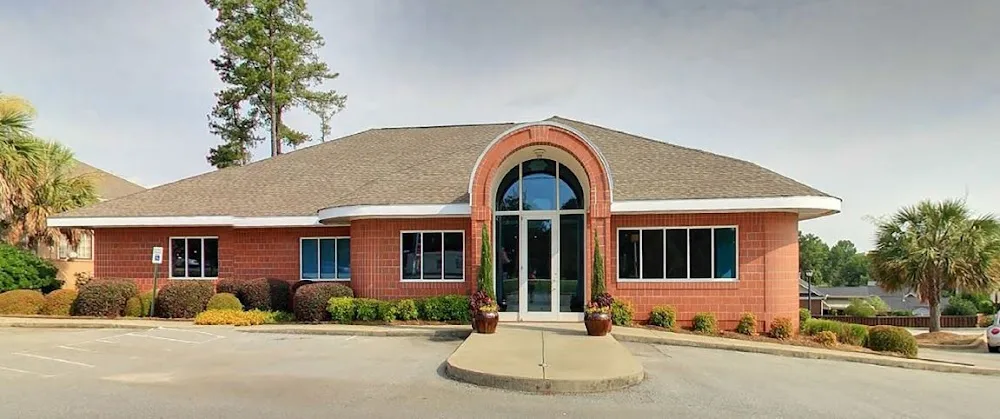
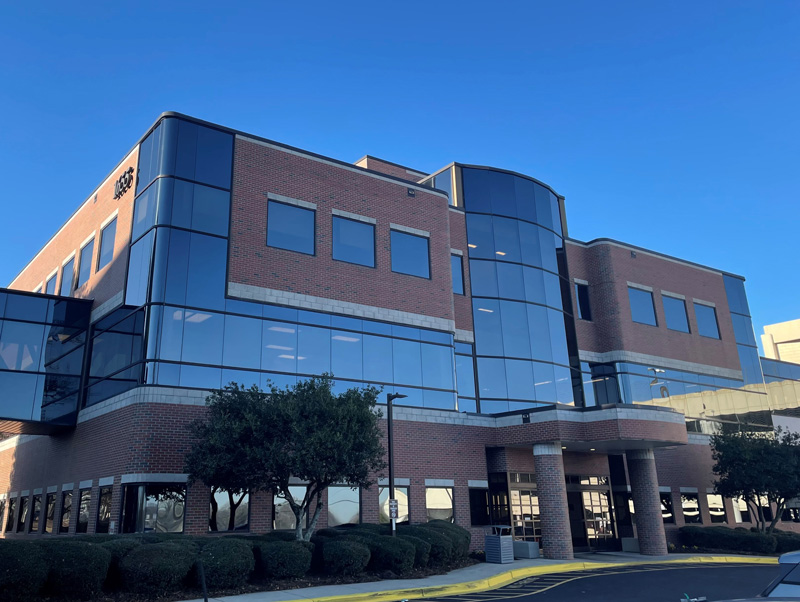
Columbia Dermatology & Aesthetics
Columbia / 4+ active studies
Hidradenitis suppurativa, psoriasis, obesity
A skin care practice with its own research team. It runs both skin and weight studies.
Velocity Clinical Research, Columbia
Columbia / Multiple active studies
COPD, skin conditions, vaccines
Part of one of the biggest research site networks in the country. Besides, it is just the kind of site the huge outcome trials lean on.
Visit Website →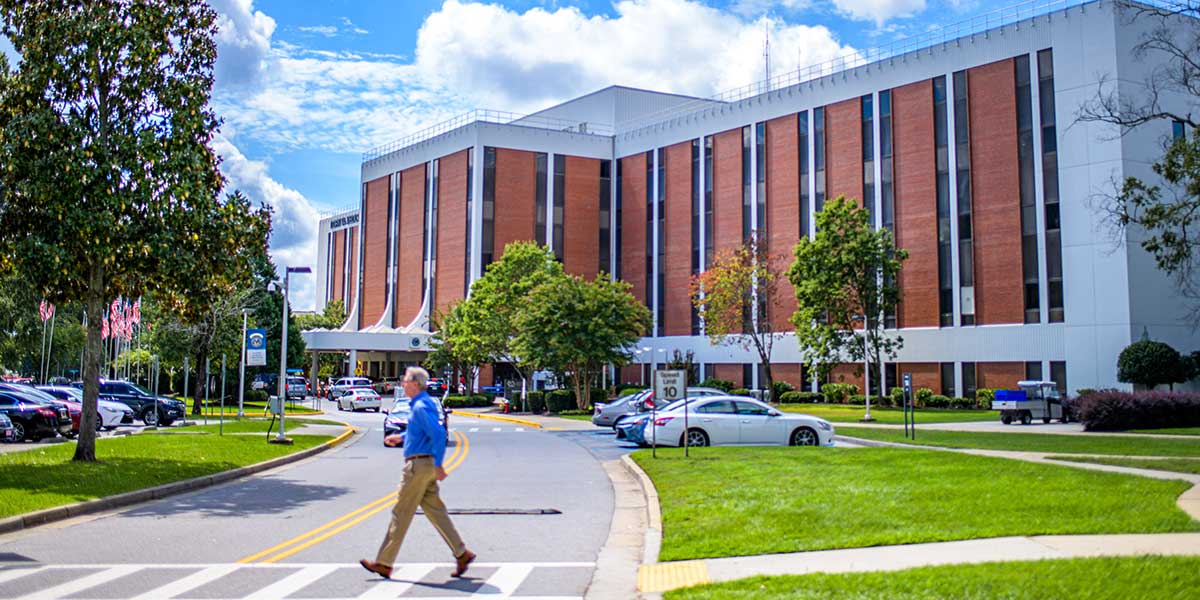
Wm. Jennings Bryan Dorn VA Medical Center
Garners Ferry Road, Columbia / 2+ active studies
Atherosclerosis, liver disease
Columbia’s VA medical center runs studies, including ones on clogged arteries. For veterans, it is often the first door.
Visit Website →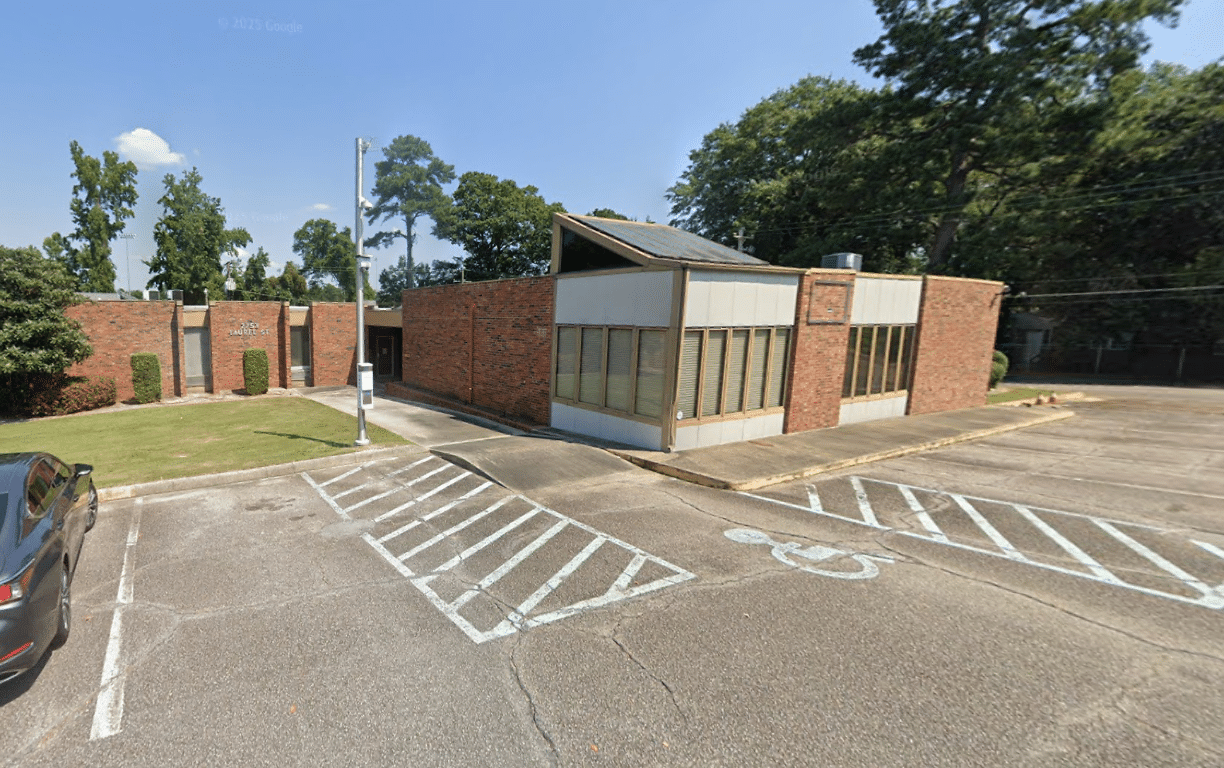
Objective Health, Columbia
Columbia / 2+ active studies
Celiac disease, fatty liver disease
Once called Columbia Digestive Health Research. Now it is part of the Objective Health network. Specifically, it runs gut and liver studies, including fatty liver trials.
Columbia Gastroenterology Associates
Columbia / Active studies
Digestive conditions
A long-running gut health practice. Also, it takes part in digestive trials around Columbia.
What to Expect in a PTSD Study
New to studies? Here is how one works, step by step.
01
Prescreening
First comes a short phone call or online form. Also, it takes about 10 to 15 minutes. The staff check whether you might fit. Then they tell you what is open.
02
Screening Visit
Next the clinic runs the tests that decide it, which usually means blood work. Also, they go through the consent form line by line, and you can bring somebody with you.
03
Treatment Period
Then the therapy begins. So you take the study drug or the placebo on the agreed schedule. Meanwhile, your own doctor keeps managing everything else.
04
Follow-Up
Finally, there is a check in period at the end. Also, your own doctor gets the results, and you can stop at any point without affecting your care.
PTSD Trial FAQs
Real answers about ptsd studies near Columbia SC.
Is there a study for this near Columbia?
No, and we checked the Dorn VA four separate ways rather than assuming. It is an active research site and it has nothing open for trauma or anxiety, and its only registered PTSD study closed in 2014. But two run at Charleston about two hours away, and both give every participant a real therapy. Also, one of those needs you to be registered at the Charleston VA and nowhere else.
What score will they ask about?
The main one is CAPS-5, and it is an interview rather than a form. It runs from zero to eighty and takes about ninety minutes. So ask for your total and who carried it out. Meanwhile, a rushed version of it is not the same thing.
Is there a form I can fill in myself?
Yes. It is called the PCL-5, it has twenty questions, and the number to remember is thirty three. A score at or above that is the usual line for likely PTSD. So you can do it before you contact anybody. In fact, some studies use it as a hard entry gate.
Would I get a dummy treatment?
In a talking therapy study, almost never. These compare two real treatments rather than treatment against nothing. So no one is put on a waiting list and no one gets a fake session. Also, all three options within reach of here work exactly that way.
How big a time commitment is it?
Ask for the number of sessions and how long each one runs. One nearby study publishes it exactly, at twelve weekly hours. Another gives the number of sessions but not the length, so ask. So sixteen weekly appointments is four months of your life, and you deserve that number first.
Do past suicidal thoughts rule me out?
Not on their own, and the wording differs a lot between studies. One nearby study rules out only immediate plans or intent. Another rules out an attempt in the last two months. So ask which exact standard applies rather than ruling yourself out. Meanwhile, the scale used is named after a university in New York, not Columbia South Carolina.
Does drinking or drug use rule me out?
Sometimes the opposite. One study near Charleston needs an alcohol problem and regular heavy drinking days to take part. It also allows other substance use as long as alcohol is the main one. So being honest at screening can open a door rather than close it.
Can I get MDMA or psilocybin therapy near here?
No, and it is worth saying plainly. Thirty such studies are running in this country and not one has a site in either Carolina. So the nearest is Atlanta, three to four hours away. But three large studies have not published their site lists yet, so that could change.
What if I need help right now?
If things ever feel unsafe, call or text 988 at any hour. That reaches the Suicide and Crisis Lifeline, and Veterans can press 1. So it is free, it runs day and night, and it is not a study. Meanwhile, a study is never the right route for something urgent.
Does it cost anything to check?
No. There is no cost, and no insurance is needed. Tether is a nonprofit list, so we do not run studies and we are not paid to send you anywhere. Also, checking never enrolls anyone in anything. You would always call the clinic yourself.
Where can I get help near Columbia?
Prisma Health and Lexington Medical Center both run mental health services across the Midlands, and the Dorn VA serves Veterans here. Also, fill in a PCL-5 and bring the number with you. In general, trauma focused therapy has the strongest evidence of anything available. Meanwhile, if things ever feel unsafe, call or text 988 at any hour, and Veterans can press 1.
Ready to Explore a Study?
Check your eligibility, or just reach out to our Columbia team. No pressure. Also, no sales pitch.
← Back to All Clinical TrialsSources
- A therapy study for Veterans with OCD, half of whom also have PTSD, at Salisbury, ClinicalTrials.gov NCT05240924
- Two real therapies compared, at the Charleston VA, ClinicalTrials.gov NCT05858346
- Trauma and drinking treated together, at Charleston, ClinicalTrials.gov NCT05959434
- The nearest MDMA assisted therapy study, at Atlanta, ClinicalTrials.gov NCT07288151
Study details and per-site recruiting status verified against ClinicalTrials.gov on August 17, 2026. The one option within the Charlotte metro is primarily an OCD study, but half its participants must also have PTSD by design and that group is studied on purpose. It is therefore a genuine option for someone with both and not an option for PTSD alone, and both pages say exactly that. It surfaced only because of a dedicated sweep on the town of Salisbury. The Dorn VA in Columbia was checked four separate ways. It runs active research but has no open PTSD or anxiety study, and its only registered PTSD study closed in 2014. Three further PTSD studies publish no site list at all, so whether either local VA takes part cannot be stated either way. Study openings and criteria change. The research clinic confirms it all before you enroll.