COLUMBIA, SC
Tendon and Sports Injury Trials
One tendon study is enrolling inside Columbia SC, and it is the only open tendon study in either metro. Everyone in it gets real physical therapy, so there is no dummy and nobody is left untreated. Payment is provided for eligible participants.
1
Open in the Midlands
0
With a Dummy Group
+/- $100
Per Visit
New here? Read how this page works
First, here is the honest picture. One study is open here and it is for the Achilles exactly. So here is how to use this page.
- Point at the exact spot that hurts. Because the middle of the Achilles and the point where it meets the heel bone are treated as different conditions.
- Check when you last had treatment for it. Notably, the study here excludes any therapy, massage or injection in the last six months.
- Ask for a VISA-A score. In fact, that is the number this field uses, and any therapist can work it out.
- Finally, tap the button. Then we check you against every study we track and tell you when something new opens.
Of course, checking never signs you up for anything. You are only seeing where you might fit.
Studies Open Near Columbia Right Now
One, inside the city, for a painful Achilles. Notably, it is the only open tendon study in either of our metros.
Open inside Columbia, and everyone gets real therapy
Both groups receive the full standard programme for a painful Achilles. The only difference is whether needling is added, so there is no sham and nobody is left untreated.

For a Painful Achilles, and Everyone Gets Real Therapy
An Alabama therapy group / Therapy study
Everyone here gets the full standard programme for a painful Achilles tendon. That means heel drop exercises, calf stretching and hands on treatment. Half the group also gets fine needles placed into the tendon and calf with a mild current running through them. So the question is whether adding the needles speeds things up. There is no sham needling and no dummy anywhere in it.
Payment is not published.
Check eligibility →More details
Why researchers are excited: this is the only open study for a tendon problem in either metro, and it runs inside Columbia. Meanwhile, the other group gets real guideline treatment rather than nothing.
Who this study is looking for
- Achilles pain for at least three months
- Also, pain in the middle of the tendon, two to six centimetres above the heel bone
- Besides that, tender when the tendon is pinched
- Finally, no therapy, massage, chiropractic or injection for it in the last six months
- Also, aged over 18 and able to speak English
Probably not a fit if: pain right at the heel bone rules you out. So insertional Achilles pain goes elsewhere. Also, diabetes, nerve damage in the feet, high blood pressure and heart disease all exclude, as does any live injury claim.
- Placebo group: None. Both groups get real, standard physical therapy, and only the needling is added.
- How long: Six weeks of treatment, then a check at three months.
- Clinic visits: About 9 to 11 in person. The record states 8 to 10 treatments over six weeks, plus the three month check.
- Phone calls: None published.
- Most invasive part: Needles through the skin into the tendon and calf, with a current. So expect soreness for a day or two after each session.
- Setting: Outpatient.
- Where it runs: Prisma Health Research PT Specialists, Columbia SC 29201.
- Drive from Columbia: The site is inside Columbia, a couple of miles from downtown.
- Call soon. This study’s own listed finish date is in 2026, so it is in its final stretch. Also, the six month no treatment rule catches most people who have already tried therapy.
- Full study record: View on ClinicalTrials.gov →
The nearest shoulder and rotator cuff research
Nothing for a rotator cuff runs in the Midlands. The nearest is a patch to reinforce a repair, about three hours north.

The Nearest Rotator Cuff Study
ZuriMED / Device study
Rotator cuff repairs tear again far more often than people are told, in perhaps a third to a half of cases. This lays a small polyester patch over the repair to hold it while it heals. Everyone gets the patch, because there is only one group and no control. Healing is checked on a scan at six months. The site is at Winston Salem.
Payment is not published.
Get on the list →More details
Why researchers are excited: re tearing is the main thing that goes wrong after cuff surgery, and nothing reliably prevents it. Meanwhile, single arm means nobody is assigned away from the new approach.
Who this study is looking for
- Having a first time cuff repair
- Also, A full thickness tear measuring two centimetres or more
- Besides that, A scan of that shoulder within the last year
- Finally, aged 30 to 70
Probably not a fit if: a workers compensation case rules you out outright. Also, a steroid injection into that shoulder in the last three months. Notably, heavy fatty change in the muscle excludes you, and that is common in older tears.
- Placebo group: None. There is one group and everyone gets the patch.
- How long: Two years, with the healing scan at six months.
- Clinic visits: About 6 or 7 in person over two years, including two scans.
- Phone calls: None published.
- Most invasive part: The cuff repair surgery, plus two scans. So the patch goes in during surgery you were already having.
- Setting: Outpatient.
- Where it runs: Wake Forest University, Winston-Salem NC 27157.
- Drive from Columbia: Winston Salem is about 180 miles north, so roughly two hours and fifty minutes.
- The age window is narrow. Thirty to seventy, and a tear of at least two centimetres. So both numbers are worth checking before the drive.
- Full study record: View on ClinicalTrials.gov →
Not sure which one fits you?
First, answer a few quick health questions. Then we keep them on file. Finally, we tell you which studies near Columbia you may fit. No account, no paperwork.
See if I may fit one of these studies →What Is Actually Changing in Tendon and Sports Injury Care
Tendons are the least researched tissue in bone and joints, and the gap between what is studied and what people actually have is enormous.
Tendinopathy Is Not Tendinitis
The old word ended in itis, which means inflammation, and that turned out to be largely wrong. What is actually happening is faulty repair in the tendon fibres. So resting it completely and taking anti inflammatory drugs often disappoints. In fact, loading the tendon in a controlled way is the treatment with the best evidence behind it.
Where It Hurts Decides the Treatment
An Achilles that hurts in the middle of the tendon is a different problem from one that hurts at the heel bone. So the study open at Columbia takes the middle kind and excludes the heel kind. Meanwhile, the same split exists at the elbow, the knee and the hip. Notably, pointing at the exact spot is the most useful thing you can do at an appointment.
Loading Is the Treatment, Not the Advice
Slow, heavy, controlled exercise is what rebuilds a tendon, and it needs months rather than weeks. So heel drops for an Achilles, or slow squats for a knee tendon, are the actual medicine. However, it usually hurts a little while you do it, and that is expected rather than a warning. Generally, twelve weeks is when people start judging it fairly.
Ask for a Named Score
For an Achilles the score is VISA-A, and for a shoulder it is often the Constant score. So a number gives you something to compare against in three months. Also, studies gate on these, so knowing yours saves a screening visit. Meanwhile, any therapist can score them.
Injections Reset the Clock
Steroid, platelet and gel injections all carry waiting periods before a study will take you. The Achilles study here excludes any treatment at all in the previous six months, which is oddly strict. So ask about the wait before booking anything else. In fact, this is the single most avoidable reason people are turned away.
Rotator Cuff Repairs Re Tear More Than People Are Told
A large share of repairs tear again, and older tears with fatty muscle change do worst. So the research effort has moved to reinforcing the repair rather than changing the stitch. Meanwhile, nothing for that is open in either metro, and the nearest sits at Winston Salem. Notably, an injury claim excludes you from that one entirely.
Two Real Surgeries Is a Fair Study Design
Surgery studies almost never use a fake surgery. So the comparison is normally between two real, accepted techniques, or between two real implants. In fact, that makes them among the easier studies to say yes to if surgery is already the plan. However, you do not choose which one you get.
Claims and Compensation Close Doors
An open injury claim or a workers compensation case is a written exclusion on several studies here. That is not a judgement about anybody. It exists because those cases change recovery in ways that muddy the results. So mention it on the first call rather than at screening.
Why the Gap Is So Wide
Tennis elbow, plantar fasciitis, knee tendon pain, cruciate ligaments and cartilage tears are among the commonest reasons people limp into a clinic. Nothing for any of them is open in either metro today. So the two Charlotte studies are joint replacements, and the one Columbia study is an Achilles. Meanwhile, we would rather show you that gap than pretend it is not there.
Tendon Help Near You
Ask exactly where it hurts, because that decides which treatment fits. Also, ask for a named score so you can judge progress in three months. Finally, ask about the wait after any injection before you book another one. Meanwhile, join the list and we will call you when a study opens here.
Research Sites Near Columbia
The open study runs at a Prisma Health physical therapy clinic inside Columbia. But sites add new studies all the time, so it is worth knowing what is near you.
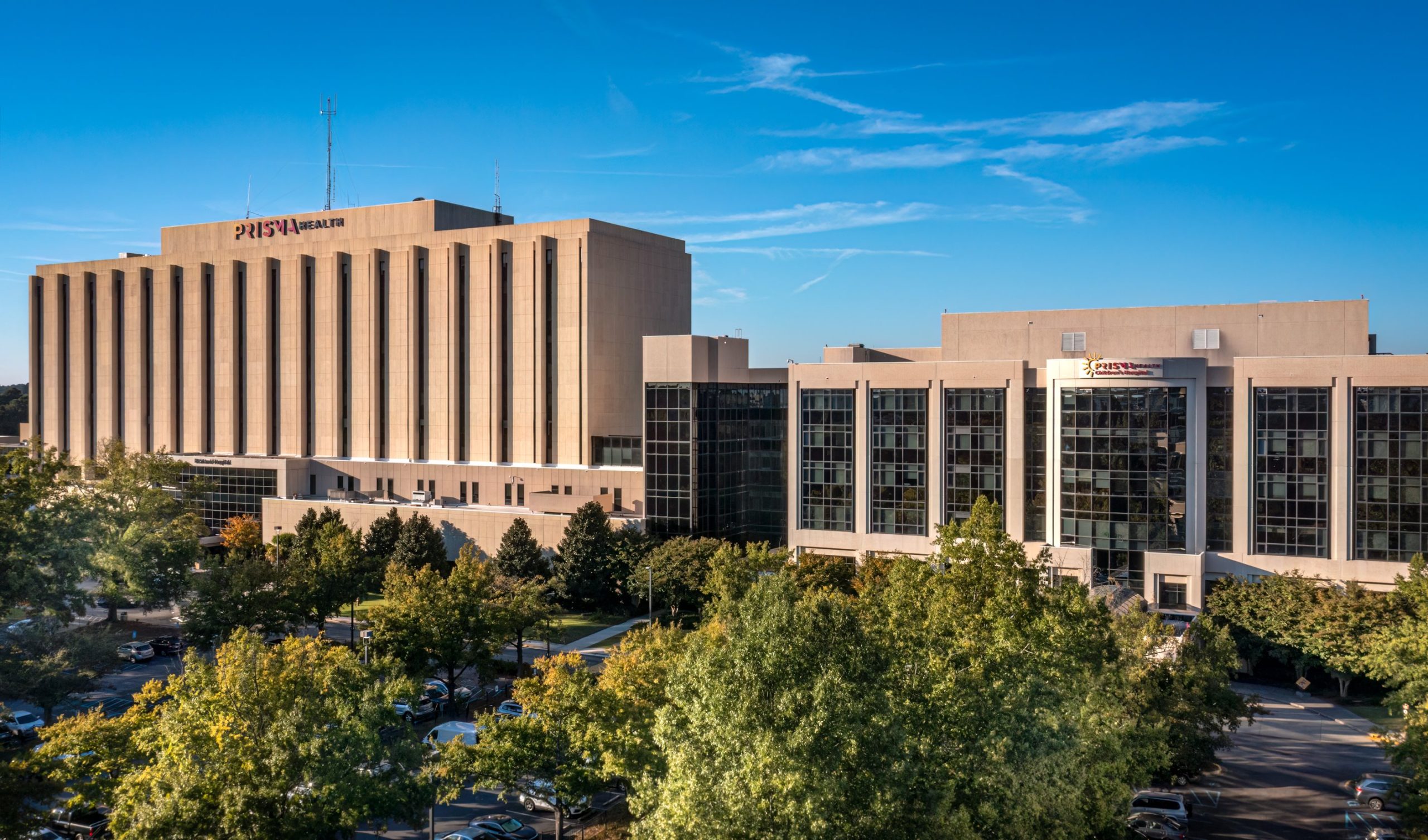
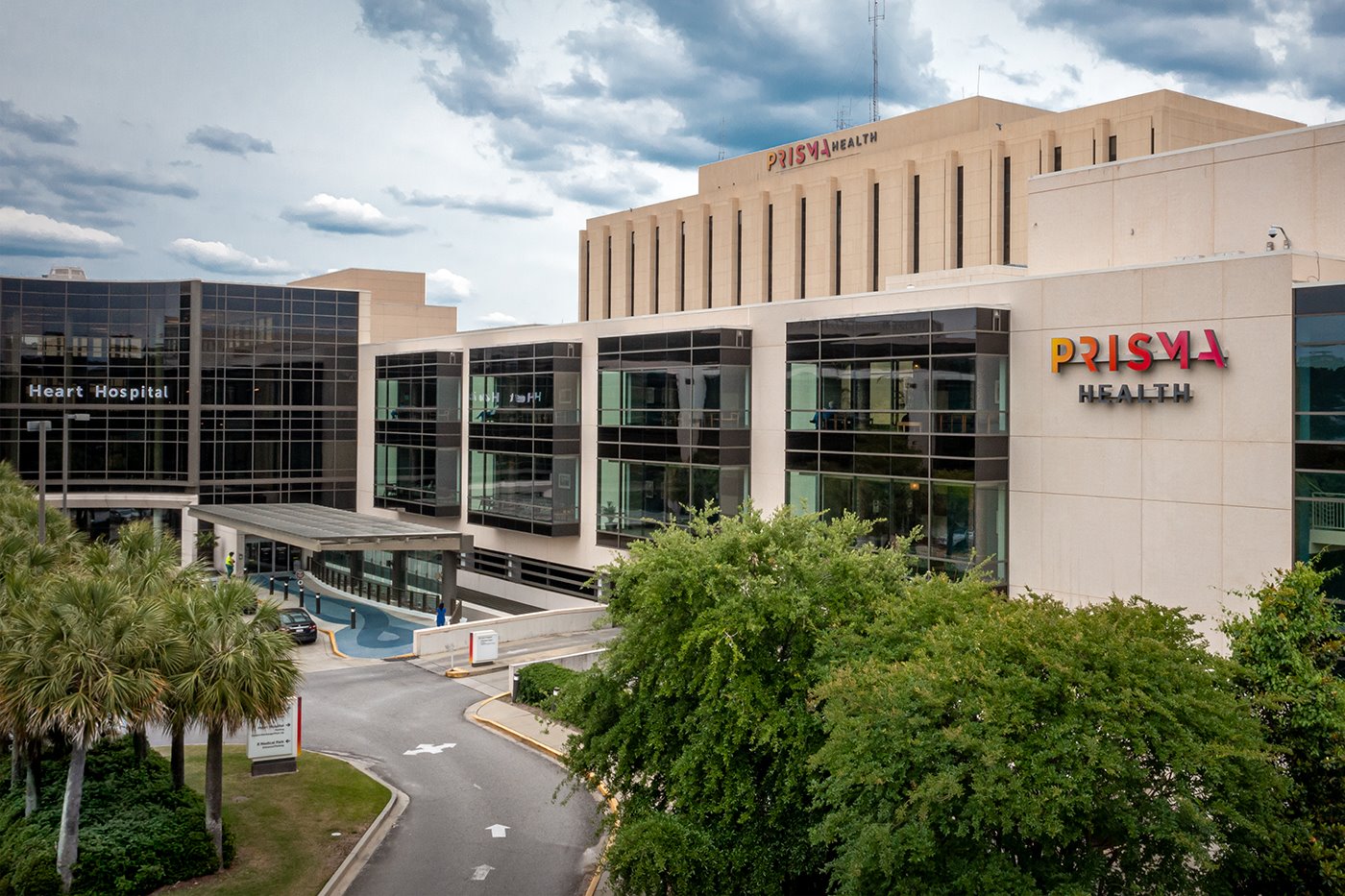
Prisma Health Richland Hospital
Downtown Columbia / 37+ active studies
Cancer, blood disorders, broad hospital research
The flagship Prisma Health hospital in the Midlands. Also, by far the biggest trial operation in the Columbia metro.
Visit Website →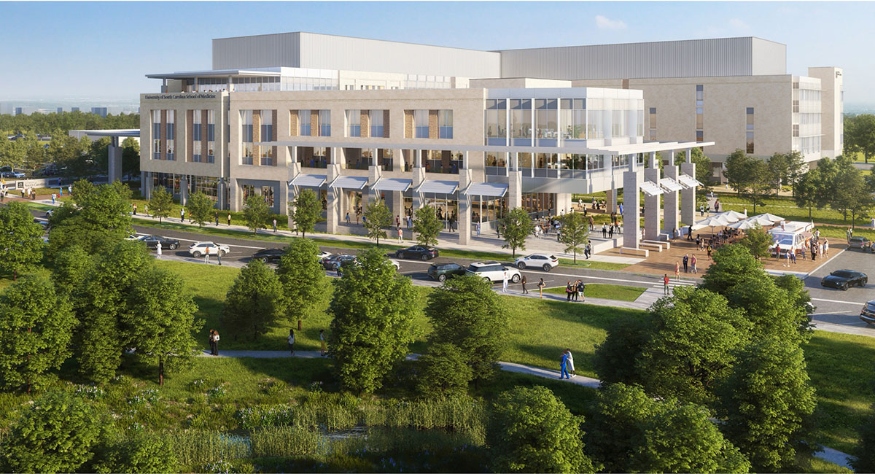
University of South Carolina
Columbia / 27+ active studies
Stroke recovery, physical activity, community health
Notably, a research university that runs federally funded health studies across the Midlands. Specifically, topics range from stroke rehab to disease prevention.
Visit Website →
Bogan Sleep Consultants
Columbia / 7+ active studies
Narcolepsy, sleep disorders
One of the best known private sleep research sites in the Southeast. Also, it has run sleep trials for decades.
Prisma Health Midlands Cardiovascular
Columbia / 4+ active studies
Cardiovascular disease, heart failure
The heart and vessel research arm of Prisma Health in the Midlands. So it is the natural home for cholesterol trials in Columbia.
Visit Website →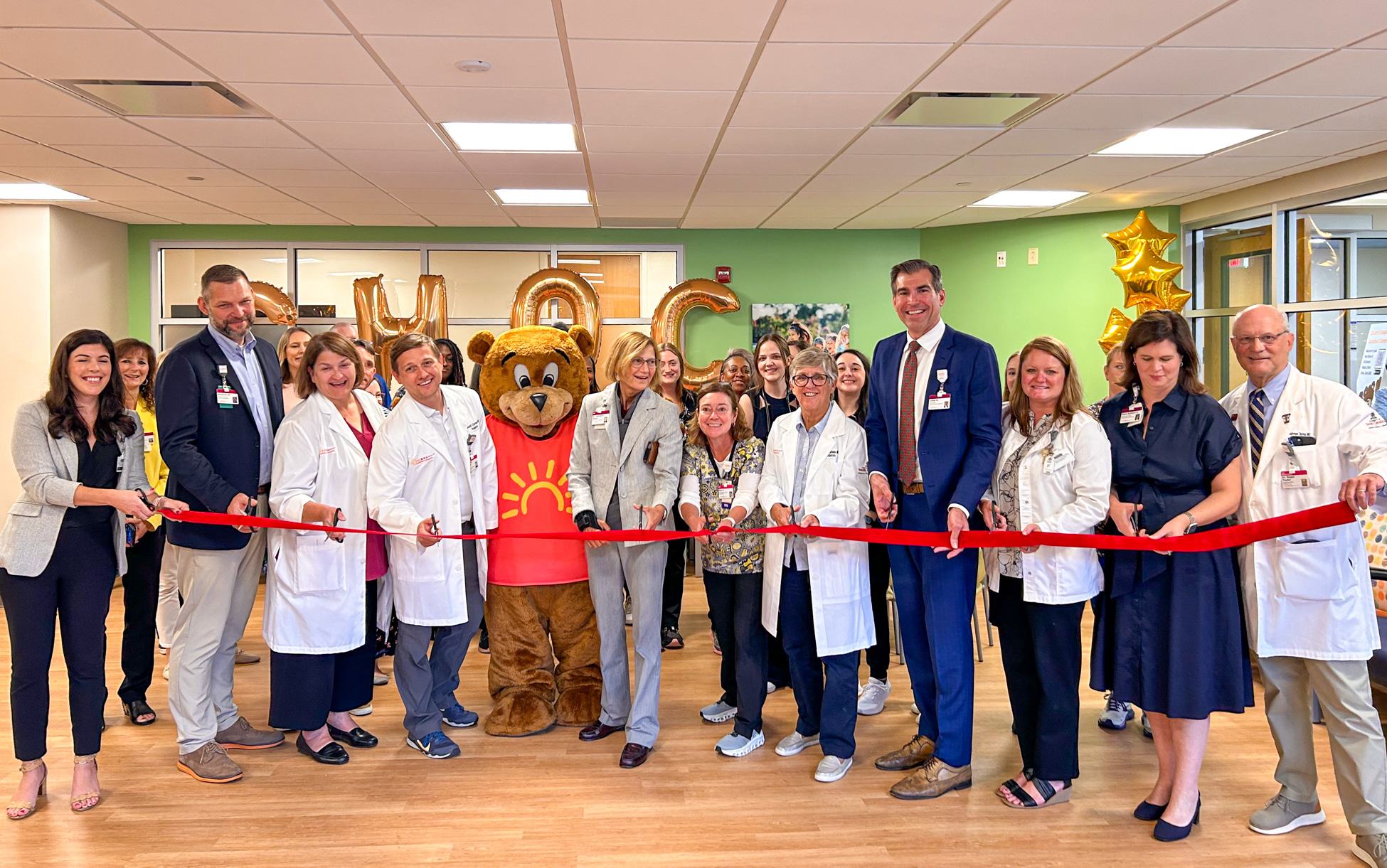
Prisma Health Children’s Hospital, Midlands
Columbia / 4+ active studies
Pediatric growth, cystic fibrosis
Basically, the Midlands hub for children’s research inside the Prisma Health system.
Visit Website →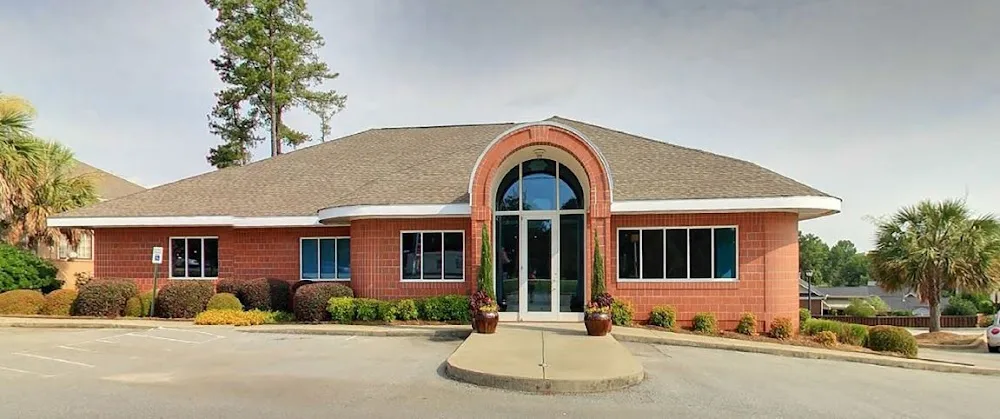
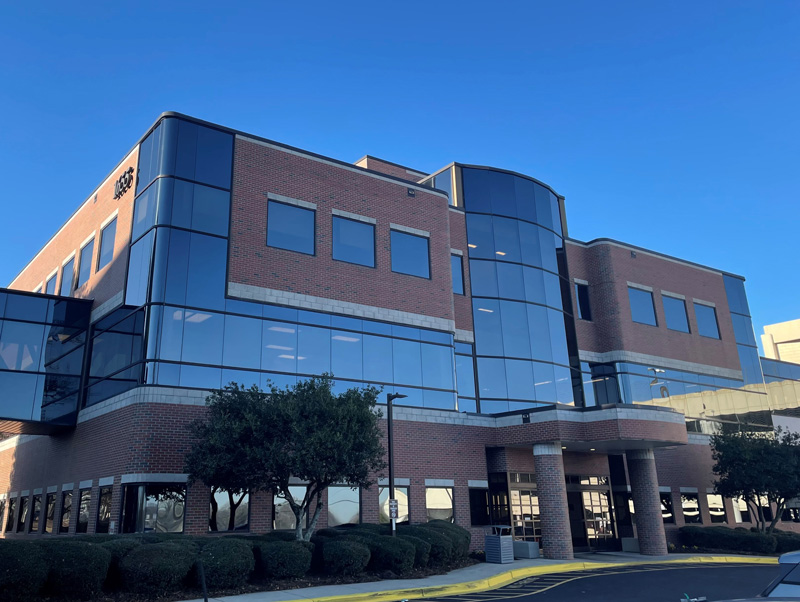
Columbia Dermatology & Aesthetics
Columbia / 4+ active studies
Hidradenitis suppurativa, psoriasis, obesity
A skin care practice with its own research team. It runs both skin and weight studies.
Velocity Clinical Research, Columbia
Columbia / Multiple active studies
COPD, skin conditions, vaccines
Part of one of the biggest research site networks in the country. Besides, it is just the kind of site the huge outcome trials lean on.
Visit Website →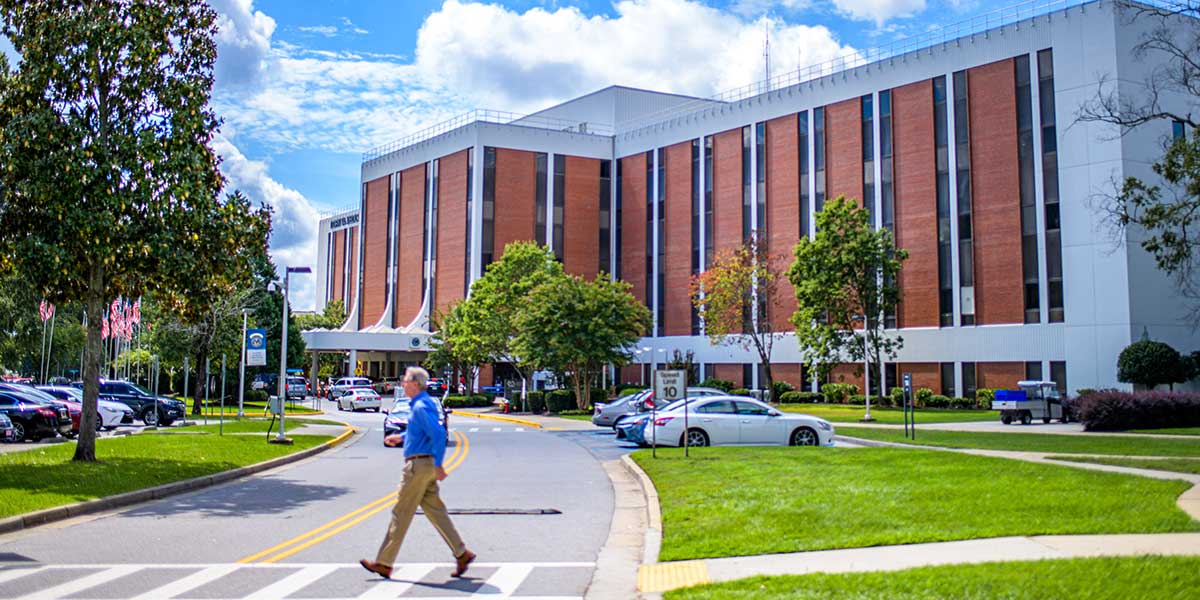
Wm. Jennings Bryan Dorn VA Medical Center
Garners Ferry Road, Columbia / 2+ active studies
Atherosclerosis, liver disease
Columbia’s VA medical center runs studies, including ones on clogged arteries. For veterans, it is often the first door.
Visit Website →
Objective Health, Columbia
Columbia / 2+ active studies
Celiac disease, fatty liver disease
Once called Columbia Digestive Health Research. Now it is part of the Objective Health network. Specifically, it runs gut and liver studies, including fatty liver trials.
Columbia Gastroenterology Associates
Columbia / Active studies
Digestive conditions
A long-running gut health practice. Also, it takes part in digestive trials around Columbia.
What to Expect in a Tendon or Joint Study
New to studies? Here is how one works, step by step.
01
Prescreening
First comes a short phone call or online form. Also, it takes about 10 to 15 minutes. The staff check whether you might fit. Then they tell you what is open.
02
Screening Visit
Next the clinic runs the tests that decide it, which usually means blood work. Also, they go through the consent form line by line, and you can bring somebody with you.
03
Treatment Period
Then the study begins. So you take the study drug or the placebo on the agreed schedule. Meanwhile, your own doctor keeps managing everything else.
04
Follow-Up
Finally, there is a check in period at the end. Also, your own doctor gets the results, and you can stop at any point without affecting your care.
Tendon and Sports Injury FAQs
Real answers about tendon and sports injury studies near Columbia SC.
Is there a study for this near Columbia?
Yes, one, and it is the only open tendon study in either of our metros. It runs inside Columbia for a painful Achilles, and everyone in it gets the full standard therapy programme. The only difference between the groups is whether needling is added, so there is no sham. However, nothing is open here for a rotator cuff, a knee ligament or a cartilage tear.
Is it tendinitis or tendon pain?
The old word ended in itis, meaning inflammation, and that turned out to be largely wrong. What is actually happening is faulty repair in the tendon fibres. So complete rest and anti inflammatory drugs often disappoint, which confuses people. In fact, loading the tendon in a controlled way has the best evidence behind it.
Why does it matter exactly where it hurts?
Because a tendon that hurts in the middle is a different problem from one that hurts where it attaches to bone. So the study open at Columbia takes the middle of the Achilles and excludes the heel bone end. Meanwhile, the same split exists at the elbow, knee and hip. Notably, pointing at the exact spot is the most useful thing you can do at an appointment.
How long should exercise take to work?
Months rather than weeks, and it usually hurts a little while you do it. So slow, heavy, controlled loading is the actual treatment rather than general advice. Meanwhile, twelve weeks is about when people can judge it fairly. Also, stopping at week three because it still hurts is the commonest mistake.
What score should I ask for?
For an Achilles it is the VISA-A score, and for a shoulder it is often the Constant score. So having a number gives you something to compare against in three months. Also, studies gate on these, so knowing yours can save a screening visit. Generally, any therapist can score them.
I had an injection. Does that stop me joining a study?
Often yes, for a while. The Achilles study at Columbia excludes any treatment at all in the previous six months, which is oddly strict. So ask about the waiting period before booking anything else. Meanwhile, this is the single most avoidable reason people are turned away.
Why do injury claims come up?
An open injury claim or a workers compensation case is a written exclusion on several studies here. That is not a judgement about anyone. It exists because those situations change recovery in ways that muddy the results. So mention it on the first call rather than at screening.
Will I get a fake surgery?
No. Surgery studies almost never use one. The comparison is normally between two real techniques, or between two real implants. So nobody is left unfixed and nobody is denied treatment. However, you do not choose which one you get, so be comfortable with either before consenting.
Does it cost anything to check?
No. There is no cost, and no insurance is needed. Tether is a nonprofit list, so we do not run studies and we are not paid to send you anywhere. Also, checking never enrolls anyone in anything. You would always call the clinic yourself.
Where can I get help near Columbia?
Prisma Health and Lexington Medical Center both run sports medicine and physical therapy services across the Midlands. Also, ask for a VISA-A score if it is your Achilles. Generally, a therapist is the right first stop for a tendon. Meanwhile, ask about the waiting period before booking any injection.
Ready to Explore a Study?
Check your eligibility, or just reach out to our Columbia team. No pressure. Also, no sales pitch.
← Back to All Clinical TrialsSources
- A stemless shoulder replacement study, in Charlotte, ClinicalTrials.gov NCT06323980
- An elbow replacement tracking study, in Charlotte, ClinicalTrials.gov NCT02469662
- Needling added to real therapy for a painful Achilles, at Columbia, ClinicalTrials.gov NCT03968614
- A patch to reinforce a cuff repair, at Winston Salem, ClinicalTrials.gov NCT06918041
- A meniscal repair study whose Charlotte site is closed to new people, ClinicalTrials.gov NCT04228367
Study details and per-site recruiting status verified against ClinicalTrials.gov on August 17, 2026. Across both metros there is exactly one open study for a tendon problem, and nothing at all for tennis elbow, plantar fasciitis, patellar or gluteal tendon pain, primary cuff repair, cruciate ligament reconstruction, meniscal repair or labral repair. That gap is stated rather than filled. One meniscal repair study reads as open at the headline while its Charlotte site row is closed to new people, so it is not listed as an option. One study listed here has a completion date in 2026, so it is in its final months. Study availability and criteria change; the research clinic confirms everything before you enroll.