
COLUMBIA, SC
Gout Clinical Trials
One study open at Columbia SC lists gout by name, and it is a walking programme rather than a medicine. However, no gout tablet study is open in the Midlands, and the nearest are about ninety miles away. Compensation is provided for eligible participants.
1
Open in the Midlands
0
Gout Tablet Studies Here
+/- $100
Per Visit
New here? Read how this page works
First, here is the honest picture. One study here lists gout, and it is non drug. So here is how to use this page.
- Ask for your urate number. Because under 6 is the target, and under 5 if you have lumps.
- Ask whether your allopurinol was ever raised. Notably, the tablet studies further afield need 300 milligrams a day or more.
- If attacks are your problem, register before the next one. In fact, the attack study needs you within 96 hours of it starting, which is far too tight to arrange from scratch.
- Finally, tap the button. Then we check you against every study we track and tell you which ones fit.
Of course, checking never signs you up for anything. You are only seeing where you might fit.
Studies Open Near Columbia Right Now
One, at the university, and it is a walking programme with no dummy group. The nearest tablet studies are a drive.
Open here, and it names gout directly
It is a walking programme rather than a medicine, and it has no dummy group. Notably, there is no urate level to pass and no blood gate at all.

A Walking Study That Names Gout Directly
University of South Carolina and CDC / Non drug study
Gout is one of the conditions this study lists by name, alongside arthritis and lupus. Everyone gets a real six month walking programme with a Fitbit and a monthly coaching call. Only your weekly goal is decided at random, at 45, 90 or 150 minutes. So there is no dummy group and no inactive group anywhere in it. The site is at the university, inside Columbia.
Payment is not published.
Check eligibility →More details
Why researchers are excited: gout damages joints over years, and staying active is one of the few things that protects them. Meanwhile, nobody has settled how much activity is actually enough.
Who this study is looking for
- Gout diagnosed by a doctor
- Also, doing under 45 minutes a week of moderate activity now
- Besides that, able to read and write in English
- Finally, aged 18 or over, with no upper limit
Probably not a fit if: being fairly active already rules you out. That is measured with a monitor rather than taken on your word. Also, blood pressure over 160 or over 100, and no phone that pairs with a Fitbit.
- Placebo group: None at all. All three groups walk, and only the weekly goal differs.
- How long: Six months of the programme, then checks at six and twelve months.
- Clinic visits: About 3 or 4 in person, at the start, at six months and at twelve months.
- Phone calls: One coaching call a month for six months, plus extra contact if you fall behind.
- Most invasive part: Nothing invasive at all. So you wear a monitor, walk, do a timed walk test and fill in forms.
- Setting: Outpatient.
- Where it runs: University of South Carolina, Columbia SC 29208.
- Drive from Columbia: The site is at the university, inside Columbia.
- No urate level is needed. There is no blood gate here at all, which is unusual, so a well controlled gout patient can still join.
- Full study record: View on ClinicalTrials.gov →
The nearest studies with an actual gout drug
One treats an attack that has already started, within 96 hours. The other could take the drip out of the last resort treatment.

For an Attack That Started in the Last Four Days
Olatec / Late stage tablet
This one treats a flare while it is happening, rather than preventing the next one. You have to start within 96 hours of the attack beginning, so it is a phone call you make fast. The odds are two in three of the real drug rather than the dummy, which is better than most. The whole thing is over in about five weeks. The site is at Summerville.
Payment is not published.
Get on the list →More details
Why researchers are excited: a flare stops you walking, and the current options are steroids or anti inflammatory drugs that many people cannot take. Meanwhile, two in three odds is oddly good for a placebo controlled study.
Who this study is looking for
- A gout flare that began within the last 96 hours
- Also, A confirmed gout diagnosis
- Besides that, fewer than four joints involved
- Finally, aged 18 or over
Probably not a fit if: visible or feelable lumps rule you out. So tophaceous gout goes to a different study. Also, known chronic kidney disease, and four or more joints flaring at once.
- Placebo group: Yes, but the split is two to one in favour of the real drug.
- How long: About five weeks, with the main measure at 72 hours.
- Clinic visits: Four in person, at the start and on days 4, 8 and 15, with safety followed to day 36.
- Phone calls: None published.
- Most invasive part: Tablets and blood tests. So there is nothing invasive in it.
- Setting: Outpatient.
- Where it runs: Lowcountry Rheumatology, Summerville SC 29486.
- Drive from Columbia: Summerville is about 95 miles south east, so roughly an hour and thirty five minutes.
- Call before the flare, not during it. The 96 hour window is far too tight to start looking things up on the day. So register now and have the number ready.
- Full study record: View on ClinicalTrials.gov →

A Shot Instead of a Two Hour Drip
Amgen / Late stage
Pegloticase is the last resort drug, an enzyme that shreds urate when tablets have failed. Today it means a two hour drip every fortnight. This asks whether a shot under the skin works just as well. Both groups get the real drug at full dose, so there is no dummy arm.
Payment is not published.
Get on the list →More details
Why researchers are excited: if the shot works, this treatment escapes the infusion suite. Meanwhile, no group here goes without the drug.
Who this study is looking for
- Gout that has not been controlled by tablets
- Also, able to take colchicine or an anti inflammatory for flare cover
- Besides that, able to take methotrexate alongside it
- Finally, willing to attend every two weeks for the full study
- Also, aged 18 or over
Probably not a fit if: a G6PD deficiency rules you out, and it is tested at screening. That is more common in people of African, Mediterranean and South Asian background. Also, kidney function below 40, an HbA1c over 8, and any previous course of this drug.
- Placebo group: None. Both groups get the real drug at full dose, and only the route is random.
- How long: About eleven months, with the main measure at month six.
- Clinic visits: Roughly 26 to 30 in person, since dosing is fortnightly and month six needs five weekly blood tests.
- Phone calls: None published.
- Most invasive part: A drip or a shot every fortnight, plus weekly methotrexate at home. Also, you will be watched after dosing.
- Setting: Outpatient.
- Where it runs: Low Country Rheumatology, Summerville SC 29486.
- Drive from Columbia: Summerville is about 95 miles south east, so roughly an hour and thirty five minutes.
- Count the trips honestly. Every two weeks for eleven months is the real commitment, and it is why people drop out.
- Full study record: View on ClinicalTrials.gov →
Not sure which one fits you?
First, answer a few quick health questions. Then we keep them on file. Finally, we tell you which studies near Columbia you may fit. No account, no paperwork.
See if I may fit one of these studies →What Is Actually Changing in Gout Care
Two new drug routes at once, after a decade in which allopurinol was more or less the whole conversation.
It Is a Plumbing Problem, Not a Food Problem
About nine in ten people with high urate do not get rid of enough of it through the kidneys. So diet moves your number by a fraction, and the right tablet moves it by two or three. Meanwhile, being told to cut out red meat and beer and nothing else is undertreatment. Notably, that advice has cost a lot of people a lot of joints.
Ask for Your Urate Level in Milligrams
The target is under 6, and under 5 if you have visible lumps. So ask for the number rather than being told it was fine. In fact, one study on this page uses 6 as the target and another uses 5, for exactly that reason. Also, if nobody has told you your number, nobody is treating you to target.
One Hundred Milligrams Is a Starting Dose
Every late stage study on this page requires 300 milligrams a day or more to count as treated. So a great many people sit on 100 for years, keep flaring, and are told the drug does not work for them. Meanwhile, the honest question to ask is whether your dose was ever pushed to target. Generally, it can go to 600.
Flares Get Worse When Treatment Starts
Dissolving old crystals stirs them up, so the first months on a new tablet are often rougher. That is the drug working rather than failing. So every study here insists on flare cover with colchicine, an anti inflammatory or a low steroid dose. In fact, stopping allopurinol because you flared is the commonest self inflicted setback in gout.
There Are Two Different Drug Classes
One class stops your body making urate, and that is allopurinol and febuxostat. The other makes your kidneys excrete more of it, and that is the newer tablet being tested here. So if one class failed or you could not tolerate it, ask about the other by name. Notably, most people have never been told a second class exists.
The Lumps Are Not Permanent
Tophi can dissolve if urate is held low enough for long enough. So ask to have yours measured in millimetres and written down. Meanwhile, one study here takes lumps between 5 and 30 millimetres and measures whether they shrink. Also, that measurement is something your own clinic can do today.
Your Urate Can Read Normal During an Attack
Levels often drop at the peak of a flare, which is exactly when people get tested. So one normal reading in an emergency room does not rule gout out. In fact, that is why studies insist on two separate screening measurements. Notably, the gold standard is crystals seen under a microscope, or urate seen on a scan.
Kidneys Decide Which Study You Fit
The newer tablets push urate through the kidney, so a stone in the last year rules you out of all three. The drip treatment needs kidney function above 40. So ask for your kidney number and whether you have ever had a stone. Meanwhile, those two facts route you to completely different studies.
Where Things Actually Stand Locally
Four studies are open around Charlotte, which makes it one of the busier gout metros anywhere. Three of the four have no dummy group in the usual sense, because the comparison is a real drug. However, the Midlands has only the walking study, and the nearest gout tablet study is about ninety miles away. Notably, a state level search would have found only half of the Charlotte ones.
Gout Help Near You
Ask for your urate number and your kidney function, because those two decide almost everything. Also, ask whether your allopurinol dose has ever been raised to target. Finally, if you have lumps, ask to have them measured and written down. Meanwhile, join the list and we will call you when something new opens here.
Research Sites Near Columbia
The open study runs at the university here in Columbia, while the nearest gout drug sites sit at Summerville and North Charleston. But sites add new studies all the time.
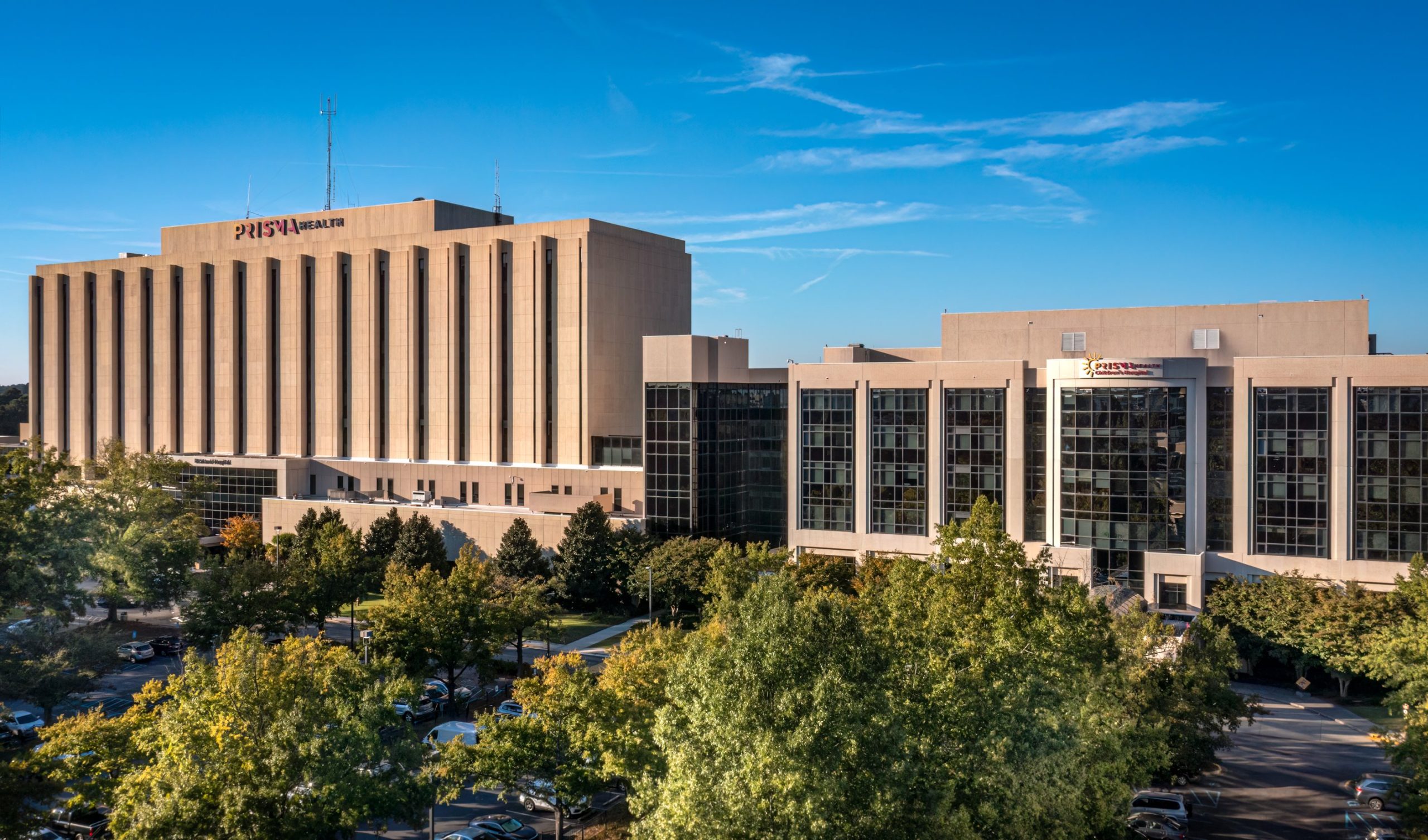
Prisma Health Richland Hospital
Downtown Columbia / 37+ active studies
Cancer, blood disorders, broad hospital research
The flagship Prisma Health hospital in the Midlands. Also, by far the biggest trial operation in the Columbia metro.
Visit Website →
University of South Carolina
Columbia / 27+ active studies
Stroke recovery, physical activity, community health
Notably, a research university that runs federally funded health studies across the Midlands. Specifically, topics range from stroke rehab to disease prevention.
Visit Website →
Bogan Sleep Consultants
Columbia / 7+ active studies
Narcolepsy, sleep disorders
One of the best known private sleep research sites in the Southeast. Also, it has run sleep trials for decades.
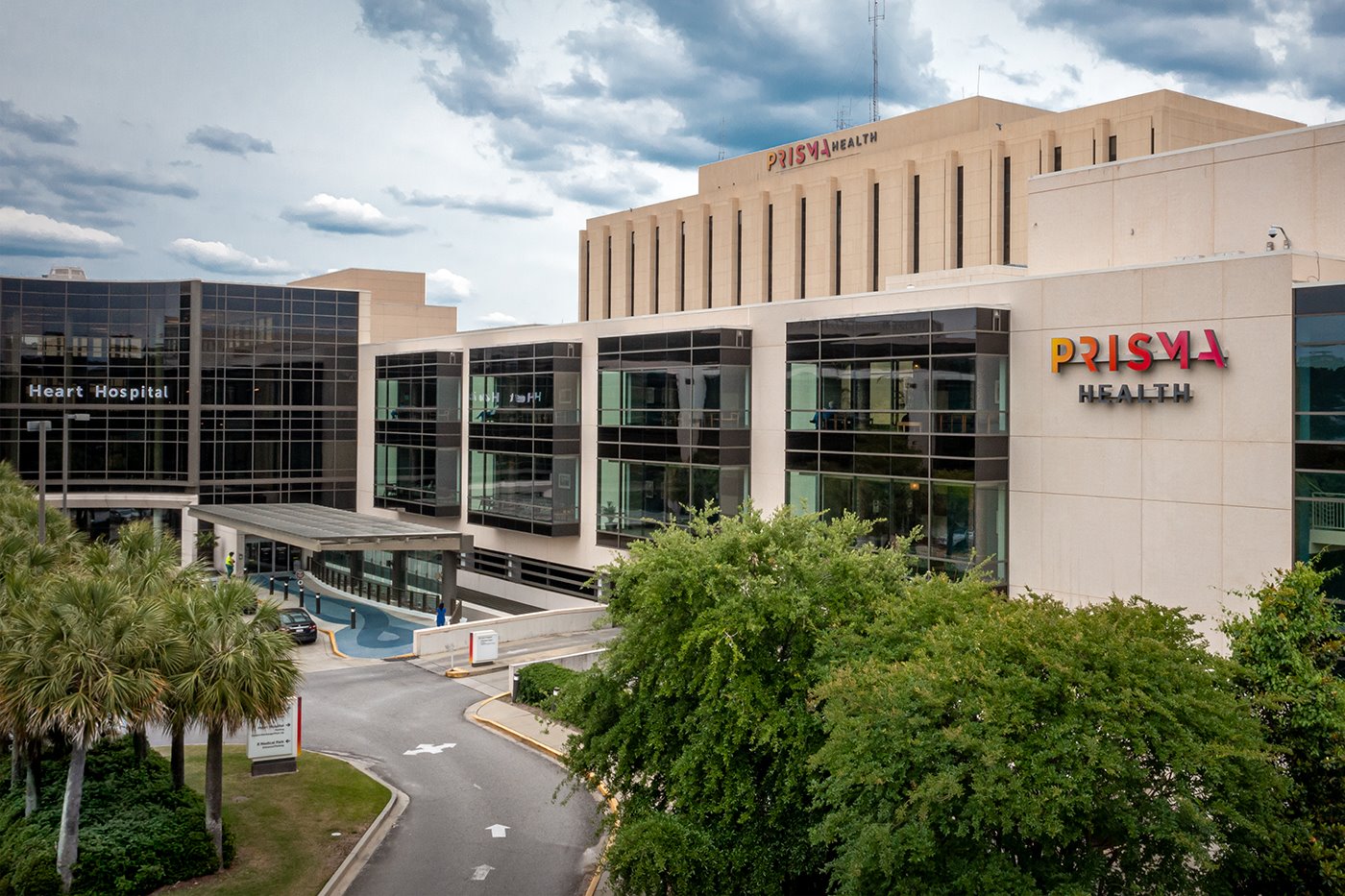
Prisma Health Midlands Cardiovascular
Columbia / 4+ active studies
Cardiovascular disease, heart failure
The heart and vessel research arm of Prisma Health in the Midlands. So it is the natural home for cholesterol trials in Columbia.
Visit Website →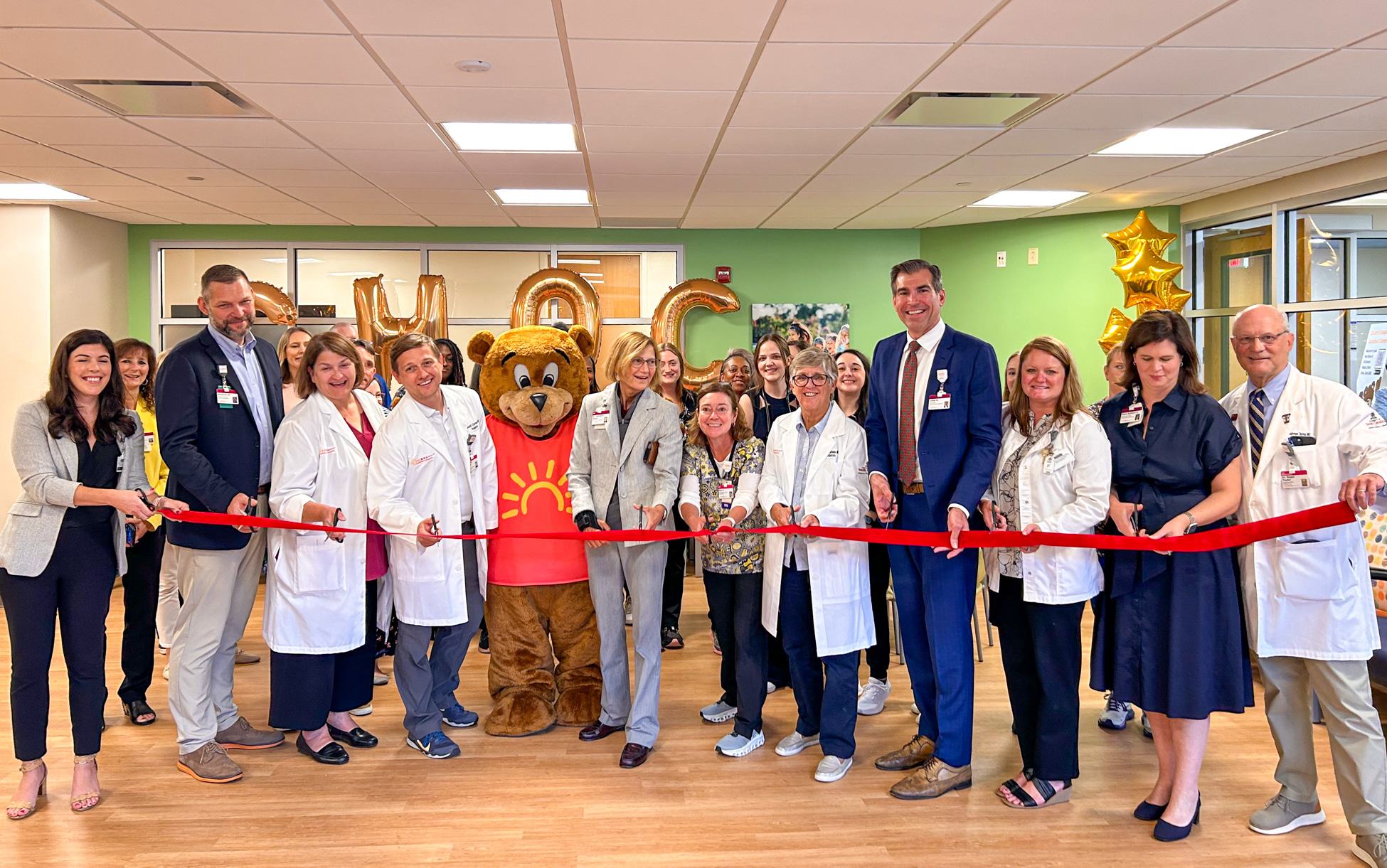
Prisma Health Children’s Hospital, Midlands
Columbia / 4+ active studies
Pediatric growth, cystic fibrosis
Basically, the Midlands hub for children’s research inside the Prisma Health system.
Visit Website →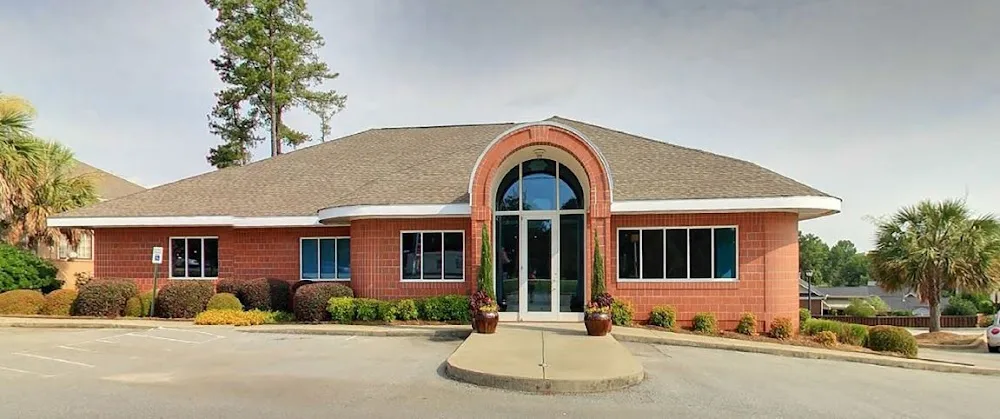
Columbia Dermatology & Aesthetics
Columbia / 4+ active studies
Hidradenitis suppurativa, psoriasis, obesity
A skin care practice with its own research team. It runs both skin and weight studies.
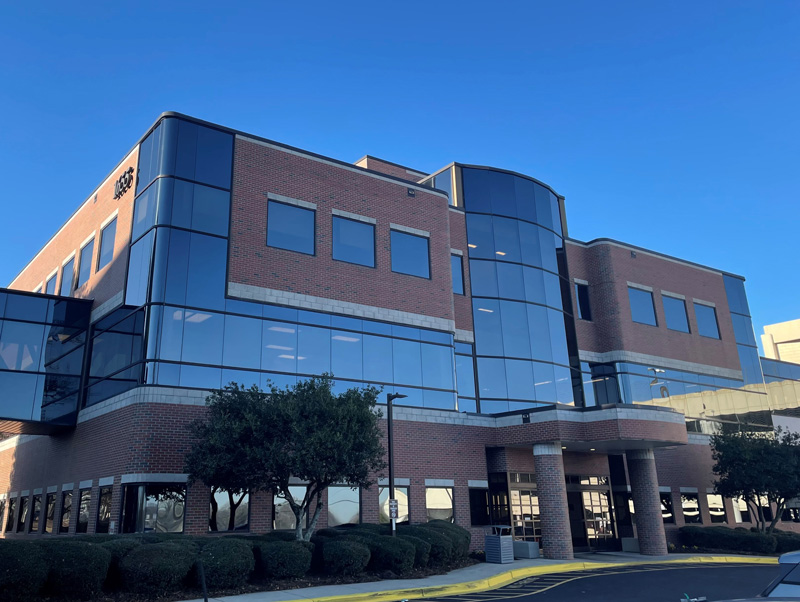
Velocity Clinical Research, Columbia
Columbia / Multiple active studies
COPD, skin conditions, vaccines
Part of one of the biggest research site networks in the country. Besides, it is just the kind of site the huge outcome trials lean on.
Visit Website →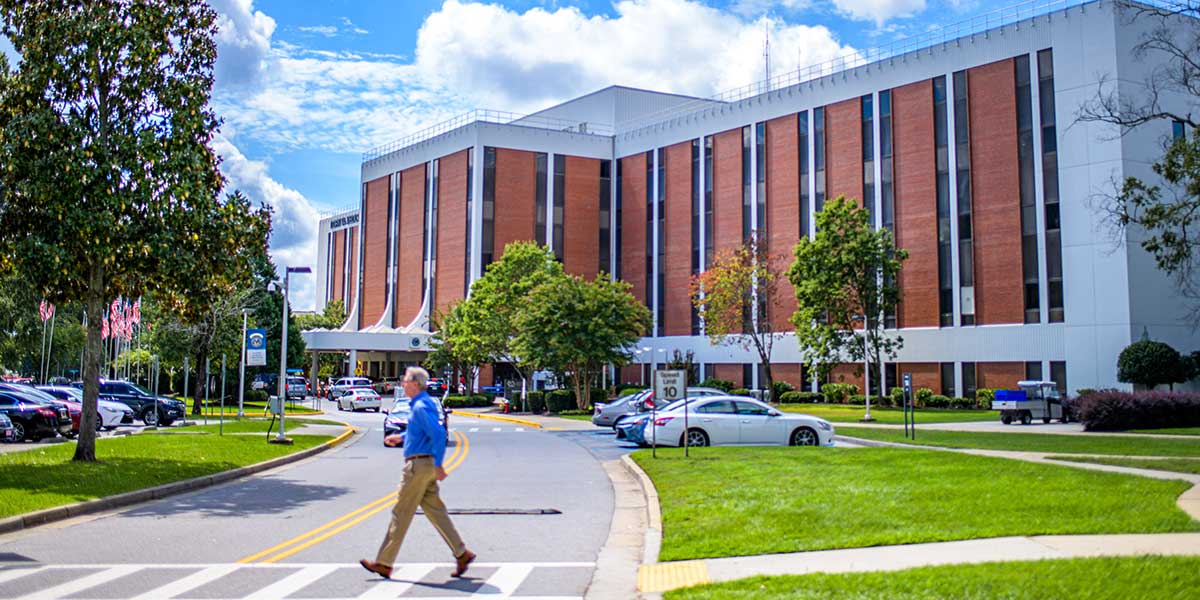
Wm. Jennings Bryan Dorn VA Medical Center
Garners Ferry Road, Columbia / 2+ active studies
Atherosclerosis, liver disease
Columbia’s VA medical center runs studies, including ones on clogged arteries. For veterans, it is often the first door.
Visit Website →
Objective Health, Columbia
Columbia / 2+ active studies
Celiac disease, fatty liver disease
Once called Columbia Digestive Health Research. Now it is part of the Objective Health network. Specifically, it runs gut and liver studies, including fatty liver trials.

Columbia Gastroenterology Associates
Columbia / Active studies
Digestive conditions
A long-running gut health practice. Also, it takes part in digestive trials around Columbia.
What to Expect in a Gout Study
New to studies? Here is how one works, step by step.
01
Prescreening
First comes a short phone call or online form. Also, it takes about 10 to 15 minutes. The staff check whether you might fit. Then they tell you what is open.
02
Screening Visit
Next the clinic runs the tests that decide it, which usually means blood work. Also, they go through the consent form line by line, and you can bring somebody with you.
03
Treatment Period
Then the study begins. So you take the study drug or the placebo on the agreed schedule. Meanwhile, your own doctor keeps managing everything else.
04
Follow-Up
Finally, there is a check in period at the end. Also, your own doctor gets the results, and you can stop at any point without affecting your care.
Gout Trial FAQs
Real answers about gout studies near Columbia SC.
Is there a study for this near Columbia?
One, and it lists gout by name. It runs at the university and it is a six month walking programme with a Fitbit and monthly coaching, with no dummy group and no blood test to pass. However, no gout tablet study is open in this metro. Notably, the nearest are at Summerville about ninety five miles away, and Charlotte is a similar drive north.
Is gout caused by what I eat?
Far less than people are told. About nine in ten people with high urate simply do not clear enough of it through the kidneys. So diet moves your number by a fraction, while the right tablet moves it by two or three. Meanwhile, being told to cut out red meat and beer and nothing else is undertreatment. Notably, that advice has cost a great many people a great many joints.
What number should I ask for?
Your serum urate, in milligrams per decilitre. The target is under 6, and under 5 if you have visible lumps. So if nobody has told you your number, nobody is treating you to target. In fact, one study on this page uses 6 as its target and another uses 5, for exactly that reason.
I take allopurinol and still get attacks. Why?
Very often because the dose was never raised. Every late stage study here requires 300 milligrams a day or more to count as treated, and it can go to 600. So a great many people sit on 100 for years and are told the drug does not work for them. Meanwhile, the honest question is whether your dose has ever been pushed to target.
Why did I flare when I started treatment?
Because dissolving old crystals stirs them up, and that is the drug working rather than failing. So every study here insists on flare cover with colchicine, an anti inflammatory or a low steroid dose. Notably, stopping allopurinol because you flared is the commonest self inflicted setback in gout. Generally, the rough patch settles.
Is there more than one kind of gout tablet?
Yes, and most people have never been told. One class stops your body making urate, which is allopurinol and febuxostat. The other makes your kidneys get rid of more of it, and that is the newer class being tested here. So if one class failed or you could not tolerate it, ask about the other by name.
Can the lumps go away?
Yes. Tophi are not permanent, and they dissolve if urate is held low enough for long enough. So ask to have yours measured in millimetres and written down. Meanwhile, one study here takes lumps between 5 and 30 millimetres and measures whether they shrink. Also, that measurement takes a minute at your own clinic.
My urate was normal during an attack. Does that rule gout out?
No, and this catches people out constantly. Levels often fall at the peak of a flare, which is exactly when people get tested. So one normal reading in an emergency room proves nothing. In fact, that is why studies insist on two separate screening measurements weeks apart.
Does it cost anything to check?
No. There is no cost, and no insurance is needed. Tether is a nonprofit list, so we do not run studies and we are not paid to send you anywhere. Also, checking never enrolls anyone in anything. You would always call the clinic yourself.
Where can I get help near Columbia?
Prisma Health and Lexington Medical Center both run rheumatology services across the Midlands. Also, ask your own doctor for your urate number and whether your dose has ever been raised to target. Generally, a rheumatology referral is the right route if attacks keep coming. Meanwhile, ask about flare cover before starting or changing any urate lowering tablet.
Ready to Explore a Study?
Check your eligibility, or just reach out to our Columbia team. No pressure. Also, no sales pitch.
← Back to All Clinical TrialsSources
- A new tablet against real allopurinol, at Charlotte and Shelby, ClinicalTrials.gov NCT07089875
- The same tablet measured against the lumps, ClinicalTrials.gov NCT07089888
- A shot instead of a drip, at six sites around Charlotte, ClinicalTrials.gov NCT07388498
- For people the usual tablets have failed, at Shelby, ClinicalTrials.gov NCT07535034
- DREAM, a walking study at Columbia that names gout, ClinicalTrials.gov NCT06880653
- A tablet for an attack in progress, at Summerville, ClinicalTrials.gov NCT05658575
Study details and per-site recruiting status verified against ClinicalTrials.gov on August 17, 2026. A state level search for this condition in North Carolina returned two studies; the true Charlotte metro answer is four, and the two missing ones were found only by sweeping individual towns. Two of the studies listed here carry nine and ten withdrawn site rows respectively under a recruiting headline, though none of those withdrawn rows is in the Carolinas. One nearby study lists a site at Denver, which in this case is Denver North Carolina in Lincoln County rather than Denver Colorado; three other gout studies match the Colorado one. Study availability and criteria change; the research clinic confirms everything before you enroll.