
COLUMBIA, SC
Surgery Pain Clinical Trials
No post surgical pain study is enrolling in the Columbia SC metro, and we would rather say so plainly. However, two run within about two hours, at Greenville and at Charleston. Compensation is provided for eligible participants once one opens here.
0
Open in the Midlands
2
Within Two Hours
+/- $100
Per Visit
New here? Read how this page works
First, here is the honest picture. Nothing is open in the Midlands, and both nearby options only fit if you are already booked for a particular surgery. So here is how to use this page.
- Ask what you are going home with, before the surgery. Because that conversation is far easier when you are not sore, and the number matters more than the name.
- Ask when your nerve block wears off. Notably, it fades suddenly rather than gradually, so start your tablets before it does.
- If a study interests you, raise it at the planning visit. In fact, both nearby options have to be arranged before the surgery rather than on the day.
- Finally, tap the button. Then we keep your details on file and call you when a study opens near you.
Of course, checking never signs you up for anything. You are only seeing where you might fit.
The Nearest Studies to Columbia
Two, both attached to a surgery you would already be having. So neither asks much of you beyond the surgery itself.
The nearest two, and both attach to surgery you are already having
Neither adds visits or procedures of its own. One is a single capsule before keyhole surgery and the other is a single dose given during a joint replacement.

One Capsule Before a Keyhole Surgery
Prisma Health / Approved drug study
Keyhole surgery uses gas to inflate the abdomen, and that gas irritates a nerve under the diaphragm. The result is a strange, sharp pain in the shoulder tip afterwards, which surprises people. This gives one capsule before a keyhole hysterectomy to see whether it blunts that pain. Half the group gets a dummy capsule instead. The site is at Greenville.
Payment is not published.
Get on the list →More details
Why researchers are excited: shoulder tip pain after keyhole surgery is common, poorly explained and rarely treated. Meanwhile, a single capsule before the surgery is about as light as a study gets.
Who this study is looking for
- Booked for a keyhole hysterectomy
- Also, female, aged 21 to 65
- Besides that, able to score your pain in the first day afterwards
- Finally, not already on regular strong painkillers
Probably not a fit if: regular or long term opioid use rules you out. Also, fibromyalgia, glaucoma, a sulfa allergy and poor kidney results. Notably, those last three are about the capsule rather than the surgery.
- Placebo group: Yes. Half the group gets a dummy capsule before the surgery.
- How long: One dose, then pain scored across the first 24 hours.
- Clinic visits: Effectively none beyond the hospital stay you were already having.
- Phone calls: None published.
- Most invasive part: Nothing beyond your surgery. So the study adds one capsule and some pain scores.
- Setting: Outpatient.
- Where it runs: Prisma Health, Greenville SC 29605.
- Drive from Columbia: Greenville is about 100 miles north west, so roughly an hour and forty minutes on I-26.
- This has to be arranged before the surgery. So raise it at the planning appointment rather than on the day.
- Full study record: View on ClinicalTrials.gov →

For a Hip or Knee Replacement You Are Already Having
MUSC / Late stage approved drug
Two matching studies run side by side, one for hips and one for knees. Both add a single dose of a long acting painkiller to the usual anaesthetic plan. The aim is less pain and fewer tablets in the days after, without a longer stay. Half the group gets a dummy instead, and neither you nor the team knows which. Both run at Charleston.
Payment is not published.
Get on the list →More details
Why researchers are excited: the first three days after a joint replacement set the tone for the whole recovery. Meanwhile, a single dose given during the surgery asks nothing extra of you afterwards.
Who this study is looking for
- Booked for a hip replacement, or for a knee replacement
- Also, aged 18 or over
- Besides that, fit for the standard anaesthetic
- Finally, willing to record your pain in the days afterwards
Probably not a fit if: regular opioid use beforehand usually rules you out. So does sleep apnoea in many protocols of this kind. Notably, the exact list is not fully published, so ask the site.
- Placebo group: Yes. It is one dose against a dummy dose during the surgery.
- How long: The surgery, then the days afterwards.
- Clinic visits: Effectively none beyond the admission you were already having.
- Phone calls: None published.
- Most invasive part: Nothing beyond the joint replacement itself. So the study adds a single dose given while you are asleep.
- Setting: Outpatient.
- Where it runs: Medical University of South Carolina, Charleston SC.
- Drive from Columbia: Charleston is about 110 miles south east, so roughly an hour and fifty minutes on I-26.
- Check which of the two you fit. One takes hips and the other takes knees, and they are separate studies with separate paperwork.
- Full study record: View on ClinicalTrials.gov →
Not sure which one fits you?
First, answer a few quick health questions. Then we keep them on file. Finally, we call you when a study opens near Columbia. No account, no paperwork.
See if I may fit one of these studies →What Is Actually Changing in Pain After Surgery
The whole field is trying to answer one question: how do you control pain without sending everyone home on opioids.
Ask What You Will Go Home With
The plan for the first week matters more than the plan for the first hour. So ask before the surgery, not at discharge. Meanwhile, that conversation is far easier to have when you are not sore and rushed. Notably, it is the single most useful question on this page.
Scheduled Beats As Needed
Paracetamol and an anti inflammatory work much better taken on the clock for the first few days. So waiting until it hurts means chasing pain rather than staying ahead of it. In fact, that timing difference is bigger than most people expect. Also, it is free advice that costs nothing to follow.
Learn the Word MME
Morphine milligram equivalents is the number that puts every opioid on one scale. So asking how many you are going home with is a fair and answerable question. Meanwhile, it is the number research uses to judge whether a plan worked. Generally, your surgeon can write it down for you.
A Nerve Block Ends Suddenly
Blocks are excellent, and then they wear off, often all at once. So ask exactly when yours is expected to fade. The trick is to start your tablets before that happens rather than after. Notably, rebound pain at hour twelve to twenty four catches people who waited.
The Score They Want Is Out of Ten
Say your worst pain in the last day was a seven, rather than saying it was bad. So the number gets recorded and acted on. Also, ask about the Brief Pain Inventory, which separates how much it hurts from how much it stops you. In fact, the second half is what predicts your recovery.
Still On Opioids at Three Months Has a Name
Filling opioid prescriptions three months after surgery is a recognised event, not a failing. So say something at week four rather than month six. Meanwhile, it is far easier to unwind early. Generally, your own doctor would rather know.
Placebo Here Rarely Means Nothing
In almost every surgery pain study you keep your normal painkillers and the study drug is added. So the dummy group is not left in pain. However, ask what the rescue plan is, because a good study will have one written down. Notably, that question also tells you how carefully the study was designed.
Know the Signs of CRPS
A limb that stays burning, swollen, red and warmer than the other one weeks later is not slow healing. So it deserves a name and a scan. Ask about the Budapest criteria and a triple phase bone scan by name. In fact, the study near Charlotte only takes people within six months of it starting.
Why Nothing Is Open in Either Metro
The newest painkiller in this field has eleven studies running in the country and none in the Carolinas. So the field is busy while this region is not. Meanwhile, two Charlotte studies exist but take people only by invitation from their own surgeon. However, one study for the burning limb condition is open inside Charlotte.
Surgery Pain Help Near You
Ask what you are going home with, and ask for the number rather than the name. Also, ask when your block wears off, and start your tablets before it does. Finally, if a limb stays hot and swollen weeks later, say so rather than waiting. Meanwhile, join the list and we will call you when a study opens here.
Research Sites Near Columbia
Nothing runs in the Midlands for surgery pain, while the nearest sites sit at Greenville and Charleston. But sites add new studies all the time.
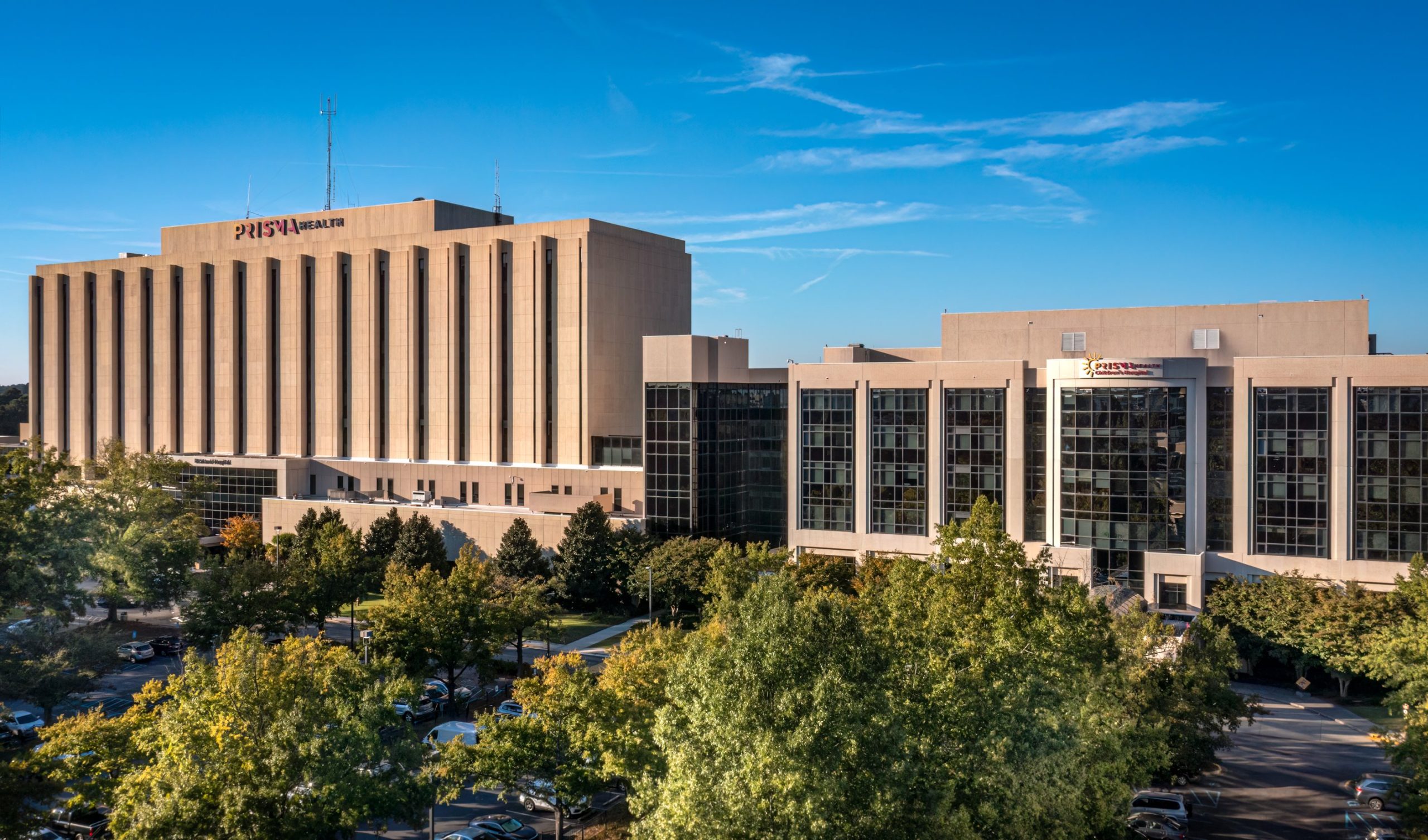
Prisma Health Richland Hospital
Downtown Columbia / 37+ active studies
Cancer, blood disorders, broad hospital research
The flagship Prisma Health hospital in the Midlands. Also, by far the biggest trial operation in the Columbia metro.
Visit Website →
University of South Carolina
Columbia / 27+ active studies
Stroke recovery, physical activity, community health
Notably, a research university that runs federally funded health studies across the Midlands. Specifically, topics range from stroke rehab to disease prevention.
Visit Website →
Bogan Sleep Consultants
Columbia / 7+ active studies
Narcolepsy, sleep disorders
One of the best known private sleep research sites in the Southeast. Also, it has run sleep trials for decades.
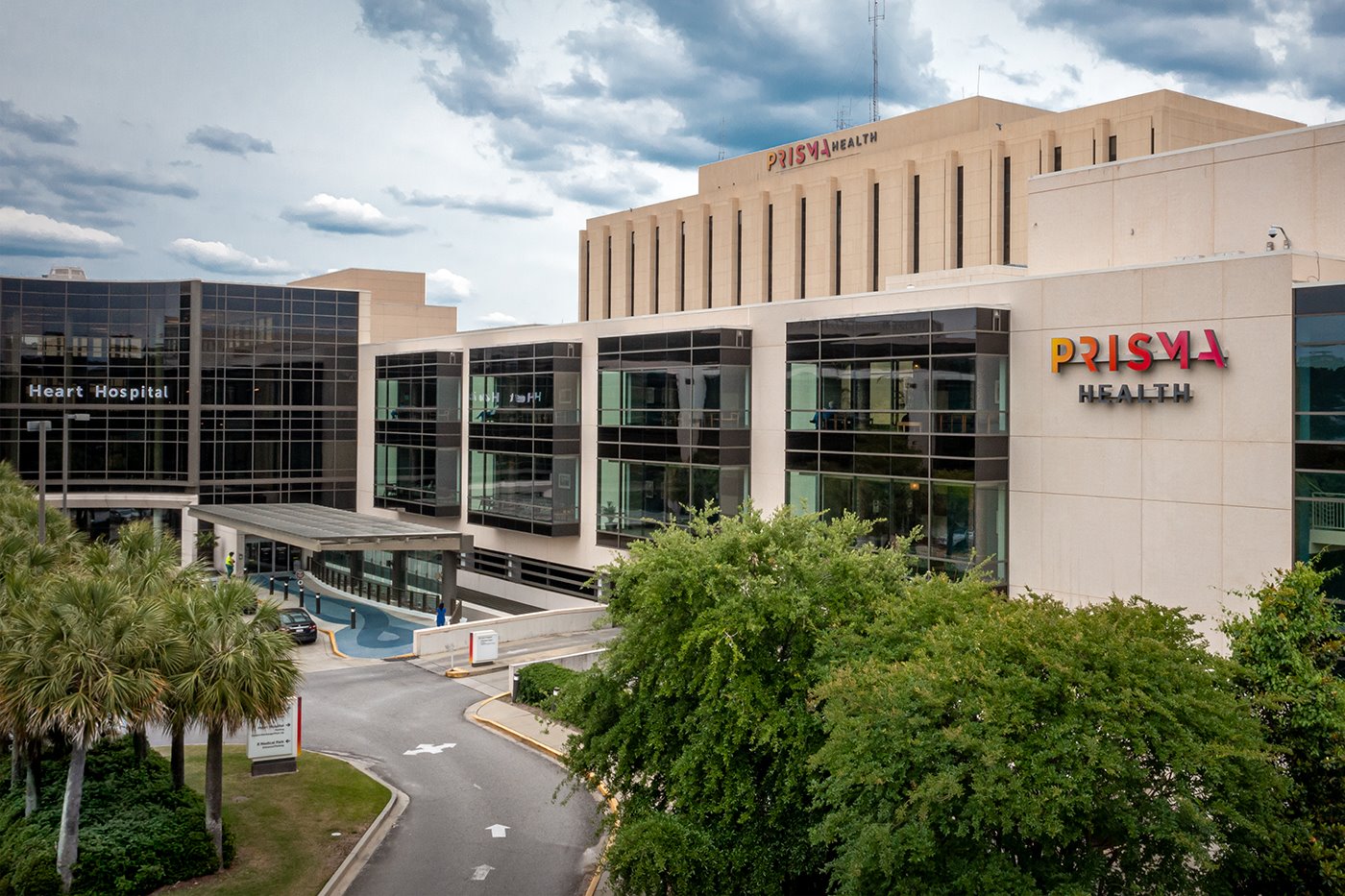
Prisma Health Midlands Cardiovascular
Columbia / 4+ active studies
Cardiovascular disease, heart failure
The heart and vessel research arm of Prisma Health in the Midlands. So it is the natural home for cholesterol trials in Columbia.
Visit Website →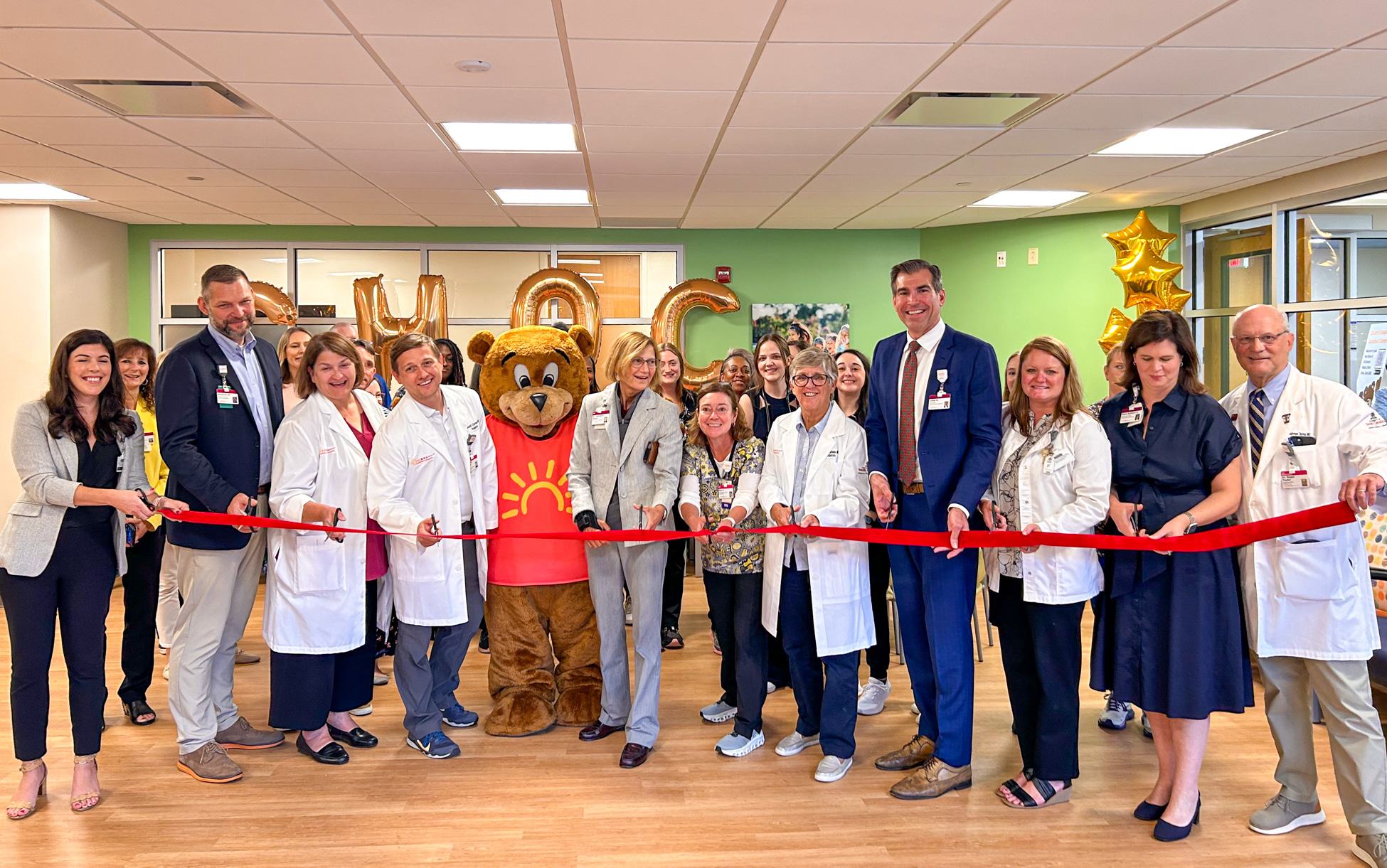
Prisma Health Children’s Hospital, Midlands
Columbia / 4+ active studies
Pediatric growth, cystic fibrosis
Basically, the Midlands hub for children’s research inside the Prisma Health system.
Visit Website →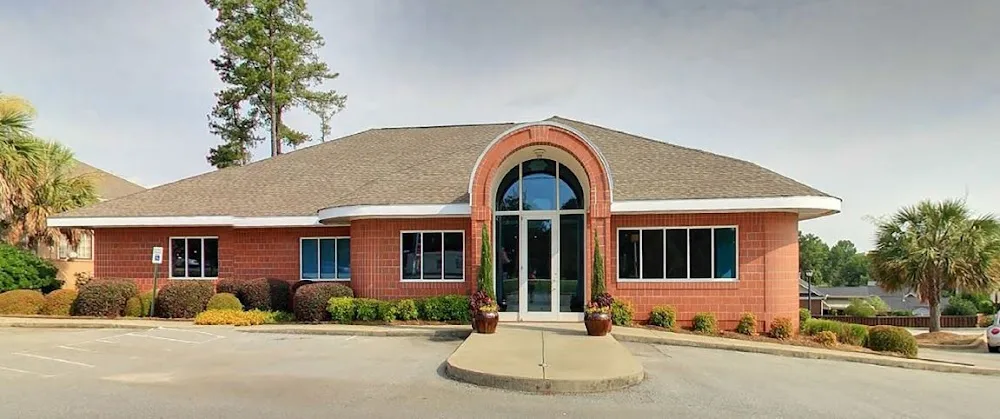
Columbia Dermatology & Aesthetics
Columbia / 4+ active studies
Hidradenitis suppurativa, psoriasis, obesity
A skin care practice with its own research team. It runs both skin and weight studies.
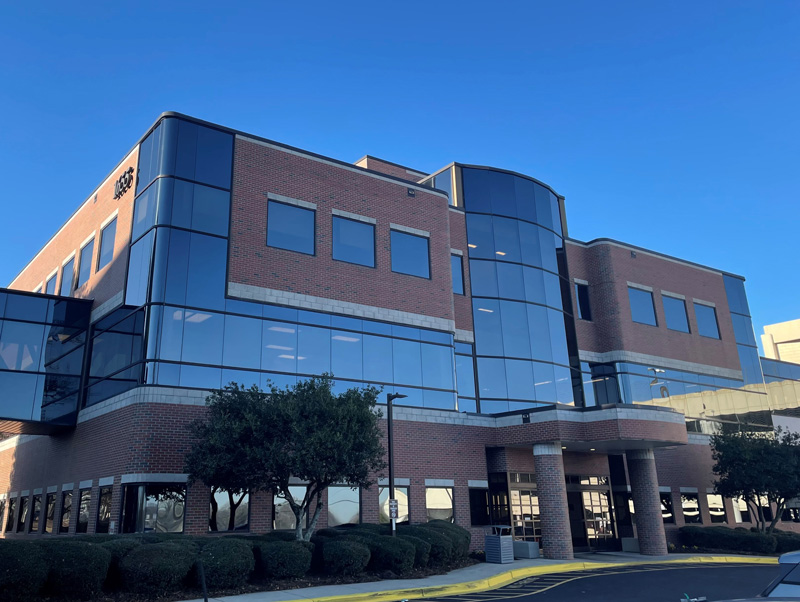
Velocity Clinical Research, Columbia
Columbia / Multiple active studies
COPD, skin conditions, vaccines
Part of one of the biggest research site networks in the country. Besides, it is just the kind of site the huge outcome trials lean on.
Visit Website →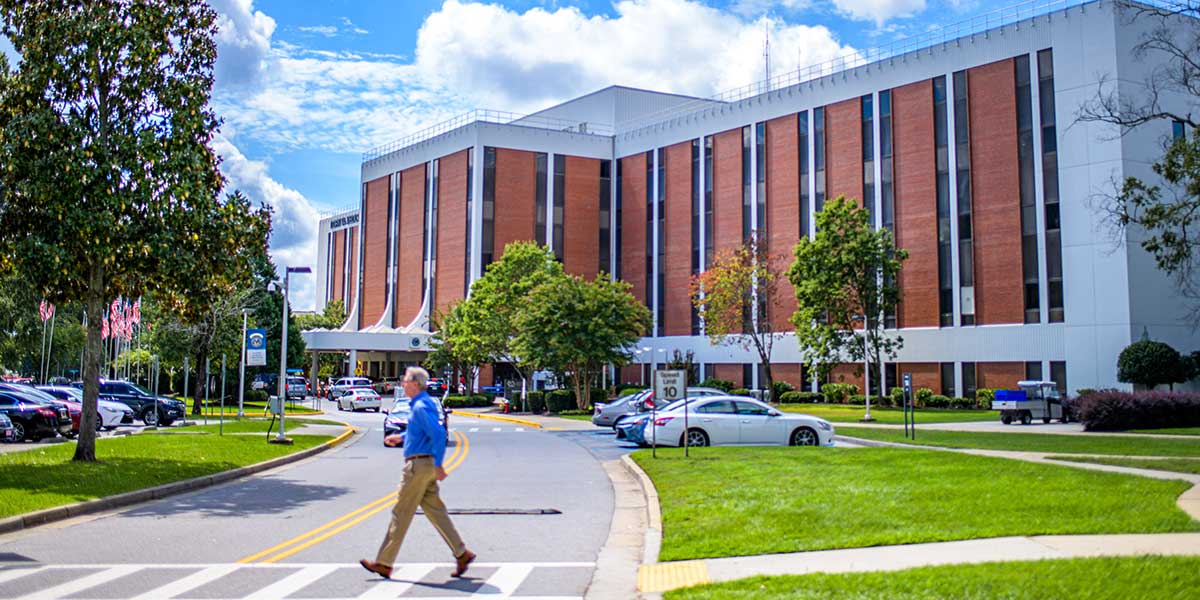
Wm. Jennings Bryan Dorn VA Medical Center
Garners Ferry Road, Columbia / 2+ active studies
Atherosclerosis, liver disease
Columbia’s VA medical center runs studies, including ones on clogged arteries. For veterans, it is often the first door.
Visit Website →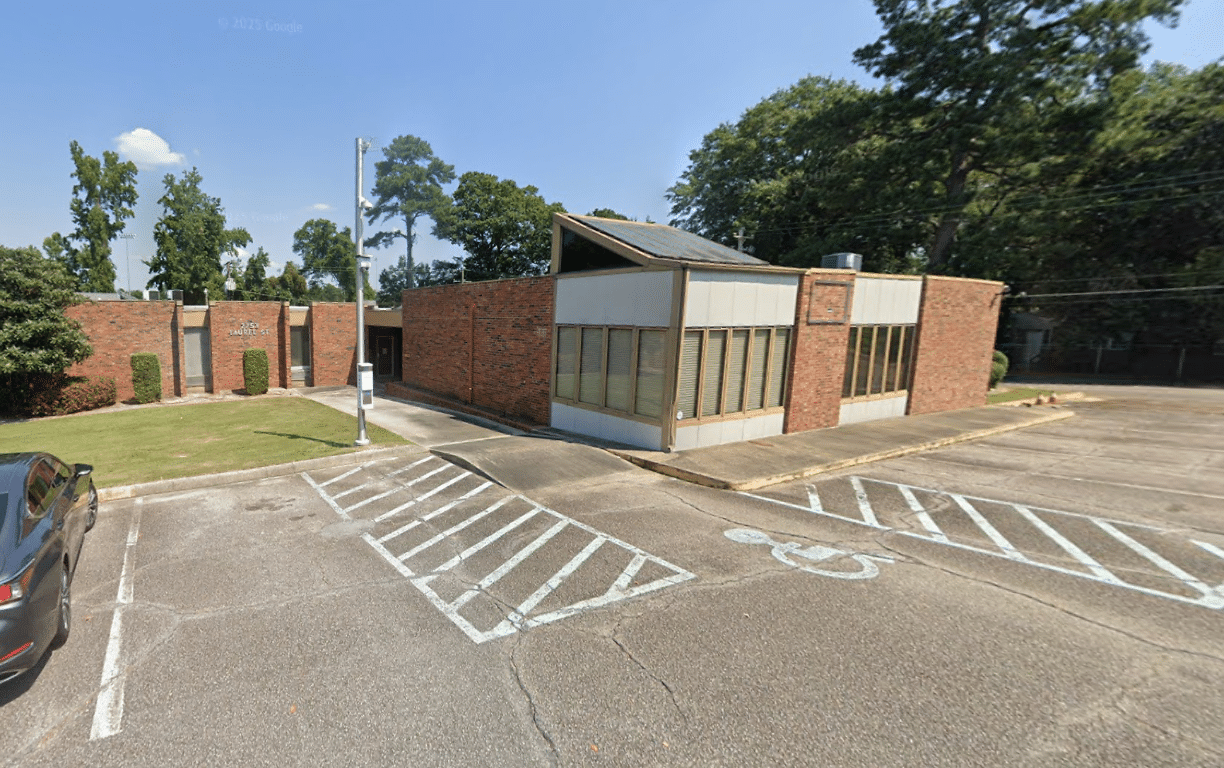
Objective Health, Columbia
Columbia / 2+ active studies
Celiac disease, fatty liver disease
Once called Columbia Digestive Health Research. Now it is part of the Objective Health network. Specifically, it runs gut and liver studies, including fatty liver trials.
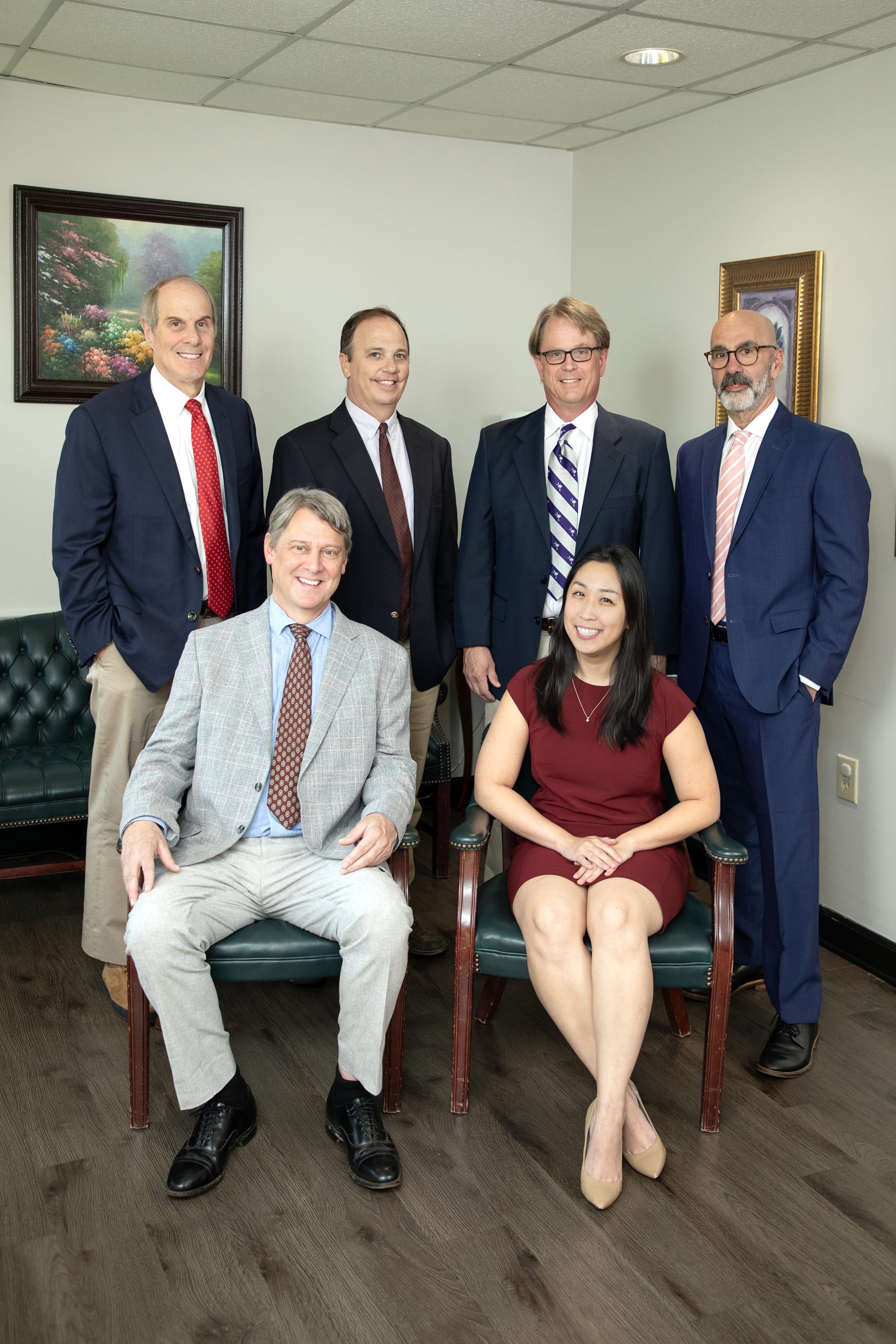
Columbia Gastroenterology Associates
Columbia / Active studies
Digestive conditions
A long-running gut health practice. Also, it takes part in digestive trials around Columbia.
What to Expect in a Surgery Pain Study
New to studies? Here is how one works, step by step.
01
Prescreening
First comes a short phone call or online form. Also, it takes about 10 to 15 minutes. The staff check whether you might fit. Then they tell you what is open.
02
Screening Visit
Next the clinic runs the tests that decide it, which usually means blood work. Also, they go through the consent form line by line, and you can bring somebody with you.
03
Treatment Period
Then the study begins. So you take the study drug or the placebo on the agreed schedule. Meanwhile, your own doctor keeps managing everything else.
04
Follow-Up
Finally, there is a check in period at the end. Also, your own doctor gets the results, and you can stop at any point without affecting your care.
Surgery Pain Trial FAQs
Real answers about post-surgical pain studies near Columbia SC.
Is there a study for this near Columbia?
No, and we will not pretend otherwise. We checked each town in the Midlands on its own. However, two run within about two hours. One gives a single capsule before keyhole surgery at Greenville, and the other adds a single dose during a hip or knee replacement at Charleston. Notably, a search on the word Columbia returned thirty three studies for this topic and none of them was here.
What should I ask before my surgery?
Ask what you will be going home with, and ask for the number rather than the drug name. So the useful phrase is morphine milligram equivalents, which puts every opioid on one scale. Also, ask when any nerve block will wear off, because it fades suddenly rather than gradually. Notably, both questions are far easier to ask beforehand than at discharge.
Is it better to take painkillers on a schedule?
For the first few days, generally yes. Paracetamol and an anti inflammatory work considerably better taken on the clock than taken when it hurts. So waiting until pain breaks through means chasing it rather than staying ahead. Meanwhile, that timing difference is bigger than most people expect and it costs nothing.
Do I have to take opioids after surgery?
Often less than people assume, and that is exactly what is being studied. One large study compares an anti inflammatory plus paracetamol against a low dose opioid plus paracetamol. So both groups get real, working painkillers and neither is left short. In fact, for several common surgeries the non opioid plan holds up well.
What if I am still in pain months later?
Say so at week four rather than month six. Still filling opioid prescriptions three months after surgery is a recognised event with a name, not a personal failing. So it is far easier to unwind early than late. Meanwhile, your own doctor would much rather know.
What is CRPS?
After an injury or surgery, one limb sometimes becomes intensely painful, red, hot and swollen, far beyond what the injury explains. So it is not slow healing, and it has a name and a set of criteria. Ask about the Budapest criteria and a triple phase bone scan by name. Notably, the study near Charlotte only takes people within six months of it starting.
Would I be left without pain relief in a study?
Almost never. In nearly every surgery pain study you keep your normal painkillers and the study treatment is added on top. So the dummy group is not left in pain. However, ask what the rescue plan is, because a well designed study will have one written down.
Does it cost anything to check?
No. There is no cost, and no insurance is needed. Tether is a nonprofit list, so we do not run studies and we are not paid to send you anywhere. Also, checking never enrolls anyone in anything. You would always call the clinic yourself.
Where can I get help near Columbia?
Prisma Health and Lexington Medical Center both run surgical and pain services across the Midlands. Also, ask your surgeon what you will be going home with, and ask for the number rather than the drug name. Generally, a pain clinic referral is the right route if pain persists past three months. Meanwhile, if a limb stays hot and swollen, ask for that to be looked at exactly.
Ready to Explore a Study?
Check your eligibility, or just reach out to our Columbia team. No pressure. Also, no sales pitch.
← Back to All Clinical TrialsSources
- CRPS-RISE, drips for an early hot and swollen limb, in Charlotte, ClinicalTrials.gov NCT07210515
- CARES, two real painkiller plans compared, at Chapel Hill, ClinicalTrials.gov NCT05722002
- A single capsule before keyhole surgery, at Greenville, ClinicalTrials.gov NCT07101250
- A single dose during hip replacement, at Charleston, ClinicalTrials.gov NCT07227064
- The matching knee replacement study, at Charleston, ClinicalTrials.gov NCT07226076
Study details and per-site recruiting status verified against ClinicalTrials.gov on August 17, 2026. Two studies at a Charlotte orthopaedic practice were excluded because they are open by invitation only and their site rows carry no recruiting status, so patients cannot refer themselves. Eleven studies of the newest painkiller in this field were checked individually and none has a site anywhere in the Carolinas. A location search on the phrase Charlotte North Carolina returns nothing for this topic while a search on Charlotte alone returns nine, so the combined form was never used. Study availability and criteria change; the research clinic confirms everything before you enroll.