
COLUMBIA, SC
Migraine Clinical Trials
No migraine study is enrolling in the Columbia SC metro, and we would rather say so plainly. However, three run within about two hours, at Charleston and at Greenville. Compensation is provided for eligible participants once one opens here.
0
Open in the Midlands
3
Within Two Hours
+/- $100
Per Visit
New here? Read how this page works
First, here is the honest picture. Nothing is open in the Midlands, and the nearest options are a real drive. So here is how to use this page.
- Keep a headache diary for two months. Because your monthly headache days decide almost everything, and studies count days rather than attacks.
- Ask whether you need prevention or attack treatment. Notably, those are different studies with different rules, and mixing them up wastes a long drive.
- Do not stop a preventive on your own to qualify. In fact, that is a decision for your own doctor, not for a phone call.
- Finally, tap the button. Then we keep your details on file and call you when a study opens near you.
Of course, checking never signs you up for anything. You are only seeing where you might fit.
The Nearest Studies to Columbia
Three, all of them a drive of about an hour and a half or more. Two are for adults and one is for children.
The nearest studies, and all of them are a drive
Nothing runs in the Midlands, and we checked each town on its own. Two of these are for adults and one is for children.

The Nearest Preventive Study
Evommune / Mid stage tablet
This one aims to cut how many migraine days you get, rather than treat a single attack. It is a tablet, and there are three groups, which are two doses and a dummy. Treatment runs twelve weeks, with safety followed to sixteen. However, it is built for people whose preventives have already failed. The site is at Charleston.
Payment is not published.
Get on the list →More details
Why researchers are excited: a preventive that works after others have failed is what most long term sufferers actually need. Meanwhile, this is the closest preventive study to the Midlands right now.
Who this study is looking for
- Migraine with or without warning signs, diagnosed the standard way
- Also, A history of preventive treatments that did not work
- Besides that, not taking any migraine preventive at the moment
- Finally, aged 18 to 64
Probably not a fit if: being on a preventive now rules you out. So people whose treatment is actively managed cannot join without stopping it. Also, trouble telling migraine apart from other headaches, and any other headache disorder.
- Placebo group: Yes. One of the three groups is a dummy tablet.
- How long: Twelve weeks of treatment, then safety followed to week 16.
- Clinic visits: About 5 to 7 in person. Weeks 4, 8, 12 and 16 are named, with screening and a starting visit on top of those.
- Phone calls: None published.
- Most invasive part: Tablets, forms and routine tests. So there is nothing invasive published in this one.
- Setting: Outpatient.
- Where it runs: Clinical Trials of South Carolina, Charleston SC 29406.
- Drive from Columbia: Charleston is about 115 miles south east, so roughly an hour and fifty minutes on I-26.
- Do not stop a preventive on your own to qualify. That is a decision for your own doctor. So ask the site how they handle it before changing anything.
- Full study record: View on ClinicalTrials.gov →

For Stopping an Attack, Not Preventing One
Kallyope / Late stage tablet
This one treats a single attack once it has already begun. So it is not a preventive, and you take the dose at home when a migraine starts. The measures are whether the pain and your worst symptom are gone two hours later. Half the people get a dummy dose, so there is a real chance of that. You need your own smartphone for the diary.
Payment is not published.
Get on the list →More details
Why researchers are excited: the drugs that stop an attack have barely changed in years for many people. Meanwhile, this is a new kind of tablet aimed at that exact moment.
Who this study is looking for
- Between 2 and 10 moderate or severe attacks a month, in each of the last two months
- Also, migraine for more than a year, with attacks usually lasting 4 to 72 hours
- Besides that, your own smartphone for the study diary
- Finally, aged 18 to 75
Probably not a fit if: any cannabis, THC or CBD in the last three months rules you out. That catches people using CBD for pain, and it is stricter than most. Also, more than 15 headache days a month, or reaching for acute medicine on more than 10 days.
- Placebo group: Yes. Half the design is a dummy dose, and the exact split is not published.
- How long: You treat one attack, then safety is followed for eight days after the dose.
- Clinic visits: About 3 in person, which are screening, the visit where you collect the drug, and an end of study visit. So the attack itself is treated at home.
- Phone calls: None published.
- Most invasive part: Blood tests and a heart tracing at screening. So the treatment itself is a tablet you take at home.
- Setting: Outpatient.
- Where it runs: Coastal Carolina Research Center, North Charleston SC 29405.
- Drive from Columbia: North Charleston is about 115 miles south east, so roughly an hour and fifty minutes.
- This treats one attack, not your month. People often expect ongoing therapy, and that is a different kind of study altogether.
- Full study record: View on ClinicalTrials.gov →

For a Child, and the Nearest One
AbbVie / Late stage tablet
This is for children and teenagers aged 6 to 17, taken to stop an attack. One child in three gets a dummy tablet, so the odds are worth knowing up front. There is also a screening step that surprises families. Your child treats one attack with a dummy first, and must still have the headache two hours later. The nearest open site is at Greenville.
Payment is not published.
Get on the list →More details
Why researchers are excited: children have very few approved options for stopping an attack. Meanwhile, every other Carolina site on this study has already closed.
Who this study is looking for
- Aged 6 to 17, weighing between 20 and 135 kilograms
- Also, between 1 and 14 attacks a month in each of the last two months
- Besides that, attacks lasting 3 to 72 hours without treatment
- Finally, able to swallow a tablet
Probably not a fit if: responding to the dummy at screening rules a child out. Also, chronic migraine, and reaching for acute medicine too many days a month. Notably, a CGRP injection in the last six months also excludes.
- Placebo group: Yes, at one in three. There is also a single dummy dose during screening.
- How long: Up to six months for each child.
- Clinic visits: About 4 to 6 in person over up to six months. Notably, the record itself warns that the burden is higher than ordinary care.
- Phone calls: None published.
- Most invasive part: Tablets and forms, plus routine checks. So nothing invasive is published beyond the screening step.
- Setting: Outpatient.
- Where it runs: Tribe Clinical Research, Greenville SC 29607.
- Drive from Columbia: Greenville is about 100 miles north west, so roughly an hour and thirty five minutes on I-26.
- Check the site before you drive. The Charlotte and Hickory sites on this study have both finished. Greenville is the only Carolina location still taking children.
- Full study record: View on ClinicalTrials.gov →
Not sure which one fits you?
First, answer a few quick health questions. Then we keep them on file. Finally, we tell you which studies near Columbia you may fit. No account, no paperwork.
See if I may fit one of these studies →What Is Actually Changing in Migraine Treatment
A whole new drug family arrived in the last few years, and the argument now is which one to reach for first.
Stopping an Attack and Preventing One Are Different Jobs
Some drugs are taken when an attack starts, and others are taken every day to reduce how many you get. So a study is built for one job or the other, never both. Meanwhile, saying which one you need is the first question any clinic will ask. Notably, plenty of people need both, and that is normal.
The CGRP Family Changed the Field
CGRP is a signal involved in setting off a migraine, and a family of drugs now blocks it. Some are tablets, some are monthly injections, and one is a nasal spray. So this was the first genuinely new idea in decades. In fact, most of the studies on this page sit somewhere in that family.
Ask for Your Monthly Headache Days
Almost every study gates on how many days a month a headache stops you. So a simple diary for two months answers the question before anyone asks it. Count days rather than attacks, because that is how studies count. Meanwhile, having that number ready saves you weeks.
Fifteen Days Is the Line Between Two Words
Fewer than fifteen headache days a month is called episodic, and fifteen or more is called chronic. So that single line decides which studies will take you. One study here takes both, which is unusual and worth knowing. However, the attack treatment study on this page takes only the episodic kind.
Rebound Headache Is Real, and Fixable
Reaching for painkillers on too many days can itself keep the headaches coming. So most studies count how many days a month you take something acute. Ten days is a common line for the stronger drugs, and fifteen for simple ones. Notably, one study here does not exclude you for it, which is rare.
What You Have Already Tried Can Close Doors
The comparison study on this page rules out anybody who has ever taken any of its three drugs. Two of those three are among the most commonly prescribed preventives there are. So a lot of well treated people will not qualify, through no fault of their own. Meanwhile, checking your old prescriptions first saves a pointless appointment.
Cluster Headache Is a Separate Condition
Cluster headache is not a severe migraine, and it is not treated the same way. So it is written into both adult studies here as an exclusion. Meanwhile, nothing for it is open in either metro today. Generally, a headache specialist rather than a study is the right route for it now.
Children Are Studied Separately
Three of the five open studies near Charlotte take nobody over 17. One of those takes nobody over 11. So an adult reading a count of five open studies would be misled without that split. In fact, only two of the five are open to adults at all.
Ask Whether There Is a Dummy Group
It is a fair question and clinics expect it. One adult study here has no dummy at all, because every group gets an approved drug. Meanwhile, one child study is open label, so every child gets the real thing. So the answer differs sharply between studies that otherwise look alike.
Where Things Actually Stand Locally
Charlotte has five open studies, and Onsite Clinical Solutions runs most of them. The Midlands has none, and that was checked city by city rather than assumed. So the nearest options for a Columbia patient sit at Charleston and at Greenville. Meanwhile, several Carolina sites on these studies have quietly closed while the headline still reads open.
Migraine Help Near You
Keep a diary for two months, because your monthly headache days decide almost everything. Also, list every preventive you have ever taken, since past use can rule you out. Finally, ask whether the study prevents attacks or treats them, because those are different studies. Meanwhile, join the list and we will call you when something opens near you.
Research Sites Near Columbia
Nothing runs in the Midlands for migraine, while the nearest sites sit at Charleston and Greenville. But sites add new studies all the time, so it is worth knowing what is near you.

Prisma Health Richland Hospital
Downtown Columbia / 37+ active studies
Cancer, blood disorders, broad hospital research
The flagship Prisma Health hospital in the Midlands. Also, by far the biggest trial operation in the Columbia metro.
Visit Website →
University of South Carolina
Columbia / 27+ active studies
Stroke recovery, physical activity, community health
Notably, a research university that runs federally funded health studies across the Midlands. Specifically, topics range from stroke rehab to disease prevention.
Visit Website →
Bogan Sleep Consultants
Columbia / 7+ active studies
Narcolepsy, sleep disorders
One of the best known private sleep research sites in the Southeast. Also, it has run sleep trials for decades.

Prisma Health Midlands Cardiovascular
Columbia / 4+ active studies
Cardiovascular disease, heart failure
The heart and vessel research arm of Prisma Health in the Midlands. So it is the natural home for cholesterol trials in Columbia.
Visit Website →
Prisma Health Children’s Hospital, Midlands
Columbia / 4+ active studies
Pediatric growth, cystic fibrosis
Basically, the Midlands hub for children’s research inside the Prisma Health system.
Visit Website →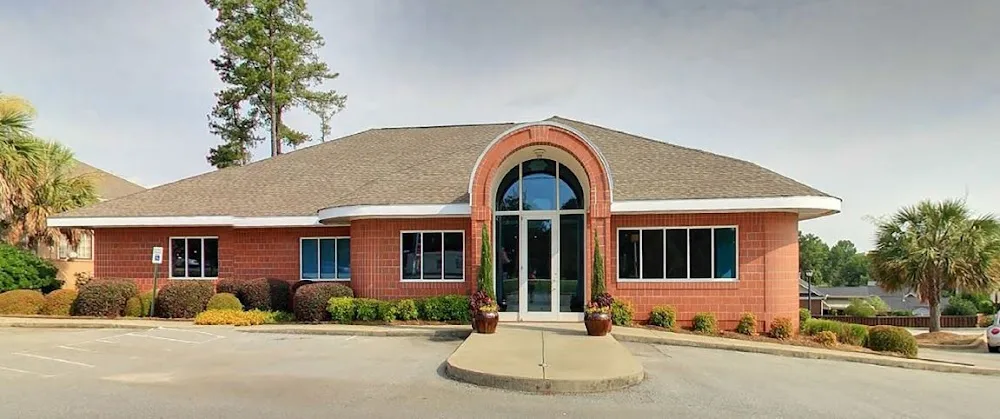
Columbia Dermatology & Aesthetics
Columbia / 4+ active studies
Hidradenitis suppurativa, psoriasis, obesity
A skin care practice with its own research team. It runs both skin and weight studies.
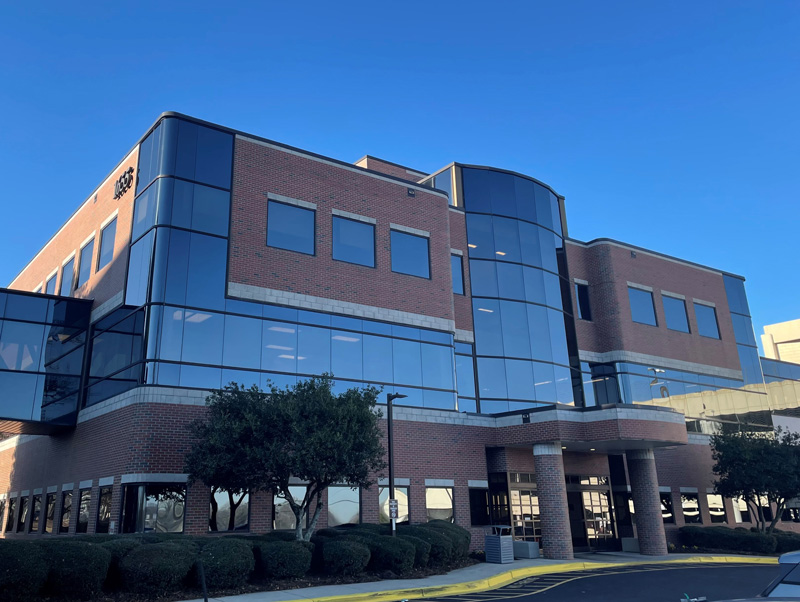
Velocity Clinical Research, Columbia
Columbia / Multiple active studies
COPD, skin conditions, vaccines
Part of one of the biggest research site networks in the country. Besides, it is just the kind of site the huge outcome trials lean on.
Visit Website →
Wm. Jennings Bryan Dorn VA Medical Center
Garners Ferry Road, Columbia / 2+ active studies
Atherosclerosis, liver disease
Columbia’s VA medical center runs studies, including ones on clogged arteries. For veterans, it is often the first door.
Visit Website →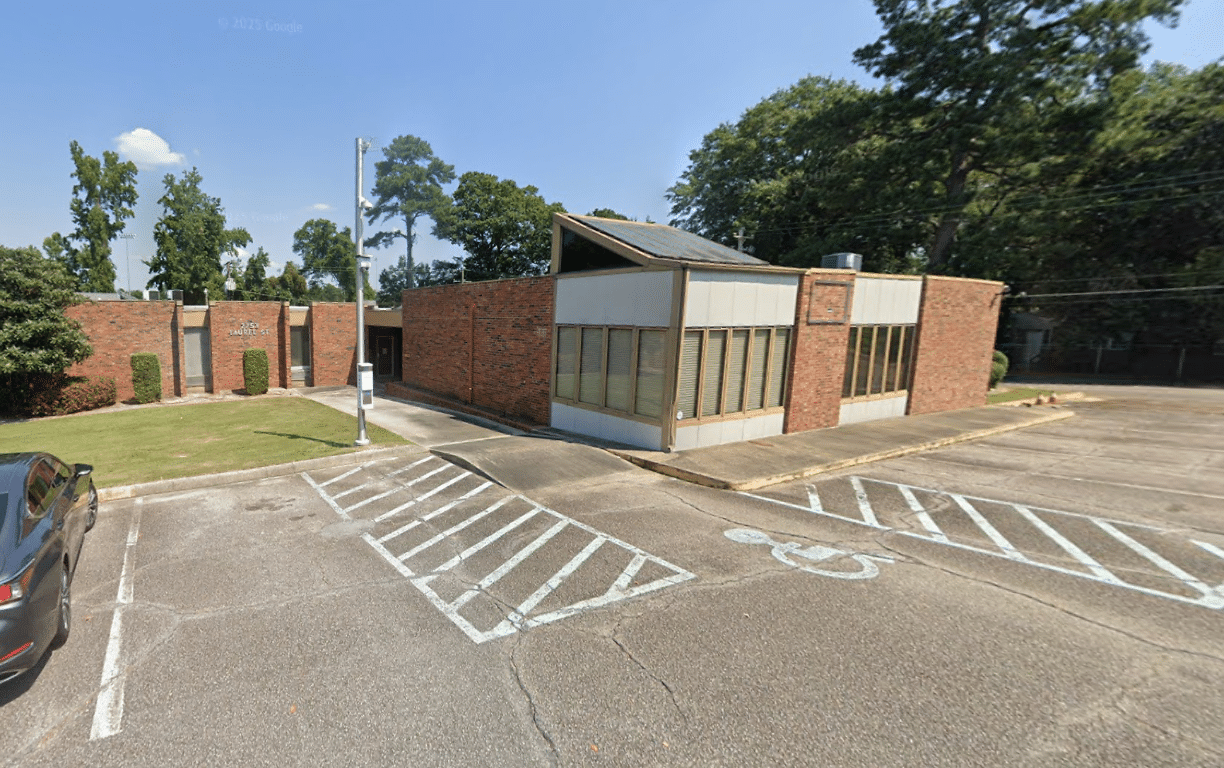
Objective Health, Columbia
Columbia / 2+ active studies
Celiac disease, fatty liver disease
Once called Columbia Digestive Health Research. Now it is part of the Objective Health network. Specifically, it runs gut and liver studies, including fatty liver trials.

Columbia Gastroenterology Associates
Columbia / Active studies
Digestive conditions
A long-running gut health practice. Also, it takes part in digestive trials around Columbia.
What to Expect in a Migraine Study
New to studies? Here is how one works, step by step.
01
Prescreening
First comes a short phone call or online form. Also, it takes about 10 to 15 minutes. The staff check whether you might fit. Then they tell you what is open.
02
Screening Visit
Next the clinic runs the tests that decide it, which usually means blood work. Also, they go through the consent form line by line, and you can bring somebody with you.
03
Treatment Period
Then the study begins. So you take the study drug or the placebo on the agreed schedule. Meanwhile, your own doctor keeps managing everything else.
04
Follow-Up
Finally, there is a check in period at the end. Also, your own doctor gets the results, and you can stop at any point without affecting your care.
Migraine Trial FAQs
Real answers about migraine studies near Columbia SC.
Is there a study for this near Columbia?
No, and we will not pretend otherwise. We checked each town in the Midlands on its own. However, three run within about two hours, which is a preventive study at Charleston, an attack treatment study at North Charleston, and a children’s study at Greenville. Notably, several searches on the word Columbia returned studies in New York and Missouri instead.
What is the difference between preventing and treating?
Prevention means taking something regularly to get fewer attacks. Treatment means taking something once one starts. So a study is built for one job or the other, never both. Meanwhile, saying which you need is the first question any clinic asks. Notably, plenty of people need both, and that is normal.
What are these new CGRP drugs?
CGRP is a signal involved in setting off a migraine, and a family of drugs now blocks it. Some are tablets, some are monthly injections, and one is a nasal spray. So it was the first genuinely new idea in this field in decades. In fact, most of the studies on this page sit somewhere in that family.
How many headache days do I need?
It depends on the study, and the number is a real gate. One nearby study wants four or more moderate to severe days a month. Another wants between two and ten attacks. So keep a diary for two months, counting days rather than attacks. Also, fifteen days a month is the line between the words episodic and chronic, and it decides which studies take you.
Can taking too many painkillers cause headaches?
Yes, and it is common enough to have its own name. Reaching for acute medicine on too many days can keep the headaches coming. So most studies count those days, with ten days a common line for stronger drugs and fifteen for simple ones. However, one study near Charlotte does not exclude you for it, which is unusual.
Why might my past treatments rule me out?
Because the comparison study near Charlotte excludes anyone who has ever taken any of its three drugs. Two of those three are among the most commonly prescribed preventives there are. So a lot of well treated people will not qualify, through no fault of their own. Meanwhile, checking your old prescriptions first saves a pointless appointment.
Is cluster headache included?
No, and it is worth saying plainly. Cluster headache is a separate condition, not a severe migraine, and it is treated differently. So it is written into both adult studies here as an exclusion. Meanwhile, nothing for it is open in either metro today, and a headache specialist is the right route.
Does it cost anything to check?
No. There is no cost, and no insurance is needed. Tether is a nonprofit list, so we do not run studies and we are not paid to send you anywhere. Also, checking never enrolls anyone in anything. You would always call the clinic yourself.
Where can I get help near Columbia?
Prisma Health and Lexington Medical Center both run neurology services across the Midlands. Also, start a diary, because your monthly headache days decide almost everything. Generally, your own doctor can refer you to a neurologist. Meanwhile, ask whether you need prevention, attack treatment, or both, since those are different studies.
Ready to Explore a Study?
Check your eligibility, or just reach out to our Columbia team. No pressure. Also, no sales pitch.
← Back to All Clinical TrialsSources
- A head to head study of three approved preventives, around Charlotte, ClinicalTrials.gov NCT06972056
- A new tablet for stopping an attack, at Charlotte and Shelby, ClinicalTrials.gov NCT07645924
- A melting tablet for children aged 6 to 17, in Charlotte, ClinicalTrials.gov NCT04649242
- The open label safety study for children, in Charlotte, ClinicalTrials.gov NCT04743141
- A single nasal spray dose in children aged 6 to 11, at Statesville, ClinicalTrials.gov NCT06995729
- A preventive tablet study at Charleston, ClinicalTrials.gov NCT07616128
- A tablet for children, open at Greenville only, ClinicalTrials.gov NCT05125302
Study details and per-site recruiting status verified against ClinicalTrials.gov on August 17, 2026. Several studies in this field read as open at the headline while their Carolina sites are closed, and each row here was read individually. One study has two Charlotte sites and only one of them is taking people; that is stated on its card. Three further studies listing Charlotte sites were excluded because those rows read completed. Three of the five studies near Charlotte are open only to children and teenagers, and the counts on this page state that split rather than hiding it. Nothing for cluster headache is open in either metro, and cluster headache is a written exclusion on both adult studies. Study availability and criteria change; the research clinic confirms everything before you enroll.