
COLUMBIA, SC
Osteoarthritis Clinical Trials
One osteoarthritis study is enrolling at Columbia SC, and it takes any joint rather than just the knee. It is a walking programme with no dummy group, so nobody is assigned to nothing. Compensation is provided for eligible participants.
1
Open in the Midlands
0
With a Dummy Group
+/- $100
Per Visit
New here? Read how this page works
First, here is the honest picture. One study is open here, and it is a walking programme rather than a medicine. So here is how to use this page.
- Ask which joints are affected, and say all of them. Because the open study here takes any joint, including hands and shoulders.
- Get your blood pressure checked. Notably, over 160 or over 100 excludes you, and that is fixable before you call.
- Check the wait after any injection. In fact, gel and steroid shots carry three to six month waits before a knee study will take you.
- Finally, tap the button. Then we check you against every study we track and tell you when a new one opens.
Of course, checking never signs you up for anything. You are only seeing where you might fit.
Studies Open Near Columbia Right Now
One, at the university, and it accepts any joint. However, the nearest knee injection study is about two hours away.
One study is open here, and it takes any joint
It is a walking programme rather than a medicine, and it has no dummy group. Notably, it is the only open option in either city for hand, thumb or shoulder arthritis.

A Walking Study That Takes Any Joint
University of South Carolina and CDC / Non drug study
Every other study on this subject picks one joint, and this one does not. Hands, hips, knees, shoulders and widespread pain all count here. Everyone gets a real six month walking programme, with a Fitbit and a monthly coaching call. So the only thing decided at random is your weekly goal, at 45, 90 or 150 minutes. The site is inside Columbia.
Payment is not published.
Check eligibility →More details
Why researchers are excited: hands and shoulders get almost no research anywhere, so a study open to any joint is rare. Meanwhile, there is no dummy group and no inactive group at all.
Who this study is looking for
- Arthritis, rheumatoid arthritis, gout, lupus or fibromyalgia diagnosed by a doctor
- Also, doing under 45 minutes a week of moderate activity now
- Besides that, able to read and write in English
- Finally, aged 18 or over, with no upper limit
Probably not a fit if: being fairly active already rules you out. That is measured with a monitor rather than taken on your word. Also, blood pressure over 160 or over 100, and surgery planned in the next year.
- Placebo group: None at all. All three groups walk, because only the weekly goal differs.
- How long: Six months of the programme, then checks at six and twelve months.
- Clinic visits: About 3 or 4 in person, at the start, at six months and at twelve months. The timed walk test and the monitor fitting have to be done there.
- Phone calls: One coaching call a month for six months, plus extra contact if you fall behind.
- Most invasive part: Nothing invasive at all. So you wear an activity monitor, walk, do a timed walk test and fill in forms.
- Setting: Outpatient.
- Where it runs: University of South Carolina, Columbia SC 29208.
- Drive from Columbia: The site is at the university, inside Columbia.
- No X ray is needed. There is no joint grade to pass here, which is unusual, so a knee that would fail a drug study can still get in.
- Full study record: View on ClinicalTrials.gov →
The nearest studies outside the Midlands
Both are about two hours away. One is a knee injection study with even odds of salt water, and the other follows a knee replacement you were already having.

The Nearest Knee Injection Study
Doron Therapeutics / Late stage injection
This is a single injection into the knee, given once, then followed for a year. It uses material prepared from donated birth tissue, which sounds unusual and is. Half the people get salt water instead, and the split is one to one. So there is a real chance of the dummy here. The site is at North Charleston.
Payment is not published.
Get on the list →More details
Why researchers are excited: a one off injection that lasts months would sit neatly between tablets and surgery. Meanwhile, this is the closest knee injection study to the Midlands right now.
Who this study is looking for
- Knee pain from wear in the joint for six months or more
- Also, an X ray grade of 2 or 3, checked centrally rather than locally
- Besides that, A pain and function score inside a set band, so ask for the numbers
- Finally, aged 40 to 80, with a body mass index under 40
Probably not a fit if: pain elsewhere that needs regular painkillers rules you out. So a bad back, widespread pain or a sore other knee can all close this one. Also, gel, steroid or platelet injections in that knee recently, and any live injury claim.
- Placebo group: Yes, and it is salt water. The split is one to one, so the odds are even.
- How long: One injection, a main measure at six months, then a year of follow up.
- Clinic visits: About 6 to 8 in person. Screening, the injection day, and the six, nine and twelve month checks are named, with early safety checks likely on top.
- Phone calls: None published.
- Most invasive part: One injection into the knee, plus X rays. So there is no daily treatment to keep up with.
- Setting: Outpatient.
- Where it runs: Coastal Carolina Research Center, North Charleston SC 29405.
- Drive from Columbia: North Charleston is about 115 miles south east, so roughly an hour and fifty minutes on I-26.
- The other knee matters here. Too much pain on the other side excludes you, which surprises people. So ask them to score both.
- Full study record: View on ClinicalTrials.gov →

A Knee Replacement That Reports Back
Canary Medical / Tracking study
This is for people already having a knee replaced, not for people avoiding one. One version of the implant carries a sensor that records steps, walking speed and bend. That data goes to your care team, so recovery is measured rather than guessed at. There is no dummy and no fake surgery anywhere in it. The site is at Spartanburg.
Payment is not published.
Get on the list →More details
Why researchers are excited: recovery after a knee replacement is usually judged from what you remember at a clinic visit. Meanwhile, a sensor reports what actually happened between appointments.
Who this study is looking for
- Already booked for a knee replacement
- Also, suitable for the particular stem length this study uses
- Besides that, A home computer with wireless internet and a USB port
- Finally, aged 18 or over, with no upper limit
Probably not a fit if: no home computer rules you out. That is a written requirement rather than a nice to have. Also, both knees done at once, thin bone, and foot, hip or back problems that change how you walk.
- Placebo group: None. Everybody has the real operation with a real implant.
- How long: Five years of follow up after the operation.
- Clinic visits: Roughly 7 to 9 in person across five years, which is the planning visit, the surgery and the usual checks. But treat that as an estimate, because only the five year point is published.
- Phone calls: None published. The sensor sends its data on its own from home.
- Most invasive part: The knee replacement itself, which you were having anyway. So the study adds a sensor inside a part that was going in regardless.
- Setting: Outpatient.
- Where it runs: Carolina Orthopaedic and Neurosurgical Associates, Spartanburg SC 29303.
- Drive from Columbia: Spartanburg is about 95 miles north west, so roughly an hour and a half on I-26.
- Check the computer requirement first. A phone does not count, and that line stops more people than any medical rule here.
- Full study record: View on ClinicalTrials.gov →
Not sure which one fits you?
First, answer a few quick health questions. Then we keep them on file. Finally, we tell you which studies near Columbia you may fit. No account, no paperwork.
See if I may fit one of these studies →What Is Actually Changing in Joint Wear
Nothing yet stops the wear itself. So the real progress is in pain, in weight, and in how joints are replaced.
It Is Wear, Not the Immune Kind
This is the wear and tear kind, where the smooth surface in a joint thins over years. So it is not the immune kind, which attacks joints from the inside and often runs in the family. Meanwhile, the two get treated very differently and go to different studies. Notably, telling them apart is the first thing any clinic will do.
Your Grade Decides Which Studies Take You
X rays are scored from 1 to 4, from barely there to bone on bone. So that single number opens or closes most drug studies. Most want grade 2 or 3, which is the middle. In fact, one study here takes grade 4 as well, and that is unusual enough to be worth knowing.
Ask for Your Grade and Your Score
Two numbers do almost all the work at screening. One is the X ray grade. The other is a pain and function score, often called WOMAC. So ask your own doctor for both before you call anybody. Meanwhile, knowing them saves you a wasted trip.
Weight and the Knee Are Now One Question
Every pound off the body takes several pounds of load off a knee with each step. So the newer weight drugs are being tested for knee pain directly. Two such studies run near Charlotte, one as a weekly shot and one as a daily tablet. However, both rule out anyone with diabetes and anyone who has used these drugs before.
Movement Helps, and the Dose Is the Open Question
Being told to exercise a painful joint sounds unhelpful, and it is usually said badly. However, graded activity is one of the steadiest findings in this whole field. So how much is enough is exactly what the Columbia study is measuring. Notably, that study has no dummy group at all.
Hands, Thumbs and Shoulders Get Left Out
Almost every study picks a knee or a hip, and that leaves a lot of people with nothing. Nothing for the hand, thumb or shoulder is open in either metro today. So the walking study at Columbia is the only open option here that takes any joint. Meanwhile, the nearest option aimed at hands and shoulders runs near Raleigh.
Joint Replacement Studies Are a Different Animal
Four of the open studies near Charlotte are about surgery you were already having. So nobody is randomly assigned to an operation, and nobody gets a fake one. The research part is the follow up rather than the treatment. In fact, that makes them among the easier studies to say yes to, if surgery is already the plan.
The Approach Your Surgeon Uses Can Decide It
One hip study only fits if you are operated on lying on your side. So an operation done from the front closes that door immediately. Also, a live injury claim or a workers compensation case excludes you from the same study. Meanwhile, both questions get answered in about a minute on the phone.
Injections Bought Now Can Cost You Later
Gel, steroid and platelet injections all carry waiting periods before a study will take you. Three to six months is common, depending on which one you had. So if a study interests you, ask about the wait before booking another injection. Notably, this is the single most avoidable reason people get turned away.
Where Things Actually Stand Locally
Seven studies are open around Charlotte, covering knees, hips and one elbow. The Midlands has one, and it is the walking study, which takes any joint. So the picture is unusually lopsided between the two cities right now. However, the nearest knee injection study to Columbia is about two hours away at North Charleston.
Joint Wear Help Near You
Ask for your X ray grade and your pain score, because studies gate on both numbers. Also, ask about the wait after any injection before you book another one. Finally, if surgery is already planned, ask whether a tracking study fits, since those add very little. Meanwhile, join the list and we will call you when something new opens here.
Research Sites Near Columbia
The open study runs at the university here in Columbia, while the nearest joint studies sit at Spartanburg and North Charleston. But sites add new studies all the time.

Prisma Health Richland Hospital
Downtown Columbia / 37+ active studies
Cancer, blood disorders, broad hospital research
The flagship Prisma Health hospital in the Midlands. Also, by far the biggest trial operation in the Columbia metro.
Visit Website →
University of South Carolina
Columbia / 27+ active studies
Stroke recovery, physical activity, community health
Notably, a research university that runs federally funded health studies across the Midlands. Specifically, topics range from stroke rehab to disease prevention.
Visit Website →
Bogan Sleep Consultants
Columbia / 7+ active studies
Narcolepsy, sleep disorders
One of the best known private sleep research sites in the Southeast. Also, it has run sleep trials for decades.

Prisma Health Midlands Cardiovascular
Columbia / 4+ active studies
Cardiovascular disease, heart failure
The heart and vessel research arm of Prisma Health in the Midlands. So it is the natural home for cholesterol trials in Columbia.
Visit Website →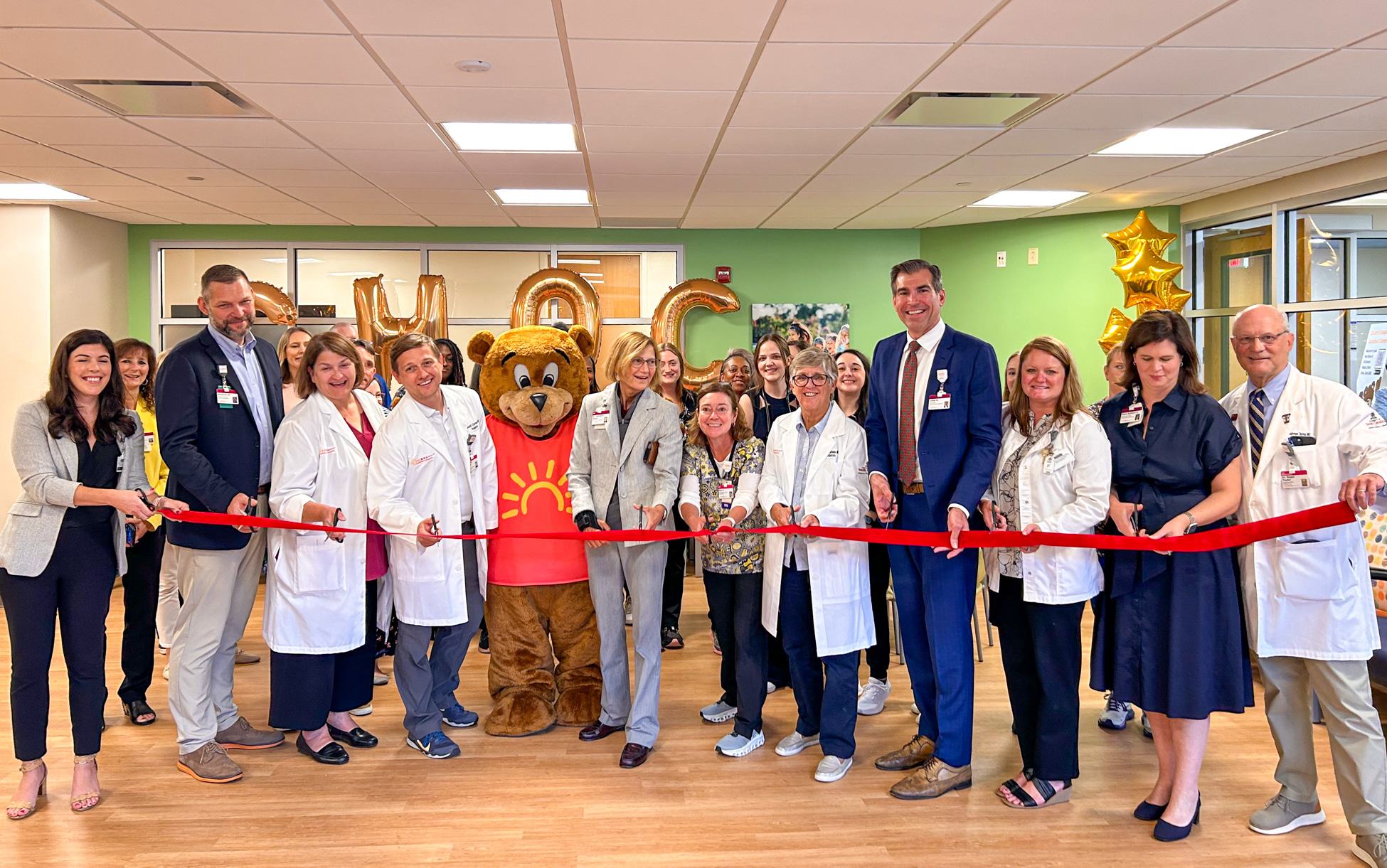
Prisma Health Children’s Hospital, Midlands
Columbia / 4+ active studies
Pediatric growth, cystic fibrosis
Basically, the Midlands hub for children’s research inside the Prisma Health system.
Visit Website →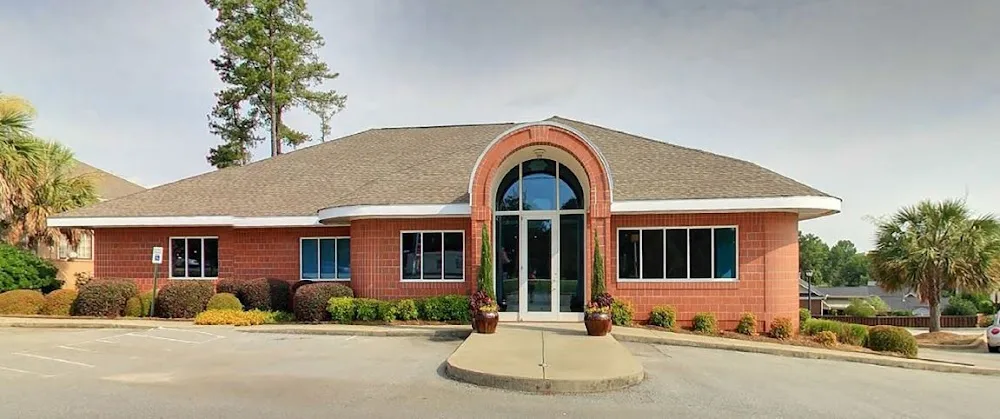
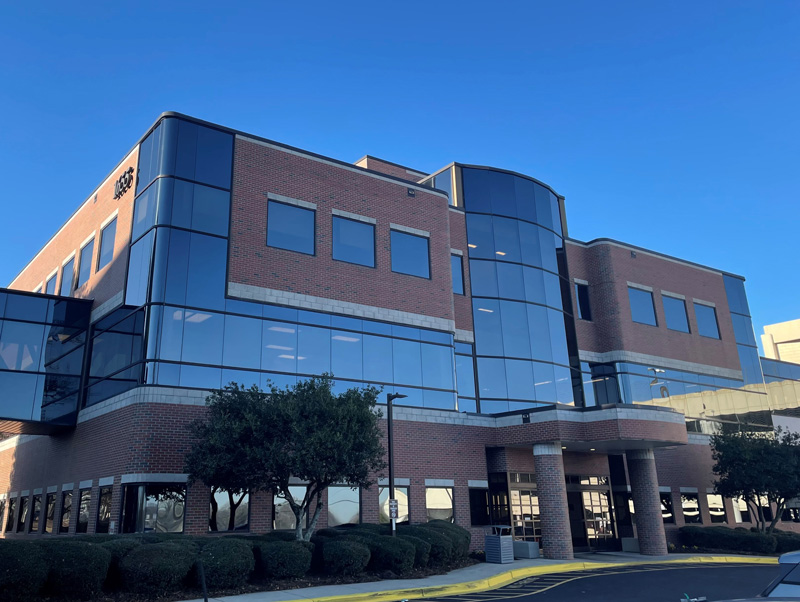
Columbia Dermatology & Aesthetics
Columbia / 4+ active studies
Hidradenitis suppurativa, psoriasis, obesity
A skin care practice with its own research team. It runs both skin and weight studies.
Velocity Clinical Research, Columbia
Columbia / Multiple active studies
COPD, skin conditions, vaccines
Part of one of the biggest research site networks in the country. Besides, it is just the kind of site the huge outcome trials lean on.
Visit Website →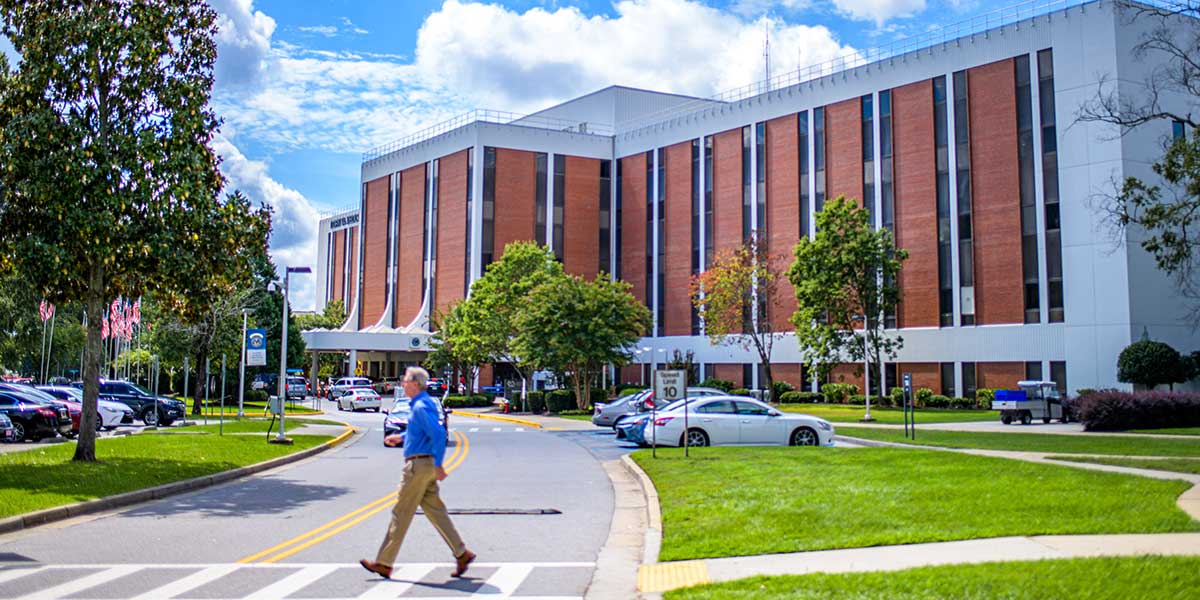
Wm. Jennings Bryan Dorn VA Medical Center
Garners Ferry Road, Columbia / 2+ active studies
Atherosclerosis, liver disease
Columbia’s VA medical center runs studies, including ones on clogged arteries. For veterans, it is often the first door.
Visit Website →
Objective Health, Columbia
Columbia / 2+ active studies
Celiac disease, fatty liver disease
Once called Columbia Digestive Health Research. Now it is part of the Objective Health network. Specifically, it runs gut and liver studies, including fatty liver trials.

Columbia Gastroenterology Associates
Columbia / Active studies
Digestive conditions
A long-running gut health practice. Also, it takes part in digestive trials around Columbia.
What to Expect in a Joint Study
New to studies? Here is how one works, step by step.
01
Prescreening
First comes a short phone call or online form. Also, it takes about 10 to 15 minutes. The staff check whether you might fit. Then they tell you what is open.
02
Screening Visit
Next the clinic runs the tests that decide it, which usually means blood work. Also, they go through the consent form line by line, and you can bring somebody with you.
03
Treatment Period
Then the study begins. So you take the study drug or the placebo on the agreed schedule. Meanwhile, your own doctor keeps managing everything else.
04
Follow-Up
Finally, there is a check in period at the end. Also, your own doctor gets the results, and you can stop at any point without affecting your care.
Osteoarthritis Trial FAQs
Real answers about joint studies near Columbia SC.
Is there a study for this near Columbia?
Yes, one. It runs at the university and it takes any joint, including hands, thumbs and shoulders. It is a six month walking programme with a Fitbit and monthly coaching, and there is no dummy group. However, if you are looking for a medicine, the nearest knee injection study is about two hours away at North Charleston.
What is my X ray grade, and why does it matter?
It is a score from 1 to 4 read off an X ray, from barely visible to bone on bone. So that one number opens or closes most drug studies. Most want grade 2 or 3, which is the middle. Notably, the study open here has no X ray gate at all, so a joint that would fail a drug study can still get in.
Is this the same as rheumatoid arthritis?
No, and they are treated completely differently. This is the wear kind, where the smooth surface in a joint thins over years. Meanwhile, the immune kind attacks the joint from the inside and often runs in families. So they go to different clinics and different studies, and telling them apart is the first thing anyone does.
Why do knee studies keep asking about my weight?
Because every pound off the body takes several pounds of load off a knee with each step. So the newer weight drugs are now being tested for knee pain directly. Two such studies run near Charlotte, one as a weekly shot and one as a daily tablet. However, both rule out anyone with diabetes and anyone who has used that drug class before.
I have arthritis in my hands. Is there anything?
Not in either city as a hand study, and we would rather say that plainly. However, the walking study at Columbia takes any joint, including hands, thumbs and shoulders. So it is the only open option here for those. Meanwhile, the nearest study aimed at hands and shoulders specifically runs near Raleigh, which is a long way.
Will I be put into surgery by a study?
No. Nobody is assigned to an operation and nobody receives a fake one. Four of the studies near Charlotte follow surgery that was already planned for clinical reasons. So the research part is the follow up rather than the treatment. In fact, that makes them among the easier studies to agree to, if an operation is already the plan.
I just had a steroid injection. Does that matter?
Yes, and this catches people constantly. Gel, steroid and platelet injections all carry a waiting period before a study will take you. Three months and six months are the two windows to know about. So ask about the wait before you book another one, because it is an avoidable reason to be turned away.
Does it cost anything to check?
No. There is no cost, and no insurance is needed. Tether is a nonprofit list, so we do not run studies and we are not paid to send you anywhere. Also, checking never enrolls anyone in anything. You would always call the clinic yourself.
Where can I get help near Columbia?
Prisma Health and Lexington Medical Center both run joint services across the Midlands. Also, ask for your X ray grade and your pain score, because studies further afield gate on both. Generally, your own doctor can order the X ray. Meanwhile, ask about graded activity, since it holds up better than most things in this field.
Ready to Explore a Study?
Check your eligibility, or just reach out to our Columbia team. No pressure. Also, no sales pitch.
← Back to All Clinical TrialsSources
- A single knee injection study, inside Charlotte, ClinicalTrials.gov NCT07226258
- AMAZE 6, a weekly shot for weight and knee pain, at Statesville, ClinicalTrials.gov NCT07509307
- A daily tablet for weight and knee pain, at Shelby, ClinicalTrials.gov NCT07153471
- A first hip replacement tracking study, inside Charlotte, ClinicalTrials.gov NCT07104279
- Guidance software during hip surgery, at Gastonia, ClinicalTrials.gov NCT06631638
- A redo hip replacement tracking study, inside Charlotte, ClinicalTrials.gov NCT05721859
- An elbow replacement tracking study, inside Charlotte, ClinicalTrials.gov NCT02469662
- DREAM, a walking dose study at Columbia that takes any joint, ClinicalTrials.gov NCT06880653
- MOTION, a knee injection study at North Charleston, ClinicalTrials.gov NCT07219771
- A knee implant that reports data back, at Spartanburg, ClinicalTrials.gov NCT06040827
- An artery treatment registry near Raleigh that includes hands and shoulders, ClinicalTrials.gov NCT06477965
Study details and per-site recruiting status verified against ClinicalTrials.gov on August 17, 2026. Two studies that read as open were excluded after their local rows were read individually: one lists an Atrium Health Mercy site in Charlotte that has not opened yet, and one lists a Columbia SC site that is closed to new enrolment. Nothing for hand, thumb or shoulder arthritis is open in either metro; the walking study at Columbia is the only open option here that accepts those joints. One study listed above has a completion date that has already passed while its record still reads open, and that is noted on its card. Study availability and criteria change; the research clinic confirms everything before you enroll.