
COLUMBIA, SC
Chronic Pain Clinical Trials
Two general chronic pain studies are enrolling at Columbia SC, and neither one uses a dummy group. However, both carry a rule about where you live, and one of them excludes town addresses. Compensation is provided for eligible participants.
2
Open in the Midlands
0
With a Dummy Group
+/- $100
Per Visit
New here? Read how this page works
First, here is the honest picture. Two studies are open here, and both are non drug. So here is how to use this page.
- Score your pain out of ten, and count your bad days. Because studies gate on those two numbers rather than on how you describe it.
- Check which map they use for rural. Notably, that one line decides whether the ear seed study can take you at all.
- Get your blood pressure checked. In fact, over 160 or over 100 excludes you from the walking study, and that is fixable.
- Finally, tap the button. Then we check you against both open studies and tell you what fits.
Of course, checking never signs you up for anything. You are only seeing where you might fit.
Studies Open Near Columbia Right Now
Two, both at the university, and neither has a placebo. However, one is open only to people living outside town.
Two studies are open here, and neither uses a dummy
Both run at the university, and neither has a placebo group. However, one of them is only open to people living outside town, so check that line first.

A Walking Study Where Every Group Is Real
University of South Carolina and CDC / Non drug study
Everyone here gets a real six month walking programme. The question is how much is enough, so you are given a weekly goal of 45, 90 or 150 minutes. You also get a Fitbit and a coaching call every month. Notably, fibromyalgia counts, and so do lupus, gout and any doctor diagnosed arthritis.
Payment is not published.
Check eligibility →More details
Why researchers are excited: there is no dummy group and no inactive group. Meanwhile, exercise dose is one of the few questions in pain care that nobody has properly answered.
Who this study is looking for
- Arthritis, lupus, gout or fibromyalgia diagnosed by a doctor
- Also, doing under 45 minutes a week of moderate activity now
- Besides that, able to read and write in English
- Finally, aged 18 or over, with no upper limit
Probably not a fit if: being fairly active already rules you out. That is measured with a monitor, not taken on your word. Also, blood pressure over 160 or over 100, and moving away within a year.
- Placebo group: None at all. All three groups walk, and only the weekly goal differs.
- How long: Six months of the programme, then checks at six and twelve months.
- Clinic visits: About 3 or 4 in person, at the start, at six months and at twelve months. The walk test and monitor fitting are done there.
- Phone calls: One coaching call a month for six months, plus extra contact if you fall behind.
- Most invasive part: Nothing invasive at all. So you wear a monitor, walk, do a timed walk test and fill in forms.
- Setting: Outpatient.
- Where it runs: University of South Carolina, Columbia SC 29208.
- Drive from Columbia: The site is at the university, inside Columbia.
- You need a phone that pairs with a Fitbit. That is a written rule, and it quietly stops people.
- Full study record: View on ClinicalTrials.gov →

Ear Seeds You Press Yourself, and No Needles
UTHealth Houston / Non drug study
Tiny seeds are taped to points on your outer ear, and you press them a few times a day. Nothing breaks the skin, and there are no needles at any point. A phone app shows you where the seeds go and reminds you to log how you feel. However, there is a catch. You have to live in a rural area, and that is a written rule.
Payment is not published.
Get on the list →More details
Why researchers are excited: this is aimed at people who cannot easily get to a pain clinic. Meanwhile, one of the three groups is trained entirely from home, so travel can be close to nothing.
Who this study is looking for
- Living in a rural area, a written rule here
- Also, aching muscles or joints in more than one place
- Besides that, pain at 4 or more out of 10
- Finally, pain for three months, or half the days over six months
- Also, aged 18 to 85
Probably not a fit if: living in town rules you out. So Columbia, Cayce and West Columbia addresses are likely excluded. Also, bad eczema on the ear, a tape allergy, or a hearing aid in the way.
- Placebo group: None. The third group gets pain education, so nobody gets a fake treatment.
- How long: Four weeks of the technique, then checks to six months.
- Clinic visits: Roughly 1 to 3 in person, depending on your group. Checks come at the start, four weeks, then one, three and six months, mostly through the app.
- Phone calls: None published. However, one group is trained remotely rather than at the site.
- Most invasive part: Tape on your ear, and that is the whole of it. So it is the gentlest study on our site.
- Setting: Outpatient.
- Where it runs: University of South Carolina, Columbia SC 29208.
- Drive from Columbia: The site is inside Columbia. However, the rule is about where you live, not how far you drive.
- Ask them which map they use. Because rural is defined several ways, and which one they apply decides whether you qualify.
- Full study record: View on ClinicalTrials.gov →
Not sure which one fits you?
First, answer a few quick health questions. Then we keep them on file. Finally, we call you when a study opens near Columbia. No account, no paperwork.
See if I may fit one of these studies →What Is Actually Changing in Chronic Pain Care
The old idea was to find the damage and fix it. The new one is to turn down an alarm that is stuck on.
Chronic Means Long, Not Severe
Pain counts as chronic once it has lasted more than three months. So it is a clock rather than a judgement about how bad it is. Notably, that is why studies ask how long and how often rather than how bad. Meanwhile, roughly one adult in four in this country lives with it.
The Alarm Can Get Turned Up
In some people the spinal cord and brain change so that they amplify pain signals. So the volume goes up even when the original damage has settled. Doctors call this central sensitisation, and it explains a lot of confusing cases. In fact, it is why a scan can look fine while the pain is entirely real.
A Normal Scan Does Not Mean Nothing Is Wrong
This is the sentence people most need to hear, and it is rarely said. Scans show structure, and they do not show how loudly your nerves are reporting. So a clean scan rules some things out without ruling your pain out. Meanwhile, being told the pictures look fine is not the same as being told you are fine.
Widespread Pain Is Studied Differently
Pain in one knee goes to a knee study. Pain in your back, hips, shoulders and hands at once goes somewhere else entirely. So say plainly how many places hurt, because it decides which studies fit you. Generally, the widespread kind is where the newer non drug work is happening.
Movement Is Treatment, Not Advice
Being told to keep moving sounds like a brush off, and often it is delivered like one. However, graded activity is one of the few things with steady evidence behind it. So the real question is how much, and that is exactly what one study here is measuring. Notably, nobody has settled that number yet.
Not Every Study Involves a Drug
Both open studies near here are non drug studies, and neither has a dummy group. One teaches an ear pressure technique. The other sets a walking goal. So there is no medicine to react to and no placebo to worry about. In fact, for a lot of people that is a far easier thing to say yes to.
Opioids Do Not Automatically Rule You Out
People assume being on strong painkillers closes every door, and it usually does not. One study here tracks your painkiller use rather than banning it. So ask the question instead of ruling yourself out. However, some drug trials do need a stable dose, so bring your list to the first call.
Ask for Your Numbers by Name
Studies gate on scores, and you can walk in already knowing yours. Ask for your pain score out of ten, and for how many days a month it stops you doing things. So those two answers decide most of it. Meanwhile, a simple two week diary gives you both.
Sleep and Mood Are Measured Too
Pain wrecks sleep, and poor sleep makes pain worse the next day. So most studies now measure both alongside the pain score. Also, low mood is treated as part of the picture rather than a separate failing. Notably, improvement in sleep often shows up before the pain score moves.
Where Things Actually Stand Locally
Two studies are open at Columbia, and both are non drug. However, each has a geography rule attached, which is unusual and worth knowing before you call. One needs you to live outside town. The other needs you to be staying in the Columbia area. Meanwhile, nothing at all is open in the Charlotte metro today.
Chronic Pain Help Near You
Ask for your pain score and your activity days, because studies gate on both. Also, ask whether your painkillers would need changing, rather than assuming they would. Finally, ask about non drug studies, since those are what is open here right now. Meanwhile, join the list and we will call you when something opens near you.
Research Sites Near Columbia
Both open studies run at the university here in Columbia. But sites add new studies all the time, so it is worth knowing what else is near you.
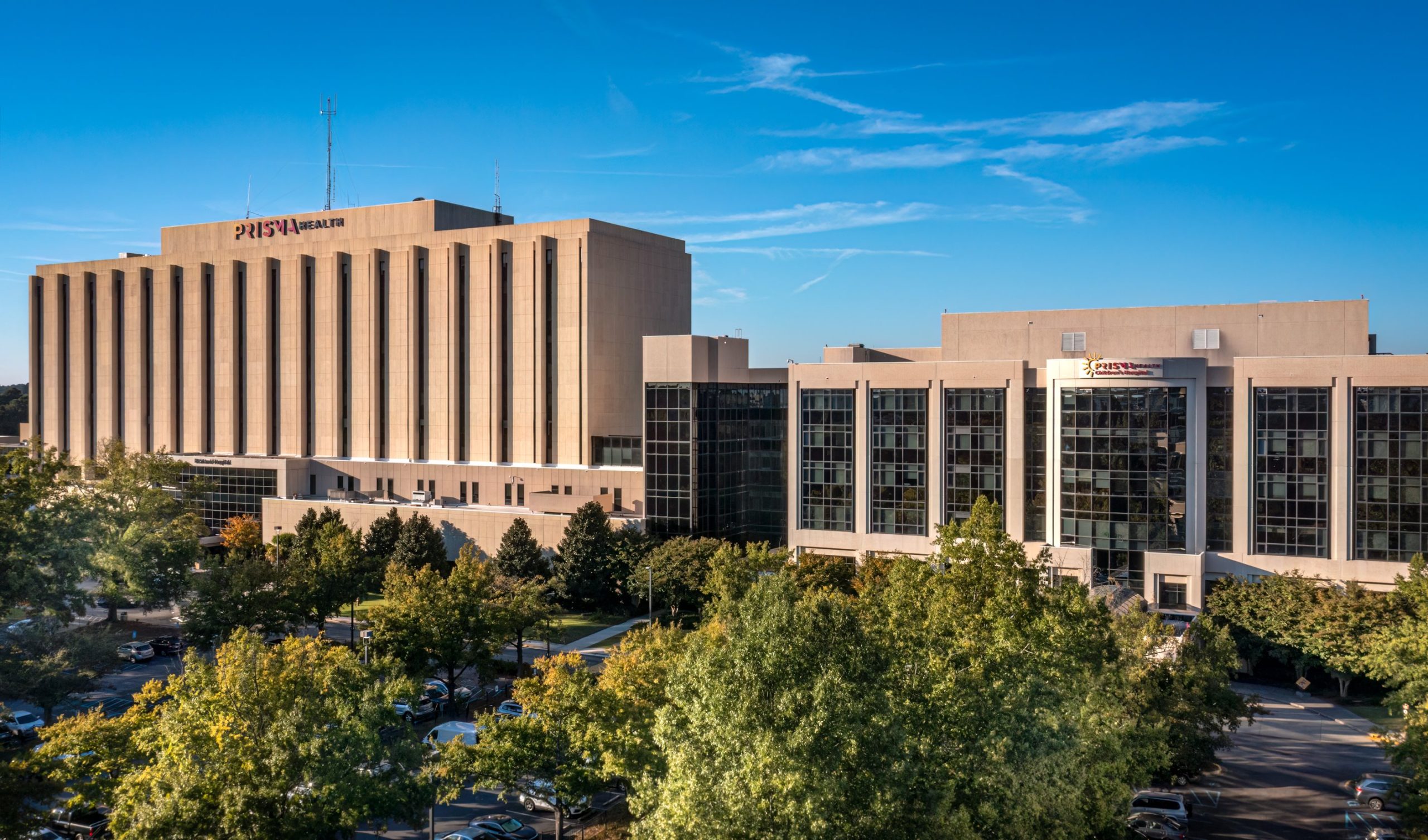
Prisma Health Richland Hospital
Downtown Columbia / 37+ active studies
Cancer, blood disorders, broad hospital research
The flagship Prisma Health hospital in the Midlands. Also, by far the biggest trial operation in the Columbia metro.
Visit Website →
University of South Carolina
Columbia / 27+ active studies
Stroke recovery, physical activity, community health
Notably, a research university that runs federally funded health studies across the Midlands. Specifically, topics range from stroke rehab to disease prevention.
Visit Website →
Bogan Sleep Consultants
Columbia / 7+ active studies
Narcolepsy, sleep disorders
One of the best known private sleep research sites in the Southeast. Also, it has run sleep trials for decades.
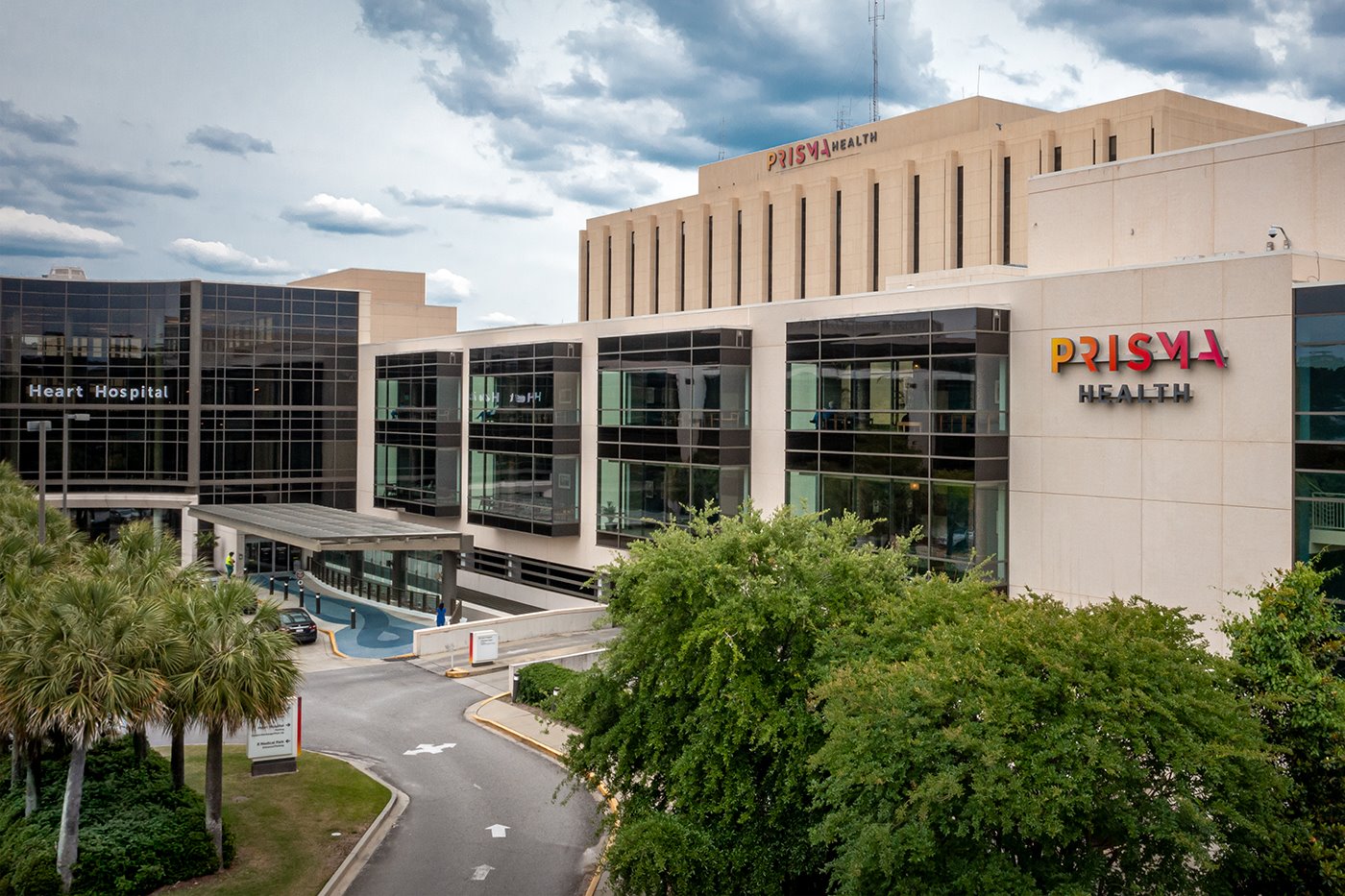
Prisma Health Midlands Cardiovascular
Columbia / 4+ active studies
Cardiovascular disease, heart failure
The heart and vessel research arm of Prisma Health in the Midlands. So it is the natural home for cholesterol trials in Columbia.
Visit Website →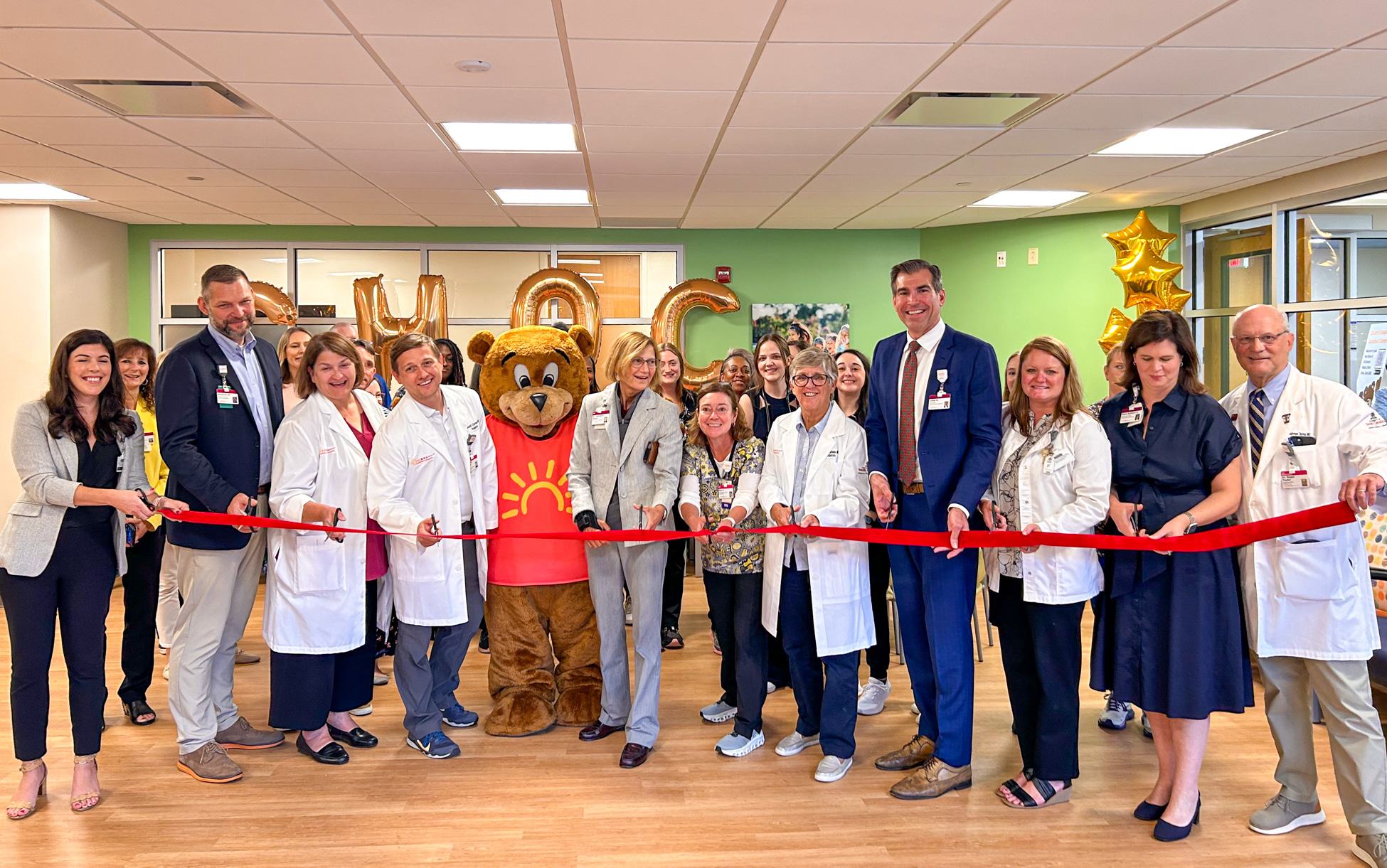
Prisma Health Children’s Hospital, Midlands
Columbia / 4+ active studies
Pediatric growth, cystic fibrosis
Basically, the Midlands hub for children’s research inside the Prisma Health system.
Visit Website →
Columbia Dermatology & Aesthetics
Columbia / 4+ active studies
Hidradenitis suppurativa, psoriasis, obesity
A skin care practice with its own research team. It runs both skin and weight studies.
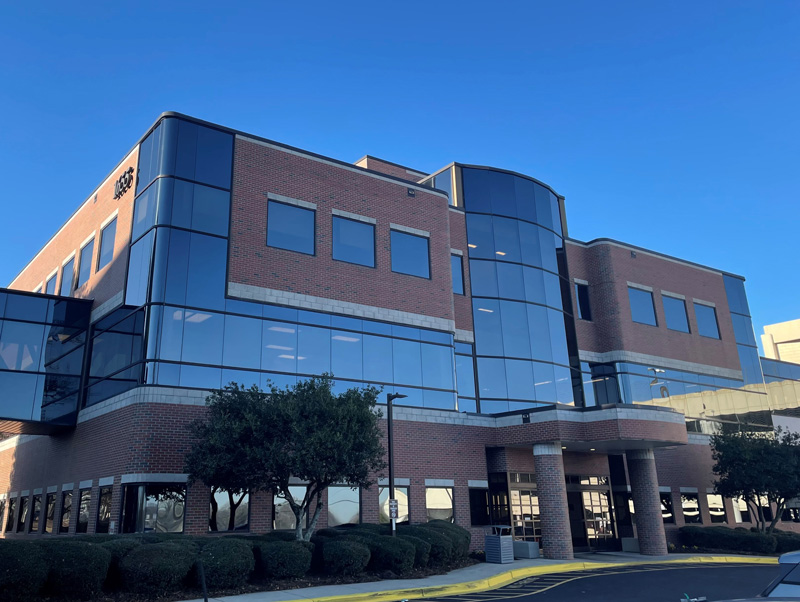
Velocity Clinical Research, Columbia
Columbia / Multiple active studies
COPD, skin conditions, vaccines
Part of one of the biggest research site networks in the country. Besides, it is just the kind of site the huge outcome trials lean on.
Visit Website →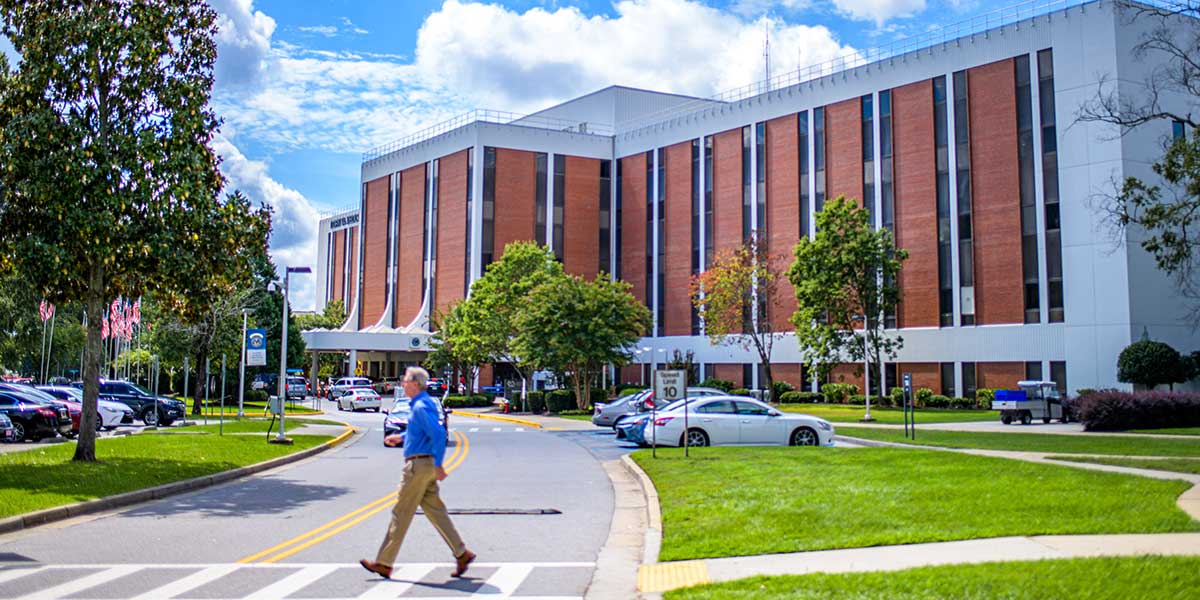
Wm. Jennings Bryan Dorn VA Medical Center
Garners Ferry Road, Columbia / 2+ active studies
Atherosclerosis, liver disease
Columbia’s VA medical center runs studies, including ones on clogged arteries. For veterans, it is often the first door.
Visit Website →
Objective Health, Columbia
Columbia / 2+ active studies
Celiac disease, fatty liver disease
Once called Columbia Digestive Health Research. Now it is part of the Objective Health network. Specifically, it runs gut and liver studies, including fatty liver trials.
Columbia Gastroenterology Associates
Columbia / Active studies
Digestive conditions
A long-running gut health practice. Also, it takes part in digestive trials around Columbia.
What to Expect in a Pain Study
New to studies? Here is how one works, step by step.
01
Prescreening
First comes a short phone call or online form. Also, it takes about 10 to 15 minutes. The staff check whether you might fit. Then they tell you what is open.
02
Screening Visit
Next the clinic runs the tests that decide it, which usually means blood work. Also, they go through the consent form line by line, and you can bring somebody with you.
03
Treatment Period
Then the programme begins. So you take the study drug or the placebo on the agreed schedule. Meanwhile, your own doctor keeps managing everything else.
04
Follow-Up
Finally, there is a check in period at the end. Also, your own doctor gets the results, and you can stop at any point without affecting your care.
Chronic Pain Trial FAQs
Real answers about chronic pain studies near Columbia SC.
Is there a study for this near Columbia?
Yes, two of them, and both run at the university. Neither uses a dummy group, which is unusual. One teaches an ear pressure technique with seeds and tape, and the other sets a weekly walking goal with a Fitbit. However, the ear seed study is open only to people living outside town, so ask about that line first.
What does chronic actually mean here?
More than three months, and that is all it means. So it is a clock rather than a judgement about how bad your pain is. Notably, that is why studies ask how long and how often before they ask how severe. Meanwhile, about one adult in four in this country lives with it.
My scan was normal. Does that mean nothing is wrong?
No, and this is the sentence people most need to hear. Scans show structure, and they do not show how loudly your nerves are reporting. So a clean scan rules some things out without ruling your pain out. In fact, the nervous system can turn its own volume up, which no scan can picture.
Will being on opioids rule me out?
Not automatically, and people close this door on themselves far too often. One of the studies here records your painkiller use as part of what it measures, rather than banning it. So ask the question instead of assuming. However, some drug trials do want a steady dose, so bring your medicine list to the first call.
What is the rural rule about?
One study is built for people who cannot easily reach a pain clinic, so living in a rural area is a written rule. The site sits in Columbia while town addresses are excluded, which sounds odd until you see the purpose. So people in the surrounding counties may well qualify. Also, ask which map they use, because that single answer decides it.
Do either of these involve a drug?
No. One teaches an ear pressure technique using seeds and tape, and the other sets a weekly walking goal. So there is no medicine to react to. Meanwhile, neither has a dummy group, which is unusual and worth knowing. In fact, for a lot of people that makes them far easier to agree to.
What numbers should I walk in with?
Two. Your worst pain out of ten, and how many days a month it stops you doing something. So a simple two week diary gives you both. Also, ask whether your pain is in one place or several, because that decides which studies fit. Notably, widespread pain and one sore joint go to different studies entirely.
Does it cost anything to check?
No. There is no cost, and no insurance is needed. Tether is a nonprofit list, so we do not run studies and we are not paid to send you anywhere. Also, checking never enrolls anyone in anything. You would always call the clinic yourself.
Where can I get help near Columbia?
Prisma Health and Lexington Medical Center both run pain services across the Midlands. Also, ask your own doctor to score your pain and count your limited days, because studies gate on those numbers. Generally, a pain clinic referral is the right route if simple measures have run out. Meanwhile, ask about graded activity, since it is one of the few things with steady evidence behind it.
Ready to Explore a Study?
Check your eligibility, or just reach out to our Columbia team. No pressure. Also, no sales pitch.
← Back to All Clinical TrialsSources
- Ear seed self treatment, at Columbia, for people in rural areas, ClinicalTrials.gov NCT07179016
- DREAM, a walking dose study at Columbia with no dummy group, ClinicalTrials.gov NCT06880653
- A records only study of pain device outcomes, at Winston Salem, ClinicalTrials.gov NCT01550575
Study details and per-site recruiting status verified against ClinicalTrials.gov on August 17, 2026. Both studies listed here carry a geographic eligibility rule, and both rules are stated on the cards rather than left for a screening call to discover. Two other chronic pain registries list a Huntersville NC site 18 miles from uptown Charlotte, and both study headers read as open; one of those Huntersville rows reads completed and the other terminated, so neither is listed here. Study availability and criteria change; the research clinic confirms everything before you enroll.