
COLUMBIA, SC
Actinic Keratosis Clinical Trials
No sun damage study is enrolling in Columbia SC, and we would rather say so plainly. However, three run elsewhere in South Carolina, and all of them are within about two hours. Compensation is provided for eligible participants once one opens here.
0
Open in the Midlands
3
Open in South Carolina
+/- $100
Per Visit
New here? Read how this page works
First, two numbers decide whether any of these will take you, and they are how many patches you have and how thick they are. So here is the order to work through.
- Ask a dermatologist to count and grade your patches. Because these studies want an exact number in an exact sized area, and the thicker grade 3 ones do not qualify.
- Ask specifically about your scalp, ears and lower lip. Notably, those three are the most commonly missed spots at an ordinary appointment.
- Ask whether field treatment fits you better than spot freezing. In fact, freezing treats what can be seen, while field treatment covers the damaged skin around it.
- Finally, tap the button. Then we keep your details on file and call you when a study opens near you.
Of course, checking never signs you up for anything. You are only seeing where you might fit.
The 3 Nearest Studies to Columbia
None runs in the Midlands. However, all three are within about two hours, and one lasts only 57 days.
The three nearest studies, all in South Carolina
Nothing runs in the Midlands. However, all three are within about two hours, and one of them lasts only 57 days.

A Short Study With No Dummy and No Light
Observational study / 57 days
This one simply follows people using tirbanibulin, a cream applied for a few days. Nothing is assigned and there is no dummy anywhere in it. So it is surveys and photographs rather than an experiment. Notably, it runs 57 days, which is by far the shortest commitment on this page. The site is at Charleston.
Payment is not published.
Get on the list →More details
Why researchers are excited: the newer creams ask for only a few days of treatment rather than weeks. Meanwhile, whether people actually finish them in real life is the open question.
Who this study is looking for
- Actinic keratosis being treated with tirbanibulin
- Also, willing to complete surveys and be photographed
- Besides that, able to attend the site at Charleston
- Finally, treatment prescribed in the normal way by a doctor
Probably not a fit if: this follows treatment rather than providing it. So you need the prescription arranged first. Also, it is not a fit if you want the treatment itself paid for.
- Placebo group: None at all. Nothing is assigned, because researchers only watch and record.
- How long: 57 days. That is the shortest study on this page by a wide margin.
- Clinic visits: Not published on the public record.
- Phone calls: Not published on the public record.
- Most invasive part: Nothing beyond your normal treatment. So this is surveys and photographs rather than procedures.
- Setting: Outpatient.
- Where it runs: Dermatology and Laser Center of Charleston, Charleston SC 29414.
- Drive from Columbia: Charleston is about 115 miles south east, so roughly an hour and fifty minutes.
- Confirm it is still enrolling. The main completion date is October 2026, so this one may close sooner than the others.
- Full study record: View on ClinicalTrials.gov →

Light Treatment for the Forearms
Sun Pharma / Late stage light treatment
A liquid is put on the rough patches, left to soak in, then a blue light is shone on the area. The liquid makes the abnormal cells sensitive to that light, so the light destroys them. This study treats the forearms specifically. Notably, it wants exactly four to eight lesions in one small patch of skin. Two sites run it, at Greenville and at Anderson.
Payment is not published.
Get on the list →More details
Why researchers are excited: the forearms are one of the hardest areas to clear, and they are where sun damage shows most in people who have worked outdoors. Meanwhile, most studies treat the face and scalp instead.
Who this study is looking for
- Exactly 4 to 8 rough patches in one treatment area
- Also, those patches graded mild to moderate, which is grade 1 or 2
- Besides that, all within a single area about 25 square centimetres
- Finally, forearm involvement specifically
Probably not a fit if: thicker, harder lesions rule you out. Grade 3 patches do not qualify, and neither do more than eight in the area. Also, other skin conditions in the treatment area exclude you.
- Placebo group: Yes, in the sense that some people get a dummy liquid before the same light treatment.
- How long: Not published on the public record in full.
- Clinic visits: Not published on the public record.
- Phone calls: Not published on the public record.
- Most invasive part: The light treatment stings, and the skin reacts hard afterwards. Expect redness, crusting and peeling for a week or two. Notably, that reaction is the treatment working rather than a side effect going wrong.
- Setting: Outpatient.
- Where it runs: Palmetto Clinical Trial Services, Greenville SC 29615; and Anderson SC 29621.
- Drive from Columbia: Greenville is about 100 miles north west, so roughly an hour and forty minutes on I-26.
- The lesion count is exact. Four to eight, no more and no fewer, in one small area. So a count done at your own clinic first will tell you quickly whether it is worth the drive.
- Full study record: View on ClinicalTrials.gov →

The Same Light Treatment, for Face or Scalp
Sun Pharma / Late stage light treatment
This is the sister study to the one above, treating the face or the bald scalp instead. The method is the same, which is a liquid, a soak in period, then blue light. However, this one compares four groups, testing different soak in times. So how long the liquid sits on your skin is part of what is being tested. It runs at Greenville only.
Payment is not published.
Get on the list →More details
Why researchers are excited: how long the liquid is left on changes both how well it works and how much it stings. Meanwhile, getting that balance right is what makes the treatment tolerable.
Who this study is looking for
- Rough sun damaged patches on the face or the bald scalp
- Also, A lesion count within the study’s range, so ask for the exact numbers
- Besides that, patches graded mild to moderate
- Finally, able to attend Greenville for the treatment visits
Probably not a fit if: thicker grade 3 lesions rule you out. Also, other active skin conditions in the treatment area. Notably, this one has no Anderson site, unlike its sister study.
- Placebo group: Four groups are compared, differing by drug and by soak in time.
- How long: Not published on the public record in full.
- Clinic visits: Not published on the public record.
- Phone calls: Not published on the public record.
- Most invasive part: Stinging during the light, then a week or two of crusting and peeling. On the face that is visible, so plan the timing around your commitments.
- Setting: Outpatient.
- Where it runs: Palmetto Clinical Trial Services, Greenville SC 29615.
- Drive from Columbia: Greenville is about 100 miles north west, so roughly an hour and forty minutes on I-26.
- Ask which group you would be in. The soak in times differ between arms, and that changes both the discomfort and the result.
- Full study record: View on ClinicalTrials.gov →
Not sure which one fits you?
First, answer a few quick health questions. Then we keep them on file. Finally, we call you when a study opens near Columbia. No account, no paperwork.
See if I may fit one of these studies →What Is Actually Changing in Sun Damaged Skin
Treatment has moved from freezing spots one by one to treating the whole damaged area at once.
What These Rough Patches Actually Are
They are small scaly patches caused by years of sun, usually on the face, scalp, ears, forearms and the backs of the hands. Often you feel them before you see them, because the texture changes first. So running a hand over your scalp is a better check than looking in a mirror. Notably, they are not cancer, but they sit on the road toward it.
Why They Are Treated At All
A share of them can turn into squamous cell skin cancer if left. Nobody can tell you which ones, and that is exactly the point. So treating them is about removing the risk rather than fixing a symptom. Meanwhile, they are far easier to treat than the cancer they can become.
Freezing Treats Spots, Not the Field
Liquid nitrogen freezes off the patches your doctor can see. However, the skin around them is usually just as sun damaged, and it holds the ones not visible yet. So field treatment covers the whole area rather than the individual spots. In fact, that shift is the single biggest change in how this is managed.
The Field Treatments and How They Differ
Fluorouracil cream runs two to four weeks and reacts strongly. Imiquimod works by waking up your immune system in the area. Tirbanibulin is newer and takes only five days. Meanwhile, light treatment works in a clinic visit rather than at home, which suits people who would not finish a course of cream.
The Healing Looks Alarming, and That Is Expected
Whichever you use, the treated area goes red, crusts and peels. It can look worse than what you started with for a week or two. So plan the timing around work and social commitments rather than being surprised. Notably, people who are not warned about this often stop halfway, which wastes the whole course.
Light Treatment in Plain Words
A liquid is applied, left to soak into the abnormal cells, then a blue light is shone on the area. The light activates the liquid and destroys those cells. So the whole thing happens in the clinic in one appointment. However, it stings during the light, and how long the liquid is left on changes both the sting and the result.
Grade Decides Which Studies Take You
Lesions are graded roughly one to three, from slightly rough to thick and hard. Studies commonly want grade one or two, and exclude the thicker ones. So ask your dermatologist to grade yours and to count them. In fact, both studies on this page gate on an exact count in an exact sized area.
Where They Appear Tells You Something
The scalp matters in anyone who has thinned on top, because it takes constant sun. The ears and lower lip are commonly missed entirely at ordinary appointments. So ask for those to be checked specifically. Meanwhile, the forearms and hands show the damage of a working life outdoors.
Why Nothing Is Open in Either Metro
The studies here cluster at dermatology practices that have built research operations, and in South Carolina those sit at Greenville, Anderson and Charleston. So neither metro currently has one on the roster. However, Greenville is roughly an hour and forty minutes from both cities, which is closer than most gaps on our site. Meanwhile, a large study for Veterans does not publish its site list at all, and the VA hospitals serving both metros could be on it.
Sun Damage Help Near You
Ask a dermatologist to count and grade your patches, because studies gate on both numbers. Also, ask specifically about your scalp, ears and lower lip. Finally, ask whether field treatment rather than spot freezing is the better fit for you. Meanwhile, join the list and we will call you when a study opens here.
Research Sites Near Columbia
Nothing runs in the Midlands, while the nearest sites are at Charleston, Greenville and Anderson. But sites add new studies all the time, so it is worth knowing what is near you.
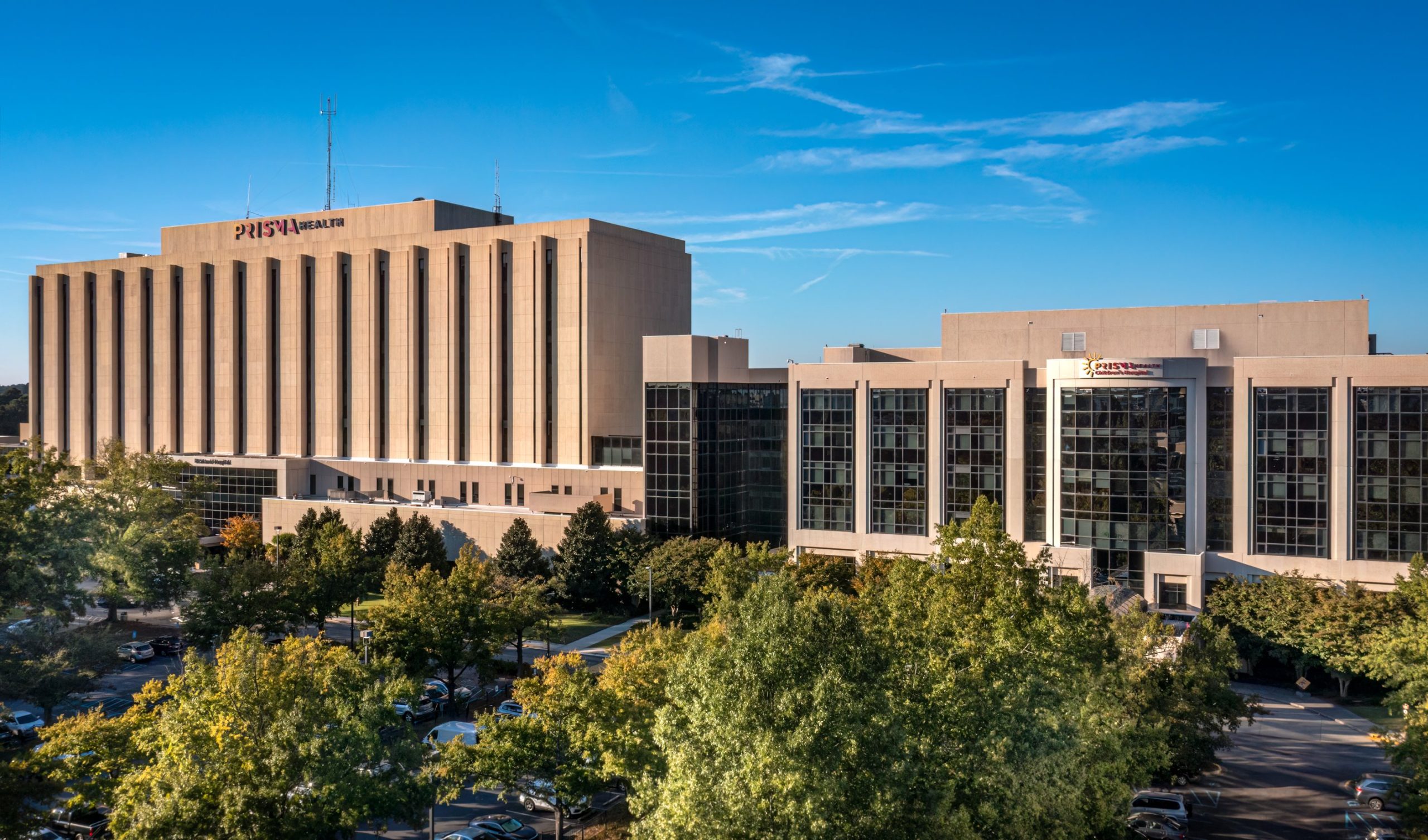
Prisma Health Richland Hospital
Downtown Columbia / 37+ active studies
Cancer, blood disorders, broad hospital research
The flagship Prisma Health hospital in the Midlands. Also, by far the biggest trial operation in the Columbia metro.
Visit Website →
University of South Carolina
Columbia / 27+ active studies
Stroke recovery, physical activity, community health
Notably, a research university that runs federally funded health studies across the Midlands. Specifically, topics range from stroke rehab to disease prevention.
Visit Website →
Bogan Sleep Consultants
Columbia / 7+ active studies
Narcolepsy, sleep disorders
One of the best known private sleep research sites in the Southeast. Also, it has run sleep trials for decades.
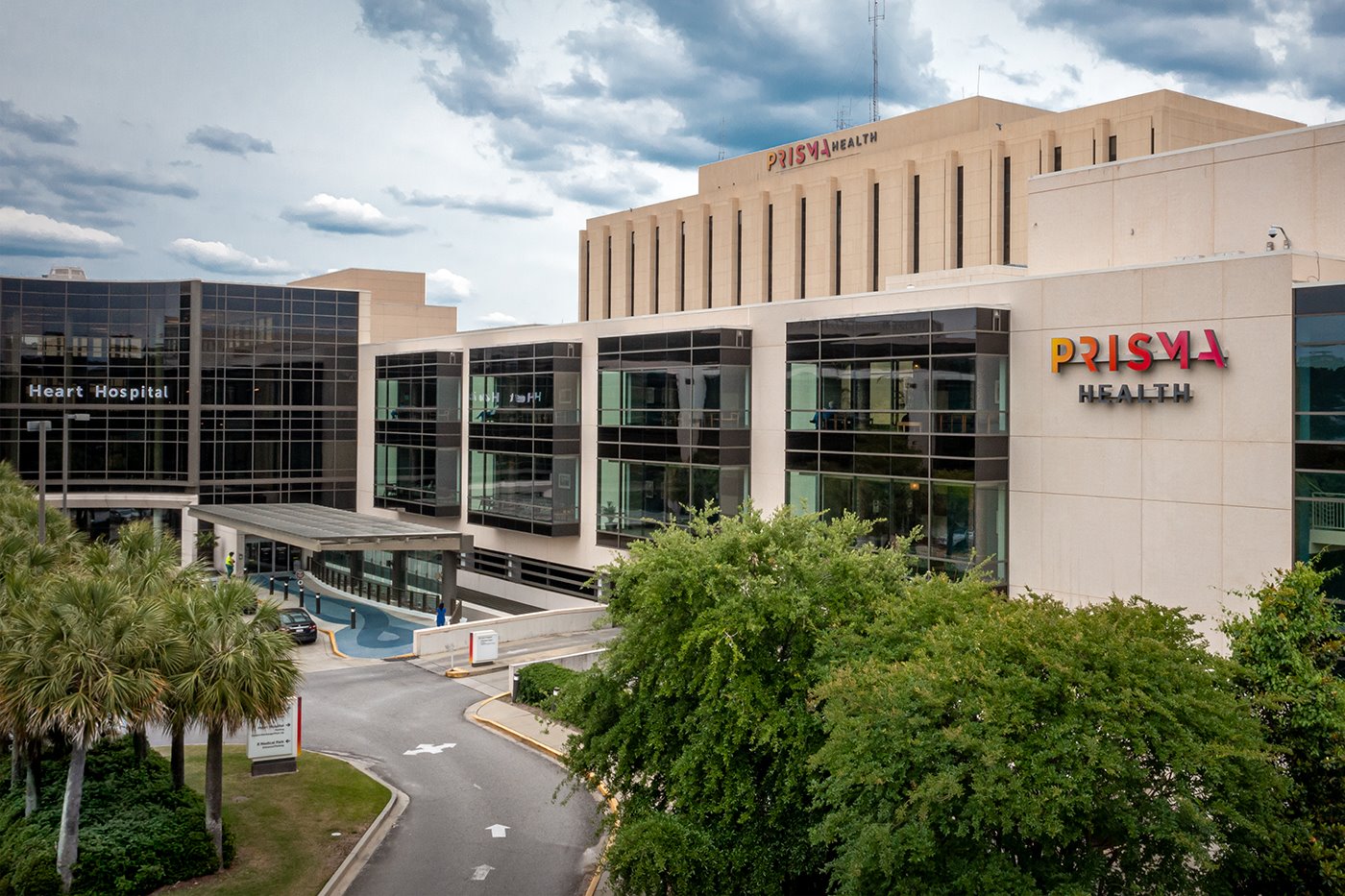
Prisma Health Midlands Cardiovascular
Columbia / 4+ active studies
Cardiovascular disease, heart failure
The heart and vessel research arm of Prisma Health in the Midlands. So it is the natural home for cholesterol trials in Columbia.
Visit Website →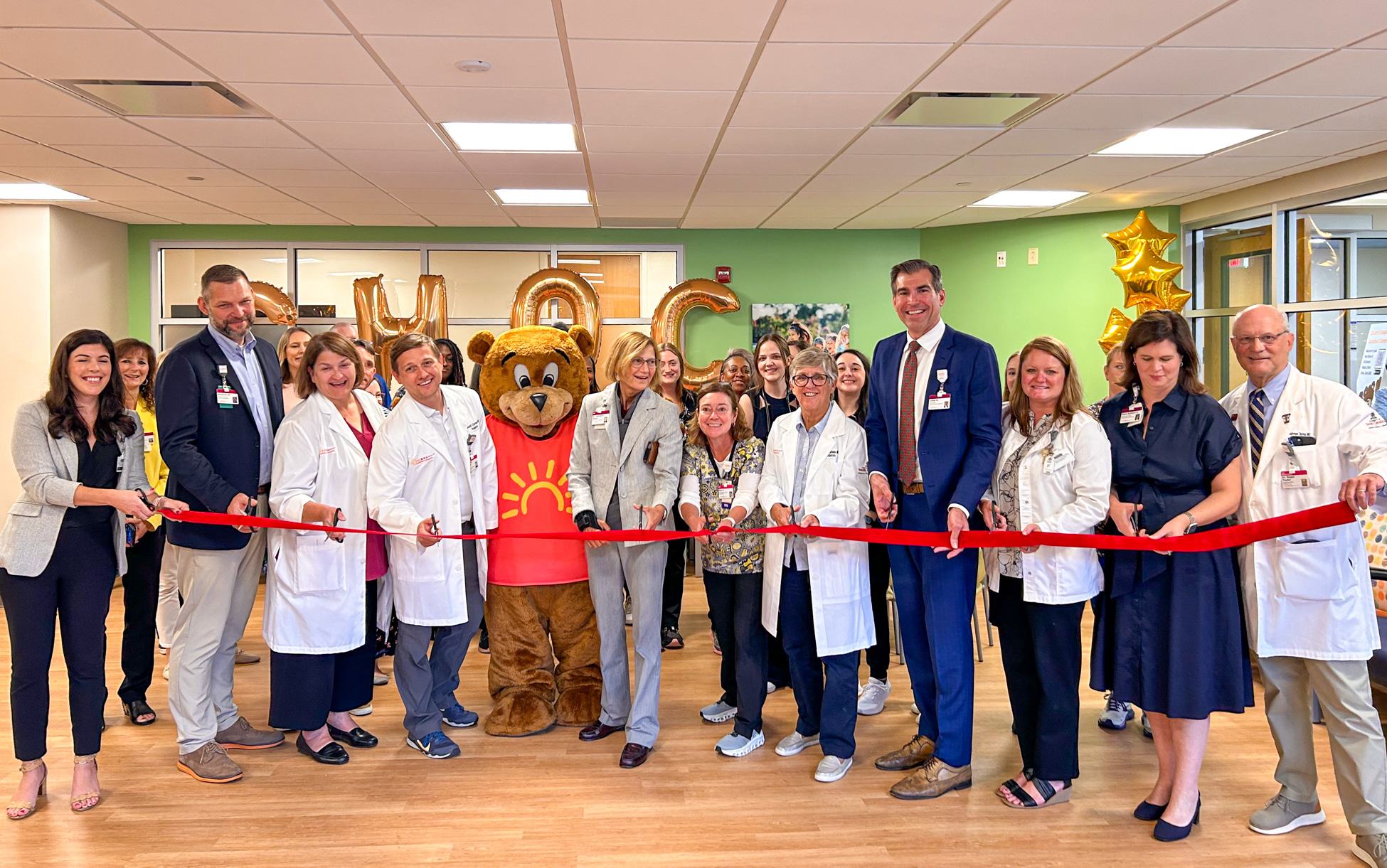
Prisma Health Children’s Hospital, Midlands
Columbia / 4+ active studies
Pediatric growth, cystic fibrosis
Basically, the Midlands hub for children’s research inside the Prisma Health system.
Visit Website →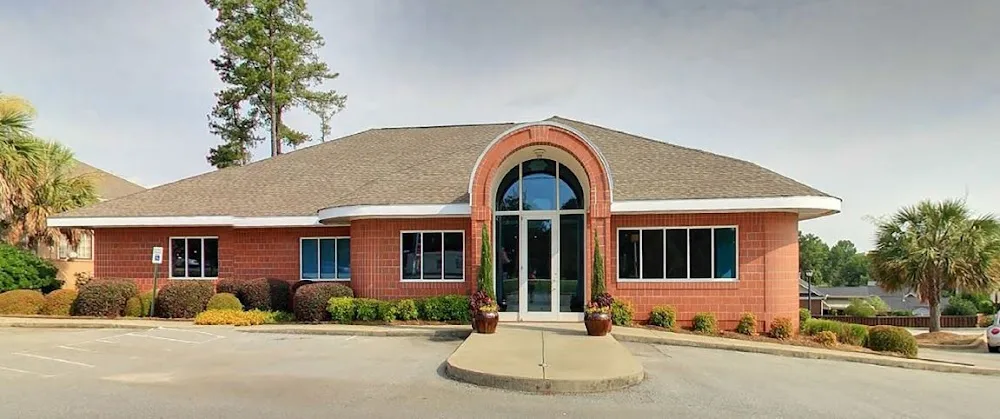
Columbia Dermatology & Aesthetics
Columbia / 4+ active studies
Hidradenitis suppurativa, psoriasis, obesity
A skin care practice with its own research team. It runs both skin and weight studies.
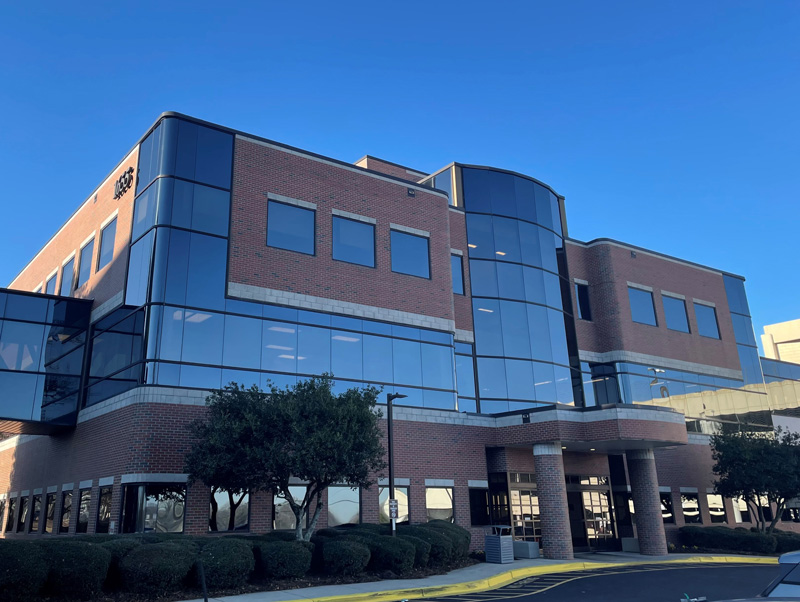
Velocity Clinical Research, Columbia
Columbia / Multiple active studies
COPD, skin conditions, vaccines
Part of one of the biggest research site networks in the country. Besides, it is just the kind of site the huge outcome trials lean on.
Visit Website →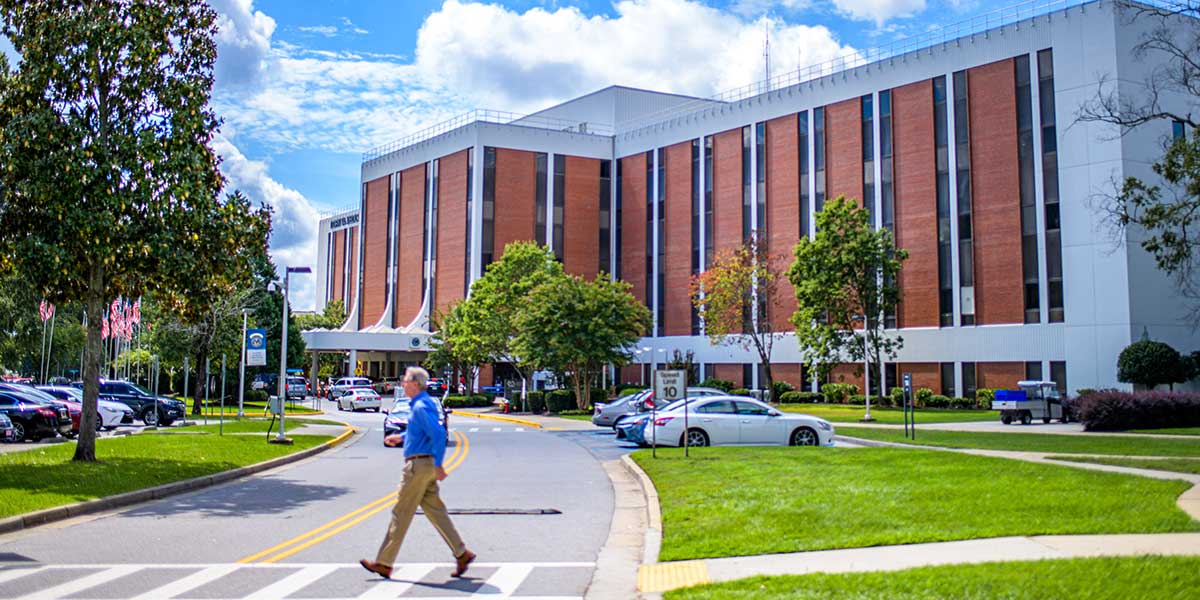
Wm. Jennings Bryan Dorn VA Medical Center
Garners Ferry Road, Columbia / 2+ active studies
Atherosclerosis, liver disease
Columbia’s VA medical center runs studies, including ones on clogged arteries. For veterans, it is often the first door.
Visit Website →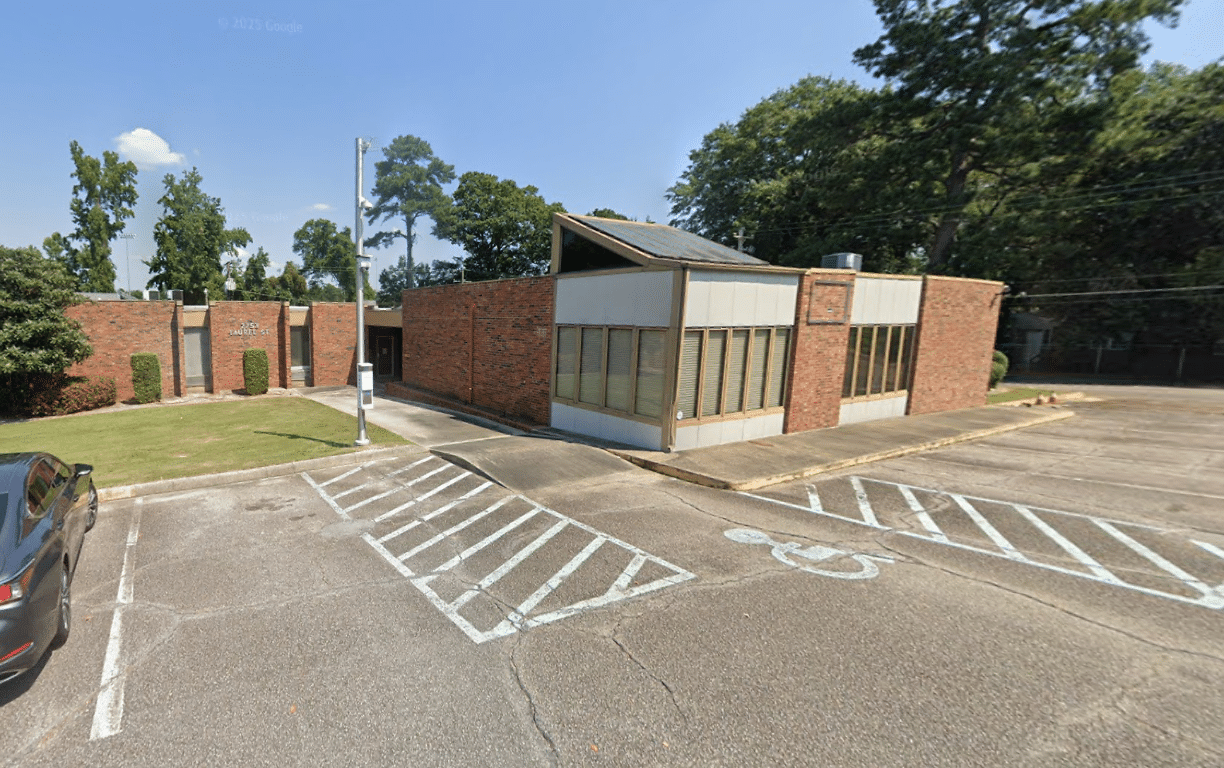
Objective Health, Columbia
Columbia / 2+ active studies
Celiac disease, fatty liver disease
Once called Columbia Digestive Health Research. Now it is part of the Objective Health network. Specifically, it runs gut and liver studies, including fatty liver trials.
Columbia Gastroenterology Associates
Columbia / Active studies
Digestive conditions
A long-running gut health practice. Also, it takes part in digestive trials around Columbia.
What to Expect in a Skin Study
New to studies? Here is how one works, step by step.
01
Prescreening
First comes a short phone call or online form. Also, it takes about 10 to 15 minutes. The staff check whether you might fit. Then they tell you what is open.
02
Screening Visit
Next the clinic runs the tests that decide it, which usually means blood work. Also, they go through the consent form line by line, and you can bring somebody with you.
03
Treatment Period
Then the study begins. So you take the study drug or the placebo on the agreed schedule. Meanwhile, your own doctor keeps managing everything else.
04
Follow-Up
Finally, there is a check in period at the end. Also, your own doctor gets the results, and you can stop at any point without affecting your care.
Actinic Keratosis Trial FAQs
Real answers about sun damage studies near Columbia SC.
Is there a study for this near Columbia?
No, and we will not pretend otherwise. Nothing is recruiting in Columbia, West Columbia, Lexington, Irmo, Cayce, Sumter or Orangeburg. However, three run elsewhere in the state and all are within about two hours. Notably, the Charleston one lasts just 57 days and has no dummy in it, while the two at Greenville use a light treatment in the clinic.
What actually are these rough patches?
They are small scaly patches caused by years of sun, and you usually feel them before you see them. They turn up on the face, scalp, ears, forearms and the backs of the hands. So running a hand over your scalp is a better check than looking in a mirror. Notably, they are not cancer, but they sit on the road toward it.
Do they really need treating?
Yes, and the reason is the uncertainty rather than the patch itself. A share of them can turn into squamous cell skin cancer if left alone. However, nobody can tell you which ones will, and that is exactly the point. So treating them removes a risk, and they are far easier to treat than the cancer they can become.
What is the difference between freezing and field treatment?
Freezing removes the patches your doctor can see, one at a time. However, the skin around them is usually just as sun damaged and holds the ones not visible yet. So field treatment covers the whole area rather than the individual spots. In fact, that shift is the biggest change in how this is managed.
What is the light treatment like?
A liquid is applied and left to soak into the abnormal cells, then a blue light is shone on the area. The light activates the liquid, which destroys those cells. So it happens in one clinic appointment rather than weeks of cream at home. However, it stings during the light, and the skin crusts and peels for a week or two afterwards.
Will my face look bad afterwards?
For a week or two, yes, and you should plan around that rather than be surprised. Whichever treatment you use, the area goes red, crusts and peels before it looks better. Notably, people who are not warned often stop halfway, which wastes the whole course. So ask to see photographs of what week one looks like before you agree.
Why would I be turned away?
Usually the count or the grade. These studies want an exact number of patches, of a particular thickness, in one small area. So thicker grade 3 lesions do not qualify, and neither does having too many or too few. Also, a count done at your own clinic first tells you quickly whether the drive is worth it.
Does it cost anything to join the list?
No. There is no cost, and no insurance is needed. Tether is a nonprofit list, so we do not run studies and we are not paid to send you anywhere. Also, being on the list never enrolls anyone in anything. You would always call the clinic yourself.
Where can I get help near Columbia SC?
Prisma Health and Lexington Medical Center both run skin services across the Midlands. Also, ask for a full skin check rather than a look at one patch, and ask about your scalp, ears and lower lip specifically. Generally, your own doctor can refer you. Meanwhile, a count and grade is what any study will want first.
Ready to Explore a Study?
Check your eligibility, or just reach out to our Columbia team. No pressure. Also, no sales pitch.
← Back to All Clinical TrialsSources
- Light treatment for the forearms, at Greenville and Anderson, ClinicalTrials.gov NCT07144852
- The same treatment for face or scalp, at Greenville, ClinicalTrials.gov NCT07144345
- CLEAR, following people using tirbanibulin, at Charleston, ClinicalTrials.gov NCT07657988
- A large study for Veterans whose site list is not published, ClinicalTrials.gov NCT05212246
Study details and per-site recruiting status verified against ClinicalTrials.gov on August 17, 2026. Four separate state level searches on this condition returned nothing; the South Carolina sites listed here were found only by sweeping individual cities one at a time. A large study for Veterans across seventeen VA medical centres does not publish its site list at all, so we cannot say whether the VA hospitals serving this region are on it. Study availability and criteria change; the research clinic confirms everything before you enroll.