
COLUMBIA, SC
Alopecia and Hair Loss Clinical Trials
No hair loss study is enrolling in Columbia SC, and we would rather say so plainly. However, one runs at Spartanburg about 90 minutes north west, and it takes adults as well as teenagers. Compensation is provided for eligible participants once one opens here.
0
Open in the Midlands
1
About 90 Minutes Away
+/- $100
Per Visit
New here? Read how this page works
First, here is the honest picture. Nothing is open in the Midlands, and the nearest study is about 90 minutes away. So here is how to use this page.
- Ask for your SALT score in writing. Because it is the percentage of scalp with hair missing, and most studies want 50 or more before they will look at you.
- Work out which kind of hair loss you have. Notably, smooth round patches and gradual thinning are different conditions with different studies and different drugs.
- Ask for a thyroid and iron blood test. In fact, both cause shedding, and both are easy to miss and easy to treat.
- Finally, tap the button. Then we check you against every study we track and tell you when a new one opens.
Of course, checking never signs you up for anything. You are only seeing where you might fit.
The Nearest Study to Columbia
It runs at Spartanburg, about 90 minutes north west. Notably, it is the nearest one that will see an adult at all.
The nearest study, about 90 minutes north west
Nothing runs in the Midlands. Also, this is the nearest one that will see an adult at all, though it stops at 63.

The Nearest Option for Adults
AbbVie / Late stage tablet
Upadacitinib is a daily tablet already approved for several other immune conditions. This study tests it for severe patchy hair loss. It takes both teenagers and adults, which is unusual here. However, it stops at 63, and that upper limit catches people out. The nearest site is at Spartanburg.
Payment is not published.
Get on the list →More details
Why researchers are excited: most hair loss studies in reach take children only. Meanwhile, this is the nearest one that will see an adult at all.
Who this study is looking for
- Age 12 to 63
- Also, severe alopecia areata, usually at least half the scalp
- Besides that, A SALT score confirming it, so ask for the number
- Finally, hair loss that has lasted at least six months
Probably not a fit if: being 64 or over rules you out. That ceiling comes from the heart warning this drug class carries. Also, other causes of hair loss, and recent use of another JAK tablet.
- Placebo group: Yes. There is a dummy group, and the split is not published.
- How long: Not published on the public record in full.
- Clinic visits: Not published on the public record.
- Phone calls: Not published on the public record.
- Most invasive part: Blood tests and scalp photographs. Also, a daily tablet.
- Setting: Outpatient.
- Where it runs: Study site, Spartanburg SC.
- Drive from Columbia: Spartanburg is about 90 miles north west, so roughly an hour and a half on I-26.
- Check the upper age limit first. Sixty three is unusually low for an adult study, and it is the commonest reason people here are turned away.
- Full study record: View on ClinicalTrials.gov →
Not sure which one fits you?
First, answer a few quick health questions. Then we keep them on file. Finally, we call you when a study opens near Columbia. No account, no paperwork.
See if I may fit one of these studies →What Is Actually Changing in Hair Loss Treatment
Three tablets were approved for severe patchy hair loss in four years, after decades of nothing.
Two Different Conditions Share One Word
Alopecia areata is an immune attack on the hair follicle, and it comes out in smooth round patches. Pattern hair loss is gradual thinning, usually along the parting or the crown. So they need different drugs and different studies. Notably, this page carries both, because people search for them the same way.
Ask for Your SALT Score By Name
SALT stands for Severity of Alopecia Tool, and it is the percentage of your scalp with hair missing. It runs from 0 to 100. Most studies want 50 or more, meaning at least half the scalp. So that single number decides which studies will even look at you, and most people have never been told theirs.
The Patchy Kind Is Not Caused by Stress Alone
People are often told it is stress, and then sent away. However, it is an immune condition, and the immune system attacks the follicle directly. So the follicle survives underneath, which is why regrowth is possible even after years. In fact, that is exactly what the newer drugs are aiming at.
2022 Changed Everything
Baricitinib was approved for severe patchy hair loss in June 2022. It was the first drug ever approved for the condition. Ritlecitinib followed in 2023 and deuruxolitinib in 2024. Meanwhile, before that the options were steroid injections into the scalp and not much else.
They All Block the Same Kind of Signal
All three are JAK inhibitors, which means they turn down the immune signals attacking the follicle. So they are tablets rather than creams or injections. However, they carry a boxed warning about heart and clot risks, which is why several studies here stop at 63 or 65.
Regrowth Is Slow, and That Is Normal
Hair grows about half an inch a month at best. So these studies measure success at six months and at a year, not at six weeks. Meanwhile, people often stop too early because nothing has visibly happened by month two. In fact, patience is part of the treatment here.
Eyebrows and Eyelashes Are Measured Separately
Many studies score them on their own scales, apart from the scalp. That matters, because losing them affects people more than the numbers suggest. So ask whether the study measures them. Also, ask what happens to your scores if only your scalp responds.
Pattern Hair Loss Has Its Own Small Field
Minoxidil and finasteride remain the mainstays, and both were developed largely in men. So women have fewer approved options and are studied far less often. Meanwhile, one study on this page takes women only for exactly that reason. In fact, that is the gap it exists to fill.
Hair Loss Help Near You
Ask a dermatologist for your SALT score, in writing, and ask which kind of hair loss you have. Also, ask whether anything on your blood tests explains it, because thyroid trouble and iron deficiency both cause shedding. Generally, your own doctor can run those first. Meanwhile, if you are on a weight loss injection, mention it, because it excludes you from some studies.
Research Sites Near Columbia
Nothing runs in the Midlands for this, while the nearest site is at Spartanburg. But sites add new studies all the time, so it is worth knowing what is near you.

Prisma Health Richland Hospital
Downtown Columbia / 37+ active studies
Cancer, blood disorders, broad hospital research
The flagship Prisma Health hospital in the Midlands. Also, by far the biggest trial operation in the Columbia metro.
Visit Website →
University of South Carolina
Columbia / 27+ active studies
Stroke recovery, physical activity, community health
Notably, a research university that runs federally funded health studies across the Midlands. Specifically, topics range from stroke rehab to disease prevention.
Visit Website →
Bogan Sleep Consultants
Columbia / 7+ active studies
Narcolepsy, sleep disorders
One of the best known private sleep research sites in the Southeast. Also, it has run sleep trials for decades.
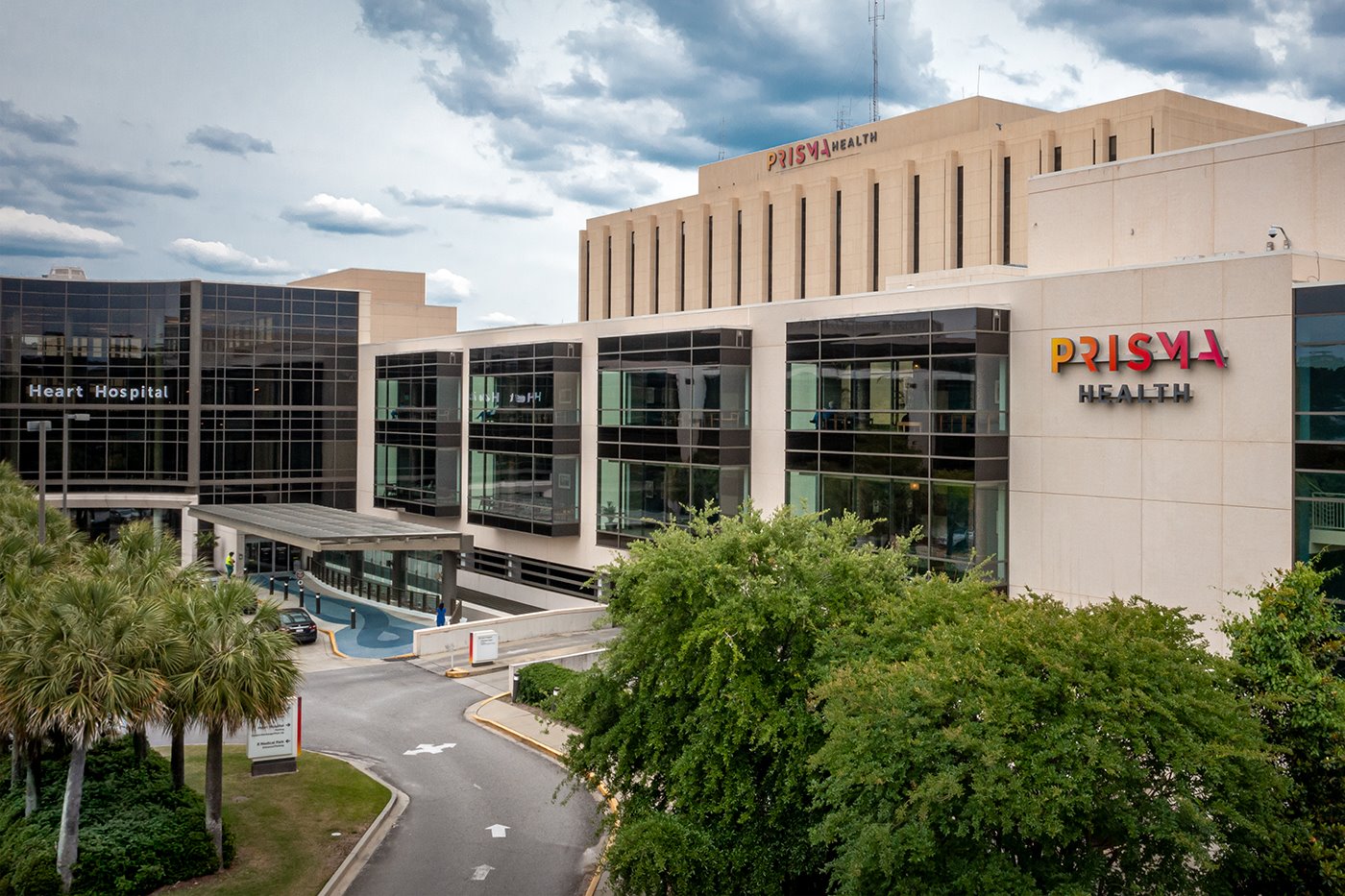
Prisma Health Midlands Cardiovascular
Columbia / 4+ active studies
Cardiovascular disease, heart failure
The heart and vessel research arm of Prisma Health in the Midlands. So it is the natural home for cholesterol trials in Columbia.
Visit Website →
Prisma Health Children’s Hospital, Midlands
Columbia / 4+ active studies
Pediatric growth, cystic fibrosis
Basically, the Midlands hub for children’s research inside the Prisma Health system.
Visit Website →
Columbia Dermatology & Aesthetics
Columbia / 4+ active studies
Hidradenitis suppurativa, psoriasis, obesity
A skin care practice with its own research team. It runs both skin and weight studies.
Velocity Clinical Research, Columbia
Columbia / Multiple active studies
COPD, skin conditions, vaccines
Part of one of the biggest research site networks in the country. Besides, it is just the kind of site the huge outcome trials lean on.
Visit Website →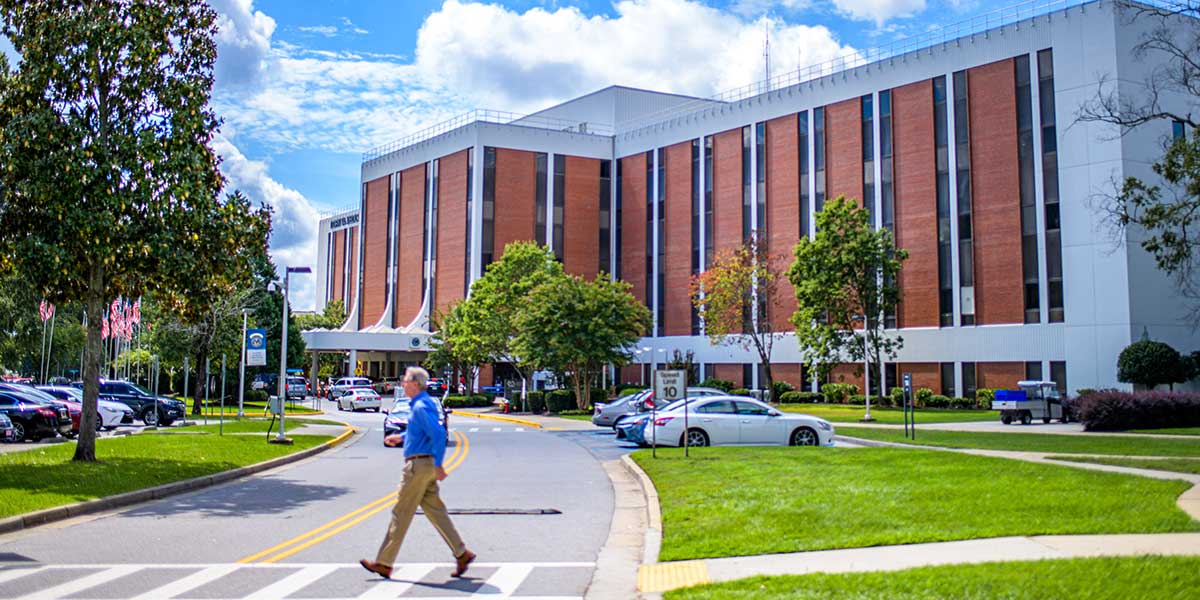
Wm. Jennings Bryan Dorn VA Medical Center
Garners Ferry Road, Columbia / 2+ active studies
Atherosclerosis, liver disease
Columbia’s VA medical center runs studies, including ones on clogged arteries. For veterans, it is often the first door.
Visit Website →
Objective Health, Columbia
Columbia / 2+ active studies
Celiac disease, fatty liver disease
Once called Columbia Digestive Health Research. Now it is part of the Objective Health network. Specifically, it runs gut and liver studies, including fatty liver trials.
Columbia Gastroenterology Associates
Columbia / Active studies
Digestive conditions
A long-running gut health practice. Also, it takes part in digestive trials around Columbia.
What to Expect in a Hair Loss Study
New to studies? Here is how one works, step by step.
01
Prescreening
First comes a short phone call or online form. Also, it takes about 10 to 15 minutes. The staff check whether you might fit. Then they tell you what is open.
02
Screening Visit
Next the clinic runs the tests that decide it, which usually means blood work. Also, they go through the consent form line by line, and you can bring somebody with you.
03
Treatment Period
Then the study begins. So you take the study drug or the placebo on the agreed schedule. Meanwhile, your own doctor keeps managing everything else.
04
Follow-Up
Finally, there is a check in period at the end. Also, your own doctor gets the results, and you can stop at any point without affecting your care.
Hair Loss Trial FAQs
Real answers about alopecia and hair loss studies near Columbia SC.
Is there a study for this near Columbia?
No, and we will not pretend otherwise. Nothing is recruiting in Columbia, West Columbia, Lexington, Irmo, Cayce, Sumter or Orangeburg. However, one runs at Spartanburg about 90 miles north west, and it takes people from 12 up to 63. Notably, that upper age limit is unusually low, and it is the commonest reason adults are turned away.
What is a SALT score?
It is the share of your scalp with hair missing, written as a percentage from 0 to 100. Most studies want 50 or more, which means at least half the scalp. So it is the single number that decides which studies will consider you. Notably, most people have never been told theirs, so ask for it in writing.
Is my hair loss the patchy kind or the thinning kind?
They are two different conditions, and it changes everything. The patchy kind comes out in smooth round circles, because the immune system attacks the follicle. Meanwhile, pattern hair loss thins gradually, usually along the parting or the crown. So ask your doctor to name which one you have before you look at any study.
Can hair actually grow back?
For the patchy kind, yes, and that is the important part. The follicle survives underneath, so it can restart even after years. However, regrowth is slow, because hair grows about half an inch a month at best. So these studies measure at six months and a year rather than at six weeks.
Will I get a dummy?
In most of these, yes, and the split is usually not published. However, the registry on this page has no dummy at all, because nothing is assigned in it. So ask each clinic what your actual odds are. Also, ask what happens at the end if you were in the dummy group.
Is it caused by stress?
Not on its own, and being told that is a common and frustrating experience. The patchy kind is an immune condition, where the body attacks its own hair follicles. Meanwhile, stress can trigger a flare in someone already prone to it. So it is a factor rather than the cause, and it does not mean nothing can be done.
Why do some studies stop at 63?
Because these tablets carry a warning about heart and clot risks. That warning came from a safety study in rheumatoid arthritis, in people over 50 who already had a heart risk factor. So the age ceilings are cautious rather than specific to hair loss. Notably, it is still the commonest reason an adult is turned away here.
Does it cost anything to check?
No. There is no cost, and no insurance is needed. Tether is a nonprofit list, so we do not run studies and we are not paid to send you anywhere. Also, checking never enrolls anyone in anything. You would always call the clinic yourself.
Where can I get help near Columbia SC?
Prisma Health and Lexington Medical Center both run skin services across the Midlands. Also, ask for a dermatologist rather than a general clinic, because the SALT score is theirs to give. Generally, your own doctor can check your thyroid and iron first. Meanwhile, three tablets are now approved for the patchy kind, so ask about those as well.
Ready to Explore a Study?
Check your eligibility, or just reach out to our Columbia team. No pressure. Also, no sales pitch.
← Back to All Clinical TrialsSources
- Deuruxolitinib in teenagers, ClinicalTrials.gov NCT07133308
- BRAVE-AA-PEDS, baricitinib in children, ClinicalTrials.gov NCT05723198
- PRESTO, the ritlecitinib registry, ClinicalTrials.gov NCT06531109
- VDPHL01 in women with pattern hair loss, ClinicalTrials.gov NCT07146022
- Upadacitinib for severe patchy hair loss, ClinicalTrials.gov NCT06012240
Study details and per-site recruiting status verified against ClinicalTrials.gov on August 17, 2026. Every site row was read individually. A registry listed here returned nothing on either a state wide or a Charlotte search, and was found only by searching a smaller town directly. Two studies in this metro list a nearby site as no longer enrolling while the study overall still recruits, and one lists two sites in the same zip code with only one of them open. Study availability and criteria change; the research clinic confirms everything before you enroll.