
COLUMBIA, SC
Acne Clinical Trials
No acne study is enrolling in Columbia SC, and we would rather say so plainly. In fact, no acne study of any status has placed a site in the Midlands. Compensation is provided for eligible participants once one opens here.
0
Open in the Midlands
1
About 115 Miles South East
+/- $100
Per Visit
New here? Read how this page works
First, here is the honest picture. Nothing is open here, though this is one of the gaps most likely to close. So here is how to use this page.
- Notice where your spots actually sit. Because a jawline pattern that flares monthly points somewhere completely different from a forehead one.
- Ask how long any antibiotic is meant to run. Notably, guidance says a limited course rather than years, usually paired with a cream that carries on afterwards.
- Give a retinoid twelve weeks before judging it. In fact, skin often looks worse first, which is why people stop at week three and conclude it failed.
- Finally, tap the button. Then we keep your details on file and call you when a study opens near you.
Of course, checking never signs you up for anything. You are only seeing where you might fit.
The Nearest Study to Columbia
Nothing is open in the Midlands. However, the nearest one is the only acne study open anywhere in either Carolina.
The nearest study, about two hours south east
Nothing is open in the Midlands. However, this one is the only acne study open anywhere in either Carolina.

Weekly Isotretinoin Instead of Months of Antibiotics
Medical University of South Carolina / Early study
Moderate acne is usually treated with long courses of antibiotics. However, this tests a once weekly tablet instead, after a five day starting dose. It compares that against the usual daily antibiotic over four months. Notably, everyone gets a real drug, because there is no dummy in it. It takes people from age 12 upward.
Payment is not published.
Get on the list →More details
Why researchers are excited: long antibiotic courses for acne are exactly what doctors are trying to move away from. Meanwhile, the strong drug that works is usually held back for severe cases only.
Who this study is looking for
- Age 12 or over, male or female
- Also, A diagnosis of moderate acne
- Besides that, able to attend the site at Charleston
- Finally, able to give consent, or a parent can for a child
Probably not a fit if: being on a long term antibiotic already rules you out. Also, spironolactone for any reason, or isotretinoin in the past 6 months. Notably, pregnancy, or a major depression or psychosis episode in the past year, excludes you.
- Placebo group: None. Both groups get a real drug, so it compares one against the other.
- How long: Four months of treatment. Then follow up checks run to about ten months.
- Clinic visits: Not published on the public record.
- Phone calls: Not published on the public record.
- Most invasive part: Blood tests for fats and liver readings. Also, a tablet either weekly or daily, and questionnaires about side effects.
- Setting: Outpatient.
- Where it runs: Medical University of South Carolina, Charleston SC 29403.
- Drive from Columbia: Charleston is about 115 miles south east, so roughly an hour and fifty minutes.
- This is the only acne study open in either Carolina. It sits at Charleston, so weigh the drive honestly before you call.
- Full study record: View on ClinicalTrials.gov →
Not sure which one fits you?
First, answer a few quick health questions. Then we keep them on file. Finally, we call you when a study opens near Columbia. No account, no paperwork.
See if I may fit one of these studies →What Is Actually Changing in Acne Treatment
The newest approvals target the oil glands themselves rather than the bacteria.
Four Things Have to Line Up
A pore gets blocked by skin cells that do not shed properly. Oil builds up behind the blockage. Then bacteria that live there normally multiply in it. Finally the wall breaks and the area inflames. So a treatment that hits only one of the four rarely settles it.
It Is Not About Being Dirty
This needs saying, because most people are told the opposite at some point. Washing harder does not fix it, and scrubbing makes the inflammation worse. Meanwhile, the blockage happens below the surface where a face wash never reaches. So gentle cleansing twice a day is genuinely all that step should be.
Retinoids Work on the First Step
They speed up how skin cells shed, so pores block less in the first place. That makes them the only common treatment aimed at the actual start of the process. However, they take eight to twelve weeks to show their worth, and skin often looks worse first. So people stop them at week three and conclude they failed.
Antibiotics Are Meant to Be Temporary
Oral antibiotics calm the inflammation and reduce the bacteria. However, guidance is clear that they should run for a limited period rather than indefinitely. So they are usually paired with a cream that carries on afterwards. Notably, if you have been on one for a year or more, that is worth asking about.
Benzoyl Peroxide Has a Specific Job
It kills the bacteria directly, and resistance to it does not build. That is why it is often paired with an antibiotic rather than used instead of one. Also, it bleaches fabric, which is why towels and pillowcases suffer. So use white ones and the problem disappears.
Hormonal Acne Has Its Own Route
Acne along the jaw and chin that flares on a monthly cycle often responds to hormonal treatment. So the combined pill and spironolactone are both used for exactly that pattern. Meanwhile, they do nothing much for the pattern across the forehead and nose. In fact, describing where your spots sit is more useful than describing how many there are.
Isotretinoin Is the One That Changes the Course
It shrinks the oil glands themselves, so it works on the cause rather than the aftermath. It needs close monitoring, monthly blood tests and strict pregnancy precautions. However, for severe or scarring acne it remains the most effective option there is. So it is worth asking about early rather than after years of antibiotics.
Treat Scarring by Preventing It
Once a scar has formed, treating it means lasers, needling or minor procedures. So the far cheaper approach is stopping the inflammation before it scars. Meanwhile, picking and squeezing genuinely does increase scarring. Generally, the earlier the treatment starts, the less there is to fix later.
Why Nothing Is Open in Either Metro
Six studies ran across this region and every one of them has finished. Acne research also runs in fairly short waves, because the studies themselves are short. So a metro can look empty for a year and then carry three at once. In fact, that pattern makes this one of the more likely gaps on our site to close.
Acne Help Near You
See a dermatologist rather than waiting it out, especially if you are already scarring. Ask where your spots sit, because a jawline pattern points somewhere different from a forehead one. Also, ask how long any antibiotic is meant to run for. Meanwhile, join the list and we will call you when a study opens here.
Research Sites Near Columbia
Nothing runs in the Midlands for acne today, though local dermatology sites do run other skin research. But sites add new studies all the time, so it is worth knowing what is near you.
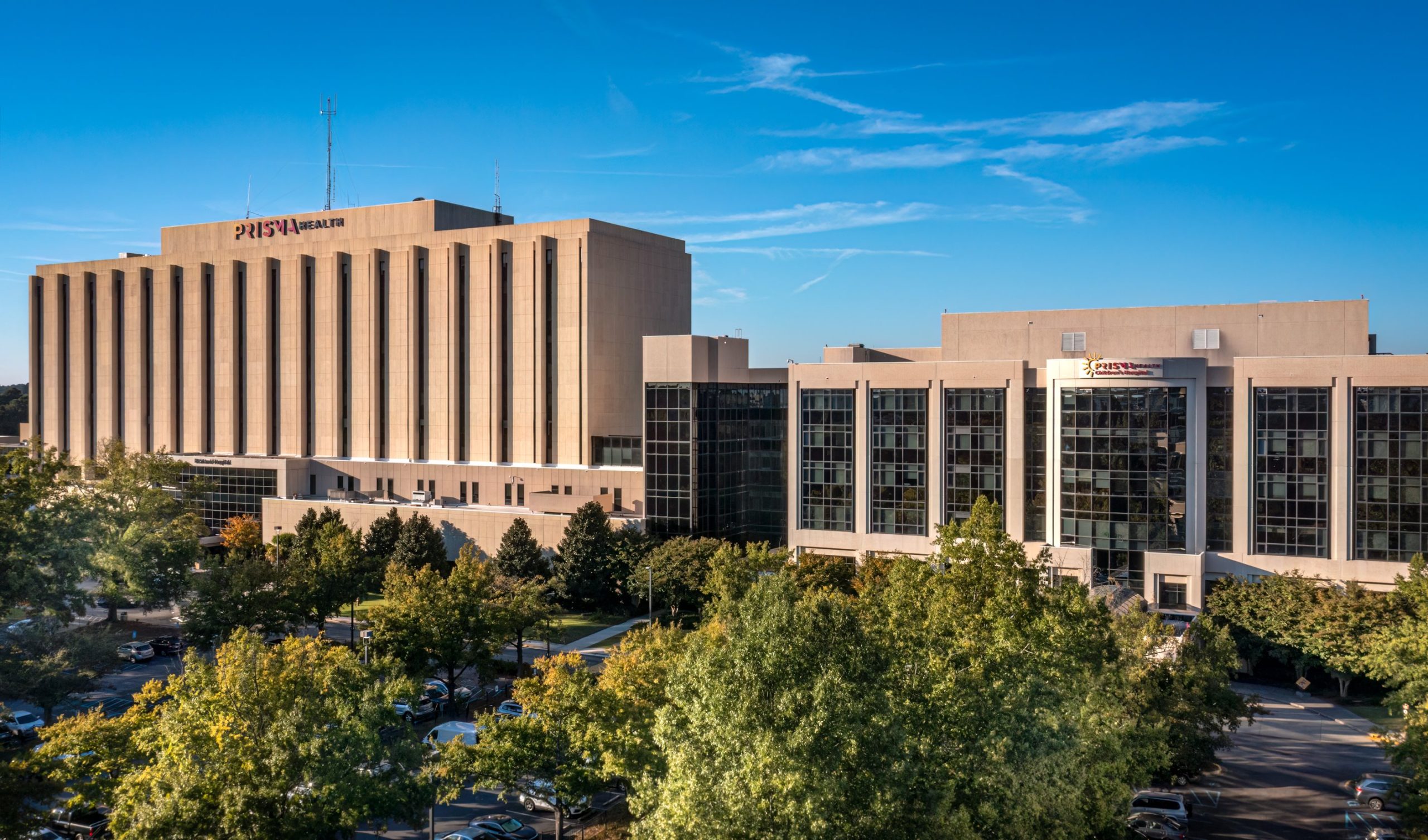
Prisma Health Richland Hospital
Downtown Columbia / 37+ active studies
Cancer, blood disorders, broad hospital research
The flagship Prisma Health hospital in the Midlands. Also, by far the biggest trial operation in the Columbia metro.
Visit Website →
University of South Carolina
Columbia / 27+ active studies
Stroke recovery, physical activity, community health
Notably, a research university that runs federally funded health studies across the Midlands. Specifically, topics range from stroke rehab to disease prevention.
Visit Website →
Bogan Sleep Consultants
Columbia / 7+ active studies
Narcolepsy, sleep disorders
One of the best known private sleep research sites in the Southeast. Also, it has run sleep trials for decades.
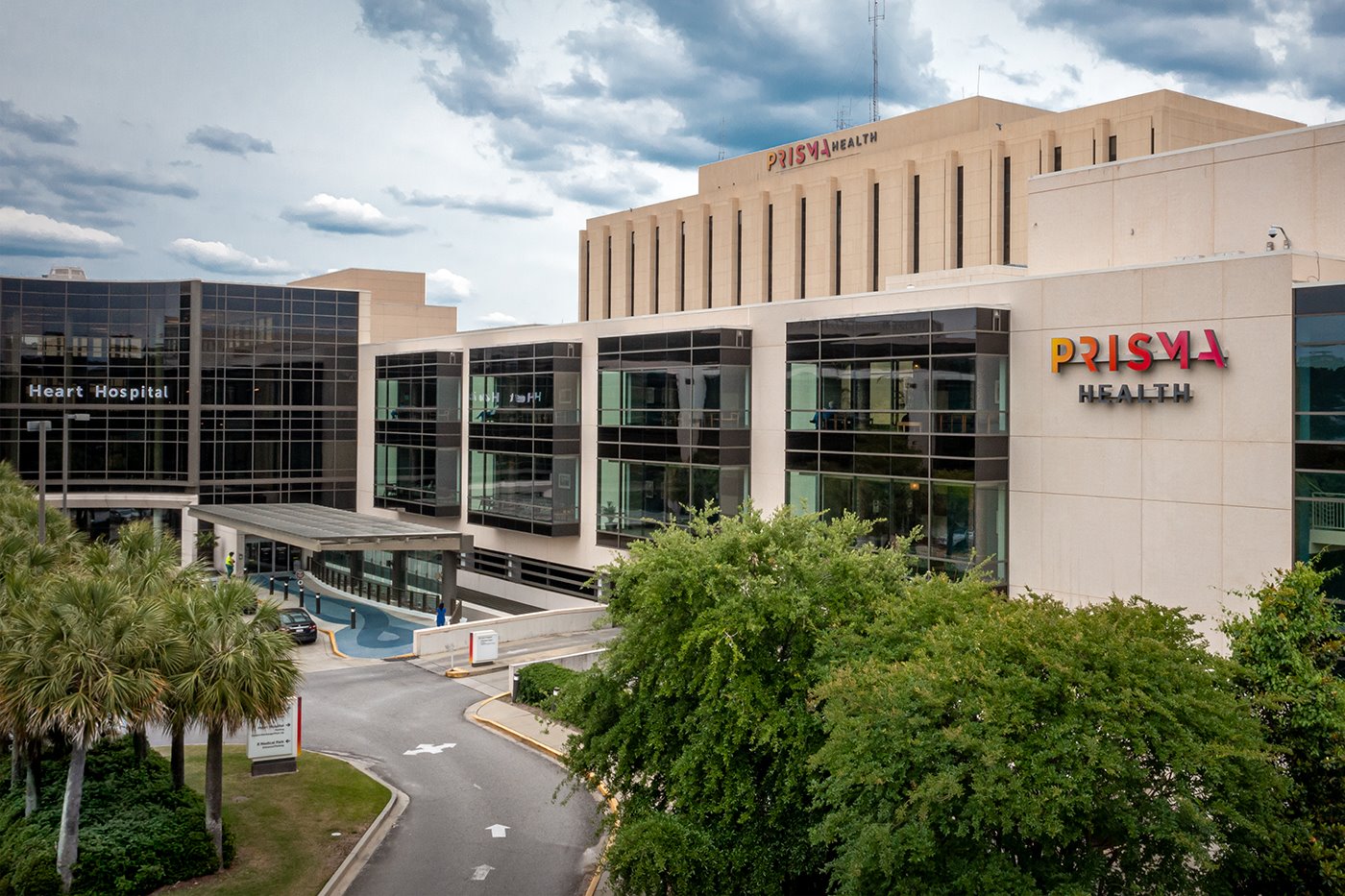
Prisma Health Midlands Cardiovascular
Columbia / 4+ active studies
Cardiovascular disease, heart failure
The heart and vessel research arm of Prisma Health in the Midlands. So it is the natural home for cholesterol trials in Columbia.
Visit Website →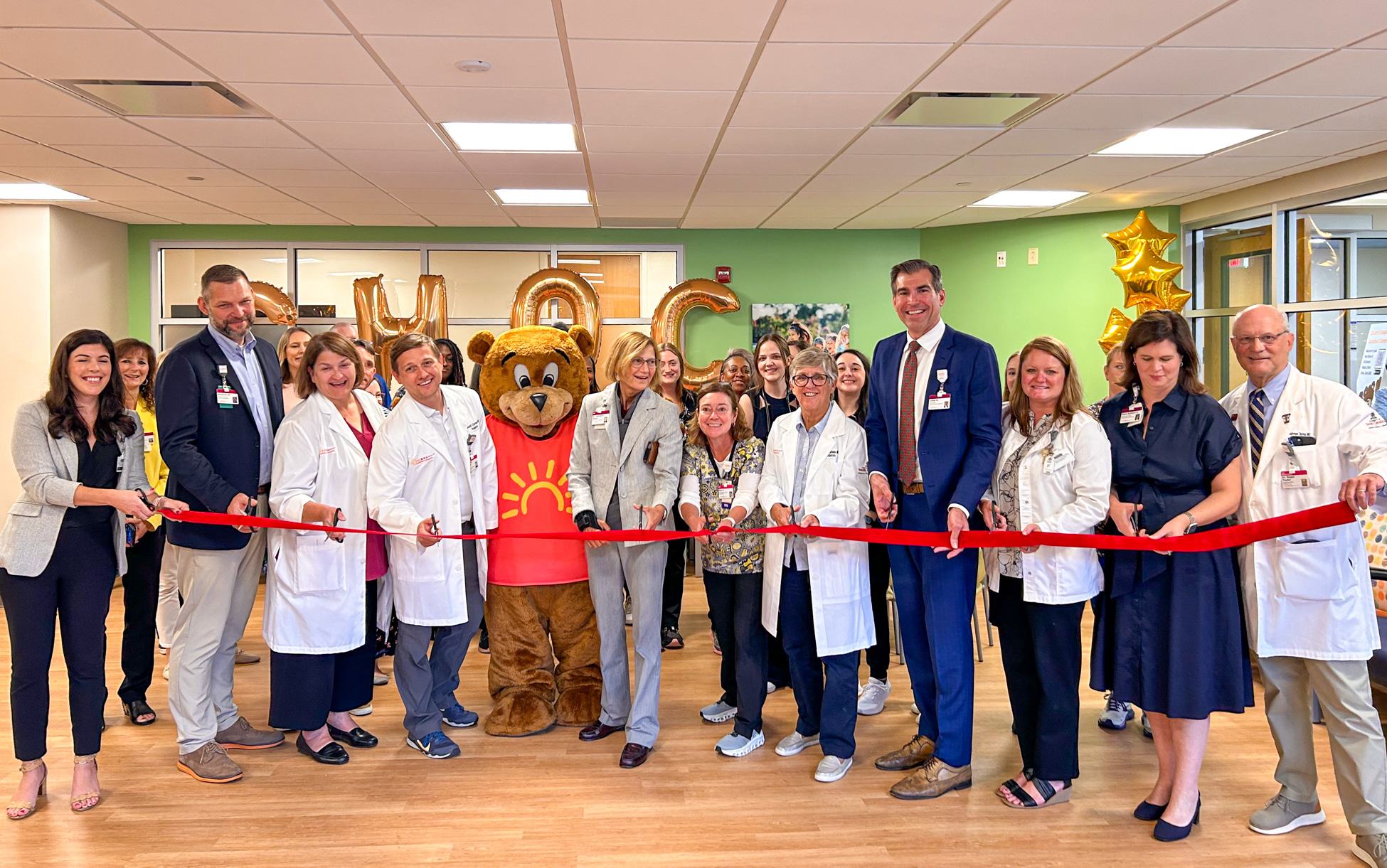
Prisma Health Children’s Hospital, Midlands
Columbia / 4+ active studies
Pediatric growth, cystic fibrosis
Basically, the Midlands hub for children’s research inside the Prisma Health system.
Visit Website →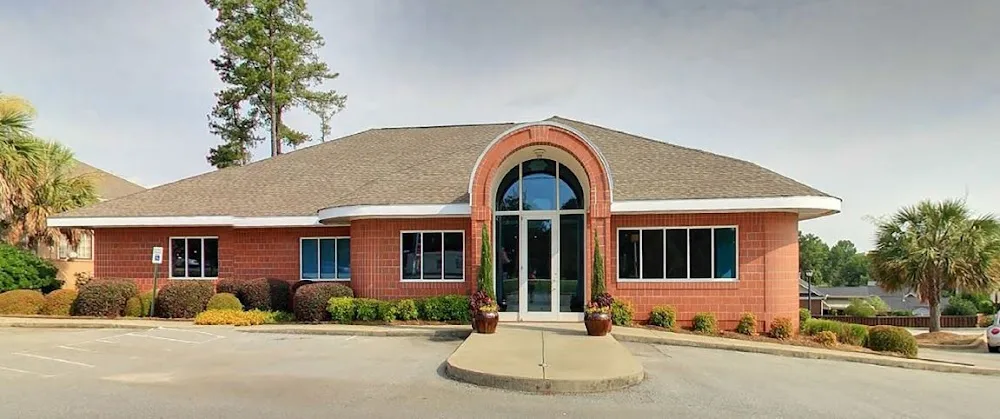
Columbia Dermatology & Aesthetics
Columbia / 4+ active studies
Hidradenitis suppurativa, psoriasis, obesity
A skin care practice with its own research team. It runs both skin and weight studies.
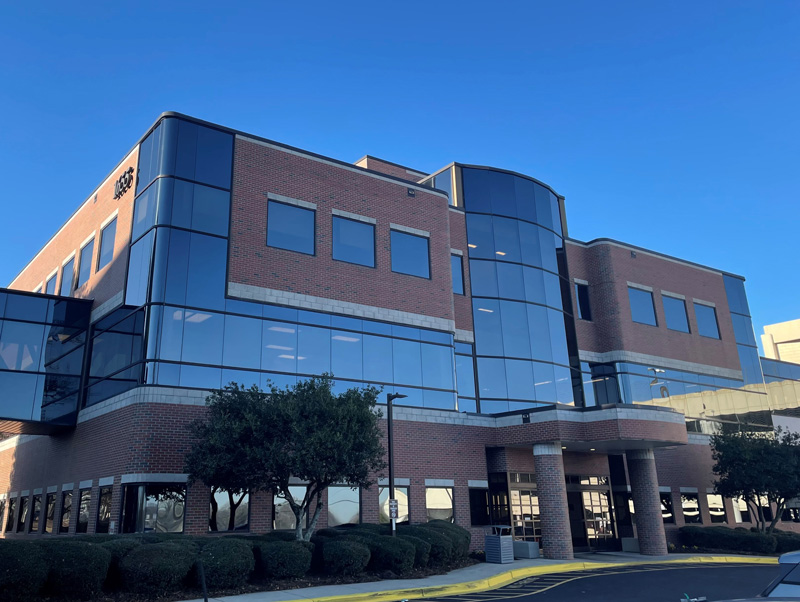
Velocity Clinical Research, Columbia
Columbia / Multiple active studies
COPD, skin conditions, vaccines
Part of one of the biggest research site networks in the country. Besides, it is just the kind of site the huge outcome trials lean on.
Visit Website →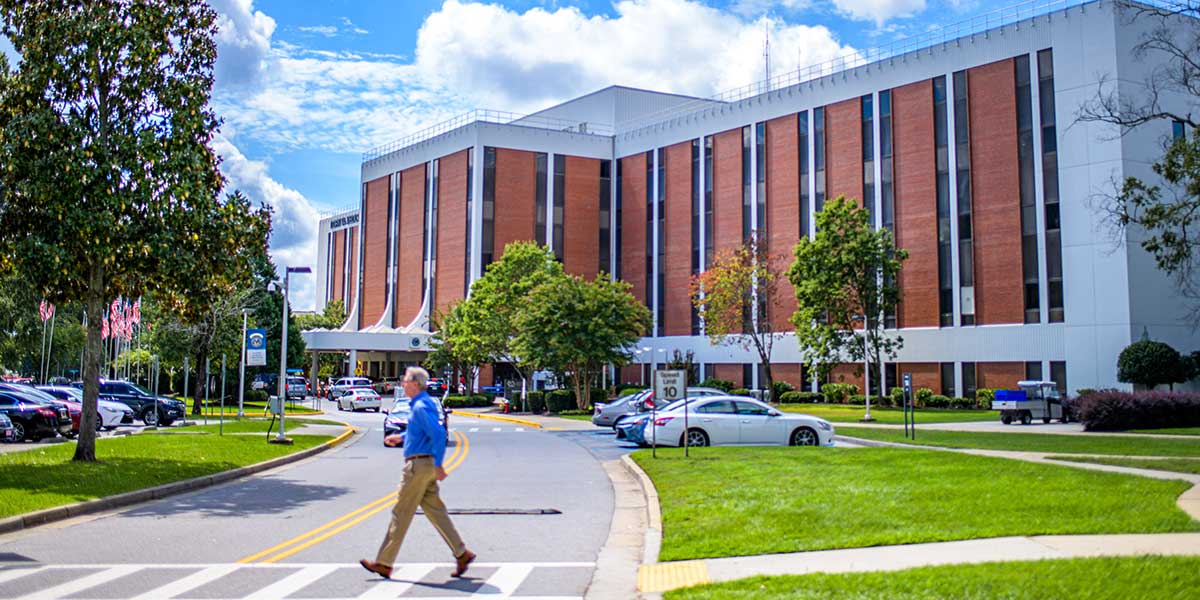
Wm. Jennings Bryan Dorn VA Medical Center
Garners Ferry Road, Columbia / 2+ active studies
Atherosclerosis, liver disease
Columbia’s VA medical center runs studies, including ones on clogged arteries. For veterans, it is often the first door.
Visit Website →
Objective Health, Columbia
Columbia / 2+ active studies
Celiac disease, fatty liver disease
Once called Columbia Digestive Health Research. Now it is part of the Objective Health network. Specifically, it runs gut and liver studies, including fatty liver trials.

Columbia Gastroenterology Associates
Columbia / Active studies
Digestive conditions
A long-running gut health practice. Also, it takes part in digestive trials around Columbia.
What to Expect in a Skin Study
New to studies? Here is how one works, step by step.
01
Prescreening
First comes a short phone call or online form. Also, it takes about 10 to 15 minutes. The staff check whether you might fit. Then they tell you what is open.
02
Screening Visit
Next the clinic runs the tests that decide it, which usually means blood work. Also, they go through the consent form line by line, and you can bring somebody with you.
03
Treatment Period
Then the study begins. So you take the study drug or the placebo on the agreed schedule. Meanwhile, your own doctor keeps managing everything else.
04
Follow-Up
Finally, there is a check in period at the end. Also, your own doctor gets the results, and you can stop at any point without affecting your care.
Acne Trial FAQs
Real answers about acne studies near Columbia SC.
Is there a study for this near Columbia?
No, and we will not pretend otherwise. In fact, no acne study of any status has placed a site in the Midlands. However, one is open at Charleston, about 115 miles south east, comparing a weekly tablet against the usual daily antibiotic. Notably, that is the only acne study open anywhere in either Carolina, and it takes people from age 12.
Why is nothing open right now?
Because acne studies run in fairly short waves. Six ran across this region and all six have finished. However, one is open at Charleston, and these studies are shorter than most, so a metro can look empty for a year and then carry three at once. Notably, that makes this one of the more likely gaps on our site to close.
Is my acne caused by not washing enough?
No, and this is worth hearing plainly. The blockage happens below the surface where a face wash never reaches. So washing harder does not fix it, and scrubbing makes the inflammation worse. Generally, gentle cleansing twice a day is all that step should ever be.
Why did my retinoid seem to make things worse?
Because that is what it does first, and almost nobody is warned. It speeds up how skin cells shed, so what was already forming comes to the surface. However, it takes eight to twelve weeks to show its real worth. So people stop at week three and conclude it failed, when it had not started yet.
Should I still be on antibiotics after a year?
That is worth asking about directly. Guidance is clear that oral antibiotics should run for a limited period rather than indefinitely. So they are usually paired with a cream that carries on after the tablets stop. Meanwhile, if nobody has reviewed yours in a year, ask what the plan is.
What is hormonal acne?
It is the pattern along the jaw and chin that flares on a monthly cycle. So it often responds to hormonal treatment, either the combined pill or spironolactone. However, those do very little for the pattern across the forehead and nose. Notably, describing where your spots sit is more useful than describing how many there are.
When should I ask about isotretinoin?
Earlier than most people do, especially if you are already scarring. It shrinks the oil glands themselves, so it works on the cause rather than the aftermath. However, it needs monthly blood tests and strict pregnancy precautions. So it is a serious commitment, but for severe acne it remains the most effective option there is.
Does it cost anything to join the list?
No. There is no cost, and no insurance is needed. Tether is a nonprofit list, so we do not run studies and we are not paid to send you anywhere. Also, being on the list never enrolls anyone in anything. You would always call the clinic yourself.
Where can I get help near Columbia SC?
Prisma Health and Lexington Medical Center both run skin services across the Midlands, and several private dermatology practices see acne. Also, ask for a dermatologist rather than waiting it out, especially if you are already scarring. Generally, your own doctor can refer you. Meanwhile, ask how long any antibiotic you are on is meant to run for.
Ready to Explore a Study?
Check your eligibility, or just reach out to our Columbia team. No pressure. Also, no sales pitch.
← Back to All Clinical TrialsSources
- Weekly isotretinoin against a daily antibiotic, at Charleston, ClinicalTrials.gov NCT06225570
- The one aesthetics study still recruiting in Charlotte, ClinicalTrials.gov NCT07435428
Study details and per-site recruiting status verified against ClinicalTrials.gov on August 16, 2026. Six candidate studies with a site in this region were checked individually by study number, and every one of them had completed. No study of any status was found with a site in the Columbia metro. The study listed here, at Charleston, did not appear in our data export at all and was found only by checking the live register again, which is why we re-check before publishing a zero. Study availability and criteria change; the research clinic confirms everything before you enroll.