
COLUMBIA, SC
Ulcerative Colitis Clinical Trials
2 studies are enrolling for ulcerative colitis near Columbia SC right now. Notably, one of them is a device rather than a drug, and it has no dummy group. You may be compensated for your time, and no insurance is needed.
2
Open Near Columbia
1
With No Dummy
+/- $100
Per Visit
New here? Read how this page works
First, these two studies ask for completely different things, and one is far easier to get into. So here is the order to work through.
- Ask for your Mayo score in writing. Because nearly every study here gates on it, and most want a 5 to 9.
- Ask for the camera part of that score separately. Notably, most studies want a 2 or a 3, which means visible damage rather than symptoms alone.
- Ask for a faecal calprotectin. In fact, it measures swelling in the gut specifically, and it is far more useful here than a general blood test.
- Finally, tap the button. Then we check you against all of them at once and tell you when a new one opens.
Of course, checking never signs you up for anything. You are only seeing where you might fit.
The 2 Studies Enrolling Near Columbia Right Now
Both are open today. So check your eligibility, or read the full record on ClinicalTrials.gov.
Both studies open here
One is a drug study with a dummy. Meanwhile, the other is a device and has no dummy at all.

A Small Implant Aimed at the Urgency
Boomerang Medical / Device study
This one is not a drug at all. A small device is placed under the skin in a same day procedure. It sends gentle electrical signals to a nerve that serves the bowel. The target is urgency, which is the symptom people rank as worst. You control it yourself with a handheld unit.
Payment is not published.
Check eligibility →More details
Why researchers are excited: urgency is what stops people leaving the house, and drugs often miss it. Also, the entry rules here are by far the easiest on this page.
Who this study is looking for
- Age 18 to 85, which is the widest range on this page
- Also, A diagnosis of ulcerative colitis
- Besides that, able to give informed consent
- Finally, able to attend the follow up visits
Probably not a fit if: any past bowel surgery rules you out. Also, any earlier nerve stimulation implant does. Notably, a narrowing that a camera cannot pass through excludes you too.
- Placebo group: None. Everyone gets the device, and there is no dummy group.
- How long: Visits run for 12 months. However, the main question is answered at 12 weeks.
- Clinic visits: Not published on the public record.
- Phone calls: Not published on the public record.
- Most invasive part: The implant procedure itself. That is a bigger one off step than any drug study here. However, the ongoing burden afterwards is smaller.
- Setting: Outpatient.
- Where it runs: Columbia Digestive Health Research, Columbia SC 29204.
- Drive from Columbia: This one is inside Columbia itself.
- No Mayo score is required. You do not need moderate to severe disease, and you do not need to have failed a biologic. So this is the easiest study here to qualify for.
- Full study record: View on ClinicalTrials.gov →

The One Study Running in Both Cities
Sanofi with Teva / Late stage antibody
Duvakitug blocks a signal called TL1A. Researchers think that signal drives both the swelling and the scarring. Notably, no approved drug for this condition targets scarring at all. It is given as an injection or a drip across 12 weeks. This is the only study here with sites in both metros.
Payment is not published.
Check eligibility →More details
Why researchers are excited: TL1A is the most watched target in bowel disease right now. Also, three separate companies are racing on it, which tells you how seriously it is taken.
Who this study is looking for
- Age 18 to 80, with colitis confirmed at least 3 months ago
- Also, moderate to severe disease on the modified Mayo score
- Besides that, usual drugs failed, stopped working, or were not tolerated
- Finally, A steady dose of your current medicine going in
Probably not a fit if: rectum only disease will not get you in. Also, Crohn’s or undecided colitis rules you out. Notably, any earlier anti-TL1A drug excludes you for good, so say if you have had one.
- Placebo group: Yes in the main part, though one sub study is open label with no dummy at all.
- How long: Up to 35 weeks. That covers screening, 12 weeks of treatment, and possibly 12 more.
- Clinic visits: Up to 8 visits, or up to 15 if you go into the extended part.
- Phone calls: Not published on the public record.
- Most invasive part: A camera test of the bowel is required. You would have at least two, at the start and at week 12. Also, small samples are taken during them.
- Setting: Outpatient.
- Where it runs: OnSite Clinical Solutions, Charlotte NC 28211; Monroe Biomedical Research, Monroe NC 28112; Biocentric Health Research Partner, West Columbia SC 29169.
- Drive from Columbia: West Columbia is right beside the city, so this is a local drive.
- Ask what happens after week 12. The follow on study has no site in either metro.
- Full study record: View on ClinicalTrials.gov →
Not sure which one fits you?
First, answer a few quick health questions. Then we check you against both at once. Also, no account and no paperwork.
See if I may fit one of these studies →What Is Actually Changing in Ulcerative Colitis
Three companies are racing on the same new target, and one of them is testing a pill.
Where It Sits, and Why That Matters
This disease only ever affects the large bowel and the rectum. It starts at the rectum and spreads upward in one unbroken stretch. So there are no healthy gaps in between, which is how a doctor tells it apart from Crohn’s. Also, it stays in the lining rather than going through the whole wall.
That Depth Explains the Complications You Do Not Get
Because it stays shallow, it does not cause the tunnels and abscesses that Crohn’s causes. Meanwhile, Crohn’s goes through the full thickness of the bowel wall, which is why it does. So the two diseases need different studies and different drugs. In fact, mixing them up is one of the commonest reasons somebody is screened out.
Two Numbers Decide Whether a Study Will Take You
The first is the modified Mayo score, which runs from 0 to 9. Most studies here want 5 to 9. The second is the camera part of that score, and most want a 2 or a 3. So ask for both numbers in writing after your next camera test. Notably, without them you cannot tell which studies fit.
Ask for Faecal Calprotectin By Name
It is a stool test, and it measures swelling in the gut specifically. That makes it far more useful than a general blood test. Studies often treat a result under 250 as settled down. Also, it is cheap and it avoids a camera test, so it is worth asking about directly.
CRP Can Look Normal While You Are Flaring
CRP is a general blood marker of swelling anywhere in the body. Studies often call under 5 normal. However, plenty of people with active bowel disease have a normal CRP. So a normal result does not mean you are fine, and it should not end the conversation.
Healing Now Means More Than Feeling Better
The old goal was symptom control. Meanwhile, the goal now is that the lining looks normal through a camera. Newer studies go further and check the tissue under a microscope. In fact, one study on this page uses that microscope result as a main measure.
TL1A Is the Target Everyone Is Chasing
Three separate drugs on this page block the same signal, called TL1A. Researchers think it drives both the swelling and the scarring. Notably, no approved drug targets scarring at all today. However, taking any one of these three permanently rules you out of the other two.
Icotrokinra: The Pill in a Field of Injections
Nearly every modern drug for this is an injection or a drip. So a tablet that blocks the same target would be a real change in daily life. That is what one study here is testing. Also, it is the first of its kind to get this far.
Guselkumab: Approved in 2024, and Now the Benchmark
Guselkumab was approved for this disease in September 2024. It blocks IL-23, and it healed the lining in a good share of people. So it changed what a new drug has to beat. Meanwhile, it also gave people who had run out of options something that works.
Ulcerative Colitis Help Near You
Start with a gastroenterologist rather than a general clinic. Ask for your Mayo score, your camera score and a faecal calprotectin in writing. Also, ask whether your last camera test was filmed, because studies often need a central team to read it. Generally, your own doctor can refer you.
Research Sites Near Columbia
Two research sites in the Midlands carry these studies, at Columbia and West Columbia. But sites add new studies all the time, so it is worth knowing what is near you.
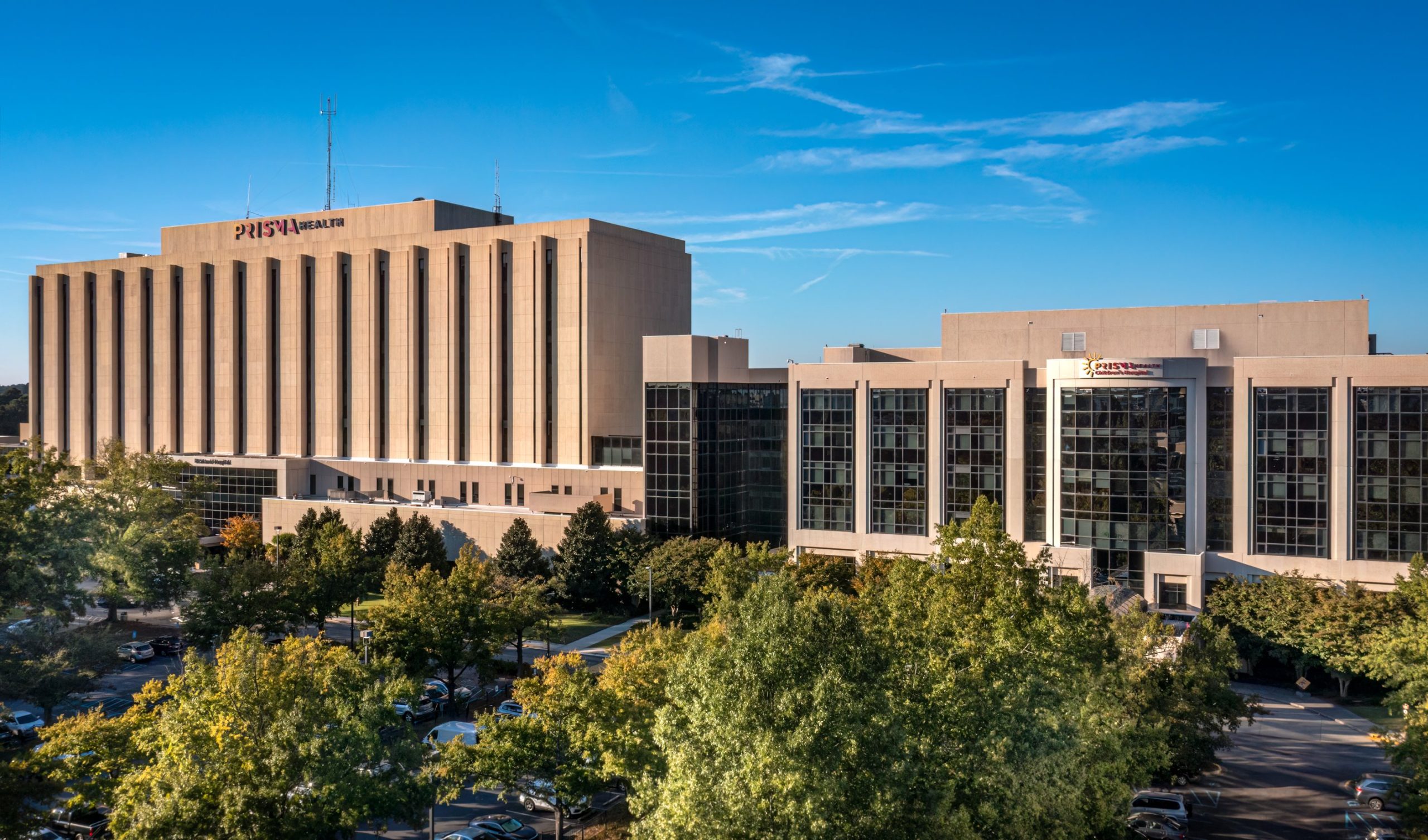
Prisma Health Richland Hospital
Downtown Columbia / 37+ active studies
Cancer, blood disorders, broad hospital research
The flagship Prisma Health hospital in the Midlands. Also, by far the biggest trial operation in the Columbia metro.
Visit Website →
University of South Carolina
Columbia / 27+ active studies
Stroke recovery, physical activity, community health
Notably, a research university that runs federally funded health studies across the Midlands. Specifically, topics range from stroke rehab to disease prevention.
Visit Website →
Bogan Sleep Consultants
Columbia / 7+ active studies
Narcolepsy, sleep disorders
One of the best known private sleep research sites in the Southeast. Also, it has run sleep trials for decades.
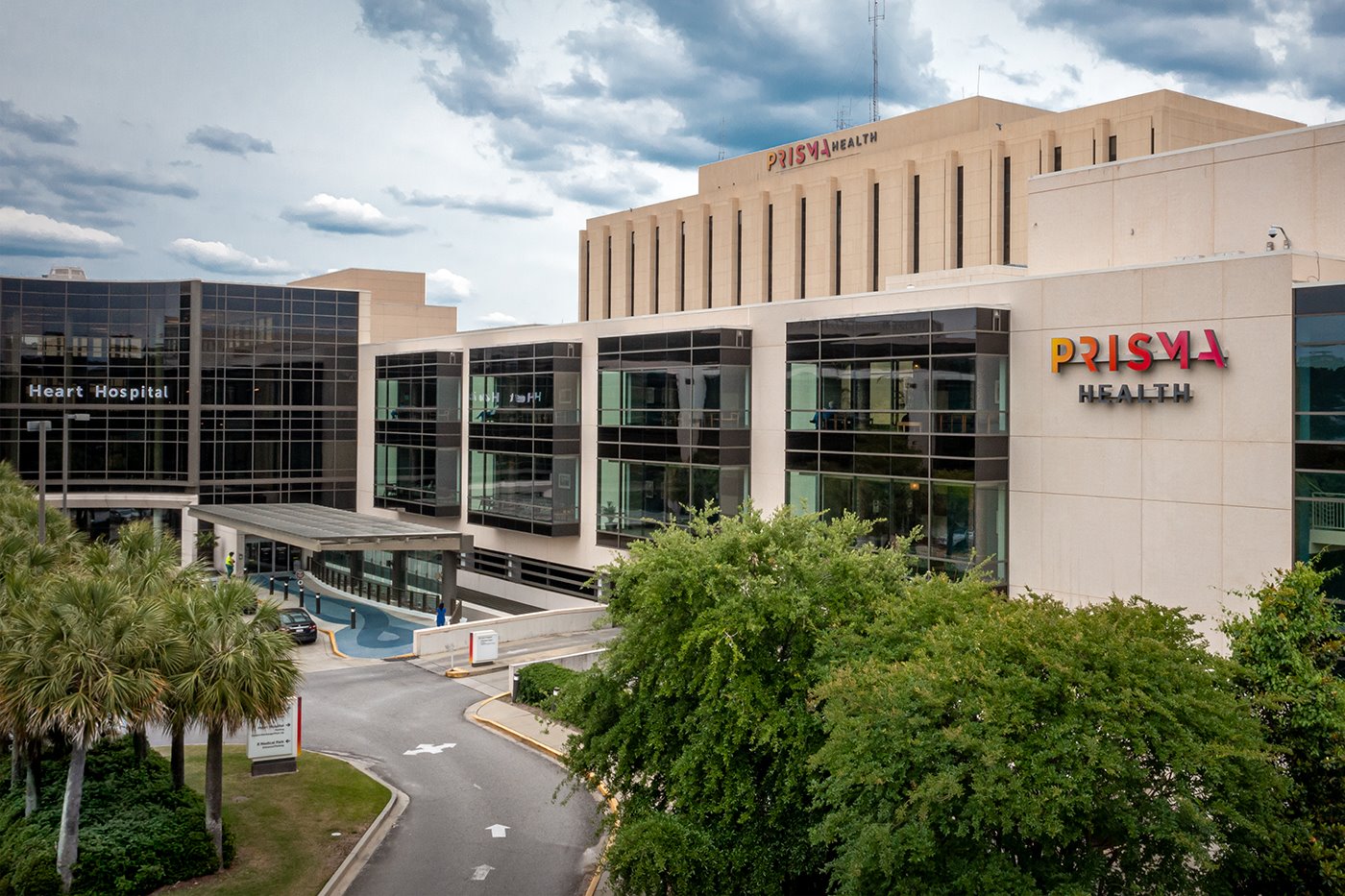
Prisma Health Midlands Cardiovascular
Columbia / 4+ active studies
Cardiovascular disease, heart failure
The heart and vessel research arm of Prisma Health in the Midlands. So it is the natural home for cholesterol trials in Columbia.
Visit Website →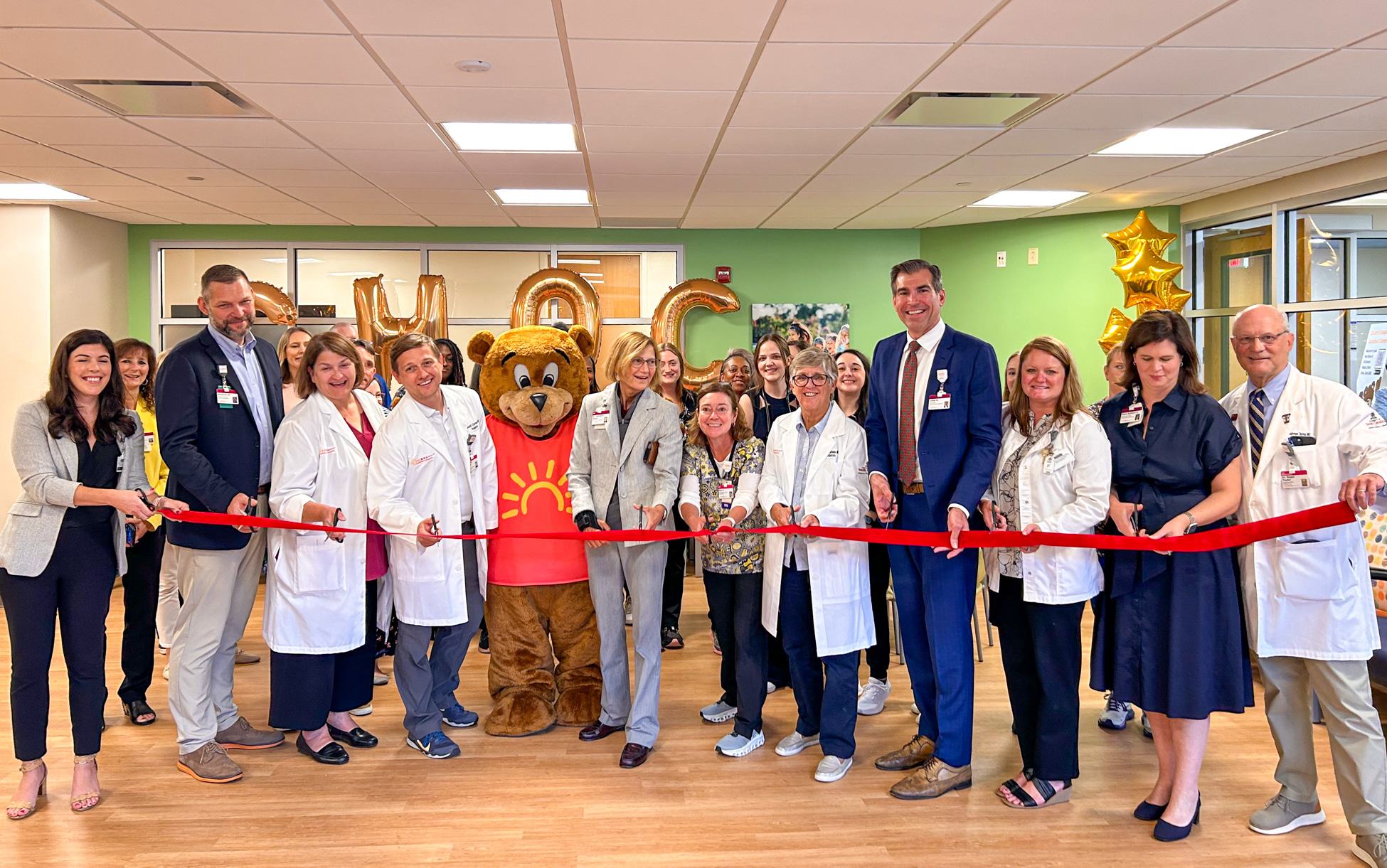
Prisma Health Children’s Hospital, Midlands
Columbia / 4+ active studies
Pediatric growth, cystic fibrosis
Basically, the Midlands hub for children’s research inside the Prisma Health system.
Visit Website →
Columbia Dermatology & Aesthetics
Columbia / 4+ active studies
Hidradenitis suppurativa, psoriasis, obesity
A skin care practice with its own research team. It runs both skin and weight studies.
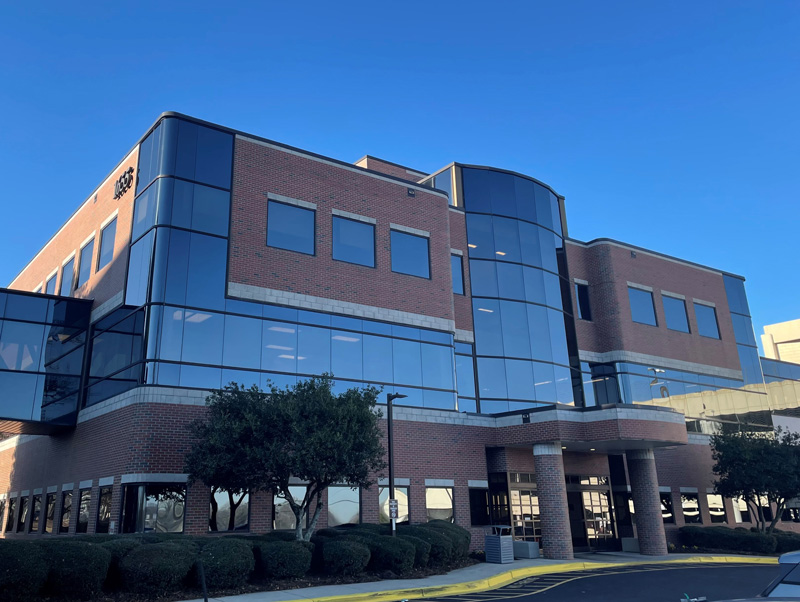
Velocity Clinical Research, Columbia
Columbia / Multiple active studies
COPD, skin conditions, vaccines
Part of one of the biggest research site networks in the country. Besides, it is just the kind of site the huge outcome trials lean on.
Visit Website →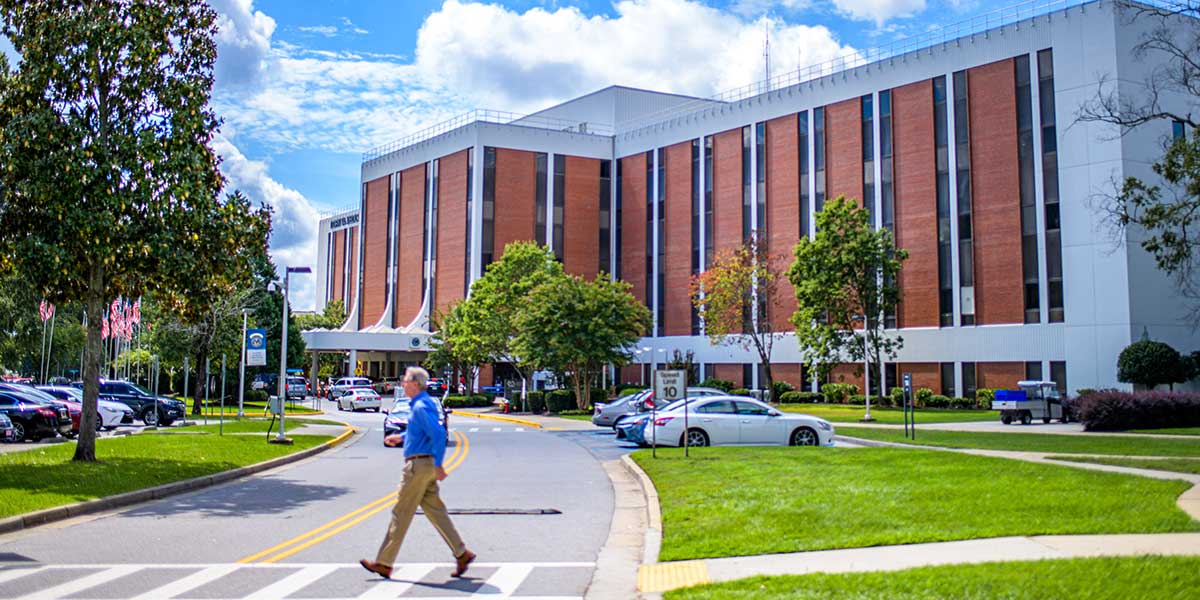
Wm. Jennings Bryan Dorn VA Medical Center
Garners Ferry Road, Columbia / 2+ active studies
Atherosclerosis, liver disease
Columbia’s VA medical center runs studies, including ones on clogged arteries. For veterans, it is often the first door.
Visit Website →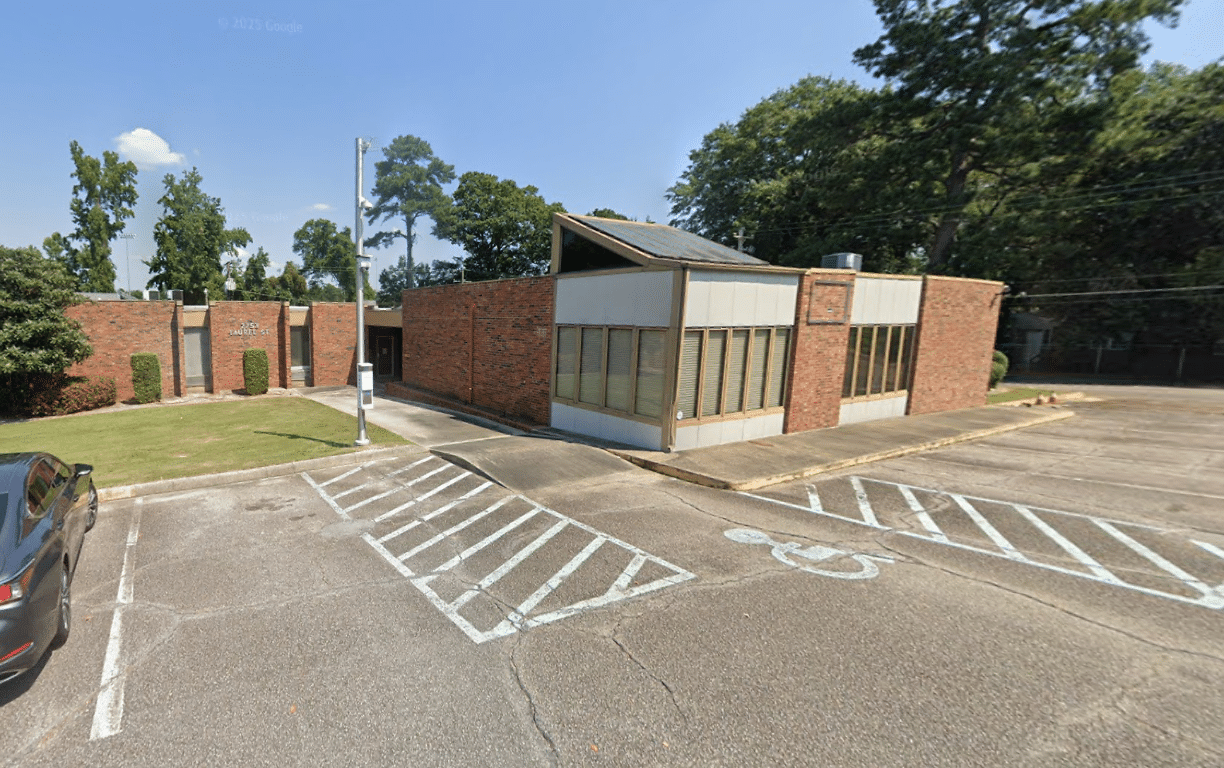
Objective Health, Columbia
Columbia / 2+ active studies
Celiac disease, fatty liver disease
Once called Columbia Digestive Health Research. Now it is part of the Objective Health network. Specifically, it runs gut and liver studies, including fatty liver trials.
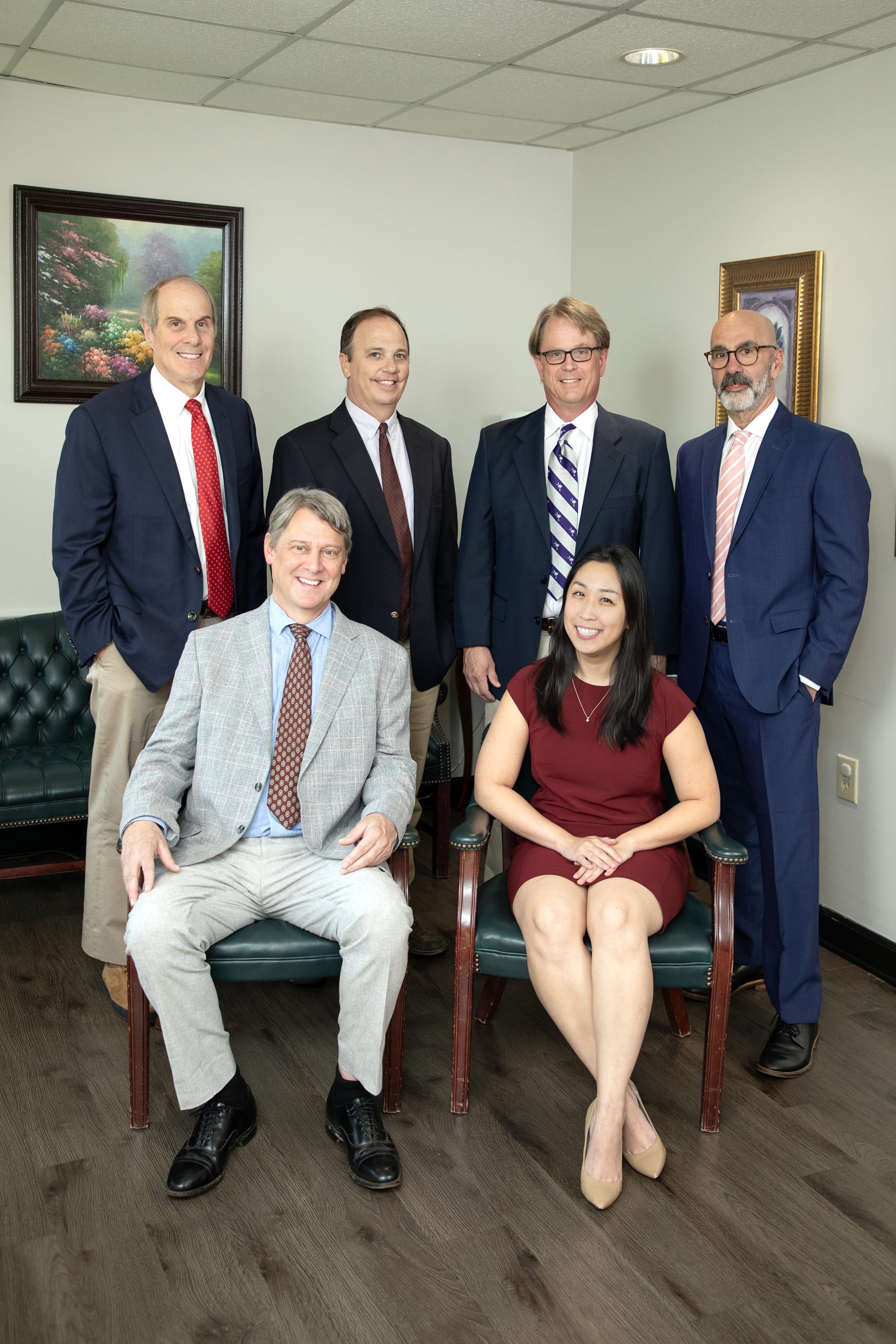
Columbia Gastroenterology Associates
Columbia / Active studies
Digestive conditions
A long-running gut health practice. Also, it takes part in digestive trials around Columbia.
What to Expect in an Ulcerative Colitis Study
New to studies? Here is how one works, step by step.
01
Prescreening
First comes a short phone call or online form. Also, it takes about 10 to 15 minutes. The staff check whether you might fit. Then they tell you what is open.
02
Screening Visit
Next the clinic runs the tests that decide it, which usually means blood work. Also, they go through the consent form line by line, and you can bring somebody with you.
03
Treatment Period
Then the study begins. So you take the study drug or the placebo on the agreed schedule. Meanwhile, your own doctor keeps managing everything else.
04
Follow-Up
Finally, there is a check in period at the end. Also, your own doctor gets the results, and you can stop at any point without affecting your care.
Ulcerative Colitis Trial FAQs
Real answers about ulcerative colitis studies near Columbia SC.
Is there a study for this near Columbia?
Yes, two are open, and they are very different from each other. One is a small implanted device aimed at urgency, and it has no dummy group anywhere in it. Notably, that one needs no disease score and no failed drug, which makes it the easiest here to qualify for. Meanwhile, the other is a late stage drug study that also runs in Charlotte.
Will I get a dummy?
It depends which study, so ask this first rather than last. Some here have no dummy at all, because everyone gets a real drug. Meanwhile, others test a new drug against a dummy and do not publish the split. Also, one caps your time on a dummy at 12 weeks and then moves everyone onto the real drug.
Will I have to stop my current medicine?
Usually you must be on a steady dose rather than off everything, which surprises people. Several studies here need you stable on what you already take. However, the exact wash out period is not published for most of them. So ask the clinic for the number in weeks before you plan anything.
What is a Mayo score?
It is how active your disease is, in one number, and it runs from 0 to 9. It combines stool frequency, bleeding, what the camera sees and a doctor’s rating. Generally, 5 to 9 counts as moderate to severe, and that is the usual entry bar here. So ask for it in writing after your next camera test.
Do I have to have a colonoscopy?
Yes, for the drug studies, and usually more than one. Most need one at the start and another at about 12 weeks. Also, several take small tissue samples during them. However, the device study in Columbia does not list one as a scheduled study procedure.
What is faecal calprotectin?
It is a stool test that measures swelling in the gut specifically. That makes it more useful here than CRP, which is a general blood marker. Notably, CRP can look completely normal while your bowel is inflamed. So ask for the stool test by name rather than settling for a blood result.
What is this TL1A everyone mentions?
It is a signal that researchers think drives both the swelling and the scarring. Three separate drugs on this page block it, which tells you how seriously it is taken. However, taking any one of the three rules you out of the other two permanently. So mention any past study drug by name when you call.
Is it different from Crohn’s disease?
Yes, and studies will not mix them up. This one stays in the large bowel and rectum, in one unbroken stretch, and only in the lining. Meanwhile, Crohn’s can appear anywhere from mouth to bottom, in patches, through the whole wall. So an undecided diagnosis usually rules you out of both.
Does it cost anything to check?
No. There is no cost, and no insurance is needed. Tether is a nonprofit list, so we do not run studies and we are not paid to send you anywhere. Also, checking never enrolls anyone in anything. You would always call the clinic yourself.
Where can I get help near Columbia SC?
Prisma Health and Lexington Medical Center both run bowel services across the Midlands. Also, ask for a gastroenterologist rather than a general clinic. Generally, your own doctor can refer you. Meanwhile, if nobody has given you a Mayo score, ask for it by name at your next visit.
Ready to Explore a Study?
Check your eligibility, or just reach out to our Columbia team. No pressure. Also, no sales pitch.
← Back to All Clinical TrialsSources
- SUNSCAPE-1, duvakitug for ulcerative colitis, ClinicalTrials.gov NCT07184996
- Icotrokinra oral tablet for ulcerative colitis, ClinicalTrials.gov NCT07196748
- RO7837195 induction with active extension, ClinicalTrials.gov NCT06979336
- Ametrine-2, afimkibart for ulcerative colitis, ClinicalTrials.gov NCT06588855
- BI 3032950, open label with no placebo, ClinicalTrials.gov NCT06636656
- PANORAMA, vedolizumab in community clinics, ClinicalTrials.gov NCT06581328
- BOOM-IBD2, sacral nerve stimulation device, ClinicalTrials.gov NCT06571669
- Johnson & Johnson: guselkumab approved for ulcerative colitis, 11 September 2024
- University of Chicago: on the therapeutic ceiling in ulcerative colitis
- Yale Medicine: monitoring inflammation and what mucosal healing means
Study details and per-site recruiting status verified against ClinicalTrials.gov on August 16, 2026. Every site row was read individually, because a study can read as recruiting while a particular clinic has closed. One study here lists its Rock Hill site as completed while the study overall still recruits. Study availability and criteria change; the research clinic confirms everything before you enroll.