COLUMBIA, SC
Scleroderma Clinical Trials
No scleroderma study is enrolling in Columbia SC, and we would rather say so plainly. However, two run in Charlotte about 90 minutes north, and both are cell therapies rather than tablets. Compensation is provided for eligible participants once one opens here.
0
Open in the Midlands
2
About 90 Minutes North
+/- $100
Per Visit
New here? Read how this page works
First, three things decide whether either of these is open to you, and none is about how you feel. So here is the order to work through.
- Confirm which scleroderma you have. Because the localised form affects only skin and is a different disease, while every study here is for the systemic form.
- Ask for your skin score. Notably, the two studies use different thresholds, so a score between 10 and 15 can fit one and not the other.
- Get your FVC and DLCO numbers. In fact, one study has both a floor and a ceiling on them, so your lungs decide access as well as care.
- Finally, tap the button. Then we check you against every study we track and tell you when a new one opens.
Of course, checking never signs you up for anything. You are only seeing where you might fit.
The Nearest Studies to Columbia
Both are inside Charlotte. Notably, neither has a dummy in it, but both are far heavier than a tablet.
The nearest studies, about 90 minutes north
Nothing is open in the Midlands. Also, both of the nearest are cell therapies rather than tablets.

Engineered Cells, After Chemotherapy to Make Room
Nkarta / Cell therapy
Engineered natural killer cells that hunt the B cells driving the disease, given after chemotherapy that clears space for them.
Payment is not published.
Read the details →More details
Why researchers are excited: the aim is to reset the immune response rather than suppress it year after year. However, that ambition is exactly why the treatment itself is so demanding.
Who this study is looking for
- Age 18 to 75, meeting the standard classification criteria
- Also, either severe skin disease or significant lung involvement
- Besides that, 10 years or less since your first symptom other than Raynaud’s
- Finally, at least one standard treatment has failed you or could not be tolerated
Probably not a fit if: your lungs must be bad enough to qualify but not too bad. Needing oxygen, an FVC under 45 percent or a DLCO of 40 percent or less all rule you out, which is a cruelly narrow window. Also, any previous cell therapy or transplant is a permanent bar.
- Placebo group: None, and no randomisation either. It is open label, so everyone treated gets the real cells.
- How long: Follow up runs up to 2 years after the infusion, with the first 28 days watched most closely.
- Clinic visits: Not published on the public record.
- Phone calls: Not published on the public record.
- Most invasive part: Chemotherapy first, then a cell infusion, then close monitoring. Also, skin scoring across 17 sites of the body, breathing tests and heavy blood work. Notably, this is not a stem cell transplant, but it is the heaviest thing on this page.
- Setting: Outpatient.
- Where it runs: Nkarta site, Charlotte NC 28202.
- Drive from Columbia: Charlotte is about 93 miles north, so roughly 90 minutes on I-77.
- Ask about the cohort, not just the study. This enrols several diseases in parallel arms, so confirm that the scleroderma arm itself is open and has places left.
- Full study record: View on ClinicalTrials.gov →

Donor Cells, With an Easier Way In
Artiva Biotherapeutics / Cell therapy
Natural killer cells grown from donated cord blood, given alongside rituximab. The entry bar on skin score is lower and simpler than the other study here.
Payment is not published.
Read the details →More details
Why researchers are excited: if your skin score falls between 10 and 15, this study may be open to you when the other is not. So the two are worth reading side by side rather than treating as interchangeable.
Who this study is looking for
- Age 18 or over, meeting the standard classification criteria
- Also, A modified Rodnan skin score above 10
- Besides that, your confirmed diagnosis was within the past 8 years
- Finally, steroids or an immune drug for at least 3 months have not worked
Probably not a fit if: whether chemotherapy is given first is not published. The other study here states plainly that it is. This record is silent, so ask that question directly before anything else. Also, the full exclusion list is not on the public record either.
- Placebo group: None. It is open label, so everyone treated gets the real cells and knows it.
- How long: Treatment and safety run to week 104, so two years. The skin and organ read comes at week 52.
- Clinic visits: Not published on the public record.
- Phone calls: Not published on the public record.
- Most invasive part: Cell therapy by drip, alongside rituximab drips. Also, skin scoring across 17 sites, frequent blood draws and two years of follow up. Notably, no stem cell transplant is involved.
- Setting: Outpatient.
- Where it runs: Artiva site, Charlotte NC 28207.
- Drive from Columbia: Charlotte is about 93 miles north, so roughly 90 minutes on I-77.
- Check the address on the first call. The public record lists this study’s sites with mismatched city and zip pairs. So confirm exactly where you would be going before you set off.
- Full study record: View on ClinicalTrials.gov →
Not sure which one fits you?
First, answer a few quick health questions. Then we keep them on file. Finally, we call you when a study opens near Columbia. No account, no paperwork.
See if I may fit one of these studies →What Is Actually Changing in Systemic Sclerosis
Two organ specific approvals, and a research field that has jumped straight to cell therapy.
What the Disease Actually Does
Three things happen at once. Small blood vessels narrow and get damaged. The immune system stays switched on. And the body lays down too much of the protein that makes scar tissue. So skin thickens and tightens, and the same scarring can happen in the lungs, the gut, the heart and the kidneys. Notably, that inside part is what decides the outcome.
The Distinction That Changes Everything
The local form affects only patches of skin and does not touch organs inside. The systemic form is a different disease that shares part of the name, and it does. So if you have been told you have scleroderma, the first question is which of the two. In fact, every study on this page is for the systemic form, and the local form is a separate world.
Limited or Diffuse
Within the systemic form there are two patterns, and they behave differently. Limited disease affects skin below the elbows and knees and on the face, and it usually creeps rather than races. Diffuse disease spreads above the elbows and onto the trunk, and it tends to move faster in the first few years. So which pattern you have shapes both what to watch for and which studies fit.
Ask for Your Skin Score
It is called the modified Rodnan skin score, and a doctor pinches the skin at 17 places on your body and rates each one. The total is what studies gate on, and the two here use different thresholds. So if your score sits between 10 and 15 you may fit one and not the other, which is exactly the sort of detail nobody tells you unless you ask.
And Ask About Your Lungs Before Anything Else
Lung scarring is now the top cause of death in this disease, and it is often silent early. The two numbers are FVC, which is how much air you can blow out, and DLCO, which is how well oxygen crosses into blood. So ask when you last had both measured, and ask whether you have had a detailed chest scan. Meanwhile, one study here has both a floor and a ceiling on those numbers, so they decide access as well as care.
Two Approvals, Both for Organs Rather Than the Disease
One drug was approved in September 2019 to slow lung scarring in this condition. Another was approved in March 2021 for the same problem. Both are real gains, and both treat a knock on problem rather than the disease itself. So there is still no approved drug that turns back the process itself, which is the honest position in 2026.
Which Is Why the Research Jumped So Far
Because no ordinary drug has changed the course of this, the field moved to resetting the immune system outright. That is why both studies within reach of this city are cell therapies rather than tablets or injections. However, that also means there is no ordinary drug study for this anywhere in the metro. So a reader wanting something lighter has to travel, and it is fairer to say that plainly.
One Practical Warning About Both
Neither study is about scleroderma alone. Each takes several immune diseases in side by side arms, with this one among them. So the coordinator you reach may be running it mainly for another disease. Also, asking whether the scleroderma arm itself is open and has places is a fair question rather than a fussy one.
Research Sites Near Columbia
Nothing runs in the Midlands, while the nearest studies are inside Charlotte. But sites add new studies all the time, so it is worth knowing what is near you.
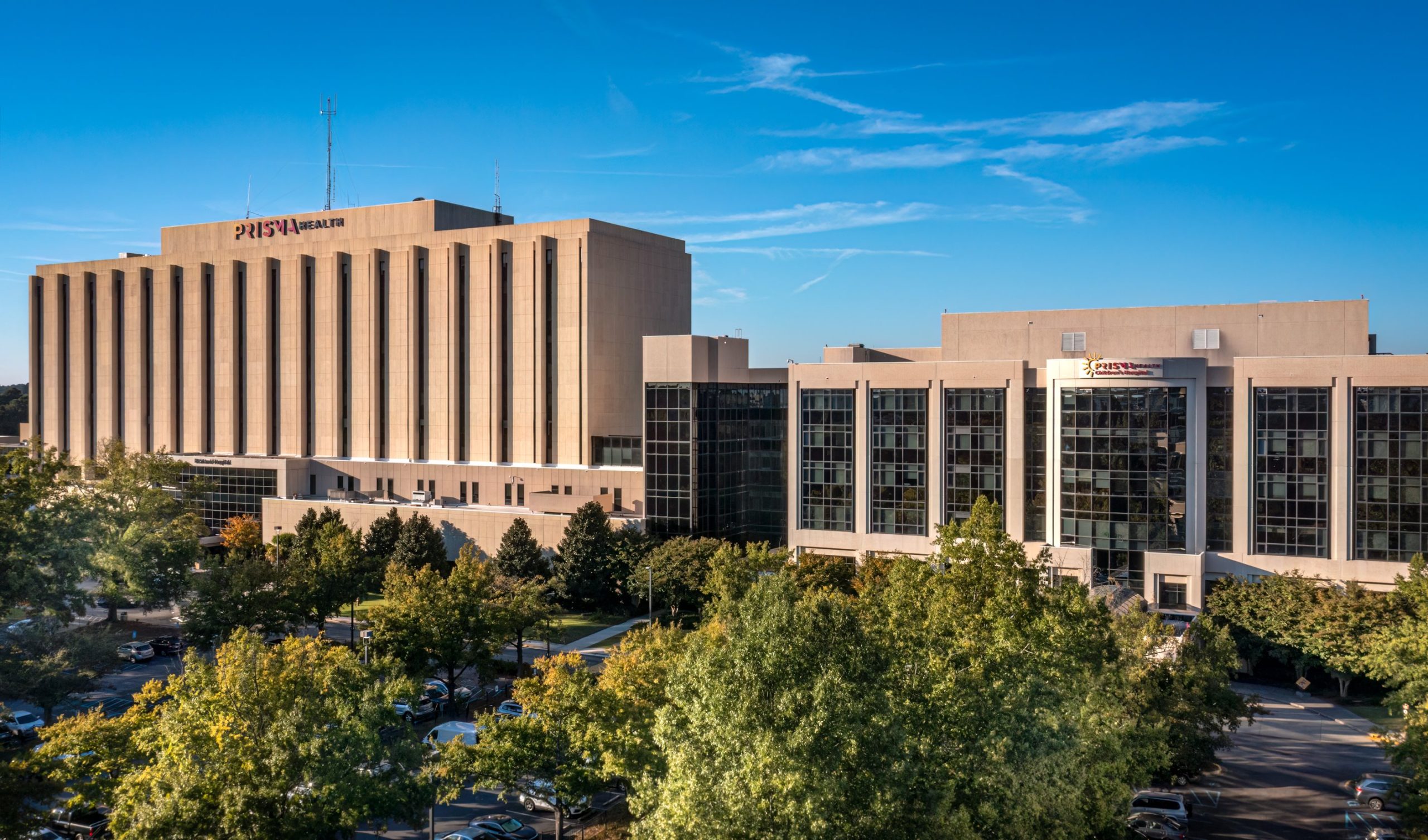
Prisma Health Richland Hospital
Downtown Columbia / 37+ active studies
Cancer, blood disorders, broad hospital research
The flagship Prisma Health hospital in the Midlands. Also, by far the biggest trial operation in the Columbia metro.
Visit Website →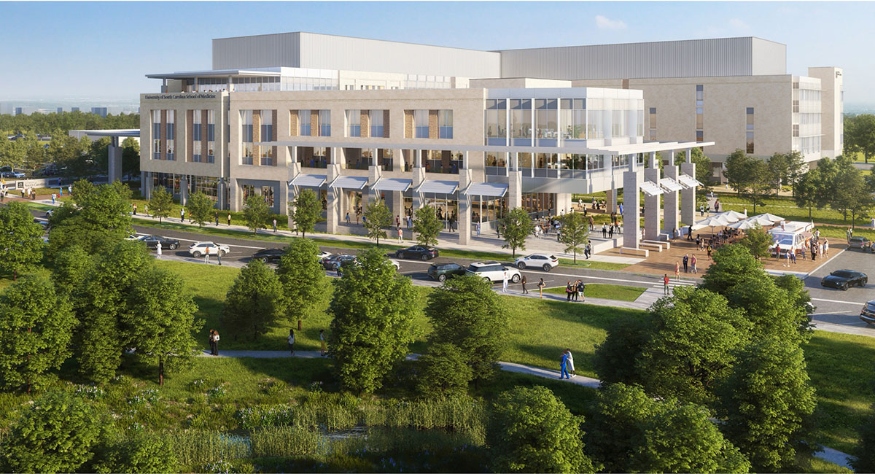
University of South Carolina
Columbia / 27+ active studies
Stroke recovery, physical activity, community health
Notably, a research university that runs federally funded health studies across the Midlands. Specifically, topics range from stroke rehab to disease prevention.
Visit Website →
Bogan Sleep Consultants
Columbia / 7+ active studies
Narcolepsy, sleep disorders
One of the best known private sleep research sites in the Southeast. Also, it has run sleep trials for decades.
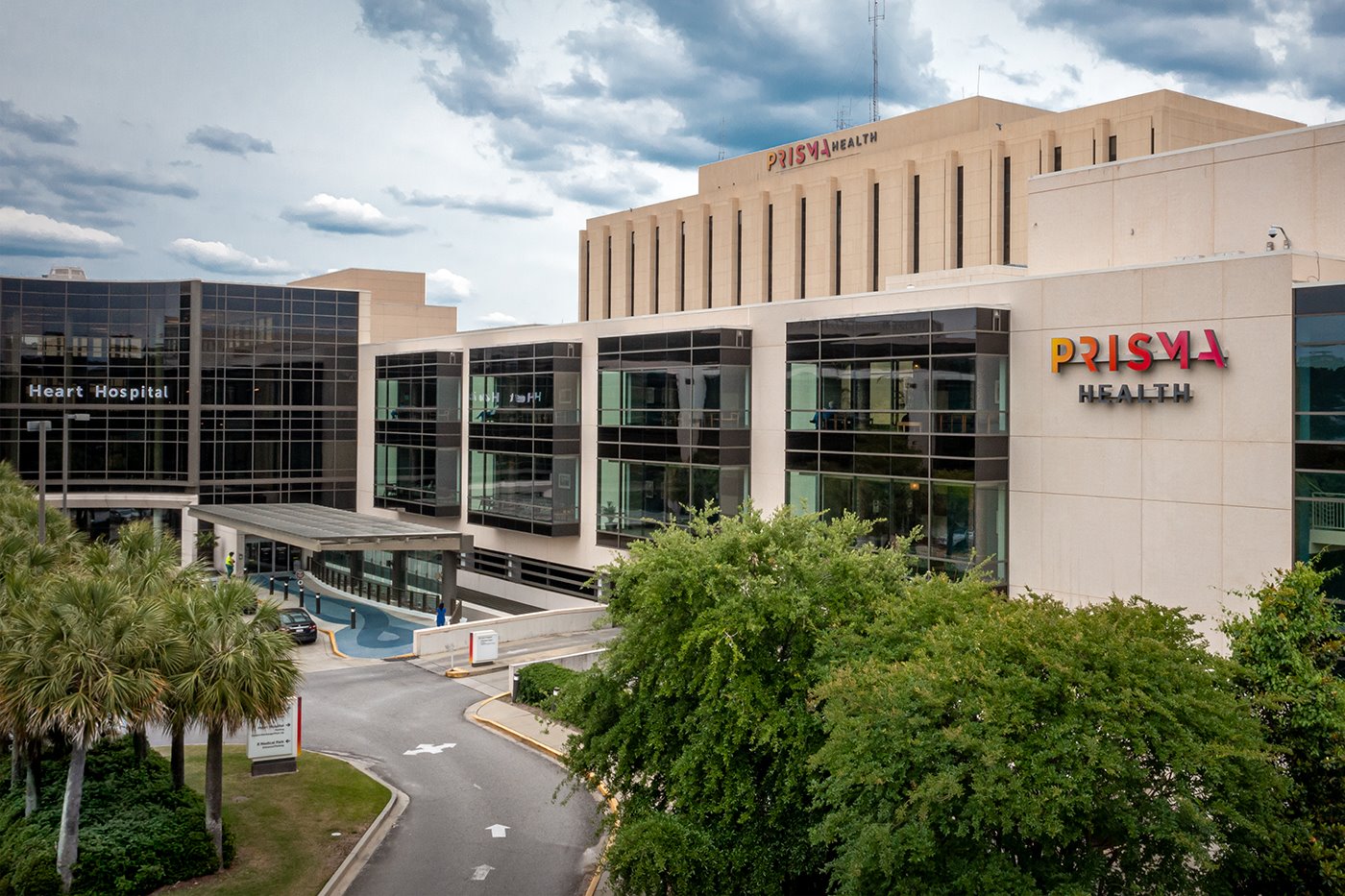
Prisma Health Midlands Cardiovascular
Columbia / 4+ active studies
Cardiovascular disease, heart failure
The heart and vessel research arm of Prisma Health in the Midlands. So it is the natural home for cholesterol trials in Columbia.
Visit Website →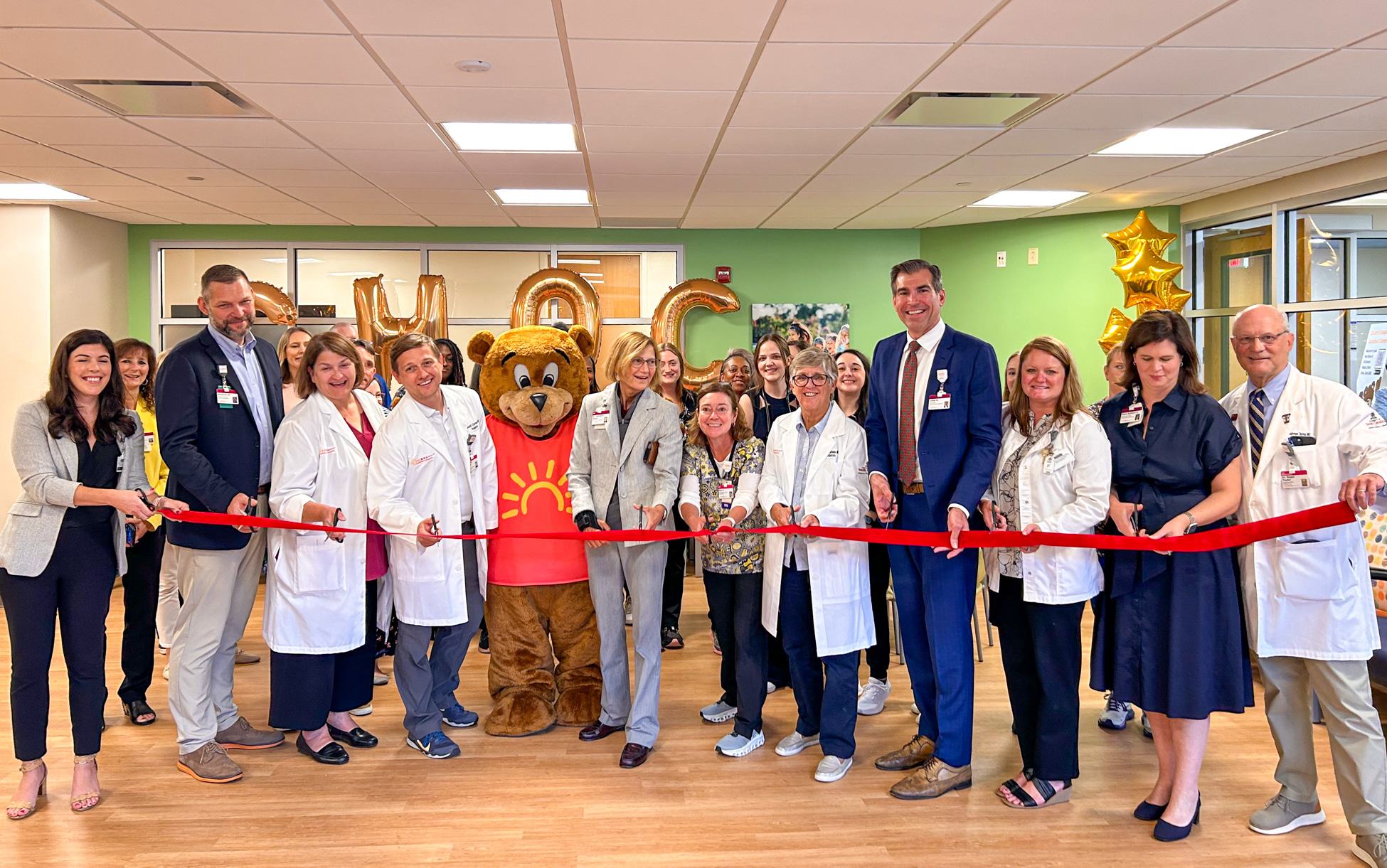
Prisma Health Children’s Hospital, Midlands
Columbia / 4+ active studies
Pediatric growth, cystic fibrosis
Basically, the Midlands hub for children’s research inside the Prisma Health system.
Visit Website →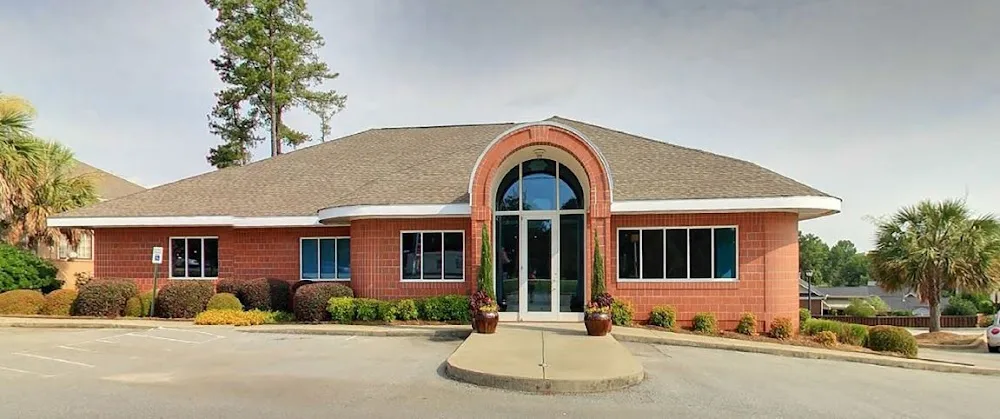
Columbia Dermatology & Aesthetics
Columbia / 4+ active studies
Hidradenitis suppurativa, psoriasis, obesity
A skin care practice with its own research team. It runs both skin and weight studies.
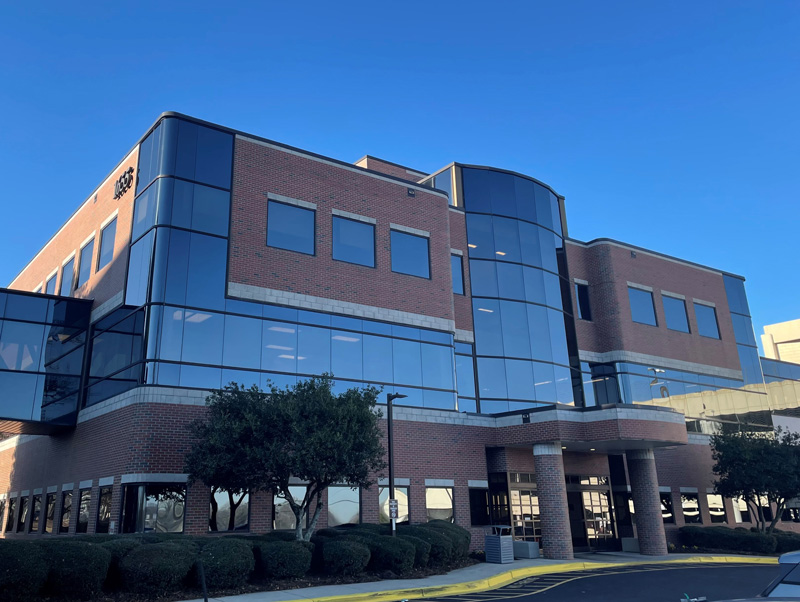
Velocity Clinical Research, Columbia
Columbia / Multiple active studies
COPD, skin conditions, vaccines
Part of one of the biggest research site networks in the country. Besides, it is just the kind of site the huge outcome trials lean on.
Visit Website →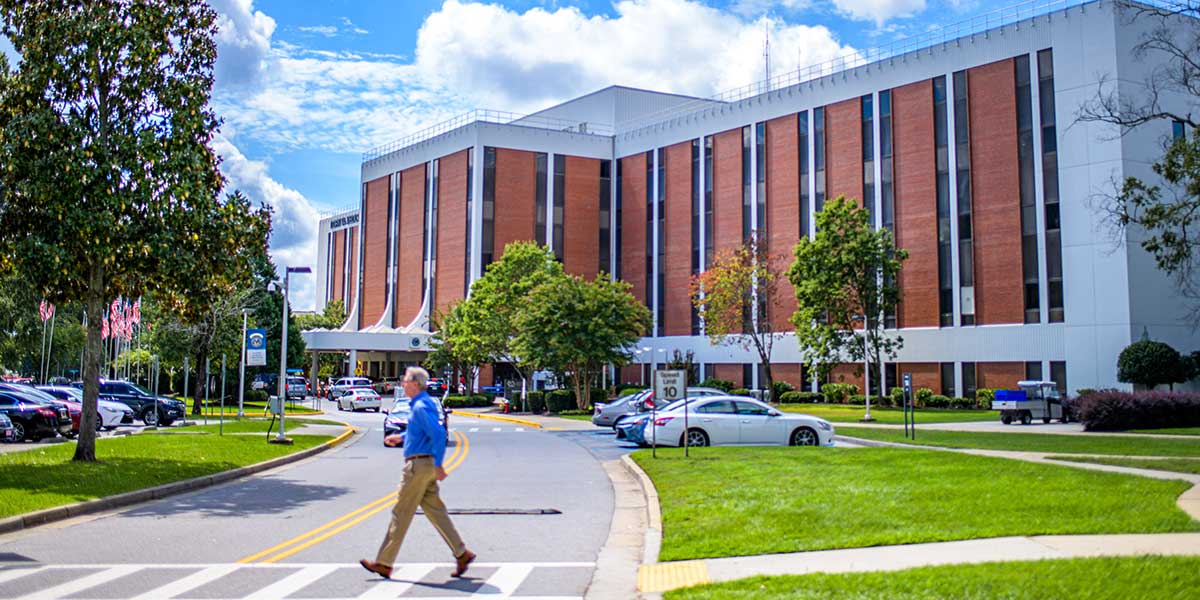
Wm. Jennings Bryan Dorn VA Medical Center
Garners Ferry Road, Columbia / 2+ active studies
Atherosclerosis, liver disease
Columbia’s VA medical center runs studies, including ones on clogged arteries. For veterans, it is often the first door.
Visit Website →
Objective Health, Columbia
Columbia / 2+ active studies
Celiac disease, fatty liver disease
Once called Columbia Digestive Health Research. Now it is part of the Objective Health network. Specifically, it runs gut and liver studies, including fatty liver trials.
Columbia Gastroenterology Associates
Columbia / Active studies
Digestive conditions
A long-running gut health practice. Also, it takes part in digestive trials around Columbia.
What to Expect in a Scleroderma Study
New to studies? Here is how one works, step by step.
01
Prescreening
First comes a short phone call or online form. Also, it takes about 10 to 15 minutes. The staff check whether you might fit. Then they tell you what is open.
02
Screening Visit
Next the clinic runs the tests that decide it, which usually means blood work. Also, they go through the consent form line by line, and you can bring somebody with you.
03
Treatment Period
Then the study begins. So you take the study drug or the placebo on the agreed schedule. Meanwhile, your own doctor keeps managing everything else.
04
Follow-Up
Finally, there is a check in period at the end. Also, your own doctor gets the results, and you can stop at any point without affecting your care.
Scleroderma Trial FAQs
Real answers about systemic sclerosis studies near Columbia SC.
Is there a study for this near Columbia?
No, and we will not pretend otherwise. Nothing is recruiting in Columbia, West Columbia, Lexington, Irmo, Cayce, Sumter or Orangeburg. However, two studies run inside Charlotte, about 93 miles north, and neither has a dummy in it. Notably, both are cell therapies rather than tablets or injections, so there is no lighter option within reach either.
Which kind of scleroderma do I have?
It is the first question to settle, because two different diseases share part of the name. Localised scleroderma affects only patches of skin and does not touch internal organs. Systemic sclerosis does, and every study on this page is for that form. Also, within the systemic form there are two patterns, limited and diffuse, and which you have shapes what to watch for.
What is the skin score?
A doctor pinches the skin at 17 places on your body and rates each one, and the total is what studies gate on. It is called the modified Rodnan skin score. Notably, the two studies within reach use different thresholds, so a score between 10 and 15 can fit one and not the other. So ask for the number rather than a description of how your skin looks.
Why do my lungs decide whether I can join?
Because lung scarring is now the leading cause of death in this condition, and studies are built around that. The two numbers are FVC, which is how much air you can blow out, and DLCO, which is how well oxygen crosses into blood. One study here has both a floor and a ceiling, so your lungs must be affected enough to qualify but not so badly as to exclude you. However, that narrow window is medicine rather than red tape.
Why is nothing open in the Midlands?
Because these are cell therapies, and they run only where there is capacity to collect, infuse and monitor closely. That capacity sits at a small number of centres, and the Midlands does not have one. So Charlotte, about 93 miles north, is the nearest place with anything at all. Notably, both studies there are cell therapies too, so there is no lighter option nearby either.
Is there an approved drug for this?
For two complications, yes. For the disease itself, no, and that is the honest position. One drug was approved in September 2019 to slow lung scarring in this condition, and another in March 2021 for the same problem. Both are real gains. Meanwhile, nothing approved reverses the underlying process, which is exactly why the research jumped to cell therapy.
Why are both nearby studies cell therapies?
Because nothing conventional has changed the course of the disease, so the field moved to resetting the immune system outright. That is a big ambition and it comes with a heavy treatment. So there is no tablet or injection study for this anywhere in either metro. However, that means a reader wanting something lighter has to travel, and it is fairer to say so.
What should I ask about the cohort?
Ask whether the scleroderma arm specifically is open and has places left. Neither study is about this condition alone, because each enrols several autoimmune diseases in parallel arms. So the coordinator you reach may be running it mainly for another disease. Also, ask directly whether chemotherapy is given before the cells, because one study says yes and the other does not say.
Does it cost anything to be on the list?
No. There is no cost, and no insurance is needed. Tether is a nonprofit list, so we do not run studies and we are not paid to send you anywhere. Also, being on the list never enrolls anyone in anything. You would always call the clinic yourself.
Where can I get care near Columbia SC?
Prisma Health and Lexington Medical Center both run joint and lung services across the Midlands. Also, ask to have your lungs checked rather than only your skin, because that is the part that decides outcomes. Generally, your own doctor can refer you. Meanwhile, if nobody has measured your FVC and DLCO recently, ask for both by name.
Ready to Explore a Study?
Check your eligibility, or just reach out to our Columbia team. No pressure. Also, no sales pitch.
← Back to All Clinical TrialsSources
- Ntrust-2 study of NKX019 cells, with a scleroderma group, ClinicalTrials.gov NCT06733935
- Artiva AlloNK with rituximab, with a scleroderma group, ClinicalTrials.gov NCT06991114
- Scleroderma Foundation: local and systemic disease, the two patterns, and organ damage
- American College of Rheumatology: 2013 criteria and the Rodnan skin score
Study details and per-site recruiting status verified against ClinicalTrials.gov on August 16, 2026. Both studies within reach are cell therapies, and one needs chemotherapy first; no ordinary drug study for this condition is open in either metro. Both take several diseases in side by side arms, so confirm this arm is open. Study availability and criteria change; the research clinic confirms everything before you enroll.