
COLUMBIA, SC
Myasthenia Gravis Clinical Trials
No myasthenia gravis study is enrolling in Columbia SC, and we would rather say so plainly. However, three run in Charlotte about 90 minutes north, and one of them is a realistic option for adults. Compensation is provided for eligible participants once one opens here.
0
Open in the Midlands
3
About 90 Minutes North
+/- $100
Per Visit
New here? Read how this page works
First, one blood result decides whether any of this is open to you, and it is not how weak you feel. So here is the order to work through.
- Find out which antibody you carry. Because every study within reach needs you to be AChR positive, and a seronegative adult has nothing open here at all.
- Get your MG-ADL score. Notably, studies want 6 or higher, and it measures daily life rather than strength.
- Map out your treatment gaps. In fact, IVIG or plasma exchange must stop 4 weeks before one study starts, so plan that with your doctor.
- Finally, tap the button. Then we check you against every study we track and tell you when a new one opens.
Of course, checking never signs you up for anything. You are only seeing where you might fit.
The Nearest Studies to Columbia
Both of these are inside Charlotte. Notably, one gives no drug and simply follows people on approved treatment.
The nearest studies, about 90 minutes north
Nothing is open in the Midlands. However, all three of these run inside Charlotte.

Removing the Antibody Factories Rather Than the Antibodies
Cartesian Therapeutics / Cell therapy
Your own T cells are collected, changed outside the body, and given back to hunt the plasma cells that make the harmful antibodies. The change is temporary rather than permanent.
Payment is not published.
Check eligibility →More details
Why researchers are excited: every current treatment mops up antibodies over and over. This aims at the factories instead, so a short course might hold rather than an endless schedule of drips.
Who this study is looking for
- Age 18 or over, with weakness that has spread beyond the eyes
- Also, an MG-ADL score of 6 or higher, so real day to day symptoms
- Besides that, you are AChR antibody positive, and an old positive result still counts
- Finally, diagnosed more than 12 months ago and already treated beyond pyridostigmine
Probably not a fit if: you were diagnosed in the last 12 months. That surprises newly diagnosed people who are keen to join. Also, if pyridostigmine is the only drug you have ever taken, you do not qualify, and rituximab in the past year is a full twelve month bar.
- Placebo group: Real treatment against a dummy, and the ratio is not published. So ask your odds, and ask whether dummy participants cross over later.
- How long: About 14 months in total, in two parts of roughly 6 and 8 months.
- Clinic visits: Not published on the public record.
- Phone calls: Not published on the public record.
- Most invasive part: Cell collection, then infusions. Hours on a machine that filters out your T cells, then the changed cells given back. Notably, earlier work with this used no chemotherapy beforehand, which is a real difference, so confirm that for this study.
- Setting: Outpatient.
- Where it runs: Research site, Charlotte NC 28204.
- Drive from Columbia: Charlotte is about 93 miles north, so roughly 90 minutes on I-77.
- Plan the gap in your cover: IVIG or plasma exchange must stop 4 weeks before the start, and FcRn blockers 8 weeks before. So talk to your own neurologist before you commit to anything.
- Full study record: View on ClinicalTrials.gov →

For People Already on One of Two Drip Drugs
Alexion / Registry
Nothing is tested and no drug is given. It records how people already taking one of two approved drip treatments actually get on, over up to five years.
Payment is not published.
Read the details →More details
Why researchers are excited: short studies show whether a drug works. This asks what happens across years of ordinary life on it, which is the question people actually live with.
Who this study is looking for
- Age 18 or over, with generalised myasthenia gravis
- Also, you are taking one of the two named drip drugs now, or took one before
- Besides that, your past records include MG-ADL scores and your MGFA class
- Finally, you are willing to be followed for up to 5 years
Probably not a fit if: your old records do not contain those scores. That is a real bar and an easily missed one, so check with your neurologist’s office before you call. Also, if you have never taken either of those two drugs, this is not for you.
- Placebo group: Neither. It is a registry, so there is no dummy, no randomisation and no study drug.
- How long: Up to 5 years from the day you join.
- Clinic visits: Not published. Information is gathered around your ordinary appointments.
- Phone calls: Not published on the public record.
- Most invasive part: Minimal, and the lightest thing on this page by far. Your existing treatment and records are what is being studied. No study drug, no extra drips, no scans and no new tests.
- Setting: Outpatient.
- Where it runs: Clinical trial site, Charlotte NC 28207.
- Drive from Columbia: Charlotte is about 93 miles north, so roughly 90 minutes on I-77.
- Worth knowing: nothing about your treatment changes and nothing is added. So the only real cost is the paperwork of consenting and being followed up.
- Full study record: View on ClinicalTrials.gov →
Not sure which one fits you?
First, answer a few quick health questions. Then we keep them on file. Finally, we call you when a study opens near Columbia. No account, no paperwork.
See if I may fit one of these studies →What Is Actually Changing in Myasthenia Gravis
Two decades with almost nothing. Then six approvals in about eight years.
Where the Signal Breaks
Your nerves tell your muscles to move by releasing a chemical across a tiny gap. The muscle side has receptors that catch it. Here, the immune system makes antibodies that block or destroy those receptors, so the message does not land. So the muscle is healthy and the nerve is healthy, and the handover between them is what fails.
Why It Gets Worse Through the Day
The mark of it is weakness that grows with use and eases with rest. Eyelids droop by evening, vision doubles, chewing tires halfway through a meal, and stairs get harder the more you climb. Meanwhile, that pattern is the clearest clue there is, and saying it plainly helps more than saying you feel weak.
The Antibody Test Decides Your Options
This is the most important practical fact on the page. Most people carry antibodies against the receptor itself, and that is called AChR positive. A smaller group carries a different antibody called MuSK, and some carry neither, which is called seronegative. So ask which one you are, because every study within reach of this city needs you to be AChR positive.
And the Two Scores to Ask For
MG-ADL measures how much this gets in the way of daily life, across eight things such as talking, chewing, swallowing and brushing your hair. Studies commonly want a score of 6 or higher. Also ask for your MGFA class, which says how far the weakness has spread beyond the eyes.
Two Decades of Borrowed Drugs
For a long time treatment meant a tablet to squeeze more signal across the gap, steroids, and immune drugs borrowed from other illnesses. Some people had their thymus removed. Then a wave of targeted drugs arrived, and it has not stopped. In fact, the shelf now holds more options than at any point in the history of this condition.
Two Different Ways to Intervene
The first blocks a part of the immune system that damages the receptors. The second blocks the receptor that keeps antibodies alive in your blood, so levels fall within weeks. Both are now approved, in several forms. So the question your doctor weighs is which route suits your antibody type and your life.
The Newest Approvals
Two more arrived recently, one on 30 April 2025 and another on 11 December 2025. That is a pace this field has never had before. Meanwhile, what that means is that someone who has failed one route now has real choices, rather than being told there is nothing left.
Which Is Why the Studies Look Like This
With that many approved drugs, the studies still running ask harder questions. One aims at the plasma cells that make the antibodies, rather than mopping up the antibodies themselves. One works out the right dose for children, who have been dosed by judgement for years. Also, one simply follows people on approved treatment for five years, because nobody has measured that properly.
Research Sites Near Columbia
Nothing runs in the Midlands, while the nearest studies are inside Charlotte, with more at Augusta. But sites add new studies all the time, so it is worth knowing what is near you.
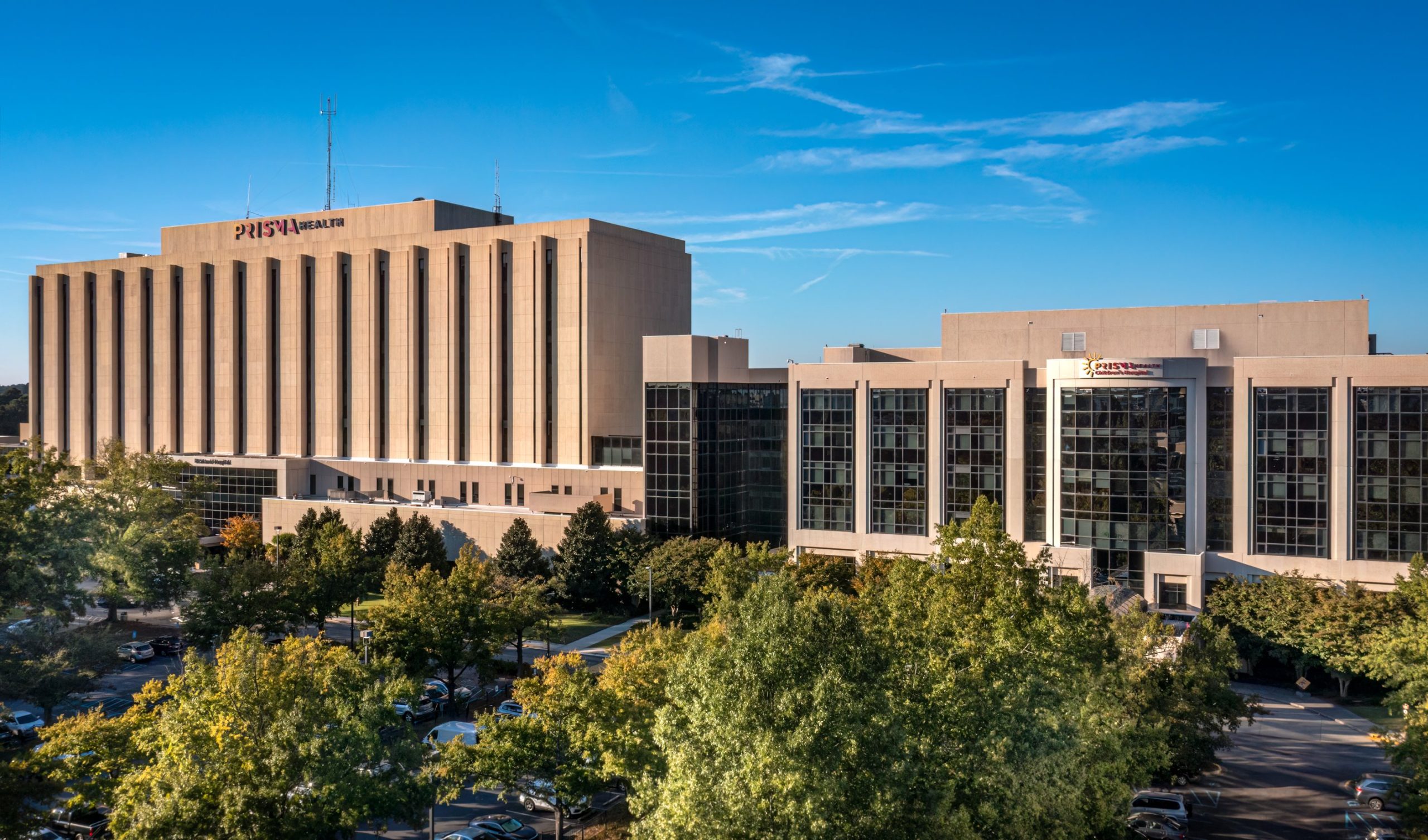
Prisma Health Richland Hospital
Downtown Columbia / 37+ active studies
Cancer, blood disorders, broad hospital research
The flagship Prisma Health hospital in the Midlands. Also, by far the biggest trial operation in the Columbia metro.
Visit Website →
University of South Carolina
Columbia / 27+ active studies
Stroke recovery, physical activity, community health
Notably, a research university that runs federally funded health studies across the Midlands. Specifically, topics range from stroke rehab to disease prevention.
Visit Website →
Bogan Sleep Consultants
Columbia / 7+ active studies
Narcolepsy, sleep disorders
One of the best known private sleep research sites in the Southeast. Also, it has run sleep trials for decades.
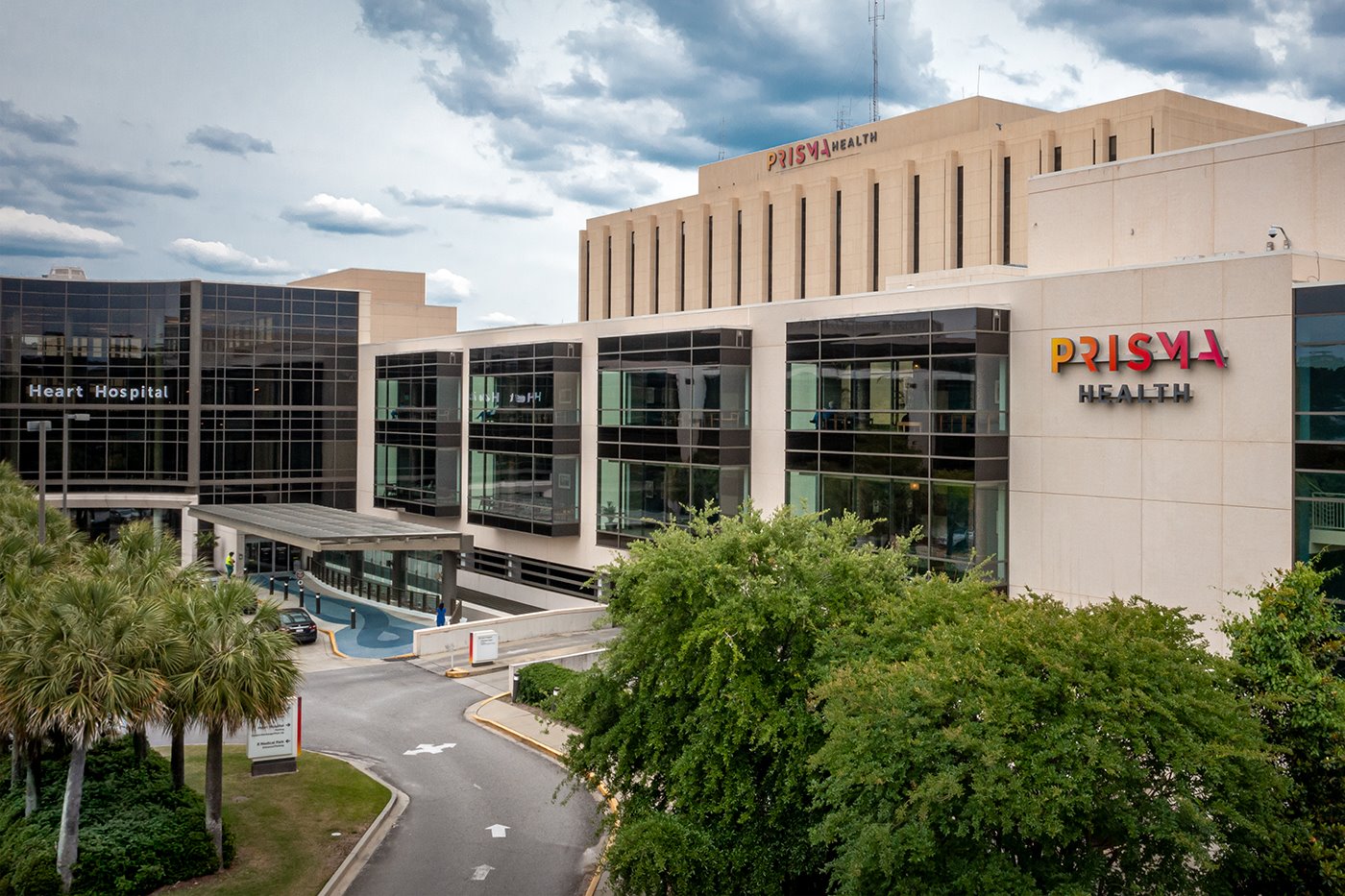
Prisma Health Midlands Cardiovascular
Columbia / 4+ active studies
Cardiovascular disease, heart failure
The heart and vessel research arm of Prisma Health in the Midlands. So it is the natural home for cholesterol trials in Columbia.
Visit Website →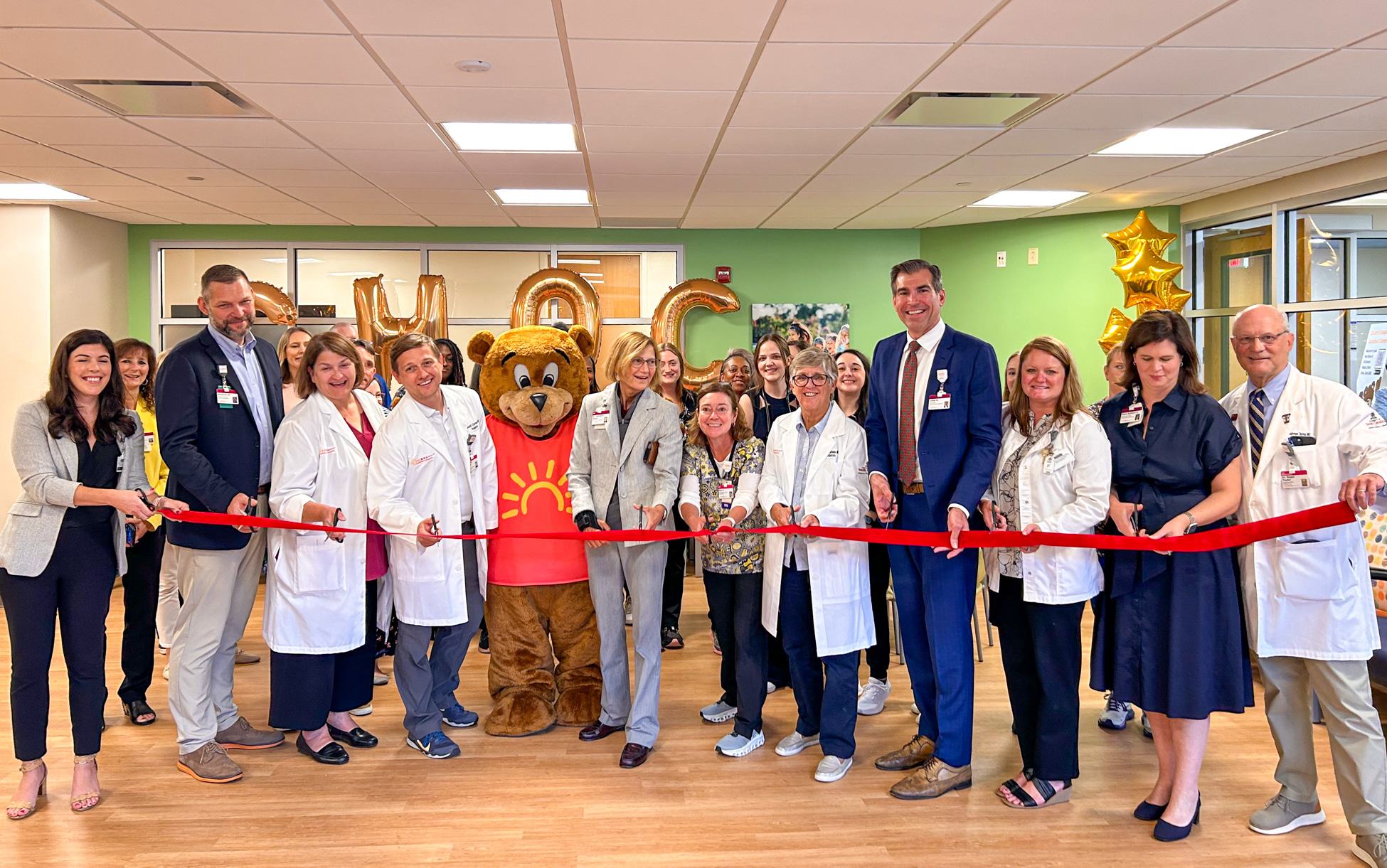
Prisma Health Children’s Hospital, Midlands
Columbia / 4+ active studies
Pediatric growth, cystic fibrosis
Basically, the Midlands hub for children’s research inside the Prisma Health system.
Visit Website →
Columbia Dermatology & Aesthetics
Columbia / 4+ active studies
Hidradenitis suppurativa, psoriasis, obesity
A skin care practice with its own research team. It runs both skin and weight studies.
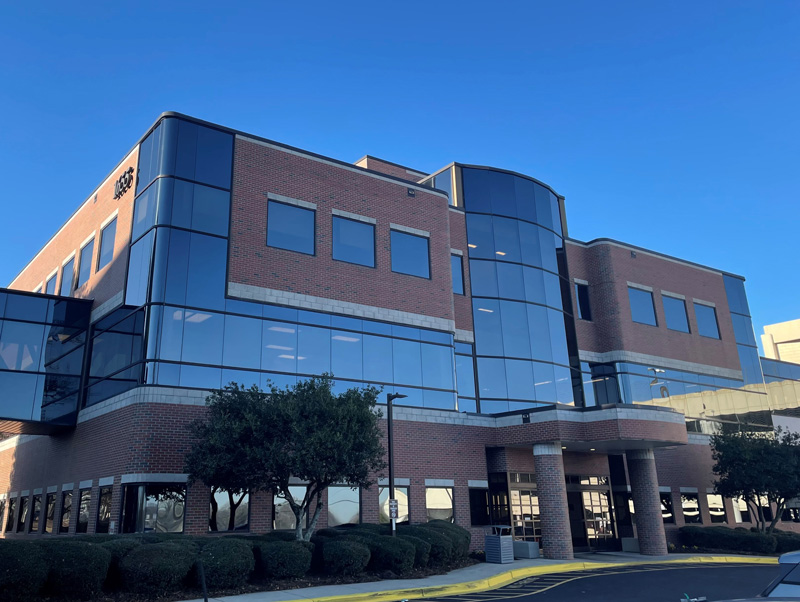
Velocity Clinical Research, Columbia
Columbia / Multiple active studies
COPD, skin conditions, vaccines
Part of one of the biggest research site networks in the country. Besides, it is just the kind of site the huge outcome trials lean on.
Visit Website →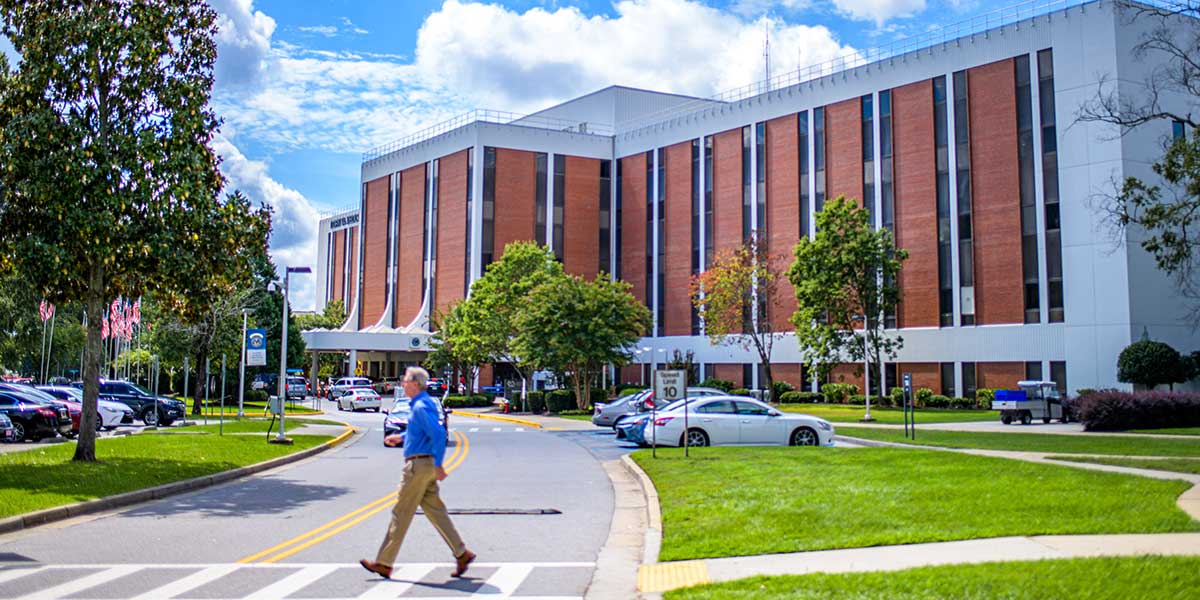
Wm. Jennings Bryan Dorn VA Medical Center
Garners Ferry Road, Columbia / 2+ active studies
Atherosclerosis, liver disease
Columbia’s VA medical center runs studies, including ones on clogged arteries. For veterans, it is often the first door.
Visit Website →
Objective Health, Columbia
Columbia / 2+ active studies
Celiac disease, fatty liver disease
Once called Columbia Digestive Health Research. Now it is part of the Objective Health network. Specifically, it runs gut and liver studies, including fatty liver trials.
Columbia Gastroenterology Associates
Columbia / Active studies
Digestive conditions
A long-running gut health practice. Also, it takes part in digestive trials around Columbia.
What to Expect in a Myasthenia Gravis Study
New to studies? Here is how one works, step by step.
01
Prescreening
First comes a short phone call or online form. Also, it takes about 10 to 15 minutes. The staff check whether you might fit. Then they tell you what is open.
02
Screening Visit
Next the clinic runs the tests that decide it, which usually means blood work. Also, they go through the consent form line by line, and you can bring somebody with you.
03
Treatment Period
Then the study begins. So you take the study drug or the placebo on the agreed schedule. Meanwhile, your own doctor keeps managing everything else.
04
Follow-Up
Finally, there is a check in period at the end. Also, your own doctor gets the results, and you can stop at any point without affecting your care.
Myasthenia Gravis Trial FAQs
Real answers about myasthenia gravis studies near Columbia SC.
Is there a study for this near Columbia?
No, and we will not pretend otherwise. Nothing is recruiting in Columbia, West Columbia, Lexington, Irmo, Cayce, Sumter or Orangeburg. However, three studies run inside Charlotte, about 93 miles north, and one of those is a realistic option for adults. Also, Augusta in Georgia is actually a shorter drive than Charlotte and hosts studies too, so it is worth asking about.
Which antibody do I have, and why does it decide things?
It is the biggest question on this page, so ask for the answer in writing. Most people carry antibodies against the receptor itself, which is called AChR positive. A smaller group carries a different one called MuSK, and some carry neither, which is called seronegative. However, every study within reach of this city needs you to be AChR positive, so a seronegative adult has nothing open here.
What is an MG-ADL score?
It is how much this gets in the way of daily life, scored across eight things. Talking, chewing, swallowing, breathing, brushing your hair, getting up from a chair, eyelids and double vision. Studies usually want 6 or higher, so mild disease will not get you in. Also ask for your MGFA class, which says how far the weakness has spread beyond the eyes.
Can I join if I was just diagnosed?
For the main adult study, no, and this catches people out. It needs you diagnosed more than 12 months ago and already treated with more than the standard tablet. So being newly diagnosed and keen to join is just what it rules out.
What happens to my IVIG or plasma exchange?
It has to stop, and the gap needs planning. IVIG or plasma exchange must stop at least 4 weeks before the study starts. FcRn blockers must stop 8 weeks before, and rituximab carries a full twelve month bar. So talk it through with your own doctor first.
Why is nothing open in Columbia?
Because this is uncommon and its studies cluster at a few specialist centres. Nothing recruits in the Midlands, and we checked each town on its own. So Charlotte, about 93 miles north, is the nearest place with anything at all. Notably, Augusta in Georgia is closer than Charlotte and hosts studies too, so ask about it.
Is there anything new for this?
A great deal, and fast. For two decades treatment meant one tablet, steroids and borrowed immune drugs. Then targeted drugs arrived in two families. One blocks the part of the immune system that harms the receptors. The other blocks what keeps antibodies alive in your blood. Meanwhile, two more were approved in April and December 2025, which is a pace this field has never had.
Does cell therapy here involve chemotherapy?
Ask that directly, because the answer may be no and that would be unusual. The earlier work with this was given without the harsh chemotherapy that most cell therapy needs. That is a real difference. However, it is not confirmed for this study on the record, so put the question to the site.
Does it cost anything to be on the list?
No. There is no cost, and no insurance is needed. Tether is a nonprofit list, so we do not run studies and we are not paid to send you anywhere. Also, being on the list never enrolls anyone in anything. You would always call the clinic yourself.
Where can I get neurology care near Columbia SC?
Prisma Health and Lexington Medical Center both run neurology services across the Midlands. Also, ask for a nerve and muscle specialist, because this needs antibody tests and proper scoring. Generally, your own doctor can refer you. Meanwhile, if nobody has told you which antibody you carry, ask for that result in writing.
Ready to Explore a Study?
Check your eligibility, or just reach out to our Columbia team. No pressure. Also, no sales pitch.
← Back to All Clinical TrialsSources
- AURORA study of Descartes-08 cell therapy, ClinicalTrials.gov NCT06799247
- ADAPT Jr SC dosing study in children, ClinicalTrials.gov NCT06392386
- Alexion C5 drug registry, ClinicalTrials.gov NCT04202341
- Myasthenia Gravis Foundation of America: diagnosis, antibody tests, MG-ADL and MGFA class
- Alexion and AstraZeneca: approvals of complement blockers and FcRn blockers for this condition
Study details and per-site recruiting status verified against ClinicalTrials.gov on August 16, 2026. A state level search in North Carolina missed all three of these studies; they were found only by searching the city directly. All three need you to be AChR antibody positive, so no study here is open to a seronegative adult. Study availability and criteria change; the research clinic confirms everything before you enroll.