
COLUMBIA, SC
Hidradenitis Suppurativa Clinical Trials
1 study is open to new patients in Columbia SC, and it is a pill rather than an injection. Notably, it involves no surgery of any kind, and past injections do not appear to rule you out. Compensation is provided for eligible participants.
1
Open in Columbia
3
Approved Drugs Now
+/- $100
Per Visit
New here? Read how this page works
First, one number decides whether this is open to you, and most people have never been told theirs. So here is the order to work through.
- Ask for your Hurley stage. Because it runs 1 to 3 and nearly every study wants stage 2 or 3, so it decides everything before anything else does.
- Ask for your lump count and your tunnel count. Notably, studies want at least 5 lumps but set a maximum on tunnels, so very advanced disease can rule you out too.
- Check how long you took antibiotics. In fact, this study needs at least 4 weeks of oral antibiotics that did not work.
- Finally, tap the button. Then we check you against every study we track and tell you when a new one opens.
Of course, checking never signs you up for anything. You are only seeing where you might fit.
The Study Open in Columbia
It runs at a skin research practice on the Irmo side. Notably, it is a pill rather than an injection.
The one study open here
It is a pill rather than an injection, and it involves no surgery of any kind.

The First Real Shot at an Oral Treatment
Pfizer / Drug
A once daily pill, already approved for another skin condition, now tested here. It blocks signals from inside the immune cell rather than mopping up one messenger outside it.
Payment is not published.
Check eligibility →More details
Why researchers are excited: every approved treatment for this is an injection. So if a pill works, the conversation stops beginning with needles, and that matters to a lot of people.
Who this study is looking for
- Aged 18 to 75
- Also, moderate to severe disease for at least 6 months
- Besides that, oral antibiotics were tried for 4 weeks and did not work
- Finally, fewer than 20 draining tunnels at screening
Probably not a fit if: your current biologic is working. There is no published bar on past biologics, which is unusual and good. However, you cannot take one alongside the study drug, so joining means coming off it.
- Placebo group: Real pill against a dummy for 16 weeks. The sponsor calls it like a coin flip, but the real ratio is not published, so ask your odds.
- How long: About 24 weeks in total, with readings running to week 16.
- Clinic visits: Published, which is rare. About 10 visits, at weeks 1, 2, 4, 6, 8, 12 and 16, plus screening and day one.
- Phone calls: Not published on the public record.
- Most invasive part: A pill you swallow, so no injections, no drips, no biopsy and no surgery. However, you log your symptoms in a phone diary every day for 16 weeks.
- Setting: Outpatient.
- Where it runs: Columbia Dermatology and Aesthetics, Columbia SC 29212.
- Drive from Columbia: This one is on the Irmo side of Columbia, so about 20 minutes from downtown.
- The honest framing: if your current injection works, this is probably not for you. If it stopped working or never worked, the maths is different.
- Full study record: View on ClinicalTrials.gov →
Not sure which one fits you?
First, answer a few quick health questions. Then we check you against every study we track. Also, no account and no paperwork.
See if I may fit one of these studies →What Is Actually Changing in Hidradenitis Suppurativa
One approved drug in 2022. Three by the end of 2024. And 2026 is the year of the pill.
What It Actually Is
Painful lumps, abscesses and draining tunnels form where skin rubs on skin. Armpits, groin, under the breasts, buttocks and inner thighs. It is not an infection, it is not about hygiene, and it is not catching. So those three wrong ideas are exactly why so many people spend years being told to wash more and handed another antibiotic.
Where the Damage Comes From
It starts in the hair follicle. The follicle blocks and bursts, spilling its contents into the skin around it, and the body answers with a violent response. Repeat that and tunnels form under the skin, linking the lumps and draining fluid. Meanwhile, what that leaves behind is rope like scarring, and scarring does not reverse.
Why the Delay Matters So Much Here
This is among the most missed conditions in skin medicine, and the delay is measured in years. People are told they have boils, ingrown hairs or repeat infections. As Alice Gottlieb put it at a 2026 meeting, we need to treat this earlier to prevent scarring, chronic draining tunnels, disability and poor quality of life. In fact, the damage done during the wait is the part that never goes away.
How It Is Actually Diagnosed
By a doctor looking, and nothing else. There is no blood test and no scan that makes the call. A skin doctor looks for the right kind of lumps, in the right places, that keep coming back, usually twice or more in six months. Also, swabs often grow nothing or ordinary skin bacteria, and that itself is useful, because it argues against plain infection.
The Number That Gates Everything
It is your Hurley stage, and it runs 1 to 3. Stage 1 is lumps with no tunnels and no scarring. Stage 2 adds tunnels and scarring with normal skin still between them. Stage 3 is whole areas linked by tunnels with little normal skin left. So nearly every drug study wants stage 2 or 3, which is a real and much criticised problem, because stage 1 is exactly when treating would prevent the permanent damage.
Two More Numbers to Ask For
Ask for your abscess and nodule count, which is simply how many you have across all affected areas. Studies usually want at least 5. Then ask how many draining tunnels you have, counted separately, because studies set a maximum rather than a minimum. Notably, that means very advanced disease can rule you out for having too much of it.
From One Drug to Three in Two Years
The first drug ever approved for this arrived in 2015, and for eight years it was the only one. Then in October 2023 a second was approved, the first new one in nearly a decade, later extended down to age 12. In November 2024 a third arrived, the first to block two arms of IL-17 at once. As Alexa Kimball of Harvard put it, patients in those studies reached deep and sustained responses out to 48 weeks.
And 2026 Is About the Pill
Every approved treatment for this is an injection. Two oral drugs are now being decided. One reported strong late stage results and new year long data at the 2026 skin meeting, and it is not yet approved. The other is the pill being tested in the study on this page. So the honest summary is that this field went from neglected to genuinely fast moving in about three years.
Where Surgery Sits
Surgery is still part of care and drugs have not replaced it. It runs from draining a single abscess, through opening a tunnel and letting it heal from the base, to removing a whole affected area. However, the study on this page involves no surgery at all, and that is worth saying plainly, because fear of being enrolled into an operation is a common and reasonable worry.
Research Sites Near Columbia
A skin research practice on the Irmo side carries the local study. But sites add new studies all the time, so it is worth knowing what sits near you.
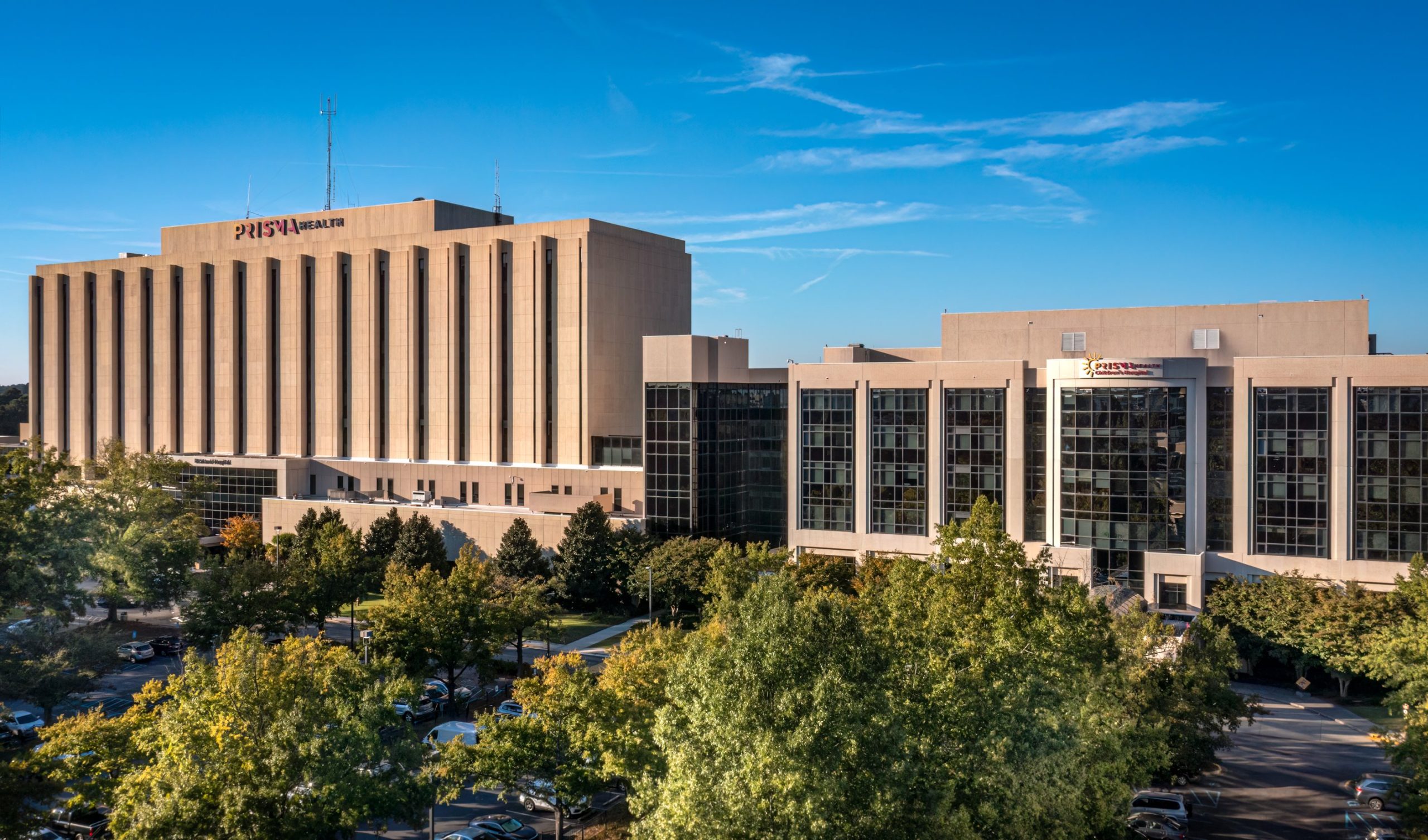
Prisma Health Richland Hospital
Downtown Columbia / 37+ active studies
Cancer, blood disorders, broad hospital research
The flagship Prisma Health hospital in the Midlands. Also, by far the biggest trial operation in the Columbia metro.
Visit Website →
University of South Carolina
Columbia / 27+ active studies
Stroke recovery, physical activity, community health
Notably, a research university that runs federally funded health studies across the Midlands. Specifically, topics range from stroke rehab to disease prevention.
Visit Website →
Bogan Sleep Consultants
Columbia / 7+ active studies
Narcolepsy, sleep disorders
One of the best known private sleep research sites in the Southeast. Also, it has run sleep trials for decades.
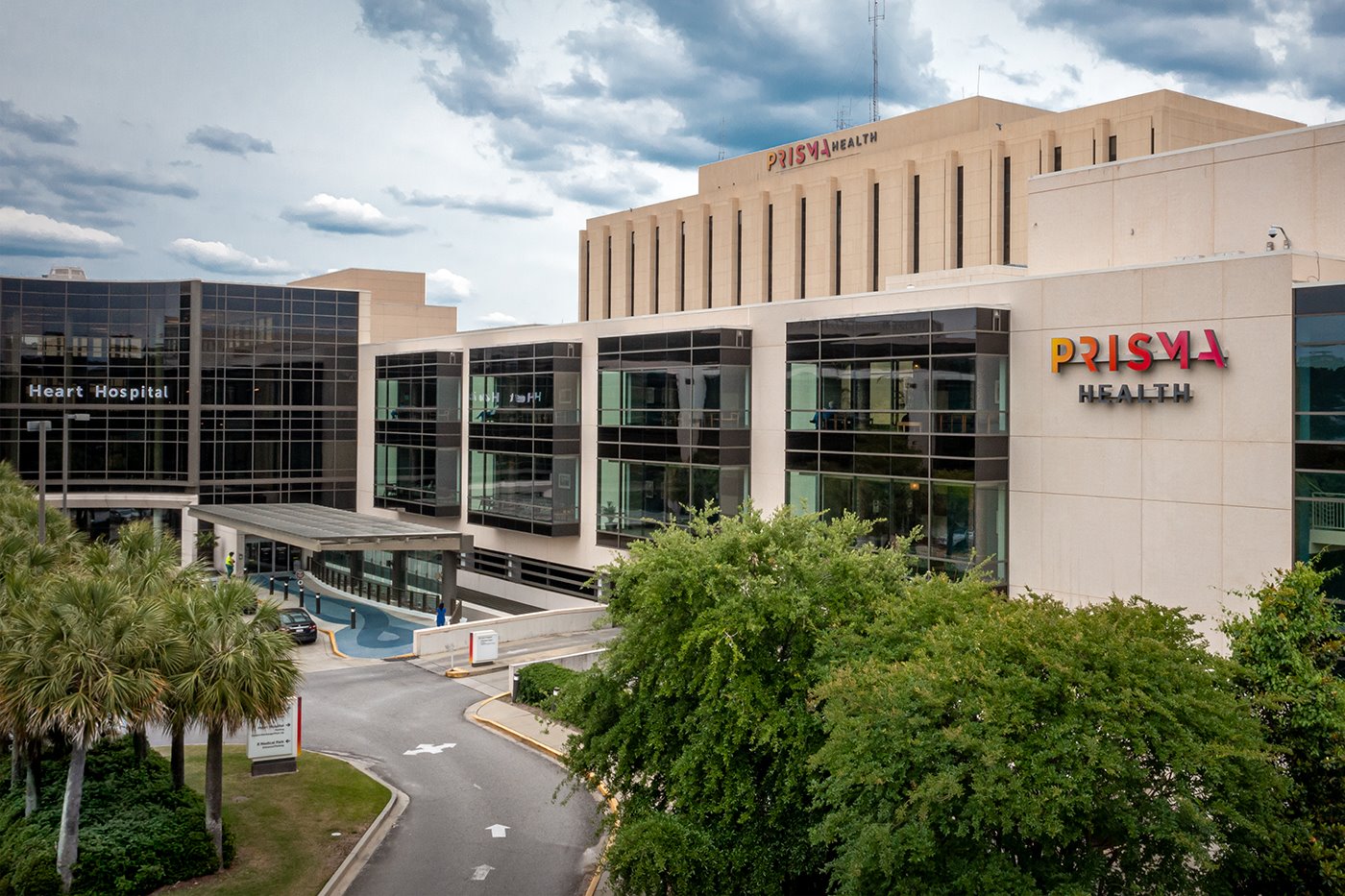
Prisma Health Midlands Cardiovascular
Columbia / 4+ active studies
Cardiovascular disease, heart failure
The heart and vessel research arm of Prisma Health in the Midlands. So it is the natural home for cholesterol trials in Columbia.
Visit Website →
Prisma Health Children’s Hospital, Midlands
Columbia / 4+ active studies
Pediatric growth, cystic fibrosis
Basically, the Midlands hub for children’s research inside the Prisma Health system.
Visit Website →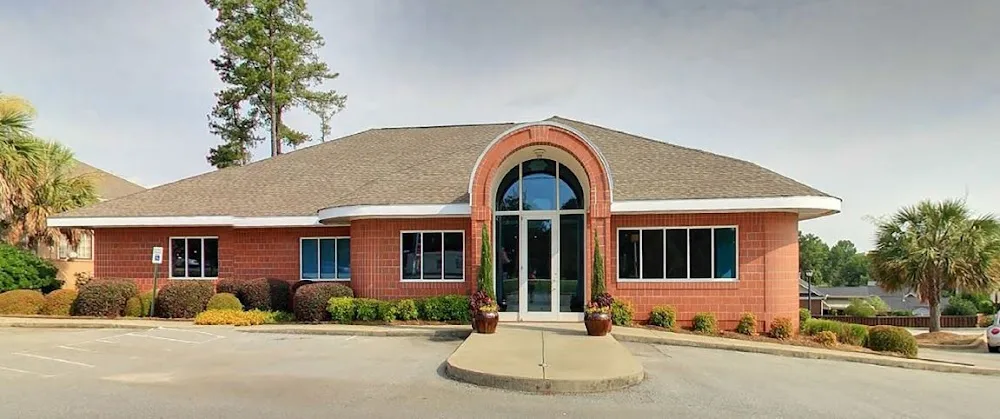
Columbia Dermatology & Aesthetics
Columbia / 4+ active studies
Hidradenitis suppurativa, psoriasis, obesity
A skin care practice with its own research team. It runs both skin and weight studies.
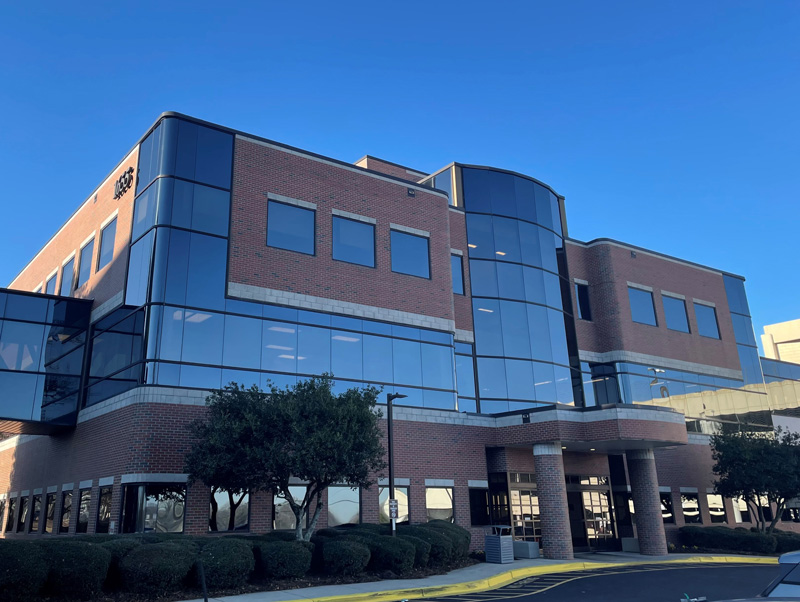
Velocity Clinical Research, Columbia
Columbia / Multiple active studies
COPD, skin conditions, vaccines
Part of one of the biggest research site networks in the country. Besides, it is just the kind of site the huge outcome trials lean on.
Visit Website →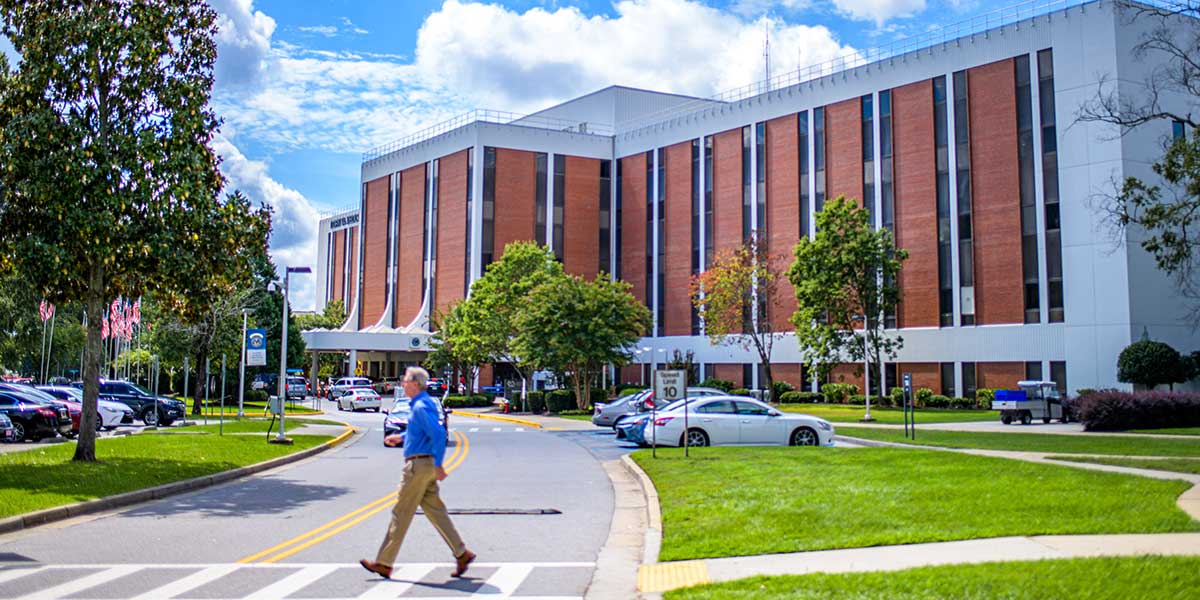
Wm. Jennings Bryan Dorn VA Medical Center
Garners Ferry Road, Columbia / 2+ active studies
Atherosclerosis, liver disease
Columbia’s VA medical center runs studies, including ones on clogged arteries. For veterans, it is often the first door.
Visit Website →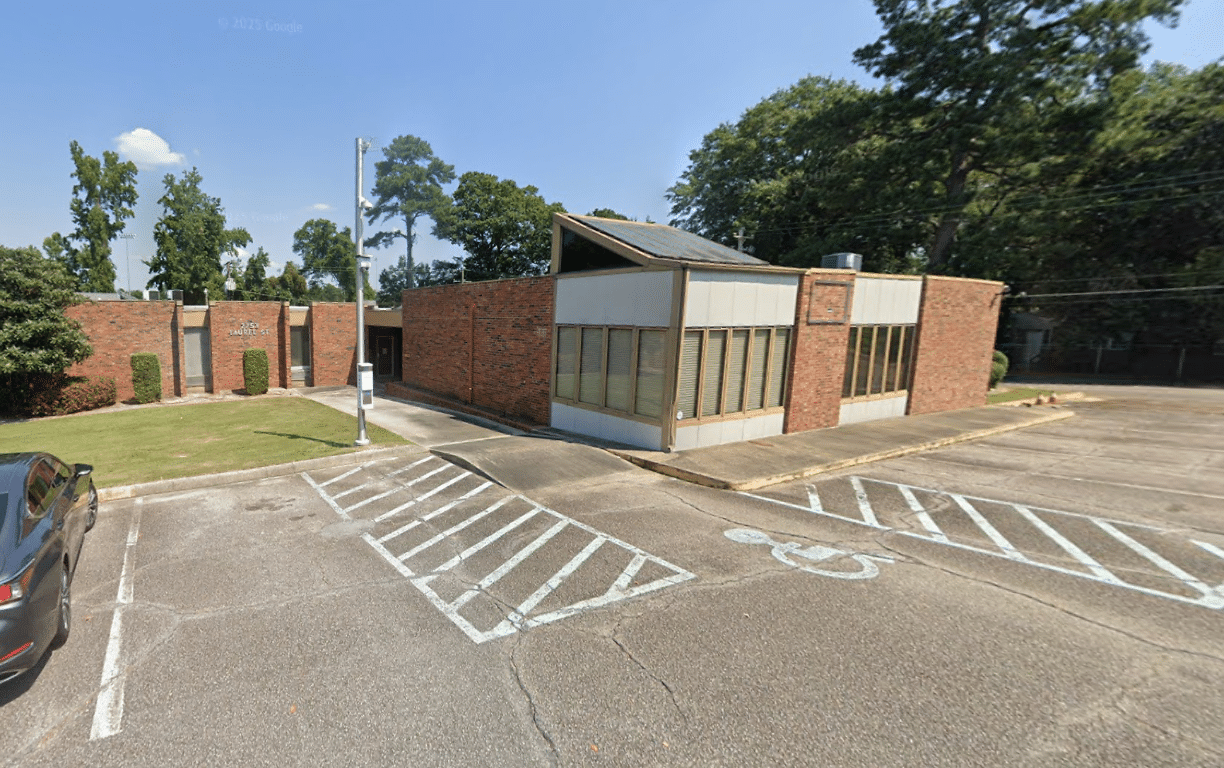
Objective Health, Columbia
Columbia / 2+ active studies
Celiac disease, fatty liver disease
Once called Columbia Digestive Health Research. Now it is part of the Objective Health network. Specifically, it runs gut and liver studies, including fatty liver trials.

Columbia Gastroenterology Associates
Columbia / Active studies
Digestive conditions
A long-running gut health practice. Also, it takes part in digestive trials around Columbia.
What to Expect in a Hidradenitis Suppurativa Study
New to studies? Here is how one works, step by step.
01
Prescreening
First comes a short phone call or online form. Also, it takes about 10 to 15 minutes. The staff check whether you might fit. Then they tell you what is open.
02
Screening Visit
Next the clinic runs the tests that decide it, which usually means blood work. Also, they go through the consent form line by line, and you can bring somebody with you.
03
Treatment Period
Then the study begins. So you take the study drug or the placebo on the agreed schedule. Meanwhile, your own doctor keeps managing everything else.
04
Follow-Up
Finally, there is a check in period at the end. Also, your own doctor gets the results, and you can stop at any point without affecting your care.
Hidradenitis Suppurativa Trial FAQs
Real answers about hidradenitis suppurativa studies near Columbia SC.
Is there a study for this near Columbia?
Yes, one is open, at a skin research practice on the Irmo side about 20 minutes from downtown. It is a pill taken once a day rather than an injection, and it involves no surgery at all. Notably, the same study also runs at Greenville, so having it here saves Midlands readers a long round trip. However, joining means coming off your current injection, and there is a dummy period of up to 16 weeks.
What is my Hurley stage?
It is the number that gates almost everything, and it runs 1 to 3. Stage 1 is lumps with no tunnels and no scarring. Stage 2 adds tunnels and scarring with normal skin still between them. Stage 3 is whole areas linked by tunnels with little normal skin left. So nearly every drug study wants stage 2 or 3, and this study’s exact threshold is not published, so ask the site.
Will I need surgery if I join?
No. This study involves no surgery at all, and that is worth saying plainly. There is no opening of tunnels, no removal of tissue, and no procedure beyond ordinary examination. Also, there is no skin biopsy. Surgery is still part of care for many people, but it is not part of this.
Do past injections rule me out?
Not as far as the published rules go, and that is unusual and valuable here. There is no published bar on having tried any of the approved injections, and no cap on how many. However, the published list is a summary rather than the full protocol, so confirm it with the site. Notably, what is required is that oral antibiotics were tried for at least 4 weeks and did not work.
Should I join if my current treatment is working?
Probably not, and we would rather be straight about it. You cannot take your current injection alongside the study drug, so joining means coming off it. Then you face up to 16 weeks where you might be on a dummy. However, if your treatment has stopped working or never worked, the maths is completely different.
Is there anything new?
Yes, and it moved fast. The first drug ever approved for this arrived in 2015 and was the only one for eight years. A second arrived in October 2023 and a third in November 2024. So the field went from one option to three in about two years. Meanwhile, 2026 is the year the first oral options are being decided, and this study is one of them.
Why did it take so long to be diagnosed?
Because it is among the most missed conditions in skin medicine, and the delay is measured in years. There is no blood test and no scan that makes the call, so it rests on a doctor recognising the pattern. So people get told they have boils, ingrown hairs or repeat infections instead. Also, swabs usually grow nothing or ordinary skin bacteria, which itself argues against plain infection.
What does taking part actually involve?
Less than most studies, with one real catch. It is a pill you swallow once a day, so there are no injections and no drips. There are about 10 clinic visits across 16 weeks, and that schedule is published, which is rare. However, you also log your symptoms in a phone diary every single day for 16 weeks, and that is a genuine commitment.
Does it cost anything to be on the list?
No. There is no cost, and no insurance is needed. Tether is a nonprofit list, so we do not run studies and we are not paid to send you anywhere. Also, being on the list never enrolls anyone in anything. You would always call the clinic yourself.
Where can I get care near Columbia SC?
Prisma Health and Lexington Medical Center both run skin services across the Midlands. Also, ask for a skin doctor rather than urgent care, because repeat courses of antibiotics are not treatment for this. Generally, your own doctor can refer you. Meanwhile, if nobody has told you your Hurley stage, ask for it by name at your next visit.
Ready to Explore a Study?
Check your eligibility, or just reach out to our Columbia team. No pressure. Also, no sales pitch.
← Back to All Clinical TrialsSources
- Ritlecitinib phase 2 study in moderate to severe hidradenitis suppurativa, ClinicalTrials.gov NCT07228390
- UCB: FDA approval of bimekizumab for moderate to severe hidradenitis suppurativa, 20 November 2024, with comment from Alexa B. Kimball, MD, MPH
- Novartis: FDA approval of secukinumab for moderate to severe hidradenitis suppurativa, 31 October 2023
- HS Foundation: diagnosis, Hurley staging and treatment information for hidradenitis suppurativa
Study details and per-site recruiting status verified against ClinicalTrials.gov on August 16, 2026. A state level search on this condition in North Carolina returns nothing; the Charlotte site was found only by searching the city directly. The Hurley stage threshold for this study is not published on the public record, so confirm it with the site. Study availability and criteria change; the research clinic confirms everything before you enroll.