
COLUMBIA, SC
Lupus Nephritis Clinical Trials
No kidney lupus study is enrolling in Columbia SC, and we would rather say so plainly. However, four run in Charlotte about 90 minutes north, which is closer than Charleston. Compensation is provided for eligible participants once one opens here.
0
Open in the Midlands
4
About 90 Minutes North
+/- $100
Per Visit
New here? Read how this page works
First, one thing decides whether any of this is open to you, and it is not your symptoms or your blood tests. So here is the order to work through.
- Find out whether you have ever had a kidney biopsy. Because all four studies need one, and without it every single door here is shut.
- Get the class number off that biopsy. Notably, it is a number from 1 to 6, and it decides which studies you fit rather than how you feel.
- Ask for the scarring score as well. In fact, heavy scarring closes most doors, because no drug can undo scar tissue.
- Finally, tap the button. Then we check you against all of them at once and tell you when a new one opens.
Of course, checking never signs you up for anything. You are only seeing where you might fit.
The Nearest Studies to Columbia
Both of these are in Charlotte. Notably, one gives no drug at all and asks nothing of your treatment.
The nearest studies, about 90 minutes north
Nothing is open in the Midlands. However, Charlotte is closer than Charleston, and it carries all four.

Four Approved Drugs at Once, and No Dummy
Aurinia Pharmaceuticals / Drug
Every drug in this study is already approved and on the shelf. The question is not whether they work but whether stacking them gets kidneys into full response in six months rather than a year.
Payment is not published.
Check eligibility →More details
Why researchers are excited: every month of protein leaking is a month of more scarring. So speed of response is now thought to predict whether a kidney survives, and this tests that head on.
Who this study is looking for
- Age 18 to 75, with kidney lupus proven on a biopsy
- Also, class 3, 4, or either combined with 5. Class 5 alone is not taken here
- Besides that, A urine protein to creatinine ratio of 0.5 or higher, and below 5.0
- Finally, an eGFR of 45 or above, so kidney function is still fairly good
Probably not a fit if: you take tacrolimus or ciclosporin. Either must be stopped 3 months before screening, and many people with kidney lupus are on one. Also, rituximab in the past year rules you out unless your B cells have come back.
- Placebo group: None at all. Everyone gets the real drugs, and there is no dummy anywhere in this study.
- How long: Short for this field. The main read is at 24 weeks, with safety to 28. So about six months.
- Clinic visits: Not published. Blood markers are read at the start, 12 weeks and 24 weeks.
- Phone calls: Not published on the public record.
- Most invasive part: A biopsy is needed to get in, though the study may not arrange it. The main drug is a capsule twice a day, and the added one is a drip or a shot. Also, frequent blood draws and repeated first morning urine samples.
- Setting: Outpatient.
- Where it runs: Arthritis and Osteoporosis Consultants and Joint and Muscle Research Institute, Charlotte NC.
- Drive from Columbia: Charlotte is about 93 miles north, so roughly 90 minutes on I-77.
- Read this first: this study is built for people already on the modern treatment path. You must be on, or starting, one of three named biologics, so it is not a door for the newly diagnosed.
- Full study record: View on ClinicalTrials.gov →

The Only One That Takes an Old Biopsy
GlaxoSmithKline / Observation
This follows people already taking belimumab for kidney lupus in ordinary care, and measures whether their kidneys still work in five years.
Payment is not published.
Read the details →More details
Why researchers are excited: short studies can show protein falling. This asks the question that matters, which is whether these kidneys still work years later and whether people stay off dialysis.
Who this study is looking for
- Age 18 or over when you started belimumab
- Also, you are already taking belimumab for active kidney lupus
- Besides that, you started it between 6 and 24 months ago, which is a narrow window
- Finally, A biopsy confirmed kidney lupus at any time before you started
Probably not a fit if: you were on dialysis or had a transplant when belimumab started. Also, being on a second lupus antibody at that point rules you out.
- Placebo group: Neither. There is no randomisation, no dummy and no study drug.
- How long: Up to 5 years, looking both forward and back through your records.
- Clinic visits: Not published. Information comes from your ordinary clinic visits rather than extra research ones.
- Phone calls: Not published on the public record.
- Most invasive part: The lightest option here by a wide margin. Everything comes from your records and routine care. No study drug, no drips, no scans and no new biopsy.
- Setting: Outpatient.
- Where it runs: GSK site, Charlotte NC 28207.
- Drive from Columbia: Charlotte is about 93 miles north, so roughly 90 minutes on I-77.
- Why this one matters: it is the only study here that takes a biopsy from any time in the past. Also, Charlotte is one of only seven sites in the world for it.
- Full study record: View on ClinicalTrials.gov →
Not sure which one fits you?
First, answer a few quick health questions. Then we keep them on file. Finally, we call you when a study opens near Columbia. No account, no paperwork.
See if I may fit one of these studies →What Is Actually Changing in Lupus Nephritis
Three approvals in five years, after decades of chemo and steroids.
What Is Happening in the Kidney
Each kidney holds about a million tiny filters that clean your blood. In kidney lupus, clumps of antibodies lodge in those filters and set off swelling. That does two things. First, protein and blood leak out into the urine. Then, if it carries on, the filters scar for good. So the damage is not the leaking itself but what the leaking leaves behind.
It Is Silent Until It Is Late
This is the part to take away from the page. Notably, kidney lupus does not usually hurt. In fact, there is often no warning sign at all. By the time your ankles swell, your urine foams or your blood pressure climbs, damage may already be set. So the urine tests are not a formality, because they are the only early warning that exists.
Ask for This Test by Name
It is the urine protein to creatinine ratio, taken on your first urine of the morning. Notably, that single number drives almost every decision in this field. Roughly, a ratio of 0.5 or above triggers a proper kidney workup, and getting back below it is what full response means in nearly every study. So ask how often yours is being checked, and ask for it on a first morning sample.
The Biopsy Decides Everything
A needle goes through the skin of your back into the kidney, guided by a scanner, with local anaesthetic. Then one or two thread thin cores of tissue come out. Generally it is a day case with bed rest after, and the main risk is bleeding. What it gives you is your class, numbered 1 to 6. Classes 3 and 4 are the aggressive ones, class 5 leaks heavy protein, and every study here gates on that number.
Then Ask for Two More Scores
The same biopsy gives an activity score and a scarring score. Generally, activity is swelling that treatment can still turn around. However, scarring is permanent. Nearly every study sets a ceiling on scarring, because no drug can reverse scar tissue and a study full of scarred kidneys would fail whatever the drug did. So if your report shows heavy scarring, most doors close, and that is medicine rather than red tape.
December 2020 Broke the Drought
Until then, treatment was chemo or mycophenolate plus high dose steroids, and full response rates sat around a third. Then belimumab was approved for kidney lupus on 17 December 2020, the first drug ever approved for it. Also, voclosporin followed on 22 January 2021, a capsule taken twice a day that lifted response rates further. So within thirteen months the field went from nothing to two.
And October 2025 Moved the Ceiling
Obinutuzumab was approved for adults with active kidney lupus on 19 October 2025. Notably, in its main trial 46.4 percent reached a full kidney response, against 33.1 percent on standard treatment alone. As Brad Rovin of Ohio State put it, the results are compelling and the drug could offer an effective new option for controlling a difficult disease. Meanwhile, an older drug against the same target had famously failed years earlier, which is why this mattered.
Two Things Not to Get Wrong
First, the interferon drug approved for lupus is not approved for kidney lupus, and its April 2026 pen approval did not change that. Also, a filing to extend the October 2025 drug to lupus without kidney involvement was accepted in April 2026 and has not been approved. So if somebody tells you either is available for your situation, check the indication rather than the headline.
Research Sites Near Columbia
Nothing runs in the Midlands, while the nearest sites are in Charlotte and Charleston. But sites add new studies all the time, so it is worth knowing what is near you.
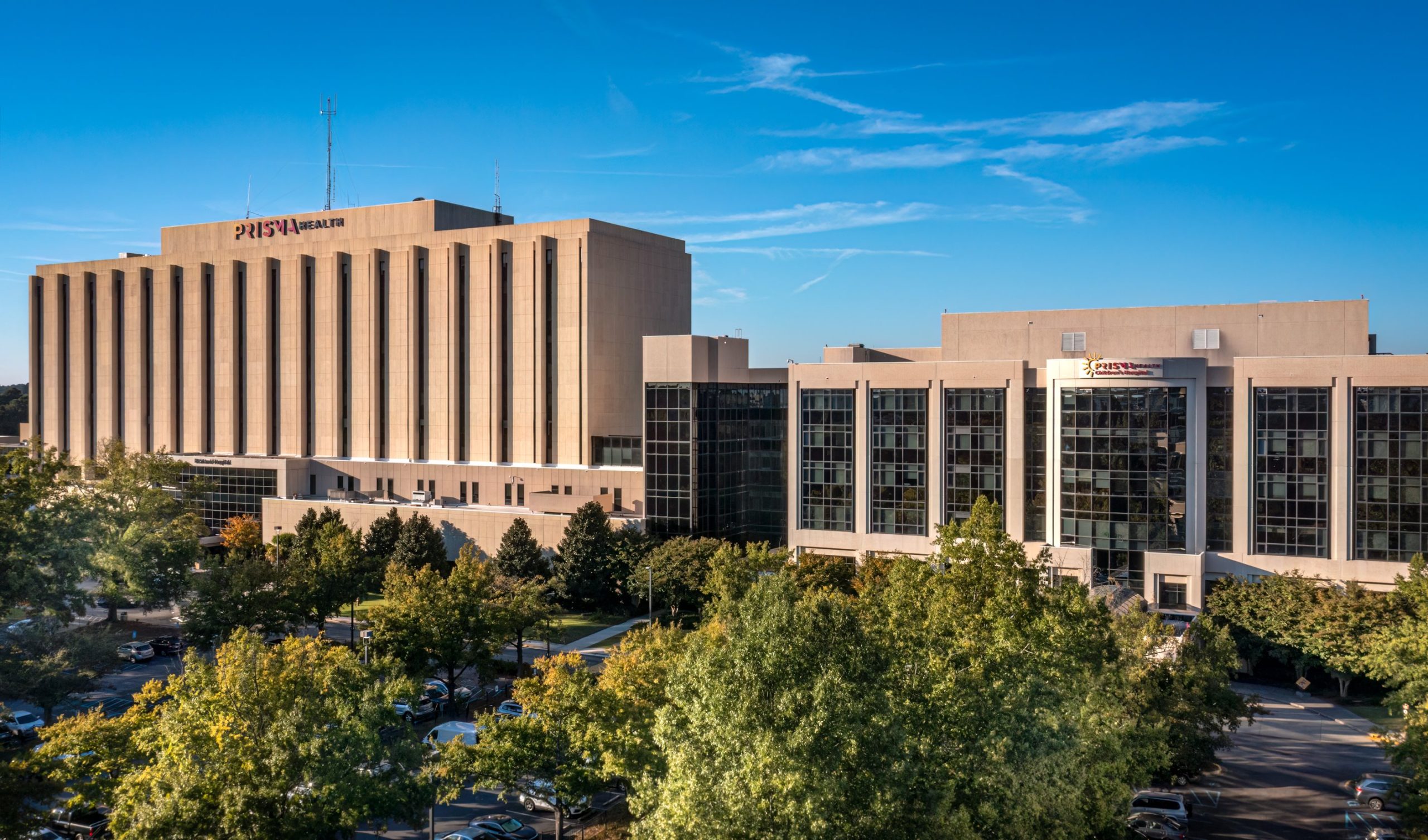
Prisma Health Richland Hospital
Downtown Columbia / 37+ active studies
Cancer, blood disorders, broad hospital research
The flagship Prisma Health hospital in the Midlands. Also, by far the biggest trial operation in the Columbia metro.
Visit Website →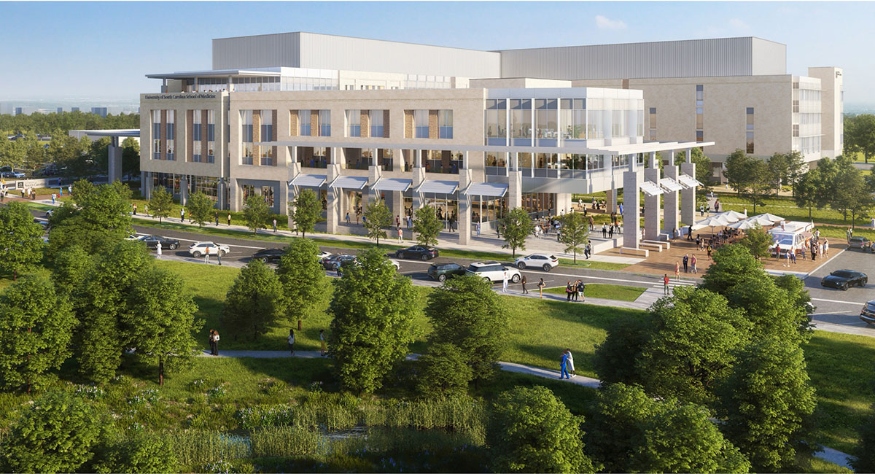
University of South Carolina
Columbia / 27+ active studies
Stroke recovery, physical activity, community health
Notably, a research university that runs federally funded health studies across the Midlands. Specifically, topics range from stroke rehab to disease prevention.
Visit Website →
Bogan Sleep Consultants
Columbia / 7+ active studies
Narcolepsy, sleep disorders
One of the best known private sleep research sites in the Southeast. Also, it has run sleep trials for decades.
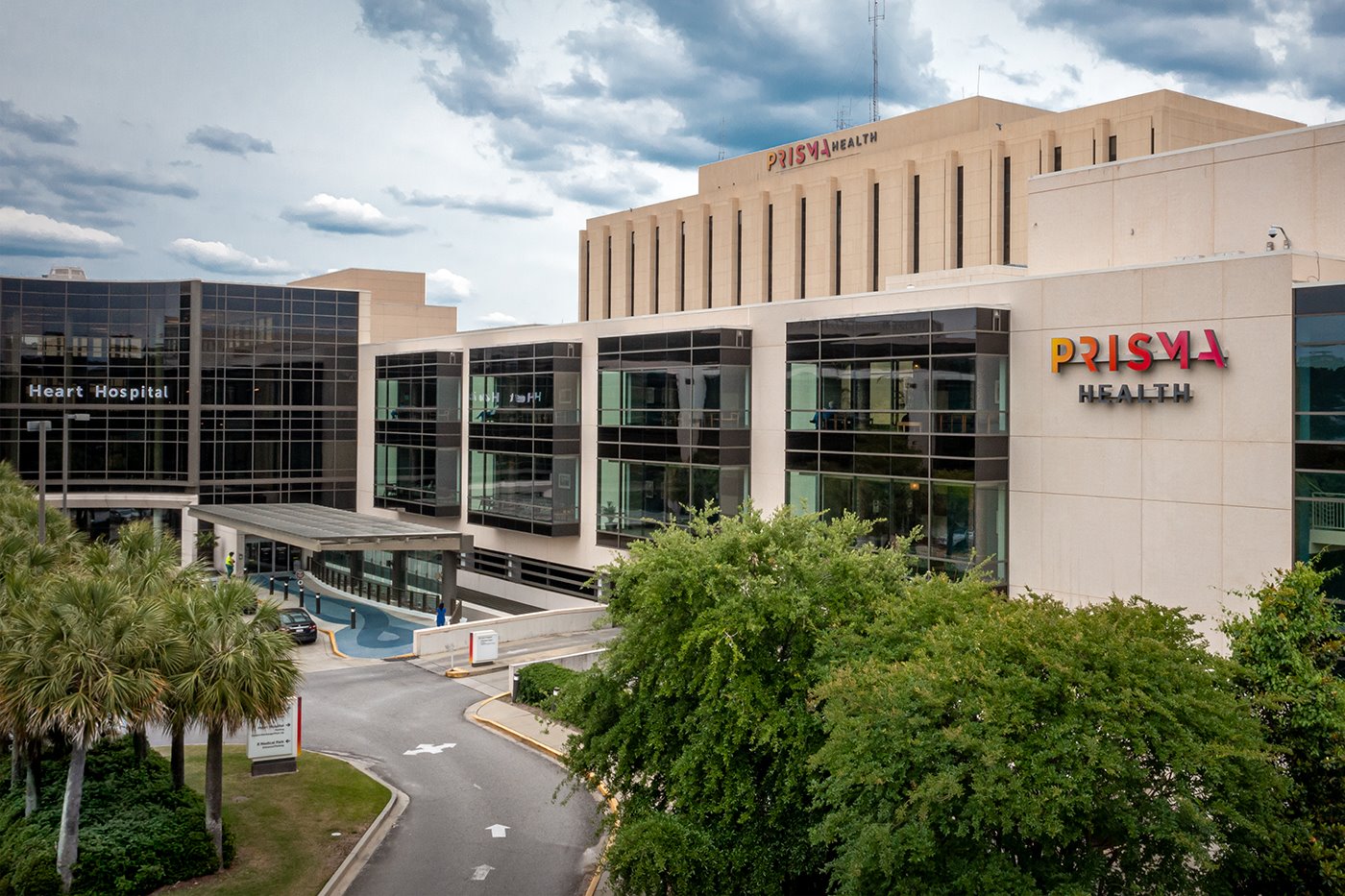
Prisma Health Midlands Cardiovascular
Columbia / 4+ active studies
Cardiovascular disease, heart failure
The heart and vessel research arm of Prisma Health in the Midlands. So it is the natural home for cholesterol trials in Columbia.
Visit Website →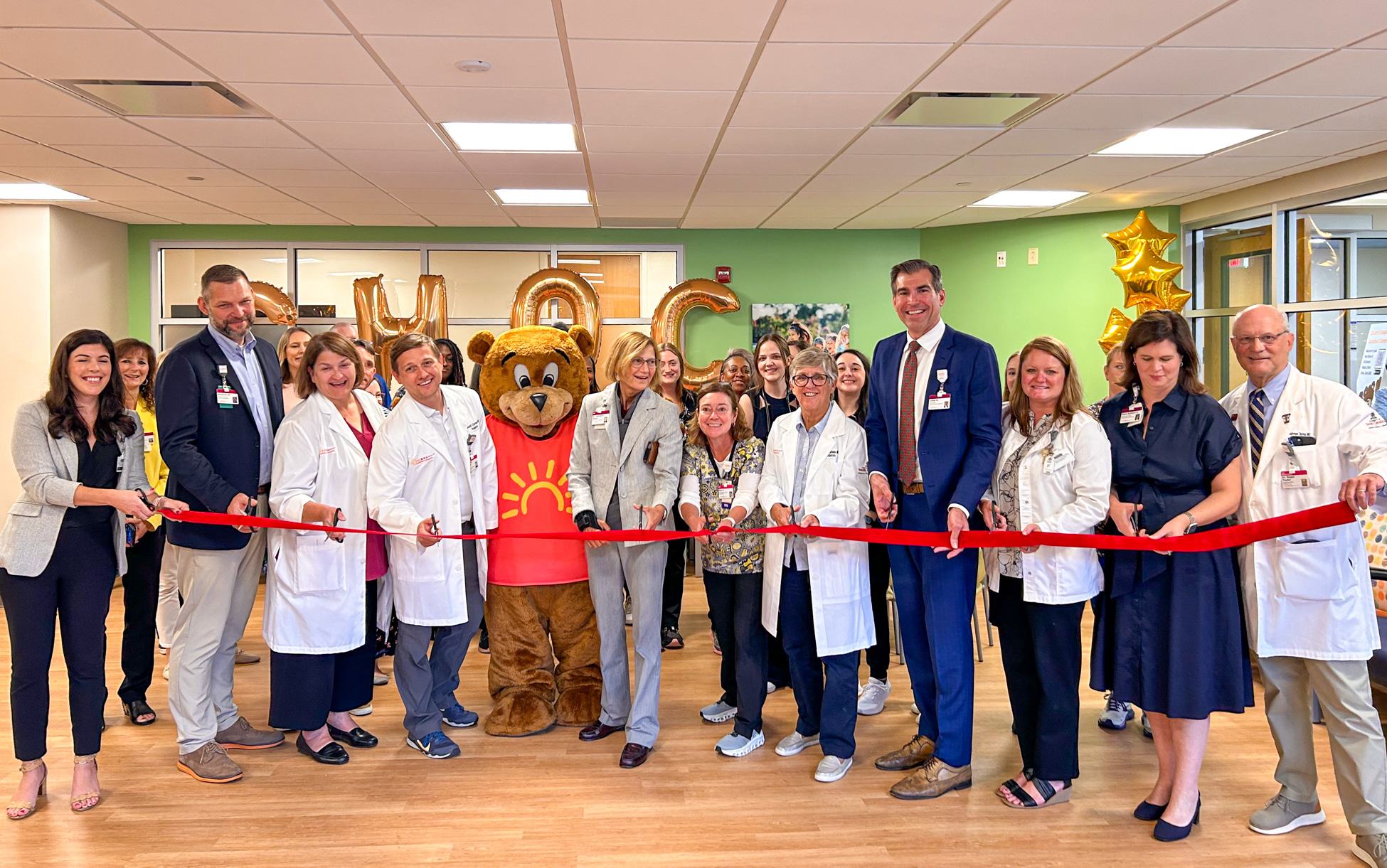
Prisma Health Children’s Hospital, Midlands
Columbia / 4+ active studies
Pediatric growth, cystic fibrosis
Basically, the Midlands hub for children’s research inside the Prisma Health system.
Visit Website →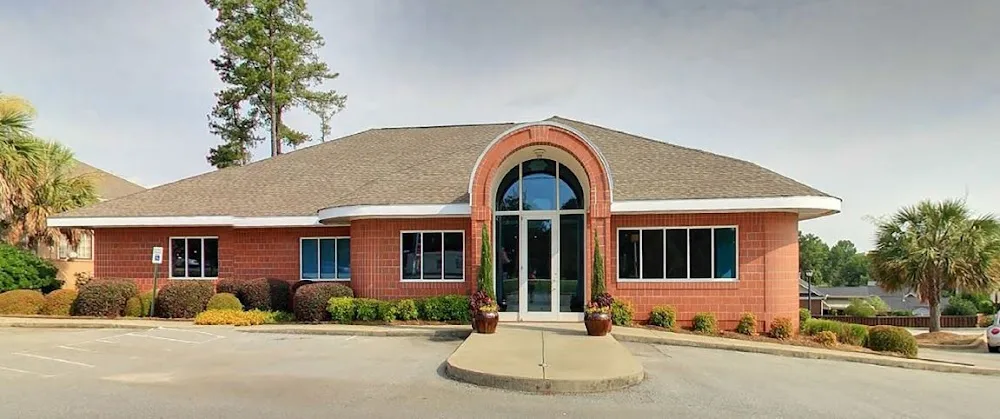
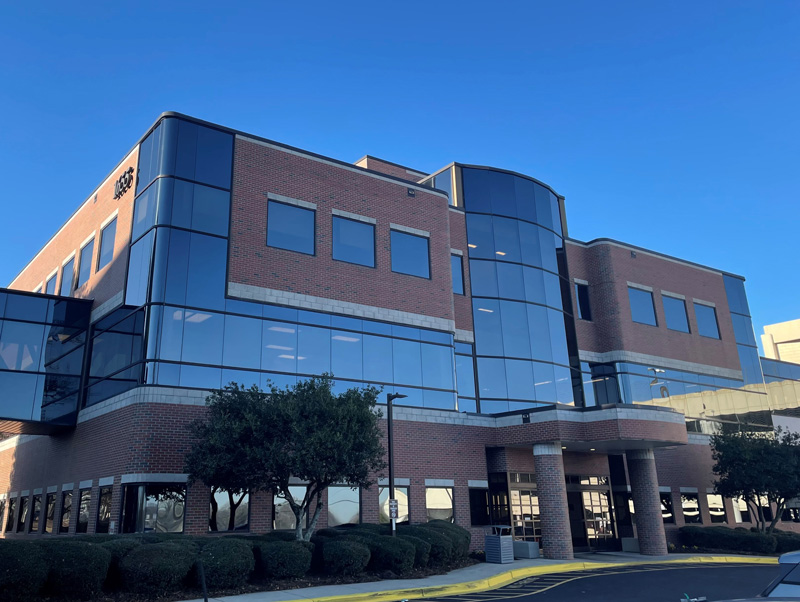
Columbia Dermatology & Aesthetics
Columbia / 4+ active studies
Hidradenitis suppurativa, psoriasis, obesity
A skin care practice with its own research team. It runs both skin and weight studies.
Velocity Clinical Research, Columbia
Columbia / Multiple active studies
COPD, skin conditions, vaccines
Part of one of the biggest research site networks in the country. Besides, it is just the kind of site the huge outcome trials lean on.
Visit Website →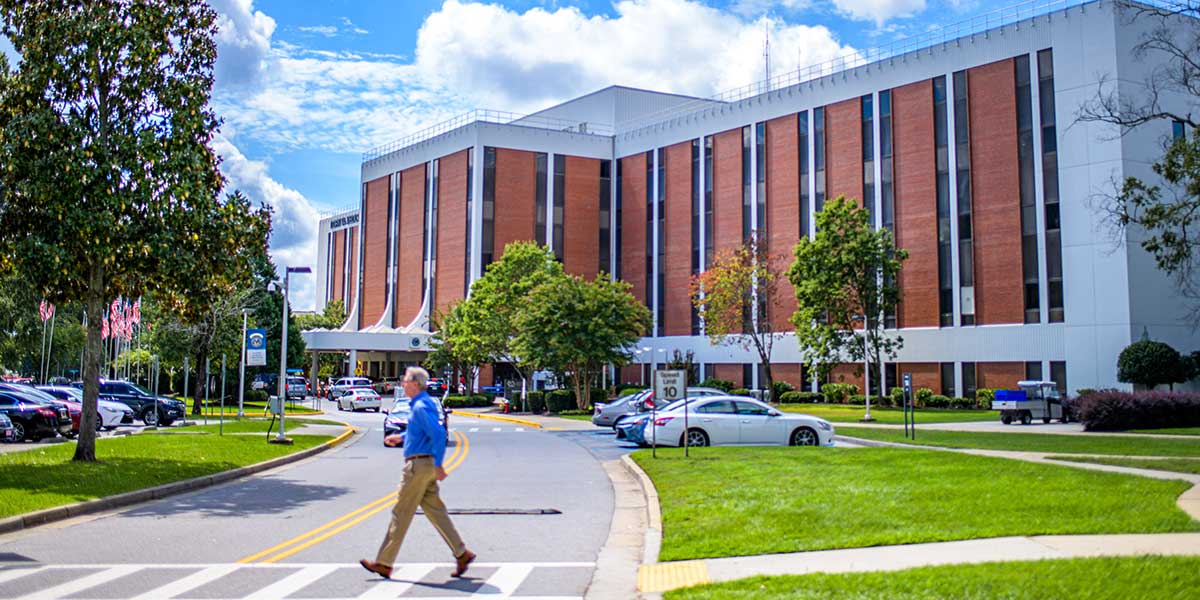
Wm. Jennings Bryan Dorn VA Medical Center
Garners Ferry Road, Columbia / 2+ active studies
Atherosclerosis, liver disease
Columbia’s VA medical center runs studies, including ones on clogged arteries. For veterans, it is often the first door.
Visit Website →
Objective Health, Columbia
Columbia / 2+ active studies
Celiac disease, fatty liver disease
Once called Columbia Digestive Health Research. Now it is part of the Objective Health network. Specifically, it runs gut and liver studies, including fatty liver trials.

Columbia Gastroenterology Associates
Columbia / Active studies
Digestive conditions
A long-running gut health practice. Also, it takes part in digestive trials around Columbia.
What to Expect in a Kidney Lupus Study
New to studies? Here is how one works, step by step.
01
Prescreening
First comes a short phone call or online form. Also, it takes about 10 to 15 minutes. The staff check whether you might fit. Then they tell you what is open.
02
Screening Visit
Next the clinic runs the tests that decide it, which usually means blood work. Also, they go through the consent form line by line, and you can bring somebody with you.
03
Treatment Period
Then the study begins. So you take the study drug or the placebo on the agreed schedule. Meanwhile, your own doctor keeps managing everything else.
04
Follow-Up
Finally, there is a check in period at the end. Also, your own doctor gets the results, and you can stop at any point without affecting your care.
Lupus Nephritis Trial FAQs
Real answers about kidney lupus studies near Columbia SC.
Is there a study for this near Columbia?
No, and we will not pretend otherwise. Nothing is recruiting in Columbia, West Columbia, Lexington, Irmo, Cayce, Sumter or Orangeburg, and we checked that three separate ways. However, four studies run in Charlotte, about 93 miles north, which is closer than Charleston at about 115. Also, one of those four gives no drug and asks nothing of your treatment.
Do I need a kidney biopsy to join?
Yes, for all four, and this is the single most important thing on the page. None of them will accept a clinical diagnosis on its own. However, they differ sharply on how recent it has to be. One takes a biopsy from any time in the past, two want one from the last 6 months, and one will perform it during screening.
What if nobody has ever biopsied my kidney?
Then one study is your route in and the others are not, so it is worth knowing which. The cell therapy study will arrange a biopsy as part of screening if you have no recent one. The others require a biopsy your own team already ordered. So if you have been managed on urine tests alone, that is the conversation to have with your kidney doctor first.
What is my class number?
It is what the biopsy tells you, and it runs from 1 to 6. Classes 3 and 4 are the aggressive forms, where a large share of the filters are inflamed. Class 5 leaks heavy protein and can appear on its own or alongside 3 or 4. Notably, one study here takes 3 and 4 but not 5 alone, while another takes 5 alone, so the number routes you.
Why does scarring rule me out?
Because no drug can turn scar tissue back into working kidney, and a study full of scarred kidneys would fail whatever the drug did. Your biopsy gives an activity score and a scarring score. Activity is swelling that treatment can still reverse. Scarring is permanent. So the ceilings you see in the rules are medicine rather than red tape.
Why is nothing open in Columbia?
Because this state’s lupus research sits in Charleston, and it has for over twenty years. A study of the Gullah community has run there since 2003, and the funding and staff built up round it. So the Midlands has good hospital care but no lupus kidney trial programme on the books. Meanwhile, Charlotte is about 93 miles north and Charleston about 115, so the closer option is out of state.
Will I have to stop what I am taking?
For one of them, quite possibly, and it is worth checking early. The approved drug study excludes tacrolimus and ciclosporin unless stopped 3 months before screening, and many people with kidney lupus are on one of those. Also, rituximab in the past year rules you out unless your B cells have recovered. However, two of the four change nothing at all.
Is there anything new for this?
Yes, and three times over in five years, after decades of nothing. Belimumab was approved for kidney lupus in December 2020, the first drug ever approved for it. Voclosporin followed in January 2021, and obinutuzumab in October 2025. In that last trial 46.4 percent reached a full kidney response, against 33.1 percent on standard treatment alone.
Does it cost anything to be on the list?
No. There is no cost, and no insurance is needed. Tether is a nonprofit list, so we do not run studies and we are not paid to send you anywhere. Also, being on the list never enrolls anyone in anything. You would always call the clinic yourself.
Where can I get kidney care near Columbia SC?
Prisma Health and Lexington Medical Center both run kidney and joint services across the Midlands. Also, ask to see a kidney doctor alongside your rheumatologist, because this needs both. Your own doctor can refer you. Meanwhile, if nobody has checked your first morning urine for protein recently, ask for that before anything else.
Ready to Explore a Study?
Check your eligibility, or just reach out to our Columbia team. No pressure. Also, no sales pitch.
← Back to All Clinical TrialsSources
- PRESERVE voclosporin combination study, ClinicalTrials.gov NCT07611214
- AZD0120 dual CD19 and BCMA CAR-T study with a lupus nephritis pathway, ClinicalTrials.gov NCT06897930
- BENCHMARK-SLE observational study with a lupus nephritis population, ClinicalTrials.gov NCT07175285
- OBSErve-LN belimumab observational study, ClinicalTrials.gov NCT06527872
- Genentech: phase 3 REGENCY results for obinutuzumab in lupus nephritis, with comment from Brad H. Rovin, MD
- Lupus Foundation of America: FDA approves obinutuzumab for adults with lupus nephritis, October 2025
Study details and per-site recruiting status verified against ClinicalTrials.gov on August 16, 2026. All four studies require kidney lupus proven on a biopsy; none accepts a clinical diagnosis alone. One trial listing a South Carolina site as University of South Carolina was verified to be at the Medical University of South Carolina in Charleston, not in Columbia, and is not counted here. Study availability and criteria change; the research clinic confirms everything before you enroll.