
COLUMBIA, SC
Lupus Clinical Trials
1 study is open in Columbia SC, and we will be straight about it, because no drug is given. However, eight lupus drug studies sit about 90 minutes north in Charlotte, closer than Charleston. Compensation is provided for eligible participants.
1
Open in Columbia
8
About 90 Minutes North
+/- $100
Per Visit
New here? Read how this page works
First, three answers decide which studies are open to you, and none of them is about how you feel. So here is the order to work through.
- Get your SLEDAI score written down. Because nearly every study here needs 6 or more, and without the number nobody can tell you what fits.
- Ask whether your kidneys are involved. Notably, that single answer opens some studies and closes others, and it is often nobody has checked recently.
- List every lupus drug you have ever had. In fact, one study rejects you for having taken too much already, while others reject you for taking the wrong thing now.
- Finally, tap the button. Then we check you against all of them at once and tell you when a new one opens.
Of course, checking never signs you up for anything. You are only seeing where you might fit.
What Is Open In and Near Columbia
The local one gives no drug. However, the two we show from Charlotte are the gentlest of the eight.
The one study open here
Be clear about what it is. No drug is given, and it is an activity study that accepts lupus rather than a lupus drug trial.

How Little Exercise Still Helps
University of South Carolina, with the CDC / Exercise
Health advice says 150 minutes of activity a week. This tests whether 45 or 90 minutes gives you most of the same gain, which matters if 150 is out of reach.
Payment is not published. However, a Fitbit and a walking guide are provided.
Check eligibility →More details
Why researchers are excited: being handed a target you cannot hit is its own kind of harm. So finding the least that still works is useful to anyone living with fatigue.
Who this study is looking for
- Age 18 or over
- Also, A doctor has diagnosed you with lupus, or one of five related conditions
- Besides that, you can read and write in English
- Finally, you own a device that works with Fitbit
Probably not a fit if: you already do more than 45 minutes of moderate activity a week. That is measured with a monitor rather than asked, so being reasonably active rules you out. Also, not owning a Fitbit compatible device is a real and easily missed bar.
- Placebo group: None. There is no inactive group, because all three groups exercise. Only the target differs.
- How long: A 6 month programme, with a further check at 12 months.
- Clinic visits: Mostly remote. Monthly coaching calls, with in person attendance limited to the physical checks.
- Phone calls: Monthly coaching calls, plus texts or emails if you are struggling to hit your goal.
- Most invasive part: The gentlest thing we list anywhere. A 6 minute walk test, chair stands, a step monitor and short forms. No drug, no blood draws, no scans.
- Setting: Outpatient.
- Where it runs: University of South Carolina, Columbia SC 29208.
- Drive from Columbia: This one is on the campus, right beside downtown Columbia.
- Be clear what this is: it is not a lupus drug study and it will not get you a new medicine. It is an exercise study that takes lupus, and we count it because it is truly open and truly here.
- Full study record: View on ClinicalTrials.gov →
The nearest lupus drug studies, about 90 minutes north
Charlotte carries eight, and they are closer than anything in this state. So we show two of the gentler ones here.

For the Skin Damage Nobody Else Is Studying
EMD Serono / Drug
A tablet aimed at the skin side of lupus rather than the joints or bloods. It blocks two immune sensors that misfire and drive the interferon response.
Payment is not published.
Check eligibility →More details
Why researchers are excited: lupus skin disease scars faces and takes hair, and it is consistently left out of studies that count joints. Notably, you do not need systemic lupus to join this one at all.
Who this study is looking for
- A diagnosis of discoid or subacute cutaneous lupus, with or without systemic lupus
- Also, A CLASI skin activity score of 8 or above, twice
- Besides that, at least 6 months since diagnosis
- Finally, age 18 to 75
Probably not a fit if: another red scaly skin condition rules you out, and psoriasis is named. Because the score is read off your skin, anything else on it is a problem. Also, active kidney lupus on induction treatment, or induction finished within 3 months, is a bar.
- Placebo group: Real tablet against a dummy on top of your usual care, and the ratio is not published.
- How long: Up to 35 weeks in total, so 24 weeks of treatment plus screening and follow up.
- Clinic visits: Published. Every 4 weeks, so about 7 in person, plus one video visit at week 2 you do not travel for.
- Phone calls: Not published on the public record.
- Most invasive part: The gentlest study on this page. The drug is a tablet you swallow. Assessments are skin checks, blood and urine tests, and an itch score. Notably, no drips, no injections, no biopsy and no scans.
- Setting: Outpatient.
- Where it runs: Arthritis and Osteoporosis Consultants of the Carolinas, Charlotte NC 28207.
- Drive from Columbia: Charlotte is about 93 miles north, so roughly 90 minutes on I-77.
- Why this one matters: if your worst burden is scarring lesions and hair loss rather than joint pain, there is very little else like it open anywhere.
- Full study record: View on ClinicalTrials.gov →

For People Diagnosed in the Last Two Years
GlaxoSmithKline / Drug
An approved lupus drug, given early rather than late. Everyone gets the real thing, because the question is about timing rather than about the drug.
Payment is not published.
Check eligibility →More details
Why researchers are excited: this drug has been approved since 2011 but is usually kept until other things fail and damage has built up. So this asks whether using it early changes how the next twenty years go.
Who this study is looking for
- You were diagnosed within the last 2 years
- Also, clearly positive antibodies, with an ANA of 1 in 80 or higher
- Besides that, active disease, or a lower score plus prednisone at 10 mg a day or more
- Finally, A damage index of zero, meaning no permanent organ damage yet
Probably not a fit if: you have already moved to second line treatment. Any past belimumab, anifrolumab, rituximab or a JAK drug rules you out. Also, being unable to inject yourself at home with nobody to help is a bar.
- Placebo group: None. Everyone gets the real approved drug, open label, and there is no randomisation at all.
- How long: Three years. The first read is at week 52, then week 104 and week 156.
- Clinic visits: Not published. However, the shot is weekly and you do it at home, so site visits are far less frequent.
- Phone calls: Not published on the public record.
- Most invasive part: A weekly injection you give yourself at home with a pen. Also, blood draws and a TB test. No drips and no biopsy.
- Setting: Outpatient.
- Where it runs: GSK site, Charlotte NC 28202.
- Drive from Columbia: Charlotte is about 93 miles north, so roughly 90 minutes on I-77.
- Worth knowing: this study turns you down for having started too much, not too little. So ask about it early rather than late.
- Full study record: View on ClinicalTrials.gov →
Not sure which one fits you?
First, answer a few quick health questions. Then we check you against every study we track. Also, no account and no paperwork.
See if I may fit one of these studies →What Is Actually Changing in Lupus
Fifty years with nothing. Then four drugs, and now a wave of cell therapy.
What Lupus Is Doing
Your immune system is meant to attack germs. In lupus it makes antibodies against your own cell parts instead, most of all against DNA. Those antibodies clump with what they attack, and the clumps lodge in tissue and set off swelling. So because every cell holds the target, lupus can inflame almost any organ, which is why no two people look alike.
There Is No Single Test
Nobody can run one test and tell you that you have lupus. It is a pattern of symptoms, antibodies and sometimes a biopsy. The gate is the ANA test, reported as a ratio such as 1 in 80 or 1 in 160. However, a positive ANA alone means little, because a fair number of healthy people have one. So anti-dsDNA and anti-Sm matter more, since they are far more specific to lupus.
The Numbers to Write Down
Ask for your C3 and C4 complement levels, and ask for them tracked over time rather than read once. Falling levels are a signal of active disease. Ask for your SLEDAI score, which nearly every study here gates on, usually needing 6 or more. Also ask for your BILAG grades, which score each organ from A for severe down to E.
The One Test People Skip
Ask how often your urine is being checked, and ask for the protein to creatinine ratio by name. Kidney involvement in lupus is usually silent until it is advanced, and protein in the urine is often the only early sign. So in active disease that test should be regular rather than yearly. In fact, it is the only early warning system that exists.
Fifty Years With Nothing New
For decades treatment meant an old malaria pill, steroids, and immune drugs borrowed from other illnesses. Then the first drug ever approved for lupus arrived on 9 March 2011, after a gap of about fifty years. A second followed on 2 August 2021, the first to block the interferon path. Meanwhile, that path had been known to matter for two decades with no drug able to reach it.
And a Change in April 2026
On 27 April 2026 that second drug became a weekly pen you use at home, rather than a monthly drip at a clinic. As Susan Manzi of the Allegheny Health Network put it, that makes an important medicine more convenient and accessible for many more patients. So for somebody driving in from Gastonia or Sumter, that is a real change to the shape of a year.
What the Current Wave Is Chasing
The studies opening now are largely cell therapy. The aim is to clear out the cells that make the antibodies, deeply enough that the immune system rebuilds without the disease. Early reports describe people going into remission and off drugs, which is why the money arrived. However, it is unproven at scale and the treatment is hard. Also, a second wave of tablets and new antibodies sits behind it.
Who This Falls On
About nine in ten people with lupus are women, and it is usually diagnosed between roughly 15 and 45. In this country it is more common and more severe in Black, Hispanic, Asian and Native people. So the two cities on this site sit in some of the hardest hit areas in the country. Notably, that makes local access a fairness question, not just a handy one.
Research Sites Near Columbia
The local study runs from the university campus, while the nearest drug studies are in Charlotte. But sites add new studies all the time, so it is worth knowing what sits near you.
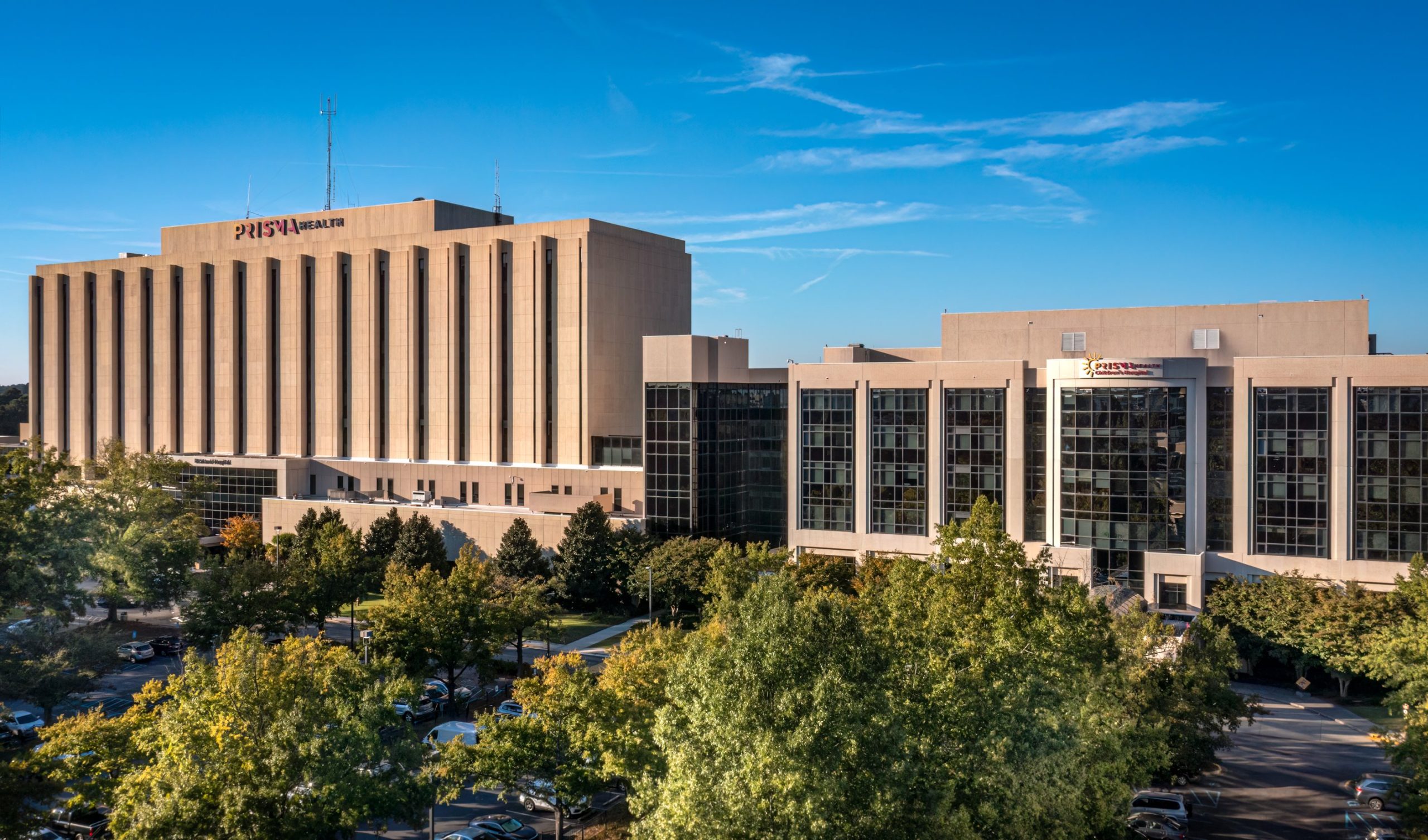
Prisma Health Richland Hospital
Downtown Columbia / 37+ active studies
Cancer, blood disorders, broad hospital research
The flagship Prisma Health hospital in the Midlands. Also, by far the biggest trial operation in the Columbia metro.
Visit Website →
University of South Carolina
Columbia / 27+ active studies
Stroke recovery, physical activity, community health
Notably, a research university that runs federally funded health studies across the Midlands. Specifically, topics range from stroke rehab to disease prevention.
Visit Website →
Bogan Sleep Consultants
Columbia / 7+ active studies
Narcolepsy, sleep disorders
One of the best known private sleep research sites in the Southeast. Also, it has run sleep trials for decades.
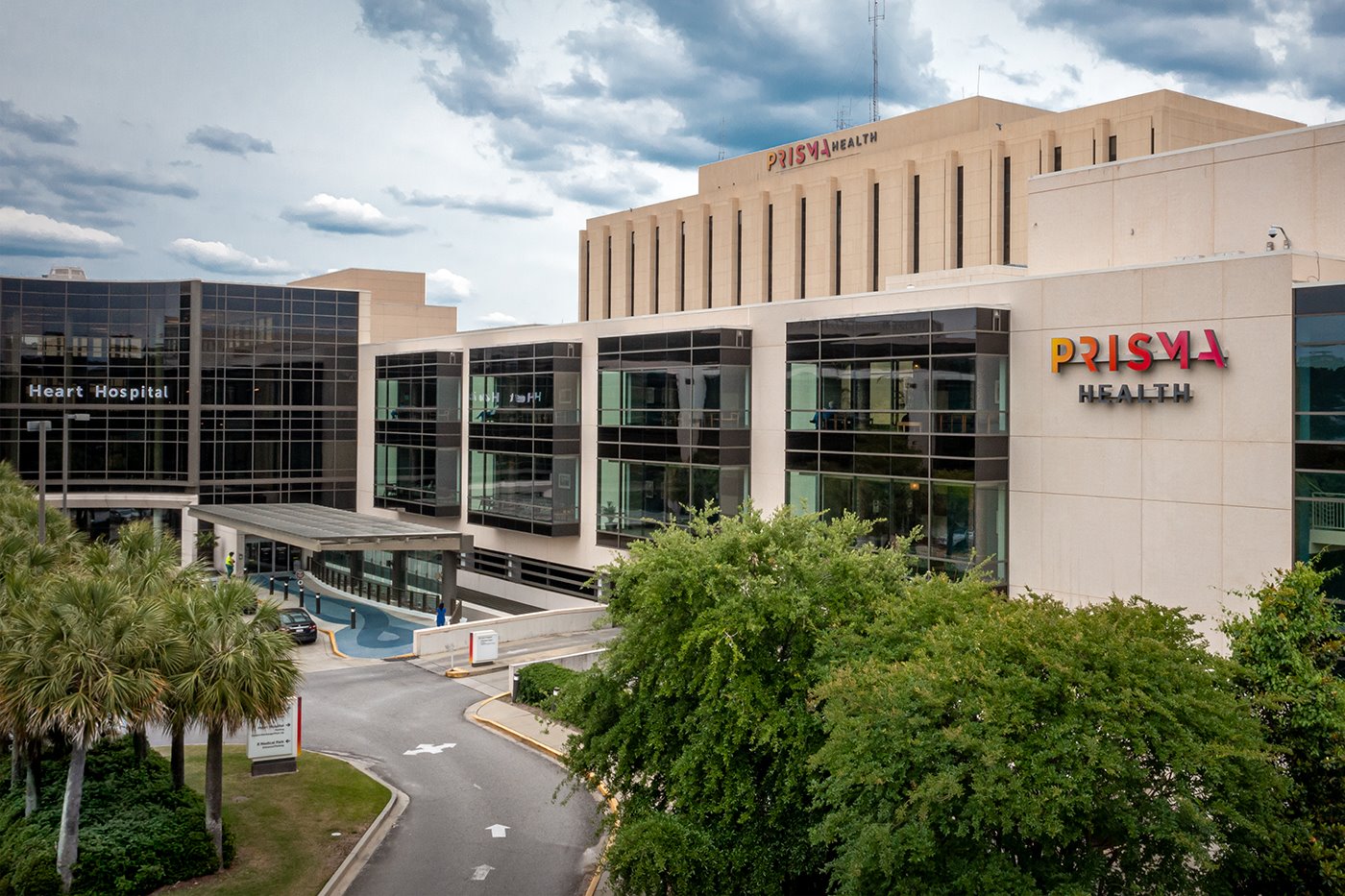
Prisma Health Midlands Cardiovascular
Columbia / 4+ active studies
Cardiovascular disease, heart failure
The heart and vessel research arm of Prisma Health in the Midlands. So it is the natural home for cholesterol trials in Columbia.
Visit Website →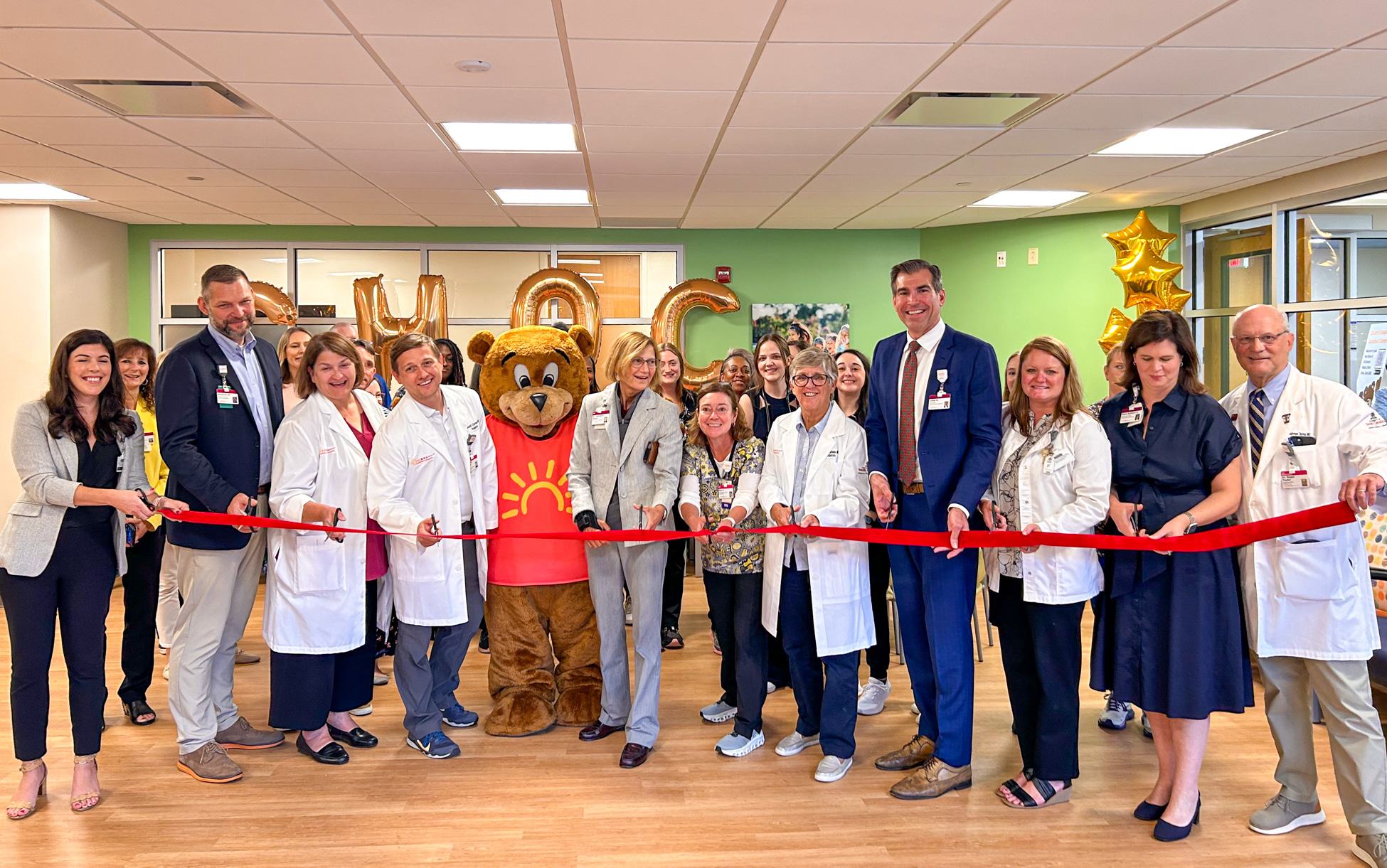
Prisma Health Children’s Hospital, Midlands
Columbia / 4+ active studies
Pediatric growth, cystic fibrosis
Basically, the Midlands hub for children’s research inside the Prisma Health system.
Visit Website →
Columbia Dermatology & Aesthetics
Columbia / 4+ active studies
Hidradenitis suppurativa, psoriasis, obesity
A skin care practice with its own research team. It runs both skin and weight studies.
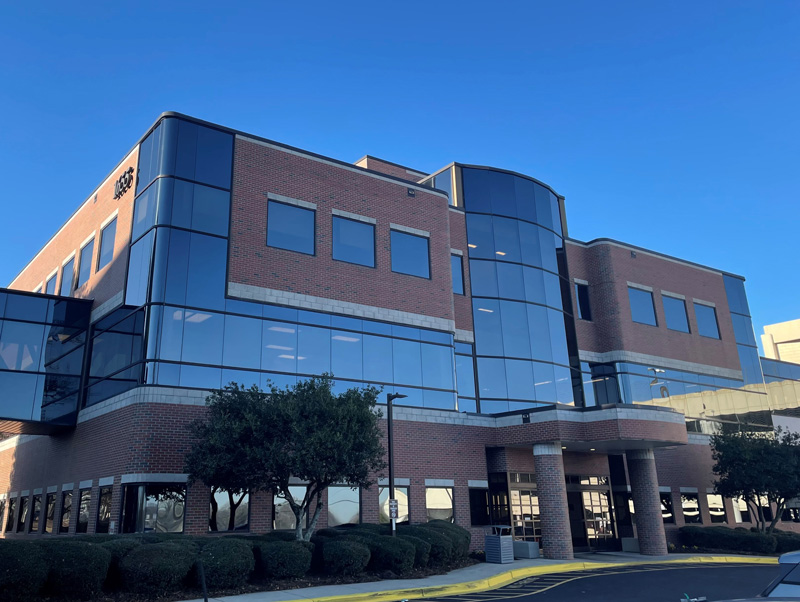
Velocity Clinical Research, Columbia
Columbia / Multiple active studies
COPD, skin conditions, vaccines
Part of one of the biggest research site networks in the country. Besides, it is just the kind of site the huge outcome trials lean on.
Visit Website →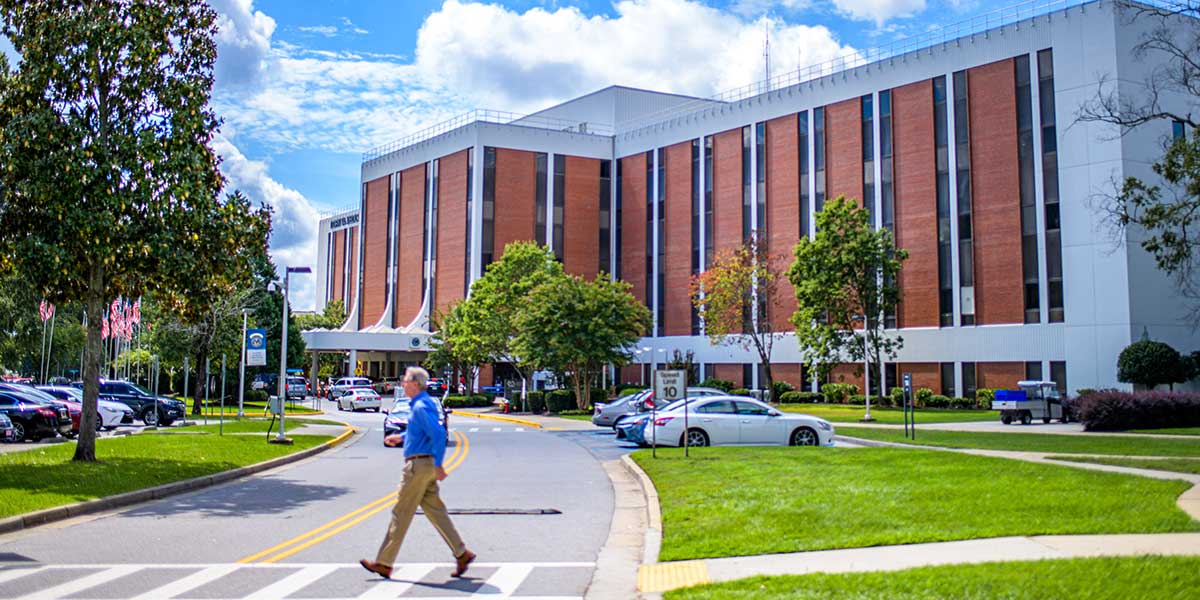
Wm. Jennings Bryan Dorn VA Medical Center
Garners Ferry Road, Columbia / 2+ active studies
Atherosclerosis, liver disease
Columbia’s VA medical center runs studies, including ones on clogged arteries. For veterans, it is often the first door.
Visit Website →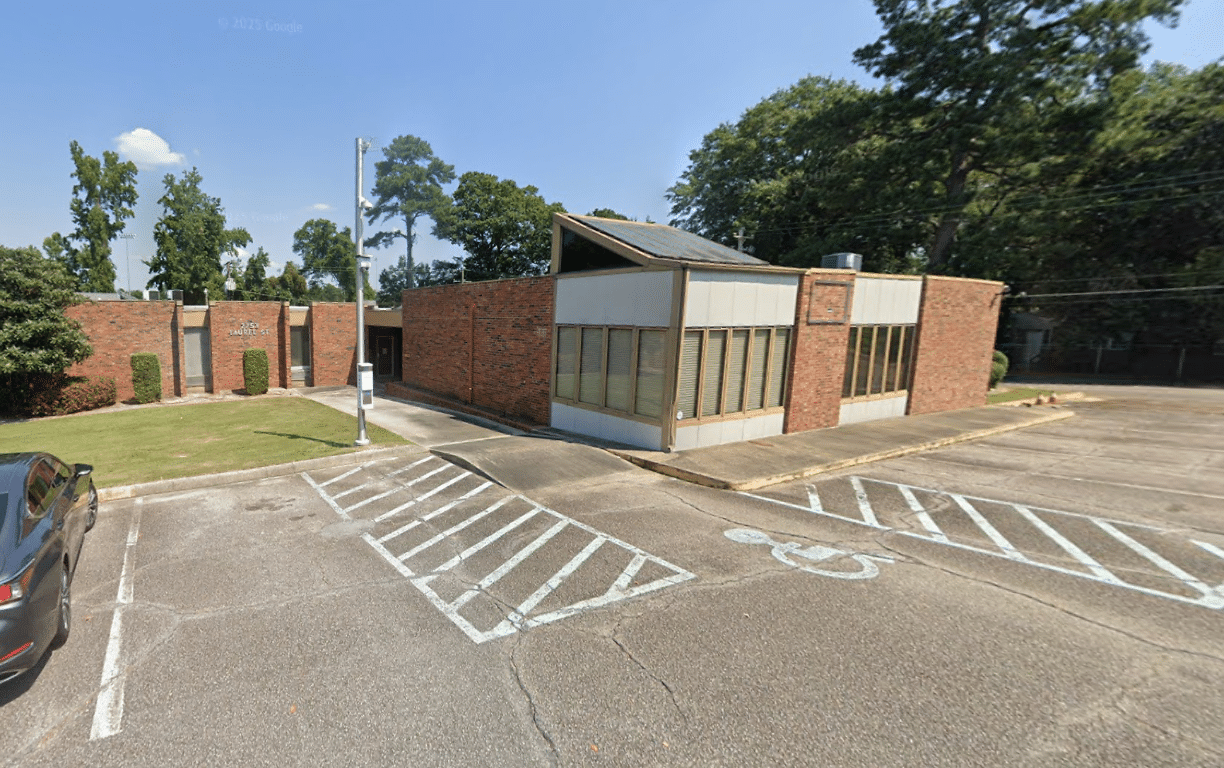
Objective Health, Columbia
Columbia / 2+ active studies
Celiac disease, fatty liver disease
Once called Columbia Digestive Health Research. Now it is part of the Objective Health network. Specifically, it runs gut and liver studies, including fatty liver trials.

Columbia Gastroenterology Associates
Columbia / Active studies
Digestive conditions
A long-running gut health practice. Also, it takes part in digestive trials around Columbia.
What to Expect in a Lupus Study
New to studies? Here is how one works, step by step.
01
Prescreening
First comes a short phone call or online form. Also, it takes about 10 to 15 minutes. The staff check whether you might fit. Then they tell you what is open.
02
Screening Visit
Next the clinic runs the tests that decide it, which usually means blood work. Also, they go through the consent form line by line, and you can bring somebody with you.
03
Treatment Period
Then the study begins. So you take the study drug or the placebo on the agreed schedule. Meanwhile, your own doctor keeps managing everything else.
04
Follow-Up
Finally, there is a check in period at the end. Also, your own doctor gets the results, and you can stop at any point without affecting your care.
Lupus Trial FAQs
Real answers about lupus studies near Columbia SC.
Is there a study for this near Columbia?
One is open here, and we will be straight about what it is. It is an exercise study run from the campus, open to lupus and five other conditions, and no drug is given. So it will not get you a new medicine. However, eight lupus drug studies are open in Charlotte, about 93 miles north, which is closer than Charleston.
What is a SLEDAI score?
It is the number nearly every study here gates on, so it is worth knowing yours. It scores how active your lupus is right now across your organs and your bloods. Most studies here need 6 or more, and several also need a clinical SLEDAI of 4 or more, which is the same score with the lab results stripped out.
Can I be turned away for being too sick?
Yes, and it surprises people every time. Several studies exclude you if your doctor thinks you need something new and strong added right now. The logic is that a study cannot measure a drug against a moving target. So the practical lesson is to ask about studies while you are stable rather than in the middle of a bad flare.
Will I have to stop what I am taking?
It depends entirely on the study, and this is the question to lead with. Several add the study drug on top of your usual treatment and change nothing. However, one requires you to come off biologics, and the cell therapy almost surely means stopping your immune drugs. Also, one turns you down for having already started second line treatment.
Are my kidneys involved, and does it matter?
It matters hugely, and many people do not know the answer. Kidney lupus is usually silent until it is advanced, so protein in the urine is often the only early sign. One study here excludes you outright if your kidneys are affected, while others have a dedicated kidney route. So ask for a urine protein to creatinine ratio by name, and ask how often it is being checked.
Why is there only one study here, and no drug study?
Because this state’s lupus research sits in Charleston rather than the Midlands, and that pattern is old. A study of the Gullah community has run at Charleston since 2003, and two decades of funding built up round it. So the Midlands has hospital care but no lupus drug programme on the books. Meanwhile, Charlotte is about 93 miles north and carries eight, which makes it closer than Charleston.
Is there anything new for lupus?
Yes, and after fifty years of nothing that is worth saying plainly. The first drug ever approved for lupus arrived in March 2011. A second followed in August 2021, and in April 2026 it became a weekly pen you use at home rather than a monthly drip. Meanwhile, the studies opening now are largely cell therapy, aimed at resetting the immune system rather than managing it.
What is cell therapy actually like?
Honest answer, it is the heaviest thing we list anywhere, and it should not be entered lightly. Your own cells are collected over several hours on a machine. Then comes chemo over several days, one infusion, and a hospital stay. However, it is aimed squarely at people for whom the ordinary drugs have already failed.
Does it cost anything to be on the list?
No. There is no cost, and no insurance is needed. Tether is a nonprofit list, so we do not run studies and we are not paid to send you anywhere. Also, being on the list never enrolls anyone in anything. You would always call the clinic yourself.
Where can I get lupus care near Columbia SC?
Prisma Health and Lexington Medical Center both run joint and immune clinics across the Midlands. Also, ask for a rheumatologist rather than general care, because lupus needs antibody testing and regular monitoring. Your own doctor can refer you. Meanwhile, if nobody has checked your urine for protein recently, ask for that at your next visit.
Ready to Explore a Study?
Check your eligibility, or just reach out to our Columbia team. No pressure. Also, no sales pitch.
← Back to All Clinical TrialsSources
- GARDENIA-SLE nipocalimab study, ClinicalTrials.gov NCT07438496
- PHOENYCS FLY dapirolizumab pegol study, ClinicalTrials.gov NCT06617325
- SunStone obexelimab study, ClinicalTrials.gov NCT06559163
- Belimumab in early systemic lupus erythematosus, phase 4, ClinicalTrials.gov NCT06411249
- AZD0120 dual CD19 and BCMA CAR-T study, ClinicalTrials.gov NCT06897930
- ELOWEN-2 enpatoran study in cutaneous lupus, ClinicalTrials.gov NCT07355218
- BENCHMARK-SLE observational study, ClinicalTrials.gov NCT07175285
- CARRA paediatric rheumatic disease registry, ClinicalTrials.gov NCT02418442
- DREAM exercise study accepting lupus, ClinicalTrials.gov NCT06880653
- AstraZeneca: anifrolumab approved in the US for subcutaneous self administration, 27 April 2026, with comment from Susan Manzi, MD, MPH and Louise Vetter
- Lupus Foundation of America: FDA approves obinutuzumab for adults with lupus nephritis, October 2025
Study details and per-site recruiting status verified against ClinicalTrials.gov on August 16, 2026. Two extension studies read as recruiting but accept only people who finished an earlier study of the same drug, so they are listed separately rather than counted as open. One further study was excluded because its Charlotte site is listed as not yet recruiting while the trial header reads recruiting. Study availability and criteria change; the research clinic confirms everything before you enroll.