
COLUMBIA, SC
Cystic Fibrosis Clinical Trials
1 study is open in Columbia SC, at the accredited care centre in the city. Notably, no drug is given and nobody is asked to change treatment, because it is built to measure the group modulators never reached. Compensation is provided for eligible participants.
1
Open in Columbia
7.6%
Modulators Never Reached
+/- $100
Per Visit
New here? Read how this page works
First, one fact decides whether this is open to you, and it is your gene faults rather than how you feel. So here is the order to work through.
- Get your exact gene faults written down. Because they decide whether any modulator is approved for you, and that decides everything else.
- Ask whether you are in the 7.6 percent. Notably, that is the group with no approved modulator, and it is exactly who this study is for.
- Count back 28 days from today. In fact, antibiotics for a chest flare in that window are the commonest reason people are turned away, and it is only a delay.
- Finally, tap the button. Then we check you against this study and tell you when a new one opens.
Of course, checking never signs you up for anything. You are only seeing where you might fit.
The Study Open in Columbia
It runs at the accredited care centre here. Notably, no drug is given, so joining changes nothing about your treatment.
The one study open here
It runs at the accredited care centre in the city. Notably, no drug is given and nobody is asked to change treatment.

For the People Modulators Never Worked For
Seattle Children’s, with the Cystic Fibrosis Foundation / Observation
Nobody gets a new drug here. It follows 400 people who do not take a modulator for a year, measuring their breathing and banking samples.
Payment is not published.
Check eligibility →More details
Why researchers are excited: the new gene treatments cannot be judged without knowing what this group’s lungs do on their own. So this study builds the yardstick.
Who this study is looking for
- Age 12 or older, with a confirmed diagnosis
- Also, either no modulator is approved for your genes
- Besides that, or you have been off one for 28 days with no plan to restart
- Finally, your health has been steady for those 28 days too
Probably not a fit if: you had antibiotics for a chest flare in the past 28 days. That is the top reason people get turned away, and it is a delay rather than a bar.
- Placebo group: None, because no drug is given. Nobody is asked to start, stop or change a treatment.
- How long: 12 months of follow up for each person.
- Clinic visits: The total is not published. The first and 12 month visits carry every measure.
- Phone calls: Not published on the public record.
- Most invasive part: Breathing tests in clinic and at home, plus blood and samples for the research bank. One optional side study uses a tiny tracer you breathe in, and you can decline it.
- Setting: Outpatient.
- Where it runs: Prisma Health Children’s Hospital Midlands, Columbia SC 29203.
- Drive from Columbia: This one is in Columbia itself, about 10 minutes from downtown.
- Read this: the study is built for people already off modulators, either because none fits their genes or because they could not take one. So nobody gives up a treatment that works.
- Full study record: View on ClinicalTrials.gov →
Not sure which one fits you?
First, answer a few quick health questions. Then we check you against every study we track. Also, no account and no paperwork.
See if I may fit one of these studies →What Is Actually Happening With Cystic Fibrosis
Most people are doing far better. A small group was left exactly where they were.
What the Faulty Gene Does
You are born with it, and you need a faulty copy of the gene from each parent. That gene makes a protein which moves salt and water across cell surfaces. When the protein is missing or broken, the fluid lining the lungs and gut turns thick and sticky rather than thin and slippery. So mucus traps bacteria in the lungs, and blocked ducts stop the gut absorbing food properly.
Which Gene Faults You Carry Decides Everything
There are over 2000 known faults in that one gene. That used to be a detail for specialists. Now it is the single fact that decides what treatment you can have, because the drugs that changed this disease only work on some faults. So two people with the same diagnosis can be offered completely different futures.
The Drugs That Changed It
Until 2012 all care was damage control. Daily physio to shift mucus, drugs to thin it, endless antibiotics, enzyme pills with every meal. Then came small molecules that help the faulty protein fold and work, with the big triple pill in 2019 and a once daily form in December 2024. Notably, the effect has been hard to overstate.
Half Are Now Expected to Reach 66
The Cystic Fibrosis Foundation said in 2025 that among people born in this country between 2021 and 2025, half are now expected to reach the age of 66 or beyond. A generation ago this was a childhood illness. So the usual story of this disease is now one of the clearest wins in modern care.
But 7.6 Percent Were Left Behind
The same 2025 report says 7.6 percent of people with this disease still could not take any of those drugs, because of their age or their genes. And the result is stated just as plainly. Registry data suggests how long that group lives is lower by as much as two decades.
Who Is in That Group
Some carry faults where the protein is never made at all, so there is nothing for the drugs to fix. Some carry rare faults that were never tested. Some fit on paper but cannot take the drugs, because of liver trouble or serious mood effects. Also, some are simply too young for them yet.
Where the Science Went Next
It went to routes that do not care which fault you carry. Inhaled mRNA, gene therapy, and gene editing, which aims to correct the fault itself. In July 2025 the Foundation put a further 24 million dollars into one editing plan. As its chief Michael Boyle put it, they think editing offers the best hope for a cure because it could correct the faults that cause the disease for good.
Why Research Sits Where It Does
Care here is kept in one place on purpose. The Foundation approves a national set of care centres, and almost all expert care and nearly all research runs through them. So a study cannot simply open at a local research clinic the way a lung scarring study can. Meanwhile, the newest trials are small, with as few as four sites in the country, so they sit at the biggest centres.
Research Sites Near Columbia
The accredited care centre in the city carries this study. But sites add new studies all the time, so it is worth knowing what sits near you.
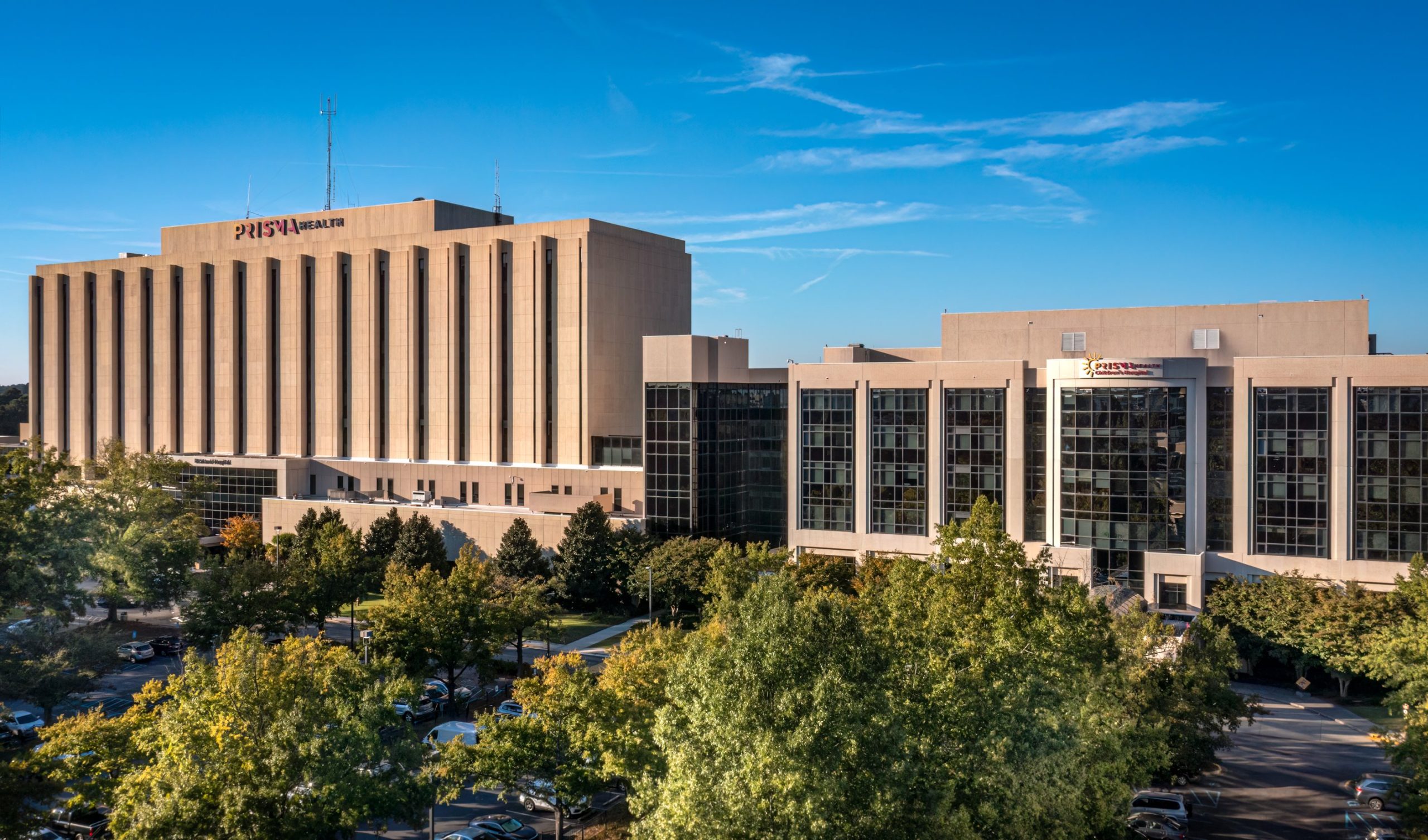
Prisma Health Richland Hospital
Downtown Columbia / 37+ active studies
Cancer, blood disorders, broad hospital research
The flagship Prisma Health hospital in the Midlands. Also, by far the biggest trial operation in the Columbia metro.
Visit Website →
University of South Carolina
Columbia / 27+ active studies
Stroke recovery, physical activity, community health
Notably, a research university that runs federally funded health studies across the Midlands. Specifically, topics range from stroke rehab to disease prevention.
Visit Website →
Bogan Sleep Consultants
Columbia / 7+ active studies
Narcolepsy, sleep disorders
One of the best known private sleep research sites in the Southeast. Also, it has run sleep trials for decades.
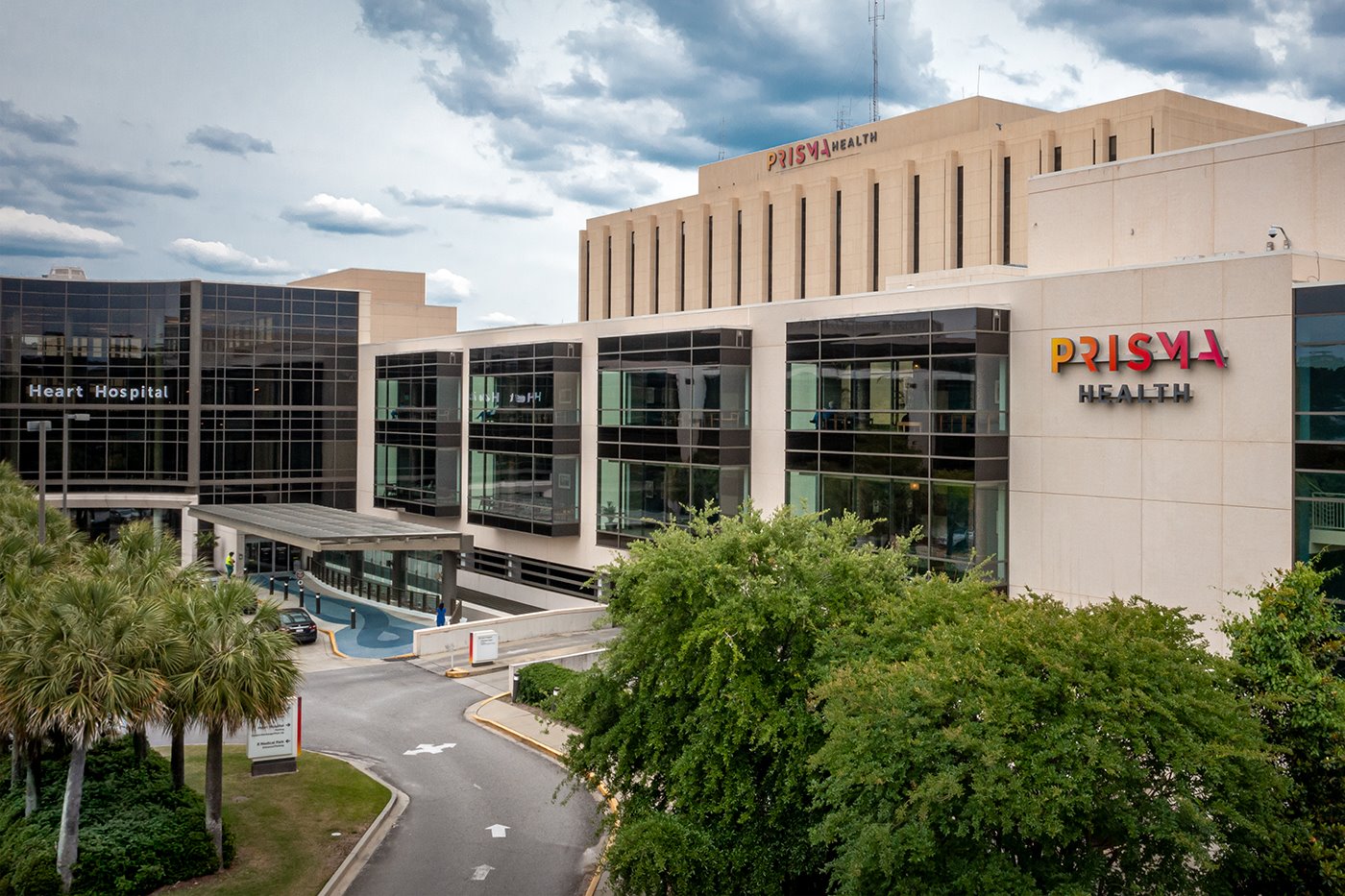
Prisma Health Midlands Cardiovascular
Columbia / 4+ active studies
Cardiovascular disease, heart failure
The heart and vessel research arm of Prisma Health in the Midlands. So it is the natural home for cholesterol trials in Columbia.
Visit Website →
Prisma Health Children’s Hospital, Midlands
Columbia / 4+ active studies
Pediatric growth, cystic fibrosis
Basically, the Midlands hub for children’s research inside the Prisma Health system.
Visit Website →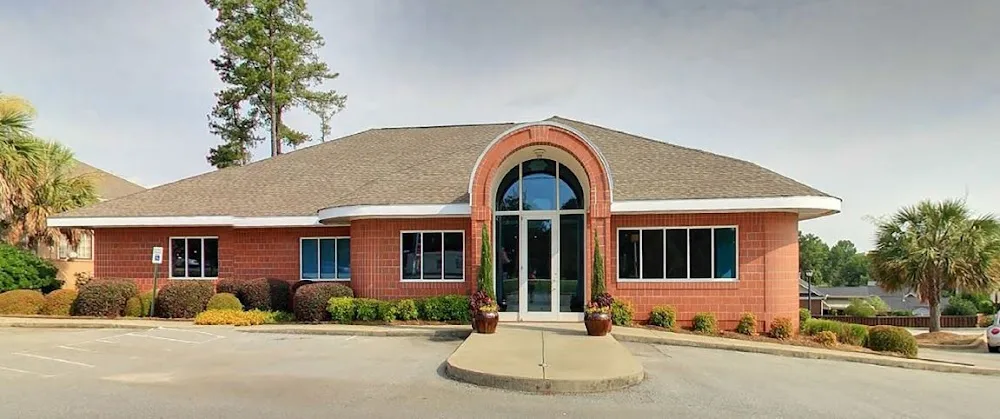
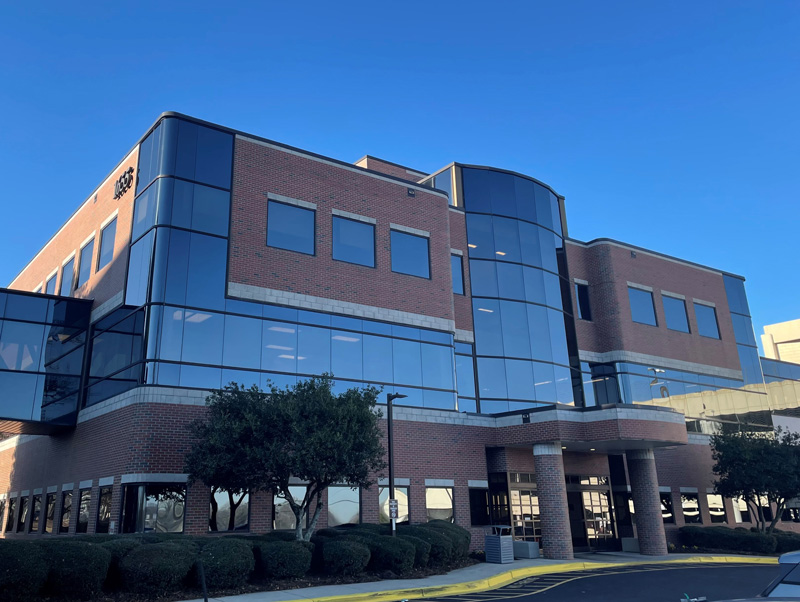
Columbia Dermatology & Aesthetics
Columbia / 4+ active studies
Hidradenitis suppurativa, psoriasis, obesity
A skin care practice with its own research team. It runs both skin and weight studies.
Velocity Clinical Research, Columbia
Columbia / Multiple active studies
COPD, skin conditions, vaccines
Part of one of the biggest research site networks in the country. Besides, it is just the kind of site the huge outcome trials lean on.
Visit Website →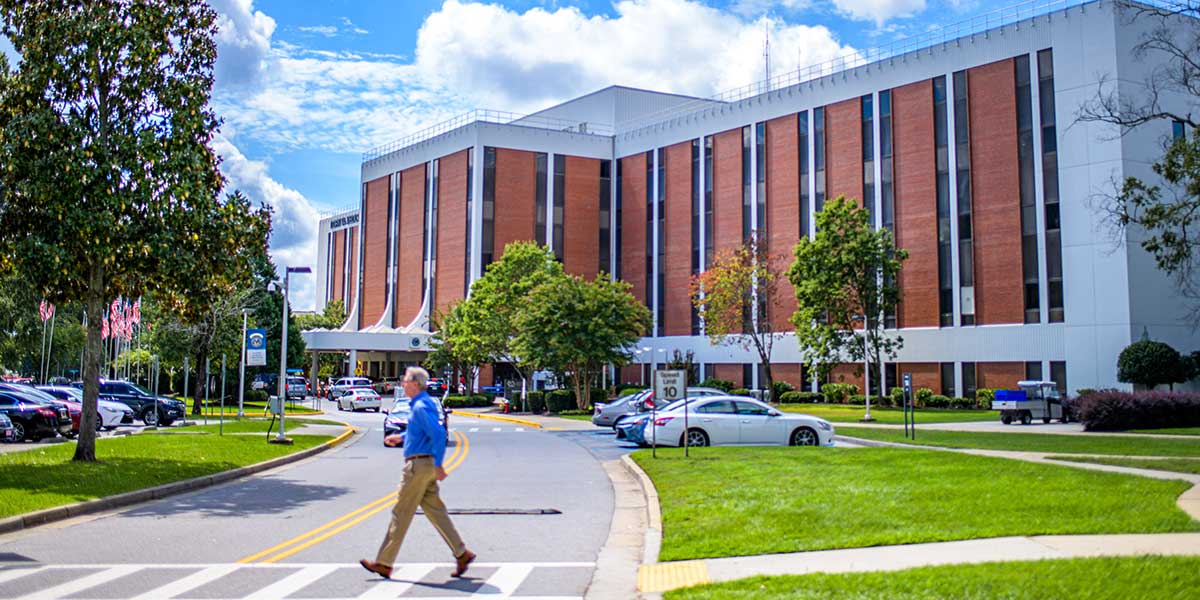
Wm. Jennings Bryan Dorn VA Medical Center
Garners Ferry Road, Columbia / 2+ active studies
Atherosclerosis, liver disease
Columbia’s VA medical center runs studies, including ones on clogged arteries. For veterans, it is often the first door.
Visit Website →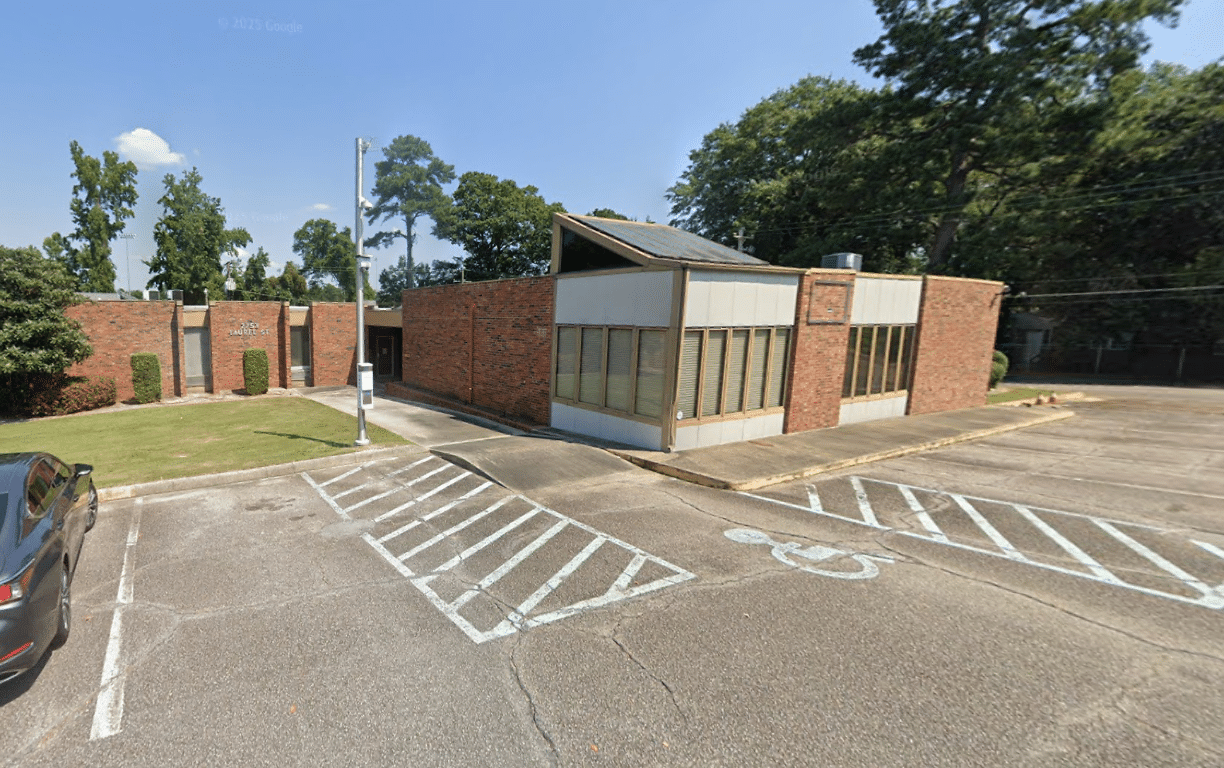
Objective Health, Columbia
Columbia / 2+ active studies
Celiac disease, fatty liver disease
Once called Columbia Digestive Health Research. Now it is part of the Objective Health network. Specifically, it runs gut and liver studies, including fatty liver trials.
Columbia Gastroenterology Associates
Columbia / Active studies
Digestive conditions
A long-running gut health practice. Also, it takes part in digestive trials around Columbia.
What to Expect in a Cystic Fibrosis Study
New to studies? Here is how one works, step by step.
01
Prescreening
First comes a short phone call or online form. Also, it takes about 10 to 15 minutes. The staff check whether you might fit. Then they tell you what is open.
02
Screening Visit
Next the clinic runs the tests that decide it, which usually means blood work. Also, they go through the consent form line by line, and you can bring somebody with you.
03
Treatment Period
Then the study begins. So you take the study drug or the placebo on the agreed schedule. Meanwhile, your own doctor keeps managing everything else.
04
Follow-Up
Finally, there is a check in period at the end. Also, your own doctor gets the results, and you can stop at any point without affecting your care.
Cystic Fibrosis Trial FAQs
Real answers about cystic fibrosis studies near Columbia SC.
Is there a study for this near Columbia?
Yes, one is open, at the accredited care centre in the city. It follows people who do not take a modulator for 12 months, measuring their breathing and banking samples. Notably, no drug is given, so joining changes nothing about your own treatment. However, you must have been off antibiotics for a chest flare for 28 days before the first visit.
What is a modulator, in plain words?
It is a small molecule that helps the faulty protein made by your gene fold properly and do its job. The first arrived in 2012 and the big triple combination in 2019, with a once daily version in December 2024. So they treat the root cause rather than the damage. However, they only work on some gene faults, which is the whole reason this page exists.
What is the 7.6 percent?
It is the share of people with this condition who were still not eligible for any modulator in 2025, because of their age or their gene faults. The figure comes from the Cystic Fibrosis Foundation’s own 2025 registry report. Also, that same report states median predicted survival is lower by as much as two decades for that group.
Does joining mean stopping a treatment that works?
No, and this is worth being clear about. The study is built for people who are already off modulators, either because none is approved for their genes or because they could not tolerate one. So nobody is asked to give up something that is working for them.
Why is no drug being tested?
Because the field needs a baseline before it can judge the drugs now coming through. To know whether an inhaled mRNA or gene therapy helped, you first need to know what this group’s lungs do without it. That data barely exists, since the group is small and scattered. So this study measures 400 people carefully for a year and banks their samples.
Who is this study actually for?
People with this condition who do not take a modulator, which is a smaller and often overlooked group. That means either no modulator is approved for your gene faults, or you stopped taking one and are not restarting. So if you have spent years watching a treatment transform everybody else’s care but not yours, this is about you. Notably, it takes anybody aged 12 and over.
Why do the trials all sit at big hospitals?
Because care in this condition is deliberately concentrated. The Cystic Fibrosis Foundation accredits a national network of care centres, and nearly all research runs through it. So a study cannot simply open at a community research clinic. Meanwhile, the newest gene and mRNA trials are tiny, with as few as four sites in the whole country.
What is the 28 day rule I keep reading about?
It is the commonest reason people get turned away, so it is worth planning around. You cannot have had antibiotics or steroids for chest symptoms in the 28 days before your first visit. For people who use antibiotics often, that window is easy to miss. However, it is a delay rather than a bar, and you can be screened again later.
Does it cost anything to be on the list?
No. There is no cost, and no insurance is needed. Tether is a nonprofit list, so we do not run studies and we are not paid to send you anywhere. Also, being on the list never enrolls anyone in anything. You would always call the clinic yourself.
Where can I get care near Columbia SC?
Prisma Health runs the accredited centre here, with a children’s programme and a separate adult clinic. Also, ask for the accredited centre by name rather than general lung care, because this condition needs a full team. Your own doctor can refer you. Meanwhile, if you have never had your exact gene faults written down, ask for that at your next visit.
Ready to Explore a Study?
Check your eligibility, or just reach out to our Columbia team. No pressure. Also, no sales pitch.
← Back to All Clinical TrialsSources
- REACH observational study in people not taking CFTR modulators, ClinicalTrials.gov NCT06504589
- Cystic Fibrosis Foundation: 2025 Patient Registry Highlights, including modulator ineligibility and survival figures
- Cystic Fibrosis Foundation commits an additional 24 million dollars to gene editing research, with comment from Michael P. Boyle, MD
- Atrium Health Levine Children’s: accreditation as a Cystic Fibrosis Foundation care centre
- Prisma Health Children’s Hospital Midlands: Cystic Fibrosis Center
Study details and per-site recruiting status verified against ClinicalTrials.gov on August 16, 2026. Specialist care and nearly all research in this condition run through care centres accredited by the Cystic Fibrosis Foundation, which is why open studies cluster at a small number of hospitals. Study availability and criteria change; the research clinic confirms everything before you enroll.