
COLUMBIA, SC
Insomnia Clinical Trials
No insomnia study in Columbia is open to an adult with ordinary insomnia, and we will say that plainly. The two running here are limited to shift workers and to children. However, the treatment that works best is not a drug, and you can ask for it today.
0
For Ordinary Insomnia
2
Restricted Studies
+/- $100
Per Visit
New here? Read how this page works
First, the honest picture. Every insomnia study here is limited to one specific group. So the most useful thing on this page is not a study.
- Check whether any of these apply to you. Because all of them are limited, and an adult with ordinary insomnia cannot join any.
- Ask for CBT-I by name. In fact, that is the first line treatment for chronic insomnia and it is available here as ordinary care.
- Ask what your insomnia score is. Notably, above 10 means it is clinically real and above 14 is moderate to severe.
- Finally, put your name in. Then we call you the day a study opens that you can actually join.
Of course, checking never signs you up for anything. You are only seeing where you might fit.
The 2 Insomnia Studies in Columbia, and Who They Take
Notably, neither takes an adult with ordinary insomnia. So we list them to show who does qualify.
Both are restricted, and here is who they take
Notably, neither is open to an adult with ordinary insomnia. We list them so you can see exactly who does qualify.

For Sleepiness Caused by Working Nights
Axsome Therapeutics / Drug
A drug already approved for sleepiness in narcolepsy and sleep apnea, now tested in shift work disorder. That is the specific pattern where night or rotating shifts wreck your sleep and your waking hours.
Payment is not published.
Read the details →More details
Why researchers are excited: millions of people work shifts, and almost no research targets what that does to sleep. So this is one of the few studies aimed at it directly.
Who this study is looking for
- Age 18 to 65
- Also, you meet the formal criteria for shift work disorder
- Besides that, your sleep problem is tied to the shifts rather than to something else
- Finally, the full rules are on the study record, so read them before you call
Probably not a fit if: you do not work shifts. Ordinary insomnia is not what this study is for, however badly you are sleeping.
- Placebo group: Real drug against a dummy, and the ratio is not published.
- How long: Not published in short form. Ask the site for the current schedule.
- Clinic visits: Not published on the public record.
- Phone calls: Not published on the public record.
- Most invasive part: Questionnaires and sleep diaries rather than lab nights. Also, no washout is published, so ask directly whether you must stop a sleep medicine.
- Setting: Outpatient.
- Where it runs: Research site, Columbia SC 29201.
- Worth knowing: no washout period is published for this one. So if you take something to sleep now, that is the first question to ask.
- Full study record: View on ClinicalTrials.gov →

For Children and Teenagers
Vanda Pharmaceuticals / Drug
A sleep drug tested in children and teenagers aged 2 to 17. It is not open to adults at all.
Payment is not published.
Read the details →More details
Why researchers are excited: almost no sleep medicine is formally tested in children, so doctors are left prescribing by judgement.
Who this study is looking for
- Age 2 to 17
- Also, A sleep problem that is the main issue
- Besides that, the sleep problem is not caused by another medicine
- Finally, A parent or guardian can bring them to visits
Probably not a fit if: you are an adult. Also, if the sleep problem is caused by another medicine your child takes, that rules them out.
- Placebo group: Real drug against a dummy, and the ratio is not published.
- How long: Not published in short form. Ask the site.
- Clinic visits: Not published on the public record.
- Phone calls: Not published on the public record.
- Most invasive part: Questionnaires and sleep diaries. No washout is published, so ask the site directly.
- Setting: Outpatient.
- Where it runs: Research site, Columbia SC 29201.
- Why we list it: so that a parent searching for their child finds it, and so that an adult reader understands why this page says there is nothing for them.
- Full study record: View on ClinicalTrials.gov →
Not sure which one fits you?
First, answer a few quick health questions. Then we keep them on file. Finally, we call you when a study opens that you can join. No account, no paperwork.
See if I may fit one of these studies →What Is Actually Happening With Insomnia
The best treatment is not a drug, and it is not in a trial.
What Counts as Insomnia
It is not being tired. It is a lasting difficulty falling asleep, staying asleep, or waking far too early, and it comes with daytime cost. Poor concentration, low mood, irritability, mistakes at work. Doctors call it chronic when it happens at least three nights a week for three months or more. Also, what matters for research is whether insomnia is the main problem or a symptom of something else.
There Is No Machine for This
Insomnia is diagnosed by history and questionnaire rather than by a test. So unlike sleep apnea, there is normally no overnight lab study, which makes these studies far less off putting. The number to know is the insomnia severity score, out of 28. Above 10 suggests it is clinically real and above 14 is moderate to severe, and that is what studies screen on.
The First Line Treatment Is Not a Pill
Sleep therapy, properly called CBT-I, is a short structured programme of five to eight sessions. It is not general counselling. It involves a sleep diary, cutting back time in bed to rebuild sleep pressure, and getting out of bed when you cannot sleep. The American College of Physicians has said it should come first for adults since 2016.
And That Was Reinforced This Year
In April 2026 the sleep medicine academy published new guidance on combining treatments. As Daniel Buysse of the University of Pittsburgh, who led it, put it, the analysis suggests this therapy by itself is the most effective first treatment for insomnia. He also noted that mixing treatments is widely done, while the evidence for how and when has been surprisingly thin.
Where Sleeping Pills Sit Now
Older sleeping pills work by broadly sedating the brain. A newer class turns down the wake signal instead, and three of them are approved and on pharmacy shelves. They are preferred when a drug is really needed, because they bring less next day grogginess and less rebound. However, as Wayne Riley of that college put it, medicines should ideally be used for no longer than four to five weeks while the skills learned in therapy take over.
Why Nothing Here Is for Ordinary Insomnia
This is the honest part. The research frontier has moved to specific groups rather than to insomnia in general. So every study running in these two cities is limited, to veterans with trauma, to shift workers, or to children. An ordinary adult with insomnia cannot join any of them. Meanwhile, no therapy study and no device study is recruiting in either city.
What to Do Instead
Ask for CBT-I by name, and ask for it before you ask for a pill. As Wayne Riley put it, it is an effective treatment and it can be started in a primary care setting. It is available around both cities as ordinary care, and in tested app and web forms. So the most useful thing this page can give most readers is a treatment name rather than a study name.
Research Sites Near Columbia
Two research practices in Columbia carry these between them. But sites add new studies all the time, so it is worth knowing what sits near you.
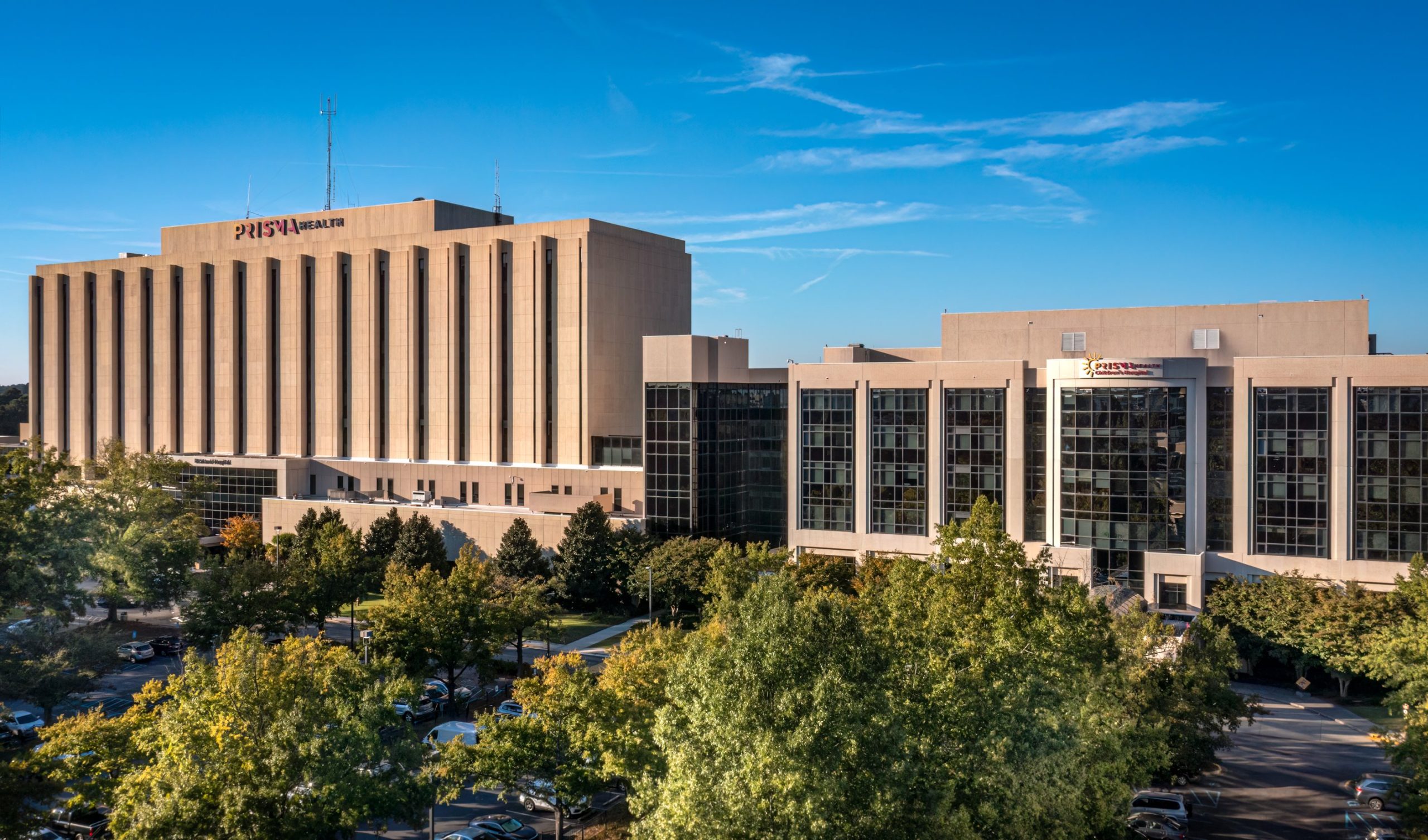
Prisma Health Richland Hospital
Downtown Columbia / 37+ active studies
Cancer, blood disorders, broad hospital research
The flagship Prisma Health hospital in the Midlands. Also, by far the biggest trial operation in the Columbia metro.
Visit Website →
University of South Carolina
Columbia / 27+ active studies
Stroke recovery, physical activity, community health
Notably, a research university that runs federally funded health studies across the Midlands. Specifically, topics range from stroke rehab to disease prevention.
Visit Website →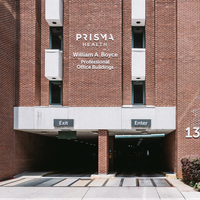
Bogan Sleep Consultants
Columbia / 7+ active studies
Narcolepsy, sleep disorders
One of the best known private sleep research sites in the Southeast. Also, it has run sleep trials for decades.

Prisma Health Midlands Cardiovascular
Columbia / 4+ active studies
Cardiovascular disease, heart failure
The heart and vessel research arm of Prisma Health in the Midlands. So it is the natural home for cholesterol trials in Columbia.
Visit Website →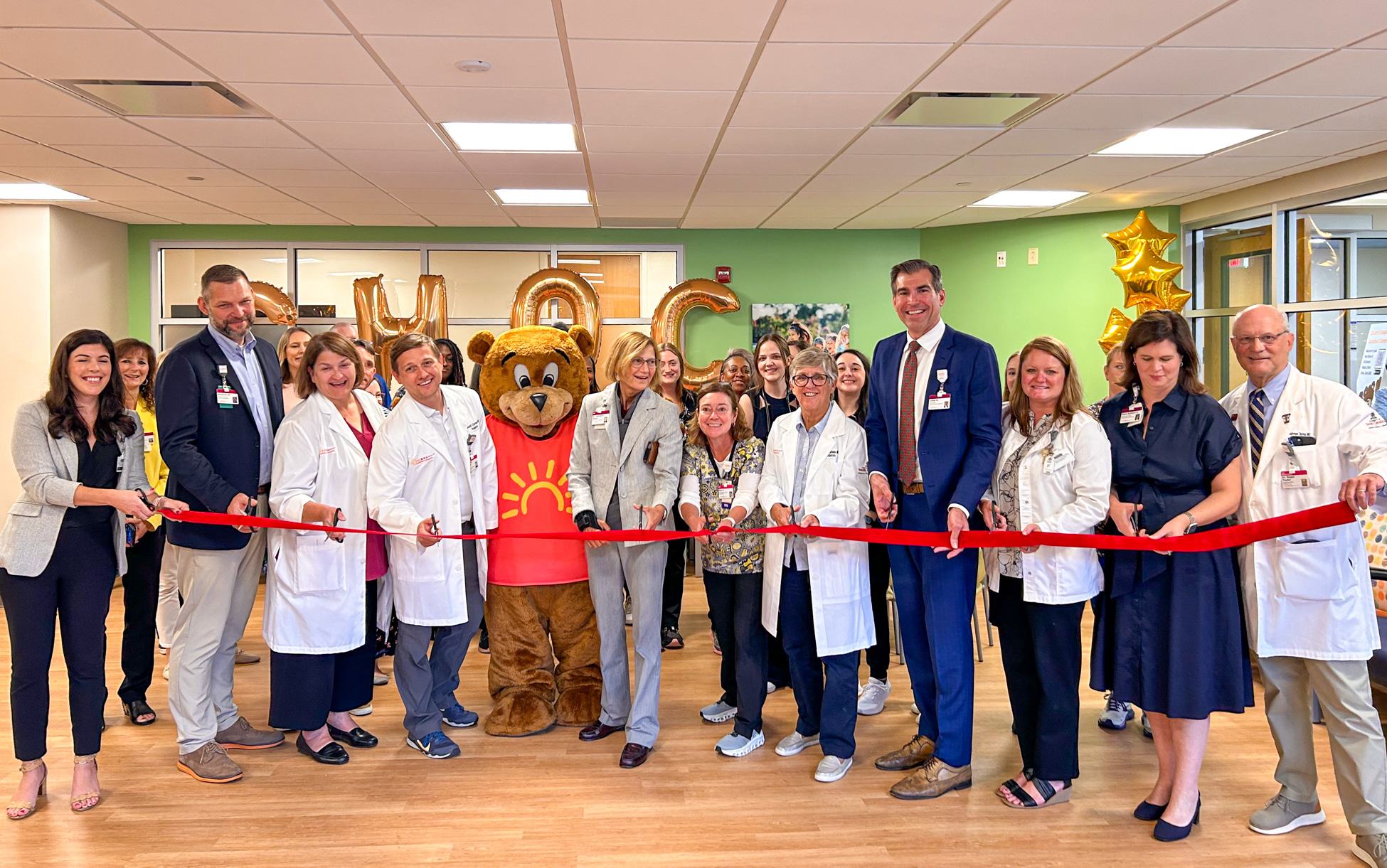
Prisma Health Children’s Hospital, Midlands
Columbia / 4+ active studies
Pediatric growth, cystic fibrosis
Basically, the Midlands hub for children’s research inside the Prisma Health system.
Visit Website →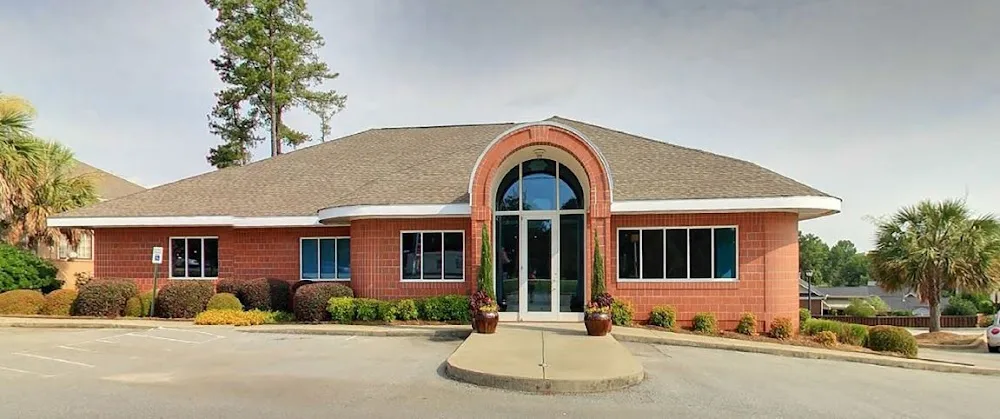
Columbia Dermatology & Aesthetics
Columbia / 4+ active studies
Hidradenitis suppurativa, psoriasis, obesity
A skin care practice with its own research team. It runs both skin and weight studies.
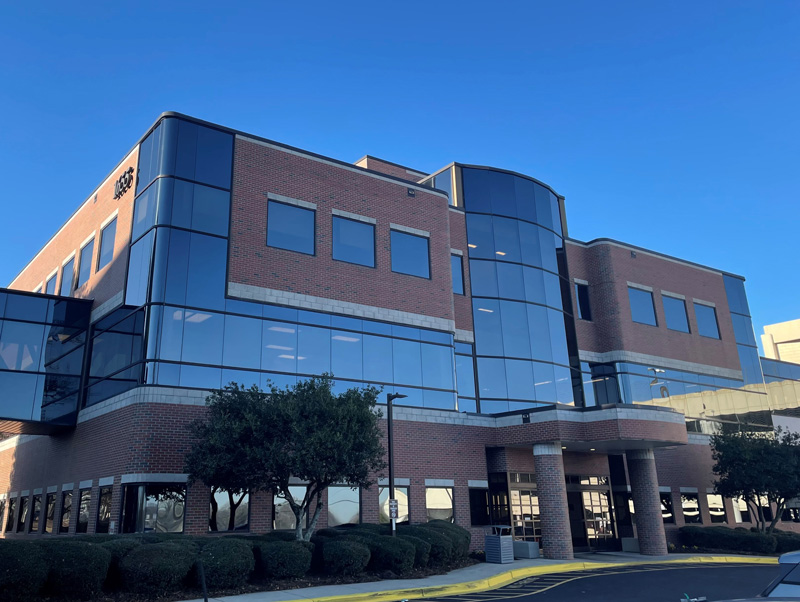
Velocity Clinical Research, Columbia
Columbia / Multiple active studies
COPD, skin conditions, vaccines
Part of one of the biggest research site networks in the country. Besides, it is just the kind of site the huge outcome trials lean on.
Visit Website →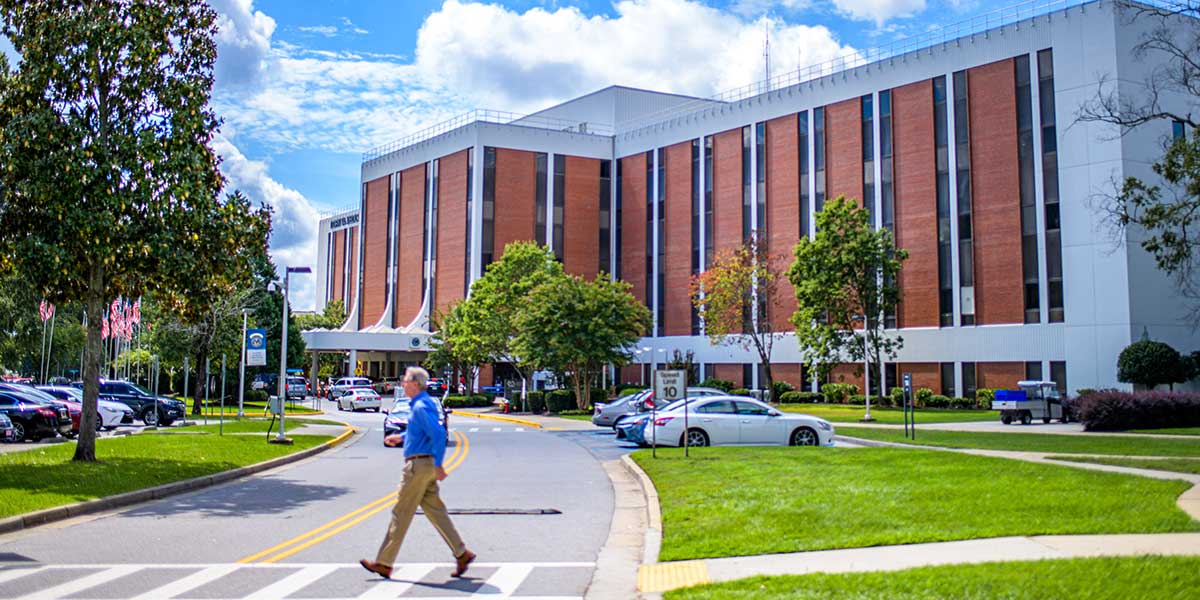
Wm. Jennings Bryan Dorn VA Medical Center
Garners Ferry Road, Columbia / 2+ active studies
Atherosclerosis, liver disease
Columbia’s VA medical center runs studies, including ones on clogged arteries. For veterans, it is often the first door.
Visit Website →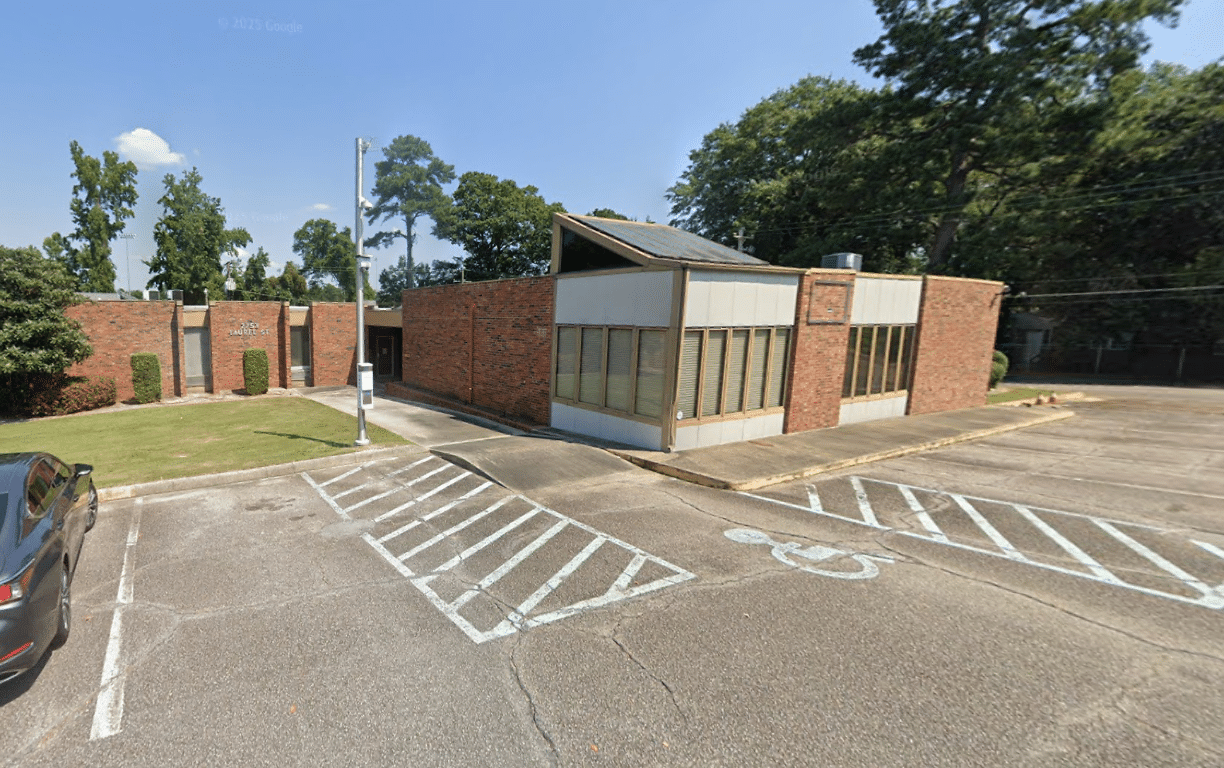
Objective Health, Columbia
Columbia / 2+ active studies
Celiac disease, fatty liver disease
Once called Columbia Digestive Health Research. Now it is part of the Objective Health network. Specifically, it runs gut and liver studies, including fatty liver trials.

Columbia Gastroenterology Associates
Columbia / Active studies
Digestive conditions
A long-running gut health practice. Also, it takes part in digestive trials around Columbia.
What to Expect in an Insomnia Study
New to studies? Here is how one works, step by step.
01
Prescreening
First comes a short phone call or online form. Also, it takes about 10 to 15 minutes. The staff check whether you might fit. Then they tell you what is open.
02
Screening Visit
Next the clinic runs the tests that decide it, which usually means blood work. Also, they go through the consent form line by line, and you can bring somebody with you.
03
Treatment Period
Then the study begins. So you take the study drug or the placebo on the agreed schedule. Meanwhile, your own doctor keeps managing everything else.
04
Follow-Up
Finally, there is a check in period at the end. Also, your own doctor gets the results, and you can stop at any point without affecting your care.
Insomnia Trial FAQs
Real answers about insomnia studies near Columbia SC.
Is there an insomnia study near Columbia?
There are two, but neither is open to an adult with ordinary insomnia. One takes shift workers only, meaning people whose sleep problem comes from working nights or rotating shifts. The other takes children and teenagers aged 2 to 17. So for most readers this page is a waiting list plus one treatment to ask for by name.
Why can I not join any of them?
Because research in this area has moved to specific groups rather than to insomnia in general. So the studies here are for veterans with trauma, for shift workers, and for children. An adult whose main problem is insomnia is not what any of them is testing. We would rather say that plainly than let you spend a morning on the phone finding out.
So what should I ask for instead?
Sleep therapy, properly called CBT-I, and ask for it by name. It is a short structured programme of five to eight sessions, and it is not general counselling. As Daniel Buysse of the University of Pittsburgh put it, the analysis suggests this therapy by itself is the most effective first treatment for insomnia.
Is that really better than a sleeping pill?
That is what the guidelines say, and they have said it for a decade. The American College of Physicians has said it should come first for adults since 2016, and new guidance in April 2026 reinforced it. As Wayne Riley of that college put it, it is an effective treatment and it can be started in a primary care setting.
What about the pills I am already taking?
Do not stop anything on your own, but do ask how long the plan is. Riley’s point was that medicines should ideally be used for no longer than four to five weeks, while the skills learned in therapy take over for the longer term. So the question to raise is what the exit plan looks like rather than whether to stop tomorrow.
Are the newer sleeping pills better?
They work differently, and they are preferred when a drug is really needed. Older pills sedate the brain broadly. A newer class turns down the wake signal instead, and three are approved. They tend to bring less next day grogginess and less rebound when you stop. However, none of that changes the fact that therapy comes first.
Do I need an overnight sleep study?
Usually not, and this surprises people. Insomnia is diagnosed by history and questionnaire rather than by a machine. An overnight study is used only to rule something else out, most often sleep apnea hiding underneath. So if one is ordered, that is generally why.
What is the insomnia score?
It is a short seven question scale out of 28, and it is what studies screen on. Above 10 suggests it is clinically meaningful and above 14 is moderate to severe. Ask your doctor to score it, because it turns a vague complaint into a number. Also, a two week sleep diary is what most studies actually measure.
Does it cost anything to be on the list?
No. There is no cost, and no insurance is needed. Tether is a nonprofit list, so we do not run studies and we are not paid to send you anywhere. Also, being on the list never enrolls anyone in anything. You would always call the clinic yourself.
Where can I get help for insomnia near Columbia SC?
Prisma Health and Lexington Medical Center both offer sleep services across the Midlands. Also, ask for CBT-I by name, because asking for help sleeping usually gets you a prescription instead. Your own doctor can start it in primary care. Meanwhile, tested app and web forms exist if getting to appointments is the hard part.
Ready to Explore a Study?
Get on the list, or just reach out to our Columbia team. No pressure. Also, no sales pitch.
← Back to All Clinical TrialsSources
- Suvorexant for sleep disturbance in post traumatic stress, ClinicalTrials.gov NCT03642028
- SUSTAIN solriamfetol study in shift work disorder, ClinicalTrials.gov NCT06568367
- Tasimelteon study in children and adolescents, ClinicalTrials.gov NCT06953869
- American Academy of Sleep Medicine: combination treatment guideline for chronic insomnia, April 2026, with comment from Daniel J. Buysse, MD
- American College of Physicians: cognitive behavioural therapy recommended as initial treatment for chronic insomnia, with comment from Wayne J. Riley, MD
Study details and per-site recruiting status verified against ClinicalTrials.gov on August 16, 2026. On that date every insomnia study recruiting in either metro was restricted to a specific group, and no cognitive behavioural therapy study and no device study was recruiting in either. One study’s registered completion date has already passed while it still reads as recruiting. Study availability and criteria change; the research clinic confirms everything before you enroll.