
COLUMBIA, SC
Idiopathic Hypersomnia Clinical Trials
4 studies are open to new patients in Columbia SC, and they all run from one sleep practice downtown. Notably, each is designed around this condition rather than borrowed from narcolepsy. Compensation is provided for eligible participants.
4
Open to New Patients
1
Approved Drug Exists
+/- $100
Per Visit
New here? Read how this page works
First, one thing decides whether any of this is open to you, and it is not your symptoms. So here is the order to work through.
- Find your sleep lab paperwork first. Because every study here needs a diagnosis backed by an overnight study and a nap test, and without them you cannot enrol.
- Ask what your nap test actually showed. Notably, the line between this and narcolepsy can come down to a single nap, and that decides which studies fit.
- Decide about your current medicine. In fact, one study requires you to keep it and another requires you to stop it, so this question routes you.
- Finally, tap the button. Then we check you against all of them at once and tell you when a new one opens.
Of course, checking never signs you up for anything. You are only seeing where you might fit.
The 4 Studies Open in Columbia
All four run at one practice, so in effect it is one phone call. However, one more reads as recruiting and is not.
The four you can actually join
All four run at one sleep practice downtown. Notably, one lets you keep your current medicine and one requires you to stop it.

An Orexin Pill, Now Aimed Here
Alkermes / Drug
A pill that acts on orexin, the brain chemical that holds you awake. It was built for narcolepsy, and this is its dedicated study in idiopathic hypersomnia.
Payment is not published. However, treatment is only 8 weeks.
Check eligibility →More details
Why researchers are excited: for years this condition borrowed drugs from narcolepsy. So a study designed around it rather than handed down to it is the shift that matters.
Who this study is looking for
- Adults with idiopathic hypersomnia
- Also, A diagnosis on record, backed by sleep lab testing
- Besides that, you can attend visits across about 3 months
- Finally, the full rules are on the study record, so read them before you call
Probably not a fit if: whether you keep your current medicine is not published, and a washout is likely. So make that your first question rather than your last.
- Placebo group: Dose ranging against a dummy, and the ratio is not published.
- How long: 8 weeks of treatment, with safety tracked to 10 weeks.
- Clinic visits: About 5 to 8 across roughly 3 months, including screening.
- Phone calls: Not published on the public record.
- Most invasive part: Sleep and wake testing plus blood draws and daily forms.
- Setting: Outpatient.
- Where it runs: Alkermes research site, Columbia SC 29201.
- Worth knowing: 8 weeks is short for this field. So if a long commitment is what has put you off before, start here.
- Full study record: View on ClinicalTrials.gov →

A Second Company’s Orexin Pill
Takeda / Drug
Takeda’s next generation orexin drug, in its own study for idiopathic hypersomnia. The main measure comes at just 4 weeks.
Payment is not published. Notably, the main read comes at 4 weeks.
Check eligibility →More details
Why researchers are excited: two separate companies running dedicated studies in the same year is what a field looks like when it stops being an afterthought.
Who this study is looking for
- Adults with idiopathic hypersomnia
- Also, A diagnosis on record, backed by sleep lab testing
- Besides that, you can be followed for about 8 weeks
- Finally, the full rules are on the study record
Probably not a fit if: whether you keep your current medicine is not published, and a washout is likely here too. So ask that before anything else.
- Placebo group: Real drug against a dummy, and nobody is told which. The ratio is not published.
- How long: Safety runs to week 8, with the main read at week 4.
- Clinic visits: About 5 to 8 across roughly 2 to 3 months, including screening.
- Phone calls: Not published on the public record.
- Most invasive part: Sleep and wake testing plus blood draws and daily forms.
- Setting: Outpatient.
- Where it runs: Takeda Site, Columbia SC 29201.
- Worth knowing: this is the shortest read out on the page. So you would learn whether it helps you sooner than anywhere else here.
- Full study record: View on ClinicalTrials.gov →

The One Where You Keep What You Take
Harmony Biosciences / Drug
A tablet in the same family as pitolisant, which works on histamine rather than orexin. You stay on your current daily medicine at a steady dose throughout.
Payment is not published. However, an optional year long open extension follows.
Check eligibility →More details
Why researchers are excited: this is the standout practical fact here. Every other study on the page either stops your medicine or does not say, and this one requires you to keep it.
Who this study is looking for
- Adults with idiopathic hypersomnia
- Also, A diagnosis on record, backed by sleep lab testing
- Besides that, you are on a stable daily dose of your current medicine, and you stay on it
- Finally, you can stop using any as needed doses
Probably not a fit if: you take pitolisant itself, which must be stopped well before screening. Also, all as needed use has to stop, even though your daily medicine continues.
- Placebo group: Real tablet against a dummy, and the ratio is not published. However, your usual daily treatment carries on underneath, which is unique here.
- How long: Up to 28 days of screening, then 8 weeks blinded, then an optional year long open extension.
- Clinic visits: Clearly structured, with named checks in the first and second weeks and at the end of the 8 week stretch.
- Phone calls: Not published on the public record.
- Most invasive part: Sleep and wake testing, forms and blood draws.
- Setting: Outpatient.
- Where it runs: Bogan Sleep Consultants, Columbia SC 29201.
- Read this first: this is the one study here that lets you keep your daily medicine. However, pitolisant specifically must be stopped, and so must any as needed doses.
- Full study record: View on ClinicalTrials.gov →

Five Weeks, and the Days Are Published
Centessa / Drug
Another orexin pill, studied across narcolepsy and idiopathic hypersomnia in one trial. The whole thing runs to about five weeks.
Payment is not published. Notably, the whole study runs about 5 weeks.
Check eligibility →More details
Why researchers are excited: it is by far the shortest commitment here, and unusually the visit days are actually published.
Who this study is looking for
- Adults with idiopathic hypersomnia, or narcolepsy of either type
- Also, A diagnosis on record, backed by sleep lab testing
- Besides that, you can stop your current medicine for the study
- Finally, the full rules are on the study record
Probably not a fit if: you do not keep your current medicine. That is stated plainly on the record, and it is the trade for how short this one is.
- Placebo group: Real drug against a dummy, and the ratio is not published.
- How long: Up to day 35, so about five weeks.
- Clinic visits: About 5 to 7, and the record names the days. Day 1, day 15 and day 28, with safety to day 35.
- Phone calls: Not published on the public record.
- Most invasive part: Sleep and wake testing plus blood draws.
- Setting: Outpatient.
- Where it runs: Research site, Columbia SC 29201.
- Be clear on this one: you come off your current medicine to take part. So weigh that against the fact that it is over in five weeks.
- Full study record: View on ClinicalTrials.gov →
Listed as recruiting, but closed to new people
This one reads as open and is not. So we separate it rather than counting it in the total.

Listed as Recruiting, and Not Actually Open
Alkermes and Centessa / Rollovers
These read as recruiting at these sites. However, they take only people who already completed an earlier study of the same drug.
Payment is not published.
Read the details →More details
Why researchers are excited: we list them so the numbers make sense. Counting them as open doors would overstate what you can reach.
Who this study is looking for
- You already completed an earlier study of the same drug
- Also, you are carrying on from that study
- Besides that, there is no route in from outside
- Finally, so this is background rather than an option
Probably not a fit if: you have not been in the earlier study. That is the whole gate, and it is absolute.
- Placebo group: None. These are open studies, so everybody receives the real drug and knows it.
- How long: One runs up to 100 weeks and the other to about 10.
- Clinic visits: Not published as a total. One names checks at week 24 and week 96.
- Phone calls: Not published on the public record.
- Most invasive part: In line with the parent studies.
- Setting: Outpatient.
- Where it runs: Alkermes research site, Columbia SC 29201.
- Why we show these: other directories count them in the headline number. We separate them, because a door you cannot walk through is not a door.
- Full study record: View on ClinicalTrials.gov →
Not sure which one fits you?
First, answer a few quick health questions. Then we check you against every study we track. Also, no account and no paperwork.
See if I may fit one of these studies →What Is Actually Changing in Idiopathic Hypersomnia
One approved drug, an eight year wait for diagnosis, and four companies suddenly interested.
What It Actually Is
You are overwhelmingly sleepy in the day despite sleeping a long time at night, often more than 11 hours. Idiopathic just means nobody knows the cause. So it is not laziness and it is not poor sleep habits, and it is not narcolepsy. Also, three specific features separate it from narcolepsy, and they matter.
Sleep Drunkenness Is the Giveaway
Waking up is not a moment but a battle. Confused, groggy, irritable, sometimes needing several alarms and another person to get you upright, for an hour or more. That is called sleep inertia, and for most people it is the main symptom. Meanwhile, naps do not help either, because you wake from a long one feeling as bad or worse.
The Diagnosis Is Genuinely Hard
It needs an overnight sleep study, then a nap test the next day with five scheduled naps. The line between this and narcolepsy can come down to a single nap. Two or more early dream sleep periods makes it narcolepsy, and fewer than two makes it this. Also, not being given enough chance to sleep has to be ruled out first, which is why a wrist tracker over a week or two often comes before the lab.
And the Test Is Unreliable
A published review found that in one database analysis over about four years, diagnoses changed in half of patients as the nap test results shifted. In a similar study, 26 percent of narcolepsy type 2 cases were relabelled as this one. So roughly a third of people with these symptoms can have a negative nap test and never get the label at all.
Eight Years, on Average
The same review reported a wait of about 8 years in adults in the United States. It was 9 years in the Czech Republic and 6 in India. So if you have spent years being told you just need better sleep habits, you are not unusual. In fact, the review described how widespread that experience is.
Exactly One Approved Drug
One medicine is approved for this in the United States, and it was approved in August 2021. Everything else prescribed for it is used off label, borrowed from narcolepsy or from wake drugs. So people are often treated with drugs never properly tested in their condition. Meanwhile, that is exactly the gap the studies here are trying to close.
Why Four Companies Turned Up at Once
Every big orexin company now runs its own study here rather than folding this into a narcolepsy trial. So there are studies from four separate companies, and all four have a site in one of these two metros. For a condition with one approved drug and an eight year wait for a name, that is a real change. Also, it means the studies here are designed around you rather than handed down.
Research Sites Near Columbia
Every study here runs through one sleep research practice downtown. But sites add new studies all the time, so it is worth knowing what sits near you.
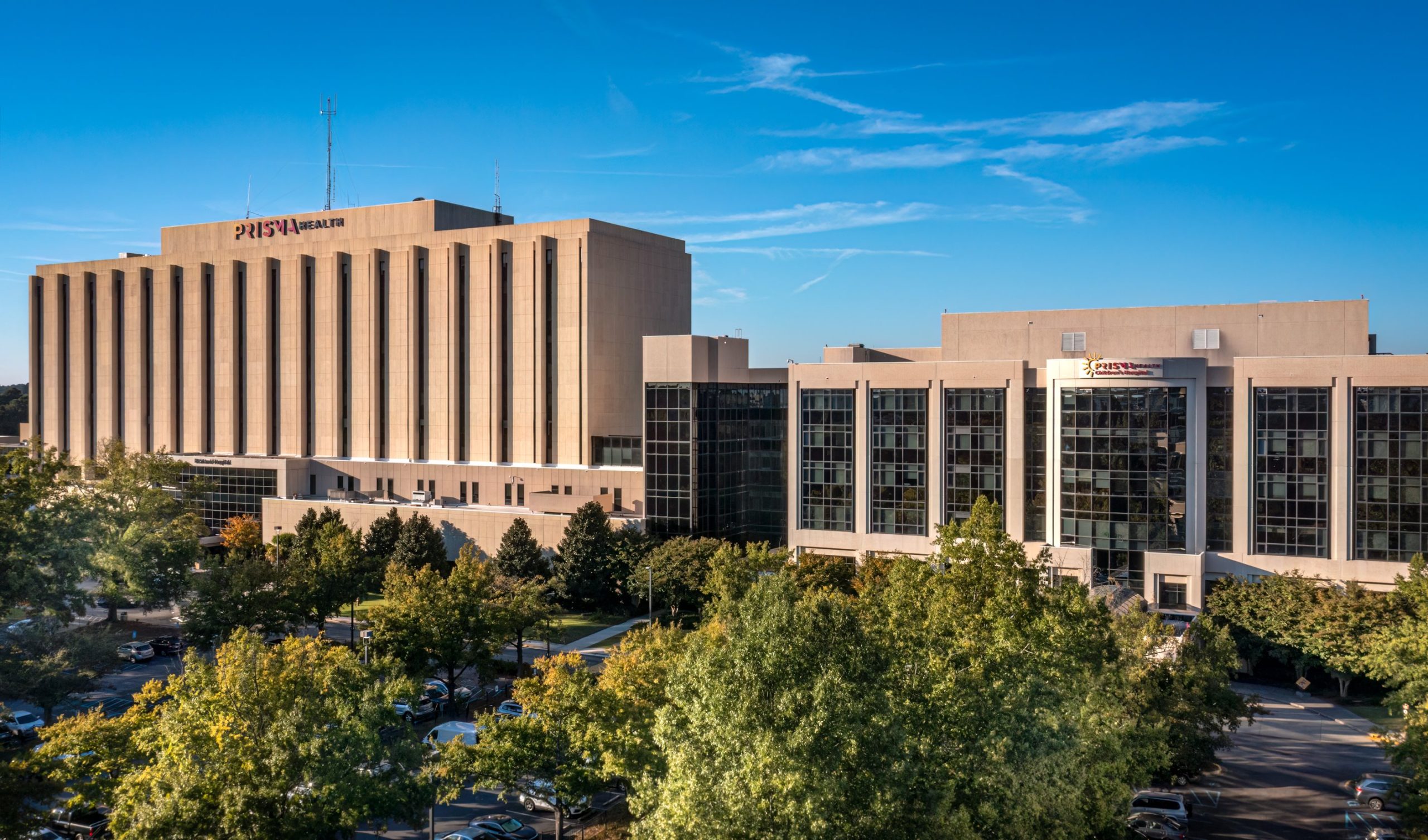
Prisma Health Richland Hospital
Downtown Columbia / 37+ active studies
Cancer, blood disorders, broad hospital research
The flagship Prisma Health hospital in the Midlands. Also, by far the biggest trial operation in the Columbia metro.
Visit Website →
University of South Carolina
Columbia / 27+ active studies
Stroke recovery, physical activity, community health
Notably, a research university that runs federally funded health studies across the Midlands. Specifically, topics range from stroke rehab to disease prevention.
Visit Website →
Bogan Sleep Consultants
Columbia / 7+ active studies
Narcolepsy, sleep disorders
One of the best known private sleep research sites in the Southeast. Also, it has run sleep trials for decades.
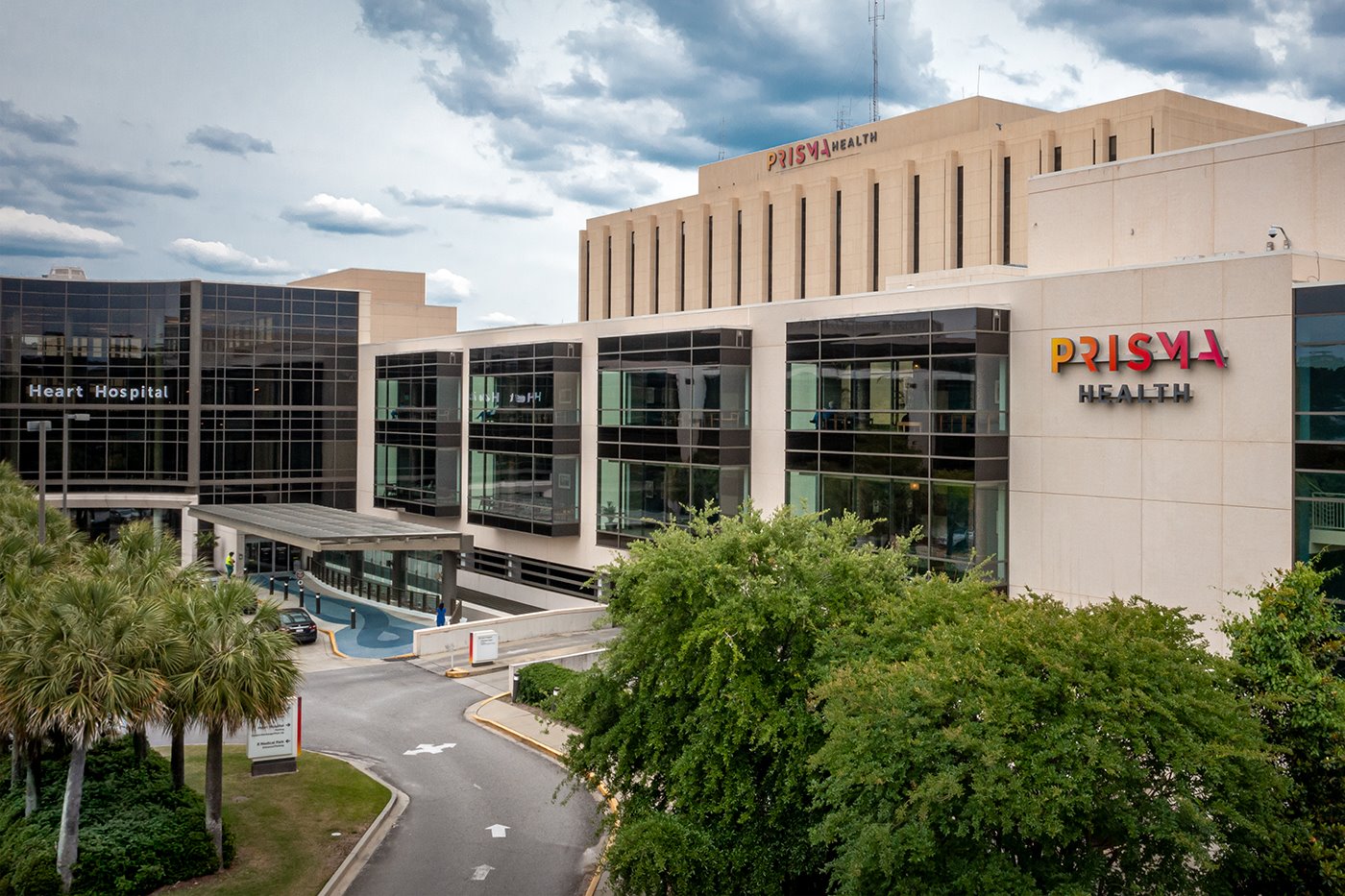
Prisma Health Midlands Cardiovascular
Columbia / 4+ active studies
Cardiovascular disease, heart failure
The heart and vessel research arm of Prisma Health in the Midlands. So it is the natural home for cholesterol trials in Columbia.
Visit Website →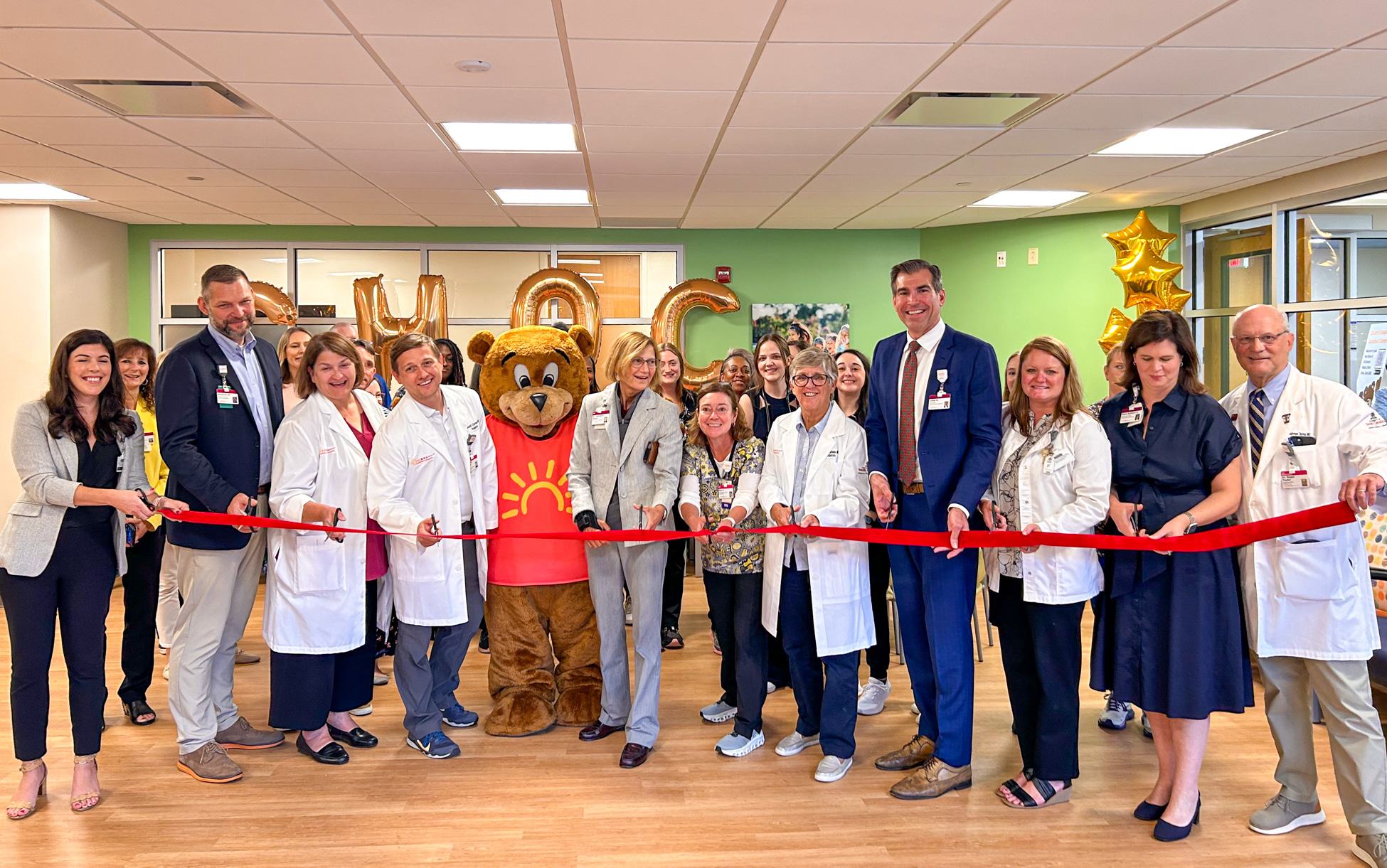
Prisma Health Children’s Hospital, Midlands
Columbia / 4+ active studies
Pediatric growth, cystic fibrosis
Basically, the Midlands hub for children’s research inside the Prisma Health system.
Visit Website →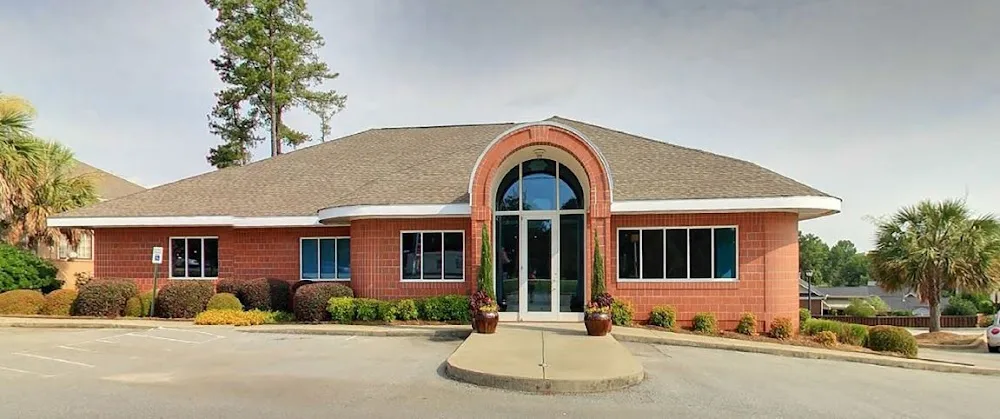
Columbia Dermatology & Aesthetics
Columbia / 4+ active studies
Hidradenitis suppurativa, psoriasis, obesity
A skin care practice with its own research team. It runs both skin and weight studies.
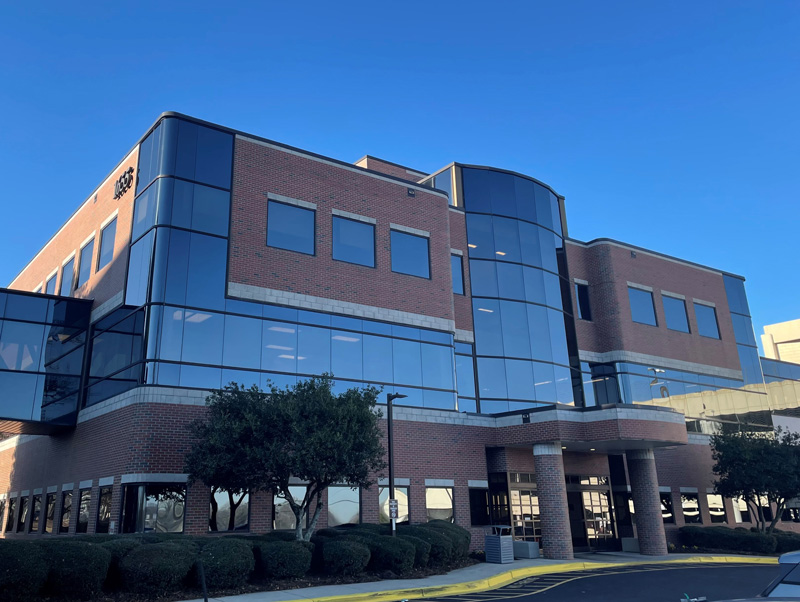
Velocity Clinical Research, Columbia
Columbia / Multiple active studies
COPD, skin conditions, vaccines
Part of one of the biggest research site networks in the country. Besides, it is just the kind of site the huge outcome trials lean on.
Visit Website →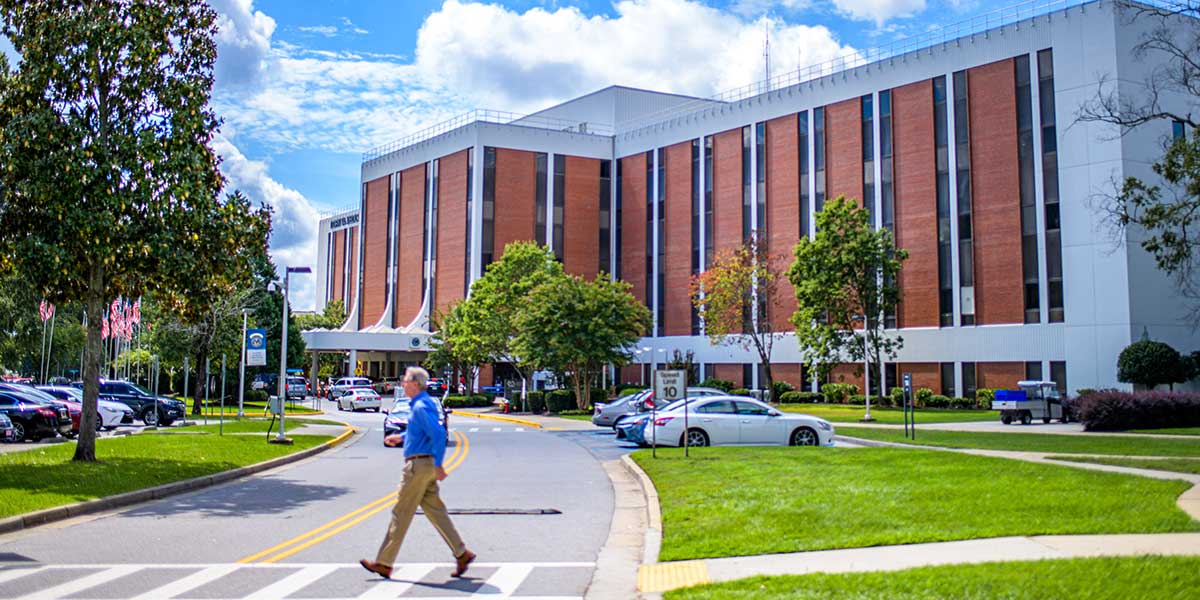
Wm. Jennings Bryan Dorn VA Medical Center
Garners Ferry Road, Columbia / 2+ active studies
Atherosclerosis, liver disease
Columbia’s VA medical center runs studies, including ones on clogged arteries. For veterans, it is often the first door.
Visit Website →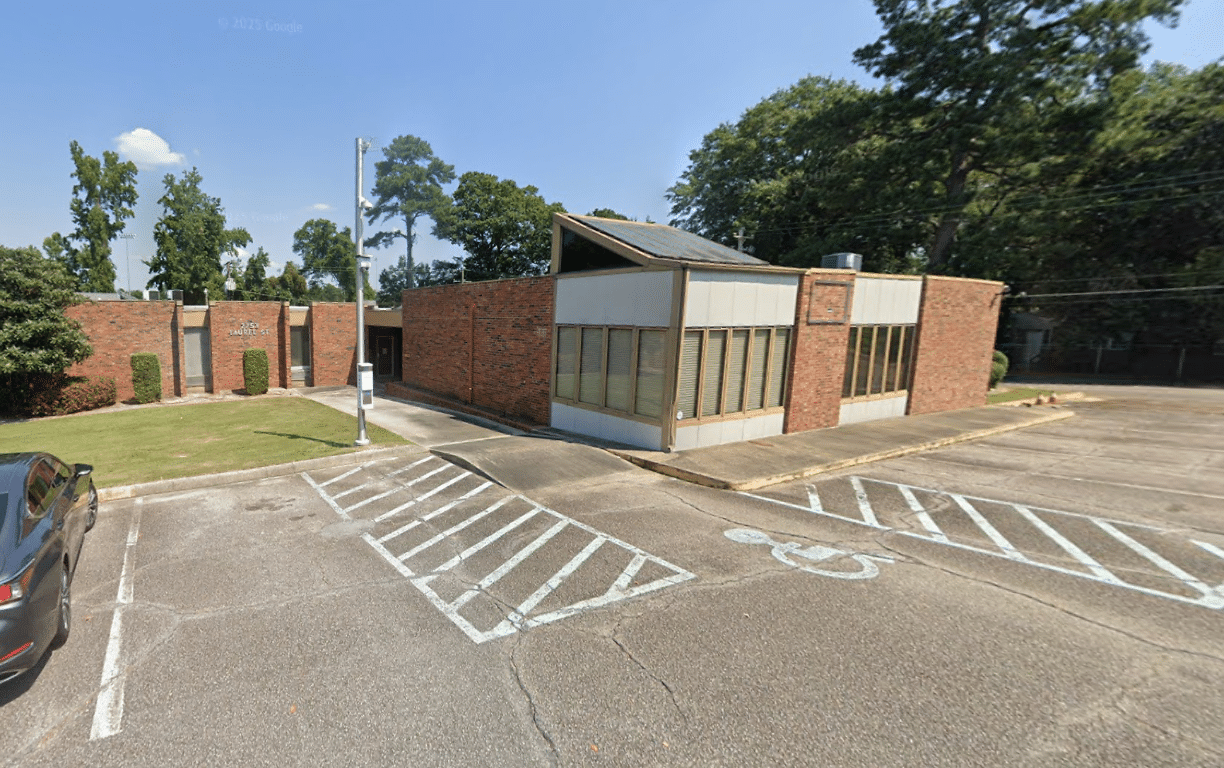
Objective Health, Columbia
Columbia / 2+ active studies
Celiac disease, fatty liver disease
Once called Columbia Digestive Health Research. Now it is part of the Objective Health network. Specifically, it runs gut and liver studies, including fatty liver trials.
Columbia Gastroenterology Associates
Columbia / Active studies
Digestive conditions
A long-running gut health practice. Also, it takes part in digestive trials around Columbia.
What to Expect in a Sleep Study
New to studies? Here is how one works, step by step.
01
Prescreening
First comes a short phone call or online form. Also, it takes about 10 to 15 minutes. The staff check whether you might fit. Then they tell you what is open.
02
Screening Visit
Next the clinic runs the tests that decide it, which usually means blood work. Also, they go through the consent form line by line, and you can bring somebody with you.
03
Treatment Period
Then the study begins. So you take the study drug or the placebo on the agreed schedule. Meanwhile, your own doctor keeps managing everything else.
04
Follow-Up
Finally, there is a check in period at the end. Also, your own doctor gets the results, and you can stop at any point without affecting your care.
Idiopathic Hypersomnia Trial FAQs
Real answers about idiopathic hypersomnia studies near Columbia SC.
Is there a study for this near Columbia?
Yes, four are open to new patients, and they all run from one sleep practice downtown. Notably, one more reads as recruiting but takes only people already enrolled in an earlier study, so we list it separately. One lets you keep your current medicine, and one requires you to stop it. However, every one of them needs a diagnosis backed by an overnight study and a nap test on file.
Do I need formal sleep testing to join?
Yes, and this is the single biggest barrier, so we put it first. Every study here needs a diagnosis backed by an overnight sleep study and a nap test on file, usually from the past 10 years. So if you have never had formal testing, the first step is getting it rather than calling a clinic.
How is this different from narcolepsy?
Three things separate them. You sleep a long time at night and still feel wrecked, naps leave you worse rather than refreshed, and there is no cataplexy, meaning no sudden muscle weakness with emotion. However, the line can come down to a single nap on the test, and diagnoses do get reclassified both ways.
Why did my diagnosis change?
Because the test itself is less stable than people assume, and this is on the record. One published review found that in a database analysis over about four years, diagnoses changed in half of patients as nap test results shifted. Also, roughly a third of people with these symptoms can have a negative nap test and never get the label at all.
Is there an approved drug for this?
Exactly one in the United States, approved in August 2021. Everything else prescribed for it is used off label, usually borrowed from narcolepsy or from wakefulness drugs. So people are often treated with drugs never properly tested in their condition. Meanwhile, that gap is precisely what the studies here are trying to close.
Will I have to stop my current medicine?
It depends entirely on the study, and this is the question to lead with. One requires you to stay on your daily medicine at a steady dose. Another states plainly that you do not keep it. Also, two do not publish it at all, and a washout is likely in both, so ask on the first call.
Why has this suddenly got so much research?
Because every big company working on orexin drugs now runs its own study here rather than folding this into a narcolepsy trial. So four separate companies are running studies, and all four have a site in one of these metros. In fact, for a condition with one approved drug, that is a genuine change rather than a slow drift.
How long do these run?
Shorter than most things we list, which surprises people. The shortest runs about five weeks in total and publishes its visit days outright. Two run 8 weeks of treatment, and one reads out at just 4 weeks. However, one offers an optional year long extension afterwards if you want to carry on.
Does it cost anything to be on the list?
No. There is no cost, and no insurance is needed. Tether is a nonprofit list, so we do not run studies and we are not paid to send you anywhere. Also, being on the list never enrolls anyone in anything. You would always call the clinic yourself.
Where can I get sleep care near Columbia SC?
Prisma Health and Lexington Medical Center run sleep services across the Midlands, and a sleep research practice sits downtown. Also, ask for a sleep specialist rather than general care, because this needs proper overnight and daytime testing. Meanwhile, if you have never had a nap test, that is the first thing to ask for rather than the last.
Ready to Explore a Study?
Check your eligibility, or just reach out to our Columbia team. No pressure. Also, no sales pitch.
← Back to All Clinical TrialsSources
- Vibrance-3 alixorexton study in idiopathic hypersomnia, ClinicalTrials.gov NCT06843590
- TAK-360 study in idiopathic hypersomnia, ClinicalTrials.gov NCT06812078
- HBS-301 phase 3 study in idiopathic hypersomnia, ClinicalTrials.gov NCT07500090
- CRYSTAL-1 cleminorexton study including an idiopathic hypersomnia group, ClinicalTrials.gov NCT06752668
- Boulanger T, Pigeon P, Crawford S. Diagnostic challenges and burden of idiopathic hypersomnia: a systematic literature review. SLEEP Advances, 2024
- American Academy of Sleep Medicine: FDA approves the first medicine indicated for idiopathic hypersomnia, August 2021
Study details and per-site recruiting status verified against ClinicalTrials.gov on August 16, 2026. Two long term extension studies read as recruiting but accept only people already enrolled in an earlier study, so they are listed separately rather than counted as open. Study availability and criteria change; the research clinic confirms everything before you enroll.