
COLUMBIA, SC
Restless Legs and Narcolepsy Clinical Trials
9 narcolepsy studies are open to new patients in Columbia SC, which is the strongest showing of any condition we cover here. However, no restless legs study is running, so that half of this page tells you what to ask for instead. Compensation is provided for eligible participants.
9
Open to New Patients
0
For Restless Legs
+/- $100
Per Visit
New here? Read how this page works
First, this page covers two conditions with completely different pictures. So here is how to get to the right half of it quickly.
- Know which type you have. Because type 1 means with cataplexy and type 2 means without, and that single fact routes almost every study here.
- Dig out your old sleep lab paperwork. Notably, a nap test from the past 10 years counts on some studies, which can save you a whole new test.
- If it is restless legs, ask for a ferritin instead. In fact, that blood test is worth more to you right now than any study on this page.
- Finally, tap the button. Then we check you against all of them at once and tell you when a new one opens.
Of course, checking never signs you up for anything. You are only seeing where you might fit.
The 9 Narcolepsy Studies Open in Columbia
Notably, two more read as recruiting but take only people already enrolled elsewhere. So we separate those.
For narcolepsy type 1, meaning with cataplexy
Three options, including a study of the drug approved this month. Notably, you do not need a spinal tap, because a sleep study record or a blood test works instead.

A Pill That Stands In for the Missing Signal
Alkermes / Drug
In type 1 narcolepsy the brain has lost the cells that make orexin, the chemical that keeps you awake. This is a pill that stands in for it, rather than stimulating you awake the way older drugs do.
Payment is not published. However, treatment is only 12 weeks.
Check eligibility →More details
Why researchers are excited: every treatment before this worked around the loss. So replacing the missing signal directly is the biggest shift this field has seen in decades.
Who this study is looking for
- Adults with narcolepsy type 1, meaning narcolepsy with cataplexy
- Also, A sleep study record, or a low orexin level from a spinal tap
- Besides that, you can attend overnight visits
- Finally, the full rules are on the study record, so read them before you call
Probably not a fit if: you took part in the earlier study of this drug. Also, whether you keep your current medicine is not published, so ask that on the first call.
- Placebo group: Two dose levels against a dummy, and the ratio is not published. However, two active groups against one dummy puts the odds in your favour.
- How long: 12 weeks of treatment, with safety checks to week 14.
- Clinic visits: About 6 to 9 in person, worked out from the measurement points. Baseline and week 12 carry the main tests.
- Phone calls: Not published on the public record.
- Most invasive part: Two rounds of a daytime wake test, with an overnight sleep study expected alongside each. So plan on roughly two nights in a sleep lab, plus blood draws.
- Setting: Outpatient.
- Where it runs: Alkermes research site, Columbia SC 29201.
- Good news if you have never had a spinal tap: you are not locked out. A sleep study record works instead, and that is true of every type 1 study here.
- Full study record: View on ClinicalTrials.gov →

The Matched Pair, and the Newest Study Here
Alkermes / Drug
A second study of the same pill in type 1 narcolepsy, running alongside the first. Sponsors run two because regulators generally want the result repeated.
Payment is not published. However, treatment is only 12 weeks.
Check eligibility →More details
Why researchers are excited: for you it means a second door. If one is full or you do not fit, ask about the other.
Who this study is looking for
- Adults with narcolepsy type 1
- Also, A sleep study record, or a low orexin level
- Besides that, you can attend overnight visits
- Finally, you did not take part in the earlier study of this drug
Probably not a fit if: you have another sleep disorder affecting your sleep and wake cycle, or you were in another study within 30 days.
- Placebo group: Two doses against a dummy, and the ratio is not published.
- How long: 12 weeks of treatment, with safety checks to week 14.
- Clinic visits: About 6 to 9 in person. The main tests fall at the start and at week 12.
- Phone calls: Not published on the public record.
- Most invasive part: Two rounds of a daytime wake test, with an overnight study expected alongside each.
- Setting: Outpatient.
- Where it runs: Alkermes research site, Columbia SC 29201.
- Worth asking: these two studies take the same people. So if one is full, the other may not be.
- Full study record: View on ClinicalTrials.gov →

A Study of the Drug That Was Just Approved
Takeda / Drug
Oveporexton was approved for type 1 narcolepsy on 5 August 2026, making it the first orexin drug ever approved. This study withdraws it at random from some people to measure what it was doing.
Payment is not published. Notably, this runs in Columbia and not in Charlotte.
Check eligibility →More details
Why researchers are excited: it is the first medicine that treats the underlying cause rather than managing the symptoms. So understanding what happens when it stops matters.
Who this study is looking for
- Adults with narcolepsy type 1
- Also, either a positive HLA blood test, or a low orexin level from a spinal tap
- Besides that, you can attend the Columbia site
- Finally, the full rules are on the study record
Probably not a fit if: the design means you may be moved off the active drug during the study. So understand that before you agree.
- Placebo group: Being moved to a dummy is part of the design, and the ratio is not published.
- How long: Not published in short form. Ask the site.
- Clinic visits: Not published on the public record.
- Phone calls: Not published on the public record.
- Most invasive part: Sleep and wake testing plus blood draws.
- Setting: Outpatient.
- Where it runs: Takeda Site, Columbia SC 29201.
- Worth knowing: the label flags trouble sleeping, needing to pass urine more often, and a muscle enzyme rise in some people. So ask about those specifically.
- Full study record: View on ClinicalTrials.gov →
For narcolepsy type 2, meaning without cataplexy
This is the half of narcolepsy that has been neglected for decades. In fact, the first one gives you three dose groups against one dummy, which is the best odds on this page.

For the Neglected Half of Narcolepsy
Alkermes / Drug
The same orexin pill, but in type 2 narcolepsy, which means narcolepsy without cataplexy. That group has had far fewer options and far less research.
Payment is not published. However, treatment is only 12 weeks.
Check eligibility →More details
Why researchers are excited: type 2 has been the forgotten half of this disease. Also, three dose groups against one dummy gives you better odds of the real drug than almost anything here.
Who this study is looking for
- Adults with narcolepsy type 2, meaning without cataplexy
- Also, A sleep study and nap test record, with no alternative route here
- Besides that, you can attend overnight visits
- Finally, the full rules are on the study record
Probably not a fit if: you have no nap test on record. Unlike the type 1 studies, there is no blood test or spinal tap route here.
- Placebo group: Three dose levels against a dummy, so the odds of real drug are better than in a two group study. However, the exact ratio is not published.
- How long: 12 weeks of treatment, with safety checks to week 14.
- Clinic visits: About 6 to 9 in person, and overnight visits are referred to in the entry rules.
- Phone calls: Not published on the public record.
- Most invasive part: A daytime wake test and overnight sleep studies, plus blood draws.
- Setting: Outpatient.
- Where it runs: Alkermes research site, Columbia SC 29201.
- Worth knowing: this one has two Charlotte area sites rather than one, which is the best geographic coverage in this batch.
- Full study record: View on ClinicalTrials.gov →

A Second Generation Orexin Pill
Takeda / Drug
Takeda’s next orexin drug, tested in type 2 narcolepsy. The sponsor explains the logic simply, which is that orexin keeps a person awake and alert.
Payment is not published. Notably, the efficacy read comes at just 4 weeks.
Check eligibility →More details
Why researchers are excited: the first drug in this class was just approved for type 1 but did not clear its bar in type 2. So type 2 patients are being channelled into newer molecules, and this is one.
Who this study is looking for
- Adults with narcolepsy type 2
- Also, A current documented diagnosis under the standard criteria
- Besides that, the exact test needed is not listed, so ask the clinic
- Finally, you can be followed for up to 15 weeks
Probably not a fit if: you may have to stop your current medicine, and a washout is likely here. So raise that first.
- Placebo group: Real drug against a dummy, and the ratio is not published.
- How long: Safety is followed up to 15 weeks, with the main read at week 4.
- Clinic visits: About 5 to 8, worked out from the published measurement windows.
- Phone calls: Not published on the public record.
- Most invasive part: A daytime wake test and forms, plus blood draws.
- Setting: Outpatient.
- Where it runs: Takeda Site, Columbia SC 29201.
- Read this first: a washout of your current medicine is likely, though the record does not spell it out. So confirm before you plan anything.
- Full study record: View on ClinicalTrials.gov →
Open to either type
These four take both types. Also, one of them is the only study in this batch that lets you keep your current daily medicine.

An Early Study Open to Both Types
Centessa / Drug
Another orexin pill, tested across type 1, type 2 and a related sleep disorder in one study. So it covers three diagnoses that usually get separated.
Payment is not published.
Check eligibility →More details
Why researchers are excited: running all three together is unusual, and it means one phone call can cover more ground than normal.
Who this study is looking for
- Adults with narcolepsy type 1 or type 2, or a related sleep disorder
- Also, A diagnosis on record under the standard rules
- Besides that, the exact test needed is not listed, so ask the clinic
- Finally, the full rules are on the study record
Probably not a fit if: the exclusions are not listed in the summary record, so this is a call rather than a read.
- Placebo group: Real drug against a dummy, and the ratio is not published.
- How long: Not published in short form. Ask the site for the current schedule.
- Clinic visits: Not published on the public record.
- Phone calls: Not published on the public record.
- Most invasive part: Sleep and wake testing plus blood draws, in line with the rest of this class.
- Setting: Outpatient.
- Where it runs: Research site, Columbia SC 29201.
- Why it is here: few studies take all three diagnoses at once. So if you have been bounced between labels, this is worth asking about.
- Full study record: View on ClinicalTrials.gov →

The Larger Study of the Same Drug
Centessa / Drug
The bigger, later stage study of the same orexin pill, in type 1 and type 2 narcolepsy. It follows on from the early study above.
Payment is not published.
Check eligibility →More details
Why researchers are excited: a later stage study usually means the dose is settled, so there is less uncertainty about what you receive.
Who this study is looking for
- Adults with narcolepsy type 1 or type 2
- Also, A diagnosis on record under the standard rules
- Besides that, the exact test needed is not listed, so ask the clinic
- Finally, the full rules are on the study record
Probably not a fit if: the exclusions are not listed in the summary record, so ask the site directly.
- Placebo group: Real drug against a dummy, and the ratio is not published.
- How long: Not published in short form. Ask the site.
- Clinic visits: Not published on the public record.
- Phone calls: Not published on the public record.
- Most invasive part: Sleep and wake testing plus blood draws.
- Setting: Outpatient.
- Where it runs: Research site, Columbia SC 29201.
- Worth asking: the same sites run both this and the earlier study. So one call covers both.
- Full study record: View on ClinicalTrials.gov →

The Only One Where You Keep What You Take
Harmony Biosciences / Drug
A next generation compound in the same family as pitolisant, which works on histamine rather than orexin. You stay on your current daily medicine at a steady dose.
Payment is not published. However, an optional year long open extension follows.
Check eligibility →More details
Why researchers are excited: this is the standout practical fact in the whole batch. Every other study here either stops your medicine or does not say, and this one requires you to keep it.
Who this study is looking for
- Adults with narcolepsy
- Also, A documented diagnosis in the past 10 years
- Besides that, you are on a stable daily dose of your current medicine, and you stay on it
- Finally, you can stop using any as needed doses
Probably not a fit if: you take pitolisant itself, which must be stopped well before screening. Also, all as needed use has to stop, even though your daily medicine continues.
- Placebo group: Real drug against a dummy, and the ratio is not published. However, your usual daily treatment carries on underneath, which is unique here.
- How long: Up to 28 days of screening, then 8 weeks blinded, then an optional year long open extension.
- Clinic visits: Clearly structured. Screening, an 8 week blinded stretch, then the optional extension and a safety check.
- Phone calls: Not published on the public record.
- Most invasive part: Sleep and wake testing, forms and blood draws.
- Setting: Outpatient.
- Where it runs: Bogan Sleep Consultants, Columbia SC 29201.
- Read this first: this is the one study here that lets you keep your daily medicine. However, pitolisant specifically must be stopped, and so must any as needed doses.
- Full study record: View on ClinicalTrials.gov →
Another Orexin Drug, Both Types
Eisai / Drug
A different company’s orexin drug, tested in both type 1 and type 2 narcolepsy. It runs in Columbia and has no Charlotte site.
Payment is not published.
Check eligibility →More details
Why researchers are excited: more molecules in the same class means more chances that one suits you, and more sites within reach if one is full.
Who this study is looking for
- Adults with narcolepsy type 1 or type 2
- Also, for type 1, either a low orexin level or a sleep study and nap test
- Besides that, for type 2, a sleep study and nap test, done in the last 10 years or at screening
- Finally, you can attend the Columbia site
Probably not a fit if: for type 2 there is no alternative to the nap test, so an old record or a new test is needed.
- Placebo group: Real drug against a dummy, and the ratio is not published.
- How long: Not published in short form. Ask the site.
- Clinic visits: Not published on the public record.
- Phone calls: Not published on the public record.
- Most invasive part: A sleep study and a daytime nap test if you do not already have recent ones, plus blood draws.
- Setting: Outpatient.
- Where it runs: Bogan Sleep Consultants, Columbia SC 29201.
- Worth knowing: a nap test from the past 10 years counts. So dig out old sleep lab paperwork before you book a new one.
- Full study record: View on ClinicalTrials.gov →
Listed as recruiting, but closed to new people
Notably, these read as open and are not. We separate them rather than counting them, because a door you cannot walk through is not a door.
Three Studies You Cannot Join From Scratch
Takeda, Alkermes and Centessa / Rollovers
Three long term extension studies run at these sites and read as recruiting. However, all three take only people who were already in an earlier study of the same drug.
Payment is not published.
Read the details →More details
Why researchers are excited: we list them so the number you see elsewhere makes sense. Counting them as open doors would overstate what is actually available to you.
Who this study is looking for
- You already completed an earlier study of the same drug
- Also, you are continuing on from that study
- Besides that, there is no route in from outside
- Finally, so this is background rather than an option
Probably not a fit if: you have not been in the earlier study. That is the whole gate, and it is absolute.
- Placebo group: These are open label extensions, so people generally know what they are taking.
- How long: Long term, by design.
- Clinic visits: Not published on the public record.
- Phone calls: Not published on the public record.
- Most invasive part: In line with the parent studies.
- Setting: Outpatient.
- Where it runs: Research sites, Columbia SC 29201.
- Why we show these: other directories count them in the total. We separate them, because a door you cannot walk through is not a door.
- Full study record: View on ClinicalTrials.gov →
Not sure which one fits you?
First, answer a few quick health questions. Then we check you against every study we track. Also, no account and no paperwork.
See if I may fit one of these studies →Two Conditions, Two Completely Different Stories
One just got its first real drug. The other just lost its old ones.
Why These Share a Page
They both wreck your sleep and both get missed for years, so people search for them together. However, the research picture could not be more different. Narcolepsy is having the biggest year in its history. Meanwhile, restless legs has nothing recruiting here at all, and the reason is worth reading.
What Narcolepsy Actually Is
In type 1, the brain has lost the cells that make orexin, the chemical that holds you awake. That also causes cataplexy, which is sudden muscle weakness set off by emotion. Type 2 is narcolepsy without cataplexy, and it has been the neglected half for decades. So which type you have decides which studies can take you.
The First Drug That Treats the Cause
On 5 August 2026 the first orexin drug was approved for type 1 narcolepsy. Every treatment before it worked around the missing chemical, using stimulants or other routes. This one replaces the signal directly at the receptor. So after decades of managing symptoms, the cause itself is finally being treated.
One Honest Caution About This Class
An earlier drug from the same company was halted over liver injury. That was a different molecule, and the approved one has no reported liver signal. Its label does say to avoid it in severe liver impairment, but that is a not studied in warning rather than a harm signal. So do not confuse the two, and do ask about the label’s other flags, which include trouble sleeping and needing to pass urine more often.
Type 2 Is a Separate Race
The approved drug worked in type 1 and did not clear its bar in type 2. Everybody with type 2 was discontinued from its extension study. So type 2 patients are being channelled into different molecules, and several of those are recruiting here. In fact, one of them gives you three dose groups against one dummy, which is the best odds on this page.
Now the Restless Legs Story, and It Reversed
In 2024 the sleep medicine academy reversed its own long standing advice. The dopamine drugs that had been first line since 2012 now carry advice against routine use. The reason is augmentation, where after months or years the drug makes things worse rather than better. As John Winkelman of Mass General put it, over the long term they make symptoms worse, lasting more hours of the day, and spreading from the legs into the arms.
What Replaced Them, and the Test to Ask For
Iron came first, with a strong recommendation for one intravenous form. Then gabapentin enacarbil, gabapentin and pregabalin, none of which cause augmentation. So the single most useful thing you can do is ask for a ferritin and a transferrin saturation, drawn in the morning. Winkelman called the guideline an important turning point in treating restless legs.
The Ferritin Trap
A ferritin of 15 or 20 gets reported as normal by an ordinary lab range. For restless legs it is not normal. As Winkelman put it, many providers would call that a little low but normal, while he would say it is way too low for somebody with restless legs. So ask for the number rather than the word, because 75 or below means iron treatment is indicated.
Research Sites Near Columbia
Every narcolepsy study here runs through one sleep research practice downtown. But sites add new studies all the time, so it is worth knowing what sits near you.
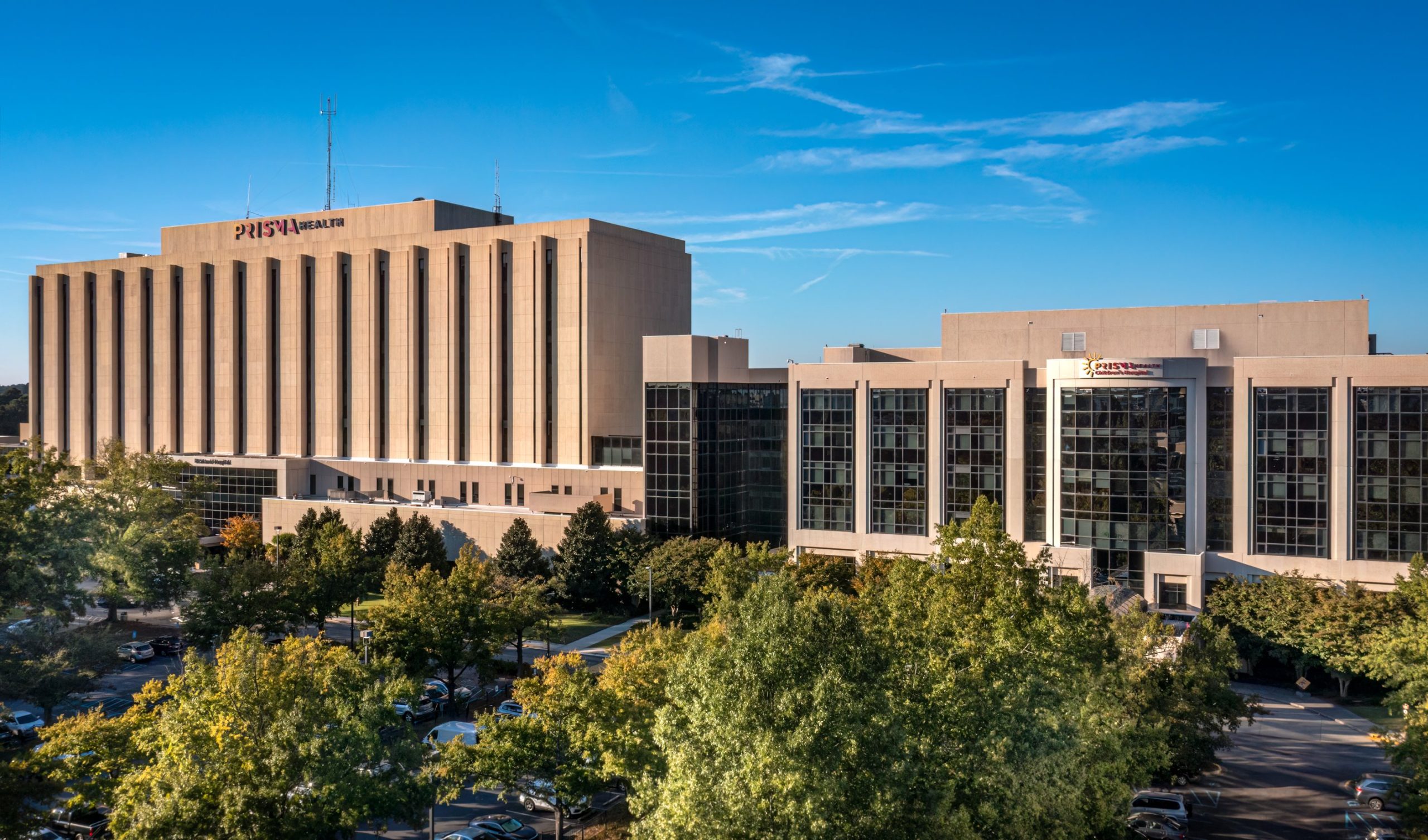
Prisma Health Richland Hospital
Downtown Columbia / 37+ active studies
Cancer, blood disorders, broad hospital research
The flagship Prisma Health hospital in the Midlands. Also, by far the biggest trial operation in the Columbia metro.
Visit Website →
University of South Carolina
Columbia / 27+ active studies
Stroke recovery, physical activity, community health
Notably, a research university that runs federally funded health studies across the Midlands. Specifically, topics range from stroke rehab to disease prevention.
Visit Website →
Bogan Sleep Consultants
Columbia / 7+ active studies
Narcolepsy, sleep disorders
One of the best known private sleep research sites in the Southeast. Also, it has run sleep trials for decades.
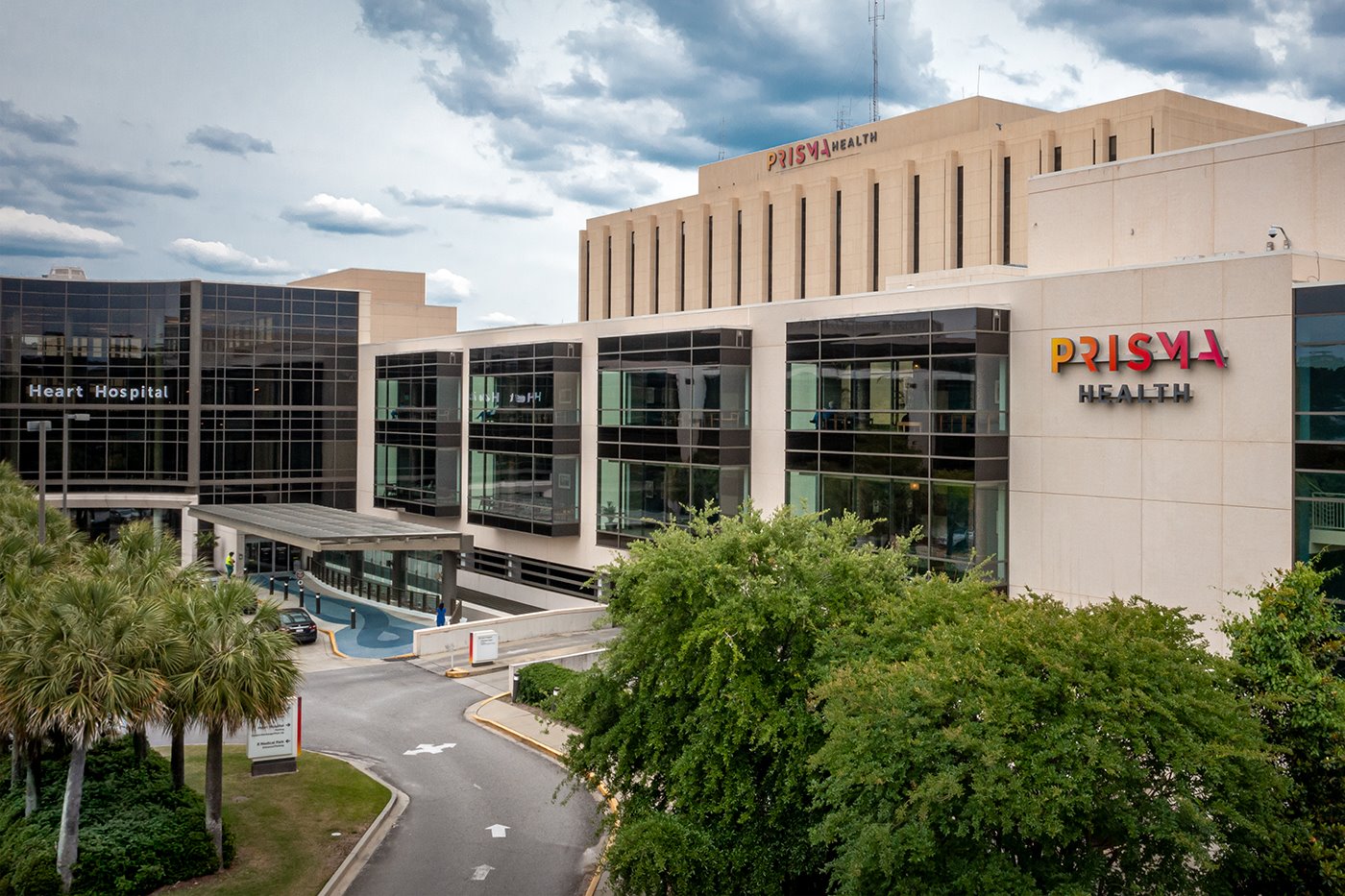
Prisma Health Midlands Cardiovascular
Columbia / 4+ active studies
Cardiovascular disease, heart failure
The heart and vessel research arm of Prisma Health in the Midlands. So it is the natural home for cholesterol trials in Columbia.
Visit Website →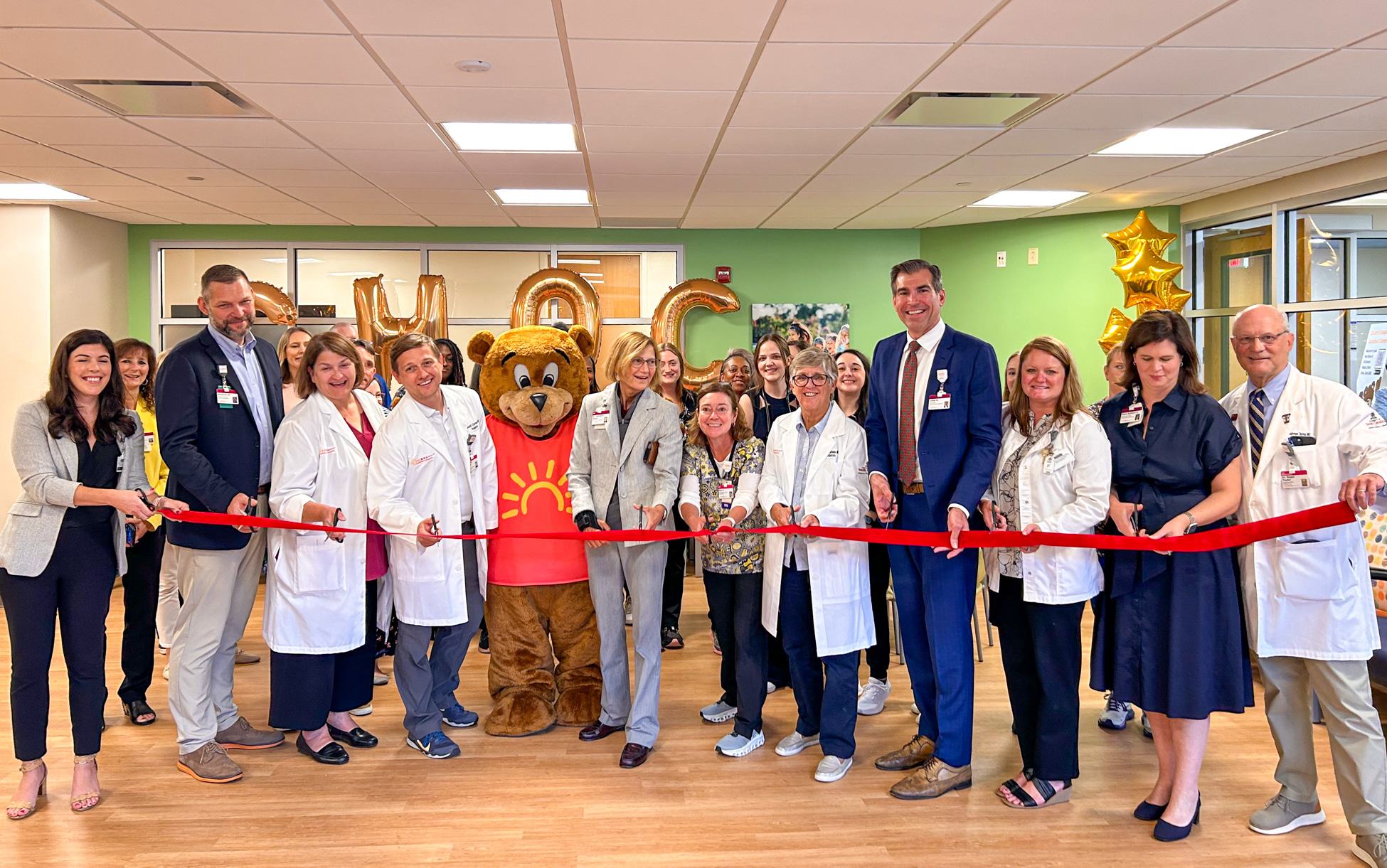
Prisma Health Children’s Hospital, Midlands
Columbia / 4+ active studies
Pediatric growth, cystic fibrosis
Basically, the Midlands hub for children’s research inside the Prisma Health system.
Visit Website →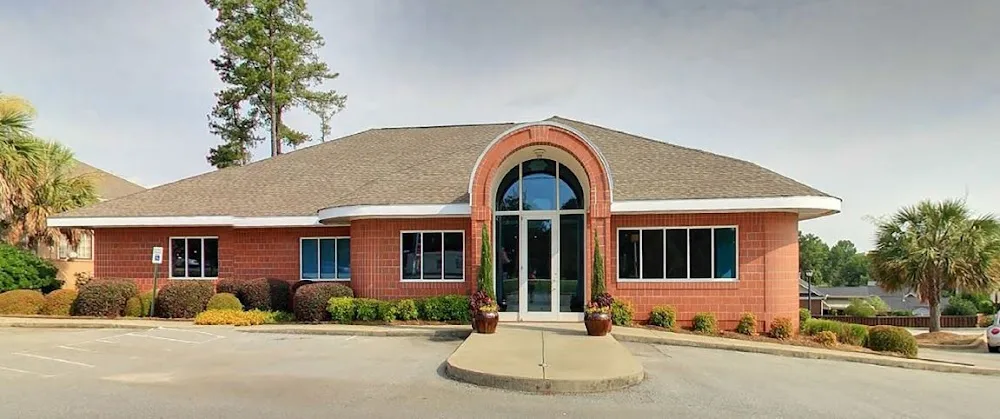
Columbia Dermatology & Aesthetics
Columbia / 4+ active studies
Hidradenitis suppurativa, psoriasis, obesity
A skin care practice with its own research team. It runs both skin and weight studies.
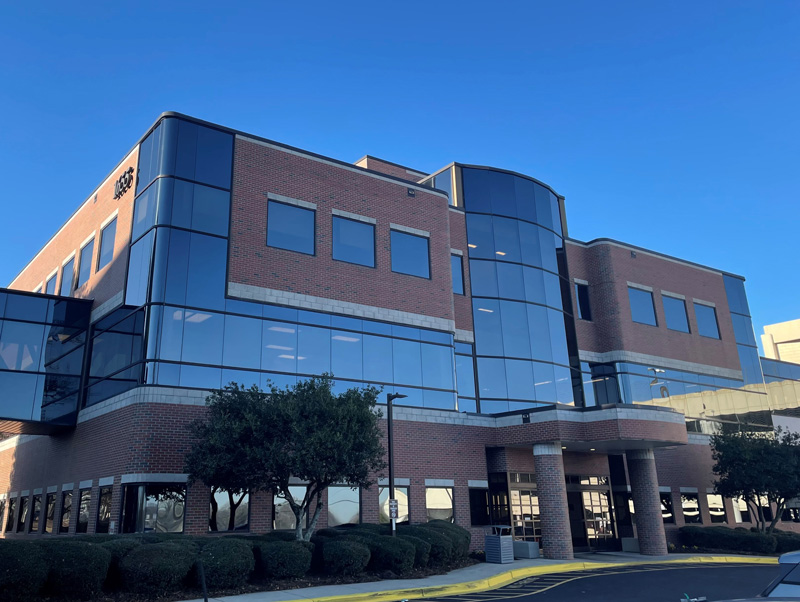
Velocity Clinical Research, Columbia
Columbia / Multiple active studies
COPD, skin conditions, vaccines
Part of one of the biggest research site networks in the country. Besides, it is just the kind of site the huge outcome trials lean on.
Visit Website →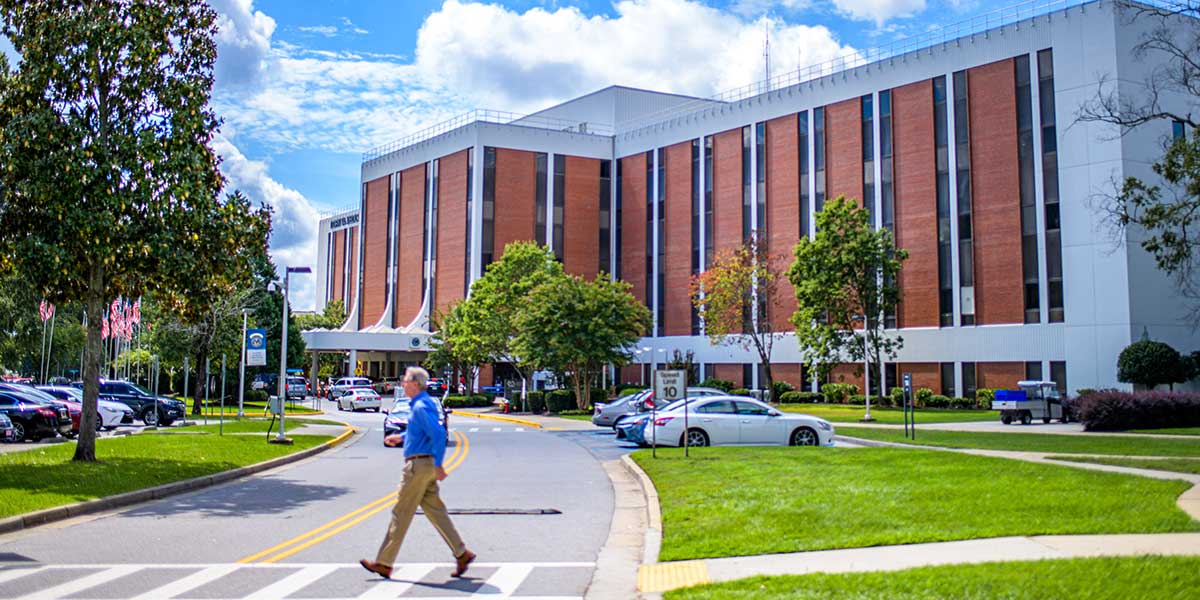
Wm. Jennings Bryan Dorn VA Medical Center
Garners Ferry Road, Columbia / 2+ active studies
Atherosclerosis, liver disease
Columbia’s VA medical center runs studies, including ones on clogged arteries. For veterans, it is often the first door.
Visit Website →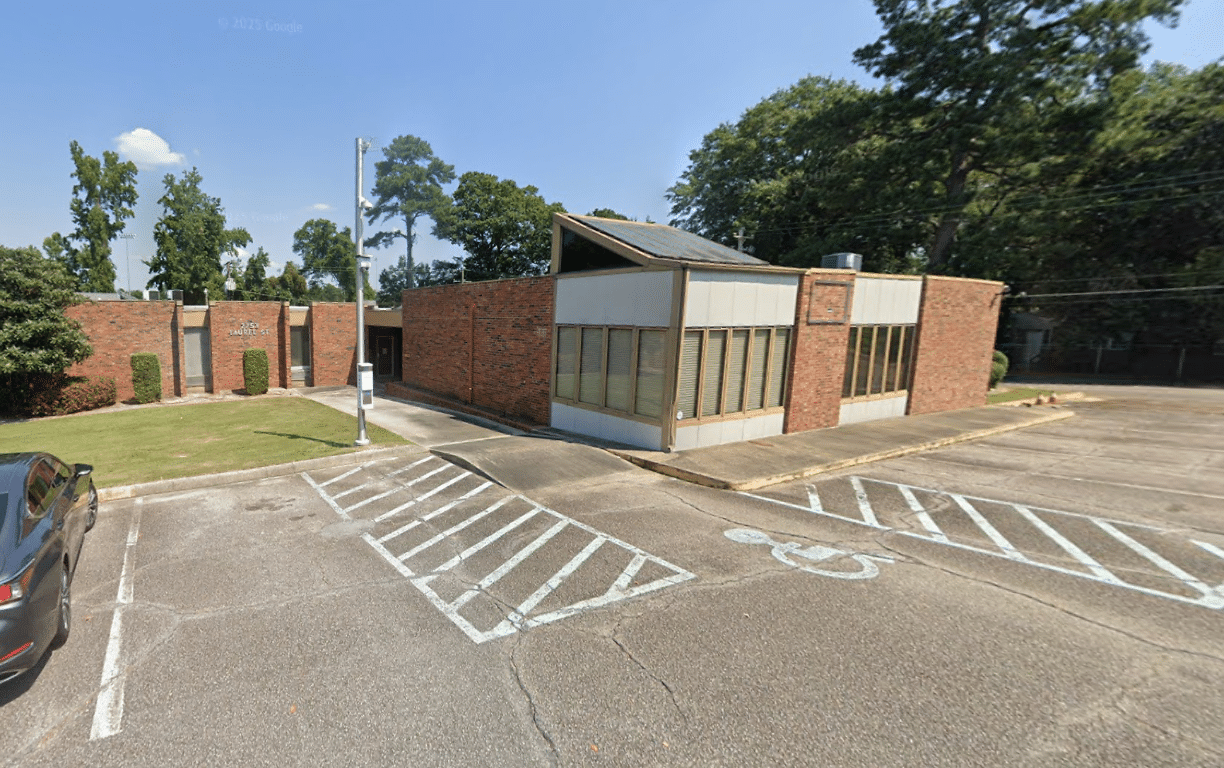
Objective Health, Columbia
Columbia / 2+ active studies
Celiac disease, fatty liver disease
Once called Columbia Digestive Health Research. Now it is part of the Objective Health network. Specifically, it runs gut and liver studies, including fatty liver trials.

Columbia Gastroenterology Associates
Columbia / Active studies
Digestive conditions
A long-running gut health practice. Also, it takes part in digestive trials around Columbia.
What to Expect in a Sleep Study
New to studies? Here is how one works, step by step.
01
Prescreening
First comes a short phone call or online form. Also, it takes about 10 to 15 minutes. The staff check whether you might fit. Then they tell you what is open.
02
Screening Visit
Next the clinic runs the tests that decide it, which usually means blood work. Also, they go through the consent form line by line, and you can bring somebody with you.
03
Treatment Period
Then the study begins. So you take the study drug or the placebo on the agreed schedule. Meanwhile, your own doctor keeps managing everything else.
04
Follow-Up
Finally, there is a check in period at the end. Also, your own doctor gets the results, and you can stop at any point without affecting your care.
Narcolepsy and Restless Legs Trial FAQs
Real answers about narcolepsy and restless legs studies near Columbia SC.
Is there a narcolepsy study near Columbia?
Yes, nine are open to new patients, and that is the strongest showing of any condition we cover in Columbia. Remarkably, they all run through one sleep research practice downtown, so in practice it is a single phone call. Notably, two more read as recruiting but take only people already enrolled elsewhere, so we list those separately. However, no restless legs study is running here at all, and the second half of this page explains what to do instead.
Is there a restless legs study near me?
No, and not in either metro. This is a true zero and we will not dress it up. Research in restless legs collapsed after the dopamine drug era ended, because the treatments that replaced them are already approved and on the market. Meanwhile, the sleep clinics here that would run such a study are busy, and they are busy with narcolepsy.
So what should I do about restless legs instead?
Ask for iron studies, and ask for them by name. A serum ferritin and an iron saturation test, drawn in the morning after 24 hours without iron pills or iron rich food. A ferritin of 75 or below, or a saturation under 20 percent, means iron treatment is indicated. Also, between 75 and 100 it is iron by drip only, and above 100 is the target to hold.
I was told my ferritin was normal.
That is exactly the trap, and it catches people constantly. A result of 15 or 20 sits inside an ordinary lab range and gets reported as fine. As John Winkelman, who chaired the guideline, put it, many providers would call that a little low but normal, while he would say it is way too low for somebody with restless legs. So ask for the number, not the word.
I take pramipexole or ropinirole. Should I stop?
Do not stop on your own, but do book a conversation about it. In 2024 the sleep medicine academy reversed its advice, and those drugs now carry advice against routine use because of augmentation, where the drug in time makes things worse. As Brian Koo of Yale put it, anyone with restless legs taking one should talk to their doctor about whether it should be stopped.
What is the difference between narcolepsy type 1 and type 2?
Type 1 means narcolepsy with cataplexy, which is sudden muscle weakness triggered by emotion. Type 2 means narcolepsy without it. In type 1 the brain has lost the cells that make orexin, and that loss is measurable. So which type you have decides which studies can take you, and it is the first thing to sort out.
Do I need a spinal tap?
No, and this reassures more people than anything else on the page. Every type 1 study here accepts a sleep study record, or in one case a blood test, instead of an orexin level. So the spinal tap is an option rather than a gate. However, the type 2 studies do generally need a nap test, and one has no alternative route.
Will I have to stop my current medicine?
It depends on the study, and this is the question to lead with. One study requires you to stay on your daily medicine at a steady dose, which is unique here. Another likely requires a washout, though the record does not spell it out. Meanwhile, several simply do not publish it, so ask on the first call rather than at screening.
Is there really a new drug for narcolepsy?
Yes, and it arrived this month. On 5 August 2026 the first orexin drug was approved for type 1 narcolepsy, and it is the first treatment that acts on the cause rather than the symptoms. However, it did not clear its bar in type 2, which is why type 2 patients are being pointed toward newer molecules.
Where can I get sleep care near Columbia SC?
Prisma Health and Lexington Medical Center run sleep services across the Midlands, and a dedicated sleep research practice sits downtown. Also, ask for a sleep specialist rather than general care, because this needs proper overnight and daytime testing. Meanwhile, if it is restless legs, ask for a morning ferritin and an iron saturation test before anything else.
Ready to Explore a Study?
Check your eligibility, or just reach out to our Columbia team. No pressure. Also, no sales pitch.
← Back to All Clinical TrialsSources
- Brilliance alixorexton study in narcolepsy type 1, ClinicalTrials.gov NCT07455383
- Brilliance alixorexton second study in narcolepsy type 1, ClinicalTrials.gov NCT07540897
- Brilliance alixorexton study in narcolepsy type 2, ClinicalTrials.gov NCT07502443
- TAK-360 study in narcolepsy type 2, ClinicalTrials.gov NCT06952699
- CRYSTAL-1 cleminorexton study, ClinicalTrials.gov NCT06752668
- SAPPHIRE cleminorexton study, ClinicalTrials.gov NCT07598708
- HBS-301 phase 3 study in narcolepsy, ClinicalTrials.gov NCT07675135
- Oveporexton randomised withdrawal study in narcolepsy type 1, ClinicalTrials.gov NCT07363720
- E2086 study in narcolepsy, ClinicalTrials.gov NCT07493265
- Takeda: FDA approval of oveporexton for narcolepsy type 1, August 2026
- American Academy of Sleep Medicine: new clinical practice guideline for restless legs syndrome, with comment from John Winkelman, MD, PhD
- HCPLive: AASM updates restless legs guidelines, with comment from John Winkelman, MD, PhD on ferritin thresholds
- Yale Medicine: restless legs advice has changed, with comment from Brian B. Koo, MD
Study details and per-site recruiting status verified against ClinicalTrials.gov on August 16, 2026. Three long term extension studies read as recruiting at these sites but accept only people who were already enrolled in an earlier study, so they are listed separately rather than counted as open. On that date no restless legs study was recruiting in either metro. Study availability and criteria change; the research clinic confirms everything before you enroll.